11 Homes That Feel “Balanced” Until You Try to Live in Them
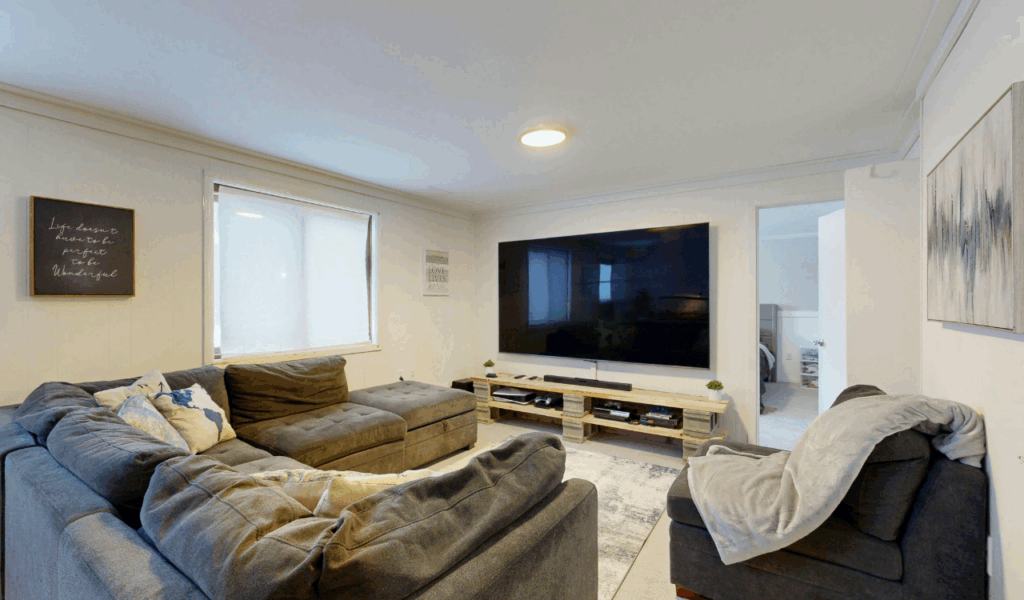
Some homes appear calm, well-planned, and balanced. The furniture is well-arranged, the colors match, and nothing is out of place. These spaces appear wonderful in photos and follow popular design principles that promise fluidity and harmony. However, living there is a another story. A short walkthrough didn’t reveal little annoyances, unusual movements, and practical issues, but daily habits do. Balanced on paper may not be pleasant, usable, or realistic. Balance is about how a space helps you live, not only proportionality or restraint. This essay looks at eleven well-designed homes, but when you use them daily, you’ll learn why visual balance doesn’t make a home pleasant.
1. The Perfectly Symmetrical Living Room
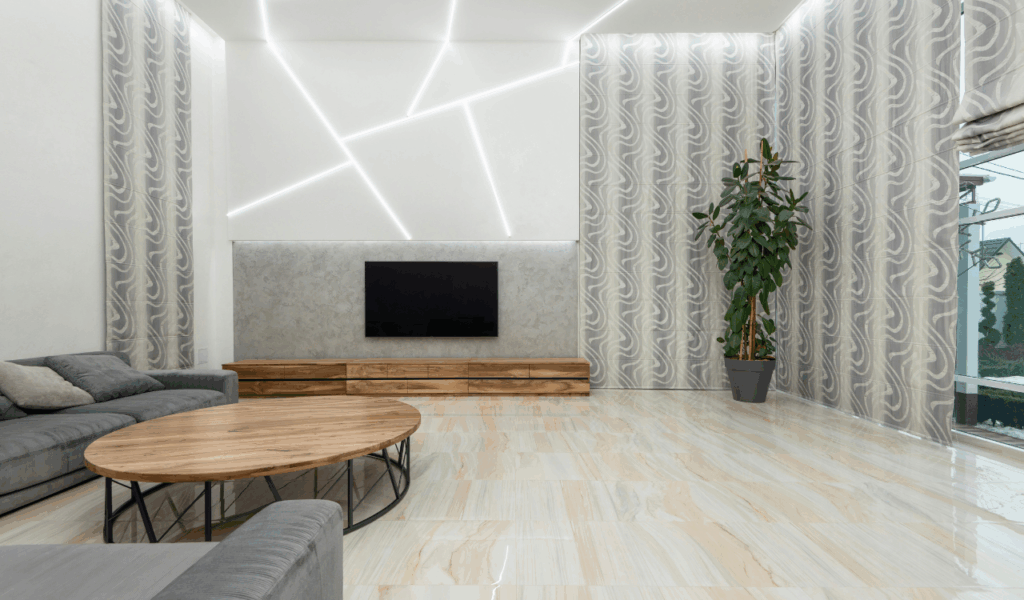
Synchronized living spaces may appear neat and orderly, but using them daily demonstrates their limitations. Although matching sofas, tables, and lights of the same size may look attractive, they don’t account for how people move and rest. To stretch out, change seats, and entertain different-sized groups, a living room must be adaptable. Symmetry fixes furniture in place, making it uncomfortable or impossible to move. Some seats are great, while others are too open or cramped. Electric outlets, lighting angles, and storage space are typically sacrificed for visual balance. It becomes an exhibition rather than a relaxing space. It seems tranquil yet doesn’t fit how people live, gather, and relax.
2. Open Floor Plans With No Visual Breaks
Open floor layouts promise freedom and fluidity, but they can be tiring to live in if there aren’t any visual pauses. It’s easy for noise and distraction to spread when cooking, working, relaxing, and socializing all happen in the same room. There isn’t much of a sensation of escape because smells spread and conversations mix. Without clear zones, daily life can feel more chaotic than flexible. It’s hard to put furniture because the space doesn’t have a clear anchor, which can lead to odd layouts or wasted space. In pictures, the room may look big and balanced, but living in it can be too much. It’s normal for people to look for limits, even small ones, to feel safe. Without them, the place may look great but feel emotionally off over time.
3. Minimalist Homes With No Buffer Storage

Minimalist homes can feel peaceful and calm, but living in one shows how hard it is to find a place to put actual life. You need easy access to storage for things you use every day, such bags, shoes, cleaning supplies, and papers. When storage is hidden too well or taken away completely, there is nowhere for clutter to go but out in the open. This makes a lot of noise that ruins the tranquility the design was going for. People who live there may feel like they have to clean all the time or live in a way that isn’t natural. Although rare, the house looks balanced when there is no activity. A comfortable home needs extra space to handle daily messes. Instead of relaxing, minimalism may tire.
4. Kitchens Designed Only for Visual Cleanliness
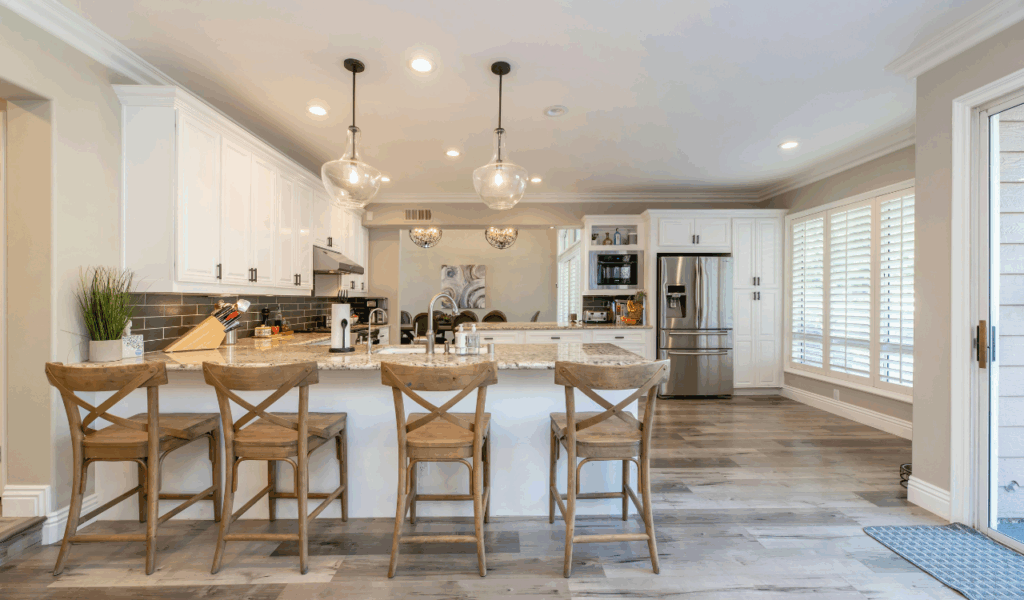
A kitchen that puts a lot of emphasis on clean lines and looks good typically has trouble meeting real cooking needs. Cabinets with no handles, appliances that are hidden, and surfaces that are smooth all seem nice, but they can make simple activities take longer. It can be annoying to have to open drawers with dirty hands, look for concealed buttons, or not have any apparent storage. For appearance, counter space may be removed, reducing cooking space. Soft and balanced lighting may not illuminate work areas. Cooking can become tedious and frustrating. A fast, safe, and comfortable kitchen is essential. Looks alone may make a place look fantastic but not be able to accommodate daily meals.
5. Bedrooms Built Around Visual Calm Only
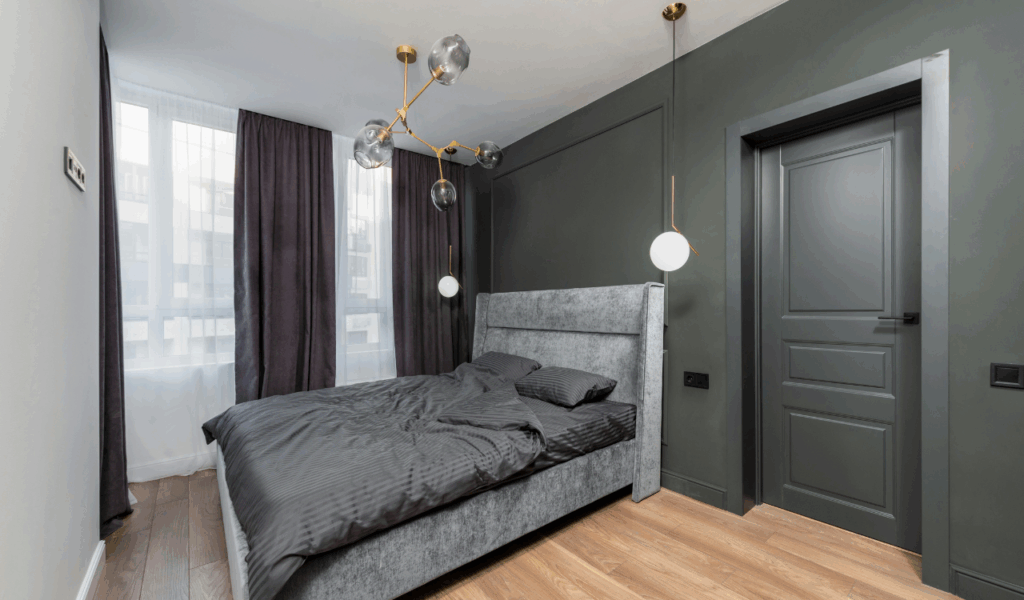
People who design bedrooms for aesthetics sometimes disregard physical comfort. Nightstands that are perfectly aligned, beds that are low to the ground, and neutral colors may help you sleep, but everyone sleeps differently. When nightstand space is limited, it might be hard to reach vital items. Bad lighting might strain your eyes while reading or moving at night. If you overthink your design choices, the room may feel cold. Balance is often achieved by limitation, but rest needs aid. A bedroom must accommodate mobility, temperature changes, and personal routines. When design only considers room calmness, it may not help the body relax and rejuvenate.
6. Bathrooms With Hotel Style Layouts
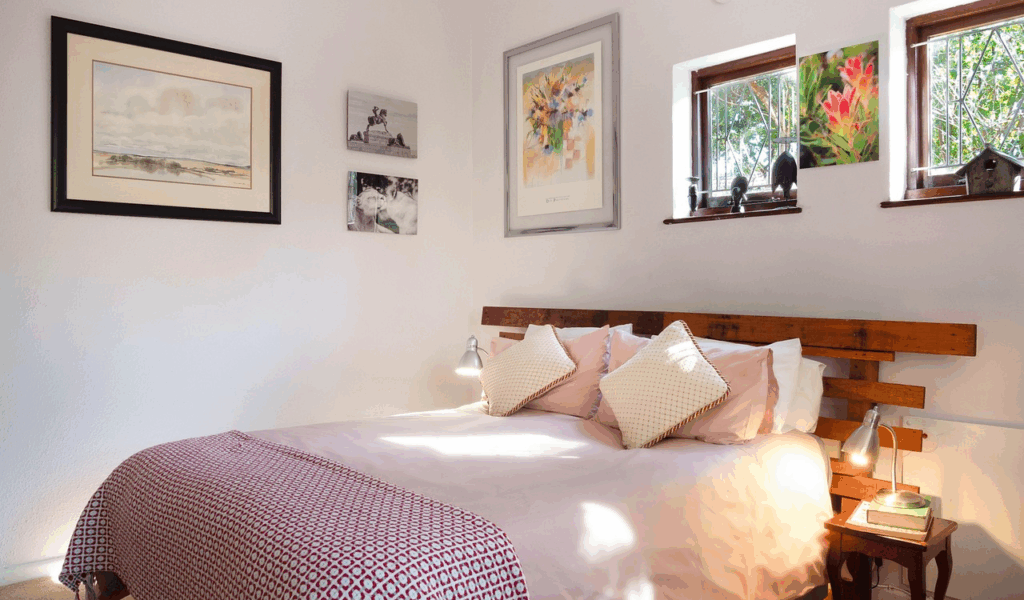
Bathrooms that are inspired by hotels generally look and feel opulent and harmonious, but they can be unexpectedly hard to use every day. Without the right barriers, open showers let water flow across the floor. Floating vanities appear nice, but they don’t give you as much space to store ordinary things. Having little counter space makes morning routines hard, especially when more than one person needs to use the restroom. The mood lighting may not be bright enough for grooming. The bathrooms are lovely for short stays, but living with them is a pain. An effective restroom has storage, containment, and task illumination. The space is more about appearance than usability without these.
7. Homes With Perfectly Matched Furniture Sets
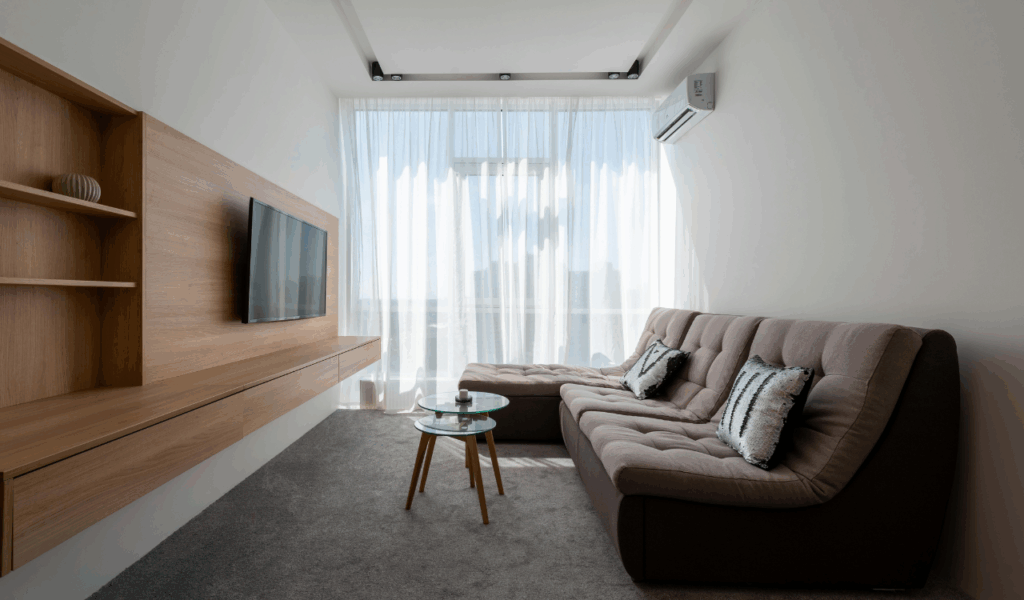
Rooms with furniture sets that match perfectly may seem balanced at first, but they aren’t really flexible. Having the same parts in a room makes it harder for it to adjust as needs change. There isn’t much space to add new features, change the layout, or make room for alternative activities. The consistency might also make the place feel less welcoming over time. People have different ideas about what makes them comfortable, yet matching furniture suggests that one size fits all. These rooms feel stiff when life requires flexibility. A home that people can really live in needs variety so that each piece can do its job. Harmony, not repetition that stops progress, should bring balance.
8. Homes With Strict Neutral Color Palettes
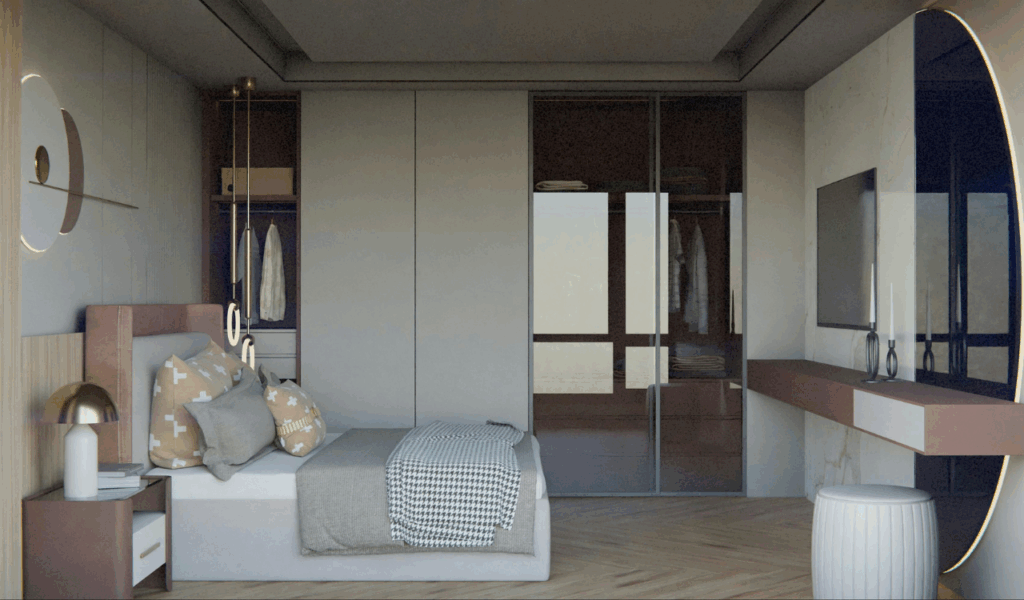
Neutral color schemes frequently feel balanced and ageless, but they can also make you feel flat emotionally. If there isn’t enough contrast or warmth, rooms might feel empty and lifeless. The color of natural light fluctuates during the day, and neutral tones can sometimes make things look duller instead than calmer. People who live there may not feel as connected to or energized by the space. Things that are personal stand out a lot, which makes the area feel cluttered faster. Achieving balance through sameness might become boring. Small mood and movement modifications make a home more livable. Color-only risk mitigation may become dull over time.
9. Dining Rooms Designed for Rare Occasions

Formal dining rooms usually appear nice and well-balanced, but people don’t utilize them very often. The furniture is set up in a way that makes it look good, not comfortable or flexible. Chairs could not be comfortable for long meals, and the lighting might be excessively bright or too dark. The room is viewed as special, which makes it different from other rooms in the house. Space that could be used for eating, working, or gathering every day is empty. The room feels like a waste of space over time. Balance here puts looks ahead of how often something is used. A dining area should be able to change with everyday life, not just when special events happen.
10. Entryways Focused Only on First Impressions
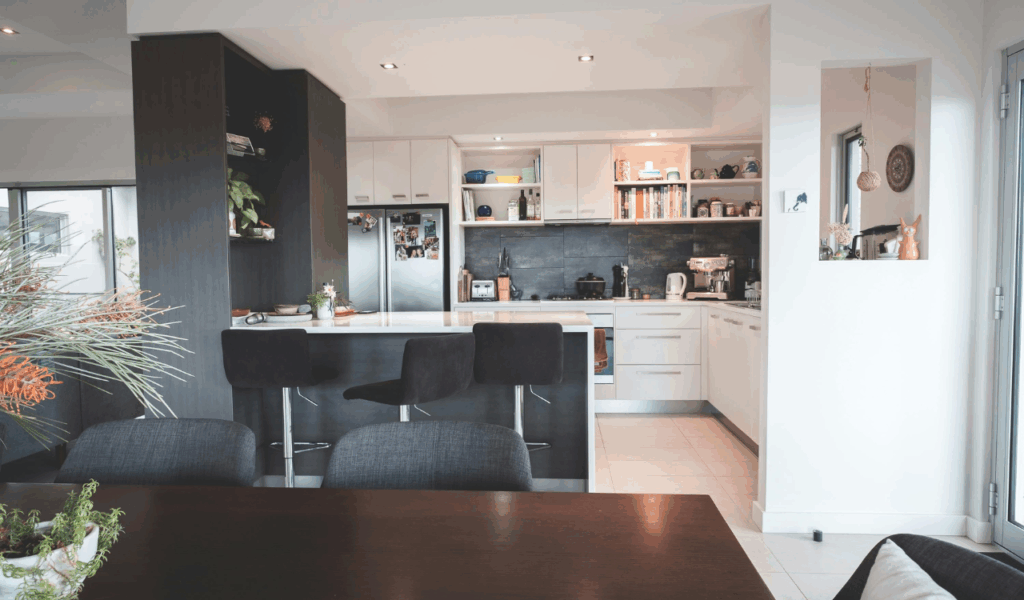
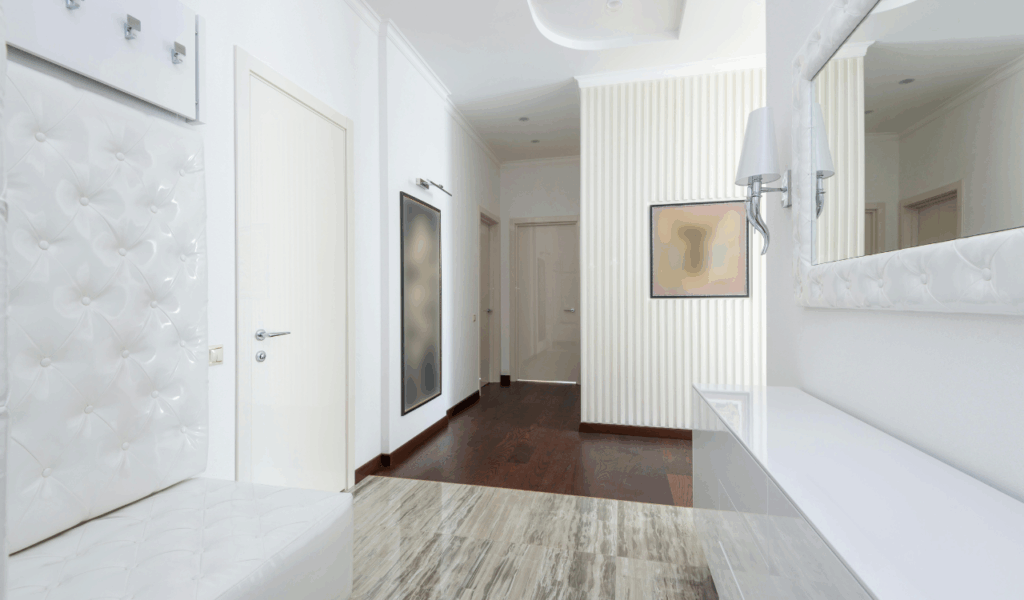
Entryways that are only meant to look good sometimes don’t take into account the mess of people coming and going. Minimal consoles, ornamental mirrors, and clean lines make a space feel warm and inviting, but they don’t hold shoes, bags, or outerwear well. When there isn’t enough storage, clutter quickly spreads to other areas. People have trouble moving around when they have to carry things through narrow spaces. A balanced entry should let transition happen, not fight it. The home looks nice, but it feels messy when style is more important than function. The first area you use every day should help you keep your habit, not need you to fix it all the time to keep it looking good.
11. Homes That Ignore Sound and Acoustics
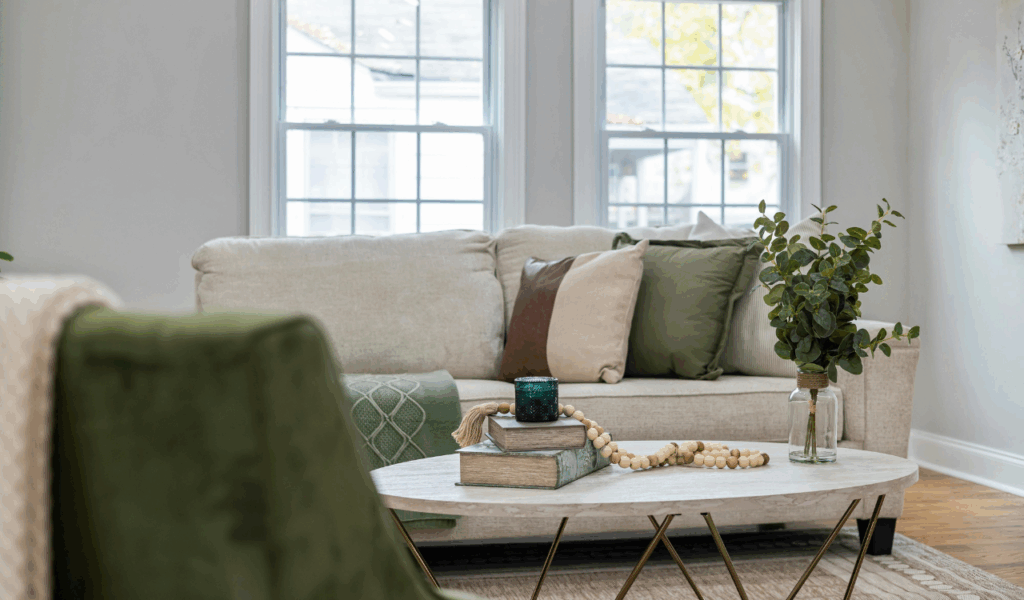
People who build homes that look balanced on the outside sometimes forget about how sound behaves inside. Hard surfaces, wide spaces, and few fabrics make sounds louder. Conversations echo, appliances seem louder, and privacy is lessened. Over time, this makes you tired and stressed. It may look tranquil in the area, but it doesn’t feel calm. Soft furniture, different textures, and well-planned layouts can assist absorb sound and make you more comfortable. Balance is not just something you can see; it’s something you can feel. When you don’t pay attention to acoustics, your home works against relaxation. For a comfortable life, rooms ought to look as nice as they sound.