9 Back-to-School Entryway Setups That Fell Apart Fast
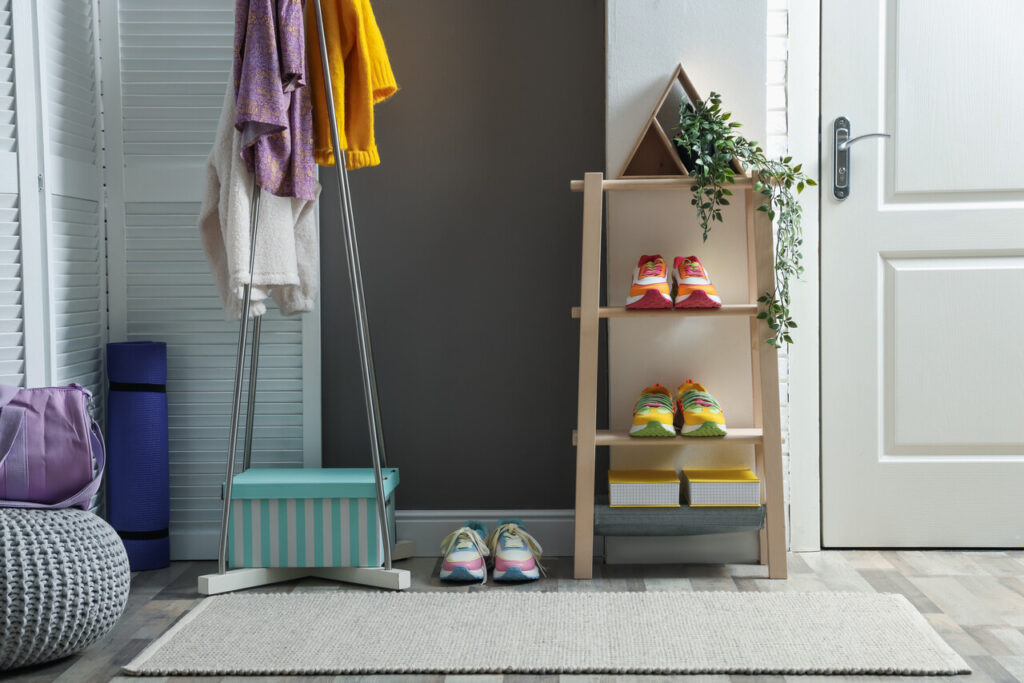
Entryways take the biggest hit during the school year. They handle backpacks, shoes, papers, jackets, sports gear, and everything that moves in and out of the house each day. Many back-to-school setups look organized at first, but they fail because they do not match how quickly and casually kids actually use the space. When storage is too fragile, too small, or too complicated, clutter returns almost immediately. The most successful entryways support fast drop-and-go habits without asking kids to think too hard about where things belong. These are the setups that looked helpful but could not survive daily routines.
1. Backpack Hooks That Couldn’t Handle Daily Weight
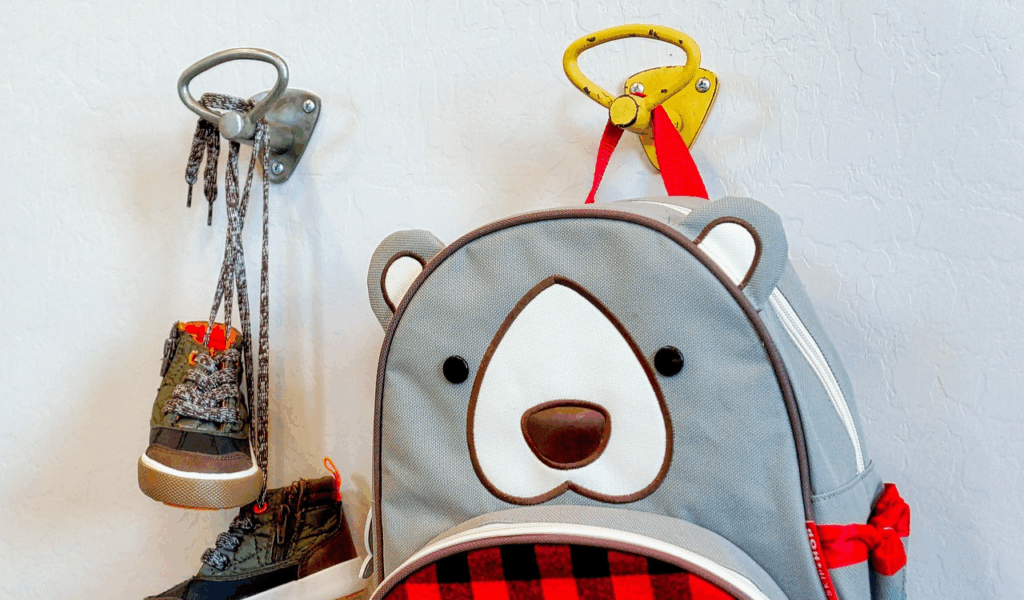
At the start of the school year, wall hooks look like the simplest solution for keeping backpacks off the floor. The problem is that backpacks are heavier than most people plan for, especially when they are stuffed with books, lunchboxes, water bottles, and sports gear. Many hooks are designed for light coats, not for repeated daily strain. Over time, screws loosen, adhesive hooks detach, and the whole setup becomes unreliable. Once a backpack falls a few times, kids stop trusting the hook and start dropping bags on chairs or the floor instead. Another issue is spacing. Hooks placed too close together cause bags to overlap and tangle, making it harder for kids to grab their own things quickly.
2. Shoe Racks That Filled Up and Overflowed
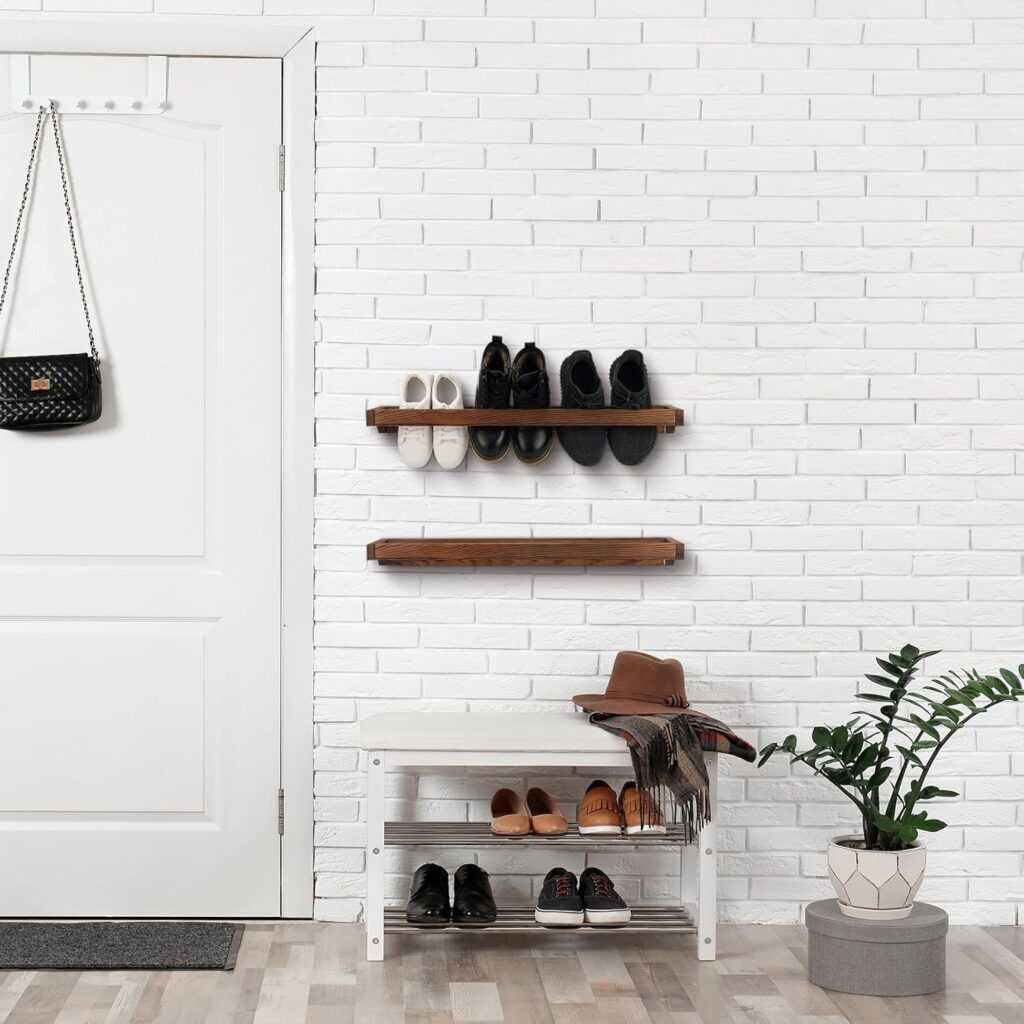
Shoe racks promise order, but they often fail to account for how many pairs actually move through an entryway. Kids rotate between school shoes, sports shoes, casual shoes, and sometimes boots depending on weather. When racks only hold a few pairs per person, extra shoes end up lined along walls or shoved underneath, creating clutter again. Another issue is that many racks are shallow and do not fit larger shoe sizes or bulky athletic shoes well, so pairs hang halfway off or get stacked awkwardly. Kids also tend to kick shoes off quickly rather than place them neatly on shelves, especially when they are tired after school.
3. Command Hook Stations That Kept Falling Off
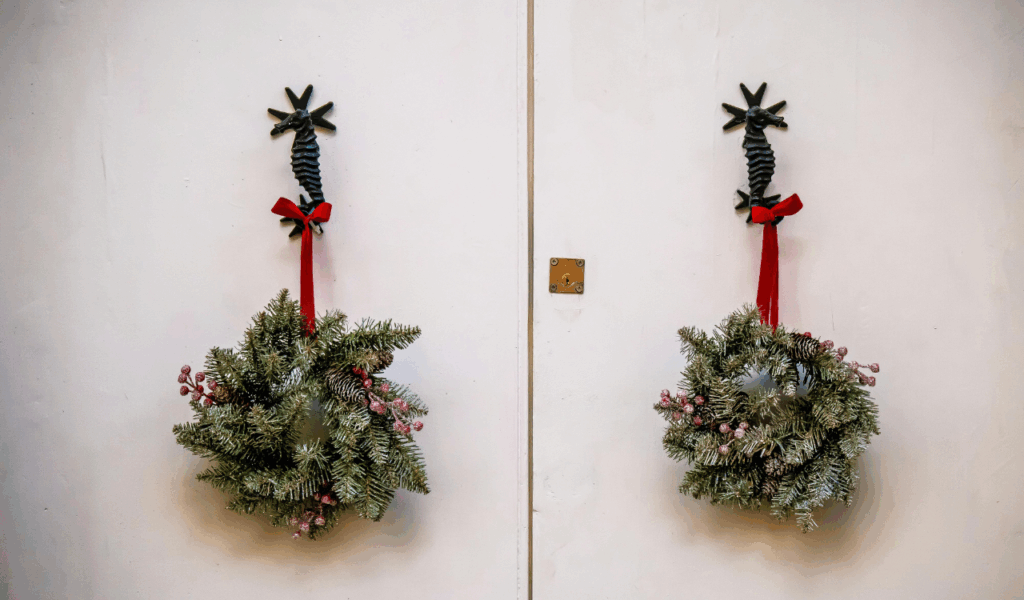
Adhesive hooks are popular because they do not require drilling, but they are not built for repeated heavy use. Backpacks, jackets, and sports bags place constant stress on adhesive strips, especially when pulled off at an angle. Changes in temperature and humidity also weaken adhesion over time, particularly near doors that open frequently. Once a hook detaches, kids lose confidence in the setup and stop using the rest of the station. Parents then have to reapply hooks or patch walls, which becomes frustrating.
4. Drop Zones Without Any Sorting System
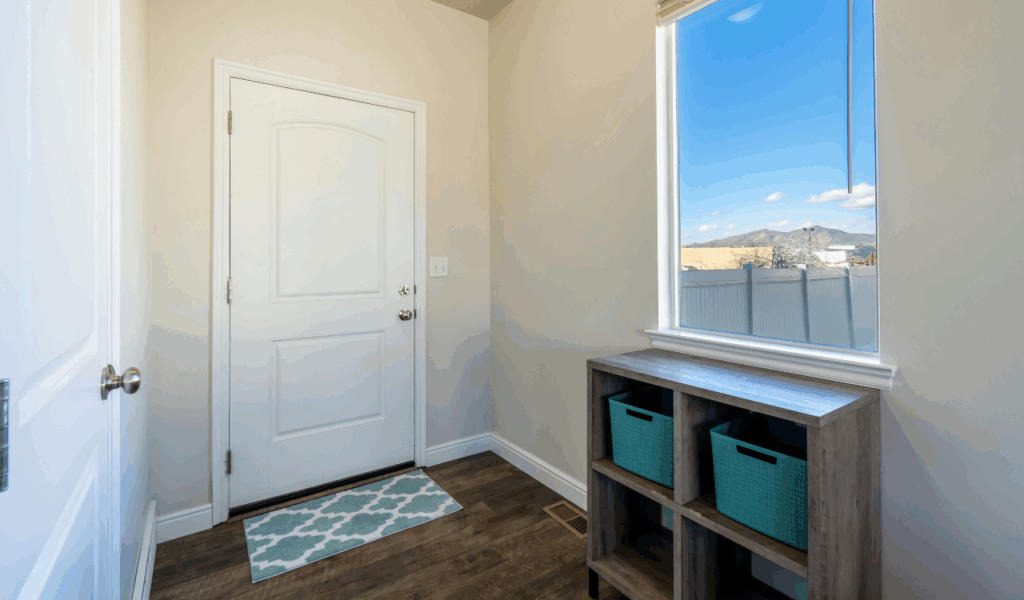
Some entryways rely on a single table, shelf, or basket where everything gets dropped. At first, this feels flexible and easy, but without categories, the space fills with mixed items quickly. Backpacks, mail, sports gear, water bottles, and random objects pile together. When kids cannot easily find what they need, they dig through the pile, spreading items further across the area. Over time, the drop zone becomes a visual mess that requires frequent sorting by parents. The lack of boundaries also makes it hard to build habits because there is no clear place for specific items.
5. Bins Labeled by Child That Everyone Ignored
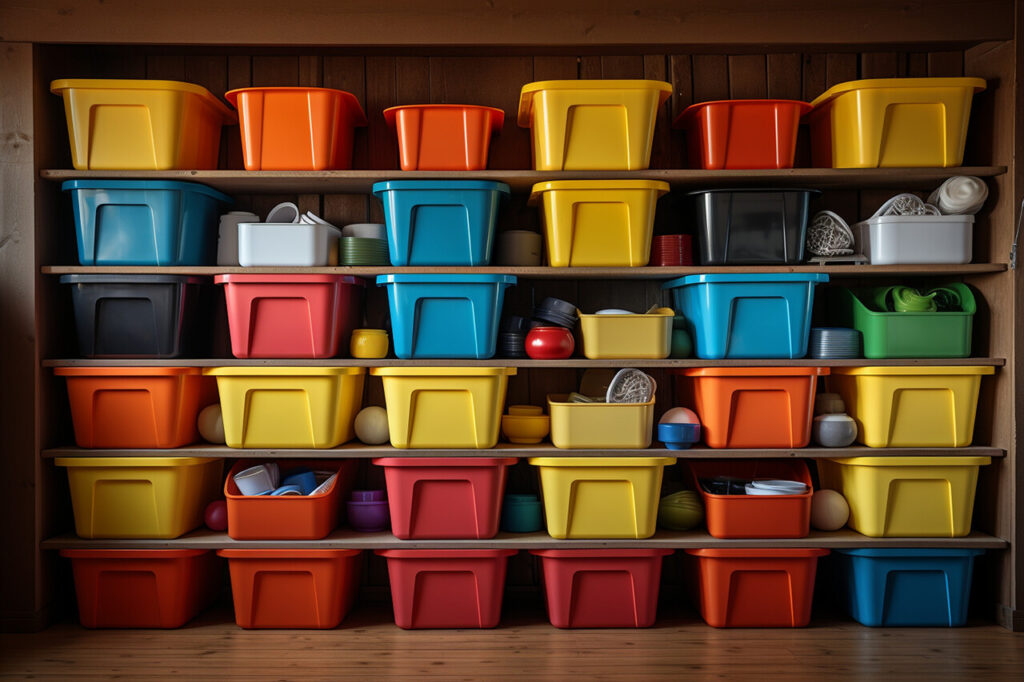
Labeling bins by child seems like a smart way to keep belongings separate, but it assumes kids will consistently follow the system. In reality, when kids come through the door carrying multiple items, they drop things into the nearest open bin or onto the nearest surface. Over time, bins become mixed, and labels lose meaning. Once that happens, parents end up sorting items manually to get things back where they belong. Another issue is that kids grow and schedules change, so what each child needs near the door shifts throughout the year. When storage does not adapt, the system feels outdated and stops being used.
6. Benches Without Storage That Became Pile Zones
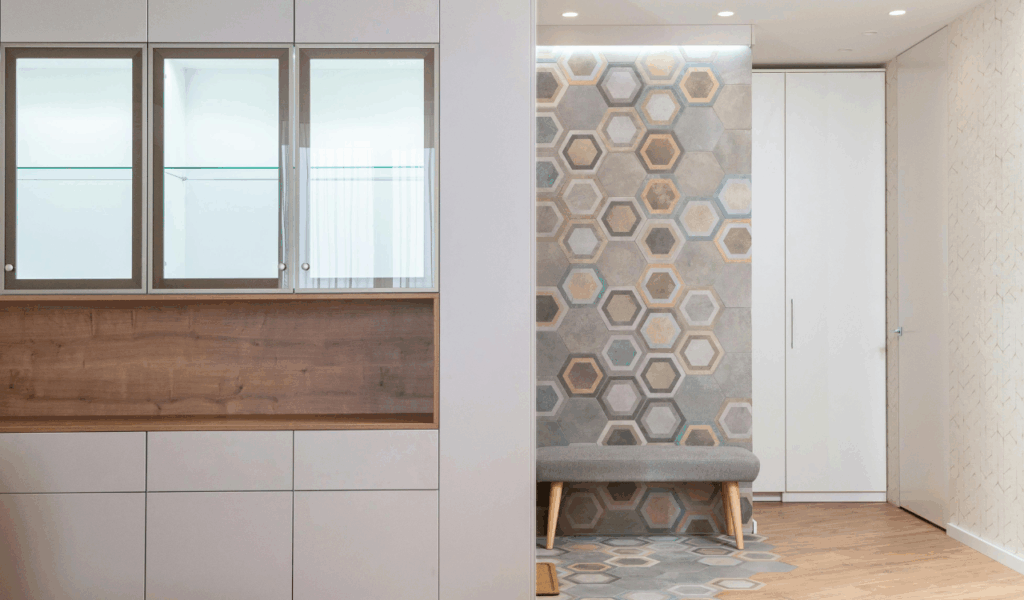
Entryway benches are helpful for putting on shoes, but when they do not include storage, they often turn into landing spots for bags and jackets. Items get draped over the seat instead of being put away, blocking its original purpose. Once the bench is covered, kids no longer use it to sit, and shoes end up scattered again. The bench also becomes harder to clean around, which adds to visual clutter. Without cubbies, baskets, or hooks nearby, the bench cannot support organized routines on its own. Furniture that looks good but lacks functional storage rarely holds up in busy family entryways where every surface tends to attract items.
7. Paper Trays That Turned Into Homework Mountains
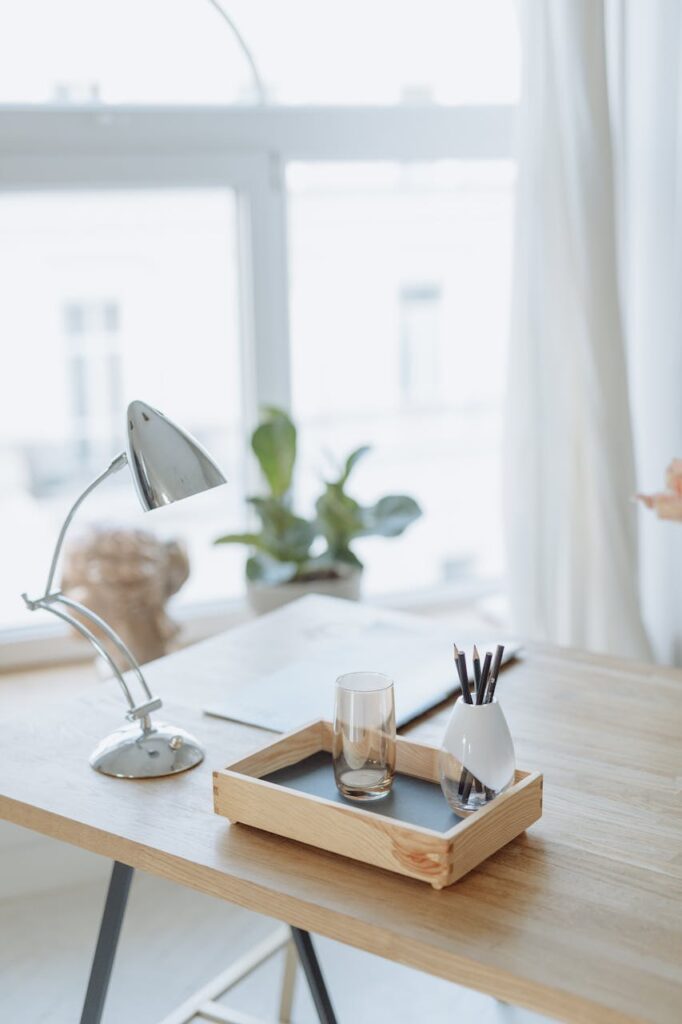
Paper organizers promise to keep school forms and assignments under control, but they often create bottlenecks. Kids are supposed to place papers in specific trays, but they rarely sort items by subject or urgency. Everything ends up stacked together. Parents then have to dig through piles to find permission slips or important notices. When trays fill up, papers start spilling onto nearby surfaces, creating more clutter. Another issue is that many assignments are digital now, so paper systems do not always match how information actually flows. Without daily routines for clearing and reviewing papers, trays simply collect everything until someone finally empties them in a rush.
8. Coat Closets With No Daily Access Strategy
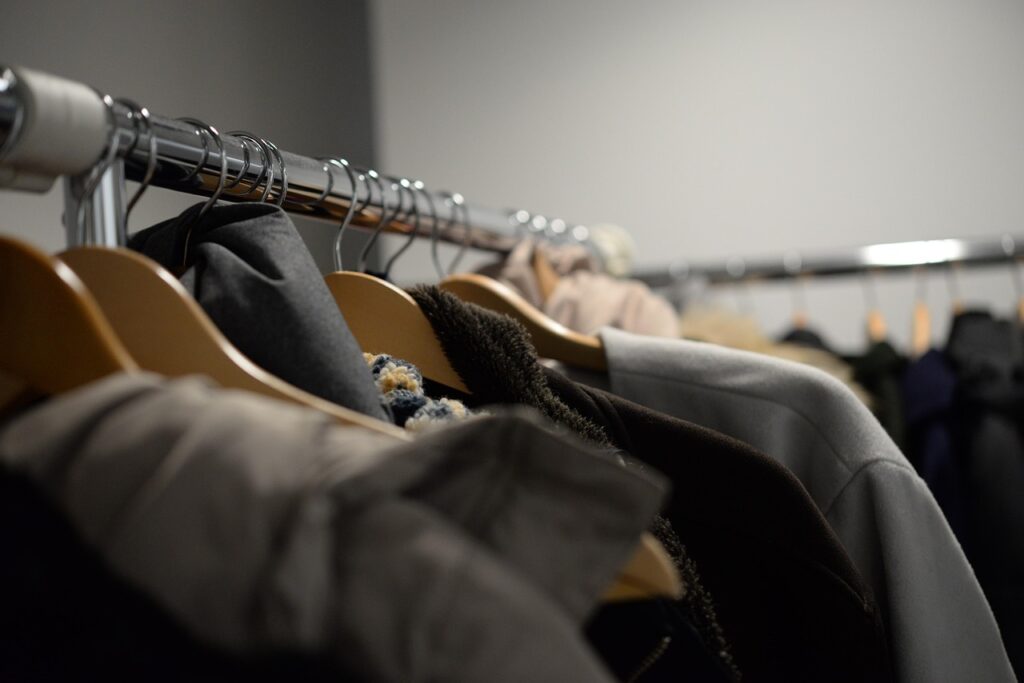
Some homes rely entirely on coat closets to manage outerwear and backpacks, but closets are often crowded and not organized for quick access. When hooks are too high or shelves are packed, kids struggle to put items away properly. They may toss bags on the floor inside the closet or leave them outside altogether. Over time, the closet becomes difficult to use, and clutter spills into the entryway again. Closets also tend to store seasonal items and household supplies, which competes with daily school gear for space. Without a layout that supports quick drop and grab routines, closets become part of the problem rather than the solution.
9. Shared Cubby Systems That Sparked Daily Mix-Ups

Shared cubbies work well in classrooms where routines are reinforced constantly, but at home they often lead to confusion. Items shift between compartments, and kids grab the wrong things when rushing out the door. When cubbies are not clearly separated or sized for individual loads, belongings blend together. This leads to missing items and last minute scrambling. Parents then step in to reorganize, which defeats the goal of independence. Another challenge is that shared systems must be cleaned out regularly to prevent buildup, and that maintenance often gets skipped. Individual, clearly defined storage spaces tend to work better in busy households where mornings move fast and mistakes are costly.