12 Food Halls Taking Over Downtowns—and Not Everyone’s Happy About It
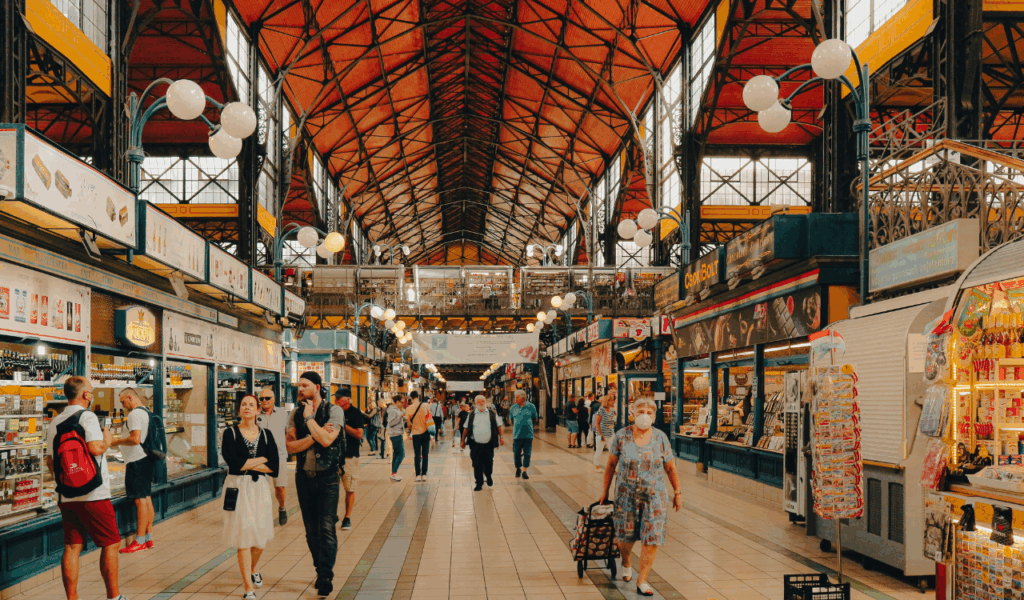
Downtown food halls have become a global trend in recent years. They gather a carefully selected assortment of food vendors, pubs, and cultural bites. They guarantee a lively, sociable dining experience with diverse dishes and local business owners collaborating. Many visitors and residents see this as a vibrant community hub that promotes innovation, events, and bold flavors from around the world to local areas. Not everyone likes this change. Gentrification, crowding in public spaces, rising rents for local companies, and the loss of independent restaurants that struggle to compete with these bustling places alarm some people.
1. What Defines a Food Hall in Modern Cities
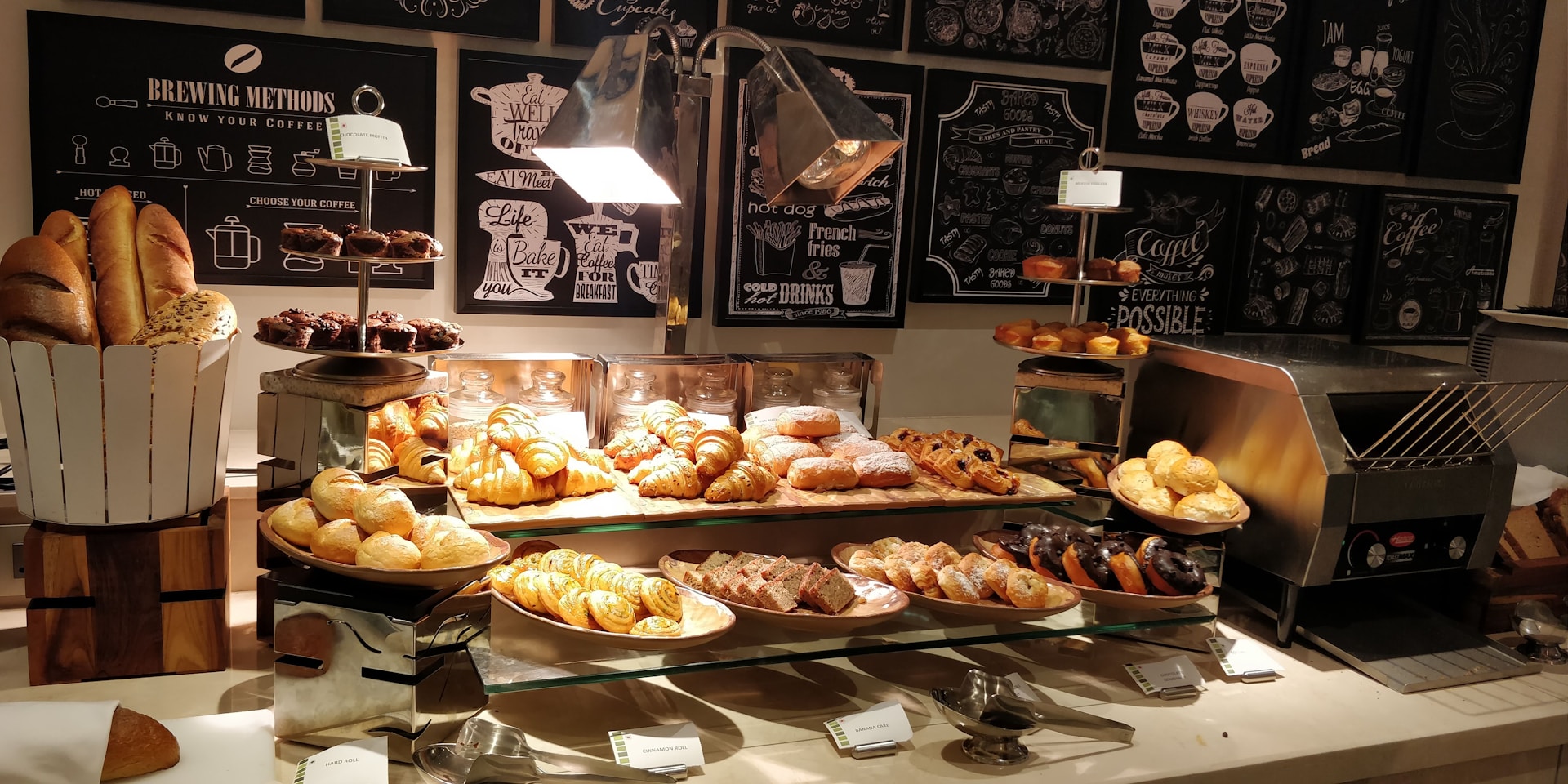
A modern food hall is more than a restaurant cluster. It is a carefully selected place with a variety of local and international food and drink options. Food halls are different from malls since they offer shared seating, social dining, and a variety of independent companies in one dynamic location. These restaurants have more chef-driven ideas than fast food companies. They provide handcrafted goods, unique meals, and rotating pop-up stores. Downtown visitors may experience a flavor festival. Tacos next to handmade coffee, dim sum next to gourmet pastries, and many other international dishes that appeal to a variety of tastes may be found in one area.
2. Why Food Halls Are Popular with Urban Visitors
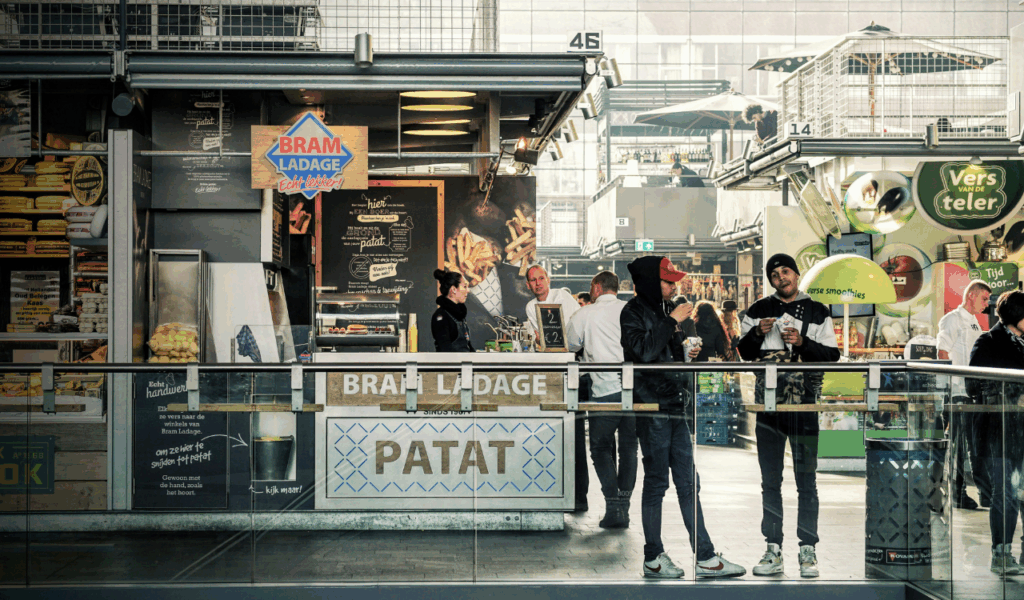
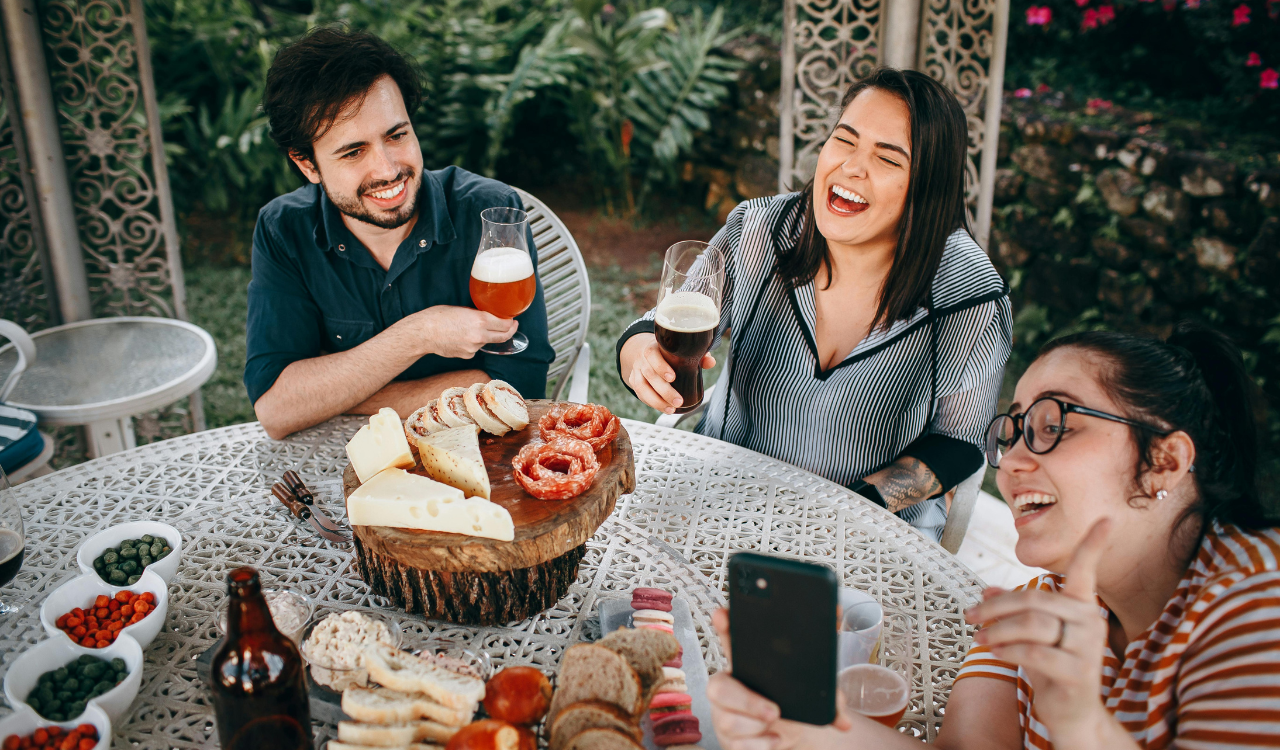
Food halls are popular because they provide many foods, are convenient, and bustle with social activity. This makes them ideal for diverse taste groups or those who want to try many cuisines in one visit. These halls might be a quick lunch, casual dinner, or weekend hangout for city residents. Events, tastings, and themed nights keep folks coming back. Open kitchens, shared tables, and rotating food sellers make the ambiance lively. It’s easy for adventurous eaters and foodies to find new things to try downtown, which is wonderful for culinary fun.
3. Economic Impact on Downtown Neighborhoods
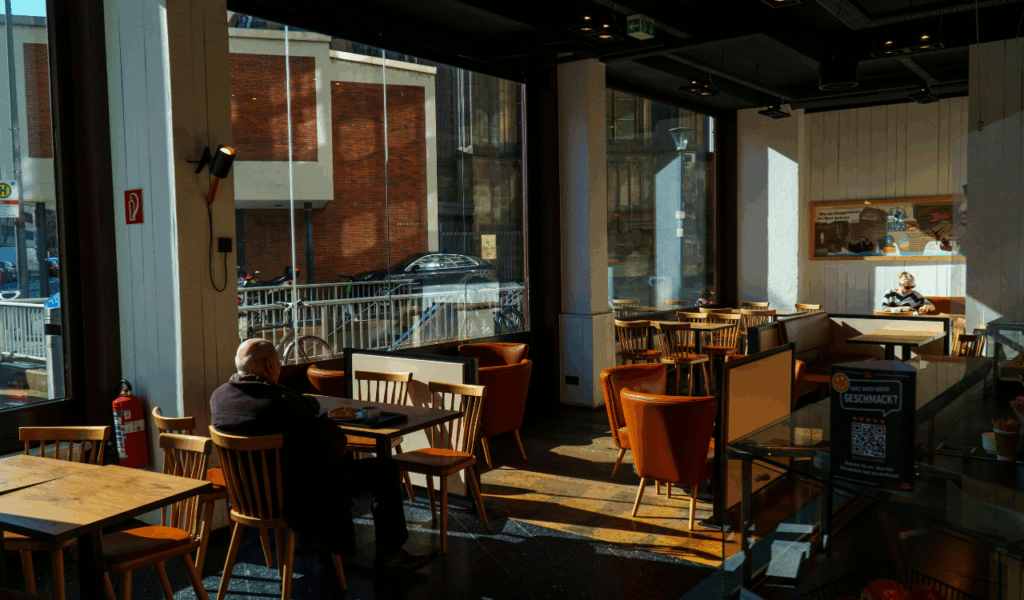
A central food hall can stimulate the local economy by attracting customers, supporting local companies, and encouraging investment in surrounding businesses and services. These establishments offer small businesses the opportunity to expand without having to pay for a full-size restaurant lease, and they can recruit chefs, baristas, servers, and other support personnel. Food halls are seen by many cities as a means of revitalizing the downtown area by repurposing buildings or blocks that aren’t being used as much. However, if these halls are successful, local businesses may see an increase in rents and operating costs, which could have negative effects on long-standing enterprises and the local economy.
4. Concerns About Gentrification and Displacement
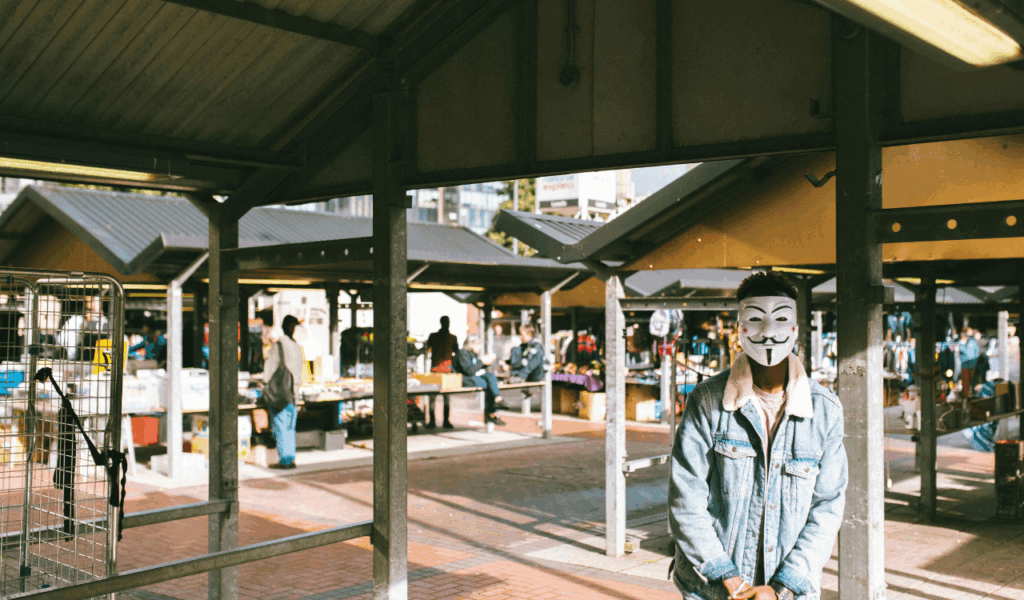
One of the most common complaints about downtown food halls is that they can speed up gentrification. This means that property values and rents go up, which drives out long-time residents and small businesses that have been in the area for decades. A trendy food hall moving into a historically working-class area can bring in new visitors and investors whose interests may not be the same as those of the people who already live there. This change could make the neighborhood feel less open and welcoming to the people who used to live and work there. It could also hurt cultural identity as local stores are replaced by boutique stalls or national brands that want to take advantage of the new foot traffic that the food hall brings in.
5. The Challenge for Independent Restaurants
Food halls are great for new chefs and small food businesses, but they can also make it harder for traditional, independent restaurants in the same area to compete. A lot of local cafes and restaurants don’t make much money, and when a food hall opens with dozens of vendors under one roof offering a wide range of menus, it can draw customers away from restaurants that can’t match the hall’s variety or novelty. Some restaurant owners say that this makes the playing field uneven because multi-vendor food halls use high traffic to make low-priced items more appealing, while independent restaurants have a hard time keeping customers loyal without the same level of marketing or event programming that large halls can offer.
6. Cultural Exchange and Culinary Innovation
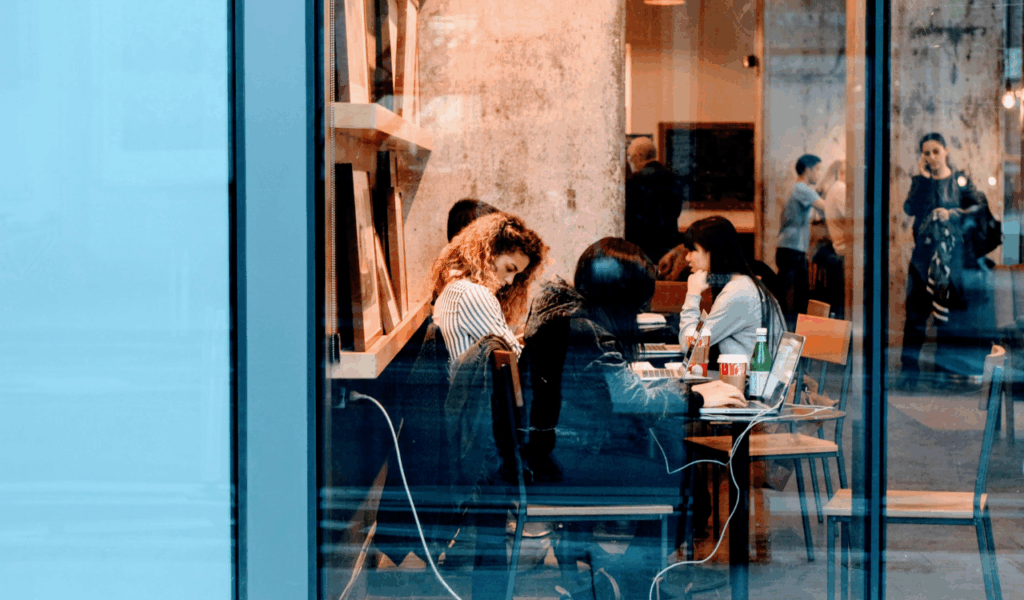
Food halls are now well-known places for cultural exchange because they bring together chefs from different backgrounds and encourage diners to try foods they might not have tried before. These halls give visitors a taste of a wide range of foods from around the world, including Southeast Asian street food, Mediterranean mezze, Latin American arepas, and European pastries. When different cooking styles come together, they can lead to exciting new ideas and collaborations that result in menus that use techniques and ingredients in new ways. This variety is a big draw for people who like to try new foods and are adventurous eaters. It turns a single meal into a global tasting adventure that opens up new tastes and deepens your appreciation for different food cultures in a lively city.
7. Design Trends in Food Hall Spaces
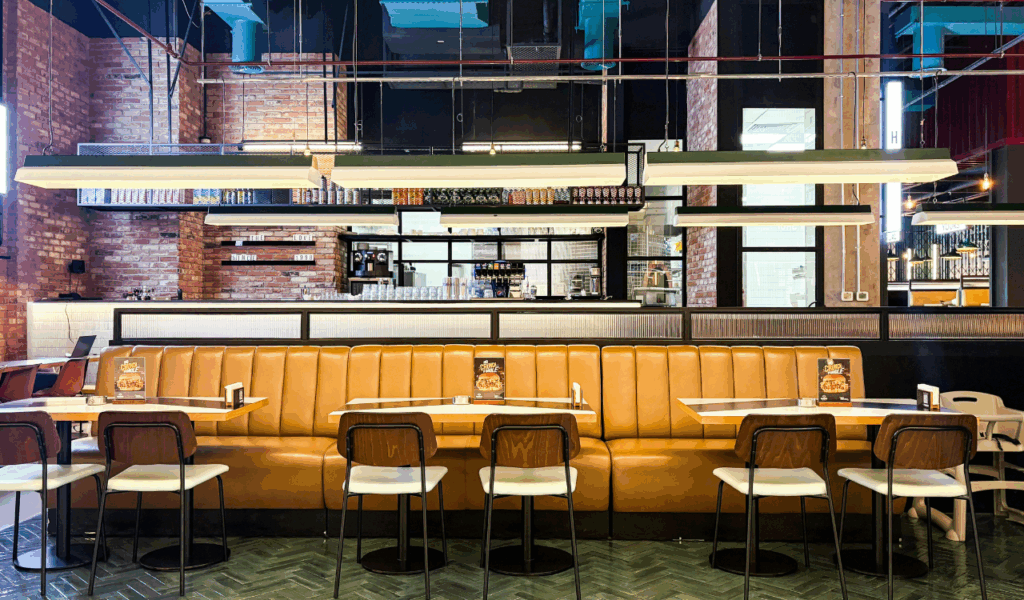
The way food halls are set up has a big effect on how people feel when they are there. Many of them have open floor plans, shared seating, art installations, and soft lighting to make the space feel warm and welcoming. To make modern spaces feel cozy, designers often mix industrial elements like exposed brick and metal with warm wood and plants. Common features that make people want to stay longer, connect, and eat together include flexible seating, live entertainment areas, and outdoor patios. The layout of the space is meant to make it easy for people to move between stalls and create small, intimate areas where groups can gather. This makes these halls not just places to eat, but also lively social hubs that reflect the personality and energy of the city around them.
8. Community Events and Programming
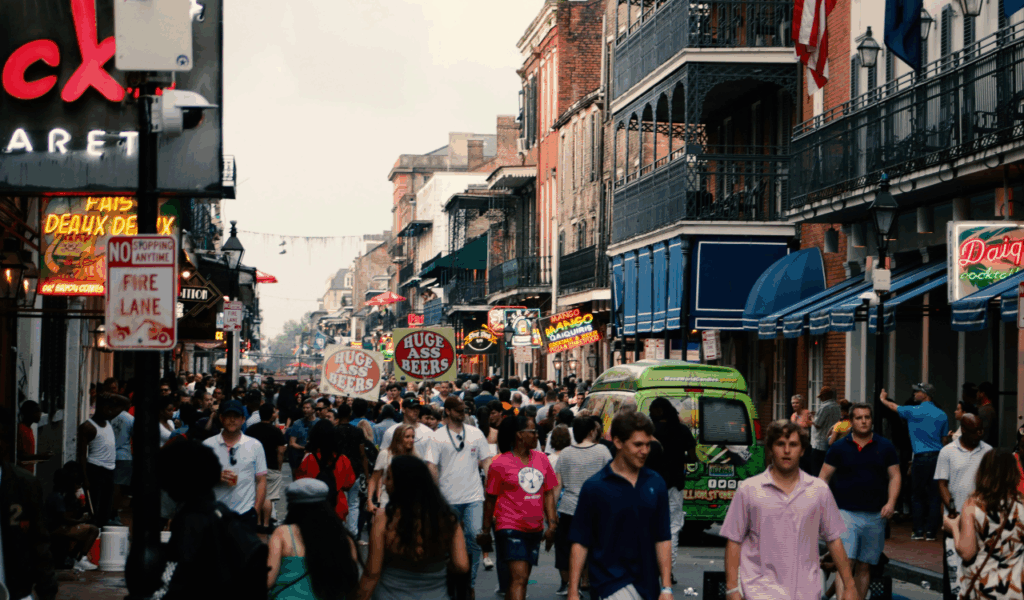
A lot of food halls are more than just places to eat; they also host community events, workshops, tastings, live music nights, and themed festivals that get people involved in their communities. This programming can help people feel more connected to their neighborhoods, give local artists a place to show their work, and help charitable causes or seasonal events. Families, friends, and tourists often see these events as reasons to visit the hall besides the food, making it a place where people can interact with each other more. Food halls can become popular places for regular entertainment, community building, and cultural exchange in the heart of the city by making a calendar of events that appeal to a wide range of interests.
9. Balancing Foot Traffic and Public Space
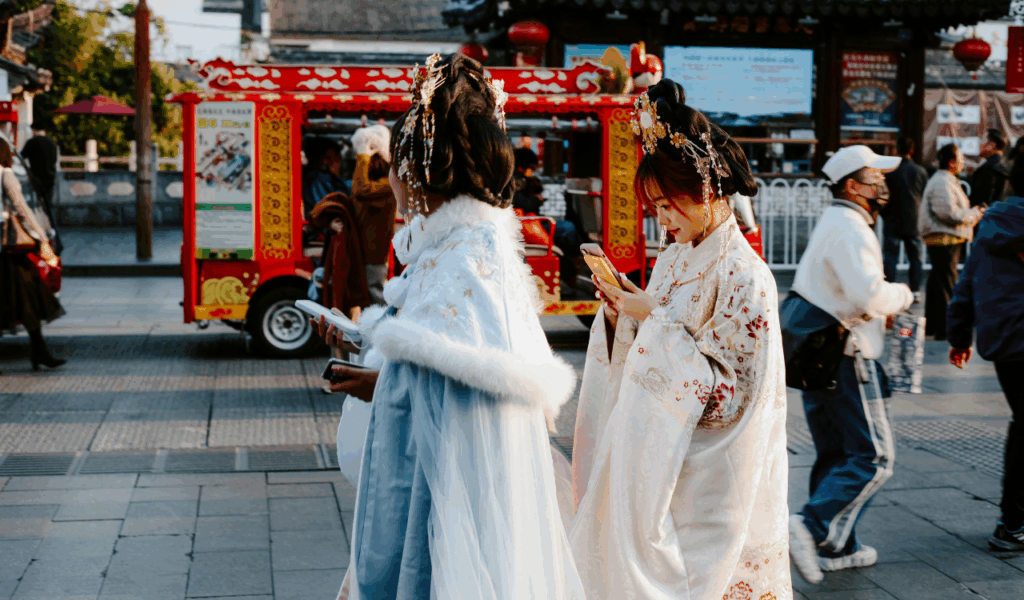
A popular food hall can bring a lot of people to downtown, which can make the streets more lively. However, it can also make public spaces more crowded, noisy, and in need of more parking or public transportation. Cities and planners need to think about how these places fit in with pedestrian traffic, public transportation, and businesses that are already there. This is to make sure that more activity doesn’t cause traffic jams or make life harder for people who live there. Thoughtful city planning that includes bike lanes, wider sidewalks, and green spaces can help keep foot traffic moving while still being easy to get around. Food hall operators and city officials need to work together to handle these changes in a responsible and long-lasting way.
10. Sustainability and Local Sourcing Practices
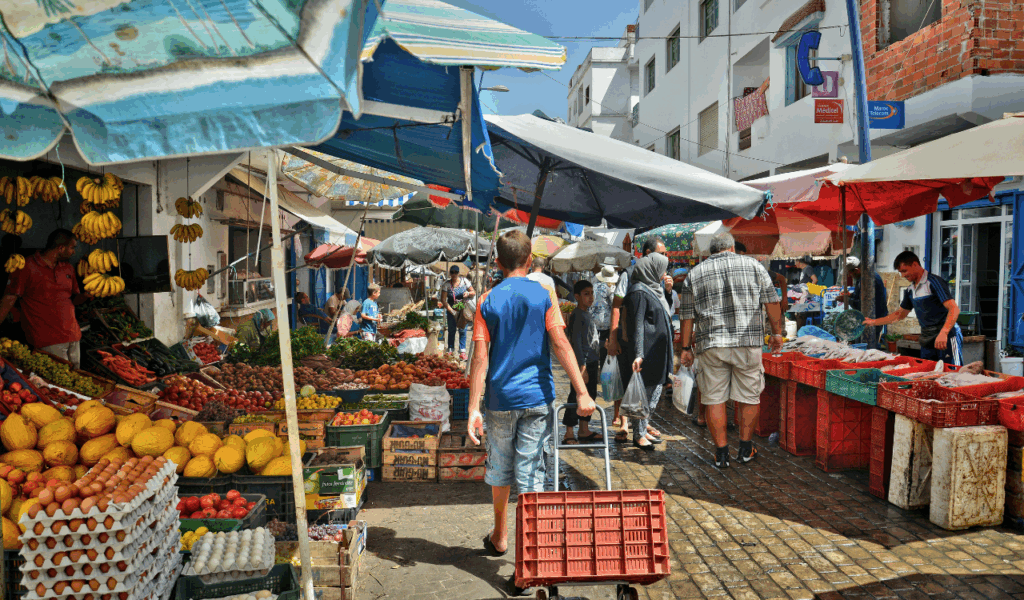
Many food halls focus on sustainability by asking vendors to get their ingredients locally, cut down on food waste, and use compostable packaging to have less of an effect on the environment. These places can help local farming by working with nearby farms, producers, and vendors. They can also give diners fresher, seasonal menus. Some halls also have recycling programs and designs that use less energy, which helps the environment. These practices are in line with the growing interest of consumers in dining options that are good for the environment and are ethical. This gives businesses an edge in the market. However, not all halls always follow these rules, so diners who care about eco-friendly practices should ask vendors to be open about where their food comes from and how they reduce waste.
11. How Cities Are Regulating Food Halls

As food halls become more common, many cities have made rules about zoning, health codes, and business licenses that are specific to these spaces with multiple vendors. These rules make sure that all operators are safe and treated fairly. To keep both customers and vendors safe, rules may cover things like shared kitchens, how many people can sit in a restaurant, how to handle trash, and fire safety. Some cities also give food halls that focus on local entrepreneurs, diversity, and getting people involved in the community extra money. Good regulation strikes a balance between innovation and the public good, stopping problems like overcrowding, unfair competition, and noise in residential areas. City officials can help create a food hall ecosystem that improves city life while protecting the public’s interests and promoting fair economic opportunities by giving clear rules and support.
12. The Future of Food Halls in Urban Life
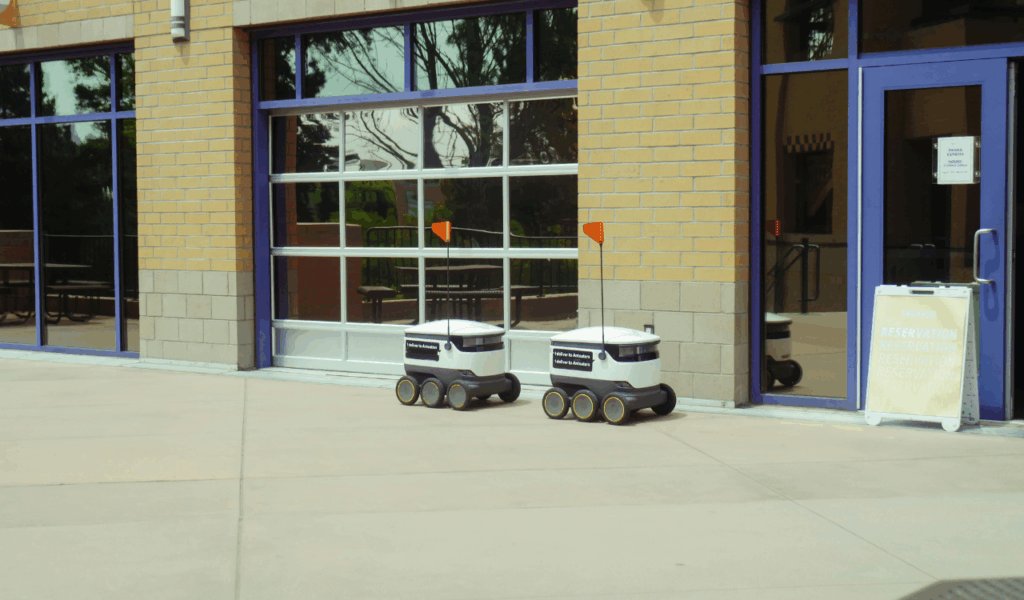
Food halls are likely to become even more integrated into urban ecosystems in the future. They will combine dining with shopping, art, and wellness activities that reflect how people’s priorities are changing. We might see more focus on sustainability, ordering systems that use technology, and flexible spaces that change for different events during the day. Some halls could have coworking spaces or performance stages, making them hybrid venues that meet the needs of many different groups in the community. But for these spaces to really serve the different groups of people who live in downtown communities, they need to address concerns about fairness, cost, and support for local businesses. Food halls that feel welcoming and helpful for everyone will come from good planning and talking to residents.