11 Study Spaces That Looked Better Than They Worked

Stylish study spaces are all over the place, from social media feeds to design catalogs. They promise to help you get things done while looking great. Pictures are nice, but these settings aren’t good for learning, reading, or working. Looks typically trump comfort, lighting, storage, and ergonomics. Even though it seems nice, youngsters may have trouble concentrating, feel uncomfortable, or find the room badly organized. A study space should look attractive, help you focus, and suit your needs. Looking at study spaces that prioritize style over function might help you understand what makes a good learning environment.
1. All-White Study Spaces With No Contrast
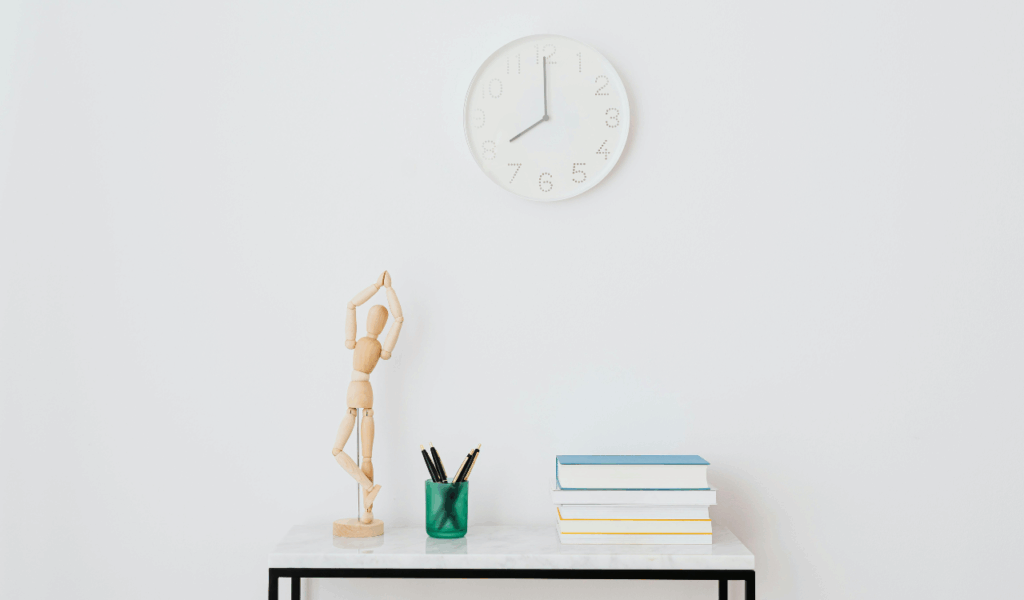
Study areas that are completely white look clean and modern, but they might be hard to use in real life. It can be hard to tell the difference between surfaces, edges, and objects without visual contrast, which might make you feel tired over time. White desks and chairs can get dirty, scratched, and worn out rapidly, so you have to clean them all the time to keep them looking good. When there is a lot of light, white surfaces that reflect light can generate glare that hurts the eyes. These interiors look simple and elegant in pictures, but they often need more care and aren’t as comfortable to look at for long periods of time.
2. Window-Facing Desks With No Light Control

Putting a workstation right in front of a window may seem like a good idea, but it often makes things harder to use. When the sun is shining directly on a screen or paper, it can make it hard to read or focus. The light changes all the time as the day goes on, which makes it hard to focus. Without blinds or curtains, the temperature and light levels can change at any time. Being outside might sometimes be a diversion. Natural light is good, but study environments need controlled illumination to stay comfortable and useful all day.
3. Floor-Level Study Setups With No Back Support
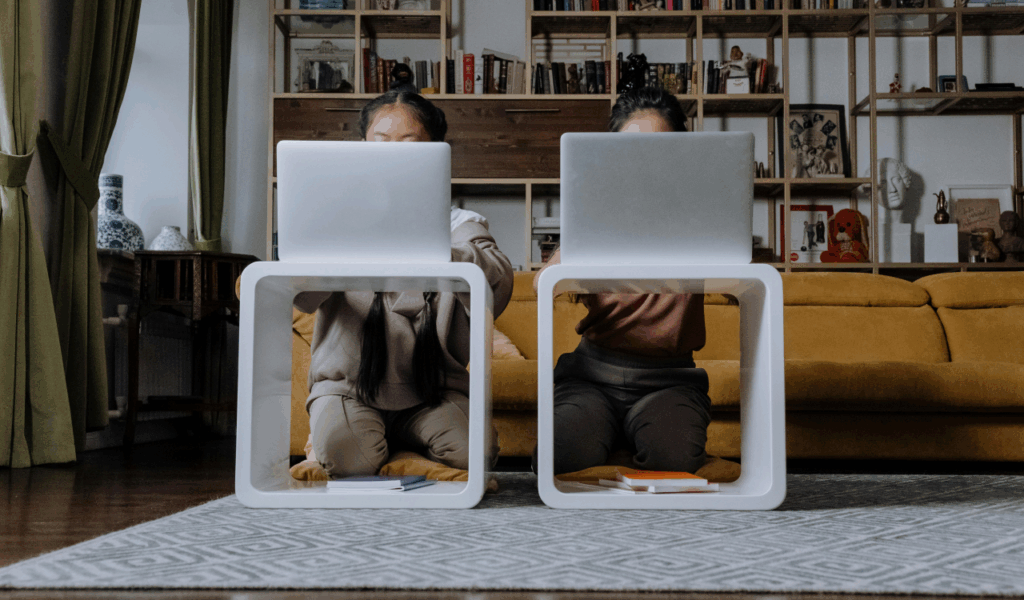
Low, floor-level study arrangements may look comfortable and relaxed, but they don’t usually support good posture. When you sit for a long time without back support, it puts stress on your lower spine, neck, and shoulders. As time goes on, pain builds up, which means more breaks and less work done. These configurations also make it harder to put books or screens at eye level. Floor seating is fine for short activities, but not for long study sessions, thus it’s not a good choice for everyday academic habits.
4. Tiny Wall-Mounted Desks With Limited Surface Area
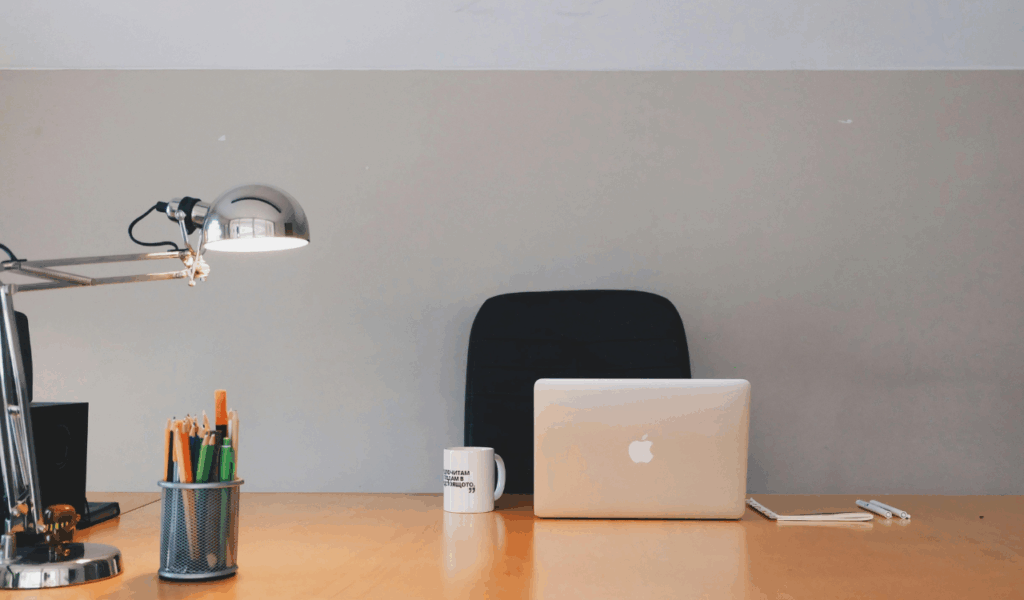
Visually, wall-mounted desks save space; however, many of them are too small to meet the practical requirements of study. Because of the limited surface area, it is difficult to evenly distribute electronics, textbooks, and notebooks in a comfortable manner. It is possible for students to continually move items, which can disrupt the workflow. It is also possible for weight constraints to restrict the items that can be placed on the desk. When usefulness is sacrificed in favor of minimalism, the study room becomes more frustrating than helpful, despite the fact that it appears to be nice.
5. Study Corners With No Nearby Storage
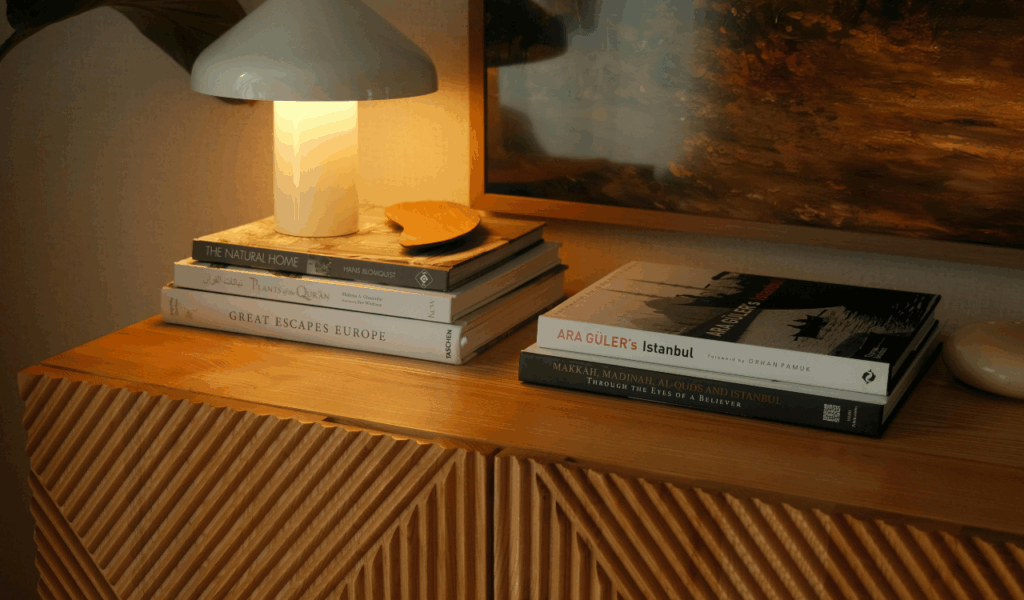
In certain study areas, the desk and chair are the only things that are considered, and storage is completely ignored. Students have to get up from their chairs quite frequently in order to retrieve materials because there are no shelves or drawers nearby. As a result, concentration is disrupted, and the accumulation of stuff on the desk adds to the clutter. As time passes, the area begins to feel more disorganized than it does organized. Not only should a study room be aesthetically nice, but it should also include storage that is easily accessible in order to facilitate concentration and productivity.
6. Decorative Chairs That Sacrifice Comfort

Chairs that are selected for their fashionable design frequently lack the necessary support for extended periods of study. Within minutes, discomfort can be caused by conditions such as hard seats, shallow depth, or inadequate back support. As exhaustion sets in, posture deteriorates, and concentration levels drop. While ornamental chairs enhance the appeal of a study environment, they rarely suit practical criteria. When designing a system that is intended for extended usage, comfort should be a top focus.
7. Open Shelving That Creates Visual Clutter
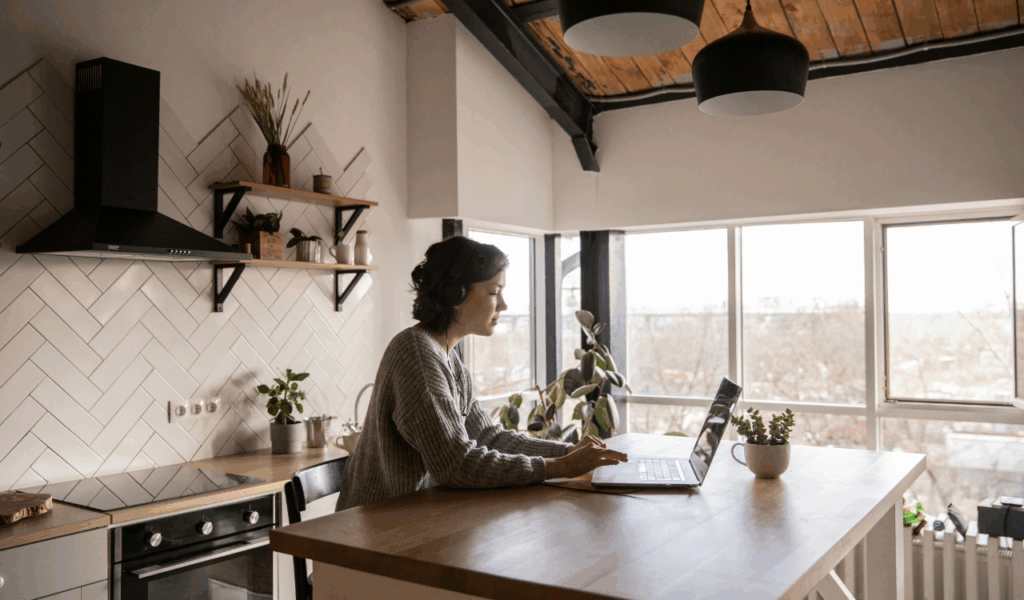
Initially, open shelves that are stocked with books and other decorative items may appear to be curated; however, they frequently become visually overpowering. If there are too many things that are visible, it can be difficult to concentrate and distract the attention. Accumulation of dust also adds to the amount of maintenance work. It is more likely that shelves will add to confusion than they will to convenience when they are not intelligently planned. Not only should a study setting be tranquil and supportive, but it should also not be mentally cluttered.
8. Glass Desks That Reflect Too Much Light

People typically choose glass desks because they look sleek and modern, however they can cause a lot of problems. When light from windows or lamps hits a reflective surface, it can bounce right into your eyes, generating glare that makes it hard to read or operate on a screen. Fingerprints, dust, and smudges show up right away, so you need to clean them often to keep them looking good. When you write by hand on glass surfaces, they may also feel cold and less sturdy, which might be a little but continual distraction. Glass desks look airy and attractive, but they can be uncomfortable and hard to focus on when you study for a long time.
9. Study Spaces With Poor Task Lighting

Some study areas only use the light from the room, which is not as important as targeted task lighting. When there isn’t a desk lamp, shadows can fall on books or keyboards, making it harder for the eyes to see. Not enough light at night might make your eyes tired and give you headaches. Lighting that doesn’t change for different jobs can make even well-decorated rooms look bad. A room that looks cozy and welcoming may not perform well if the illumination doesn’t make it easy to undertake detailed work for long periods of time.
10. Shared Study Areas With Constant Distractions

Most of the time, shared study areas are made to look good together, but they don’t help people focus deeply. It’s hard to keep concentrated on hard work when there are noises, movement, and disruptions in the background. Even small things, like individuals strolling by, can interrupt your concentration over and over. Even though shared areas seem dynamic and engaging, they often don’t have the quiet and space needed for good studying. Even if the arrangement is nice, productivity diminishes when there are no limits.
11. Over-Styled Desks With Too Many Accessories
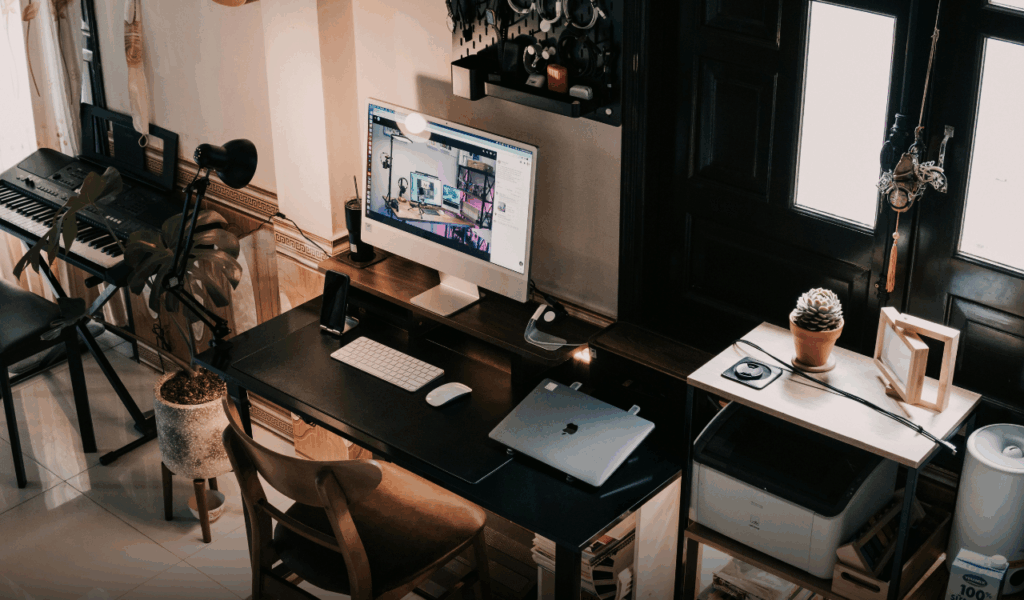
Desks that are cluttered with decorative items may appear nice, but they might make it harder to get things done. Too many things take up room and make it harder to keep important things in order. Too much visual clutter can make it hard to think clearly, which is more distracting than inspiring. To get even simple things done, you have to keep moving things about. Function and clarity should come first when choosing a study desk. When adornment gets in the way of usefulness, the place stops being useful for what it was meant to do.