
9 Homes That Are So Quiet They Make You Feel Unwelcome
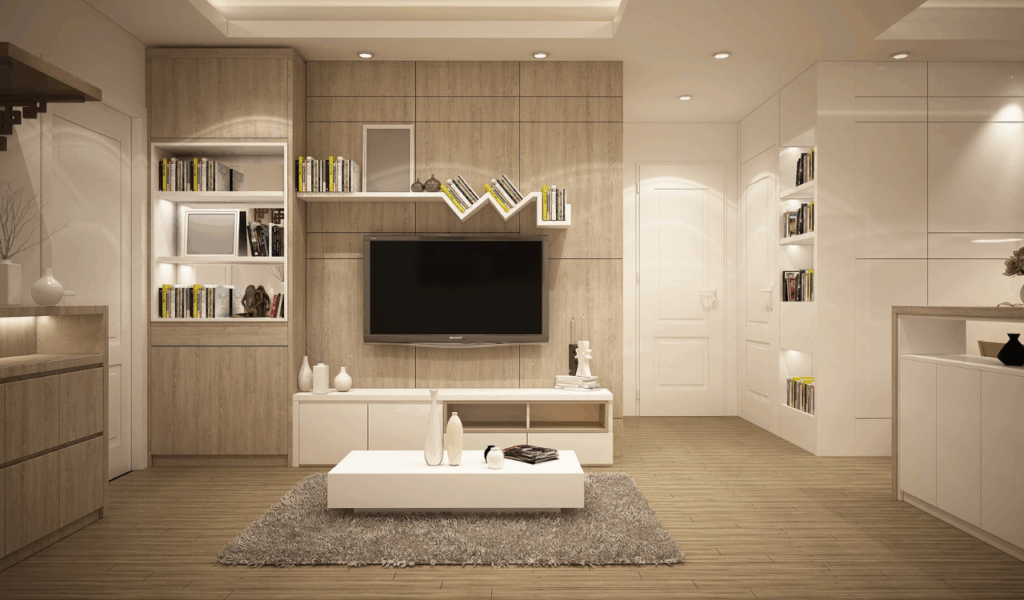
People frequently think of calm, rest, and comfort when they think of quiet homes. But a home that is too quiet can make you feel uneasy instead of relaxed. If there aren’t any sounds, movement, or visual warmth in a location, it can feel chilly, far away, or even unfriendly to guests. People naturally connect soft sounds and lived-in details with safety and belonging. Without those signs, the quiet can feel weighty instead of calming. These homes aren’t trying to be mean, but the way they feel can make people feel emotionally distant. Here are nine types of residences where stillness is so strong that it could make guests feel nervous, hesitant, or unwelcome.
1. Ultra-Minimalist Homes With No Personal Touches
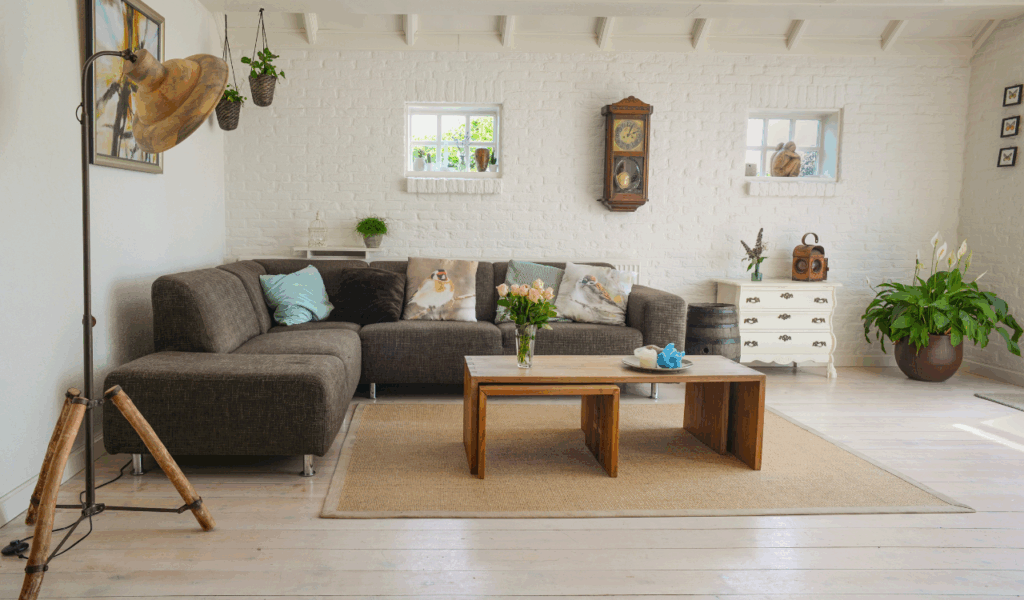
Ultra-minimalist dwellings frequently have clean lines, empty spaces, and rigid visual order. This style can seem great in pictures, but it can not feel well in real life. Guests have a hard time finding indicators of personality or warmth when there aren’t any family photos, books, plants, or soft textures. Because there are no visible indicators that show ordinary living occurring there, the quiet seems louder. Hard surfaces make sound louder, so footsteps or a cough might be annoying. Visitors could feel like they’re intruding on a display instead of entering a home that is lived in, which can be uncomfortable even though the decor is great.
2. Homes Where Every Sound Feels “Too Loud”

Some homes are so quiet that even normal sounds seem wrong. Heavy draperies, thick insulation, and soundproof materials can absorb noise so well that every footstep or chair movement sounds louder than it really is. People who are guests may drop their voices without thinking since they don’t want to be rude. This increased self-awareness can make things more tense instead of more comfortable. Visitors might not feel relaxed because the quiet itself makes them feel like they are being watched. People shouldn’t feel like they’re breaking an implicit norm of quietness in their own homes. They should be able to hear natural noises of conversation and activity.
3. Houses With No Signs of Daily Activity
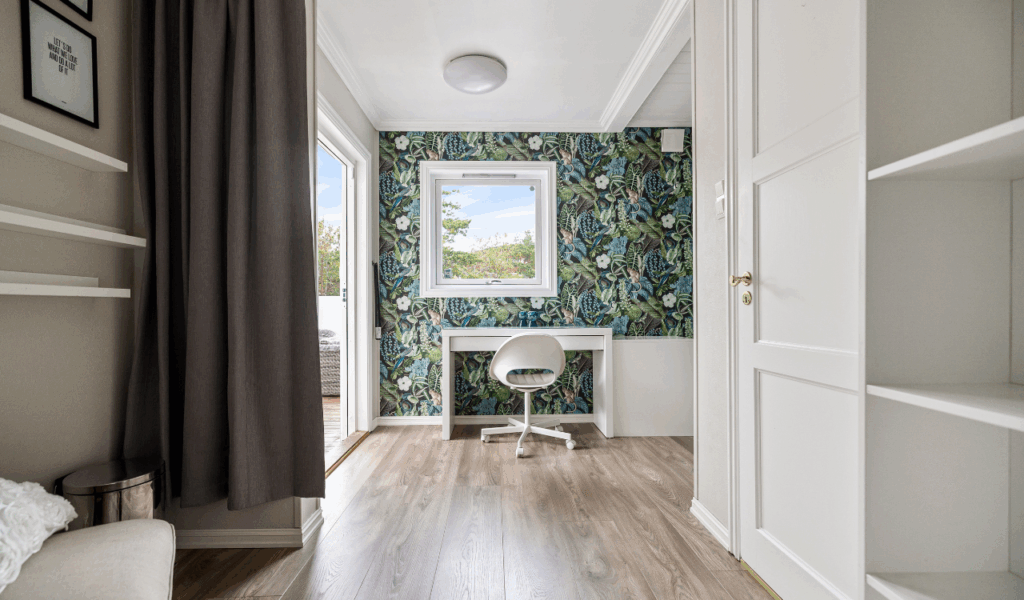
Even when people are there, homes that don’t have everyday detritus like shoes by the entrance, a coat on a chair, or a cup on the counter might feel weirdly empty. These places typically look like they haven’t changed in a long time, as if no one lives there. Without the clutter of everyday life, the soothing sense of human rhythm is gone. Guests might not know where to go or how to act during their daily routines. When there are no subtle indicators of movement, stillness can be terrifying rather than relaxing, making the area appear more like a museum than a comfortable home. This is because there are no subtle signs of activity.
4. Homes Dominated by Cold Materials

When sound hits harder objects like stone, metal, glass, and concrete, it sounds different than when it hits softer materials. These materials can make a quiet echo that feels harsh instead than soft, even when they look great. Sound doesn’t settle down naturally without fabrics, rugs, or furniture with upholstery. The quiet feels stiff and not intimate. Cold materials can also change how people feel, making environments feel less inviting. It is possible that guests will not feel at ease relaxing, sitting down, or openly conversing because they get the impression that the area is more concerned with design than it is with comfort.
5. Perfectly Controlled Smart Homes
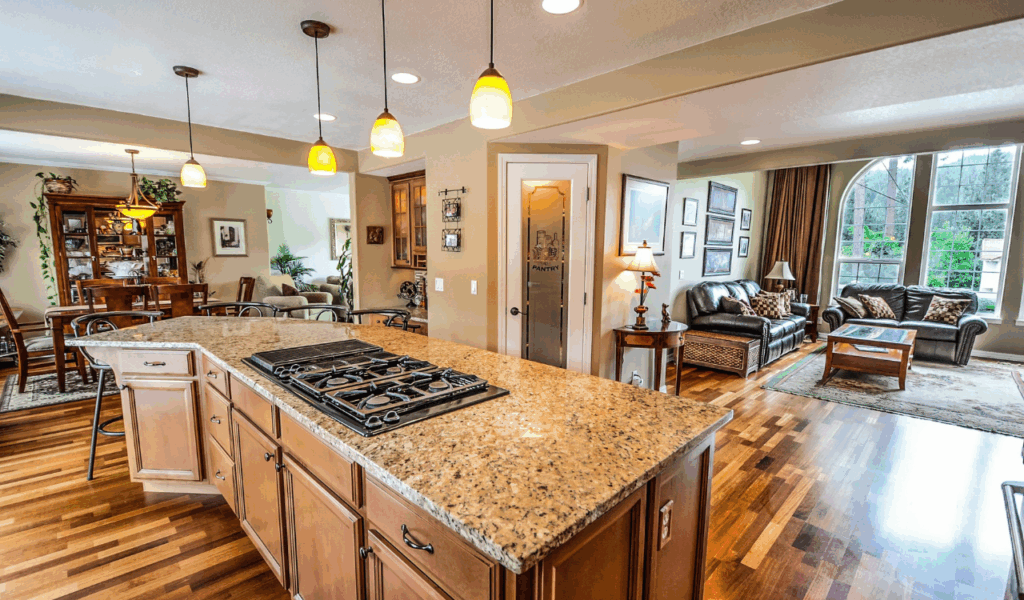
When everything is regulated with precision, highly automated homes can feel unwelcoming without meaning to. The lights come on without making a sound, the temperature systems change without making a sound, and the appliances work nearly without being seen. This absence of sensory feedback is efficient, but it takes away familiar home sounds that mean warmth and vitality. Guests might not know how to interact with the space and feel like they don’t belong there. The calm efficiency might make the home feel impersonal, as if it answers to systems instead of people. This can create emotional distance even when the technology is advanced.
6. Homes With Strict “Rules” Energy
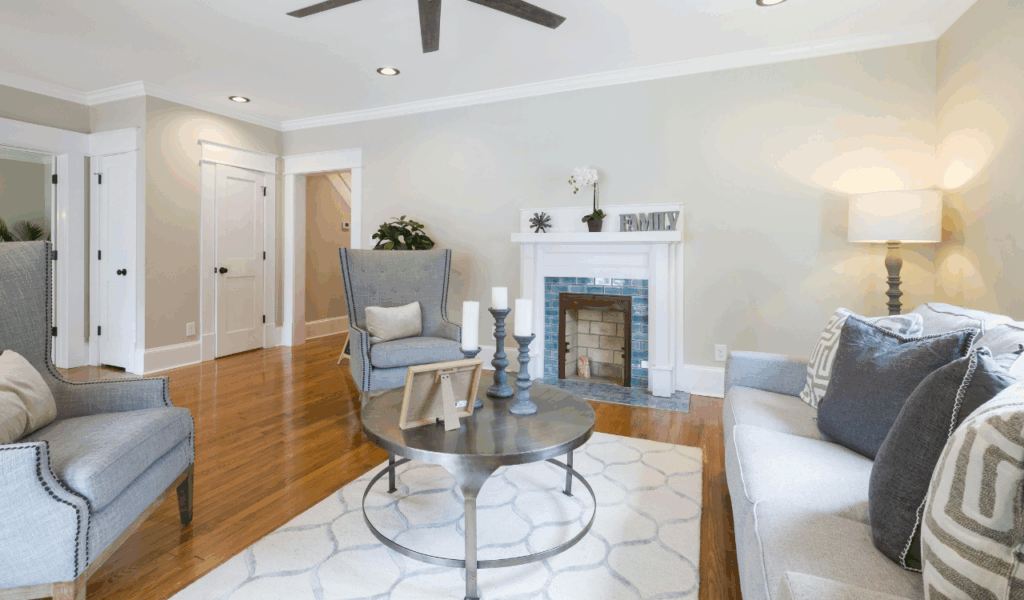
Some homes use unstated norms instead of design to make people feel quiet. People who come to visit may feel that they should keep their laughs down, be careful with their movements, and keep their conversations to a minimum. This kind of attitude usually emerges from places where order is more important than comfort. The stillness seems forced instead of natural. People who are guests could be afraid to touch things, make errors, or relax. People have a tendency to want to go rather than stay when silence is required since it makes it difficult for them to connect with one another and feel warm.
7. Large Homes With Sparse Furnishing
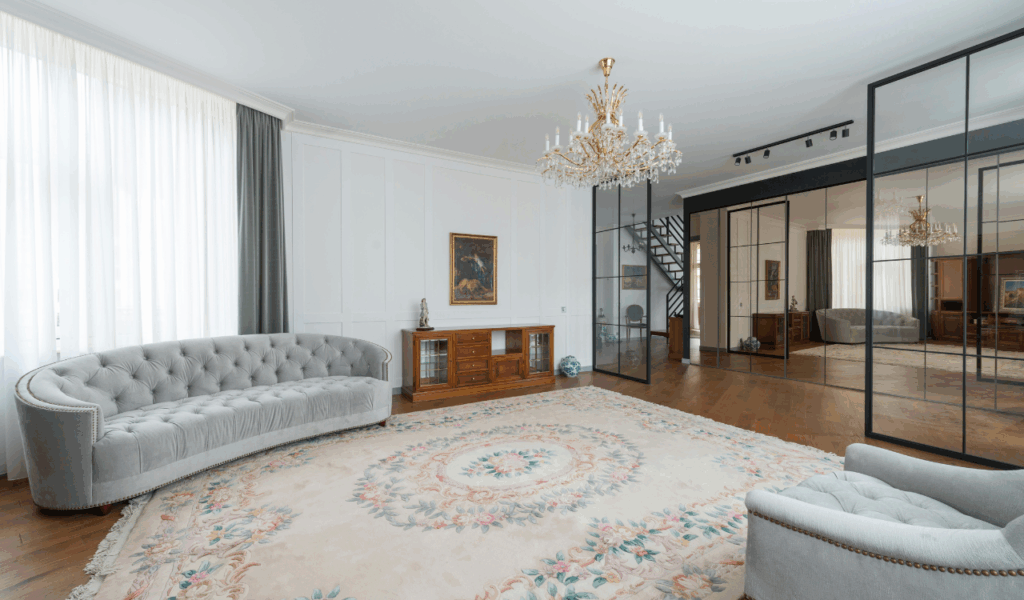
Large homes with few pieces of furniture can have an echoing and hollow atmosphere. Due to the excessive freedom of sound propagation, sounds appear to be far away or lost. The absence of furniture eliminates the ability to absorb sound and provides visual warmth, which in turn amplifies the feeling of emptiness. Guests may have feelings of physical confinement and emotional disconnection when they are in these locations. The absence of sound permeates the entire space, rather than gently encircling the talk. The house may give the impression of being secluded and unwelcoming, which might make guests feel uneasy despite the fact that it is rather large and luxurious.
8. Homes Without Background Sounds
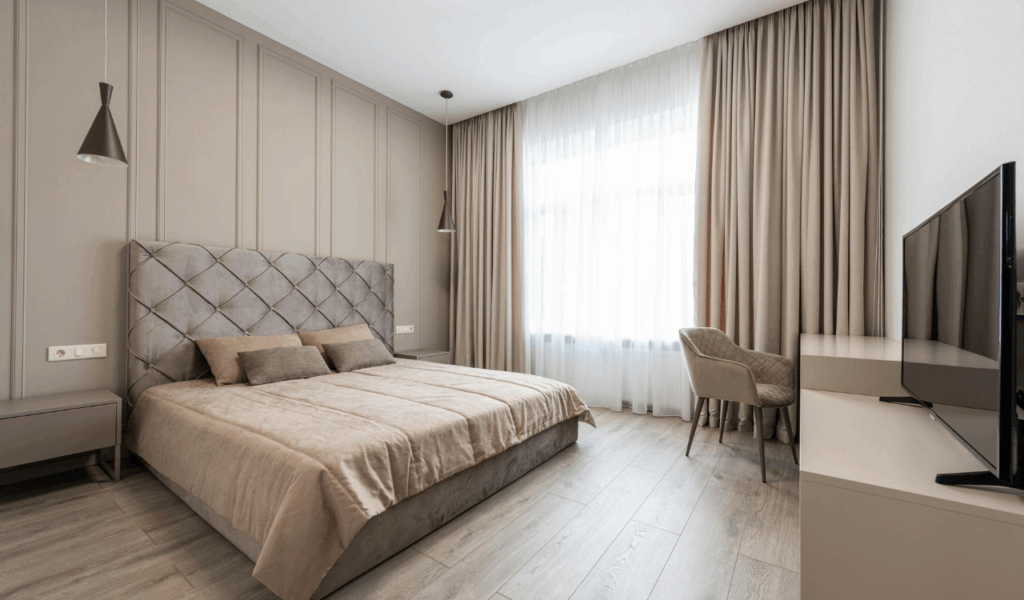
The absence of background sounds in a home, such as gentle music, ambient noise, or even minor external sounds, can provide the impression of an unsettlingly quiet atmosphere. Due to the fact that complete quiet is uncommon in everyday life, its presence frequently causes a state of vigilance rather than rest. The guests can experience a sense of pressure to fill the silence with discussion or worry about the pauses that occur. Background sounds contribute to the regulation of social comfort by facilitating seamless transitions and making interaction easier. In the absence of them, stillness becomes the focal point, which brings about a feeling of emotional distance and social tension inside the home.
9. Emotionally Disconnected Spaces
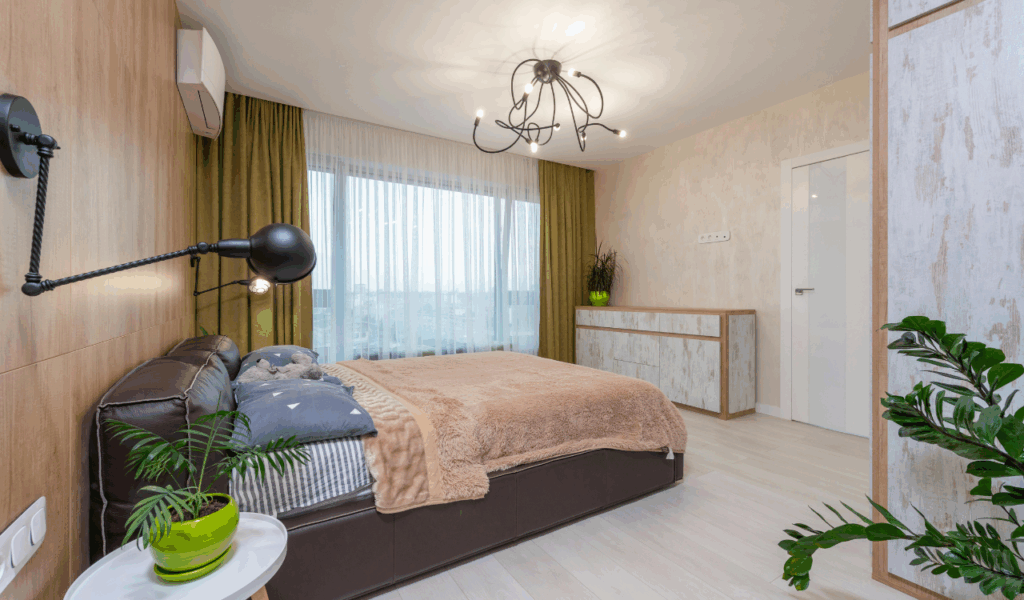
Some houses have a hushed atmosphere because they are devoid of emotional presence rather than sound. It is possible for this to occur when spaces are well maintained but do not have any warmth, stories, or experiences that are shared. Rather than being a reflection of physical quiet, the silence comes from an emotional distance. Even if there is courtesy present, guests may get the impression that connection is not promoted on the premises. The presence of subtle indicators of joy, warmth, or shared experience is typically present in a home that is welcome. In situations where these are absent, stillness turns into a barrier rather than a soothing salve.