8 “Signature Cocktail” Lists Bars Copy From Each Other
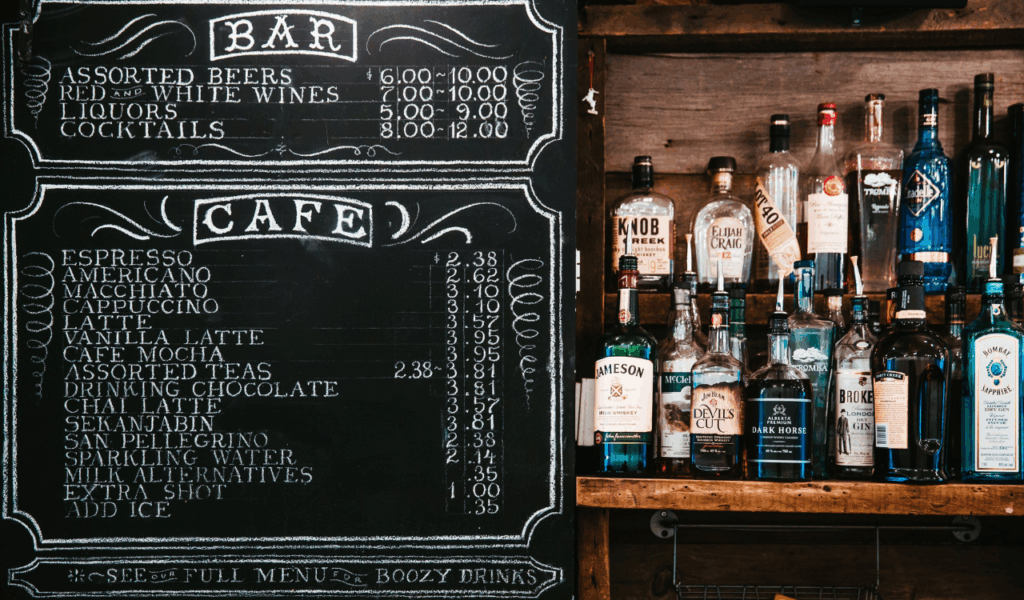
The modern artisan cocktail movement used to allow creativity and secret ingredients, but today many customers feel they’ve seen it all. Some high-end hotel lounges and trendy neighborhood speakeasies have comparable “signature” beverages. The titles may incorporate a local landmark or a smart pun, but the flavor profiles and technical builds are the same. Since bar managers often ask successful sector leaders for ideas, everyone’s tastes are similar. This is the “template effect” in modern hospitality, say beverage consultants.
Experienced mixologists and bar consultants say copying isn’t always an indication of a lack of innovation; it’s sometimes a sensible move to keep the business lucrative and clients happy. Bar operators offer multiple kinds of popular drinks rather than risky spirits because experts say people prefer familiarity. To achieve a certain “look” on Instagram, professional flippers and hospitality designers say the cocktail’s glassware, garnish, and color are frequently copied as much as the recipe. However, when a bar claims to be the only place to obtain a drink you’ve seen 10 times that month, picky drinkers may find it uninteresting and “ghetto”.
1. The Spicy Tequila and Passion Fruit Refresher
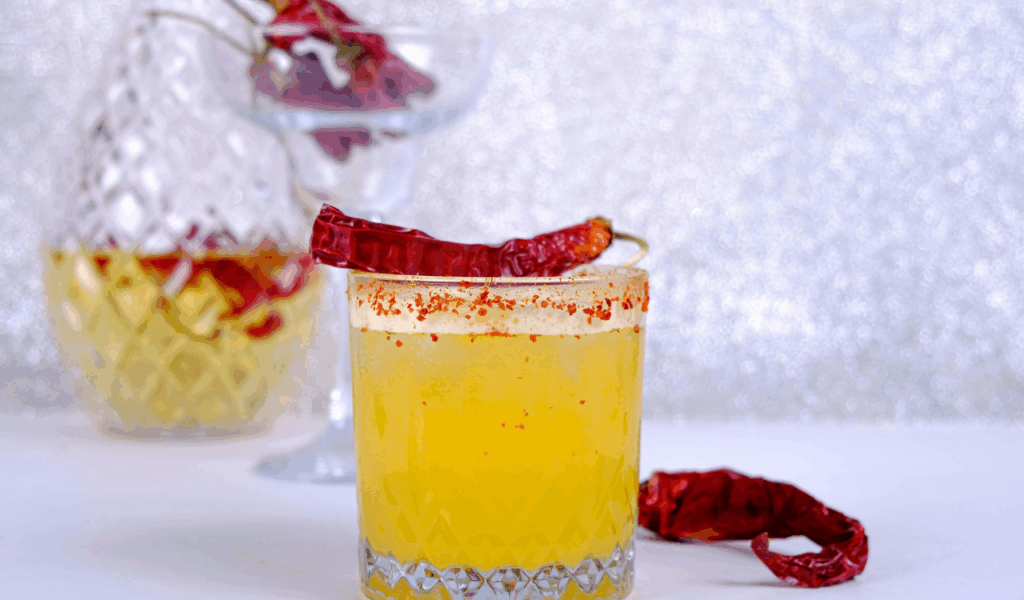
This exact mix has become the clear winner of the “copied” menu, going by titles like “Picante” or “Tropical Heat.” According to professional beverage directors, the recipe almost always calls for a house-made habanero or jalapeño syrup mixed with the acidic, fragrant punch of passion fruit purée. Experts believe this cocktail is a classic because it has all the right flavors: sweet, sour, and spicy. This makes it easy to sell to visitors who want something “different” but still easy to drink. Bar experts say that the tajín rim and the single dehydrated lime wheel are the typical look for this drink all across the world.
Because passion fruit concentrate is cheap and masks cheap tequilas, bartenders say this cocktail is often the most profitable. Bright orange is popular for social media marketing because designers and planners claim it looks good under bar lights. Professional mixologists believe that when every bar on the street serves the identical hot passion fruit drink, it becomes a commodity rather than a trademark. The pub is probably playing it safe by not experimenting with agave spirits in this category.
2. The Smoked Old Fashioned with Maple
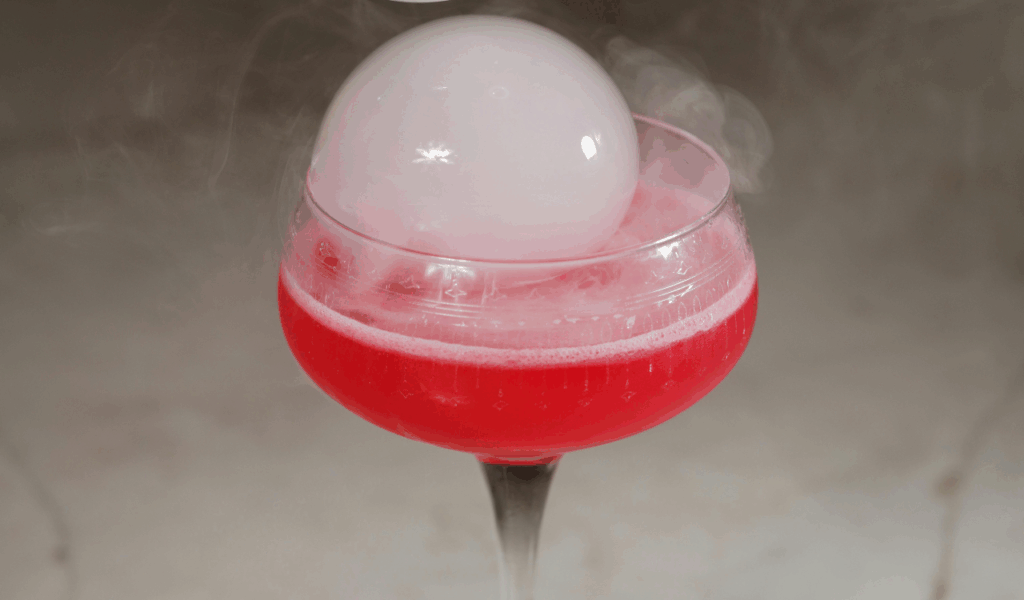
The smoked Old Fashioned used to be a rare drink, but now it’s a must-have on every bar’s menu, and they all steal from each other. Professional restaurant flippers say that the “signature” variation usually means changing regular simple syrup with maple or agave and installing a cloche to catch wood smoke.
Experts claim that the first time you see the presentation, it’s dazzling, but the recipe itself is not very different from one place to the next. Experienced bartenders say that the smoke typically hides the shortcomings in a substandard bourbon, which is why it is so popular in bars with small back bars.
While designers think these cocktails are wonderful for the “experience,” organizers worry the hefty equipment needed to smoke them may make the office filthy. One of the more expensive “copies” on the list, beverages experts claim the price of the smoking kits and distinctive wood chips is often passed on to the customer. Customers who’ve seen the same entertainment at every “upscale” pub may think a bar’s groundbreaking house creation is bogus. Look for bars with uncommon bitters or house-aged spirits to find a rendition worthy of the signature moniker, advise experts.
3. The “Improved” Espresso Martini with Salt
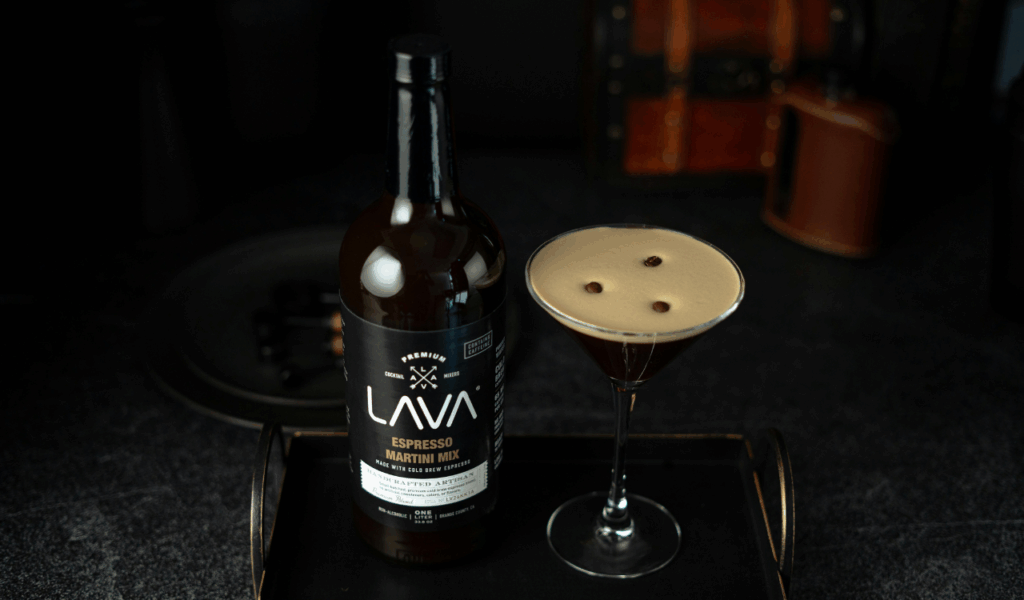
The Espresso Martini has come back in a big way, and many bars say they have improved the recipe by adding a teaspoon of salt. Professional chefs and bartenders say that salt makes coffee taste sweeter and less bitter, although this “secret” is now common knowledge in the business.
Experts suggest that most establishments just repeat the amounts of espresso, vodka, and coffee liqueur and add a little salt or saline solution. Hospitality experts say that calling this “salted” version a unique characteristic is one of the most prevalent methods for bars to sound new without performing any more work.
According to professional baristas, coffee quality is often the sole difference between bars. To speed things along, several establishments use pre-chilled or canned espresso. The three-bean garnish, which symbolizes health, prosperity, and happiness, is the most imitated cocktail garnish, according to designers.
Once every menu contains a “Salted Espresso Martini,” finding it is no longer fun. Experts believe a trademark drink should incorporate house-infused spirits or unique liqueurs like amaro to distinguish out from the thousands of copies in every city center.
4. The Clarified Milk Punch using Local Tea
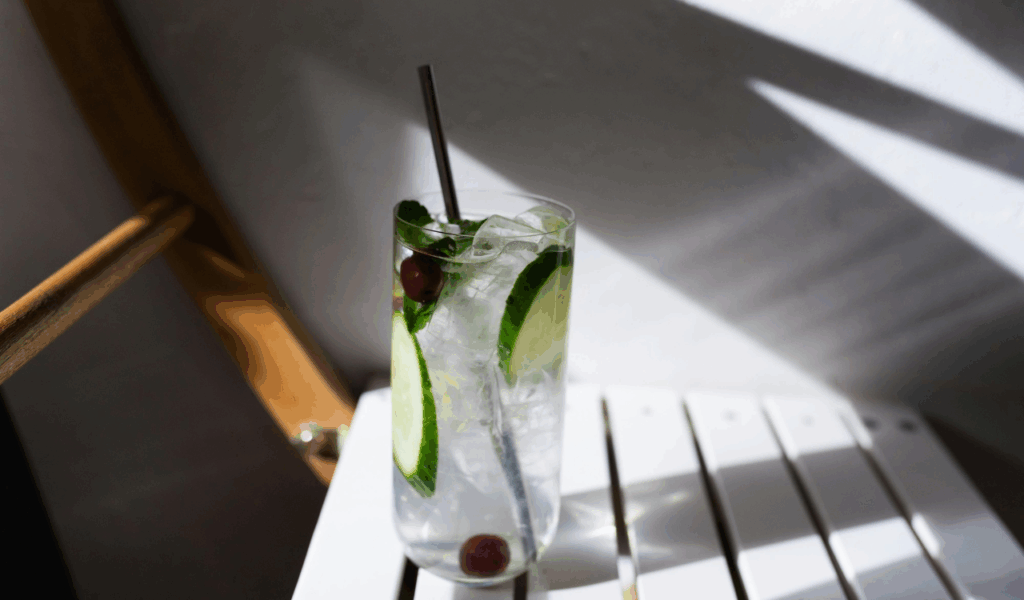
Many bars that want to add a “science” edge to their menus use the clarification procedure, which is based on the classic milk punch recipe. Professional mixologists say that the procedure entails curdling milk with citrus and then filtering away the solids to make a drink that is crystal clear and smooth.
Experts note that bars typically only change the kind of tea they use—Earl Grey in one spot, Oolong in another—to make it seem like their own distinctive drink. Beverage experts say that establishments can charge more for this drink because it takes a lot of work to make, even if the recipe comes straight from a well-known bar in New York City or London.
Clarified punches are popular with professional organizers because they can be prepared in bulk, ensuring consistency and speed during a busy shift. Designers prefer the simplicity of a clear drink in a sturdy rocks glass with a large transparent ice cube. Because the process is so precise, flavors are comparable, giving different areas a “copycat” feel. Unless the bar uses unique ferments or spirits, most distinctive milk punches are basically the same cocktail with a new name, say experts.
5. The Lavender and Butterfly Pea Flower Gin Sour
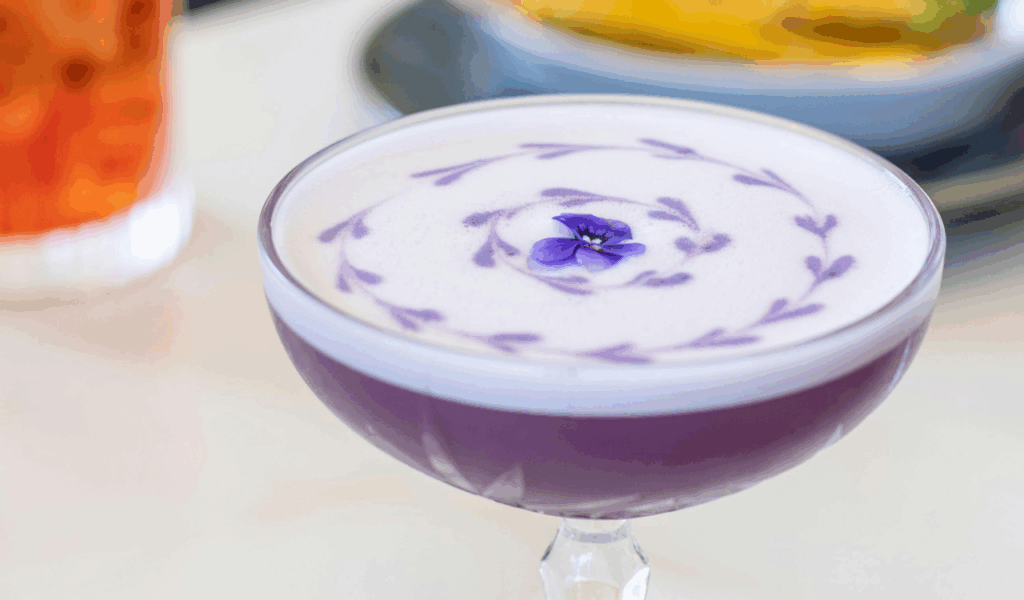
If a bar wants a color-changing trick without having to come up with a new flavor profile, butterfly pea flower is the best “ghetto” trick. Professional designers and flippers say that this bloom changes from deep blue to vivid purple when citrus is added, which makes for a built-in “wow” moment for the guest.
Experts suggest that practically all bars use this visual effect with gin and lavender, after a trend that became widespread five years ago. Bartenders say this drink is generally the “entry-level” signature cocktail since it looks great and tastes quite sweet, which makes it appealing to a wide range of casual drinkers.
Professional chefs and florists think butterfly pea flower’s modest, earthy flavor doesn’t enhance the drink. Designers claim purple appears well in images, so bars mimic this style even if it’s old. Experts suggest “The Violette” or “Lavender Dreams” on a menu is likely a duplicate. Professional mixologists recommend using fresh botanicals or nuanced bitters instead of a tired Instagram visual technique to give a bar floral qualities.
6. The Mezcal Negroni with a Bittersweet Twist
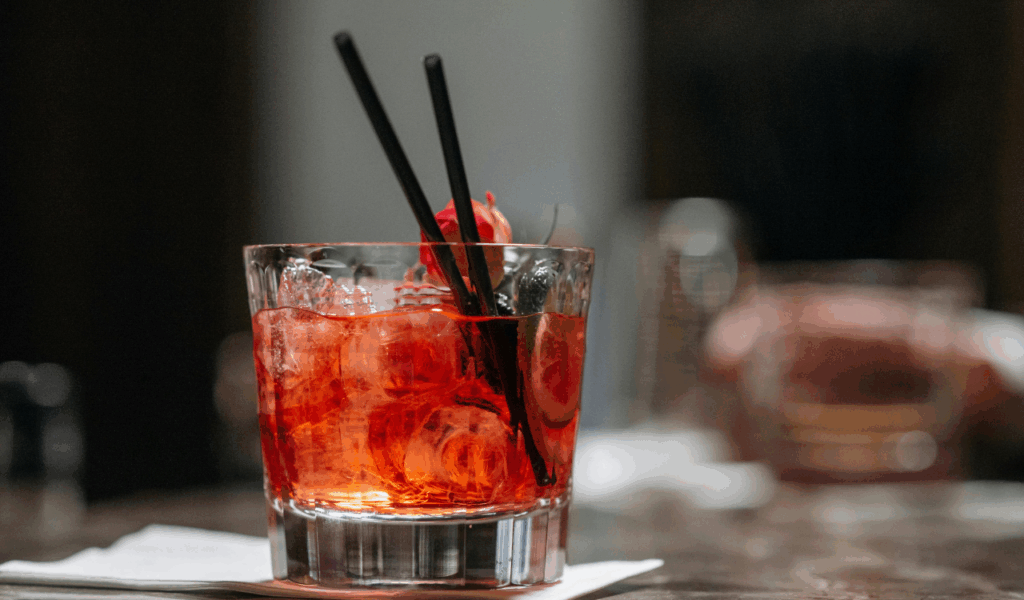
Bars that aspire to look classy and trendy typically serve the Mezcal Negroni, also known as the “Rosita” or “Oaxacan Negroni.” According to professional beverage directors, it’s common for bars to switch gin for mezcal, but they often market it as a new house discovery. Experts claim that bars think they can label a drink distinctive just by adjusting the amount of vermouth or adding a different bitter aperitif. Realtors and hospitality experts say that this drink is a must-have for any bar that wants to show that it is part of the “modern craft” movement, even if the recipe is well-known.
The smokey flavor of mezcal pairs nicely with Campari’s bitterness, making it a “fail-proof” mix for bar managers, say experts. Designers love its deep red color and ease of making—no shaking or intricate ornamentation. However, its simplicity makes it one of the most replicated signature items. Mezcal Negronis should have cocoa nibs or coffee beans to give them a unique flavor that you won’t get at the bar next door, say experts.
7. The Cucumber and Elderflower “Garden” Gin Tonic
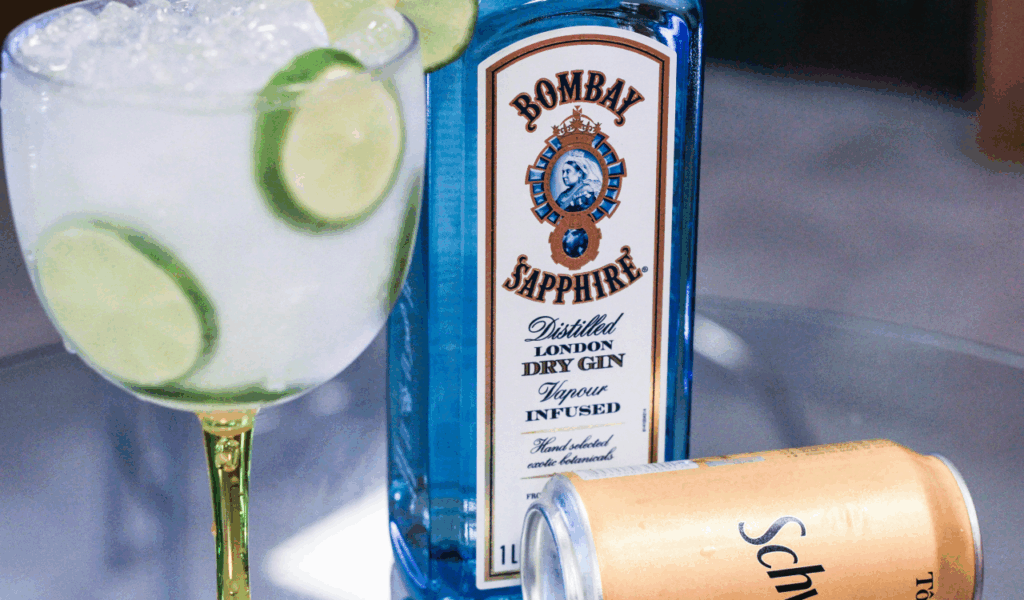
Almost every pub with an outside patio has adopted the “Garden G&T” recipe, which calls for gin, cucumber, and elderflower liqueur. Professional landscapers and designers say that this drink is supposed to make you think of nature and freshness. It is usually topped with a lot of mint and herbs. Experts argue that the “St-Germain” effect is true. Adding elderflower to practically any gin drink makes it taste good to most people, which is why bar managers replicate it so often. Bar consultants say that this is the “safe” signature drink that almost always sells.
Many bars employ mass-produced syrups and out-of-season cucumbers, so professional gardeners claim “garden-fresh” is a marketing ploy. Designers like these because they’re bright and green, but organizers worry about wasting fresh fruit. Experts claim this flavor profile is too common to be a “signature” flavor. If a bar states this is their house specialty, they probably don’t know what’s in season or don’t want to try sage or tarragon.
8. The Paper Plane Variant with Local Amaro
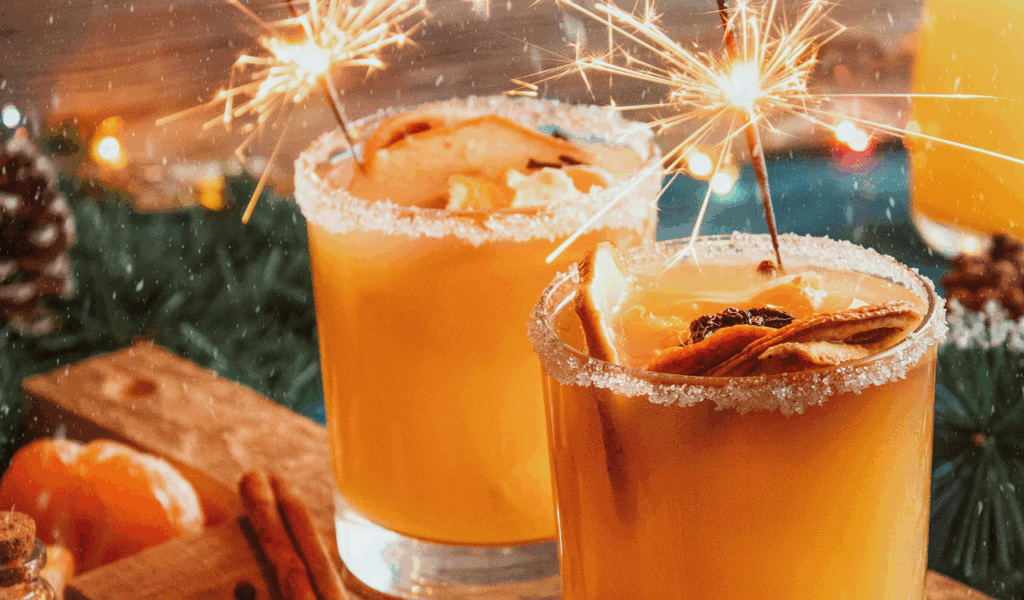
The Paper Plane, which is made with whiskey, Amaro Nonino, Aperol, and lemon, is the latest victim of the “copycat” menu trend. Professional mixologists say that establishments often replace the Amaro Nonino with a local or “house” amaro and then give the drink a new name to make it seem like it is their own.
Experts believe that the four-ingredient, equal-parts template is so flawless that it’s hard to mess up. This makes it a popular choice for establishments that want a “sophisticated” drink without having to figure out how to balance a complicated new recipe. Experts in drinks say that this is the most common “whiskey signature” found in modern artisan bars.
Professional bartenders believe the equal-parts construction is fast and consistent, therefore it’s often copied in busy bars. To honor the original, designers typically include a little paper plane, although experts argue this makes the replica more obvious. The drink’s DNA is still Sam Ross’s 2008 innovation, but a local amaro can change the taste. If a bar wants a bourbon trademark, experts advise against using the equal-parts pattern. Instead, they can showcase their expertise and creativity on a profile.