
9 Furniture Brands Accused of Selling Disposable Quality

Furniture shopping has shifted from buying pieces meant to last decades to filling homes quickly and cheaply. Many popular brands promise style, convenience, and affordability, but shoppers increasingly report that the quality does not hold up to everyday life. Weak materials, shortcuts in construction, and designs meant for fast turnover have turned once-trusted purchases into temporary fixes. As complaints grow, more buyers are questioning whether some furniture brands are selling products built to last or built to be replaced. These brands are frequently called out for prioritizing speed and price over durability.
1. IKEA

IKEA built its reputation on affordability, flat-pack convenience, and modern design that fits almost anywhere. The tradeoff becomes clear after extended use. Many core pieces rely on particleboard, honeycomb interiors, and cam locks that loosen over time. Once a screw strips or a panel swells from humidity, repairs are difficult or impossible. IKEA furniture often performs well during its first move-in phase, but repeated moves or daily stress expose its limits quickly. This creates a pattern where items are replaced rather than repaired. For renters and short-term spaces, that can be acceptable. For long-term homes, shoppers often realize these pieces were never meant to age with them.
2. Wayfair

Wayfair’s biggest strength is variety, but that same breadth fuels complaints about quality inconsistency. Because the platform hosts thousands of third-party sellers, shoppers often receive furniture that looks nothing like its photos once assembled. Thin veneers, soft wood frames, and weak fasteners are frequent criticisms. Assembly instructions can be vague, increasing stress on already fragile components. When pieces fail, replacements often cost nearly as much as the original item. Many buyers report feeling stuck in a cycle of replacing furniture sooner than expected. The result is furniture that feels designed for quick turnover rather than long-term use.
3. Amazon

Amazon’s furniture offerings prioritize speed, price, and convenience, which can undermine durability. Many budget pieces are produced with minimal material thickness to reduce shipping costs. Tables flex, shelving bows, and upholstered items lose shape quickly. Quality control varies widely between sellers, making it hard to predict performance. Reviews often mention that items feel lighter than expected and show wear almost immediately. While Amazon furniture may suit temporary needs, buyers frequently regret choosing it for primary living spaces. The furniture often functions just long enough to justify the purchase, then quietly fails.
4. Overstock
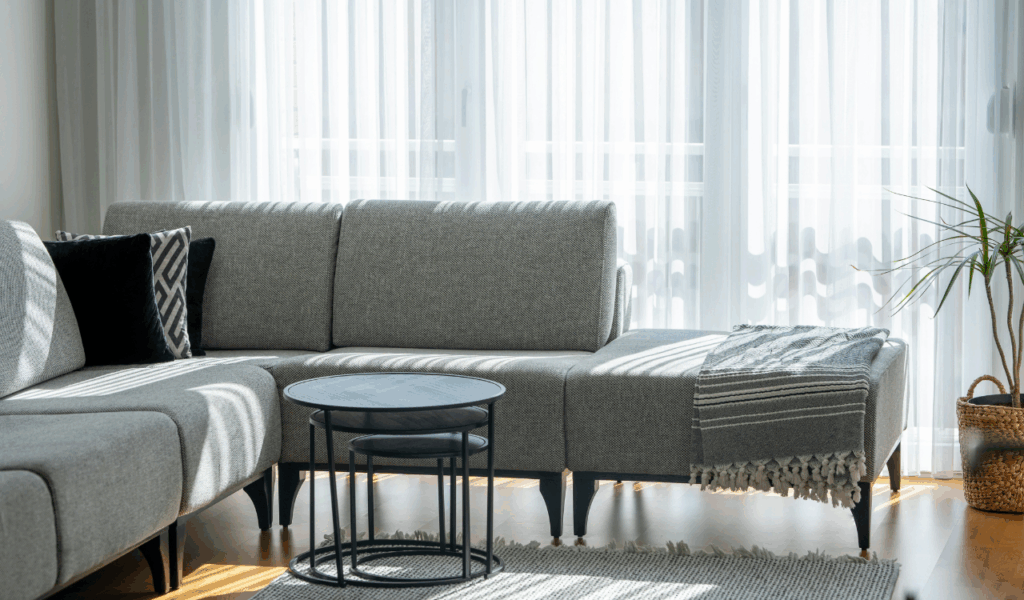
Overstock attracts bargain hunters with deep discounts, but many shoppers note that low prices reflect low construction standards. Furniture often uses composite wood and thin hardware that struggles under normal use. Shipping damage is a common complaint due to lightweight packaging and materials. Once assembled, pieces can feel unstable, especially beds and storage units. Return logistics add frustration when defects appear. Overstock furniture tends to prioritize visual appeal over structure, creating pieces that photograph well but fail under daily wear. The value proposition weakens quickly when replacements become necessary.
5. Sauder
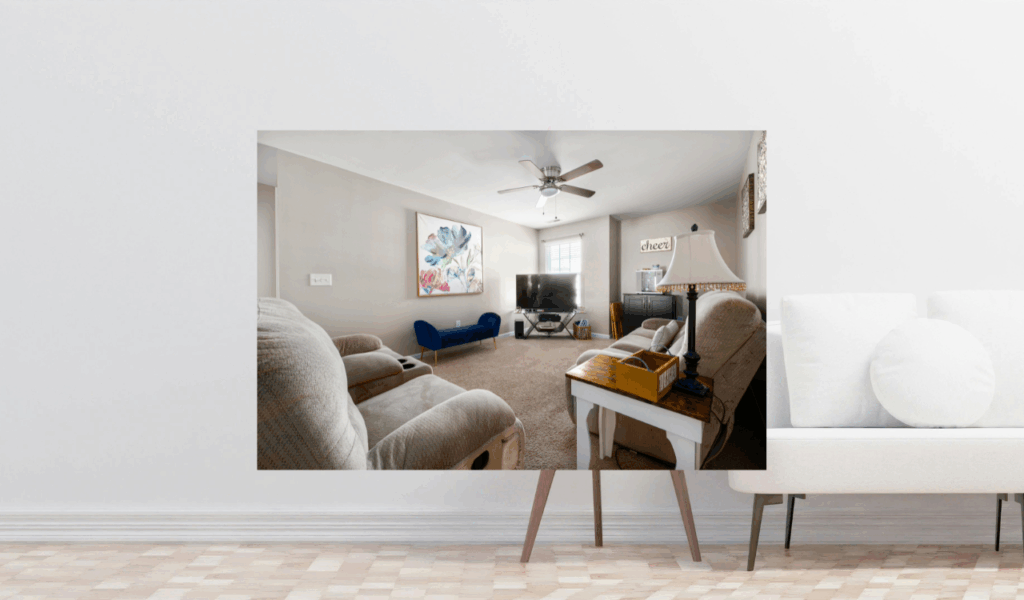
Sauder furniture is widely available and easy to assemble, which makes it appealing for budget-conscious buyers. The downside lies in material choices. Heavy reliance on particleboard and laminate means edges chip easily and joints weaken over time. Moisture exposure can cause irreversible swelling. These pieces often cannot be disassembled and reassembled without damage. Shoppers describe Sauder furniture as functional but fragile, suited for light use only. It fills a need but rarely becomes a lasting part of a home, reinforcing the perception of disposability.
6. Target

Target’s in-house furniture lines balance trendiness and affordability, but durability complaints are common. Many items emphasize slim profiles and lightweight construction, which limits structural strength. Upholstered pieces can flatten quickly, while finishes scratch under minimal contact. Target furniture often works best as accent pieces rather than everyday workhorses. Buyers who expect longevity are frequently disappointed. The design-forward approach sometimes sacrifices reinforcement and material depth, resulting in furniture that feels stylish but temporary.
7. Big Lots

Big Lots furniture appeals to shoppers furnishing homes quickly and cheaply. The problem arises when everyday use begins. Frames may creak, cushions compress unevenly, and surfaces wear rapidly. Assembly hardware is often minimal, reducing stability. Upholstery fabrics tend to pill or fade quickly. While pricing feels attractive upfront, replacement costs accumulate. Many buyers later realize they paid less upfront only to pay more over time through repeated purchases.
8. Shein

Shein’s expansion into home furniture mirrors its clothing strategy: ultra-low prices and rapid turnover. Furniture pieces often use thin materials that prioritize appearance over strength. Weight limits are low, and structural support is minimal. Buyers report wobbling tables, sagging shelves, and finishes that degrade almost immediately. The furniture rarely survives a move. These pieces are often treated as disposable decor rather than functional investments, raising concerns about sustainability and long-term value.
9. Home Depot

Home Depot’s private-label furniture lines vary widely in quality. While some items perform well, others rely on lightweight frames and cost-cutting materials. Shoppers report inconsistent durability across collections. Items designed for quick assembly may lack the reinforcement needed for daily use. Furniture marketed as multipurpose often fails under repeated stress. Buyers expecting contractor-grade sturdiness are sometimes surprised by how residential and disposable certain pieces feel.