14 Back-to-School Storage Solutions That Filled Up Immediately
People always think new storage solutions would bring order to the pandemonium during back-to-school season. From clever hanging organizers to carefully packed boxes, everything seems ordered and manageable before lessons. However, school starts with new paperwork and materials, and daily routines reveal several technique deficiencies. Spaces that were once large are now cramped, and storage filled up faster than expected. Here are fourteen back-to-school storage options that promised organization but rapidly filled up. The failure of these remedies and how typical habits can beat even the best-marketed organizing approaches are explained.
1. Slim Backpack Organizer Inserts
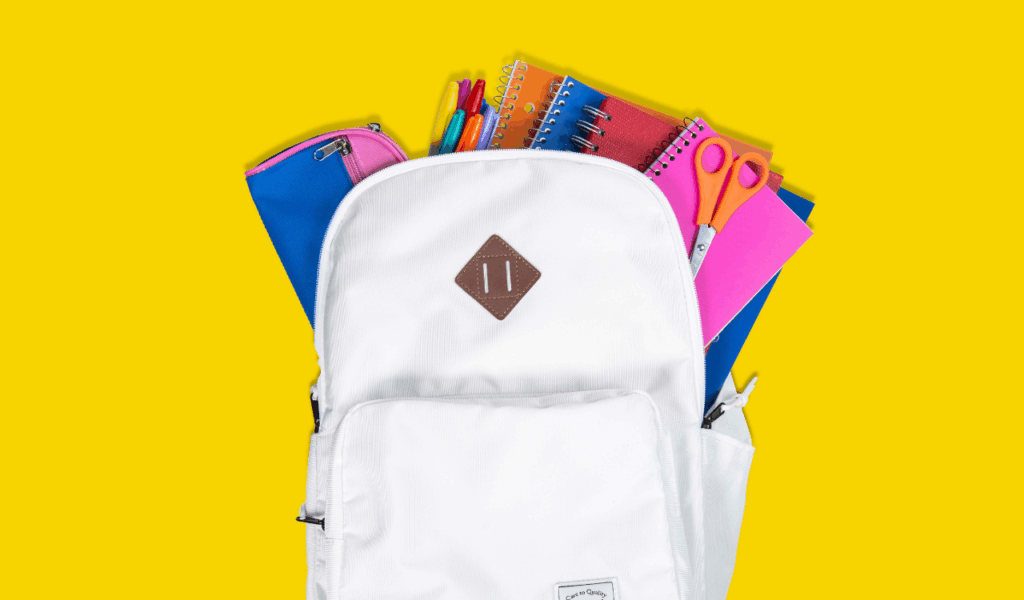
Using compact backpack organizer inserts keeps books, electronics, and other items neatly apart from each other. In truth, they are meant for light loads, not the huge amount of textbooks, notes, lunch boxes, and workout gear that students carry around with them all the time. After the packing is done, the insert will either bulge, move, or fall in. since of this, the organizer doesn’t work since the pupils put things wherever they can fit. These inserts also slow access, which is crucial in a busy school. Inserts become problematic when backpack weight increases. They fill quickly and are removed swiftly.
2. Tiny Desk Drawer Dividers

Desk drawer dividers seem like a good way to keep pencils, erasers, and tools apart. The problem is that the school supplies that are needed are not always kept up. Soon, a lot of things like art supplies, extra papers, chargers, and other things pile up in the classroom. The narrow areas fill up quickly, and when they do, they lose their purpose. Dividers might make a mess because kids don’t often move things around. When it is clear that the drawer can’t close all the way, the dividers are taken out altogether. To make the most of storage space, drawers should be made such that items can be grouped in different ways instead of in tight sections that assume supplies will be limited.
3. Hanging Pocket Homework Organizers
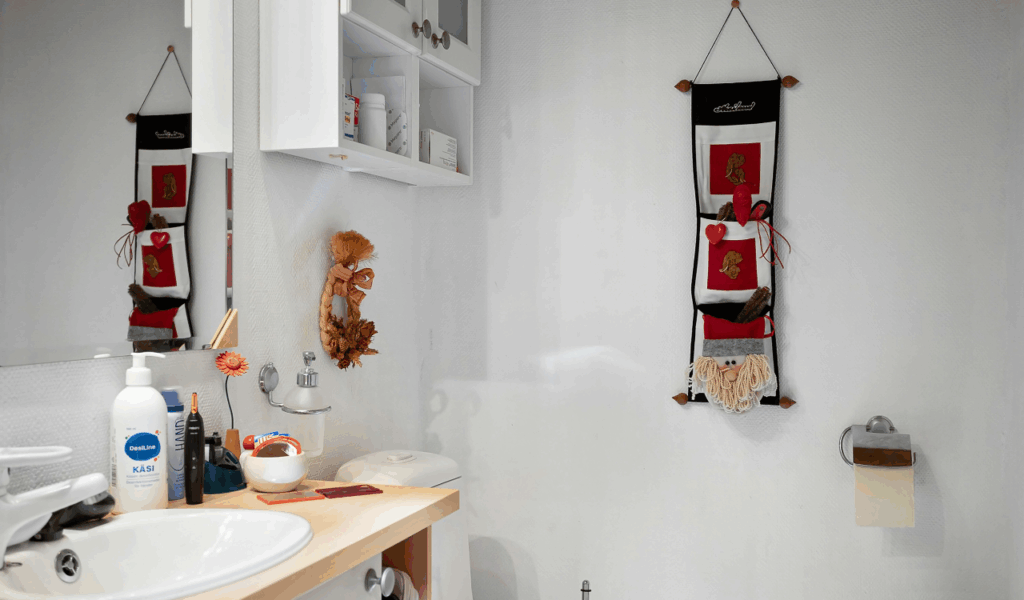
More and more people are using hanging pocket organizers to store coursework since they save room. It’s very bad that school papers can come in different sizes and thicknesses. Pockets get stretched, pages get wrinkled, or tears happen at the seams as the number of files and chores grows. Also, pupils have trouble remembering which pocket holds what, so they stuff papers into the slot that is closest to them. If pockets get filled, papers will fall out and end up in other areas. Flat, easy-to-reach storage for paper is better than vertical pockets, which were never meant to hold paper that is always changing and getting more work.
4. Minimal Locker Shelf Add-Ons
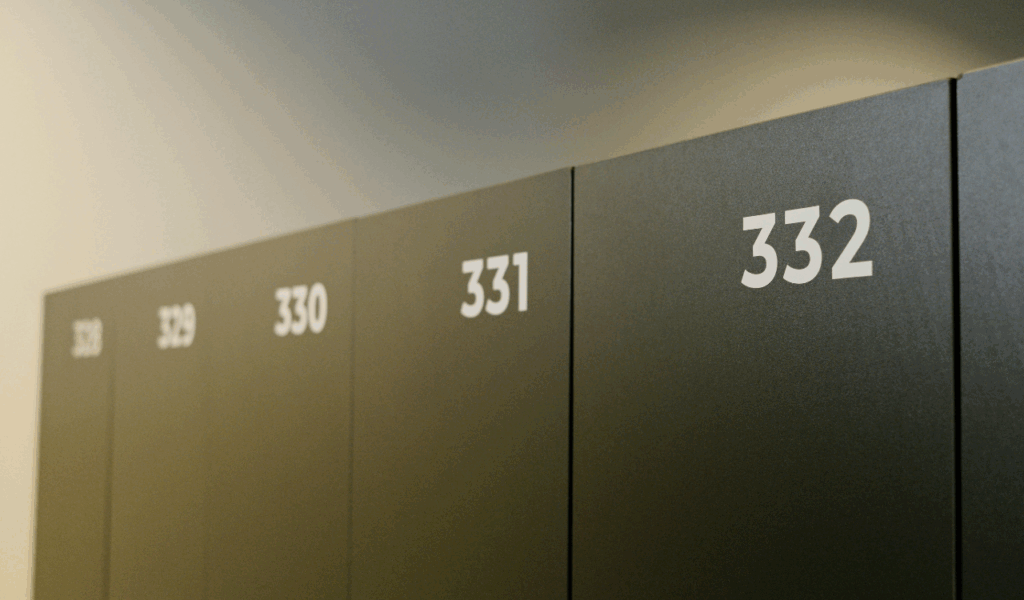
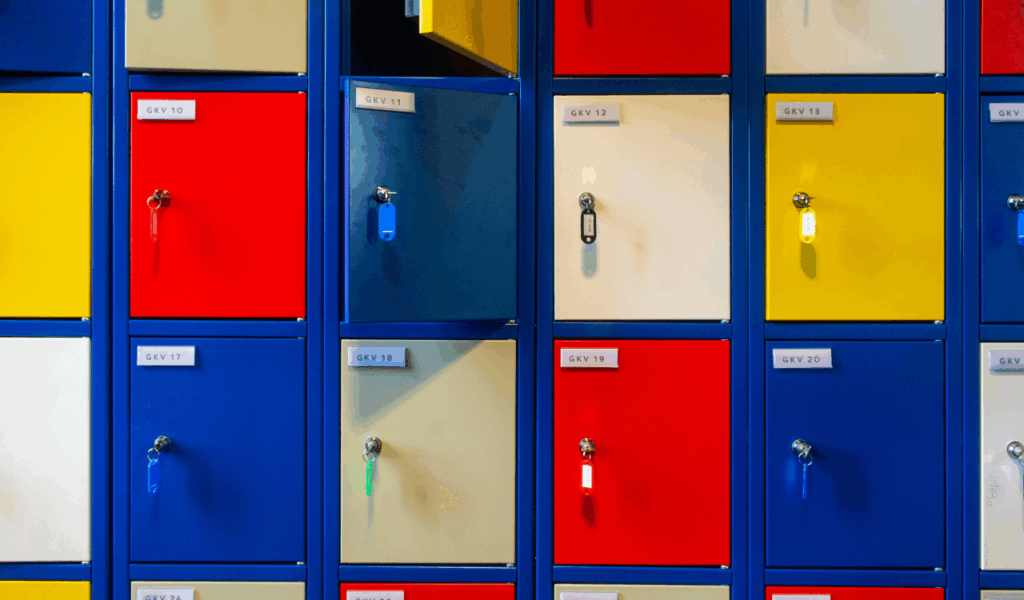
In small lockers, locker shelves can make the room four times bigger. In truth, lockers vary in a wide range of sizes, and shelves virtually never fit perfectly. When you put things like coats, backpacks, and sports gear on shelves, they become less sturdy or useful. Things will inevitably be stacked on top of one other. The weight of the items on the shelves makes them unstable and bow over time. Because lockers are always changing because of activities and the change of the seasons, shelves that don’t move aren’t possible. At first, something that looks useful quickly becomes a burden instead of a help, and it fills up quickly.
5. Clear Pencil Case Systems
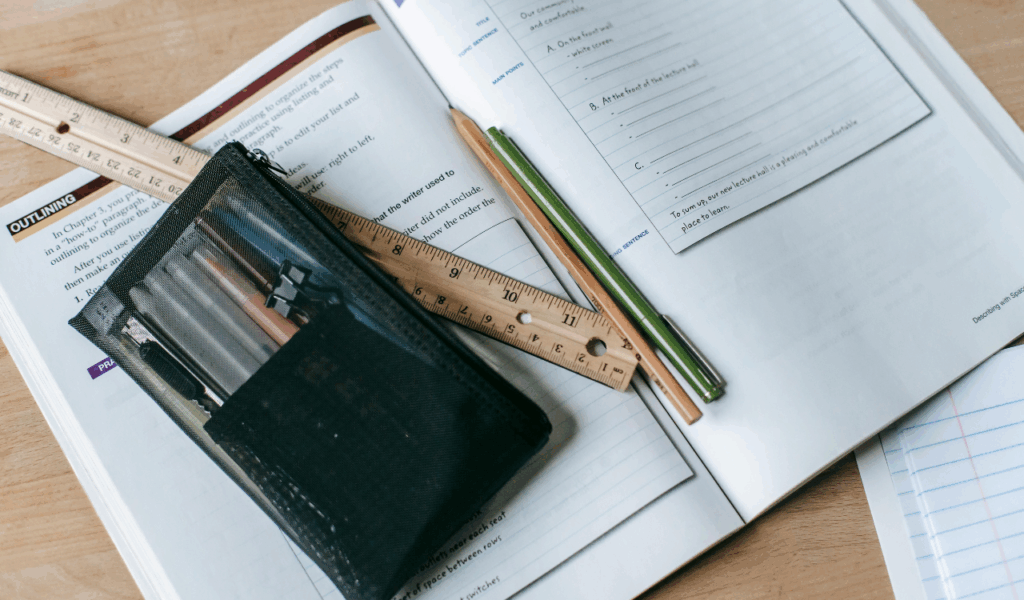
When pencil cases are clear, it is simple to view the supplies, which gives the impression of organization at first. That capability is the problem. During the course of the school year, little accessories such as pens, markers, scissors, glue sticks, and other similar items quickly collect. The risk of objects being broken or spilled is increased when clear cases are filled to the point where they very nearly close. When the case is full, students either give up or carry more stuff in their bags. There should be room for pencil storage growth, not a predetermined cap that guarantees supply year-round.
6. Under-Bed School Supply Bins

When it comes to storing additional notebooks and supplies, under-bed bins appear to be an excellent option. After they have been full, they become difficult to access and simple to forget. It is common for students to be unable to see what is stored, which can result in duplicate purchases and clutter in other areas. Bins, which were originally intended to serve as useful storage, eventually became catch-all zones. This is because hard-to-reach items are no longer part of daily organization. Storage is most successful when it facilitates regular use, not when it hides supplies.
7. Matching Cube Storage Bins
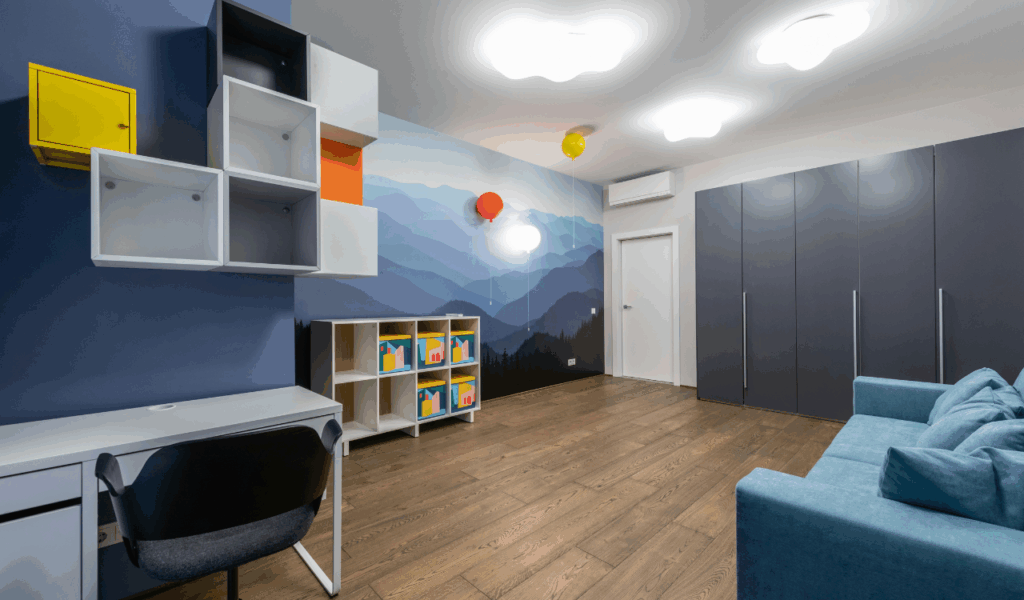
The appearance of cube storage units that are matched with bins is tidy and consistent. However, during the course of the school year, materials are rarely distributed in an even manner. One of the bins is completely full of books, while the other one is only halfway full. Children have a tough time lifting heavy bins, which discourages them from using them properly. The kids stop rearranging when the bins are full. Usability is often sacrificed for consistency. Instead of packing everything into similar containers that fill unevenly, the storage system must accommodate varying loads.
8. Daily Folder Rotation Systems
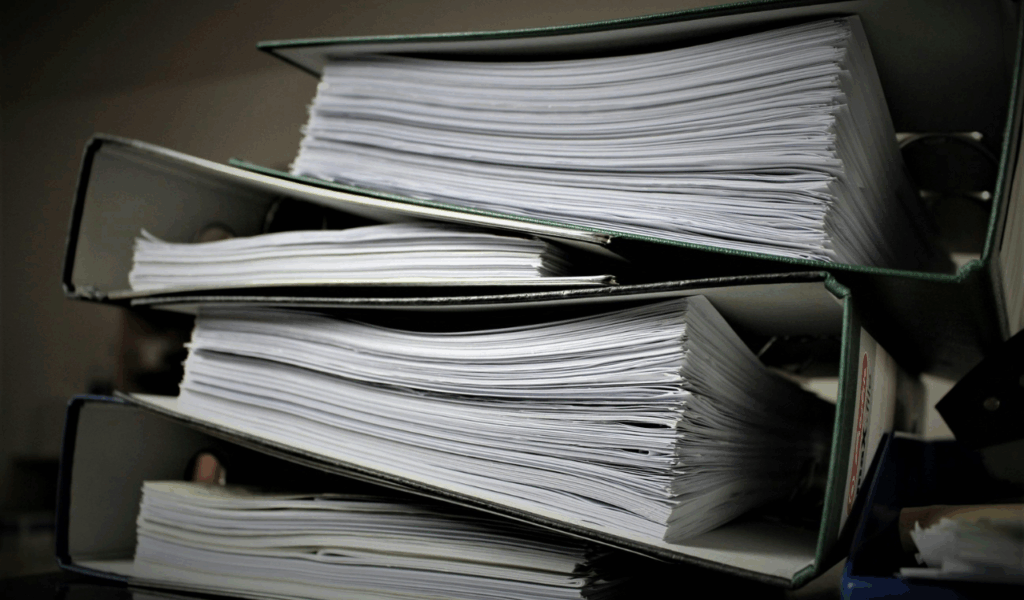
In daily folder systems, particular folders are designated for each day of the week. Although in theory they are ordered, they are dependent on being completely consistent. If you miss one day, the papers will accumulate in the incorrect folder. The system is rarely able to accommodate special notices and projects. It won’t be long until the folders get bloated and lose their clarity. Documentation at school is unpredictable, which makes rigid rotation systems impossible to implement. Changes in the flow of paper are better managed by flexible sorting zones than by rigid schedules, which assume that people would always behave in the optimal manner.
9. Compact Lunch Supply Drawers
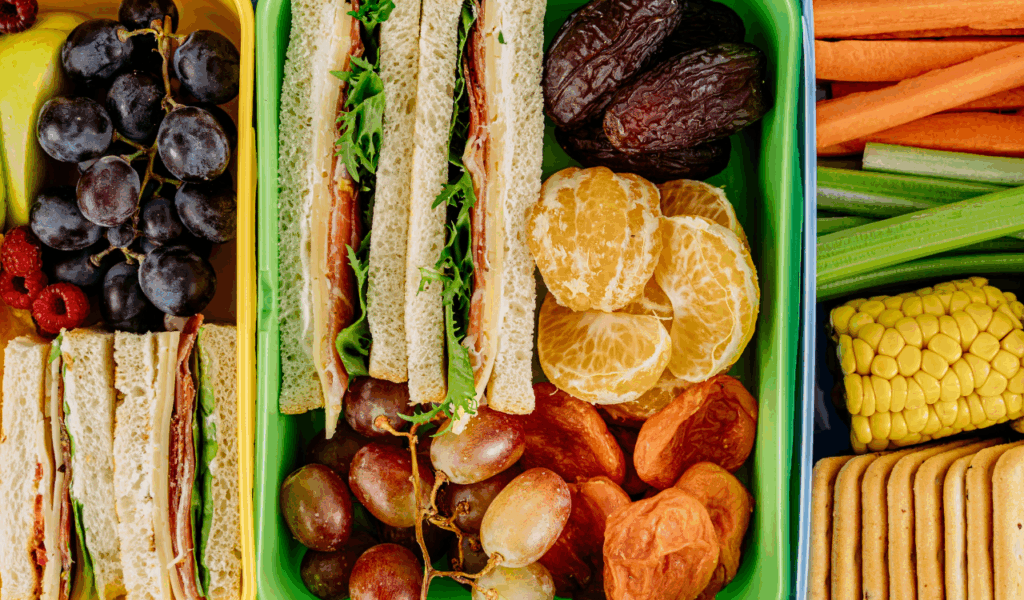
For the purpose of maintaining order among bottles and containers, lunch drawers appear to be of great use. Both the volume and the variety are the issues. The containers that are required for the various meals are different, and the surplus quickly accumulates. The lids are separated from the containers, and the drawers are quickly filled. Items spill over into neighboring cabinets if they are full. The process of matching pieces can be frustrating, which can lead to clutter. When it comes to storing lunches, you should not use drawers that are too tight and think that there are just a few options available and that things are perfectly matched.
10. Wall-Mounted Supply Stations

Organizers that are installed on the wall free up floor space but frequently lack thickness. As the number of school supplies increases, items will both build up and fall out. In shallow compartments, projects and materials that are cumbersome tend to overrun them. Afterwards, the students will instead set the items on neighboring surfaces. As soon as they are overcrowded, wall stations contribute to the visual clutter rather than reduce it. The capacity and stability of storage must be sufficient to meet the ever-increasing demands, particularly during the busiest times of the school year, when supplies are at their highest.
11. Homework Command Centers

Calendars, containers, and boards are all consolidated into a single location in homework command centers. With papers, reminders, and supplies, they rapidly become cluttered with items. When there is an excessive amount of information, it becomes buried. There is a feeling of confusion among the students, so they cease checking the area. Command and control centers become magnets for clutter if they are not regularly cleared. It is not inflexible layouts that overflow and overwhelm within weeks that are necessary for effective organization; rather, it is space that is adjustable and it is frequently reset.
12. Slim Rolling Storage Carts
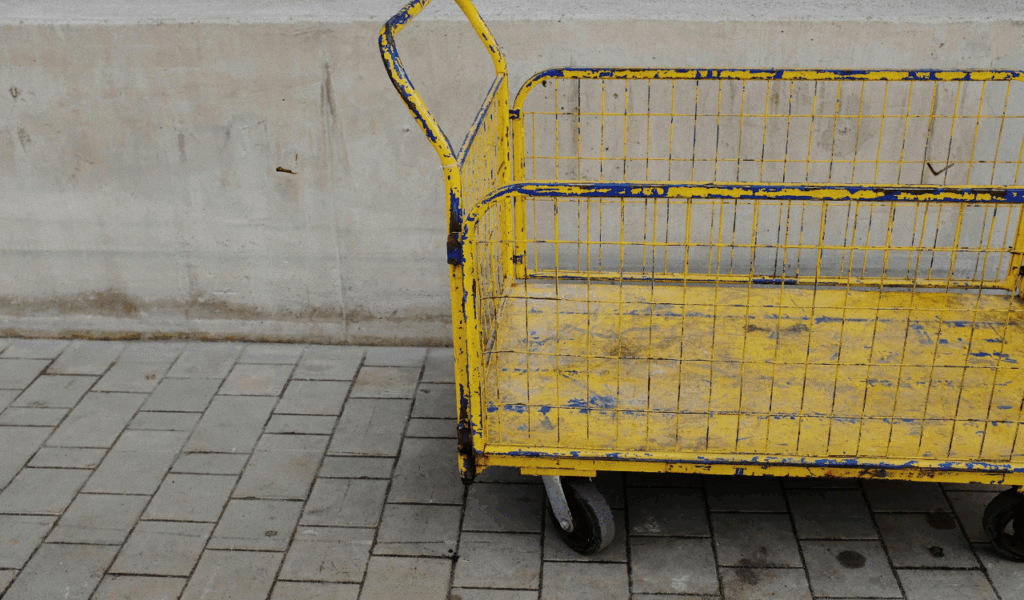
The promise of transportable organization is made by slim rolling carts. The majority of them are narrow and have shallow trays that fill up rapidly. Due to the accumulation of supplies, carts become unstable or difficult to transport. This causes the wheels to become stuck, and the carts frequently wind up being parked forever. Things tend to spill or stack awkwardly after trays reach their capacity. It is only possible for storage on wheels to function properly provided the capacity is proportional to the utilization, which is something that many sleek designs fail to provide.
13. Uniform Binder Systems
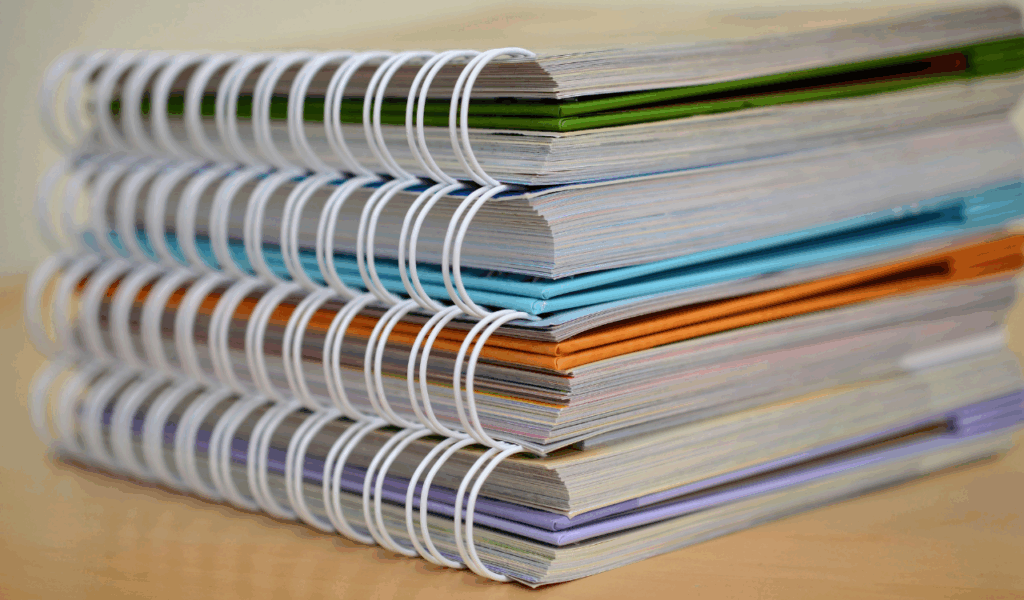
In order to achieve consistency, uniform binders for each subject are used. In practice, there is a wide range in material volume among the themes. One of the binders fills up quickly, while the others remain empty. Binders that are torn or that do not close properly are overstuffed. Consequently, students are need to carry loose documents. Instead of constraining everything within identical boundaries that are unable to react to actual workloads, the organization of the school needs to be flexible and allow materials to increase spontaneously.
14. Aesthetic-First Storage Choices
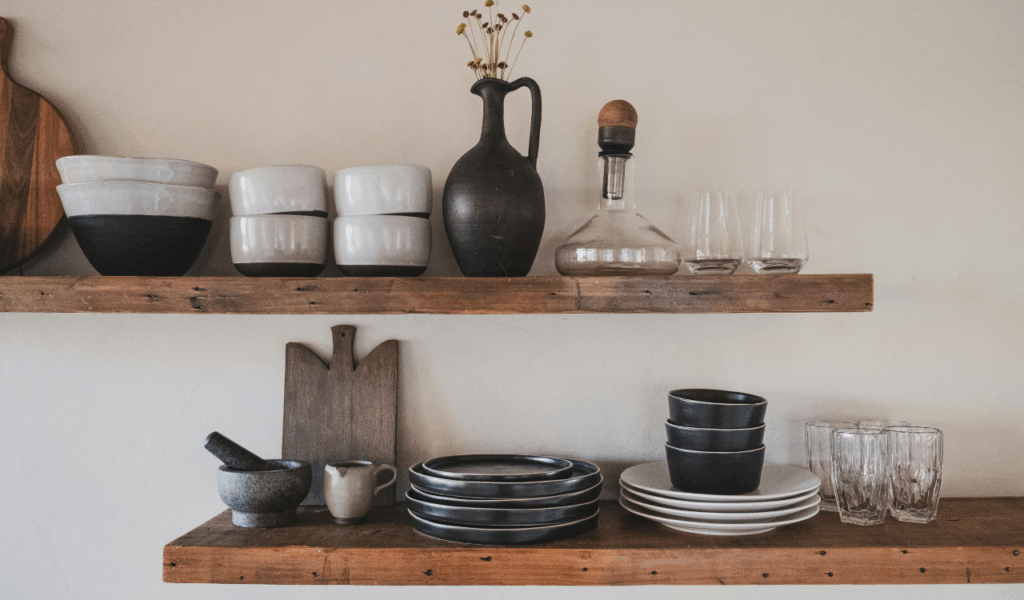
The appearance of many storage systems is prioritized over their functionality. Although they have an appealing appearance, neutral hues and clean designs frequently lack space and durability. Immediately after the addition of actual supplies, they are completely full. Aesthetic storage is storage that prioritizes appearance over functionality and convenience of use. Instead of being created only to look beautiful in photographs, systems that are designed to meet the needs of volume and habits are more likely to be successful over the long term.