11 Secrets Home Inspectors Aren’t Allowed to Share, Former Inspectors Say

A house inspection is frequently the most stressful portion of a real estate deal. Buyers see inspectors as their last line of defense against a bad investment, but former industry professionals say there are legal “gray areas” that limit what inspectors can say. Most inspectors are prohibited from giving personal comments or forecasting the future of home components by a tight code of ethics and standard operating procedures.
Real estate attorneys and veteran inspectors define a house inspection as a visual, non-invasive appraisal of a property’s existing condition. Their comments on the house’s market value, neighborhood qualities, and whether to buy are usually restricted. While they may spot warning signs that say “run away,” their professional licensing generally requires them to give a dry, factual report rather than the forthright counsel a buyer wants.
Making an informed selection requires understanding these hidden limits. Professional flippers say the most crucial information is typically deleted from the report or whispered. Learning the “secrets” inspectors are legally or contractually prohibited from providing can help you read between the lines and safeguard your finances.
1. They Cannot Tell You if You Should Buy the House

“Is this a good house for the price?” is one of the most popular queries buyers ask. Realtors say that home inspectors are not allowed to answer this, though. Their job is to check out the building, not to give financial or real estate advice. If the inspector told you to “buy” or “don’t buy,” it would be a conflict of interest, and they might be held legally responsible if the market changes or a repair is missed.
Former inspectors say that they are taught to be neutral observers. They must only write down the facts and not give an emotional or subjective view on the deal, even if the foundation is falling apart and the roof is leaking. They are like “referees” who call the plays but never choose a winning team.
The inspection report won’t tell you if a house is a “steal.” Designers say that you should look at the list of repairs and figure out how much they will cost yourself to see if the house is in your price range. The inspector’s silence about the home’s value doesn’t mean they agree with it; it’s a professional limit they have to keep.
2. They Are Not Allowed to Predict the Life Expectancy of Systems

A buyer of an old furnace may ask, “How many years does this have left?” Inspectors rarely provide a timetable, even if they suspect the unit is dying, according to experts. Because they can’t see the heat exchangers’ internal wear or the pipes’ external corrosion, a “five-year” estimate is supposition. If the system breaks next month, they may be sued.
Professional contractors say weather and maintenance can determine how long house systems last. A few-hour inspector doesn’t have enough information to make a good guess. Instead, they will employ misleading language like “near the end of its useful life,” which tells clients to start saving for a new one immediately.
Organizers recommend inquiring about wear instead of a date. An inspector gives you the “secret” without breaking professional norms by pointing up corrosion or unusual noises. They want you to know it’s broken, but they can’t legally assign your appliances or HVAC systems a “death date.”
3. They Won’t Comment on the Aesthetic or Cosmetic Issues
If you hate the lime green paint or notice a scratch in the hardwood floor, do not expect your inspector to care. Former inspectors reveal that their focus is strictly on function and safety. According to designers, what a buyer considers a “major eyesore” is often completely irrelevant to the structural integrity of the home. Inspectors will often ignore peeling wallpaper, dated cabinets, or stained carpets because these do not affect the house’s ability to keep you dry and safe.
This can be frustrating for buyers who want a comprehensive list of every flaw, but inspectors are taught to avoid “nitpicking” cosmetic details. They believe that focusing on a chipped baseboard might distract the buyer from a much more serious issue, like a faulty electrical panel or a gas leak. Their time is better spent in the crawlspace than evaluating the quality of your kitchen backsplash.
Professional flippers suggest that buyers should conduct their own “cosmetic walk-through” separate from the formal inspection. While the inspector is checking the plumbing, you should be checking for the things that matter to your personal style. Remember, a house can be functionally perfect but aesthetically hideous, and the inspector’s job is only to confirm the former.
4. They Cannot Move Furniture or Personal Belongings
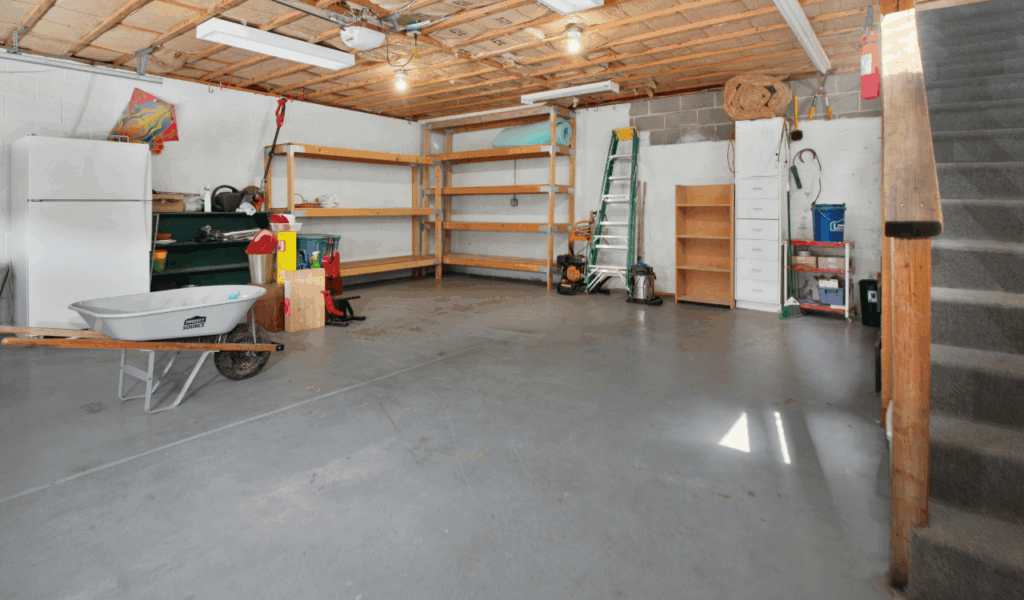
Inspectors often think that a problem is hiding behind a heavy furniture or a pile of boxes in the garage, but they aren’t allowed to move them. Real estate legislation says that inspectors must do an inspection that doesn’t hurt anything. This means they can’t move the seller’s stuff around to get a closer look at a wall or floor. If a seller purposely hides a break in the foundation behind a bookshelf, the inspector will only say that the location was “inaccessible.”
Former inspectors say that this is one of the most prevalent methods to miss big problems. They can’t take on the physical risk of carrying large things or the legal risk of damaging a seller’s floor. If an area is blocked, it won’t be investigated, which should be a big warning sign for any buyer.
Landscapers and contractors say that purchasers should make sure the seller clears out important areas, such the perimeter of the basement and the access hatch to the attic, before the inspection starts. Experts suggest that if the inspector says that “stored items” were blocking an area, you should infer that the seller is hiding something and ask for another visit.
5. They Are Not Permitted to Quote Repair Costs

When a buyer finds a big problem like a broken heat exchanger, the first thing they want to know is how much it will cost them. Experts argue, nevertheless, that in many jurisdictions, it is against the law for house inspectors to give estimates for repairs. This is to stop inspectors from “lowballing” a repair to assist a sale go through or “highballing” it to guide you toward a certain contractor they might work with.
Professional contractors say that the cost of repairs can change a lot and is based on the quality of the materials and the going rate for labor in the area. An inspector who is not currently working as a plumber or electrician is not qualified to give an accurate quote. Giving a price tag is considered as a risk that could cause a disagreement between the buyer and seller during negotiations.
The people in charge say that you should take the inspector’s list of problems to a registered expert to acquire an accurate price. The inspector tells you what’s wrong, and the contractor gives you the bill. If an inspector gives you a “ballpark” number off the record, don’t take it too seriously because they are probably going above their job to aid you.
6. They Won’t Discuss the “Off the Record” Quality of the Neighborhood
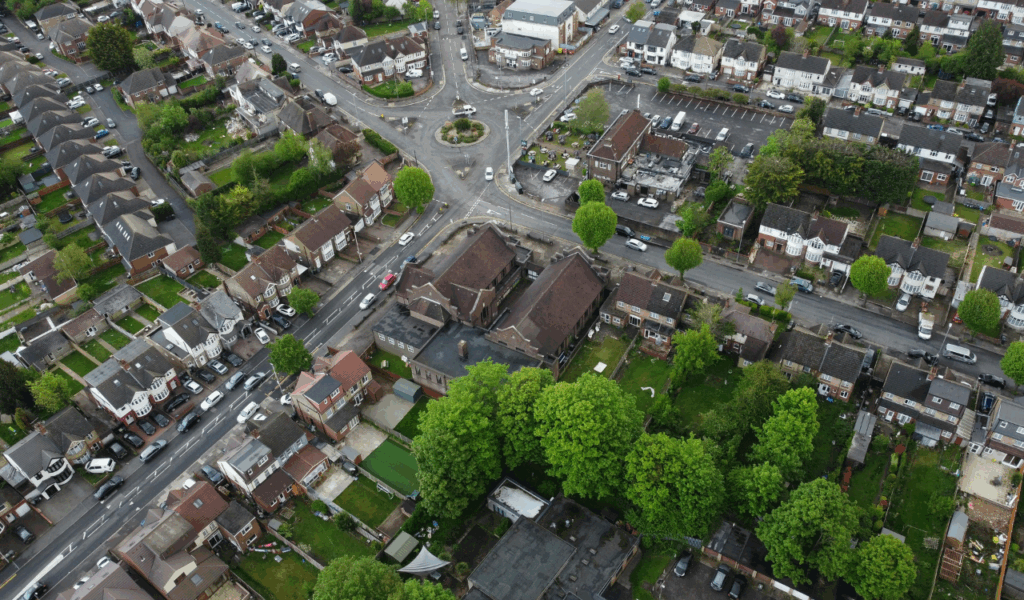
You may ask your inspector if the area is safe or if the neighbors are loud, but they can’t answer. Realtors say that talking about crime rates, neighborhood demographics, or “quality of life” issues can break the Fair Housing Act. Inspectors need to keep their attention on the “four walls” of the property and not let anything else happen outside of that.
Former inspectors said that even if they see a factory nearby that smells bad or a neighbor with ten barking dogs, they can’t write anything in their report. They are experts in building science, not urban planning or sociology. They are there to tell you if the house will come down, not if you will like living on that street.
Designers and real estate professionals recommend checking the neighborhood at different times of day. Walk around the block, talk to neighbors, and check local crime maps. Don’t expect the inspector to complain about street parking or the loud school because their job ends at the driveway.
7. They Cannot Tell You if the House Is “Up to Code”

People often think that home inspectors examine to see if a house meets construction codes. Experts claim that “code” is actually a shifting target that changes every few years and is significantly different from one city to the next. The goal of an inspector is to find safety problems, not to make sure that every outlet is in the exact spot that the 2026 building code says it should be. You can’t hold a house built in 1950 to 2026 codes unless it has been updated recently.
Residential contractors say inspectors will say the house “violates code” instead of pointing out a “safety concern,” such not enough GFCI outlets near a sink. This difference affects conversations. Sellers don’t usually required to update an older house, although they may be asked to fix “safety hazards.”
Professional flippers said buyers become outraged when an inspection shows a house is “grandfathered in.” This means the house was built legally and doesn’t need to alter. Hire a municipal building authority for a stringent code examination. In a typical home sale, the inspector just checks for safety and functionality.
8. They Are Not Allowed to Perform “Destructive” Testing

If an inspector thinks there is mold behind a wall or a leak under a shower pan, they can’t just break through the drywall to check. Former inspectors say they can’t do “invasive” tests because they don’t have the authority to. They seek for indications with technologies like infrared cameras and moisture meters, but they can’t legally damage the seller’s property to establish their theory.
This means that a lot of “hidden” problems stay concealed until after the sale. Mold and wood rot are often found in the spaces between walls that an inspector can’t see, according to specialists on the environment. The inspector can point out a water stain, but they can’t tell you exactly how much damage is underneath it.
If an inspector finds signs of a concealed problem, contractors say you should ask for a “specialist inspection,” which is when the seller agrees to more invasive testing. Don’t think that just because the inspector didn’t “see” mold, it isn’t there; they just can’t go looking for it with a hammer and a crowbar.
9. They Won’t Point Out Pest Infestations (Unless They Are Specialists)

Many people think that a house inspection includes checking for termites or rodents, but experts note that this is usually a distinct service. Most of the time, inspectors can’t formally say that there is an infestation unless they have a special pest control license. They might see “droppings” or “damaged wood,” but they can’t legally say that you have a certain kind of termite or bedbug infestation.
Pest control professionals say that organisms that degrade wood might hide deep under structural beams where a regular inspection won’t look. In a lot of places, the lender needs a separate legal document called a Wood Destroying Insect (WDI) report. This report must be filled out by a trained pest professional. Just because the home inspector didn’t say anything about bugs doesn’t imply the house is clear of them.
Organizers tell buyers to always get a separate pest check in addition to the general home inspection. Your inspector might mention spotting a mouse trap, but they won’t be able to tell you how big the colony is. If you hire a generalist to do a specialist’s work, you are setting yourself up for a very expensive surprise after you move in.
10. They Cannot Verify the Presence of Toxic Materials Like Lead or Asbestos

If you’re buying an older property, you might want to know if the walls have lead-based paint or if the popcorn ceiling has asbestos in it. Former inspectors, on the other hand, say they can’t certify the existence of these toxins without doing lab tests. Because of the enormous legal risk that comes with environmental risks, they can’t take samples or make conclusive assertions.
Health and safety experts say that even educated professionals can’t tell if something contains asbestos or lead just by looking at it. An inspector might indicate that a material is “suspect” or “commonly known to contain asbestos,” but they will never say “yes” in the report without a lab result. Disclaimers safeguard them by saying that they don’t check for environmental pollutants.
Real estate agents say that anyone who buy homes built before 1978 should always contact an environmental testing company. Don’t wait for the house inspector to tell you about these “invisible” murderers. Not saying anything about harmful chemicals is a common technique in the industry to avoid big insurance claims, not a promise that the home is “clean.”
11. They Are Not Allowed to Disclose the Contents of the Report to Others

A lot of buyers don’t know this, but the inspection report only belongs to the person who paid for it. Real estate lawyers say that an inspector is legally and morally required to keep the results secret. Without your clear authorization, they can’t give the report to the seller, the seller’s agent, or even those who might want to buy the house in the future.
This privacy is meant to keep your “negotiating power” safe. You can choose how to tell the seller about a $10,000 roof problem if the inspector discovers one. Former inspectors said that real estate salespeople routinely try to get them to “soften” the report or exchange information, yet doing so would be against the law.
Realtors say that if a purchase falls through, the seller can’t read your report for free. You bought this data to safeguard your interests, so it belongs to you. Knowing that the inspector works for you and no one else can help you relax since you know that your secrets and the home’s secrets are secure with you until you choose to share them.