13 Seasonal Accent Pieces That Felt Like Fillers

The purpose of seasonal décor is to breathe new life into a space and convey the spirit of the present moment; yet, not every accent is truly deserving of its place. A great number of things are purchased on impulse, utilized for a short period of time, and then either packed away or thrown away, which results in additional expenses, clutter, and little influence that is long-lasting. These pieces frequently focus on novelty rather than design merit, which gives the impression that they are fillers rather than upgrades that have been thoughtfully considered. To invest in design that feels planned, can be repeated, and delivers visual satisfaction for more than one brief season, know which seasonal accents disappoint.
1. Themed Throw Pillows With Bold Text
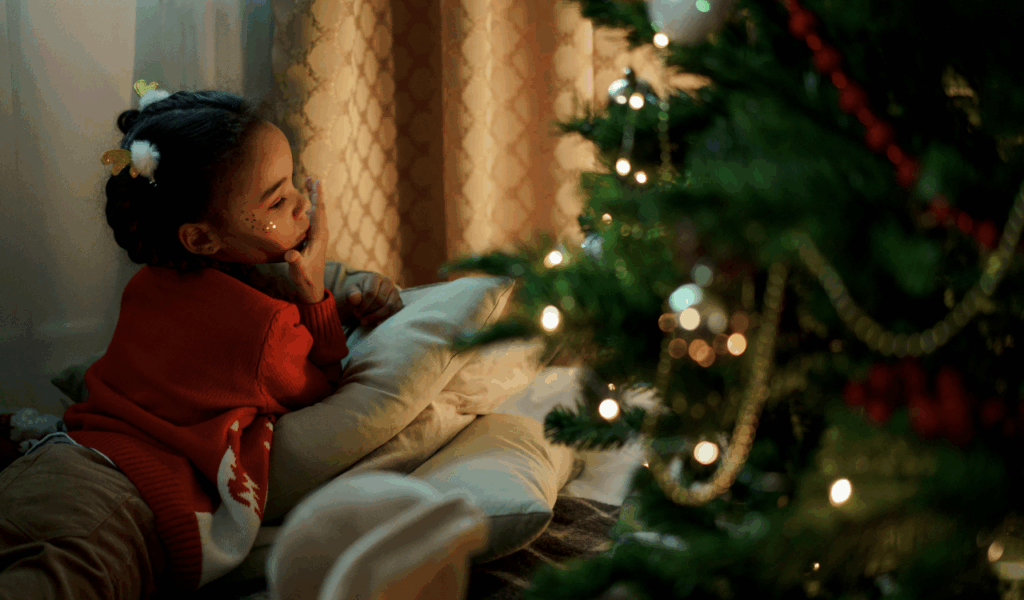
In retailers, throw pillows that are emblazoned with seasonal greetings or big slogans frequently appear appealing; yet, they tend to become outdated very soon. Their utility is restricted to a window that is tiny, and the design, which is heavy on text, does not integrate well with the furniture that is already in place. As soon as the season is over, they appear out of place, and as a result, they are typically put away or replaced rather than being reused. When it comes to novelty printing, many people also sacrifice the quality of the fabric, which has an impact on comfort and durability. Neutral cushions with seasonal patterns or colors last longer and are more flexible.
2. Mini Decorative Signs and Plaques
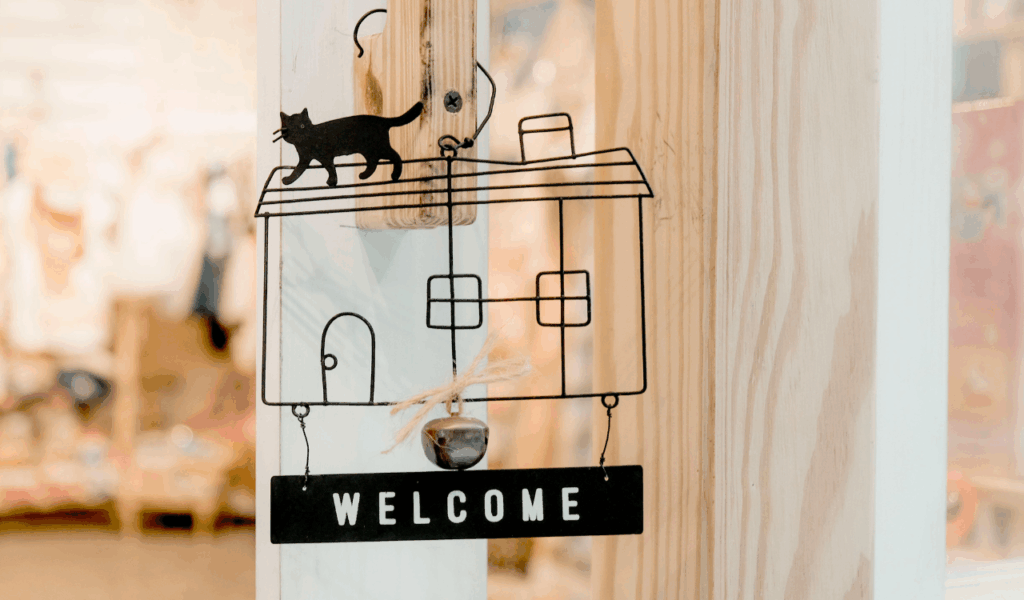
The seasonal sayings or symbols that are featured on small signs are easy to buy on impulse, but they frequently add visual cacophony rather than attractiveness to the environment. It is possible for their messages to appear repetitive when they are dispersed around an area, and the stiff form restricts the placement options available. It is uncommon for these pieces to become focal points; rather, they compete for attention without adding any depth to the composition. In the long run, they have the potential to make spaces appear cluttered and overly themed. Using material, shape, or color instead of words helps interior designers create a cleaner, more cohesive look.
3. Single-Use Table Runners
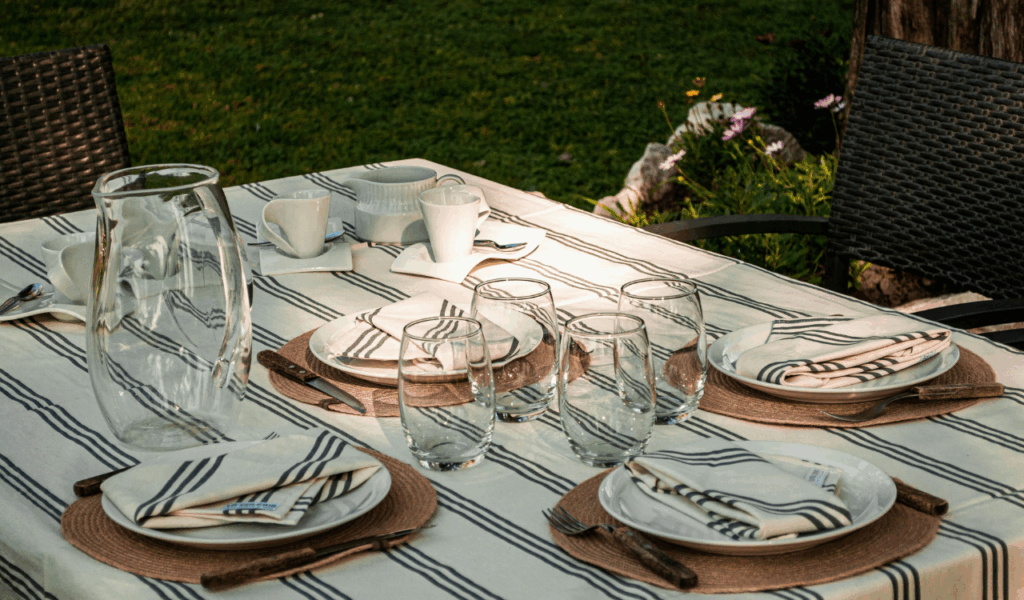
The use of seasonal table runners that include vivid patterns or iconography that is distinctive to a holiday is typically limited to just one or two occasions. They frequently clash with dinnerware that is used on a daily basis and restrict the options available for table decor. Due to the fact that they are designed to fit particular tables, they are not adaptable to a variety of various environments. The act of storing anything between usage can sometimes be inconvenient, particularly if the fabric is prone to creases. Solid-colored or gently textured runners can be used year-round and support seasonal décor or place settings.
4. Artificial Seasonal Florals
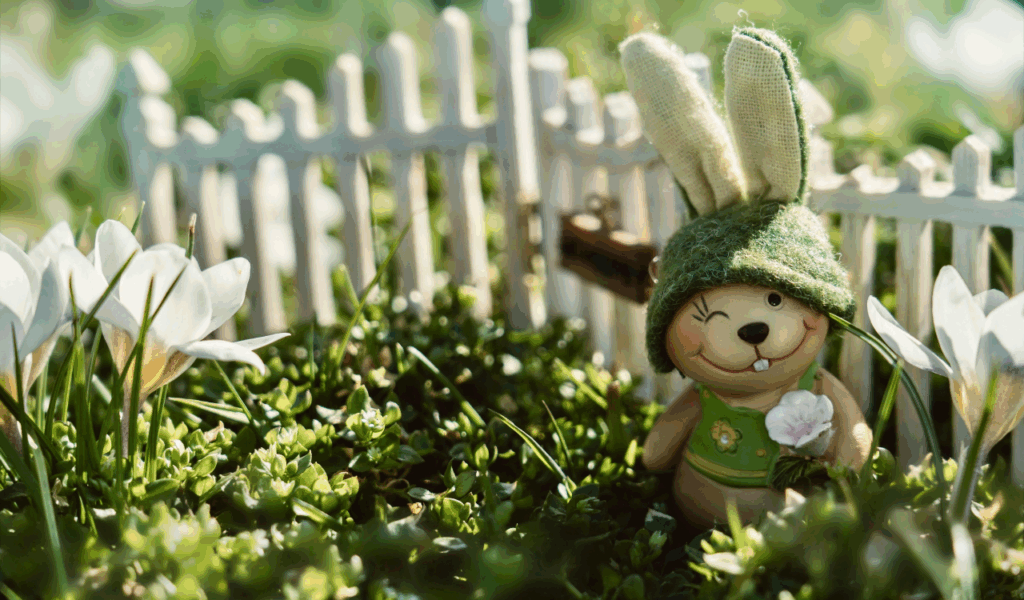
It is common for fake flowers that are manufactured for a particular season to appear genuine at first glance, but with closer inspection, their artificial origin becomes apparent. When exposed to light, their colors may become less vibrant, and the plastic materials rarely hold up well over time. It is difficult to recycle floral arrangements once the season has changed because they have a dated appearance. They also have a tendency to accumulate dust while being stored. When it comes to longevity, high-quality synthetic foliage or dried botanicals with neutral tones typically give superior longevity and can transition between various seasons without appearing forced for the most part.
5. Novelty Candles Shaped Like Objects
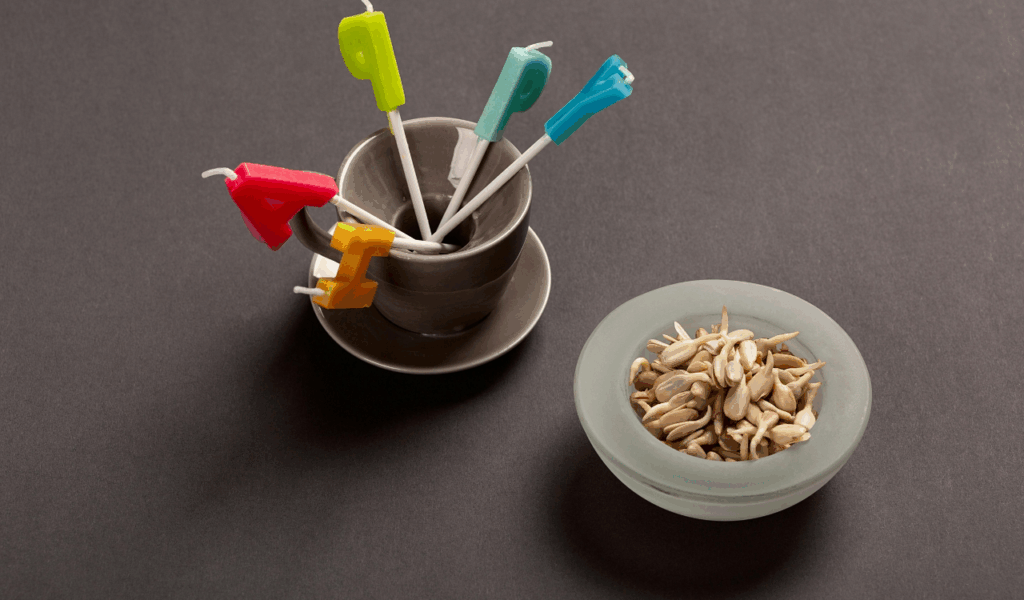
Candles that have been shaped into seasonal shapes may have a whimsical appearance, but they are typically not functional. A great many of them are never ignited since melting would destroy their look, transforming them into static decorations rather than products that serve a purpose. In addition, the quality of the scent varies, and some novelty candles have an uneven burning pattern. After the conclusion of the season, they swiftly lose their relevance. Not only do simple pillar or container candles with seasonal colors or aromas that are not overpowering give atmosphere, but they also provide utility without being bound to a specific moment.
6. Overly Specific Wall Decals
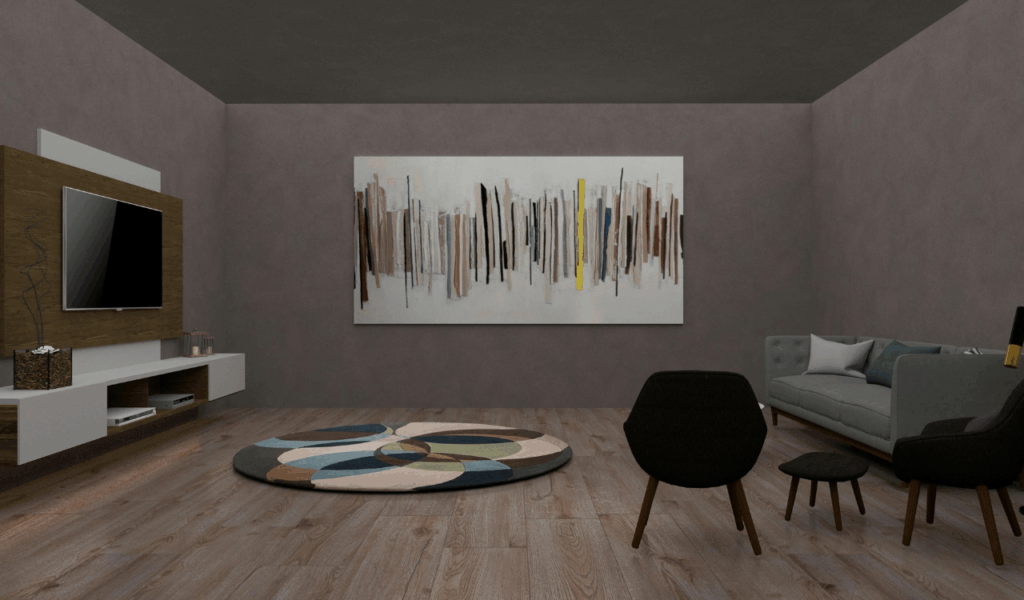
Seasonal wall decals are intended to have a transitory impression; but, when they are removed, they may leave behind residue or uneven spots. Their graphics frequently have a lack of depth and a flat effect, even when compared to framed paintings or fabrics. They are rarely effective for more than a short period of time because they are suited to a single theme. Surfaces can also be damaged by repeated application and removal of the substance. Hangings made of fabric or art prints that can be removed and have softer seasonal cues are typically more forgiving and visually pleasant than other options.
7. Character-Themed Kitchen Towels
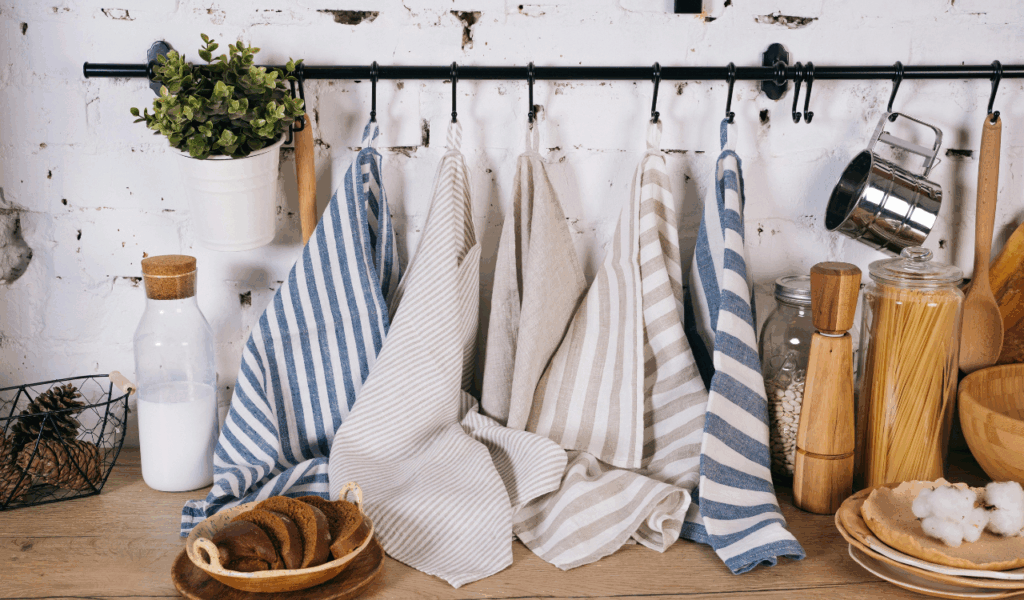
Design is sometimes prioritized over functionality when it comes to kitchen towels, which frequently feature seasonal figures or bright illustrations. When it comes to the activities that are performed in the kitchen on a regular basis, many of them are manufactured from a thin fabric that does not absorb effectively. After a certain amount of time has passed, they are replaced because they feel out of place. In the event that you swap them regularly, storage can soon pile up. In most cases, towels that have seasonal colors, subtle patterns, or textured weaves work better and mix in more seamlessly with the routines that are performed in the kitchen on a daily basis.
8. Decorative Baskets With Seasonal Motifs
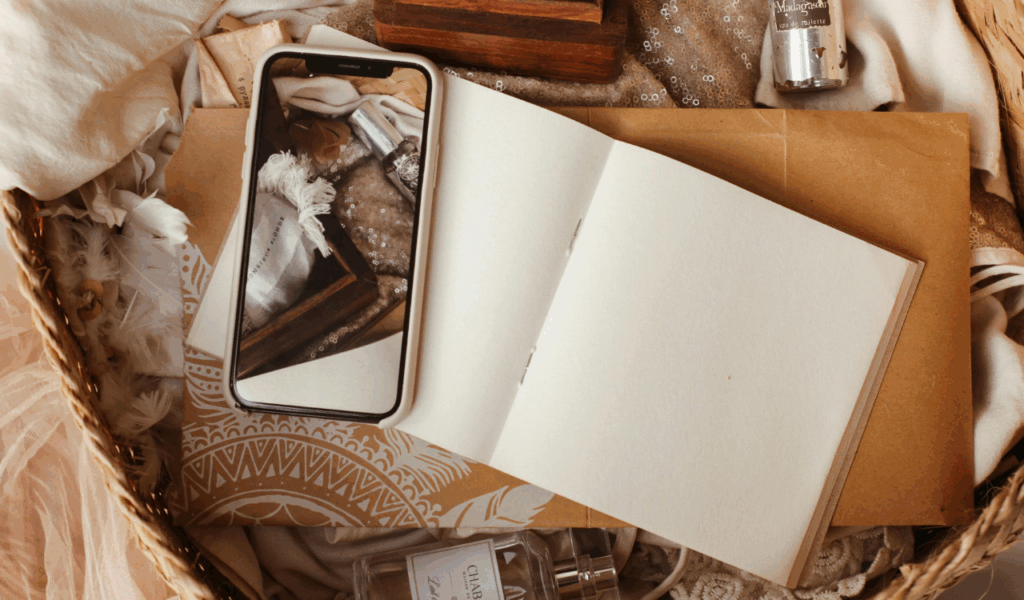
Baskets that are wrapped in seasonal colors or symbols may have a festive appearance, but their design prevents them from being used throughout the year. It is common for them to remain unused after the theme has been removed because the motif is too obvious to be ignored completely. It’s possible that the materials utilized in novelty baskets aren’t as long-lasting. Neutral woven baskets, on the other hand, may be fashioned differently each season by adding liners or contents, which makes them significantly more adjustable and cost-effective over the course of time.
9. Oversized Seasonal Figurines

When it comes to a room, large figures that are associated with a certain season can dominate without adding any enduring charm. In addition to occupying significant surface space, they frequently define the décor of the surrounding area, leaving little room for adjustment. Another problem that arises from their size and fragility is the storage of these items between seasons. In the beginning, these things would feel exciting, but they would rapidly become burdensome. Sculptural accents that are smaller in size and have shapes that are ageless typically provide a similar ornamental presence without overwhelming the room itself.
10. String Lights in Novelty Shapes
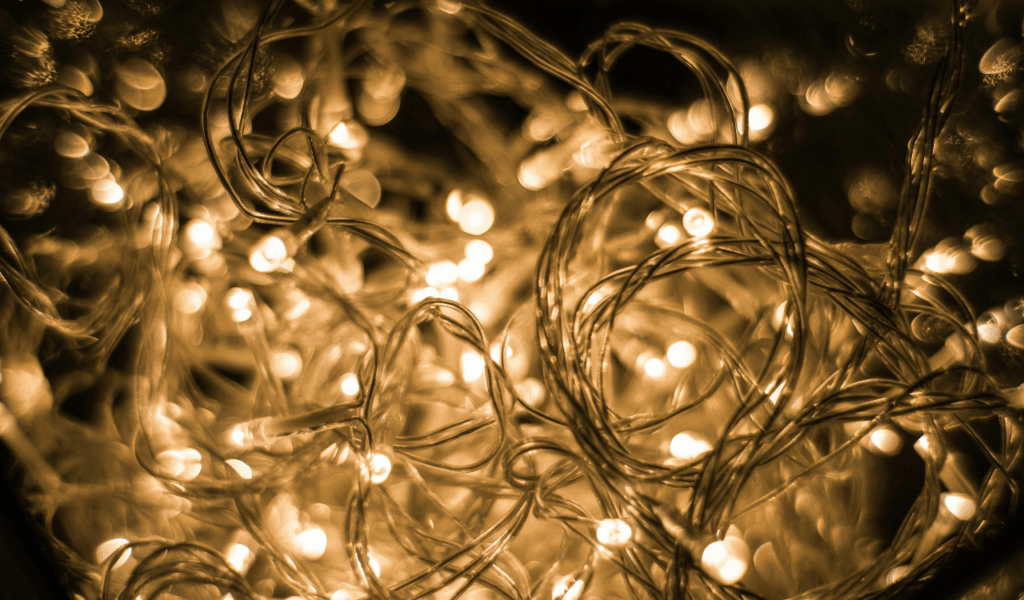
Seasonal string lights that are fashioned like items or symbols might be entertaining, but they frequently compromise the quality of the lighting in order to look more appealing. Because the forms have the potential to impede light output, the illumination may be inconsistent. Wiring might be brittle at times, and once the season is over, it can be tough to show the design. Simple string lights with warm tones offer a great deal of adaptability than other types of string lights, since they may be used as ambient lighting throughout a variety of seasons and kinds of decoration without attracting attention to a particular theme.
11. Temporary Seasonal Rugs
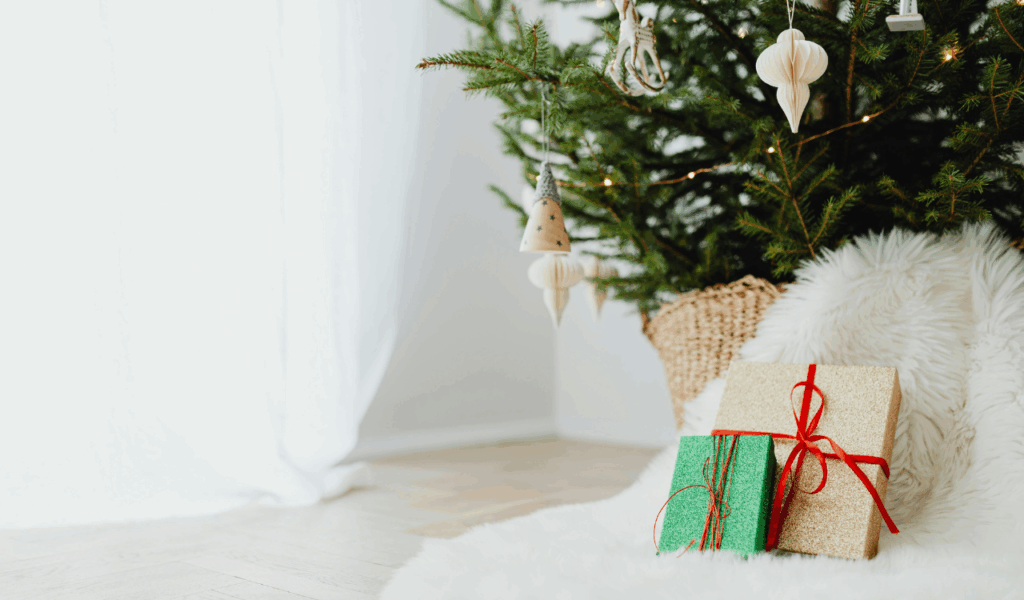
Seasonal rugs or mats that are thin might frequently lack both durability and comfort. Their patterns are often too daring to be able to be coordinated with the furniture that is already in place, and their lightweight composition might lead them to slip or curl during use. Because they are only used for a short period of time, their expense is rarely justified. Once it is replaced, storage begins to become an issue as well. With the purchase of a neutral rug and the subsequent stacking of seasonal accents on top, it is possible to achieve safer footing, improved aesthetics, and longer-term usability.
12. Excessive Seasonal Garlands
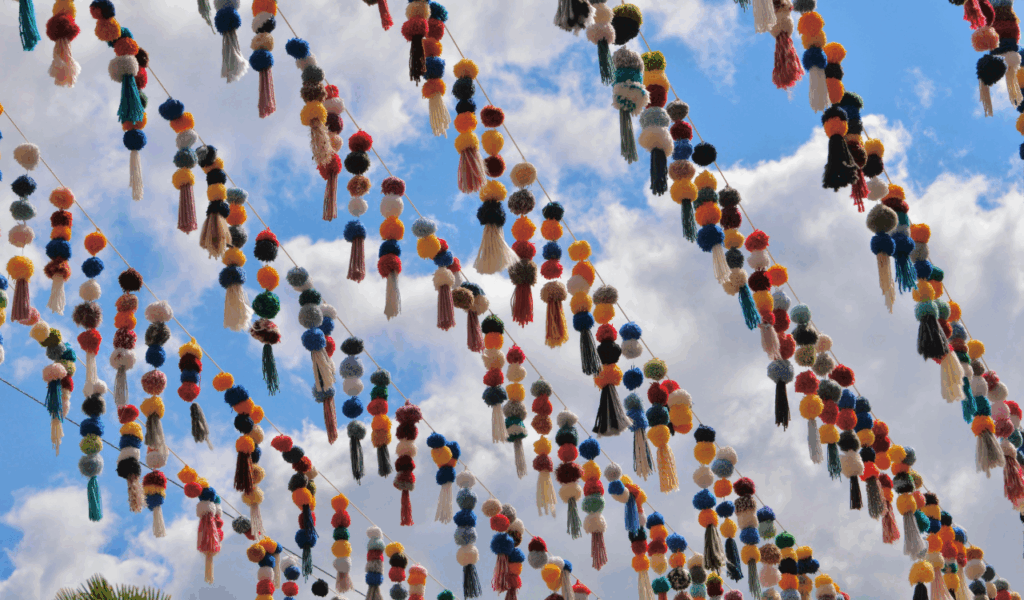
When utilized excessively, garlands that are created for a particular festival might make a space appear cluttered. Their monotonous patterns and colors gradually lose their allure, particularly when they are draped across a number of different environments. During the course of one season, materials may shed or lose their structure. They are tough to restyle in other places once they have been removed. Garlands made of greenery that have only a limited amount of ornamentation can be updated seasonally with tiny additions, so extending their life without causing visual weariness.
13. Single-Color Accent Collections
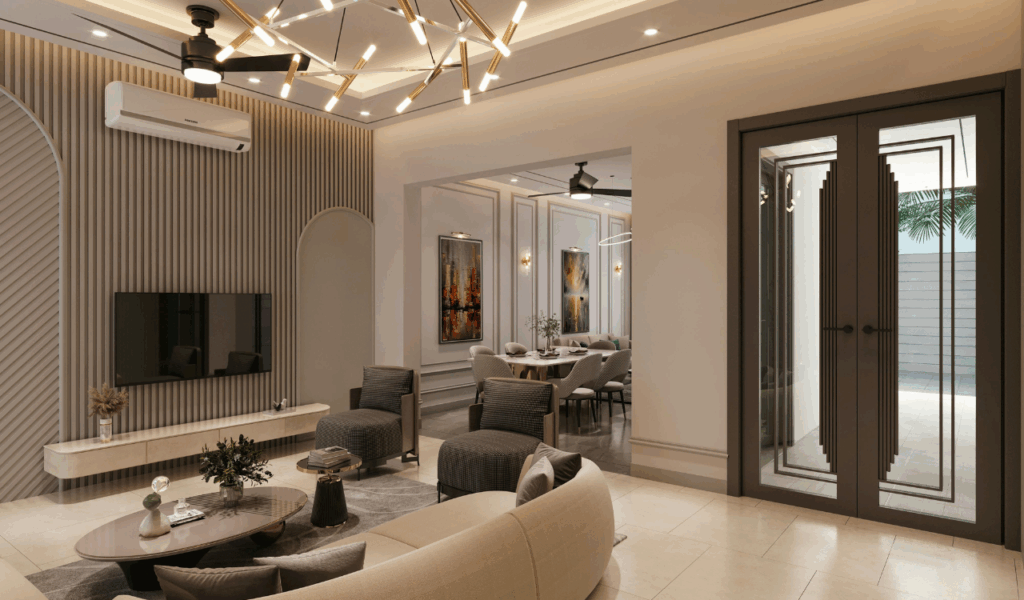
The purchase of a number of little accents in a single seasonal color may at first provide the impression of cohesion, but it frequently lacks depth. In the event that the color is no longer in style, the entire collection will be rendered useless immediately. This strategy promotes replacement rather than adaptation as the preferred strategy. It is possible for décor to develop in a natural way by combining different textures, materials, and complementary tones. Pieces of accent furniture that rely on contrast rather than a single main color have a tendency to give the impression of being more deliberate and long-lasting.