10 Regional American Foods You’ve Probably Never Tasted
American cuisine is generally stereotyped as burgers and fries, but culinary historians and chefs reveal a more nuanced flavor landscape in certain zip codes. Microregions in the US have distinct cuisines formed by immigrant history, local agriculture, and industrial necessity. These recipes remain family secrets in small-town cafes and community festivals, rarely appearing on national menus.
According to travel chefs and food writers, hyper-local specialties that identify their regions’ cultures make American food beautiful. Few have visited the “pork tenderloin belt” or tasted an Appalachian heritage pie, but many have tried popular mainstays. These recipes trace American history via survival, celebration, and globalization.
Exploring these regional specialties demands adventure and a willingness to go off the beaten path. Chefs argue that to appreciate the American palate, one needs look beyond the brightly illuminated franchises to the simple roadside stalls and old cafes where these unique foods are still made using traditional ways. These ten delicacies showcase regional American cooking’s distinct and often surprising soul, from the coast to the desert.
1. The St. Paul Sandwich
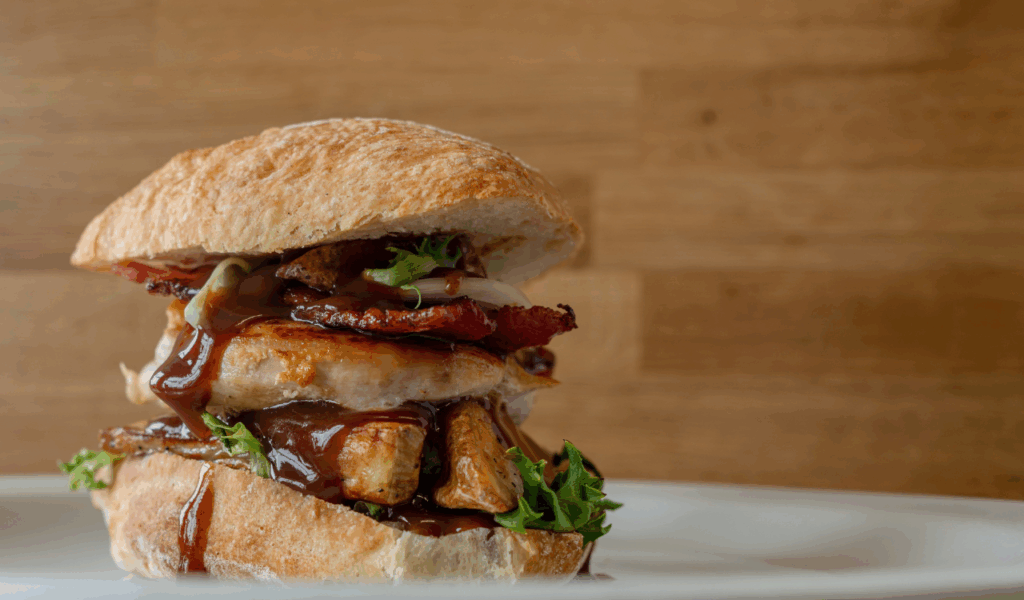
The St. Paul sandwich, a culinary combination from St. Louis’ Chinese American restaurants, is a local favorite. Fusion history cooks say this dish is an Egg Foo Young patty with sprouts and onions between two slices of white bread. It is served with pickles, lettuce, tomato, and a sufficient amount of mayonnaise, making it crispy and comforting.
Experts believe Chinese restaurant operators devised this sandwich in the early 1900s to satisfy local tastes. Though named after Minnesota, it is a Missouri invention. Culinary historians say the sandwich bridged Cantonese cuisines and American sandwich culture during rapid urban growth by providing workers with an affordable, portable lunch.
Professional culinary critics say the St. Paul sandwich is a masterclass in temperature and texture contrast. Hot, flavorful egg patties melt mayonnaise, while cold pickles add acidic snap to cut through the richness. It is a legendary example of how immigrant groups have developed in the American kitchen to produce something unique, yet it is mostly limited to St. Louis.
2. Burgoo
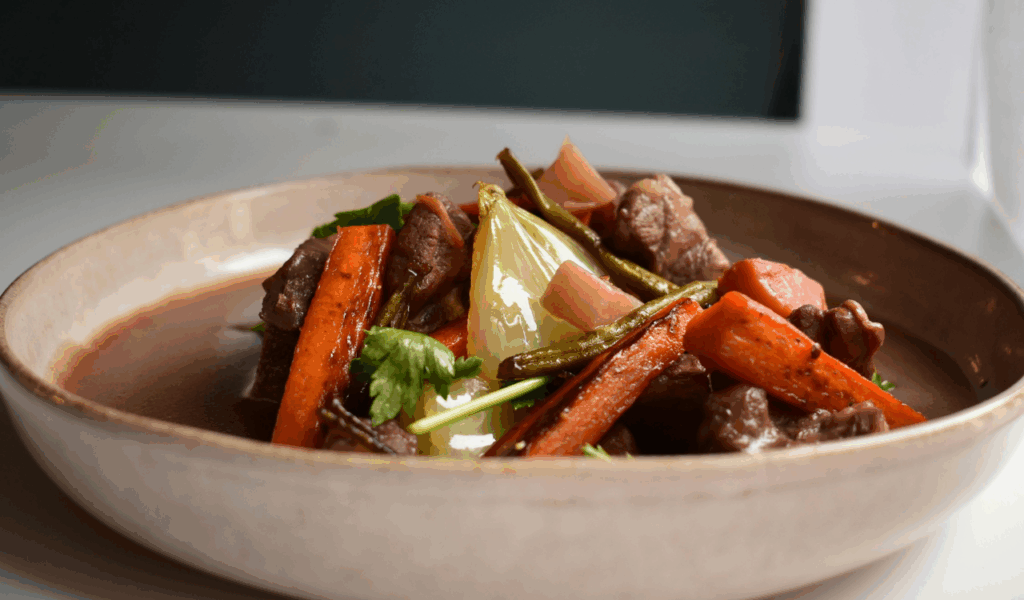
Burgoo is more than a stew in Kentucky; it’s a communal festival celebrating the state’s agricultural history. Chefs and pitmasters say a true burgoo must have three varieties of meat and a variety of vegetables like maize, okra, and lima beans. The original “hunter’s stew” used whatever game was available, while modern versions employ mutton, hog, and beef.
An excellent burgoo requires a long cooking time to break down the meats until they are almost shredded into the liquid. The stew should be thick enough for a spoon to stand up in the saucepan, according to experts. It is lovingly made in big iron kettles over open flames for church socials and horse racing events as a sign of hospitality and heritage.
The origins of burgoo are unknown, however food anthropologists have linked it to French seafarers and British Isles folk practices. Kentucky claims it regardless of its ancestry. Chefs advocate eating it with cornbread to soak up the flavorful, sour liquid, which is typically spiced with vinegar to balance the meat-heavy dish.
3. Scrapple
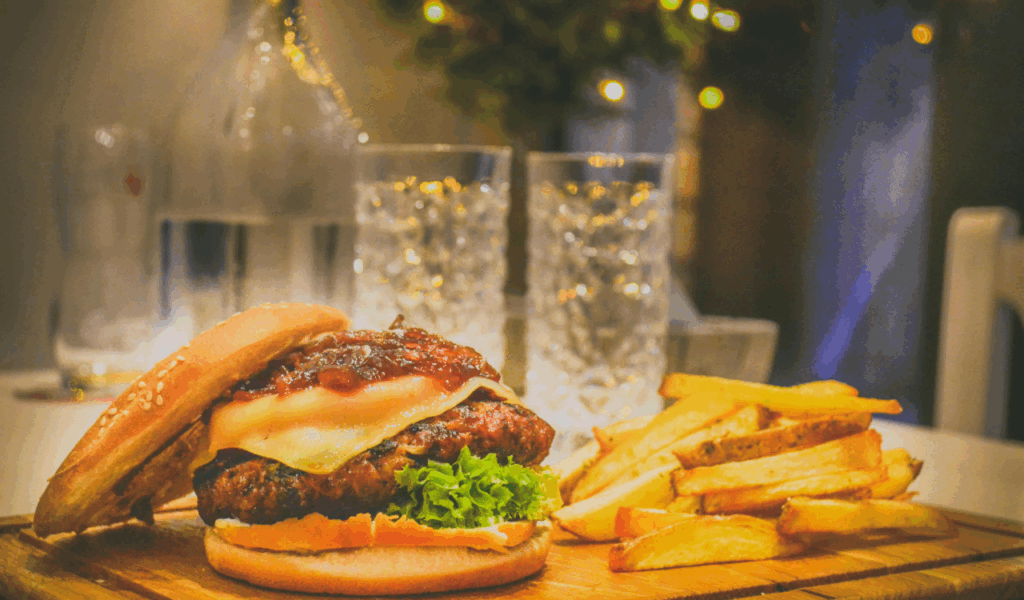
Scrapple, a Mid-Atlantic breakfast favorite in Pennsylvania, embodies the “rooter to the tooter” no-waste cooking principle. Professional butchers and traditional chefs say scrapple is a mixture of pig scraps and trimmings, cornmeal, wheat flour, and sage and black pepper. The mixture is made into a loaf, cut thinly, and cooked until the outside is crispy and the inside soft.
The Pennsylvania Dutch brought scrapple to America to preserve every last shred of pig after a slaughter, according to experts. It’s a hearty, seasoned dish with protein and grain to start the day. The ingredients may seem scary, but cooks say it tastes like a well-seasoned breakfast sausage with a griddle-fried texture that many locals love.
Regional food festival organizers say the key to enjoying scrapple is preparation. For the perfect golden-brown crust, slice it thin and fry in a hot pan. Scrapple, paired with eggs or maple syrup or apple butter, is a Northeast favorite. Its tradition of frugality and resourcefulness has kept it on breakfast plates.
4. Akutaq (Eskimo Ice Cream)
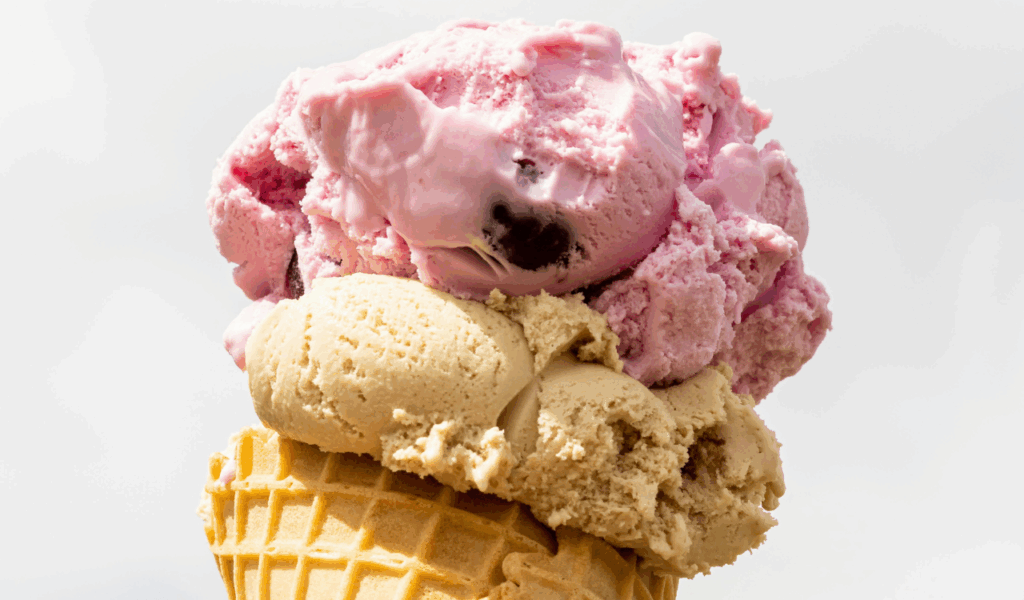
An indigenous dish from Alaska’s vast northern regions, Akutaq challenges the definition of ice cream. According to culinary experts and indigenous historians, “Akutaq” means “to mix,” and the meal traditionally contains whipped fat, snow, and wild fruit. Traditional recipes employed seal oil or reindeer tallow, while current versions use vegetable shortening and sugar for a light, airy, and nutrient-dense winter delight.
Experts believe Akutaq was created as a high-energy diet for cold-weather hunters. Local berries like salmonberries, blueberries, and cranberries add vitamins and tartness to balance the fat. A cuisine related to the seasons and local ecosystem, each family has its own favored ratio of ingredients and secret additions passed down through generations.
Chefs who study Arctic foodways say Akutaq is a community effort that requires rigorous hand-whipping to get the right consistency. At festivities, potlatches, and family gatherings, it preserves ancestral traditions. Its flavor characteristic is unique to the northern tundra since it uses wild berries only found there.
5. The Garbage Plate
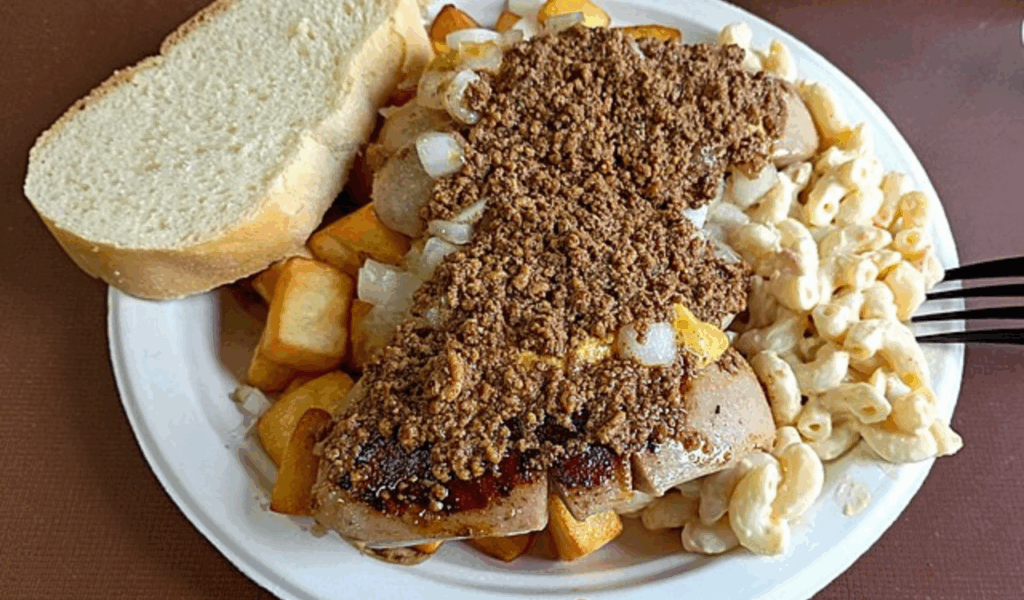
The Rochester Garbage Plate is a symbol of American regional excess and late-night comfort food. Two “sides” (typically home fries and macaroni salad) are topped with two “mains” (cheeseburgers or hot dogs) according to professional flippers and local restaurateurs. The mountain of food is covered in a spicy beef sauce, onions, and mustard and served with thick-cut bread.
Nick Tahou Hots popularized the dish, which has become a rite of passage for college students and residents, according to experts. Critics call the Garbage Plate a chaotic but delectable symphony of textures and sensations, with cold, creamy macaroni salad contrasting with hot, greasy pork and spicy sauce. The dinner is sloppy, informal, and filling for anyone, defying plate norms.
Locals are proud of the Garbage Plate despite its unpleasant name. Food writers say the plate’s meat sauce, frequently made with a secret blend of Mediterranean spices like cinnamon and cloves, provides a startling depth of flavor. Western New York’s culinary monument proves that sometimes the best regional foods favor flavor over display.
6. Natchitoches Meat Pies
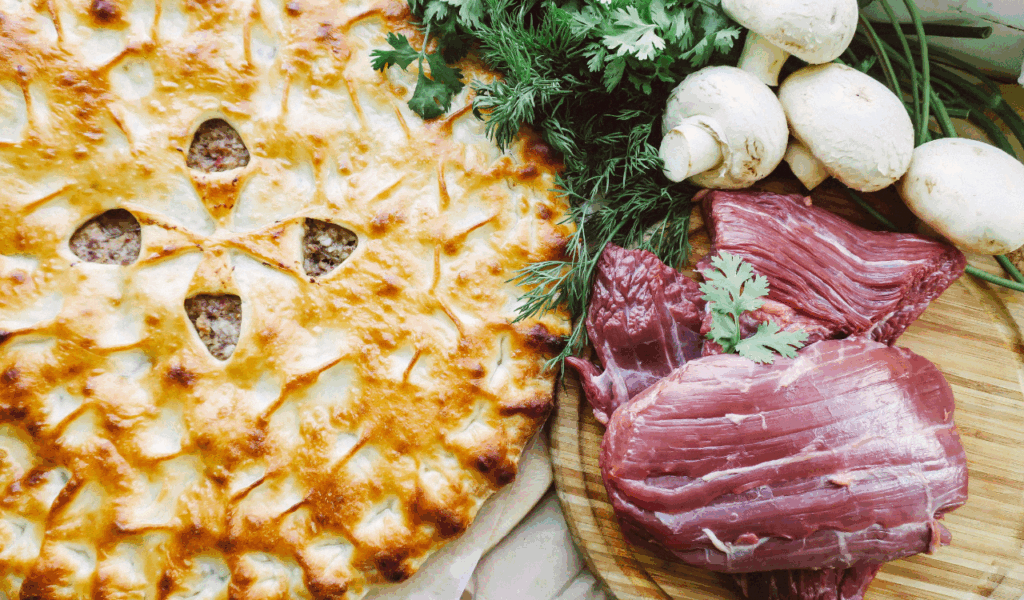
In Natchitoches, Louisiana, meat pie has been made since Spanish and French colonial times. Professional chefs and local historians say these pies are made with crescent-shaped pastry dough, meat, pork, onions, and peppers, and deep-fried till golden. One of the few regional American cuisines having a festival and state cultural identity protection.
A true Natchitoches meat pie requires a precise spice combination and a “blind” roux to flavor the meat without making the filling overly watery, according to experts. This keeps the pastry crisp and flaky without sogginess. The result is a portable, handheld meal with a savory, slightly spicy taste that differs from southern Louisiana’s Cajun and Creole meals.
These pies are similar to empanadas, but culinary tourists say their flavor is influenced by northern Louisiana’s cultural crossroads. Food tour designers suggest eating them hot from a paper bag, as has been done for millennia. Due to the dough and meat flavor being kept secret by local bakeries and culinary dynasties, these pies are unusual beyond the region.
7. Butter Burgers
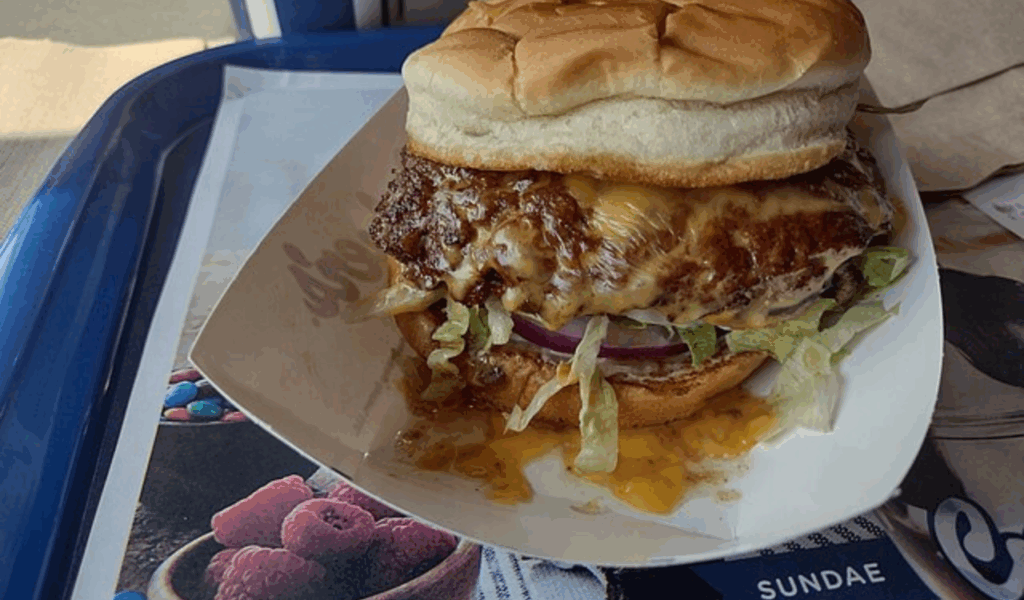
Wisconsin’s butter burger is a true luxury, unlike other states’ burgers. Chefs and dairy experts say a true Wisconsin butter burger requires slathering a toasted bun with high-quality dairy butter and adding a grilled beef patty. Some traditional dairies poach or add a pat of butter to the burger.
This meal showcases Wisconsin’s dairy dominance, say experts. Butter improves the beef’s inherent flavor and gives a sumptuous, smooth mouthfeel that a basic burger cannot match. The tradition began in mid-century diners and has remained a mainstay of the state’s food culture, even as national chains have sought to copy it with varied degrees of success, according to culinary historians.
Quality butter is the key to a flawless butter burger, say food writers. Fresh, local creamery butter adds a lush, green flavor to the charred meat. Though decadent, it symbolizes the Midwest’s “comfort food” spirit and is fiercely defended by Wisconsinites.
8. Huckleberry Milkshakes
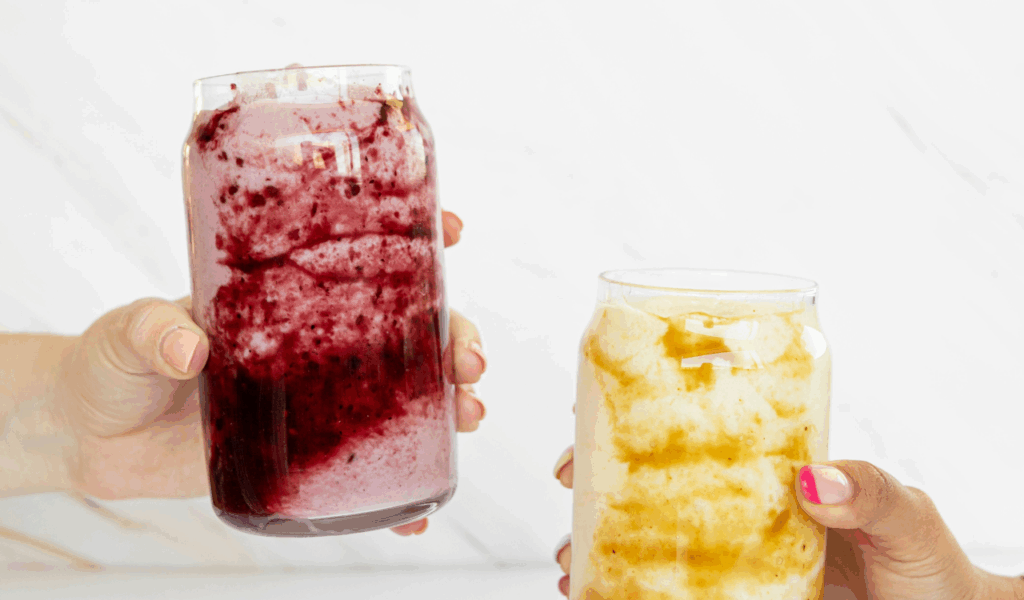
Huckleberry season is a cultural event in the Pacific Northwest and mountain states of Idaho and Montana. Professional pastry chefs and foragers say huckleberries, the wild, sour cousins of blueberries, are hard to grow. The huckleberry milkshake is a regional specialty served in rustic diners and mountain resorts in late summer when the fruit is hand-harvested.
Huckleberries are hand-picked in the wild, so their flavor is more strong and nuanced than store-bought berries, say experts. Blending these little purple gems with high-quality vanilla ice cream creates a bright violet milkshake with the right combination of sweetness and acidity. In the high hills of the American West, the first milkshake of the season signals summer for natives.
The limited geographic range of the huckleberry keeps this dish regional, say chefs. You nearly have to be there to taste the real thing because the berries don’t transport well and can’t be produced commercially. Travel authors advocate small-town soda fountains in the Idaho panhandle or near Glacier National Park for the freshest and most authentic purple mountain treasure.
9. Koolickles
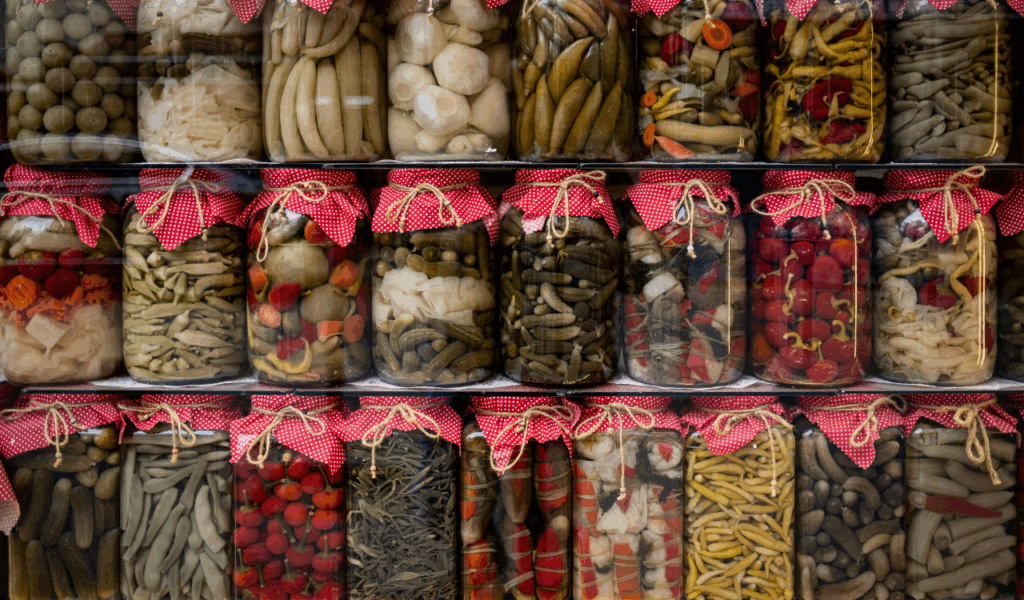
The “Koolickle” is a colorful Mississippi Delta delicacy that embodies Southern fun. Koolickles are dill pickles soaked in cherry or tropical punch-flavored drink mix, according to food anthropologists and local chefs. The result is a brilliant red (or neon blue) pickle with a startling blend of salty, acidic, and sweet flavors.
Experts believe the snack started in home kitchens and convenience stores as an inexpensive, entertaining kid’s snack. It is now a Delta staple at petrol stations and community fairs. Halving huge dill pickles and marinating them in the concentrated sweet drink mix for many days allows the color and flavor to permeate to the center.
High-end chefs are already utilizing “Koolickle” brine to flavor drinks and decorate fried poultry. However, gourmet purists recommend eating it out of a garbage bag on a hot Mississippi afternoon. It shows how regional American food can be unconventional and firmly established in a community’s social life.
10. Persimmon Pudding
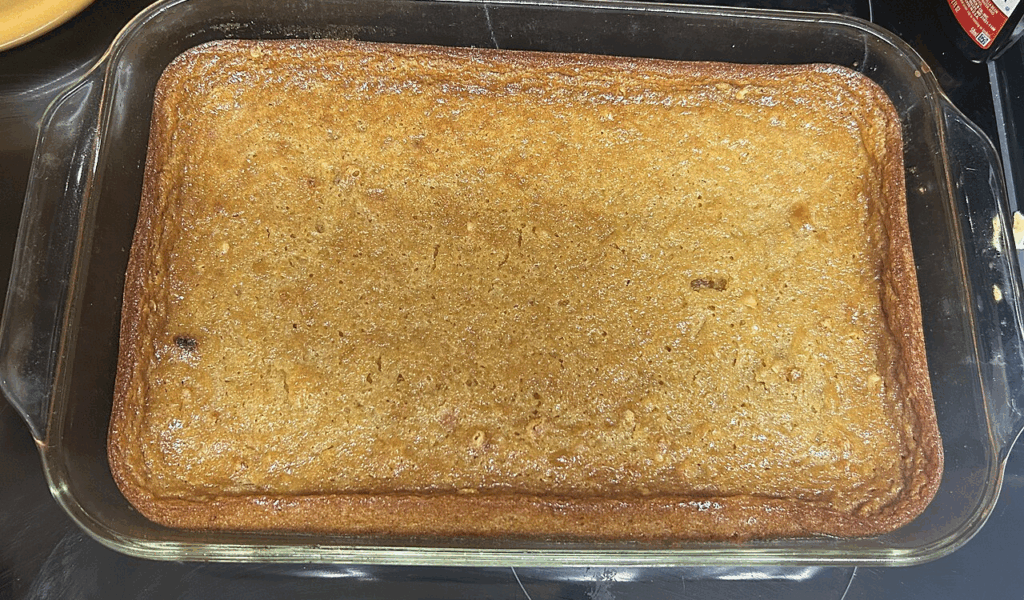
A dessert festival celebrates the wild American persimmon in southern Indiana hills. Professional bakers and local foragers say persimmon pudding is far more like fudge than a creamy “pudding” After they ripen and fall from the tree, small, native persimmons are collected for their pulp.
The American persimmon tastes rich, honey-like, and slightly peppery, unlike the larger Asian kinds, according to experts. With cinnamon, nutmeg, and sugar, it makes a dark, rich pudding that is a fall favorite. Culinary historians say this dish has been part of Indiana’s legacy for over a century, with families keeping their pudding recipes hidden.
Food writers say a perfect persimmon pudding requires a slow bake at a low temperature to stay moist. To balance its density, it is served cold or room temperature with whipped cream. The local fruit is perishable and difficult to transport, making this pudding a Midwest hidden gem rarely seen beyond the state.