12 Subtle Restaurant Habits That Quietly Signal Class and Income
Going out to eat is something that many people do, but how you sit at a restaurant table could show how rich or poor you are. Experts claim that true class is revealed by subtle, well-known behaviors that show a long history of eating at fancy restaurants, not by the price of wine or the brand label on a purse. Instead of showing out, they focus on ease, staff attention, and smooth social behavior.
Experts in etiquette and management of luxury hotels believe that rich individuals act like restaurants are their homes. They walk with quiet confidence, not trying to show off like other people do. Staff at Michelin-starred restaurants may be able to tell if a customer is rich before they order by watching how they act.
When you understand these signs, you can understand what elites are saying without words. Designers say you can tell how organized and respectful a guest is by how they act at the table. By learning these twelve subtle habits, anyone may enter fine dining with the confidence of the most sophisticated and experienced diners who value the experience over the cost.
1. Minimal Interaction with the Menu
At a high-end restaurant, seasoned diners rarely spend 20 minutes perusing the menu. Experts believe high-society customers usually know what they want or trust the kitchen enough to make a speedy selection. They see the menu as a guide, not a mystery. This decisiveness indicates that they are frequent diners who are comfortable in expensive restaurants and not overwhelmed by options. Luxury hotel managers say closing and setting the menu on the table signals readiness to order. Instead than fussing over every detail, wealthy people trust the sommelier or server.
They may ask one or two specific questions regarding ingredient origin, showing a sophisticated palate without appearing indecisive or bewildered by the many preparations or culinary words. Additionally, their efficiency shows respect for their friends’ time. The process moves smoothly instead of having the table wait as they debate an appetizer. This demonstrates they are used to making rapid, confident decisions, letting the dinner’s social side shine. For the elite, the food is secondary to discussion and connection.
2. Subtle Treatment of the Napkin
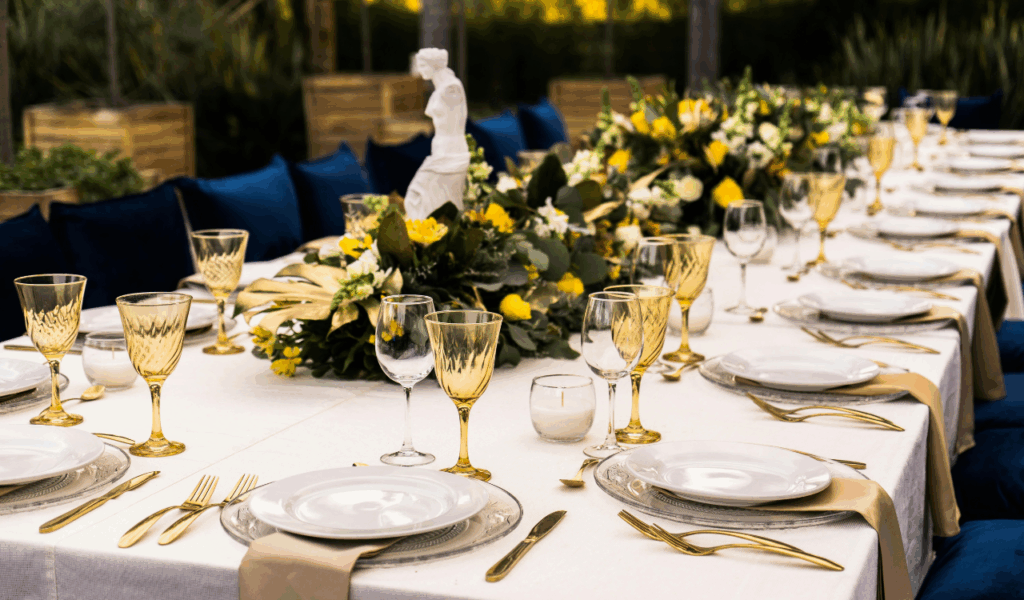
The way a guest handles their napkin reflects their meal experience. Etiquette experts say high-class diners place their napkin in their lap shortly after sitting, usually with one seamless motion. Never shake it open or tuck it into their shirt collar. Instead, the napkin is folded in half with the crease facing them, allowing them to discreetly swab their mouth with the inside to disguise stains.
Professional servers lay napkins on chairs, not tables, when guests leave the table. This quietly alerts the staff that the diner will return. Luxury dining room designers say this attention for surface cleanliness is an indication of sophisticated habits. It displays awareness of the dining surroundings and a dedication to meal elegance until the check arrives.
After eating, the napkin is carefully placed to the left of the plate. It never refolds or crumples into a ball. This final step of table etiquette tells the server the diner is done without an embarrassing spoken confirmation. These subtle, non-verbal indications create a sense of belonging in the world’s most exclusive dining rooms, where service is an art.
3. Commanding the Pace of the Meal
High-class diners seldom rush or uncomfortably loiter after eating. These people know how to time their consumption to complement the cooking and company, say experts. Instead of cleaning their plate quickly, they chat, regarding food as a secondary factor. This ability to control the evening’s rhythm shows a comfort with gourmet dining. Chefs believe high-class diners can signal the end of a course without speaking. They communicate well with staff by setting their utensils in the “finished” position, parallel at the four or six o’clock position on the plate.
This nonverbal communication keeps the service smooth and unobtrusive. Organizers say this social coordination is learnt and distinguishes premium shoppers. They seldom look impatient or check their watch between courses due to their pace. They realize a high-end kitchen needs time to perfect each dish. Their patience shows their status because they don’t have a tight schedule or need to be elsewhere. Their effortless presence lets them enjoy time and their eating mates.
4. Nuanced Communication with Staff
High-income diners and restaurant workers respect each other. Experts claim smart guests seldom shout, snap, or wave to seek attention. Instead, they nod or make modest eye contact with servers. They typically memorize and utilize their server name all night, demonstrating social intelligence and status beyond financial wealth.
In hospitality, how a guest handles an error is the ultimate indicator of affluence and status, say consultants. Refined diners bring out mistakes quietly without a fuss. They recognize that perfection is rare and that a professional staff will promptly resolve a quiet complaint. This grace under pressure shows a person who is used to being in charge and doesn’t degrade others to prove it.
The busser and hostess are treated as politely as the lead waiter. This consistent behavior indicates a self-confidence that doesn’t need an audience. The pleasant mood they create by thanking everyone on the team typically leads to improved service. This win-win situation uses their innate politeness to enhance the dining experience.
5. Deference to the Sommelier
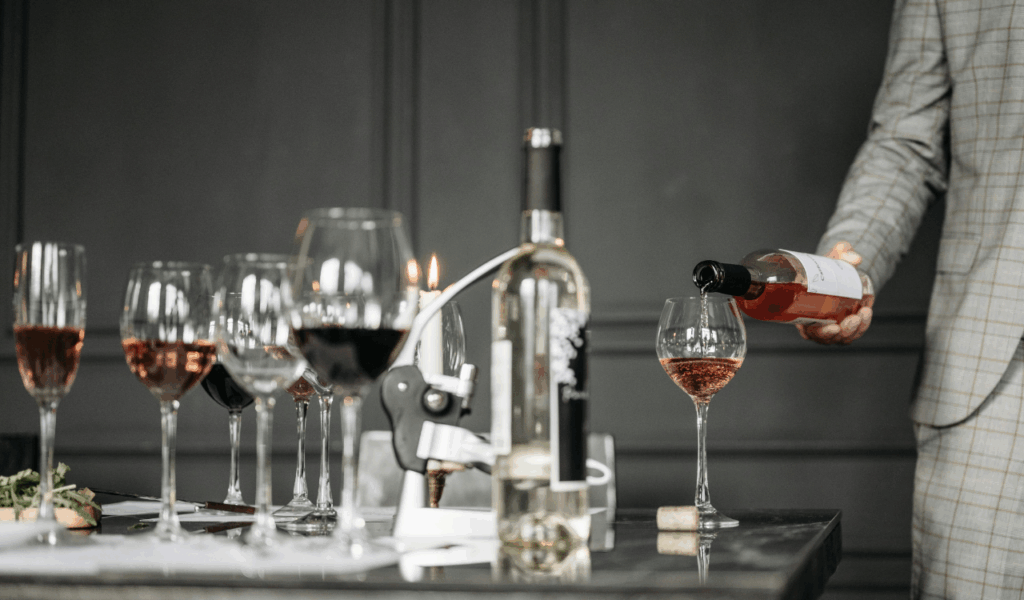
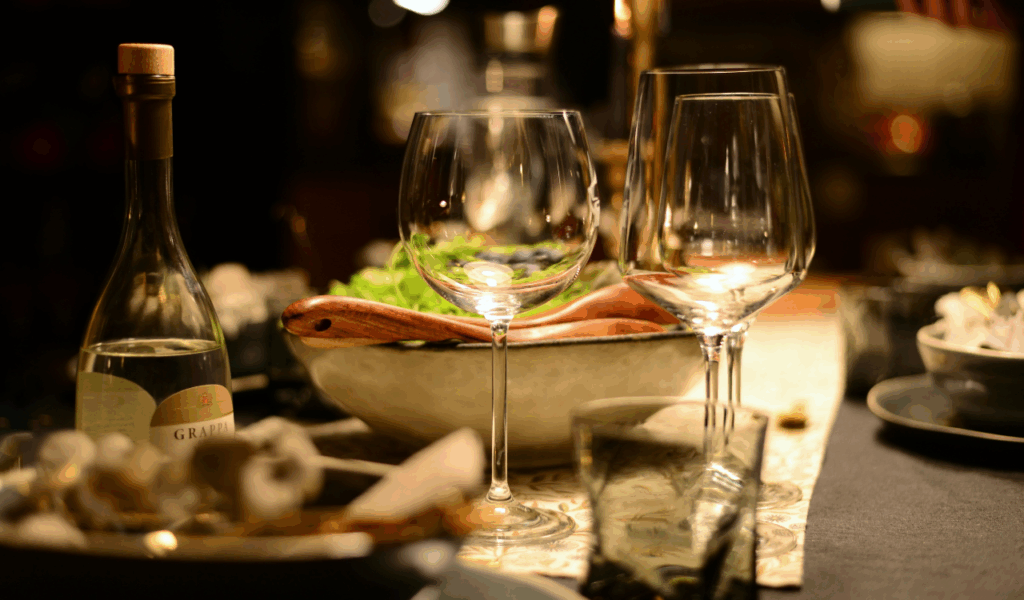
Many people worry about choosing wine, but high-class eaters collaborate. Experts say wealthy eaters point to a wine in their price range and ask the sommelier’s opinion instead of calling out intricate labels to dazzle friends. They may say, “I am looking for something in this style,” pointing to a list price. The specialist can advise them without embarrassing money talk. Professional sommeliers say guests who trust their recommendations are more confident and wealthy. Instead of showing off the most expensive wine, they want the finest dinner pairing.
Wine cellar designers say this focus on experience over label is a major differentiation. It proves the guest is a connoisseur who values quality and expertise over wealth. They swiftly swirl and sniff the wine when it is served. They are checking for corkage, not a show. Just nod to the sommelier after confirmation. People that drink great wines regularly and don’t need to display their competence have this relaxed wine service style.
6. Keeping the Table Uncluttered
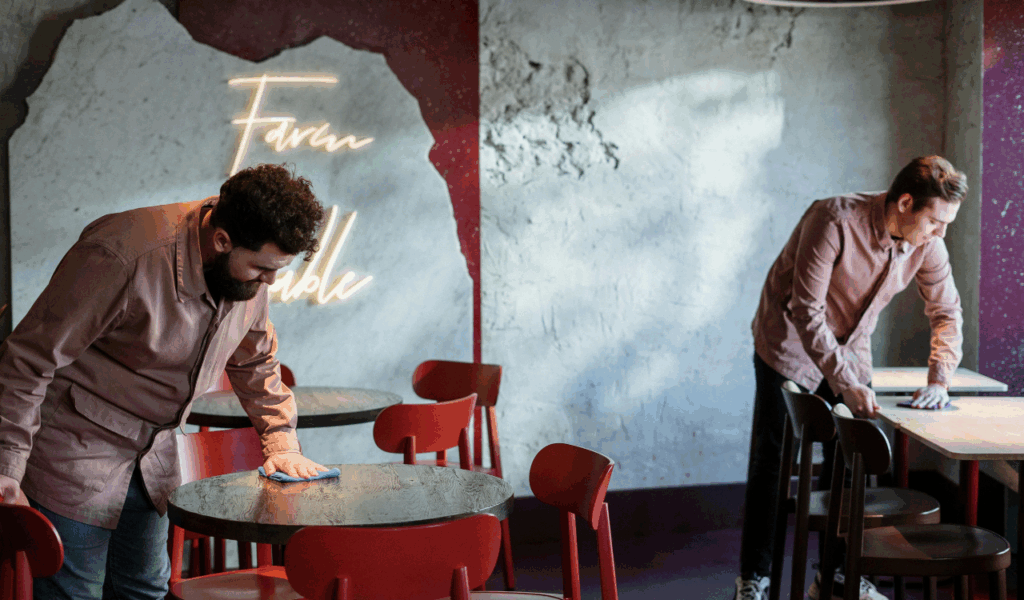
A dirty table means that the person eating is either new to it or not paying attention. Experts claim that high-end diners are careful about what they leave on the table. They never leave their phones, keys, or sunglasses on white linen. During dinner, these things stay in a pocket or purse. They like how the restaurant looks and how they focus on their friends by putting their own tech and other stuff off the table.
Organizers explain that this way of doing things also applies to how they handle food. While they wait for lunch, they don’t play with forks and knives or salt and pepper shakers. After they’re done, they leave the bread plates for the workers to clean up. Designers think that being aware of your surroundings conveys a strong but subtle message about class and caring for the environment.
Their “stillness” at the table shows how calm they are within. The focus is on beautiful centerpieces and food presentation. They make the meal more immersive by cutting down on outside life. It means they may relax and enjoy the food and company.
7. Effortless Use of Utensils
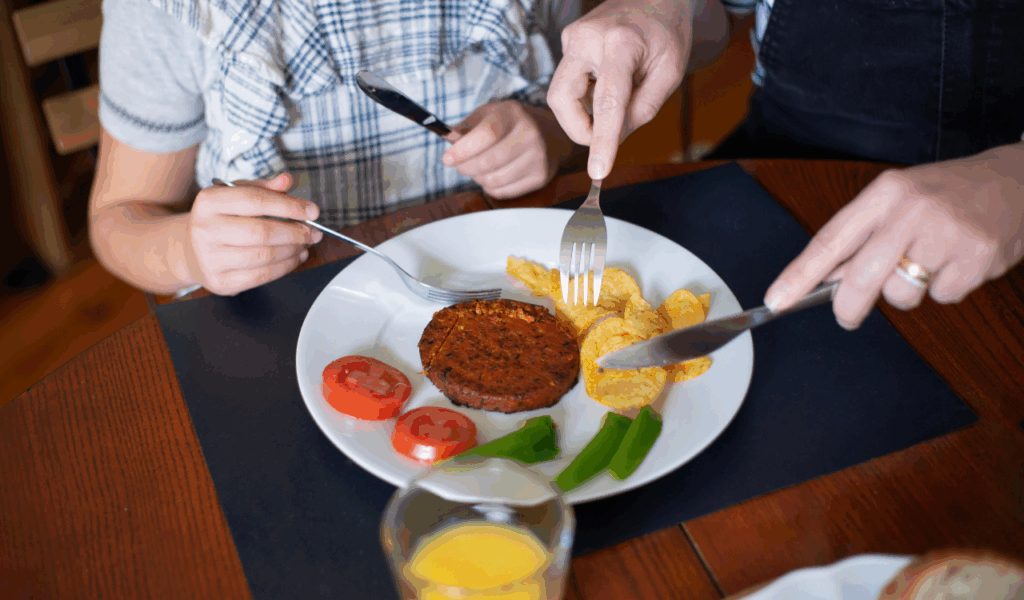
The most basic rule of etiquette is knowing which fork to use, but how to wield them shows class. Experts suggest wealthy diners favor light, easy-grip utensils. No pencil or saw knife. They use European or American cutting styles with quiet, fluid movements. They also avoid making noise against the dinnerware, a sign of years of dining in calm, sophisticated spaces. Hospitality professionals say “silent service” messages are most vital when using utensils. Setting the knife and fork in a certain spot advises the server not to empty the plate.
Professional flippers and developers who visit luxury venues say these tendencies are generally instilled early. When guests handle their silver with ease rather than stiff focus, it shows they are comfortable in a high-stakes scenario. They know passing etiquette. Salt and pepper are always served together, even if just one was asked. They never touch another’s plate; they ask for items to be handed. High-income households have social education, as shown by this table rule compliance. It prevents awkward physical interruptions and silver clinking during the meal.
8. Modesty Regarding the Bill

High-class diners are circumspect when they pay. Experts believe there isn’t a lot of “reach” or noisy arguing about who pays. The host or guest of honor usually pays the bill before the lunch starts. If the check is brought to the table, they review it for accuracy and put their card inside without saying anything. They don’t check every line.
Realtors and business experts argue that not caring about how much meals cost is a huge sign of wealth. They put the cost after the experience. To prevent a scene, they work out differences with management quietly away from the table. Class shows in liberal but not showy tipping. They tip well for good service because they value skilled workers.
They talk about the lunch afterward in a modest way. They care more about good service and ingredients than low prices. They think the price is fair for the quality, thus it doesn’t matter. The fact that they aren’t worried about money implies that they can afford to eat good and live well.
9. Controlled Volume and Posture

There is a “stillness” in high-end restaurants. Experts say that these folks have decent posture yet don’t look rigid. They never sit back or lean on the table while eating, and they sit with their backs straight but not touching the chair. They walk in a controlled, purposeful way to avoid getting unwanted attention. This physical discipline shows that you are aware of yourself and have been raised well. Luxury hotel managers claim that the volume of a diner’s voice is another sign. Elite guests talk to each other at the table.
They never yell or laugh loudly, which bothers other people. Professional servers indicate that being conscious of the environment is an indication of high social status. It shows that the diner is comfortable and doesn’t need to be in charge. The amount and content of their conversation are secret. They don’t brag or name famous friends to get attention. By keeping their world small and personal around their table, they give off an air of mystery and sophistication. This limit sets them out as people who are used to small groups where caution is the most important thing.
10. Appreciation of the “Chef’s Choice”
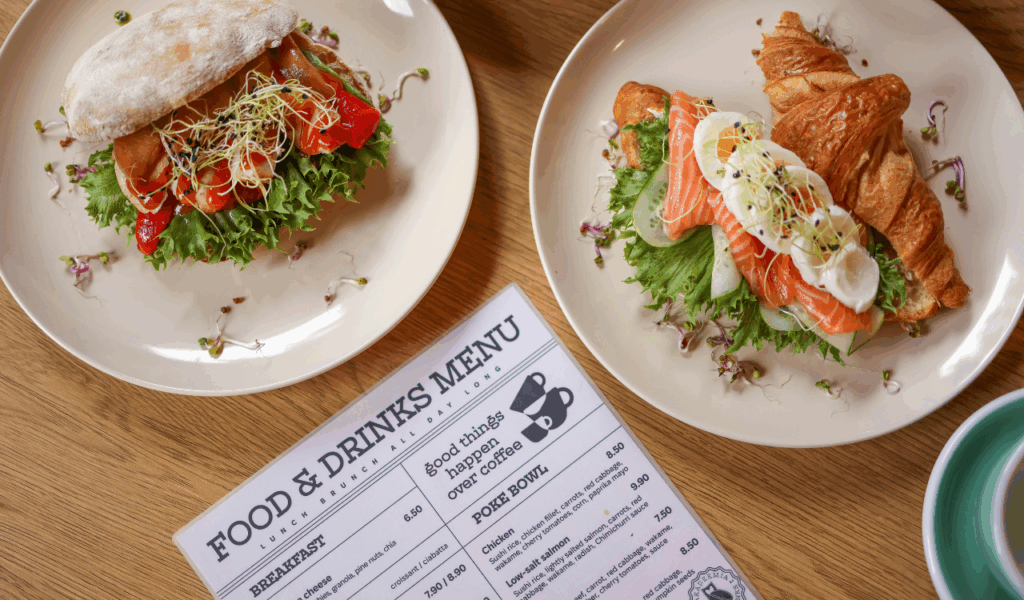
Trying new things shows a savvy diner. Experts believe wealthy people order tasting menus or ask the server, “What is the chef particularly proud of today?” It shows trust in the establishment’s expertise and an adventurous palette. They seek out inventive dishes and seasonal ingredients that represent the kitchen’s vision rather than “safe” selections like steak or spaghetti.
Professional chefs say this improves dining. It shows that guests are there for the cuisine’s art, not just the taste. Restaurant concept designers say these diners like the dinner narrative. They show they are connoisseurs who value authenticity above familiarity by giving the experts some power. Comfort with complex flavors indicates a well-traveled person.
They rarely request major dish changes. They know the chef planned the flavor profile. They usually consume the dish as given unless they have an allergy. This admiration for the culinary arts reflects cultural riches that frequently comes with financial prosperity, since they view meals as an exploration rather than a craving.
11. Discreet Use of Technology

In a day when we are always connected, the most sophisticated foodies eat when they are not connected. Experts argue that rich individuals don’t often post pictures of food on social media. When they get a call, they leave the table and head to the lobby or outside. They love the dining room because it brings people together. A phone on the table is a significant sign of bad manners in public. Experts in etiquette suggest that the rich put privacy first. Their goals are to not be the center of attention and to not write down everything they do.
Professional waiters at high-end clubs indicate that the most important members are there. When someone gives their spouse their full attention, it shows that they respect their time and put them first. They can see details about the service and the area without technology. They like the texture of table linens and pouring sauce more. Being there makes the experience more valuable to them. This focus is rare and costly in today’s world, which shows that they know how to manage their attention and surroundings.
12. Graceful Departure and Recognition
How people leave a restaurant is just as important as how they get there. Experts say that high-class guests praise the host and busser. If they liked the food, they might ask the server to tell the chef how good it was. This person realizes how complicated service may be and recognizes the labor of others when they recognize the whole team. True character has a lasting effect.
Luxury hotel administrators say that guests should leave graciously without staying too long or getting in the way of other guests. They’re quick and calm. Professional organizers suggest that ending on a high note will make sure you get a warm welcome. When a guest cleans the table and says “thank you,” they show that they are classy in a way that money can’t buy.
They never tell anyone they’re leaving. Not looking around to see who is watching them go. They pack up and go with the same calm confidence they came with. This consistency in behavior throughout is the best proof of riches and position. It shows that they are acting naturally and that they are kind and caring.