6 Food Hall Vendors Charging High Prices for Tiny Portions
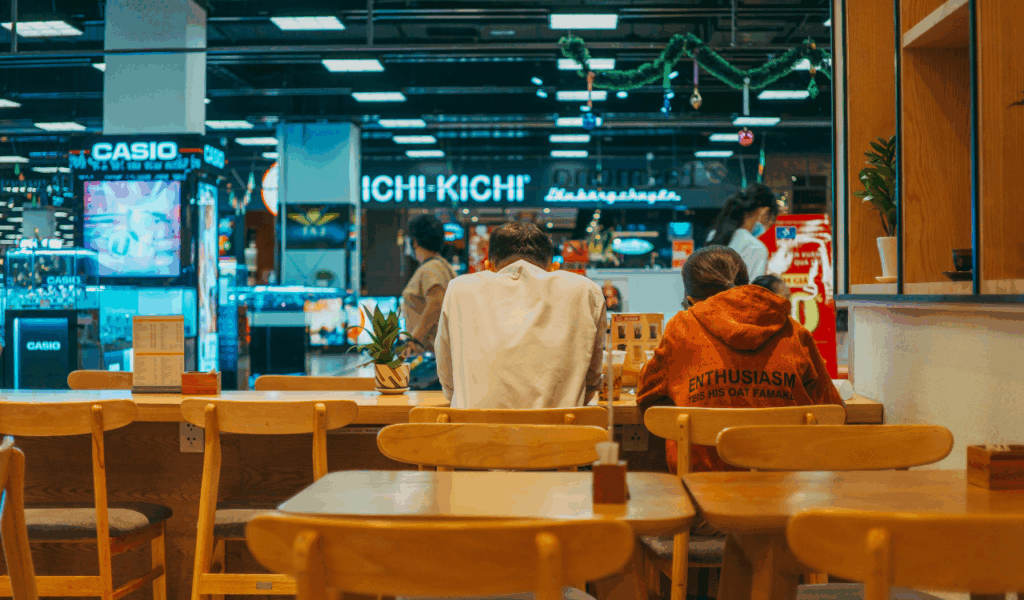
Food halls are often advertised as fun venues to try a lot of different foods in one area, combining convenience with inventiveness. Some stalls spend a lot on branding and display, but they silently cut down on portion sizes. Most sellers, on the other hand, give fair prices and big portions. People who eat out may have to pay a lot for meals that seem good but don’t fill them up. Small servings can be especially annoying in places where people eat together and meals are supposed to be full. Six categories of food hall sellers are typically criticized for charging a lot for small amounts. It shows how portion sizes, plating, and pricing affect meal value.
1. Gourmet Taco Stalls
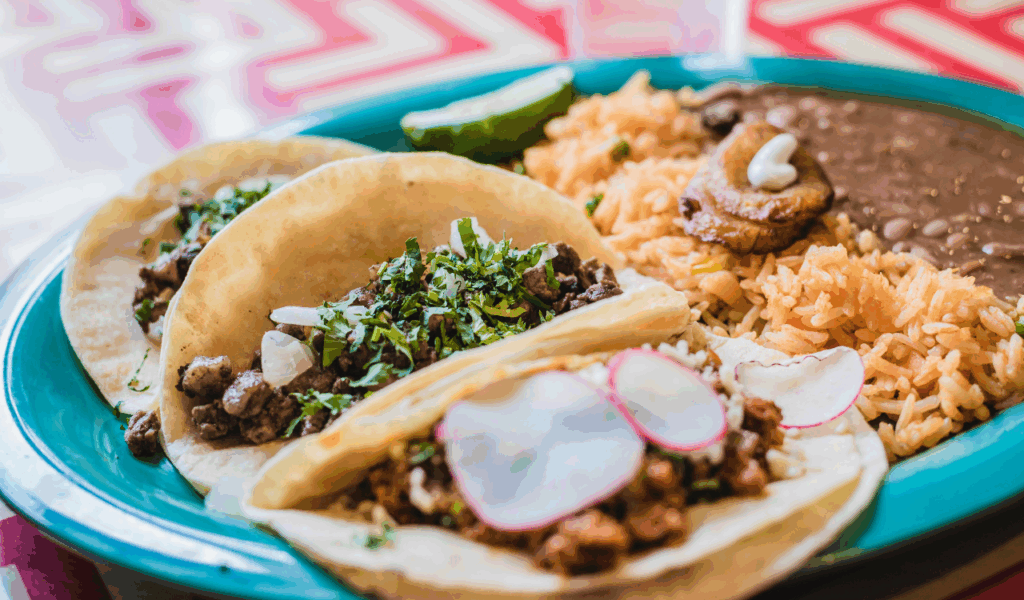
Cuisine halls with gourmet taco vendors generally showcase unique fillings, specialty sauces, and meticulously arranged cuisine, but the portions can be quite small. People often buy tacos one at a time instead of in sets, and they usually come with a tiny quantity of protein and not many extras. The flavors may be strong and well-balanced, but the amount is rarely in line with the price. Many stalls charge extra because they employ expensive toppings or foreign ingredients, even though their foundation is simple. For a full meal, customers must order many tacos, which soon adds up to a greater price for a little lunch.
2. Artisan Noodle Counters
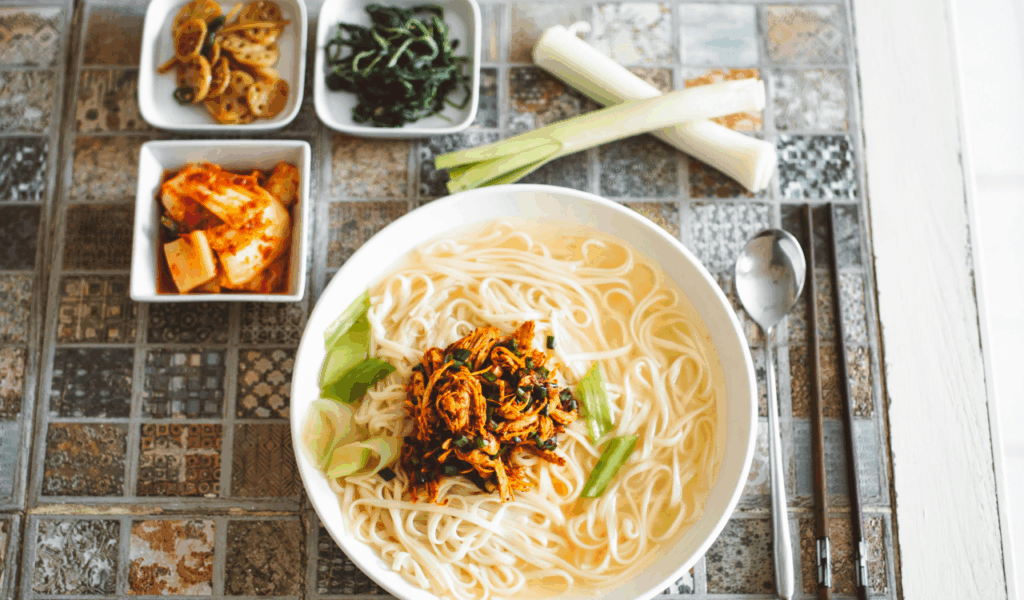
Artisan noodle counters typically serve their dishes in small bowls that are designed to give the impression of sophistication rather than generosity. Noodles can be portioned out and placed in a manner that is visually appealing, with a limited amount of broth and a limited number of toppings. Protein amounts are usually low, and add-ons cost more. Because the noodles are hand-made and exact, the final portion may not be as good as it should be for the price. Despite liking a product’s quality and branding, clients may leave disappointed. These smaller bowls can feel pricey in busy dining halls compared to larger bowls from traditional noodle shops.
3. Specialty Dumpling Vendors
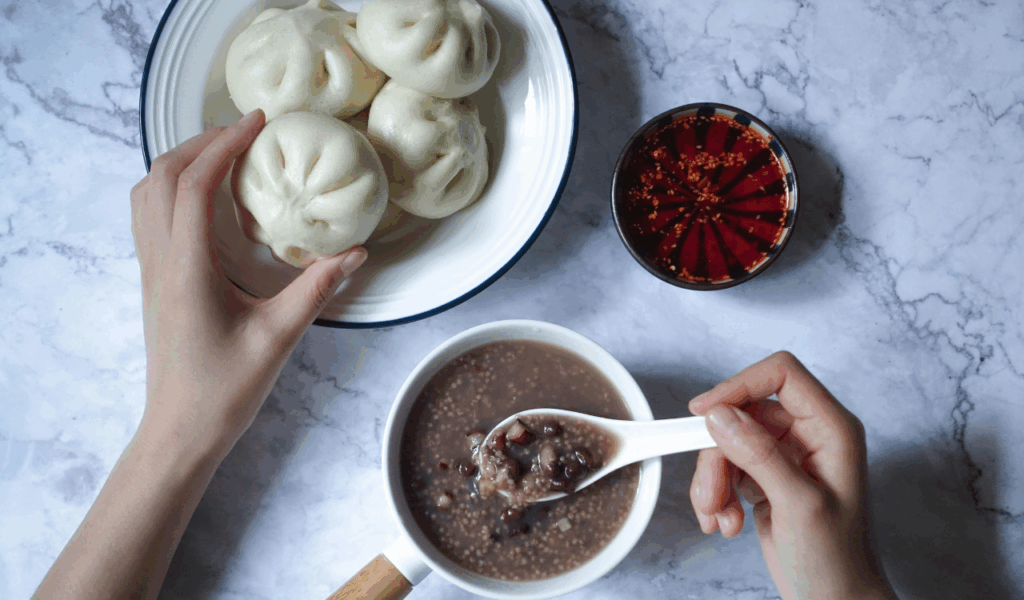
The prices that specialty dumpling vendors charge for small plates of dumplings that are presented in a nice manner are typically higher than average. In order to preserve their shape and beauty, portions may consist of no more than four or five pieces, each of which is subtly filled. Although they add visual flair, garnishes and dipping sauces don’t really contribute much to the overall substance of the dish. Customers expect a larger quantity for the price, even if dumpling preparation is laborious. Customers are encouraged to spend more in food halls because these little plates rarely satisfy.
4. Upscale Grilled Cheese Stands
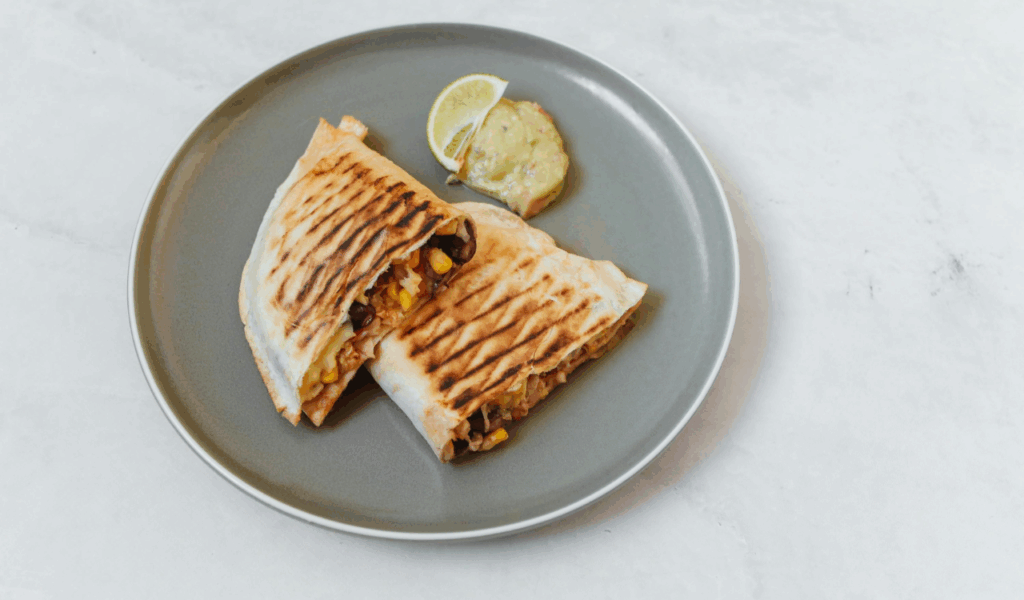
By utilizing a variety of specialized breads, cheeses, and add-ins, upscale grilled cheese vendors frequently reinterpret a well-known comfort dish as a premium product. The portion sizes, on the other hand, are often rather small, with sandwiches being split into halves or halves and accompanied with a small number of sides. The dish’s simplicity draws attention to the expensive price, which is accentuated by the fact that the serving size is very tiny. Even if the tastes are good, many consumers think the serving size doesn’t justify the price. Customers expecting a full meal from a large sandwich may notice.
5. Dessert Boutiques With Mini Portions
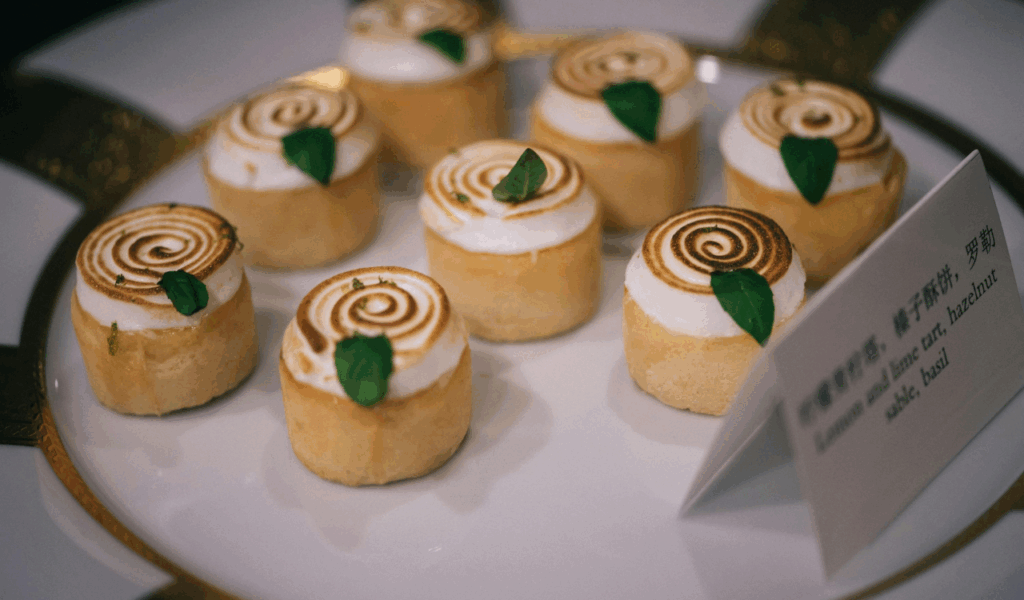
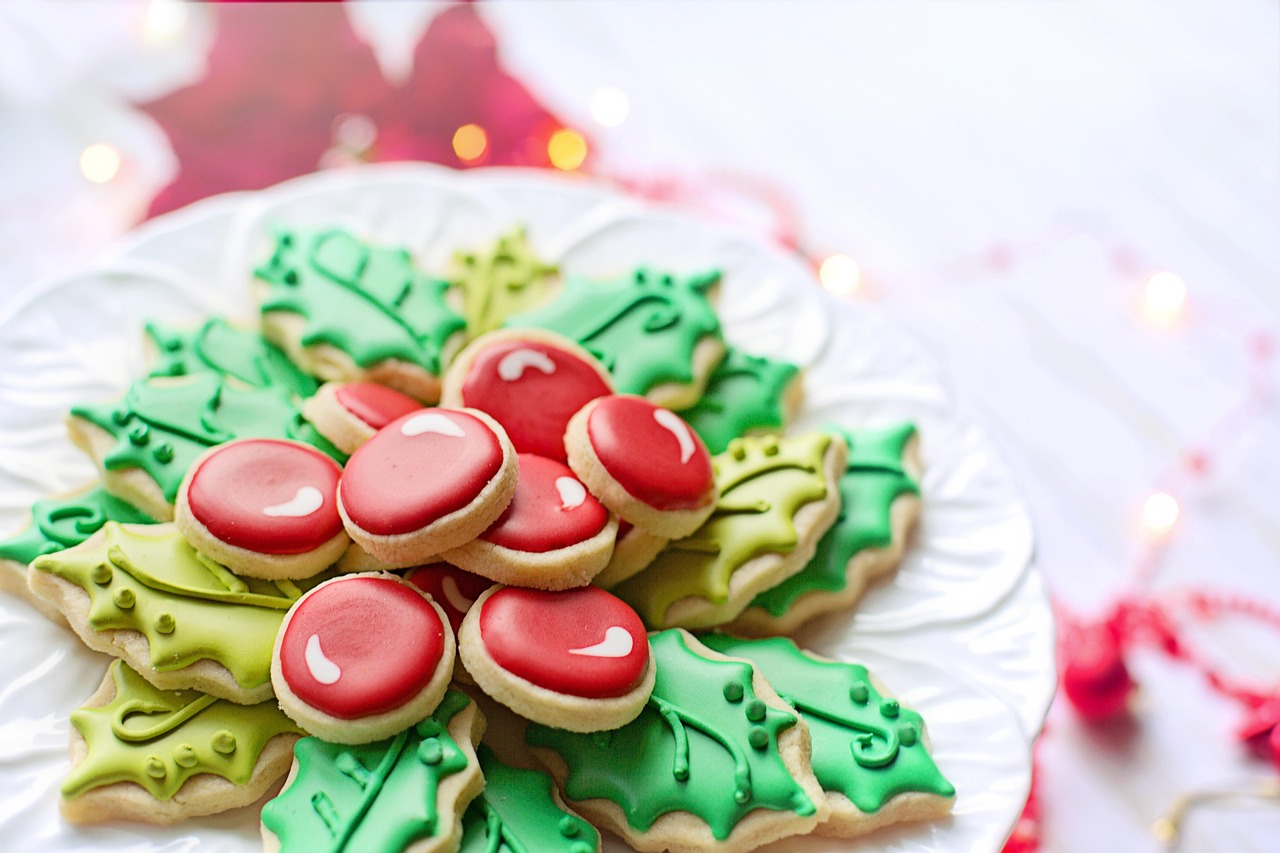
The dessert stores that are typically found in food halls are known to sell visually appealing sweets in extremely little servings. As a result of their presentation and the impression that they are crafted, little cakes, petite pastries, and small sweets served on plates command a higher price. Despite the fact that these sweets are frequently luxurious and expertly prepared, the serving size may appear to be insufficient in comparison to the price. Customers may like the beauty and taste but question the value. It can become expensive to sample numerous foods, making these modest amounts feel like an indulgence rather than a reward.
6. Premium Salad Bars
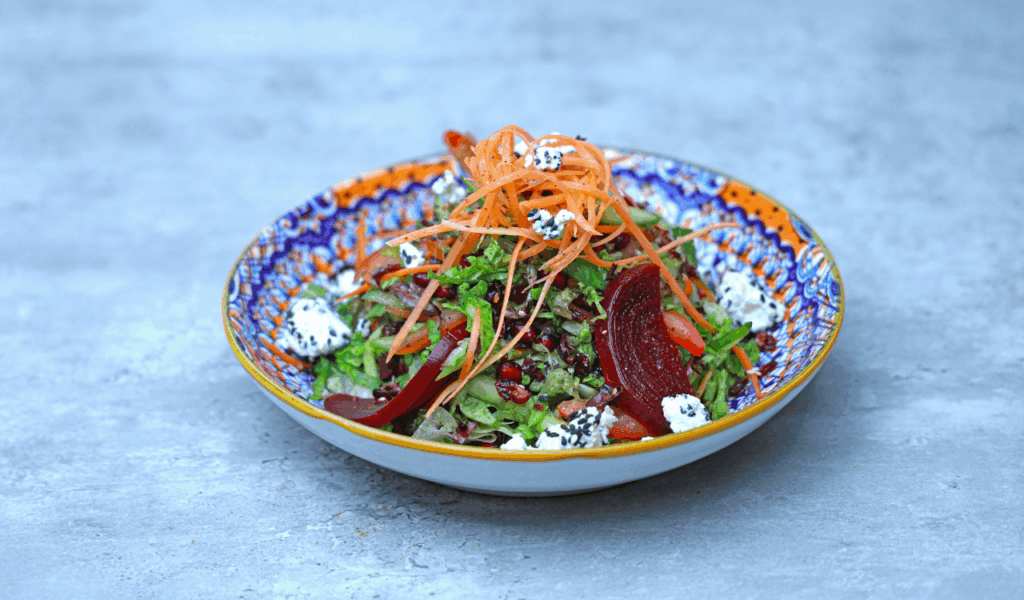
When it comes to premium salad bars, the pricing structure is frequently based on weight, which can result in high charges for bowls that appear to be big but actually contain very little. The use of lighter elements, such as greens and garnishes, contributes to the overall visual volume, while the use of heavier things is strictly limited. The addition of specialty sauces, cereals, and proteins drives up the price without significantly increasing the size of the piece. Diners expecting for a substantial dinner may be disappointed by the ultimate price. Freshness and variation above portion value make many salads expensive.