11 Homework Setups That Didn’t Encourage Productivity

A homework setup is very important for focus, motivation, and learning quality, yet many popular setups make it harder to get things done. Small flaws in the surroundings, like bad lighting or unpleasant seating, can quietly make it harder to focus and more frustrating. A good study space should help you sit up straight, keep you from being distracted, and help you mentally separate work from rest. The following assignment arrangements may seem safe or even helpful at first, but they often make you less productive, shorten your attention span, and make learning tougher than it needs to be. Being aware of these setups lets us see what really helps us learn in a healthy and productive way.
1. Studying on the Bed

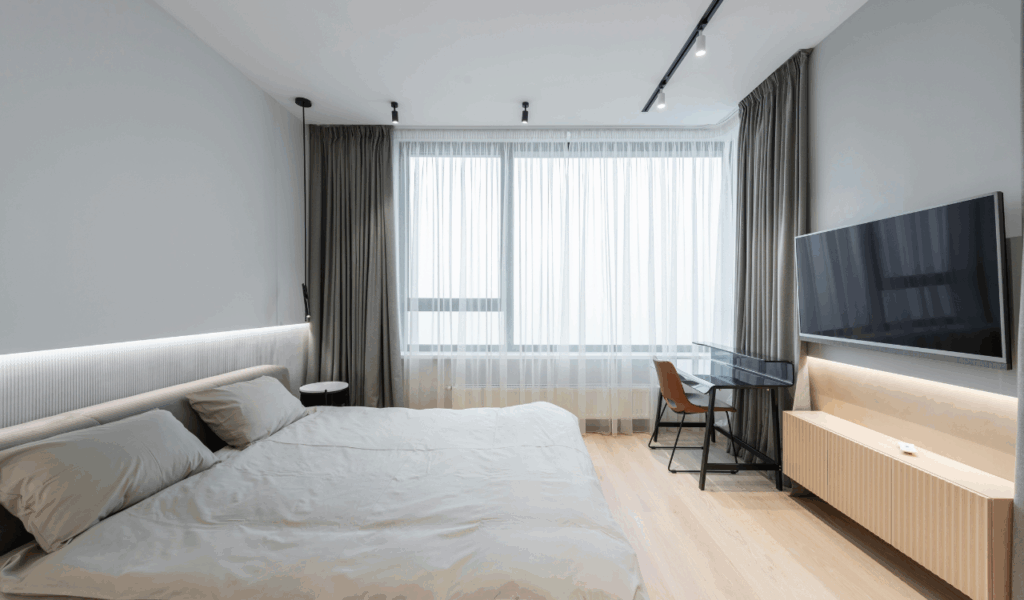
Doing homework on a bed is frequently comfortable, but it makes it hard to focus since it links studying with resting. When you lean on pillows or hunch forward, beds make it easier to relax, which puts stress on your neck and back. Soft surfaces also make it tougher to keep your body in a position that keeps you attentive, which is linked to mental engagement. This arrangement can make it harder to focus when studying and harder to fall asleep afterward by blurring the line between work and sleep over time. The brain sees the room as a place to relax, not work hard, therefore productivity goes down.
2. Facing a Wall With No Natural Light
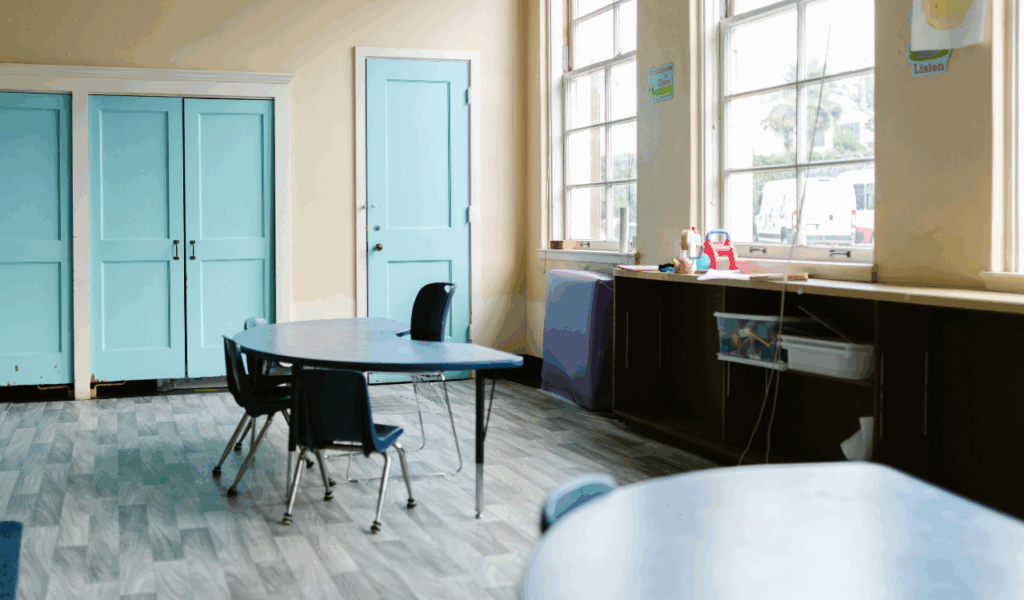
A homework arrangement that faces a blank wall and gets little or no natural light can make you feel alone and tired. Natural light helps keep you awake and supports healthy circadian cycles, which affect your energy and focus. Without it, the eyes get tired faster and the desire to study often goes down, especially during lengthy periods of study. Staring at an empty wall doesn’t help your eyes either, which makes your mind work harder over time. Walls can help cut down on distractions, but a setup that is fully boxed in may feel more like a prison than a place to relax. Balanced illumination and a wider field of vision usually help people stay focused better than dark, tight spaces.
3. Using a Dining Chair for Long Study Sessions
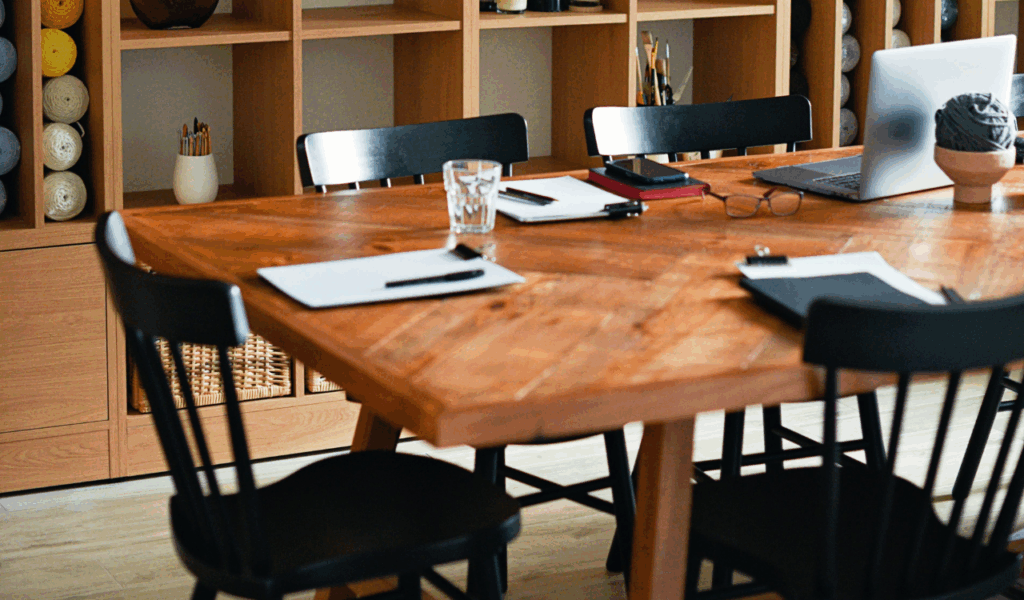
Dining chairs are not good for doing schoolwork because they are only meant for quick meals, not long periods of sitting. Most of them don’t have good lumbar support or adjustable height, which makes people slouch or stand awkwardly over time. Bad posture while sitting makes muscles tired and uncomfortable, which makes it hard to focus on the task at hand. Moving about a lot to ease pain breaks your focus and lowers your productivity. This configuration might cause tension on your back or neck over weeks or months, making it hard to study comfortably. Comfortable, supportive chair is also important for staying focused during long homework sessions.
4. Studying in a High Traffic Area

If you set up your homework in a busy part of the house, it will probably be interrupted all the time. People walking by, talking, and moving around in the background keep taking attention away from jobs that need a lot of focus. Even when you try to ignore them, these distractions make studying feel harder since they add to your mental load. High-traffic locations also make it feel less like you own your own study space, which can lower your motivation. As time goes on, productivity goes down since the brain is only partially aware of what’s going on around it instead of totally focused on learning. A quieter, more controlled space helps you focus better and makes studying feel more productive and less tiring.
5. Cluttered Desk With No Organization System

A messy desk with loose papers, materials, and other things that don’t belong there makes it hard to focus because there are so many things to look at. The brain instinctively takes in everything it sees, which makes it harder to focus on one subject and adds to mental load. Being disorganized also spends time looking for things, which breaks your focus over and over. Over time, clutter might make you feel stressed without you even realizing it, which can make homework seem like too much labor before you even start. A dirty desk can often show or make disorganized thinking worse. Keeping surfaces clear and using simple organization techniques will help you stay focused, clear your mind, and stay interested while you study.
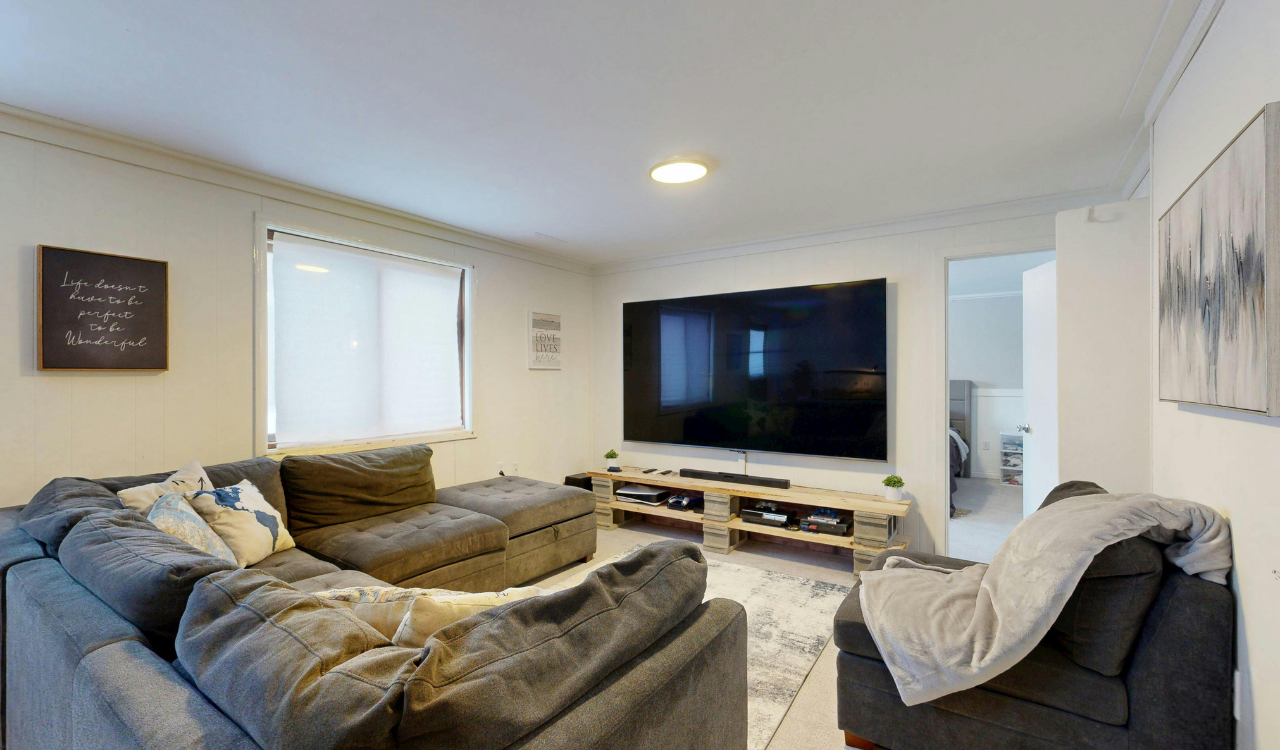
6. Homework Setup Next to a Television
Putting a homework station next to a TV makes it almost impossible to stay focused, even when the TV is off. Televisions grab your interest visually and psychologically, making you want to watch or listen to them. Noise from TV shows or advertising makes it harder to remember things and understand what you read. Doing homework and watching TV at the same time makes learning less effective and takes longer without boosting results. This setup trains the brain to expect fun with work over time, which makes it harder to stay focused for lengthy periods of time. Keeping study places and leisure areas apart helps people focus better and makes them more likely to do their schoolwork in a planned and productive way.
7. Poor Overhead Lighting or Harsh Light
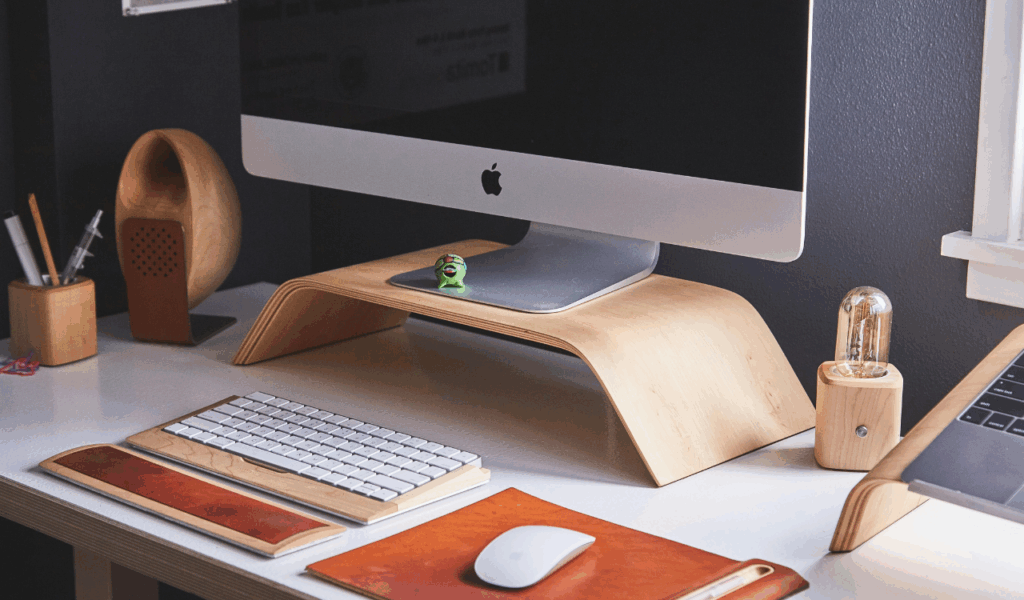
Too dim or too bright lighting might make your eyes hurt and give you headaches and make you tired while you’re doing homework. Bad overhead lighting makes shadows that make it harder to read and write. Lights that are too bright or too cool can also be uncomfortable and distracting. When your eyes hurt, it’s harder to focus and study for a shorter amount of time. Students may come to see homework as a source of suffering over time, which will diminish their motivation. Balanced lighting that uniformly lights up the workstation helps you see better and think more clearly. A well-lit room helps you stay focused longer and makes studying feel easier and more sustainable.
8. Using the Floor as a Study Space

It may seem like studying on the floor is flexible, but it doesn’t always help with good posture or staying focused for long periods of time. When you set up a floor, you often have to bend over books or devices, which puts stress on your neck, shoulders, and lower back. Discomfort builds up quickly, which makes it hard to concentrate because you have to change positions often. The floor spaces don’t have the right height for writing or typing either, which makes things less efficient. This design can make homework physically tiring and mentally frustrating over time. A solid desk and chair give you structure that helps you stay comfortable and focused, which makes studying more successful and less tiring.
9. Shared Desk With Constant Interruptions

When more than one person needs a shared homework desk at different times, it can make them less productive. When other people move things, ask questions, or need access, it breaks your focus and mental flow. When resources are shared, it’s difficult to stay organized, which makes people more frustrated and wastes time. Not having ownership of the workspace might make people less motivated and responsible over time. A specific place to study makes it easier to set up and get your mind ready for schoolwork. When students sense that the room is theirs to study in, they can focus better and move from studying to working more easily.
10. Homework Setup Without Storage

Without the right storage, a study area will always be messy and not work well. Things like books, supplies, and tools get lost or scattered when they don’t have a specific place to go. This makes it take longer to be ready to study and makes it harder to stay focused once work starts. Not having enough storage space also makes it tougher to keep your office clean, which can be a visual distraction. Over time, it gets more and more frustrating when routine things take longer than they should. Even little storage solutions can help you keep your things organized, make your mind less busy, and make assignments go more smoothly and quickly.
11. Studying Too Close to the Bed or Couch
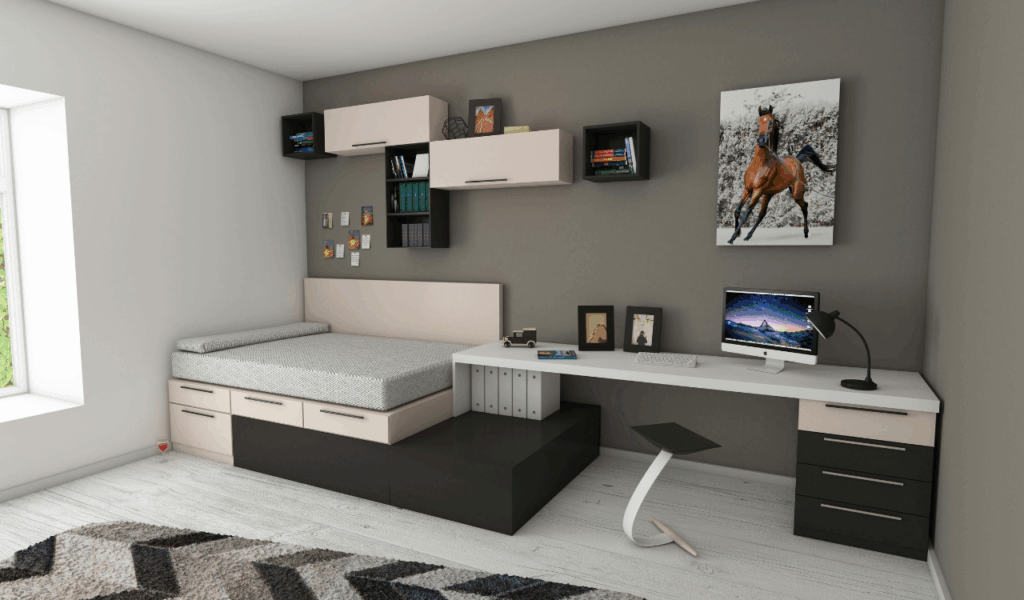
It’s tougher to keep work and relaxation separate when homework is set up quite close to a bed or couch. Nearby furniture that is comfortable makes you want to rest, which makes it easier to take breaks too often or lose attention. Being close to each other might also mess up routines, making it tougher to get assignments done quickly. As study periods becoming shorter and less focused, productivity goes down over time. Putting space between study and relaxing areas helps you stay focused and makes assignments feel more organized and easier to do on a regular basis.