9 Live Edge Wood Tables That Splinter Kids Fingers
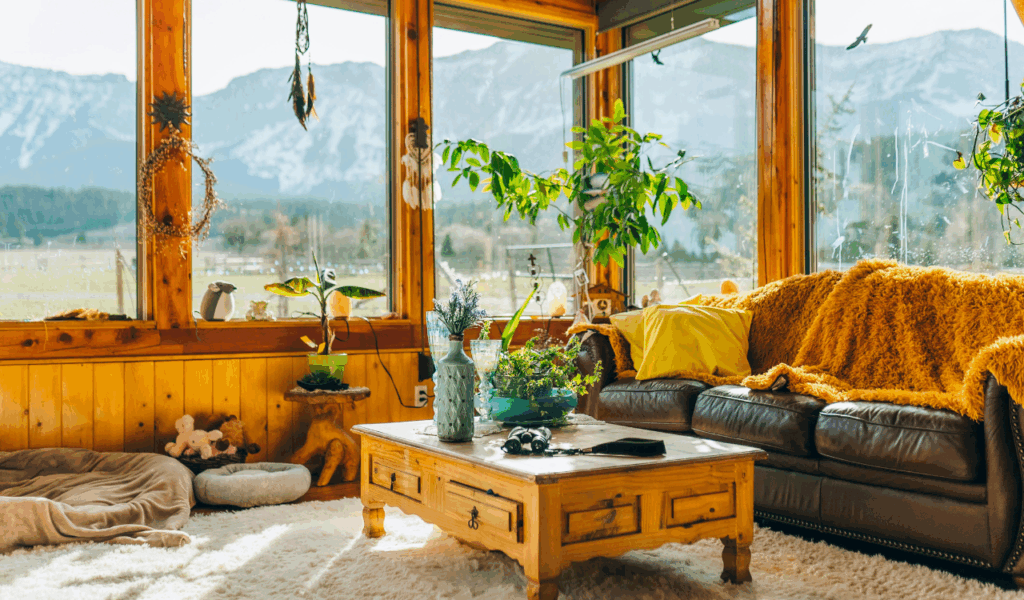
Live edge wood tables are a popular choice in modern rustic interior design because they seem natural and bring the outside inside. However, professional furniture makers and safety experts say that the “natural” features that make these tables look nice can be quite dangerous for tiny children. Woodworkers say that a live edge is just the unfinished edge of a tree slab, which typically has loose fibers or fragile bark on it. Designers may put the raw look first, but if they don’t handle the edges carefully, they might easily have sharp, jagged protrusions that can catch fragile flesh.
Safety experts and professional organizers say that a home with small children needs a different level of polish than a showroom. Experts warn that kids naturally run their hands along the sides and underneath of tables when they play or sit, which makes them very likely to get hurt on untreated wood. A live edge table looks great in a fancy loft, but it may rapidly become a source of mishaps in a family home. Parents can purchase safer furniture or properly seal their current pieces to keep their kids safe if they know what kinds of structural problems might cause splintering.
1. Softwood Slabs with Low Janka Ratings
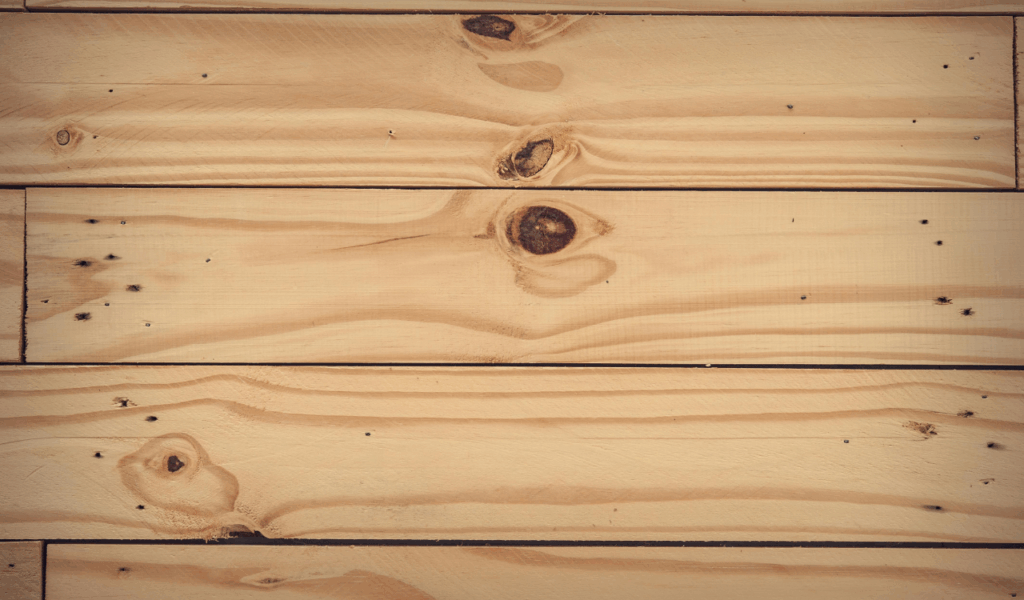
Not all types of wood can handle the wear and strain of a family home. Professional furniture flippers say that live edge tables made of softwoods like pine, cedar, or fir are much more likely to splinter than those constructed of hardwoods. These types of wood have a lower Janka hardness grade, which means that the fibers are less thick and more liable to break or crush under pressure.
Experts claim that even a small bump from a toy can break a softwood edge, making a deadly “fuzz” of splinters that are hard to see but easy to feel. If you really want a live edge look, designers suggest that families stick to dense hardwoods like white oak, walnut, or maple.
These materials last longer and better hold a finish over time. Contractors say that the extra safety and durability are worth the extra money. Experts say that if you have a softwood table, you should inspect the edges every week for any symptoms of lifting grain. A fast sanding and resealing can stop a small fiber separation from turning into an unpleasant emergency for a curious child.
2. Unsealed Bark Inclusions and Natural Edges
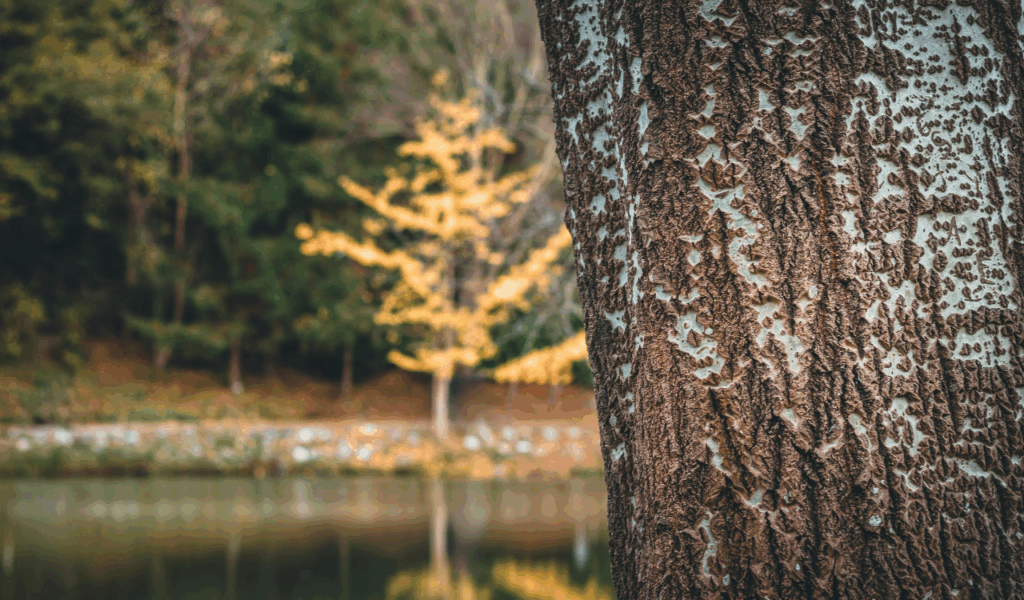
One of the most dangerous things about a live edge table is that it has real bark or bark inclusions on the side. Wood scientists say that bark is biologically built to fall off trees, which means it is naturally brittle and will break down over time. Designers typically strive to conserve this bark because of its roughness, but experts say it’s almost impossible to keep it exactly smooth and free of snags in a household environment. As the bark dries, it can break into sharp shards that can easily cut a child’s fingers.
Professional organizers often tell their clients to get “bark-off” live edge tables, which have had the bark taken off to show the smooth sapwood underneath. If the bark is still there, it should be completely covered in a thick layer of epoxy resin to keep it from moving or falling off. Experts believe that “natural” doesn’t have to mean “raw.” An edge that has been handled correctly can still look natural without being dangerous. Homeowners should stay away from any table with bark that feels crumbly or loose to the touch. This is a clear warning that the table is about to start breaking apart.
3. Poorly Sanded Undersides and Lips
A lot of mass-produced live edge tables just finish the top surface, leaving the bottom and the “lip” of the edge rough. Professional contractors say this is a big mistake since kids often hold the bottom of the table to pull themselves up or balance themselves while sitting. Experts say that a hidden spot of wood that hasn’t been sanded can be even more harmful than one that is visible.
Parents won’t realize it’s there until someone gets hurt. These “blind spots” often cause severe, excruciating splinters. Designers suggest doing a “touch test” by running a microfiber cloth over the full edge and bottom of the table. The wood is not safe for kids if the fabric gets stuck at any point.
Professional furniture makers say that the transition from the top to the side should be made easier by rounding off the harsh corners at the top and bottom. A high-quality, family-safe piece of furniture has a smooth bottom as well as a smooth top. Just because the top of a table seems nice and polished doesn’t mean it’s safe.
4. Seasonal Wood Movement and Drying Cracks
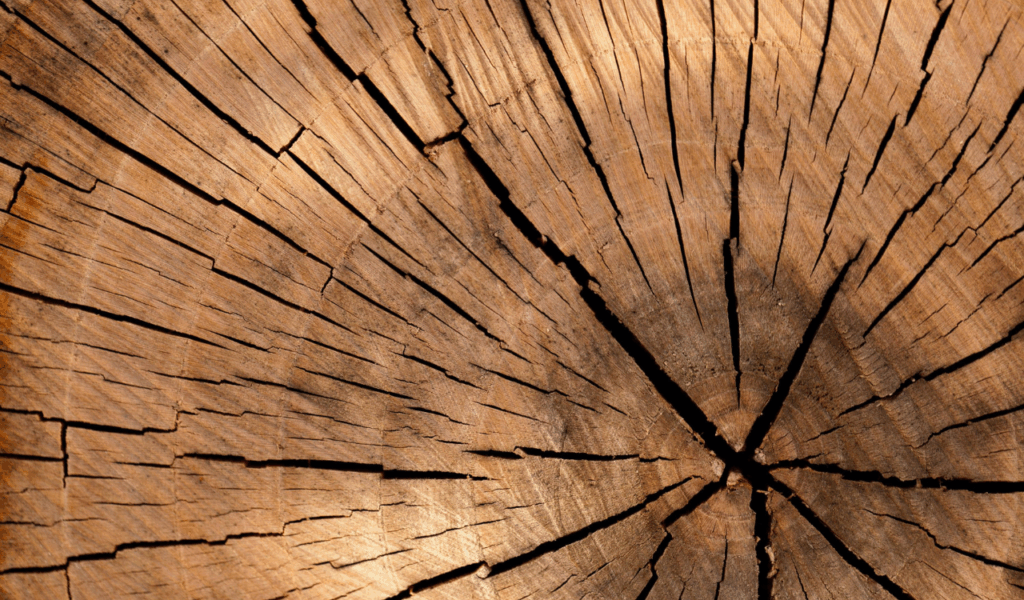
Wood is a living material that gets bigger and smaller when the humidity in the house changes. Structural engineers say that live edge slabs are more likely to “check,” or develop microscopic cracks along the end grain, as the wood dries. When the heater is on in the winter, these gaps can get bigger and form sharp fissures that snag fingers and fabric. These changes in the seasons can make a table that was previously smooth dangerous in just a few weeks. A lot of stress can build up in a big slab, which can cause unexpected changes in the structure.
Professional flippers say that employing a humidifier can help keep the environment stable for big pieces of wood. Designers also say that you should patch any cracks that start to show up with a food-safe epoxy or wood filler as away. Contractors say that not doing these small checks might lead to bigger splits that make the whole edge less safe. You can stop the sharp edges that hurt people by remaining one step ahead of the wood’s natural movement. To keep any large-scale natural wood furniture safe for kids, you need to have a proactive maintenance routine.
5. Cheap Solvent-Based Finishes That Flake
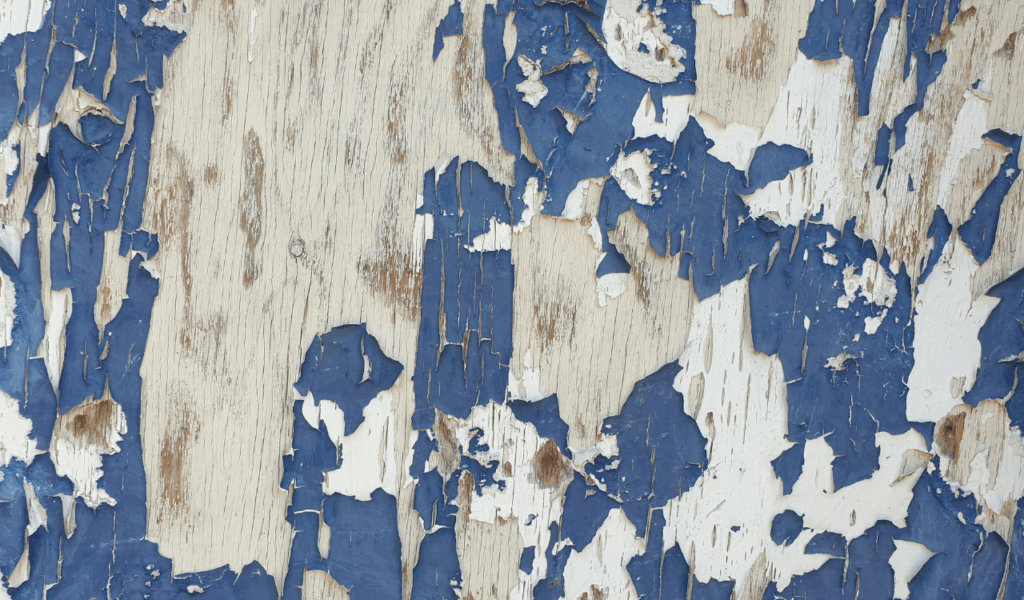
The finish of a live edge table has a big effect on how safe it is. Environmental health specialists say that inexpensive, low-quality varnishes can become brittle and start to peel off the edge over time. When the finish comes off, it might take little pieces of wood with it, which makes the surface seem “bristly” and makes it very easy to break.
Experts explain that solvent-based finishes don’t always stick well to the natural oils in some exotic wood slabs. This can cause the finish to come off too soon and leave a rough, jagged surface that could hurt small hands. Designers say that you should use high-quality hardwax oils or water-based polyurethanes that stay flexible and stick deeply to the wood fibers.
Professional woodworkers say that these treatments let the wood breathe while still making a smooth, long-lasting barrier. If you see that the finish on your table looks “milky” or is peeling off in small pieces, you need to strip it and refinish it before someone is hurt. A healthy, well-bonded finish is the best way to keep wood fibers from separating mechanically, which can cause splinters.
6. Loose Knots and “Dead” Wood Pockets
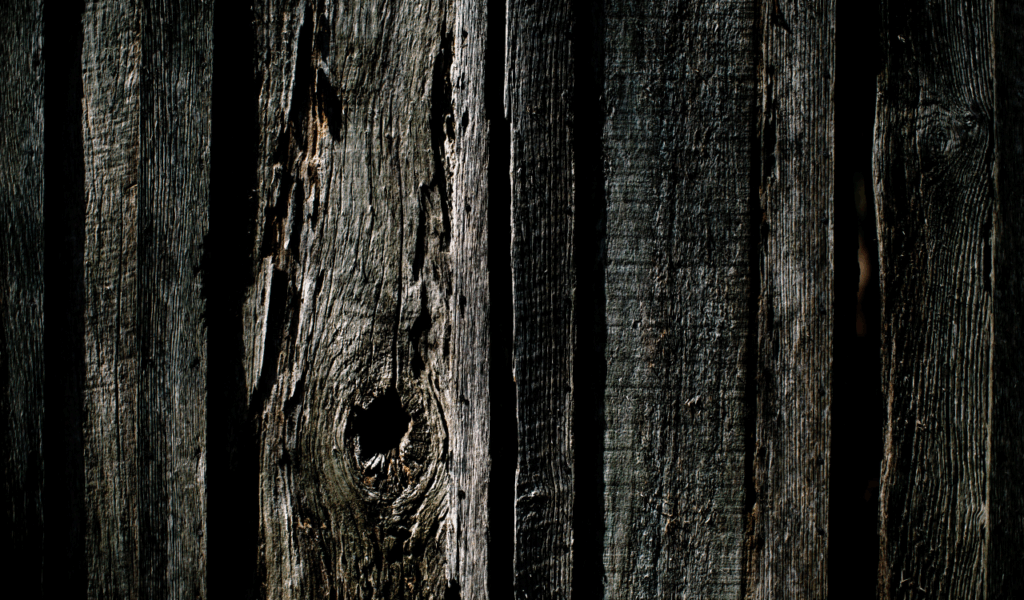
Live edge slabs frequently include lovely knots and burls that make them unique, but these can also be weak spots in the structure. Furniture designers say that “dead knots” are knots that are no longer connected to the wood around them and may eventually fall out or loosen. Experts claim that the edges of a loose knot often cause jagged splinters because the wood fibers break away from the main body of the slab. These pockets can also hold crumbs and water, which makes the wood even weaker and more likely to break.
People in charge say that any knots on a family table should be stabilized with resin by a specialist. Not only does this keep the knot from falling out, but it also makes a smooth, continuous surface that is safe to touch and easy to clean. Contractors say that testing the stability of knots should be part of your first look at a table before you buy it. If you press on a knot and it seems like it has some “give,” it could be a splinter threat. Stabilizing these characteristics makes sure that the table’s style doesn’t put your child’s safety at risk.
7. Excessive Use of “Distressing” Techniques
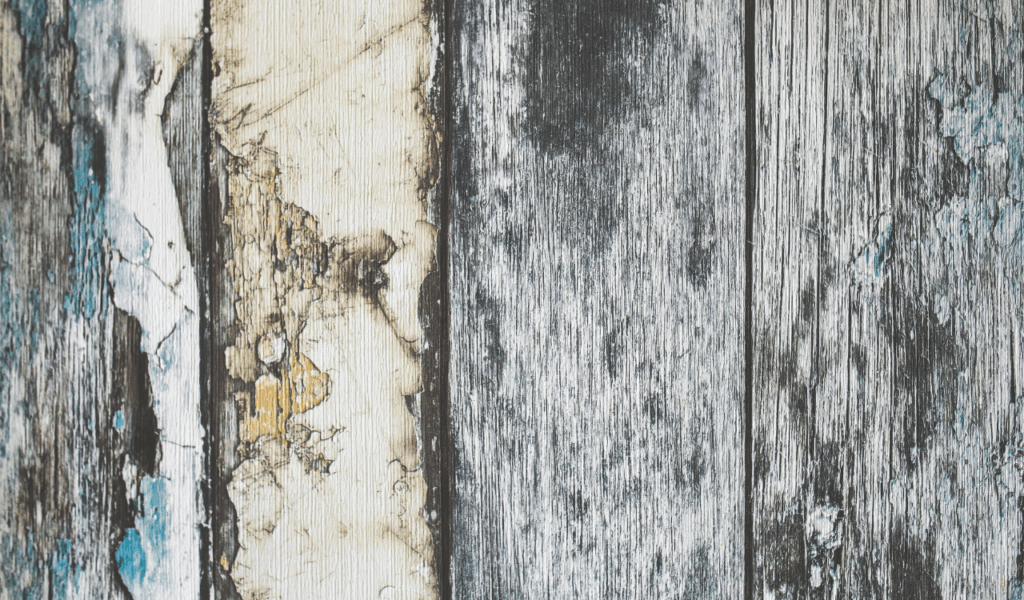
Some makers of live edge tables utilize harsh distressing methods to make new wood look ancient. Professional designers say that this can mean striking the wood with chains or using wire brushes to make the grain more open. Experts claim that this gives the wood a “weathered” look that many like, but it also fractures the fibers on purpose, which makes the surface more likely to splinter.
For a kid, these “aesthetic” grooves and dents are just more places for their flesh to get caught on a sharp piece of wood. Safety experts say that houses with toddlers and small children should not have furniture that is excessively disturbed. Professional flippers say that you may get a rustic look by using the wood’s inherent color and grain without having to harm it physically.
Experts say that if you like the distressed style, you should look for pieces that have been “tumbled” or sanded smooth after they were distressed to make sure there are no sharp points left. A really good rustic piece should feel like a smooth river stone, not like a piece of driftwood that washed up after a storm.
8. Low-Quality “Live Edge” Veneers
Not all tables that seem like live edge slabs are made of solid wood. Experts say that many cheap solutions use a thin layer of wood pasted over a core of particleboard or MDF to seem like real wood. Designers say that the edges of these veneered tables are especially perilous since the thin coating of wood can come off the base material. Experts warn that these “veneer splinters” are often very sharp and can be much longer and more painful than a regular wood sliver.
Professional organizers say that families should stay away from these “fake” live edge options as much as possible. If the edge isn’t a solid piece of wood, the glue joint will eventually break under the force of regular use and cleaning. Contractors say that solid wood can be sanded and fixed, but a damaged veneer is generally too dangerous to cure. When you buy a table, check at the end grain. If the pattern doesn’t go from the top to the bottom of the side, it’s a veneer. Choosing robust construction is the first step in making sure your home’s furnishings will be safe for a long time.
9. Lack of Edge-Grain Orientation Knowledge
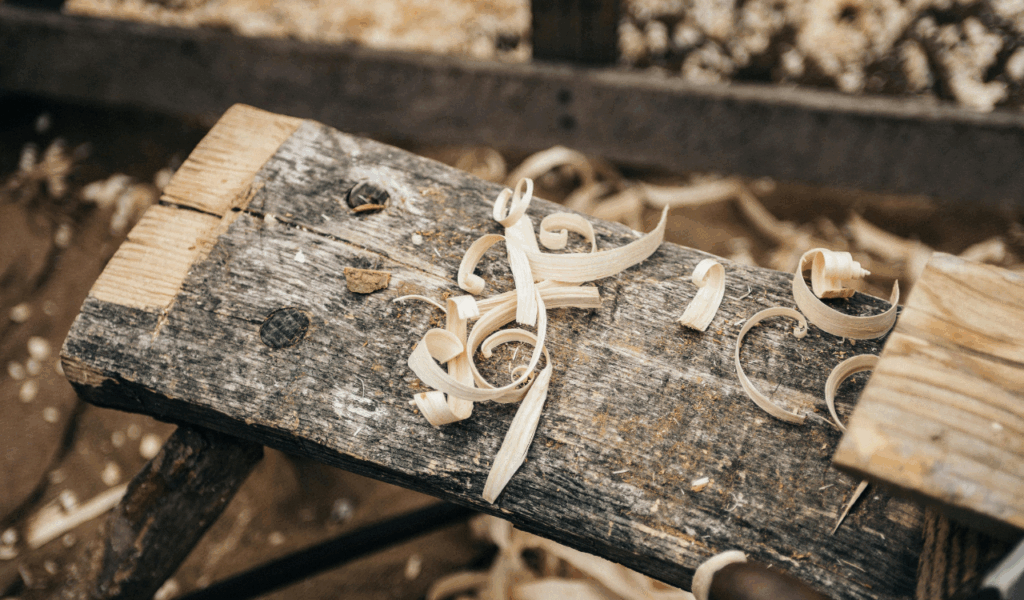
How the slab is cut from the tree affects how the grain will respond to the environment. Woodworkers say that “plain-sawn” slabs are more likely to have “grain lift” along the edges than “quarter-sawn” pieces. Experts claim that when the grain runs at a sharp angle to the surface, the tips of the fibers stick out like the bristles of a brush.
These fibers can get stronger and sharper with time, turning into sharp splinters. Designers who know how wood works will position the slab to reduce this risk, but mass-market makers generally don’t. Professional contractors say that knowing how to read grain orientation is the “expert level” of shopping for furniture. If the rings of the tree bend significantly toward the edge of the table, that part is more likely to break.
Experts say to feel the grain in both ways. If it feels “catchy” in one direction, the grain is lifting. A well-made live edge table will have been sanded in a way that lays these fibers down and locks them in place with a good sealant. Knowing how wood grows can help you find a bad table before it comes into your house.