11 New Year Purchases That Didn’t Improve Functionality
People typically buy new things at the start of a new year to improve their routines, houses, and habits. These things promise to make things easier or more comfortable. Sadly, a lot of these things seem more beneficial than they really are when you start using them in your regular life. Marketing sometimes emphasizes on newness instead of usefulness, which means that tools, gadgets, or improvements that are bought end up not being used or remembered. This article talks about frequent things people buy for the New Year that seemed like they would help but didn’t really make things work better. Readers may make better, more thoughtful decisions in the future by understanding why these things didn’t work out. This will save them money, space, and unnecessary stress as they focus on solutions that really help them in their daily lives.
1. Oversized Kitchen Gadgets with Single Uses

At the beginning of the year, when cooking expectations are high, big kitchen tools that only do one thing can be thrilling. In actuality, these instruments take up valuable space on counters or in cabinets and don’t do anything. When compared to simpler instruments that are already available, large slicers and specialty culinary machines frequently need more time to set up, clean, and store. People go back to knives, pans, or appliances that can do more than one thing because they are faster and easier to use. Instead of being efficient, it makes a mess. Tools work best when they can meet a variety of demands, not when they make things more complicated by being too big or too specific.
2. Smart Home Devices with Poor Integration
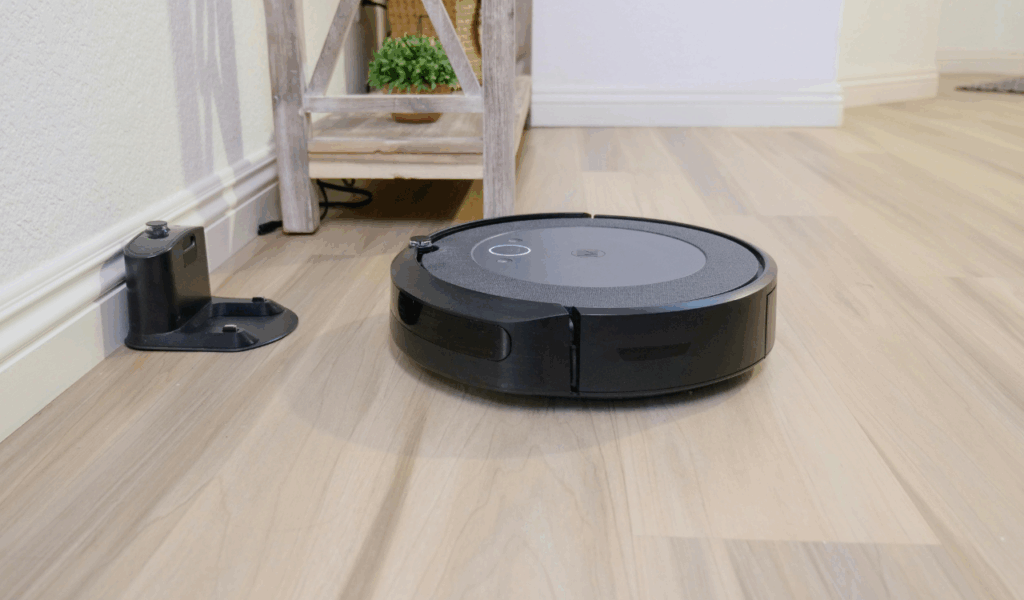
Smart home technologies are often advertised as easy improvements that make life easier. But a lot of them don’t work well when they don’t work well with other systems. Devices that need unstable connections, aren’t compatible with many things, or have complicated setup processes can make things harder instead of easier. Users get frustrated quickly when their devices disconnect often, take a long time to respond, or have controls that are hard to understand. The technology isn’t as appealing when simple things like turning on lights or changing the thermostat don’t work right. For something to really work, it needs to be consistent and easy to use, not merely automated. Smart devices are often overlooked instead of being useful if they don’t work well together.
3. Decorative Storage That Holds Very Little
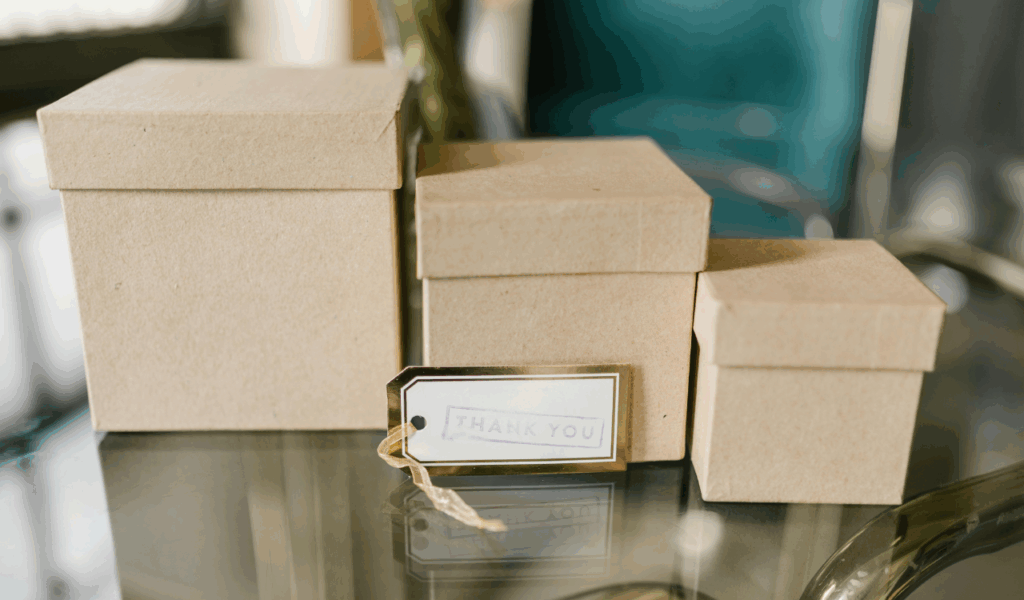
People often buy decorative storage boxes to help them keep their homes more tidy. Many of them look nice, but their thick walls, strange shapes, or shallow depth make them hard to use. Because of this, they don’t store as many things as they should and don’t really help with the clutter. Some designs put looks ahead of accessibility, which makes it tougher to get to things quickly. These containers become into beautiful items instead of useful storage spaces over time. Practical organization depends on how much space it has, how long it lasts, and how easy it is to use. When storage gives up these qualities for looks, it doesn’t work as well.
4. High-End Exercise Equipment Used Infrequently
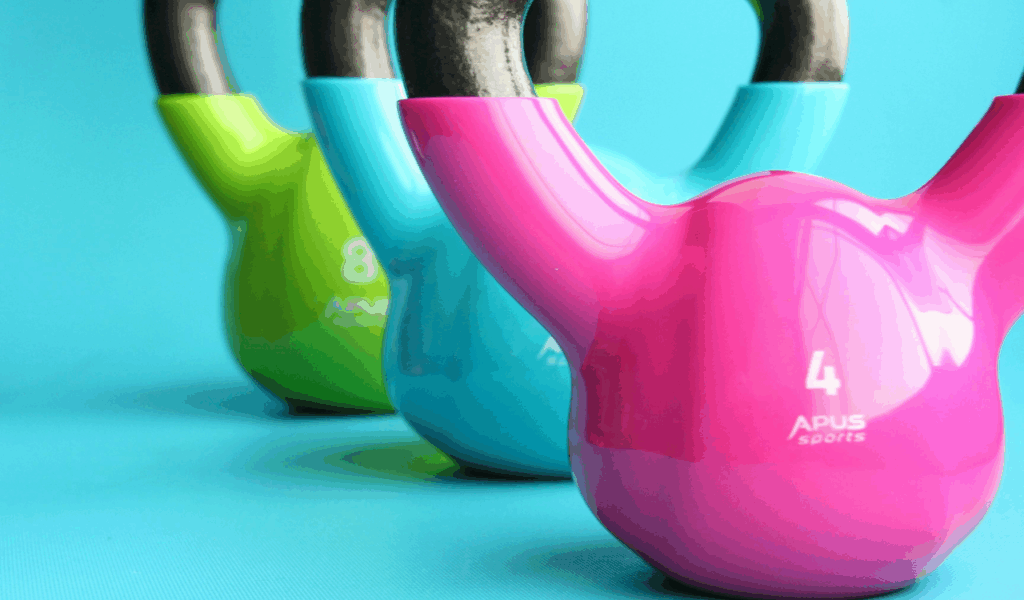
At the beginning of the year, many people buy expensive exercise equipment with a lot of motivation. Sadly, enthusiasm can dissipate rapidly, which means that big machinery go underused. It’s tougher to fit equipment into daily life when it needs a lot of setup, a specific place, or complicated programs. Easier fitness options are generally more sustainable. Also, big machinery can make rooms less flexible, which might make them feel cramped. Functional fitness tools help you stay consistent and be flexible. When equipment makes it harder to move instead of easier, it doesn’t do its main job of increasing health and daily function.
5. Trendy Cookware That Performs Poorly Over Time

People often pay attention to trendy cookware because of how it looks or how popular it is online. It may appear great at first, but with daily application, it can quickly lose its effectiveness. Problems like uneven heating, coatings that break easily, or hard-to-maintain surfaces make things less useful. When cookware can’t manage routine culinary tasks reliably, people go back to using older, reliable items. Functional cookware should last a long time, heat evenly, and work with a lot of different cooking ways. When design trends are more important than engineering excellence, cooking doesn’t get any easier; it just gets more frustrating. Long-term performance is much more important than how good it seems right now.
6. Multi-Feature Appliances That Are Hard to Operate
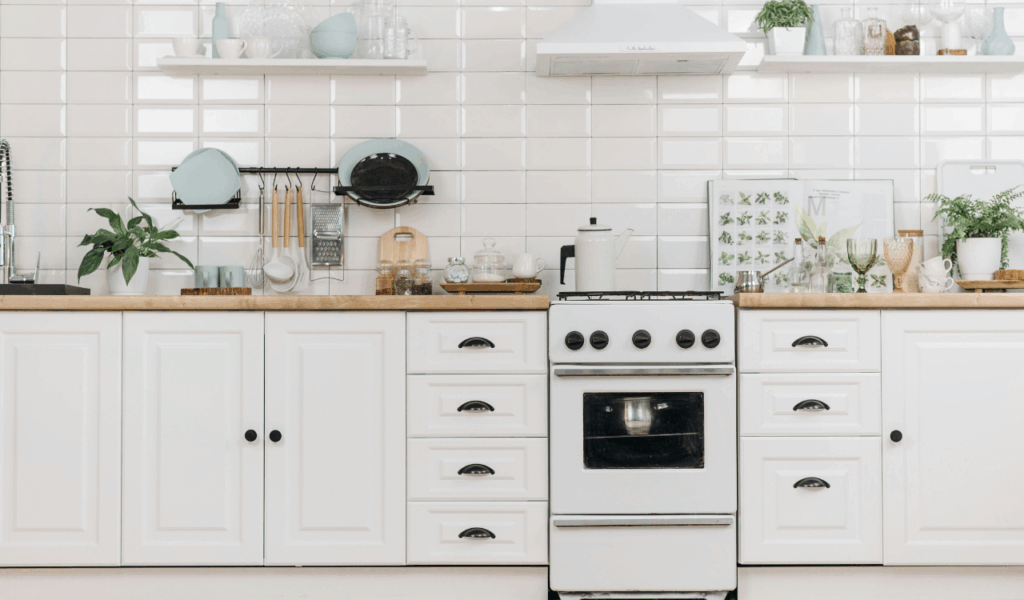
It seems like a good idea to buy appliances that advertise a lot of functions. But if they are too complicated, they can be hard to use properly. When controls are hard to understand or instructions aren’t clear, people usually just employ one or two basic functions. The rest are not used, hence the extra features are useless. Sometimes, sophisticated appliances are also harder to clean or keep up with. Functional design puts ease of use and clarity first. When an item seems scary or hard to use, it stops people from using it often and doesn’t make their daily lives better as planned.
7. Furniture Focused More on Style Than Comfort
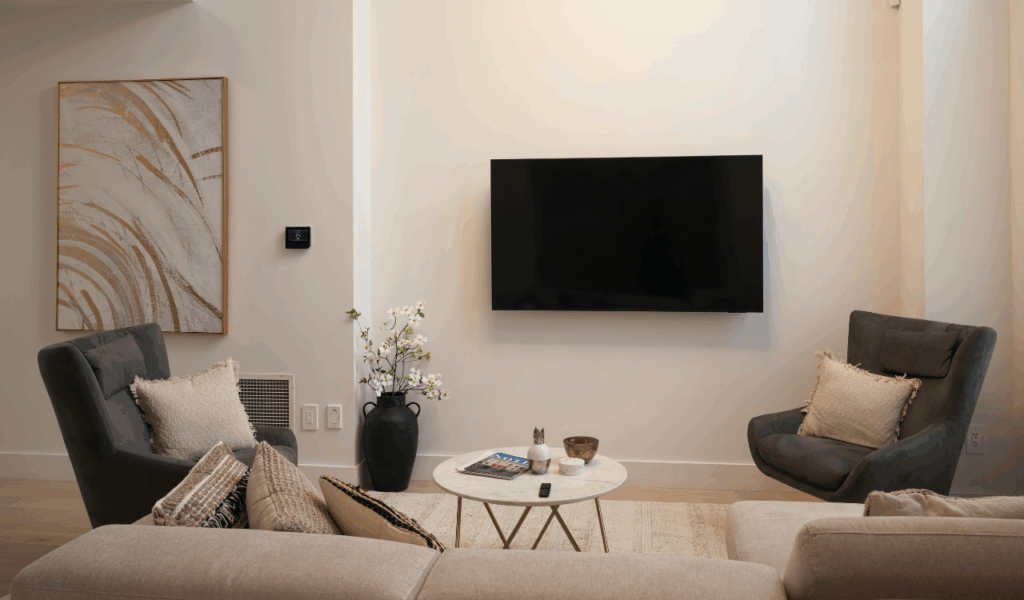
At the beginning of the year, when people are refreshing their homes, they often put more emphasis on how the furniture looks. But items that are mostly made for style may not have the right support, last long enough, or be easy to use. Chairs that look modern could not be comfortable to sit in for long periods of time. Tables might not be stable or the right size for common use. Over time, the pain becomes more visible and makes people utilize the furniture less. Functional furniture should make everyday life easier and more comfortable. When style takes precedence above function and comfort, the consequence is a space that appears nice but doesn’t really work.
8. Digital Subscriptions Rarely Used After January
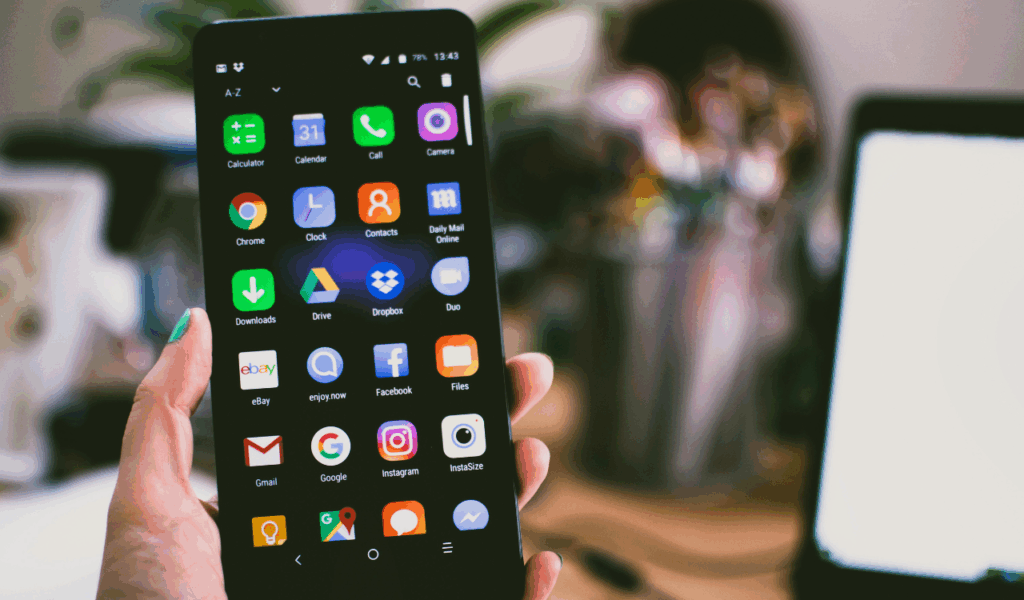
At the beginning of the year, digital subscriptions generally go up as people make goals for learning, getting active, or being more productive. Sadly, a lot of these services aren’t used after the first excitement wears off. Automatic renewals can keep going without anyone noticing, even while the value goes down. People stop paying attention when content doesn’t fit with their daily lives or is too much to handle. Functional instruments should fit into daily life without any problems and always be useful. Subscriptions that depend only on motivation and not on usefulness generally don’t help people do better at their jobs or learn new skills. Looking at how these things are actually used is the best way to see if they really offer value.
9. Novelty Cleaning Tools That Add Extra Steps
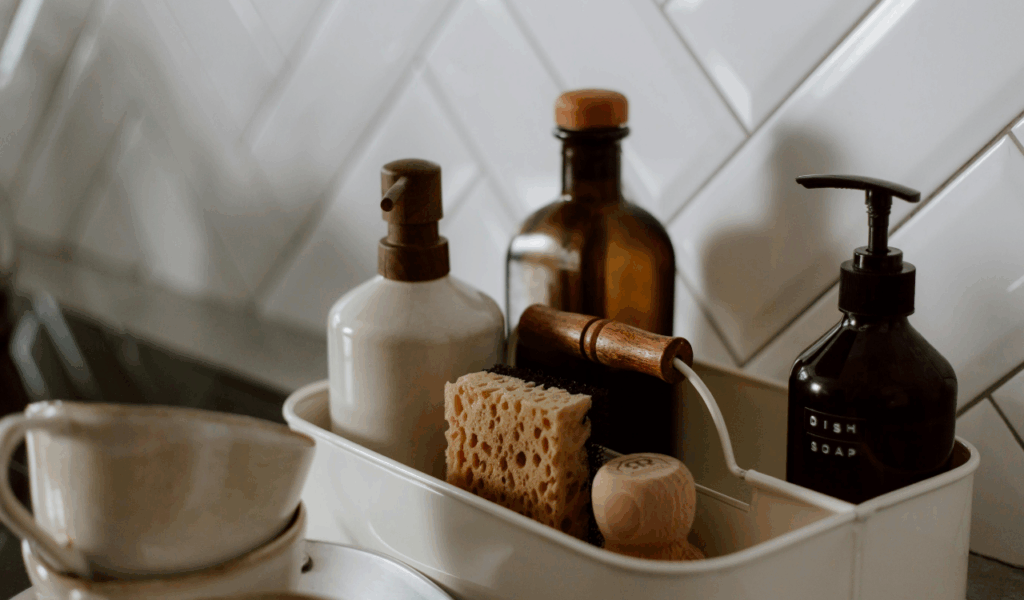
Cleaning equipment that have special designs or mechanics often say they will get the job done faster or easier. In real life, a lot of people add extra stages that make the process take longer. Tools that need to be refilled often, need special solutions, or need to be handled very carefully may not work as well as standard tools. Cleaning gets harder, and consistency goes down. Functional cleaning products should make things easier and less work. When novelty is more important than usefulness, a tool that seems intriguing but doesn’t save time is what you get. It’s far more important to keep your living area tidy if it’s simple and reliable.
10. Oversized Organizational Systems for Small Spaces
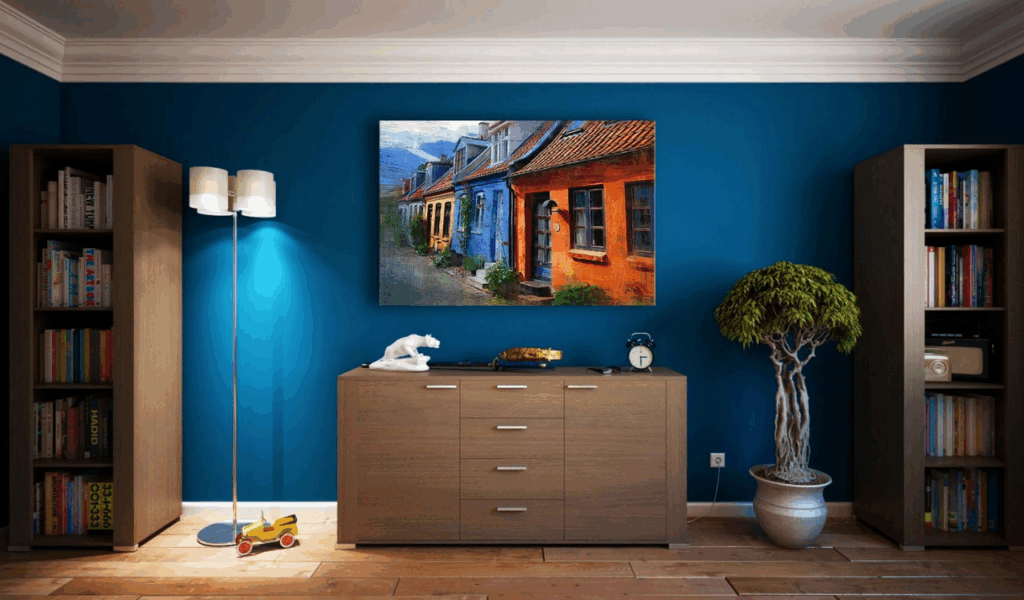
People typically buy big organizational systems in the hopes of making things more organized. But in smaller spaces, they can take over and make it less flexible. If a space is full of shelving units or organizers, it may be hard to move around and get to things. When systems aren’t set up correctly, they make things look messy instead of clear. Functional organization changes based on the space provided and helps people keep up with their daily routines. Choosing solutions that are modular and in proportion helps keep everything in balance. Oversized solutions typically offer rigidity, but they really make things harder to deal with in real life.
11. Seasonal Items Bought Without Long-Term Use in Mind

Buying seasonal products at the beginning of the year frequently feels like you’re investing in future fun. But a lot of them are only utilized for a short time before being put away for good. Things that aren’t flexible or long-lasting don’t usually deserve their place throughout time. These purchases don’t seem as useful when storage is a problem. Functional objects should be able to do more than one thing or be useful for a long time after the season is over. Taking the time to think about how often and how long things will last can help keep things from getting cluttered. Seasonal purchases frequently don’t make daily life better in any significant sense if they don’t last long.