14 Seasonal Home Updates That Didn’t Age Well
Seasonal changes to your house can be fun at the time, especially if they fit the tone of the season. The issue arises when short-lived trends become long-term decisions. Colors, finishes, fittings, or decorations that are very much linked to one season may lose their appeal as the calendar changes. Things that used to seem comfortable, festive, or stylish can rapidly become old-fashioned, impractical, or heavy on the eyes. Homes operate best when their main design is flexible enough to let seasonal personalities come and go without too much trouble. These 14 improvements quickly proved popular, but they didn’t last long. Knowing why they didn’t age well helps you avoid doing them again and instead develop decisions that feel new, livable, and flexible year after year.
1. Pumpkin-heavy fall color schemes
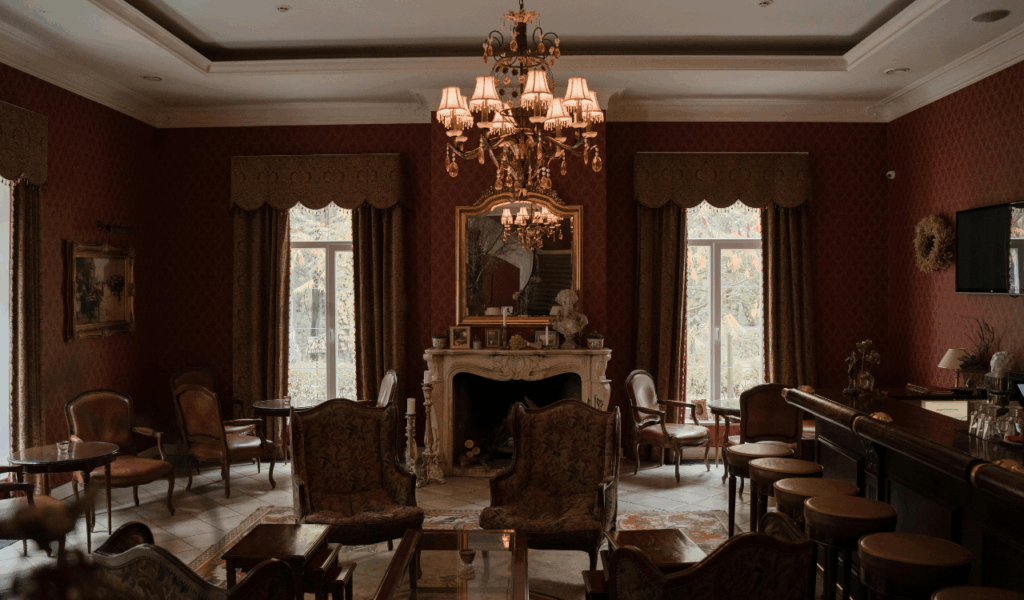
Putting a lot of pumpkin orange, rust, and deep brown in a room makes it feel like fall right away, but it doesn’t last long. These hues soak up light, which can make rooms appear smaller and darker once fall ends, especially in homes that don’t get a lot of natural light. When utilized on walls, big furniture, or rugs, they make things less flexible and don’t go with the decor in most rooms. Instead, keep permanent things beige and add fall colors with things that can be taken off, like pillow coverings, blankets, or table linens. This lets you feel warm without having to commit. Using one fall accent color in little, repeated touches makes it look like you meant to do it and keeps the area from looking too busy or dated.
2. Holiday feature walls in bright red or green

It may seem like a good idea to paint one wall bright red or evergreen green for the holidays, but these colors are hard to live with after the holidays. They can change the way light looks, add color to skin tones, and make rooms look aggressive. This effect is worst in dining and living areas. If you like deep colors, milder tints with neutral undertones are great all year long. Before you make a decision, you should always try out large paint samples in varied lighting. Most homes should have paint that lasts a long time. Holiday colors should come from art, fabrics, or decor that can be taken down fast, so you don’t have to repaint often and spend money on it.
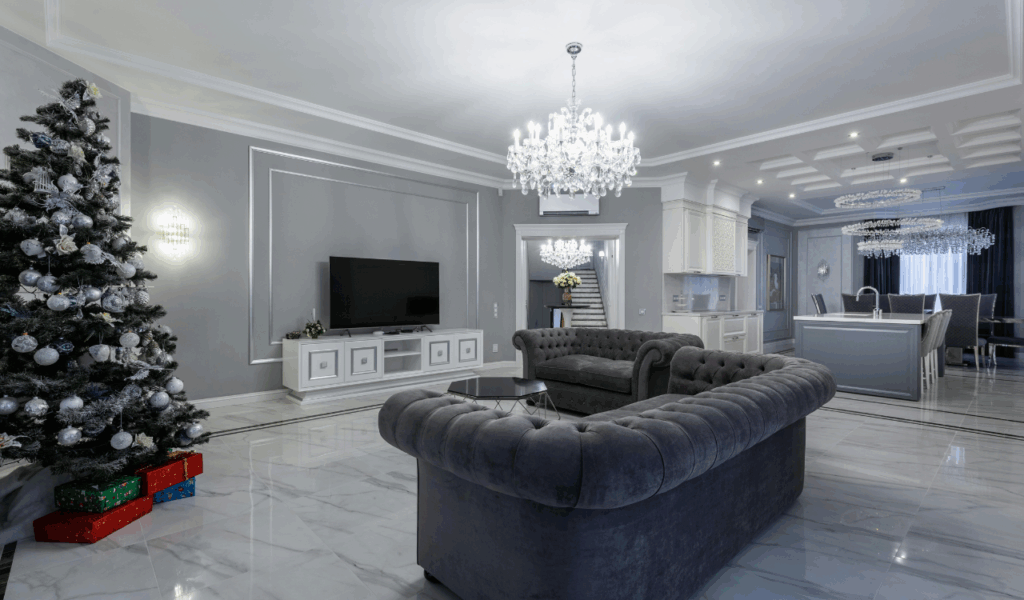
3. Overly themed winter wonderland décor
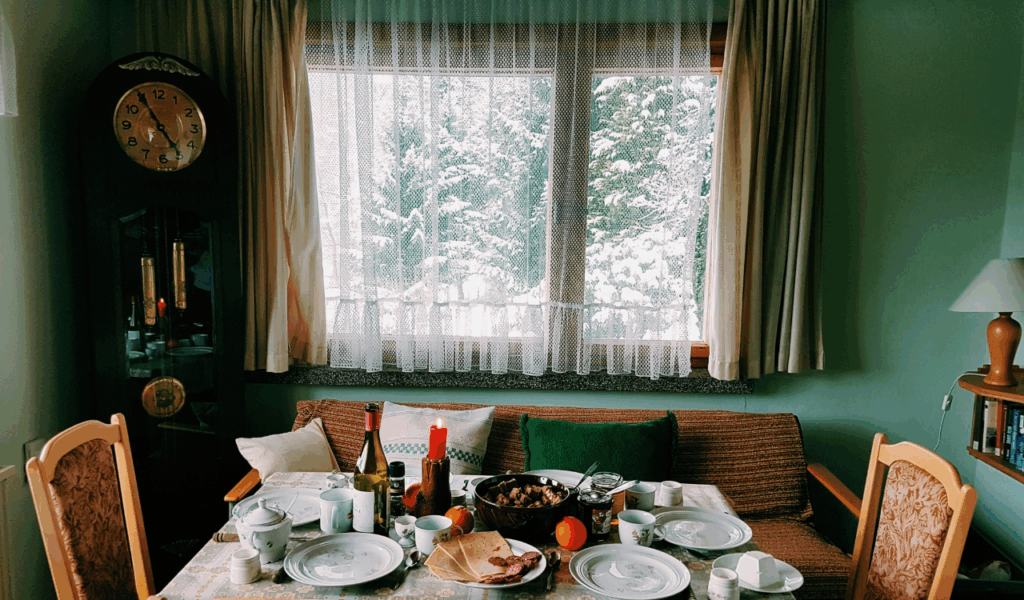
A whole winter wonderland theme can get boring quickly, even though snowflakes, icy blue lighting, and sparkly silver embellishments can appear magical for a short time. Too much sparkle makes artificial light look bad and can make you feel cold instead of comfy. Heavy themed decorations also take up a lot of space and make it hard to change things up for other seasons. Winter styling works best when it focuses on texture instead than theme. Soft fabrics, layered lighting, and natural materials make a space seem warm without using new shapes or shiny finishes. This method maintains rooms comfortable and flexible, which makes the change to spring much easier without taking the walls down to bare bones.
4. Permanent spring floral wallpaper
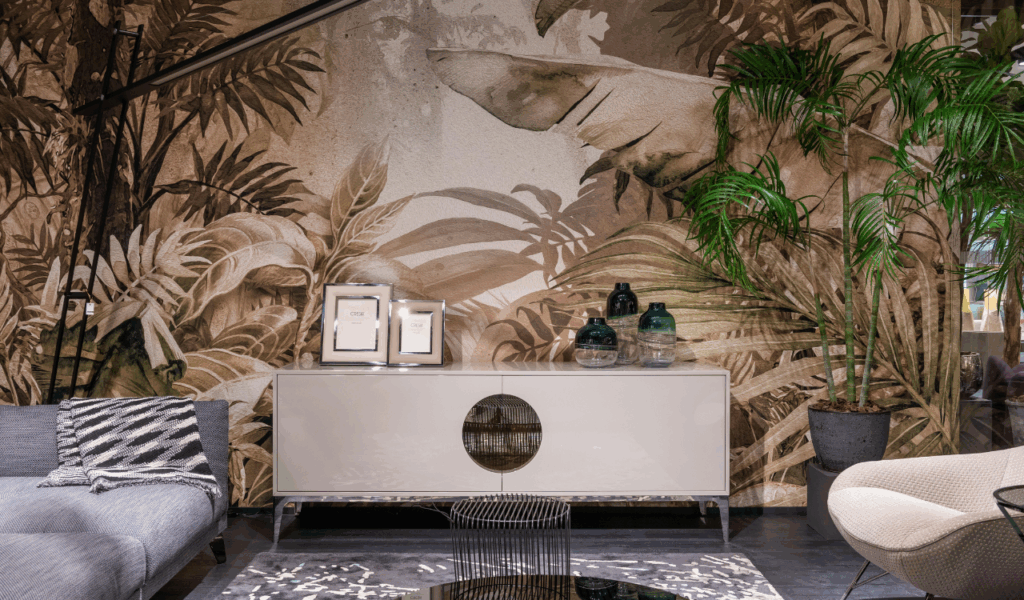
Bold flowery wallpaper may make a room feel new and happy at first, especially in the spring. But with time, big flowery patterns can take over a room and make it hard to add other colors or patterns. In March, things can feel alive, but by the end of summer, they can feel busy or too much. Floral patterns also go out of style sooner as patterns alter. Using flowers in removable forms like framed prints, cushion coverings, or peel-and-stick panels that are easy to replace is a safer alternative. This lets you enjoy the charm of the season without putting your walls in a style that could get old faster than you think.
5. Pastel overload beyond spring
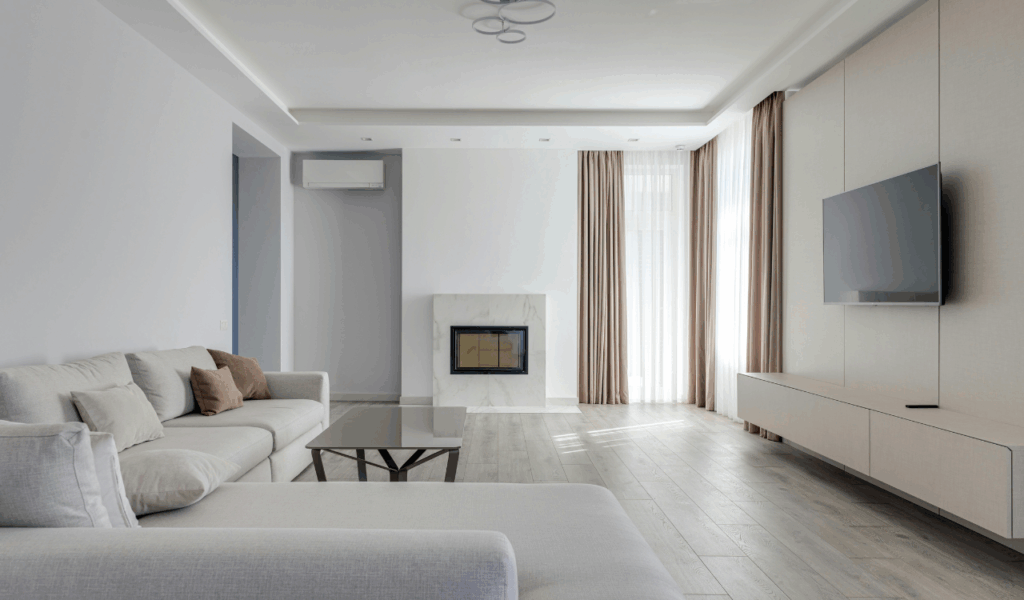
Spring is frequently linked to soft pastels, but utilizing them too much all year can make rooms feel childish or faded. When utilized too much, pale pinks, mints, and light yellows don’t have much depth, especially in areas with little contrast. The palette can start to feel flat and unfinished instead of soothing over time. Pastels look best when paired with grounding neutrals like warm white, beige, or soft gray. Using pastels only as accessories keeps them fresh instead of too much. This equilibrium lets a home change naturally with the seasons instead than being stuck in one mood all year.
6. Coastal décor without a coastal setting
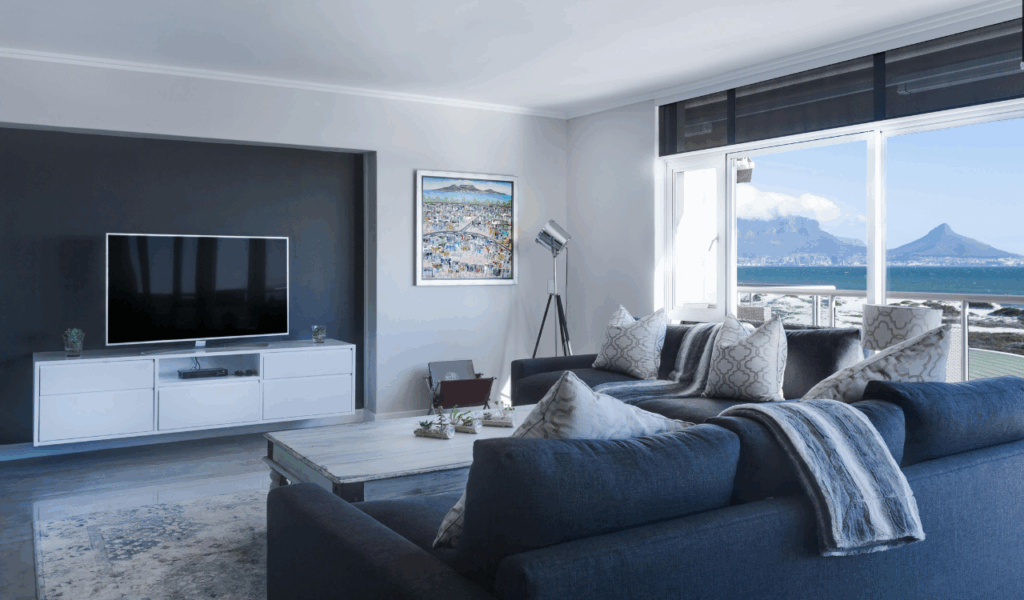
Nautical stripes, anchors, rope accents, and driftwood finishes became very trendy, but they often feel out of place in homes that aren’t near the shore. These things depend a lot on the setting, and without ocean light or surroundings, they can look like themed decorations instead of natural design. Over time, the style seems staged and hard to mix with regular furniture. Instead of coastal-themed, a better option is coastal-inspired. Soft blues, sandy neutrals, and natural textures give the impression of the coast without using direct symbols. This makes the space feel timeless and comfortable, as if it isn’t connected to a trend or place.
7. Excessive summer-themed signage
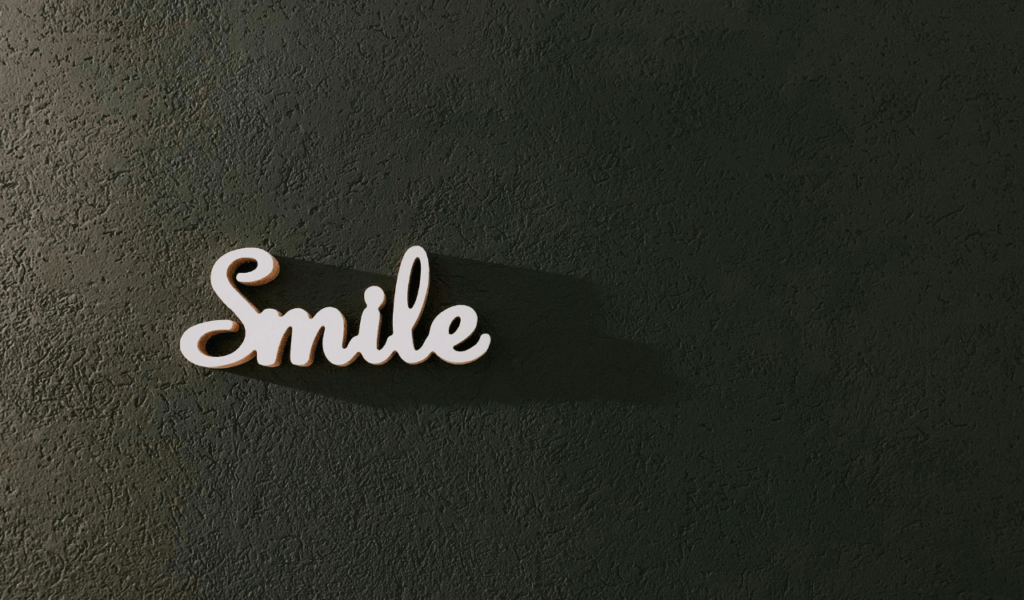
Signs with slogans about sunlight, vacations, or pleasant weather may seem happy at first, but they get old fast and make the place look messy. When used too much, they make rooms feel more like seasonal exhibitions than homes. Text-based decorations also limit how flexible you may be because phrases don’t usually fit more than one season. After a while, the repetition becomes more of a distraction than a welcome. Art, photos, or abstract prints can give you a seasonal sense without words, letting you change your mind about what they mean as the year goes on. This makes the walls interesting to look at without making the house feel stuck in a confined seasonal story that gets old after a few months.
8. Bright tropical prints indoors
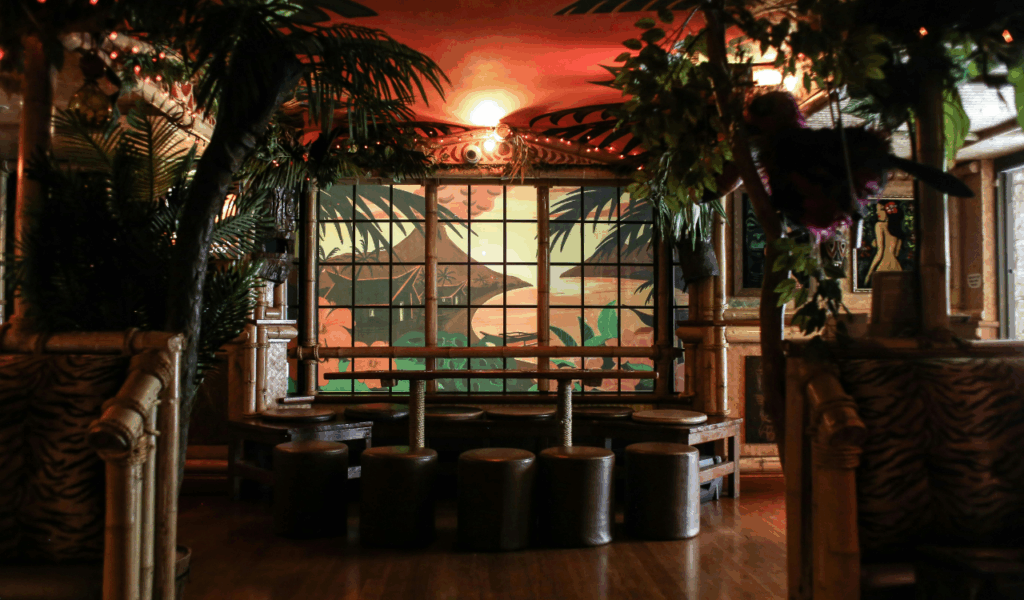
Tropical patterns with big leaves and bright colors became popular as summer decorations, but they can quickly become too much inside. These prints are really eye-catching and don’t always go well with neutral furniture, which can make a room appear imbalanced. When the seasons change, they look out of place and hard to style around. When you use tropical themes, it’s ideal to do it sparingly, like in one piece of art or a couch. Choosing softer interpretations with muted hues lets the pattern blend in better. This keeps the room from feeling like a vacation rental and helps keep the ambiance comfortable all year round.
9. Seasonal furniture slipcovers
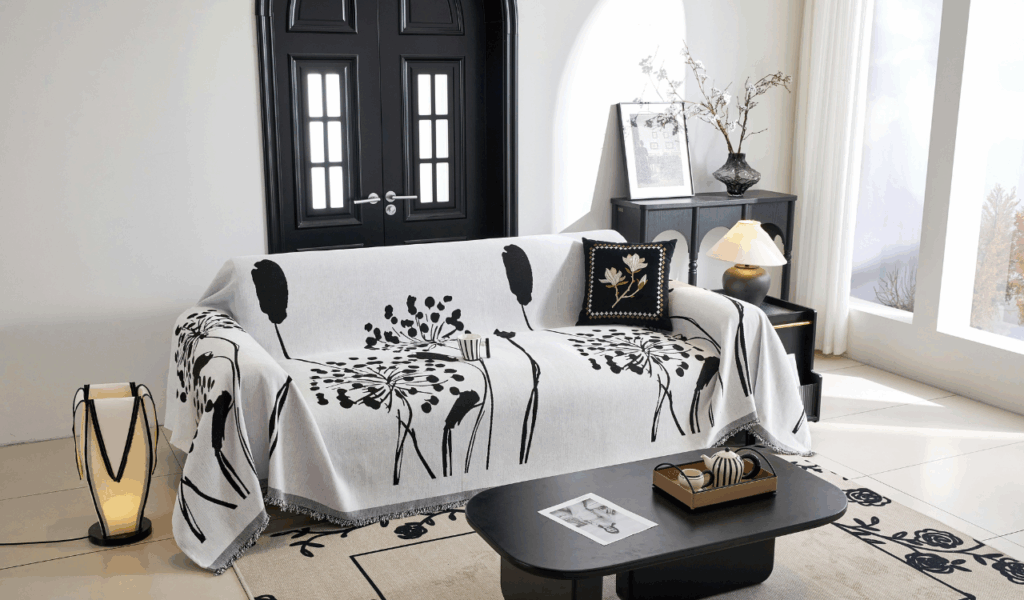
It makes sense to change the slipcovers on your furniture for different seasons, but over time it can make your furniture look messy. When you wash covers that don’t fit well, they wrinkle, move, and wear out unevenly. They can also obscure the quality of the furnishings underneath, which makes rooms look like they are only temporary. A better plan is to choose upholstery that works all year and vary the look with tiny textile changes. It’s easier to change and store throws, pillows, and rugs. This keeps the sitting comfy, looking clean, and versatile without having to work hard or change it all the time.
10. Dark winter lighting year round
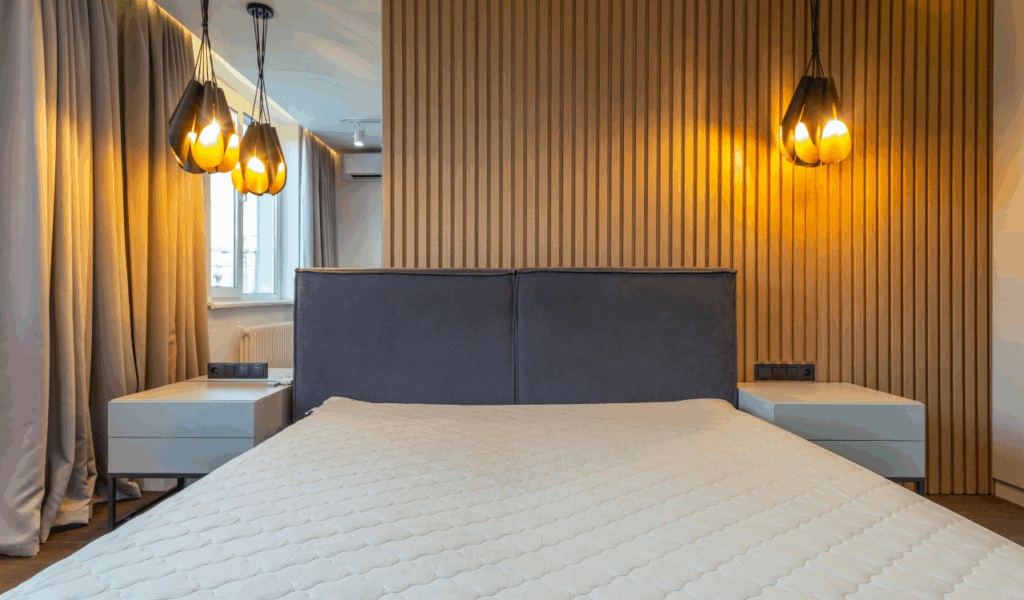
Low, soft lighting is great for winter nights, but using it all year can make a home feel dark and sad. Heavy lampshades, dim bulbs, and few light sources use less energy and make your eyes work harder during the lighter months. Just like decor, lighting should change with the seasons. You can be flexible with adjustable lamps, layered lighting, and bulbs with varied temperatures. In the spring and summer, brighter, cooler light works better. In the fall and winter, warmer tones work better. This balance keeps the home comfortable and useful without making it feel like it’s always in one season.
11. Seasonal window treatments
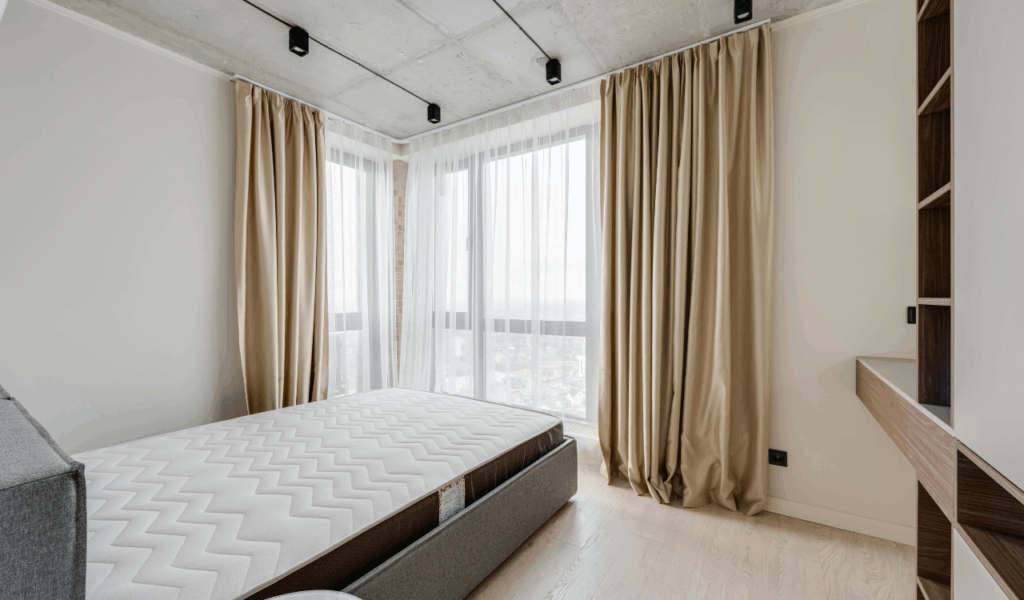
Heavy winter fabrics or light summer designs on curtains might make them feel old once the season is over. When it’s warm, thick materials block light, and when it’s cold, sheer designs don’t keep you warm. Changing window treatments all the time is also expensive and a pain. Curtains that are a neutral color and medium weight can be used all year round. Instead, you can add seasonal individuality with tiebacks, layers, or other accessories. This method keeps windows looking good together and makes it easy to make changes without having to replace everything or find space to store big textiles.
12. Trendy holiday-specific kitchen décor

Putting holiday-themed towels, bins, and countertop things in the kitchen can quickly make it look messy. Kitchens are better off when they are simple, and too much seasonal decor gets in the way of regular use. These things lose their appeal with time and get stains or wear. Limiting seasonal touches to one or two objects that are easy to remove is a better idea. Neutral kitchen tools and storage last longer and look cleaner. This maintains the kitchen useful, clean, and visually peaceful, but it also lets you add a little bit of seasonal individuality when you want to.
13. Seasonal scent overload in décor
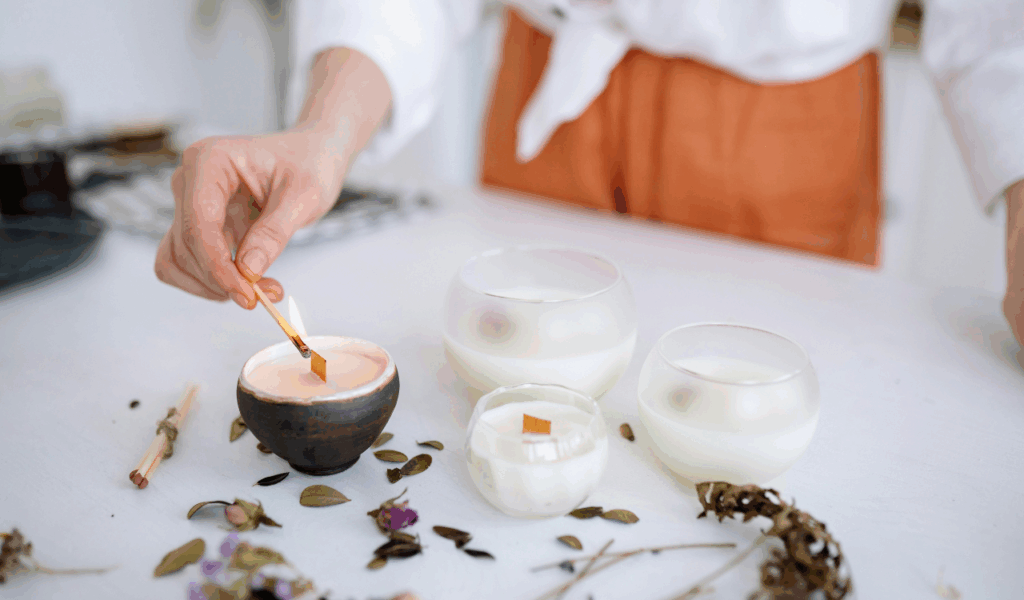
Decor items with strong seasonal scents can become too much and out of style. Candles, diffusers, and scented decorations that are only meant to be used at certain times of the year can last longer than expected and mix with other smells. Over time, this can make places feel less welcoming and more stale. Light, adaptable scents are safer and more versatile to use. You may preserve control by using unscented decorations and changing the aroma every now and again. This makes sure the house smells nice without being stuck with a seasonal look that doesn’t fit anymore.
14. Seasonal décor stored in plain sight
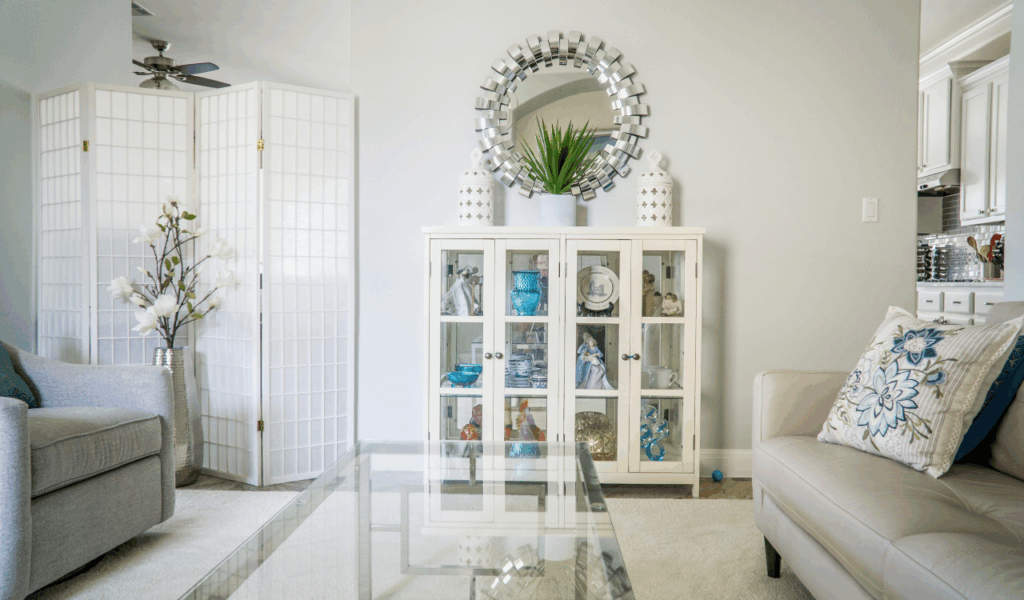
Leaving seasonal decorations up after the season is over makes a space look old right away. Things that are meant for certain occasions or seasons become less important and make things look messy. This happens a lot because people don’t want to pack things away or don’t have enough space. This problem can be fixed by making a basic storage system. It’s easy and quick to change seasons with bins that are clearly marked. When decorations only show up when they make sense, it feels like they were planned instead of forgotten. This one practice makes a home feel much more contemporary and polished all year long.