8 Airline Snacks Flight Crew Secretly Feed to the Trash
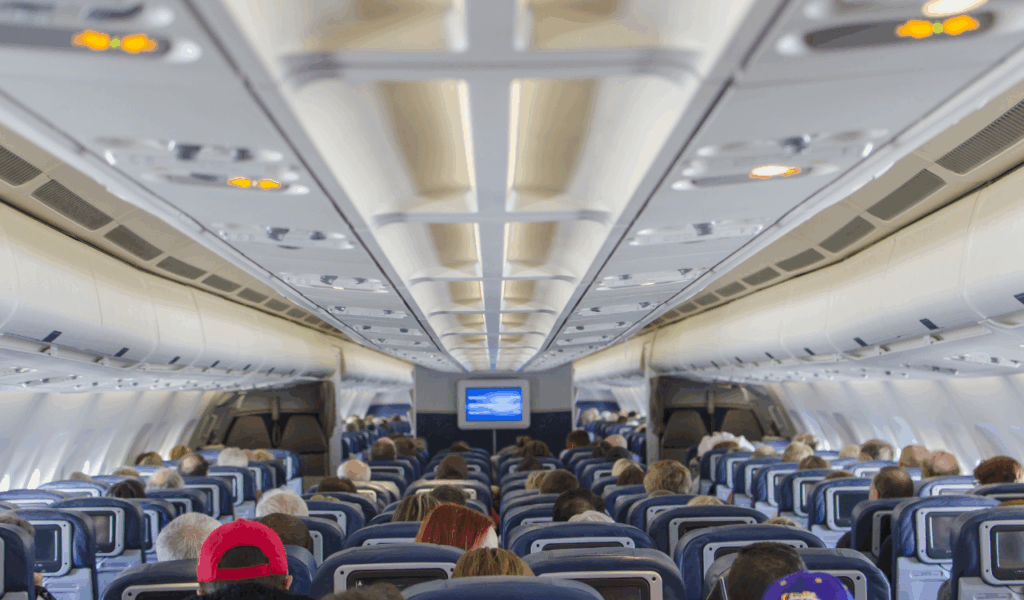
Although the complementary food box might appear to be a delightful treat when you are flying at an altitude of thirty thousand feet, flight attendants typically have a much more critical perspective on the goods that are provided to passengers. In order to compensate for the fact that food tastes drastically different when it is subjected to cabin pressure, many manufacturers pack snacks with an excessive amount of salt and sugar.
Nutritionists and airline catering professionals point out that this phenomenon occurs. According to flight crews that have been in the business for a long time, the products that passengers grab first are frequently the same items that the crew would not even consider eating themselves during a lengthy shift.
Crew members have a front-row seat to the manner in which these foods are handled and stored, as well as to the effects that they have on the body while the aircraft is in flight. According to the opinions of medical professionals, the highly processed nature of airline snacks frequently makes the symptoms of bloating and dehydration that are typical of air travel much worse.
In order to avoid the post-flight slump, experienced pilots and crew members frequently pack their own fresh alternatives to eat instead than relying on the snacks that are offered. Once you have a better understanding of which items are the most problematic, you will be able to make more informed decisions for your subsequent trip.
1. Overly Salted Pretzels and Crackers
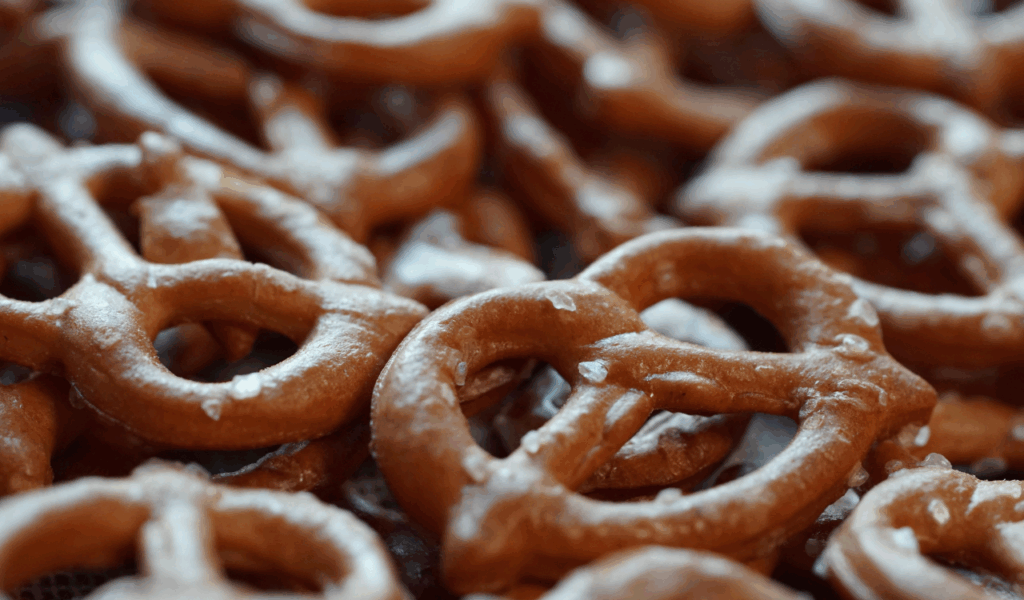
It is one of the first items that flight attendants throw away, despite the fact that the traditional airline pretzel stands out as an essential component of the traveling experience. Dietitians explain that consumption of a large amount of salt is a significant factor in the development of “jet bloat” and leg swelling during long-distance flights.
It has been stated by members of the flight crew that these snacks are purposefully over-salted. This is due to the fact that your salt sensitivity decreases by approximately thirty percent in a pressurized cabin, which results in them tasting less salty than an individual would experience on the ground.
It is a recipe for extreme dehydration, according to the recommendations of nutritionists, to consume these dehydrated snacks that are high in salt while sitting in a dry atmosphere for several hours. A circle of poor nutrition is established when passengers purchase additional sugary sodas since the thirst that is caused by these pretzels typically prompts them to order more of them, according to experts. When it comes to avoiding the puffiness and exhaustion that can result from a salt-heavy snack session in the air, flight attendants have revealed that they prefer unsalted nuts or fresh fruit. This is because they need to remain alert and energized during the flight.
2. Pre-Packaged Cheese and Cracker Trays
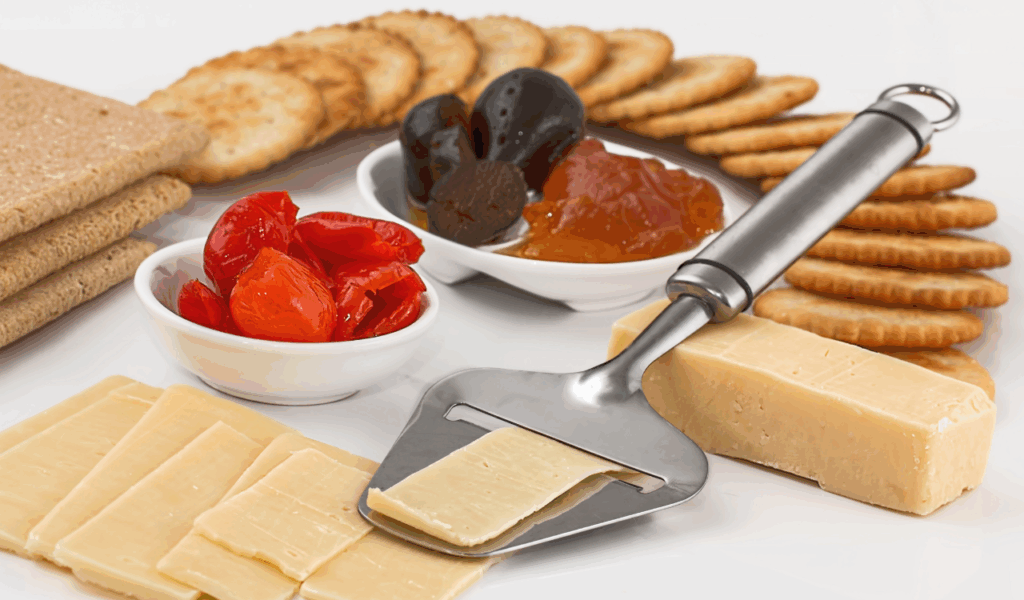
Some experts caution that the shelf-stable cheese and cracker plate is frequently a nutritional nightmare, despite the fact that it is a favorite among regular flyers. Consultants in the field of food safety have observed that the “cheese-style” spreads that are contained within these boxes are frequently loaded with preservatives and emulsifiers in order to maintain their softness at a range of temperatures. According to those who are familiar with aircraft catering, these things are intended to have an extremely long shelf life. This means that they are not at all comparable to the fresh dairy experience that the majority of customers anticipate when they peel back the plastic.
It is very uncommon for flight crews to observe these trays remaining on galley carts for extended periods of time before being served to passengers in the cabin. Checking the ingredient list is something that is recommended by experts because it frequently shows more oils and chemicals than the actual cheese.
The attendants explain that the fatty residue and heavy preservatives might cause indigestion in the air, which is why they typically choose to forego these trays in favor of meals that are high in protein and that they have cooked themselves before boarding the plane.
3. High-Sugar Fruit Yogurt Cups

The specific forms of yogurt that are provided on airplanes typically contain more sugar than a dessert, despite the fact that yogurt is generally considered to be a healthy dining option. It has been brought to the attention of nutritionists that single servings of “fruit-on-the-bottom” variants can contain as much as twenty grams of sugar alone.
According to wellness experts, taking large levels of sugar while sitting for long periods of time can result in a sudden surge of energy, which is then followed by a fall in the middle of the flight, which leaves you feeling angry and weary.
A common observation made by flight attendants is that these yogurt cups are among the products that are thrown away the most frequently. This is due to the fact that after sitting in the galley, they become sloppy or unpleasant. It is common for the texture to worsen as a result of the low humidity in the cabin, which causes the yogurt to separate, according to culinary experts.
As an alternative to grabbing for the sugary cup, members of the crew suggest looking for Greek yogurt or plain varieties of yogurt, if they are available. These types of yogurt offer the essential amount of protein without the undesirable rush of sugar.
4. Processed Meat and Salami Sticks

Despite the fact that little sticks of salami or processed meat are frequently found in snack boxes, flight crews steer clear of these kinds of products whenever possible. Nitrates and enormous levels of sodium are used in the curing process of these meats, according to food scientists, so that they can be consumed without the need for regular refrigeration to maintain their safety. According to the opinions of specialists, these components have the potential to bring about headaches and further add to the dehydration that already affects passengers on a typical flight that lasts for three hours.
According to the attendants, the pungent odor of these processed meats can be off-putting in the confined space of the galley, which is why many people end up throwing them away instead of feeding them to the animals. At high altitudes, where digestion already slows down dramatically, processed meats are also difficult for the digestive system to handle, according to travel health specialists. This is because the digestive system already slows down greatly. Choosing a source of lean protein, such as chicken that has been grilled or even an egg that has been hard-boiled, is a far better strategy for maintaining comfort while traveling.
5. Sticky Toffee or Sugary Granola Bars
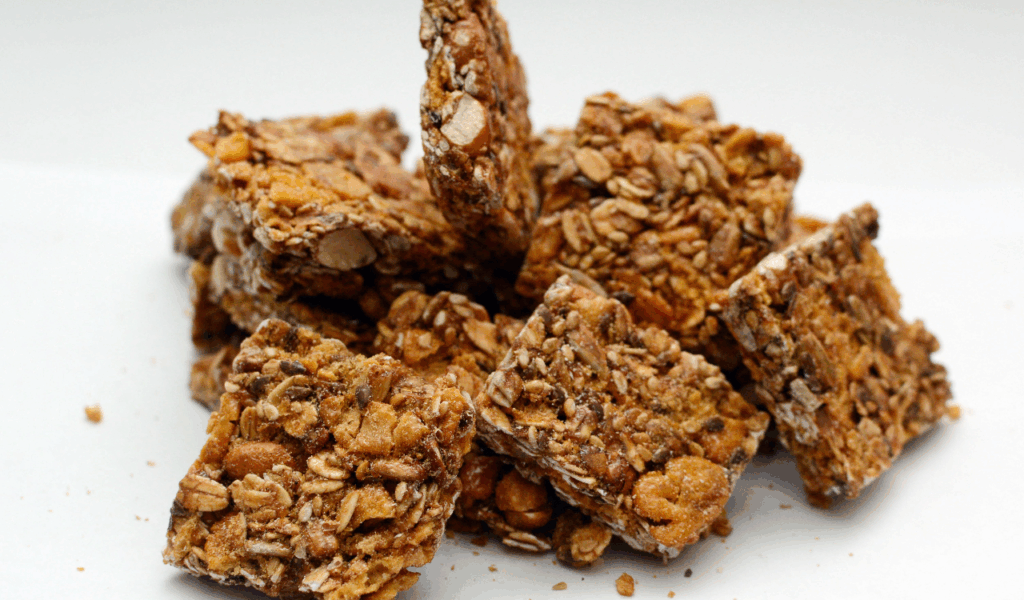
Many airline versions of granola bars are kept together by high-fructose corn syrup and sticky binders, despite the fact that granola bars are touted as providing health benefits. When you are in the air, these sugary, chewy treats are especially harmful to your teeth because they adhere to your teeth, and you may not have the opportunity to brush your teeth for several hours. Dental professionals provide this warning. Many of these bars, according to nutritionists, are really candy bars disguised as bars, giving very little fiber and a lot of calories that are not necessary for the body to function properly.
Flight crews that work long hours require consistent energy, and they are aware that a granola bar that is high in sugar would only provide a transient boost to their energy levels. It is believed by specialists that the “health halo” that surrounds granola causes many passengers to consume two or three servings, which can lead to a substantial amount of calories being consumed without the feeling of being full. If you absolutely must have a packaged snack from the cart, the attendants recommend that you opt for bars that mention nuts as the first ingredient and have a limited amount of added sugars.
6. Dehydrated Soup Cups
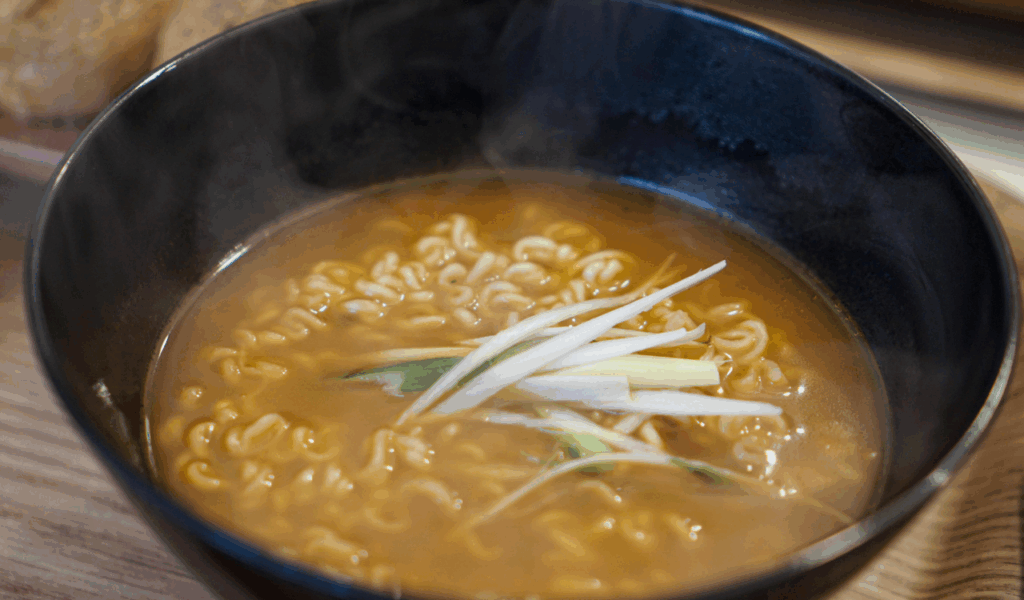
A hot cup of soup or noodles may seem like the ideal comfort food when the cabin temperature drops, but flight personnel are cautious about the water supply because of the potential for contamination. In many cases, professionals point out that the hot water that is used for beverages such as soups and teas originates from the onboard tanks of the aircraft, which may not be as clean as the water that is offered in bottles. Researchers who study environmental health have found that it can be challenging to clean these tanks completely, which is one reason why many members of the crew choose to drink only beverages that are packaged in bottles.
Beyond the quality of the water, these soups that have been dehydrated are famously high in sodium amount. According to the recommendations of dietitians, a single cup of instant noodles can contain more than half of the daily salt intake that is advised. The combination of potentially problematic water and high salt content makes this one of the least popular snacks among the personnel, according to the flight attendants who have been made aware of the situation. Bringing your own tea bags and requesting bottled water if you require a warm beverage in order to maintain your comfort level is something that they encourage.
7. Fruit Medley Cups in Heavy Syrup

Although it may appear like canned fruit is a good method to acquire your vitamins, the heavy syrup that is employed to preserve these fruit mixtures is actually just sugar in liquid form. It is explained by nutritionists that the process of canning removes a significant amount of the fiber and vitamin content, leaving you with a snack that is rich in calories but poor in nutrients. Members of the flight crew have reported that these cups are notoriously difficult to open and much less pleasurable to consume due to the fact that they have a mushy consistency.
According to the recommendations of dietitians, whenever you have a taste for fruit, you should always choose a complete piece of fruit from the snack basket, such as an apple or a banana. As opposed to alternatives that are soaked in syrup, the natural fiber included in whole fruit helps control your blood sugar levels and keeps you feeling full for a longer period of time, according to experts. Attendants frequently observe these cups that have been partially consumed being returned on trays, which is evidence that the majority of passengers do not consider them to be among the most noteworthy of the airline’s culinary offerings.
8. Artificial Butter Flavored Popcorn
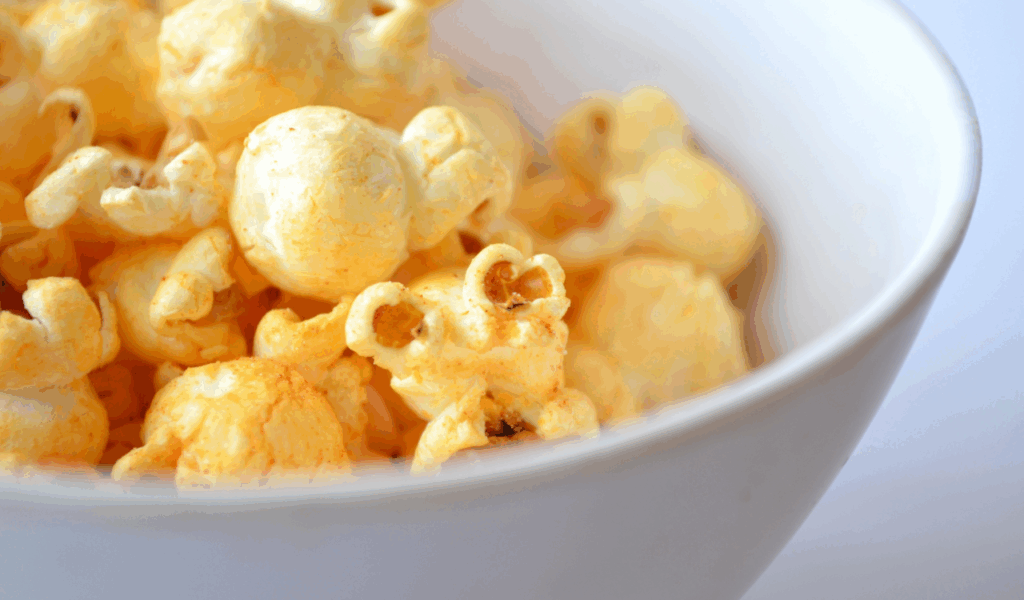
The pre-packaged, “butter-flavored” varieties of popcorn that are available on airplanes are frequently a chemical minefield, despite the fact that popcorn is an excellent high-fiber snack. Researchers in the field of food science have observed that the artificial flavoring that is utilized in these snacks can be fairly intense and may contain diacetyl or other synthetic substances.
For crews, popcorn is a low-priority issue since the crumbs and greasy residue from popcorn are a pain to remove off seat cushions and carpets, according to interior designers and cabin maintenance specialists. As a result, crews do not prioritize cleaning popcorn.
As a result of the artificial smell that can remain in the galley and become very overwhelming, flight attendants frequently choose not to serve popcorn aboard the aircraft. The lipids that are utilized in these shelf-stable bags are frequently trans fats or highly refined oils, both of which are known to contribute to inflammation. This is something that nutritionists stress out. Without the mess or the chemical substances that can ruin your post-flight sensation, the experts propose plain nuts or seeds as an alternative to packaged popcorn. These nuts or seeds offer healthy fats and a delightful crunch, but they do not contain any artificial ingredients.