10 New Year Decluttering Trends That Created New Messes
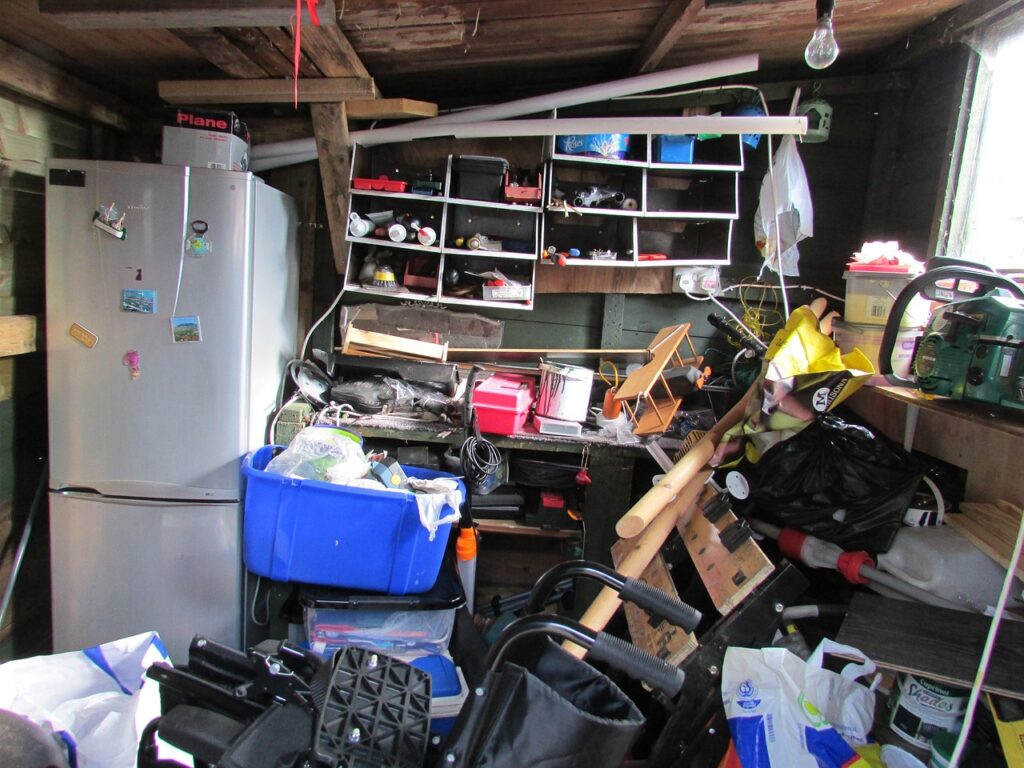
New Year decluttering trends promise a fresh start, but many quietly create new problems instead of solving old ones. Motivated by the calendar change, people dive in with energy and good intentions. What often gets overlooked is structure, follow-through, and realism. Without those, decluttering spreads across rooms, decisions stall, and clutter simply shifts locations. By the time motivation fades, homes are left with half-finished projects and new piles that did not exist before. These trends looked productive at first but ended up adding more mess than they removed.
1. Decluttering Without a Clear Plan
Here’s where good intentions unravel quickly. Decluttering without a plan often starts with energy and ends with piles spread across the house. People pull items from closets, drawers, and shelves without deciding where those items will ultimately go. Sorting happens halfway, then stalls. Rooms become temporary storage zones, and momentum disappears. Without defined categories, timelines, or disposal steps, clutter simply changes location. This approach also increases decision fatigue, making it harder to finish. By the end of the day, homes often look worse than before. A plan matters because it limits sprawl and keeps progress visible. Without it, decluttering creates chaos instead of relief.
2. Shifting Clutter Instead of Letting It Go

Moving clutter feels productive, but it rarely is. Items get transferred from one room to another, hidden in closets, or stacked into new containers. Nothing leaves the house, so nothing truly improves. This trend often comes from discomfort with decision-making. Keeping items nearby feels safer than discarding them. The result is clutter migration. One space looks better while another worsens. Over time, these hidden piles resurface, creating frustration and guilt. Decluttering only works when letting go is part of the process. Otherwise, the mess is preserved, just rearranged.
3. Donation Piles That Never Left the House

Donation bags feel like progress until they sit untouched for weeks. Many people declutter with the intention of donating but fail to schedule the drop-off. Bags end up lining hallways, entryways, or spare rooms. Instead of reducing clutter, the home gains new obstacles. Over time, items may even drift back into use, undoing the effort. This happens because decluttering stops short of completion. Donation is only effective when it is immediate. Without follow-through, good intentions become another form of clutter.
4. Buying Organizers Before Decluttering
This trend promises quick results but delivers disappointment. Buying bins, baskets, and drawer systems before reducing volume leads to overcrowded storage. Organizers fill instantly because nothing was removed first. Items get forced into containers where they do not belong, making access harder. People mistake containment for organization. In reality, organizers work best once clutter is gone. Otherwise, they add cost, complexity, and visual bulk. Many end up unused or repurposed, creating yet another problem to solve later.
5. Ignoring the Emotional Reasons Behind Clutter
Decluttering that focuses only on surfaces misses the root cause. Clutter often forms due to emotional attachment, fear of waste, or uncertainty about future needs. When these reasons are ignored, clutter returns quickly. Items removed in January are replaced by March. People feel confused about why their efforts did not last. Sustainable decluttering requires understanding habits and emotions. Without that awareness, the same patterns repeat. The home becomes an ongoing cycle of purge and rebuild rather than lasting clarity.
6. Trying to Do Everything at Once

Whole-house decluttering marathons sound efficient but usually backfire. Tackling too many spaces at once spreads attention thin. Half-finished projects pile up across rooms, creating visual stress. Energy drops before completion, leaving clutter exposed. This approach also increases decision fatigue, which leads to rushed choices or avoidance. Smaller, focused sessions produce better results because they create visible wins. When people attempt everything at once, they often finish nothing, leaving the house messier than before.
7. Starting With Someone Else’s Belongings
Decluttering someone else’s things first often creates resistance and confusion. Kids’ rooms, shared spaces, or partner belongings involve different priorities and emotions. Starting there slows progress and leads to disagreement. It can also cause items to be pulled back into circulation after being removed. Decluttering works best when individuals begin with their own possessions. That builds confidence and momentum. When people skip this step, the process becomes harder and messier, not easier.
8. Focusing on Small Items While Big Clutter Remained

Sorting pens, loose cords, or a single junk drawer feels productive because it is contained and low risk. The problem is scale. These small wins barely register when large items like bulky furniture, stacked storage boxes, or overstuffed closets still dominate the space. Visually, the home looks just as cluttered, which makes the effort feel wasted. That mismatch between time spent and visible impact quickly drains motivation. People start to wonder why nothing feels better yet. Decluttering works best when the biggest space hogs are tackled early because they deliver immediate relief. Clearing large items opens rooms, restores flow, and builds momentum. When small items come first, progress stays invisible and enthusiasm fades fast.
9. Forgetting Expired Pantry and Supply Items
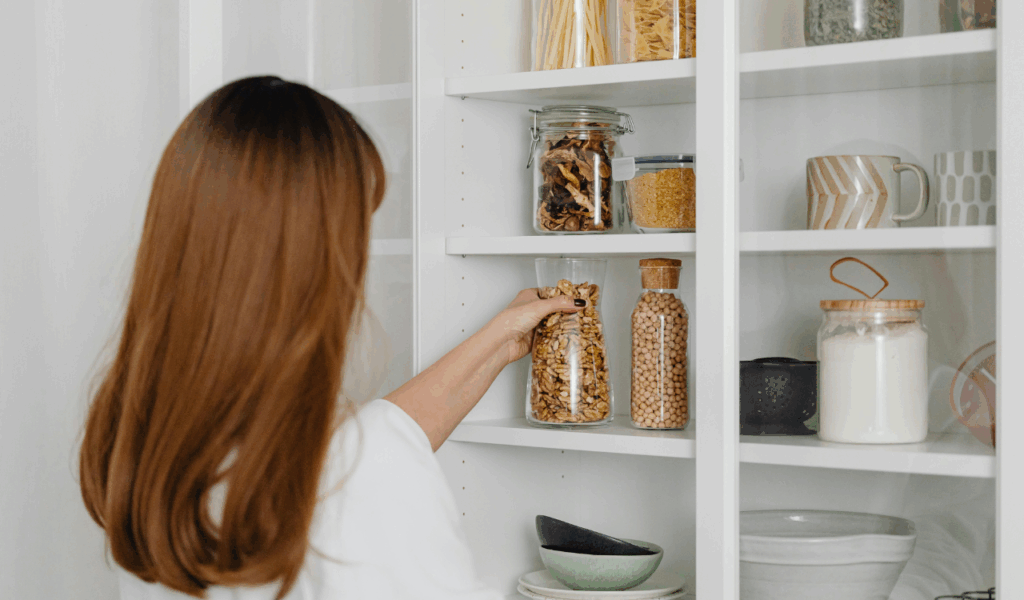
Pantries and storage cabinets are easy to ignore during decluttering because the doors close and the mess stays hidden. Over time, expired food, duplicate items, and forgotten supplies pile up quietly. Shelves become overcrowded, and usable space shrinks. New groceries get pushed to the front while older items expire in the back, increasing waste and confusion. This creates a cycle where nothing is truly used efficiently. Decluttering that skips food storage leaves a major problem untouched. Pantries need regular review because contents change constantly. When these spaces are ignored, they slowly undo progress made elsewhere, reintroducing clutter through overflow, frustration, and unnecessary repurchasing.
10. Letting Paper Clutter Multiply During Sorting

Paper decluttering has a habit of multiplying the very thing it is meant to control. Once mail, receipts, manuals, and old documents are pulled out, they rarely return neatly to one place. Without a clear system, sorting slows down fast. Decisions feel risky. What if this is needed later, or should be kept for taxes, warranties, or records. As hesitation sets in, papers spread across tables, chairs, and floors, turning one contained mess into several visible ones. The clutter grows because nothing leaves immediately. Successful paper decluttering depends on fast decisions, firm categories, and prompt disposal. Without those rules, paper becomes one of the hardest messes to truly eliminate.