11 Home Reset Ideas That Didn’t Improve Comfort
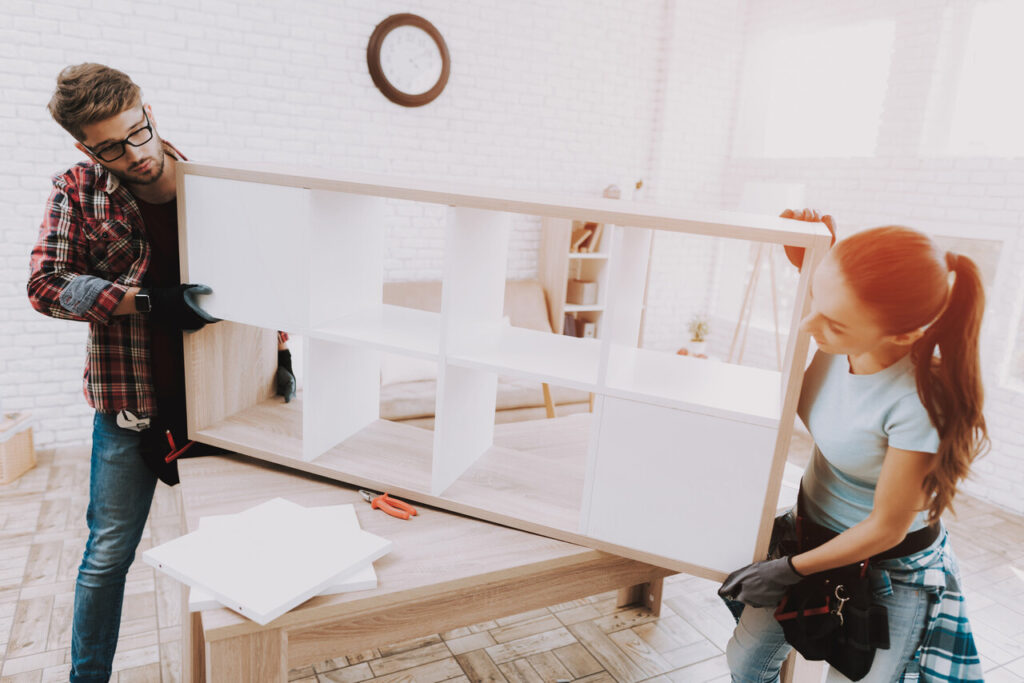
Home resets are popular at the start of a new season or after busy periods, when people want their spaces to feel calmer and more comfortable. Many of the most shared ideas focus on quick visual changes like rearranging furniture, adding décor, or tidying shelves. While these updates can make a room look refreshed, they do not always improve how it feels to actually live there. Comfort depends on warmth, support, lighting, and how well a space fits daily routines. When resets ignore those basics, the home may look nicer but still feel just as awkward, cold, or tiring to use. These reset ideas sounded helpful, but they rarely delivered real everyday comfort.
1. Rearranging Furniture Without Fixing How People Actually Move Through the Room
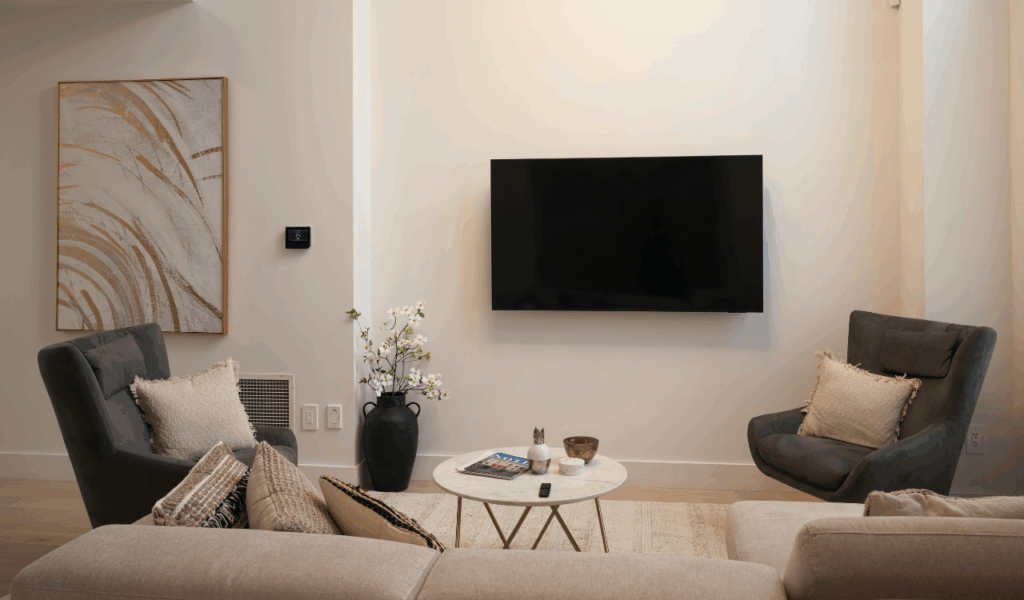
At first, moving furniture feels like the easiest way to refresh a space without spending money. The problem is that comfort depends heavily on how naturally people can walk, sit, and interact in a room. When sofas block walkways or chairs are pushed too far from tables, the space becomes less usable even if it looks different. Families quickly fall back into old habits, dragging chairs back or piling items where they are easiest to reach. Instead of feeling refreshed, the room starts to feel awkward. True comfort comes from layouts that support daily routines like watching TV, eating, or helping with homework, not from novelty alone. If traffic flow and sightlines are not improved, rearranging furniture rarely makes a space feel better to live in.
2. Accent Walls That Look Stylish but Do Not Change How the Room Feels

Painting one wall a trendy color can make a room look updated, but it rarely changes how comfortable the space feels. Color can influence mood, but it cannot fix hard seating, poor lighting, or drafty corners. In some cases, bold colors even make rooms feel colder or smaller, especially during winter months when people crave warmth and softness. Once the excitement of fresh paint fades, the room functions exactly as it did before. Comfort is physical as much as visual. Without changes to textures, temperature, or seating, a new wall color becomes a cosmetic update that does not improve how people actually relax in the space.
3. Adding Decorative Objects That Do Not Support Daily Comfort

Vases, trays, and art pieces can make shelves look styled, but they rarely improve how a home feels to live in. These items take up surface space that could be used for practical needs like setting down drinks or stacking books. When too many decorative pieces are added, cleaning becomes more work and surfaces feel crowded rather than inviting. Comfort comes from being able to relax without worrying about knocking something over. Homes that feel good to live in usually balance beauty with function. When décor is chosen mainly for appearance, it often adds visual interest but no physical ease or emotional warmth.
4. Clearing Surfaces So Much That Rooms Feel Bare and Unwelcoming
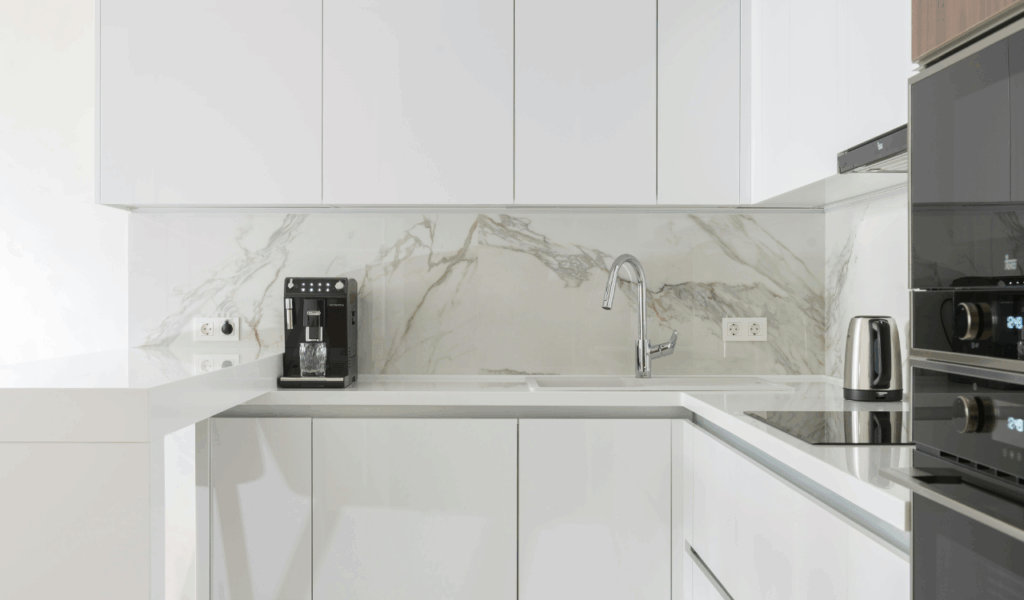
Decluttering is often promoted as a reset, but removing too much can strip rooms of personality and warmth. Coffee tables, shelves, and counters serve real purposes in daily life. When everything is cleared away, people lose convenient places to set items or display meaningful objects. This can make spaces feel more like showrooms than homes. Comfort often comes from familiar touches like books, photos, and favorite mugs. When these disappear, rooms may look neat but feel less lived in. Organization should support comfort, not replace it with emptiness that feels cold and temporary.
5. Swapping Throw Pillows and Blankets Without Improving Actual Seating

Changing pillow covers or throw blankets is a popular reset trick because it is quick and affordable. The problem is that decorative textiles rarely fix uncomfortable furniture. If cushions are flat or sofas lack proper support, new covers do nothing to improve how it feels to sit for long periods. Thin throws may look cozy but fail to provide real warmth. People may admire the updated colors but still avoid using the space because it is not physically comfortable. True comfort upgrades usually involve better cushions, supportive chairs, or warmer fabrics, not just seasonal patterns.
6. Decluttering That Removes Items People Actually Enjoy Using

Some reset advice encourages removing anything that does not serve a clear purpose. While this can reduce clutter, it can also eliminate objects that bring emotional comfort. Favorite blankets, hobby supplies, or family photos may not fit minimalist ideals but they contribute to a sense of belonging. When these are removed, spaces can feel sterile and impersonal. Comfort is tied to familiarity and personal history. Homes that feel good often include signs of life and individuality. Decluttering without considering emotional value can improve visual order while reducing the feeling of comfort people associate with being at home.
7. Organizing Closets Without Improving Everyday Clothing Choices
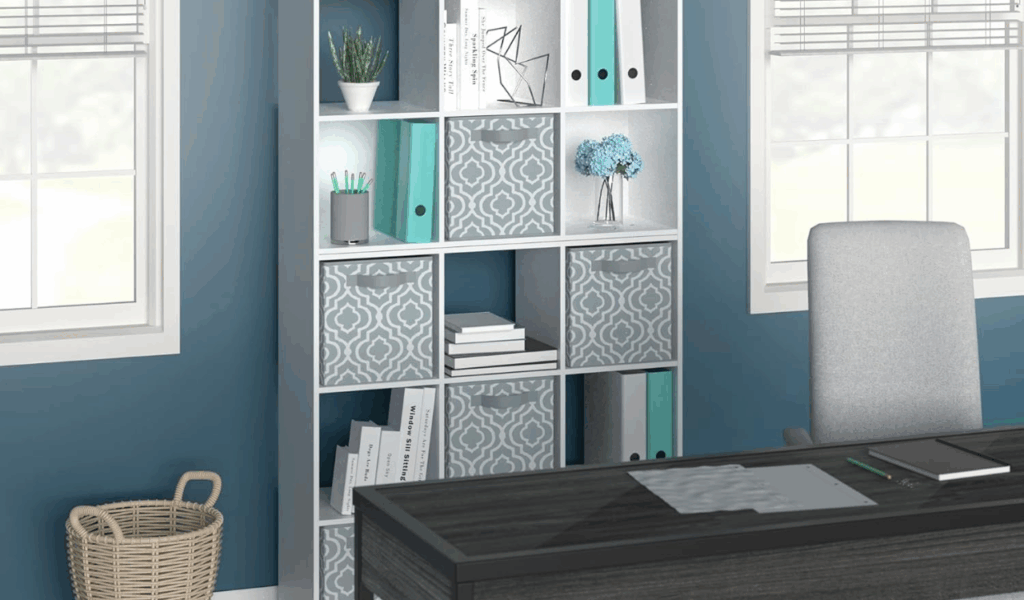
A neatly organized closet looks satisfying, but comfort depends on what people actually wear. If daily clothing is uncomfortable, outdated, or poorly fitting, better folding and matching hangers will not change that. People will still struggle to find outfits they enjoy wearing. True comfort improvements involve editing wardrobes and replacing worn items with clothes that suit current needs and body shapes. Without that step, the organization becomes a surface-level fix. The closet may look better, but mornings still feel frustrating and rushed, which does not improve overall comfort at home.
8. Polishing Hard Floors Without Adding Warmth Underfoot

Shiny floors signal cleanliness, but they do not make rooms feel cozy. In fact, hard surfaces often make spaces feel colder, especially in winter. Without rugs or soft layers, rooms lack insulation and sound absorption. This can make them feel echoey and less inviting. People tend to gravitate toward softer areas of the home, leaving polished spaces underused. Comfort is strongly linked to temperature and texture. Adding warmth underfoot often has a greater impact than simply making surfaces look cleaner and brighter.
9. Organizing Books by Appearance Instead of Ease of Access

Sorting books by color or size can look visually pleasing, but it often makes finding favorites harder. When books are no longer grouped by topic or author, people stop reaching for them. Reading areas lose their sense of ease and familiarity. Comfort comes from being able to relax and access things without effort. When an organization prioritizes appearance over usability, it quietly reduces how much people engage with the space. A room that looks tidy but discourages everyday enjoyment does not truly feel comfortable.
10. Switching to Trendy Lighting That Feels Too Bright or Too Cool
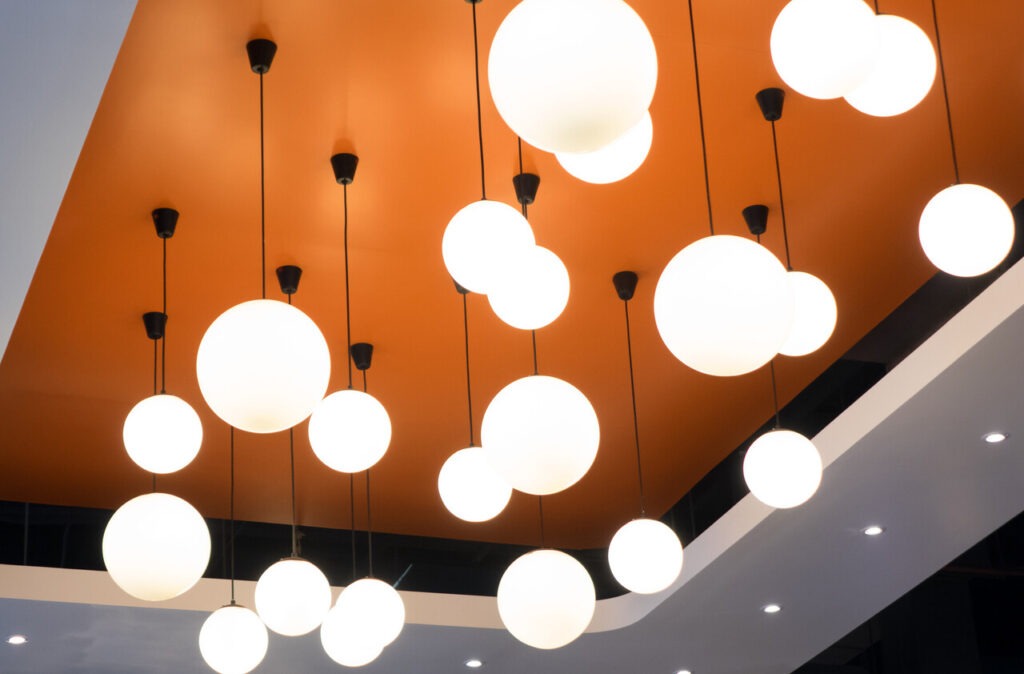
Lighting plays a huge role in comfort, yet many resets focus on changing bulbs to match modern trends. Cooler light temperatures may look crisp, but they can feel harsh in living areas meant for relaxing. Overly bright lighting can cause eye strain and make rooms feel clinical. Warm, layered lighting usually supports a better mood and comfort. Without considering how light is used throughout the day, switching bulbs can actually reduce how pleasant a space feels, even if it looks updated.
11. Focusing on Small Fixes While Ignoring the Biggest Comfort Issues
Reset projects often focus on quick wins like changing cabinet knobs or reorganizing drawers. While these tasks feel productive, they do little to improve how people relax, sleep, or spend time together. Worn mattresses, sagging sofas, and poor room temperature control affect comfort far more than decorative details. When major comfort issues remain untouched, small improvements feel insignificant. True home comfort comes from addressing how people rest, gather, and move through spaces. Without tackling those core needs, resets remain cosmetic and short-lived.