10 “Mom and Pop” Diner Pies Actually From Sysco Trucks
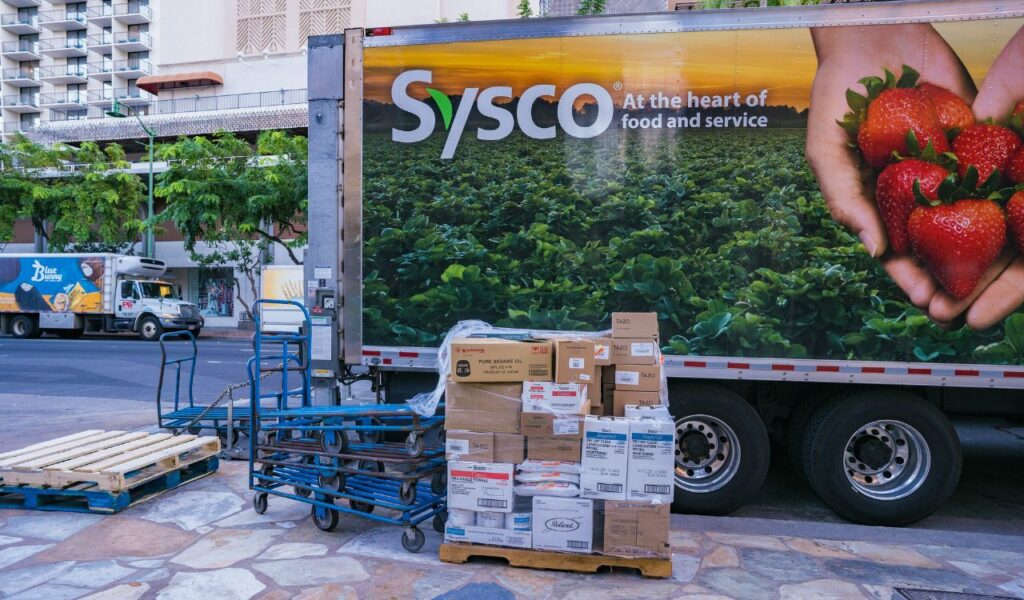
The hand-lettered pie menu. The glass case fogged from the heat. The cashier swore the recipe came from someone’s grandma. That vibe still works, because people want to believe it. Diners trade on trust, nostalgia, and the idea that nothing has changed behind the counter in 40 years. But supply chains did change, quietly and efficiently, reshaping how food actually shows up without touching the décor or the story.
These pies still taste good. That’s the twist. What surprises people is not that shortcuts exist, but how common they’ve become, even in places that feel stubbornly old-school. For owners, it’s about speed, margins, and survival more than deception. Here’s how the “homemade” image holds up when the truck backs in.
1. Apple Pie
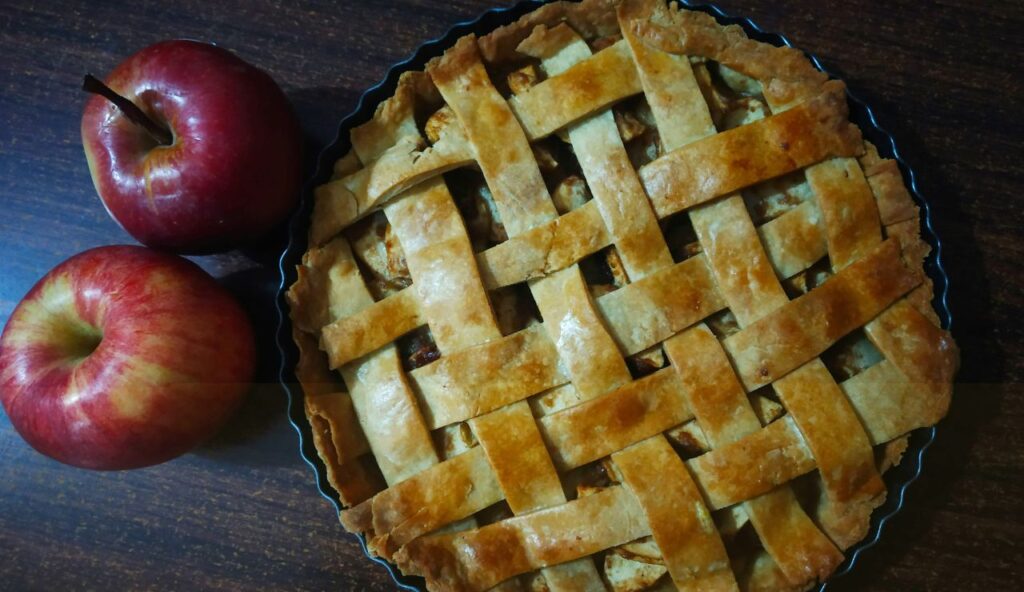
People expect diner apple pie to be the safest bet. Apples feel simple, cheap, and timeless. Most customers imagine someone peeling fruit early in the morning, tossing it with sugar and cinnamon, then sliding pans into the oven between breakfast rushes. That mental picture sells the slice before the fork hits the plate.
What actually happens is more logistical. Many diners receive pre-filled apple pies or frozen apple fillings that only need baking. The consistency matters. Apple prices swing, prep time eats labour, and uneven slices slow service. The finished pie still smells right, browns nicely, and passes every casual test. The consequence is predictability. You get the same apple pie whether you stop in Iowa or New Jersey, and most people never question it.
2. Cherry Pie
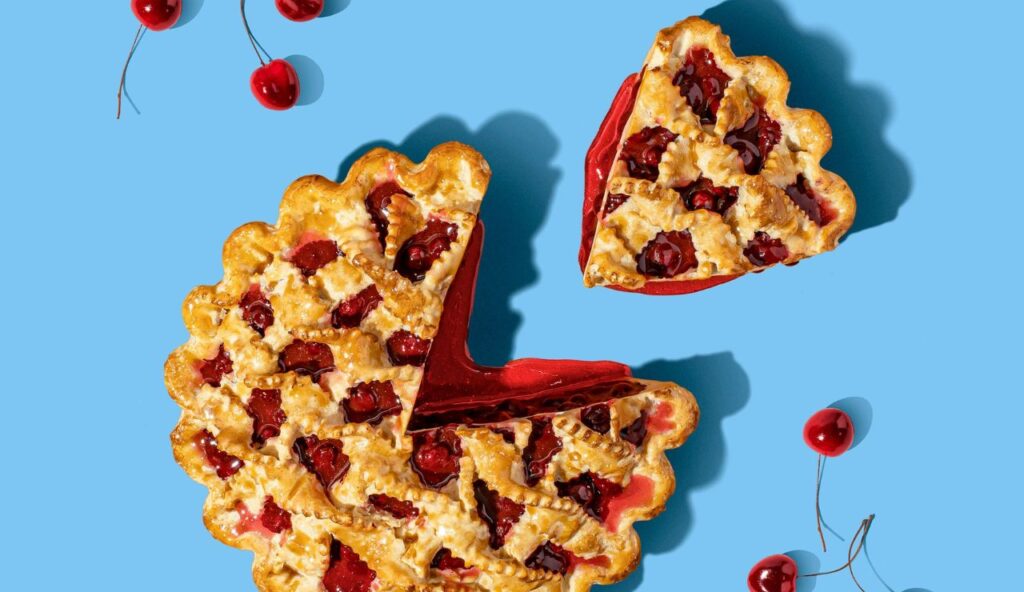
Cherry pie carries a special kind of nostalgia. Bright red filling, lattice crust, slightly messy slice. Customers assume it is too specific to be fake because cherries are seasonal and finicky. That assumption does a lot of heavy lifting for the diner’s image.
In reality, cherry filling is one of the most commonly delivered products. It arrives shelf-stable or frozen, already sweetened and thickened. Staff pour it into shells or bake pre-assembled pies. The upside is speed and shelf life. The downside is flavour depth. That sharp, fresh cherry bite is muted. Most diners accept it because cherry pie is more about colour and memory than subtle taste, and the expectation stays comfortably low.
3. Lemon Meringue Pie
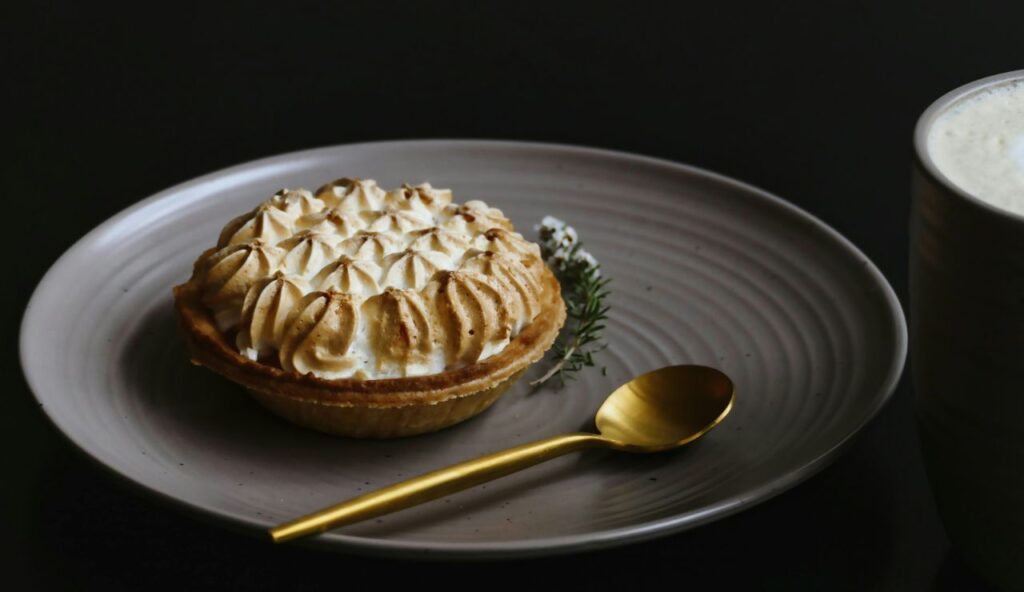
Lemon meringue feels technical. The curd, the balance of sweet and sour, the fluffy topping. People assume it takes skill and time, which makes it feel authentic by default. Seeing it in the case suggests someone back there knows what they’re doing, especially when the peaks are browned just enough to look intentional.
The truth is simpler. Lemon filling is often sold in bags or tubs, already set to the correct consistency. The meringue might be whipped in-house, or it might not. Either way, the hard part is already solved. The practical reason is stability. Real lemon curd can split or weep under heat lamps during long service windows. Pre-made filling behaves. The result still looks impressive, even if the labour story behind it is shorter than customers imagine.
4. Chocolate Cream Pie
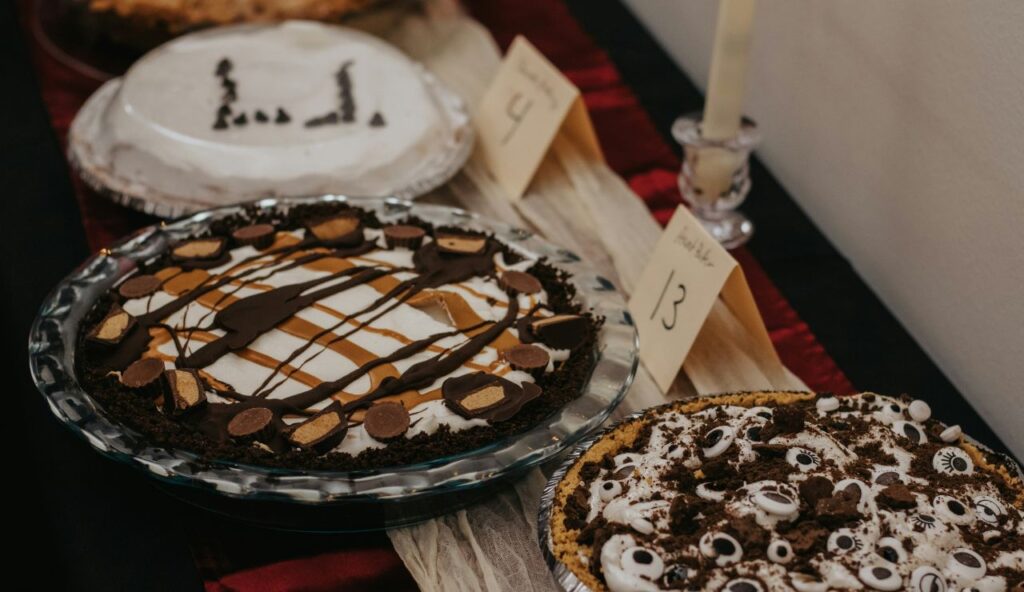
Chocolate cream pie has a comfort factor that makes people stop asking questions. It feels indulgent, soft, and forgiving. Most diners sell it as a house favourite, implying repetition equals mastery, and that popularity alone confirms its quality and care.
What often happens is assembly, not cooking. Pre-made chocolate pudding or cream filling gets poured into shells, topped with whipped cream, and chilled. It cuts clean, holds its shape, and moves fast during busy shifts when desserts need to be grab-and-go. The tradeoff is depth. You lose the richness of slow-cooked custard, but you gain consistency. For many customers, that trade is invisible. The slice hits the craving, and that’s enough.
5. Coconut Cream Pie
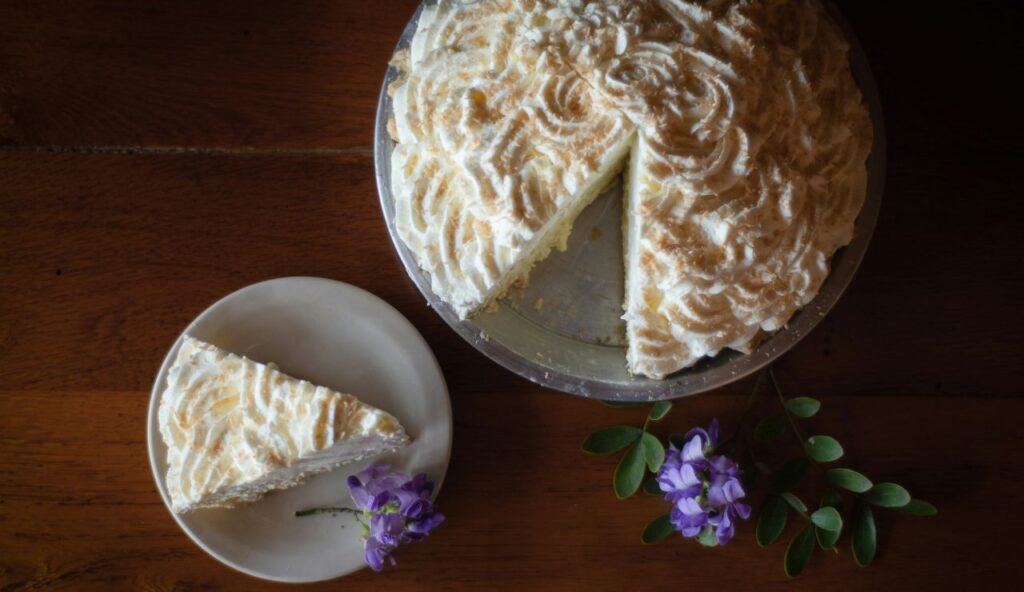
Coconut cream pie looks old-fashioned, which makes it feel handmade. The flakes, the pale filling, and the soft texture all signal effort. People rarely question it because coconuts already feel processed by nature, lowering expectations for scratch preparation.
Behind the scenes, coconut cream filling is almost always pre-mixed. Coconut is expensive, perishable, and messy to prep consistently. Using a supplier product keeps costs predictable and waste low. Diners still toast the coconut on top to add aroma and crunch, reinforcing the homemade illusion just before serving. The practical result is a pie that feels familiar but tastes identical across multiple stops, even when the decor, staff, and menu boards change.
6. Pecan Pie
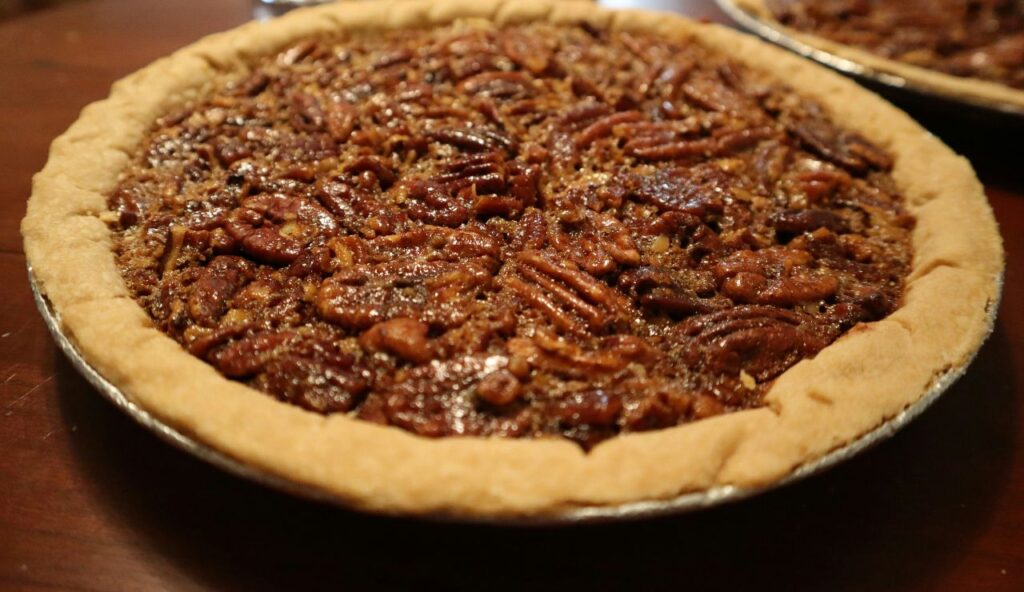
Pecan pie carries a holiday aura. Thick, sticky filling and visible nuts suggest care and tradition. Customers expect it to be made in small batches, especially in diners that lean Southern or rural in their branding and comfort-focused menus.
In practice, pecan pies are frequently delivered frozen and baked on-site. The sugar ratios and texture are already dialled in, which prevents costly mistakes during prep. Burning or underbaking pecan pie quickly erodes margins and wastes premium ingredients. The takeaway is reliability. You get a slice that looks right and cuts clean. What you lose is nuance. The filling tends to be sweeter and flatter than scratch versions, but most diners prioritise visual appeal over subtle balance.
7. Banana Cream Pie
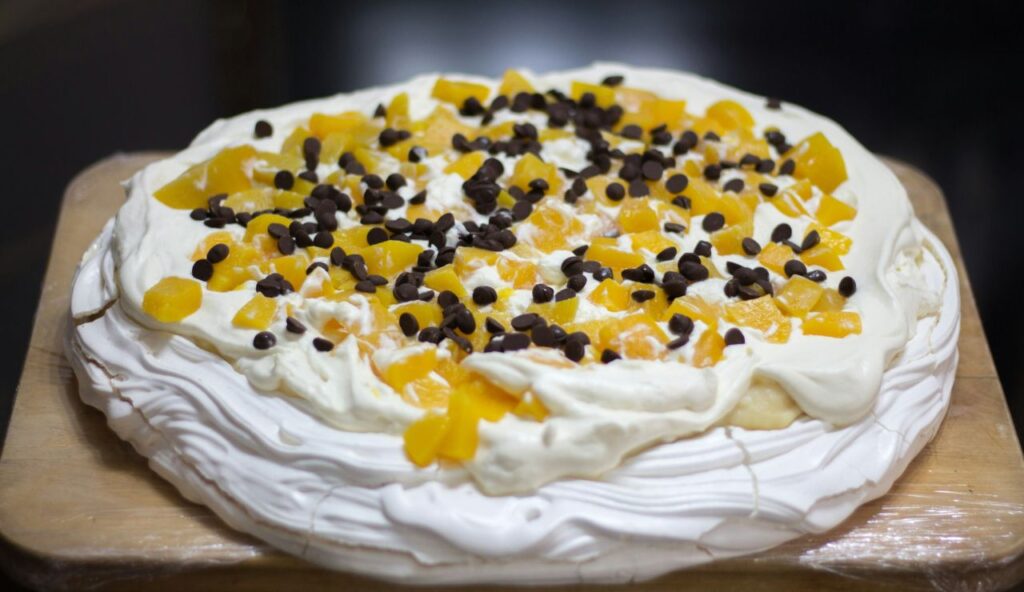
Banana cream feels fresh, which makes people trust it. Sliced bananas, light custard, whipped topping. It reads as simple and quick, not industrial, especially when the bananas are visible and layered just before the pie goes into the case, giving the impression of something assembled that same morning rather than pulled from storage.
The reality is partial assembly. The custard base usually comes pre-made and chilled in bulk. Bananas are added at the last minute to prevent browning and customer complaints during service. This hybrid approach saves time while keeping a fresh element visible to diners watching the counter. The consequence is inconsistency. Some slices taste brighter than others, depending on banana ripeness and timing. Customers chalk that up to homemade charm, not realising the core of the pie never saw a stove.
8. Blueberry Pie
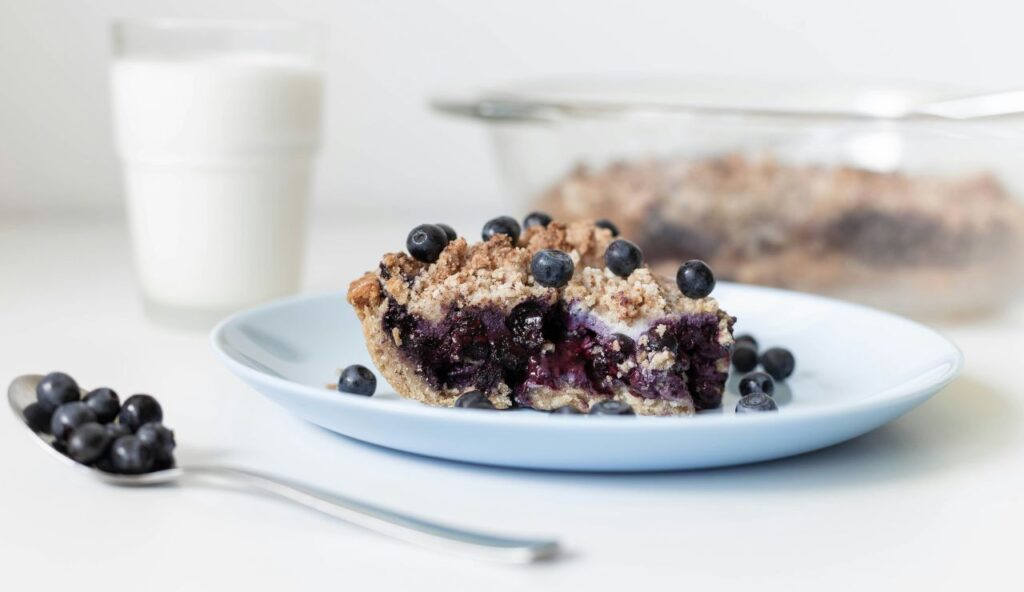
Blueberry pie sounds regional. People imagine local berries, perhaps seasonal rotations or handwritten signs touting freshness. That story works especially well in roadside diners near farmland or highways, where assumptions fill in the gaps.
What actually shows up is frozen blueberry filling, often thickened heavily to avoid leaks during baking and slicing. Blueberries stain, burst, and vary wildly in sweetness. Using a standardised product avoids mess, refunds, and staff frustration. The pie still bubbles, still smells right, and still photographs well under glass. The practical insight is that visual cues do most of the selling. Few customers can tell whether berries were fresh, frozen, or shipped cross-country weeks ago.
9. Pumpkin Pie
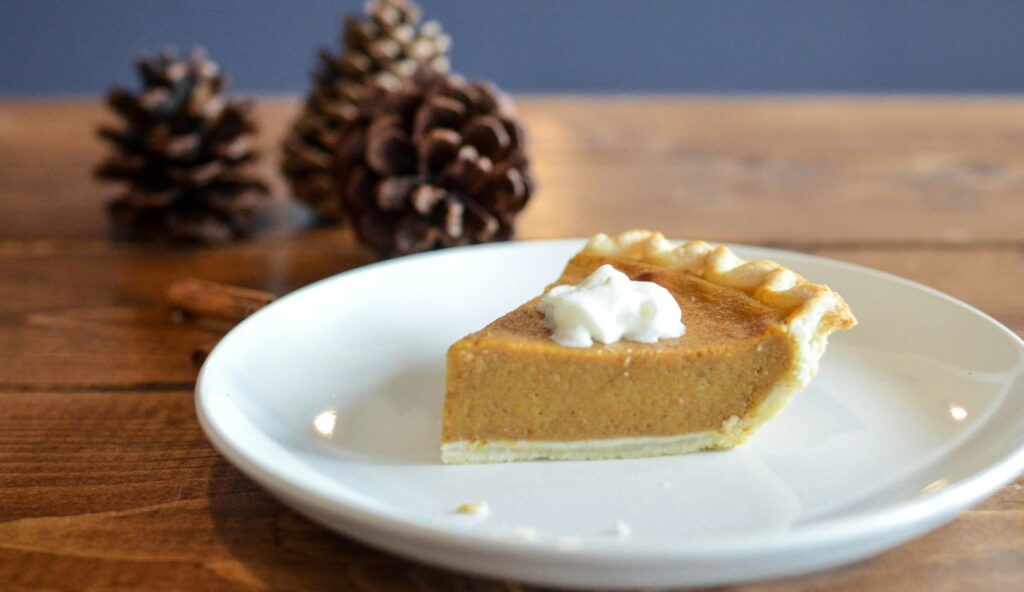
Pumpkin pie feels untouchable. It is tied to holidays, family, and ritual. Diners keep it year-round because it signals comfort, not seasonality, and because customers expect it to taste exactly the same every time, no matter the month or location. That predictability is part of the appeal and is rarely questioned.
Almost all pumpkin pies start with pre-mixed pumpkin filling. Even home bakers use it without hesitation, so there’s little stigma attached. Diners are no different. The filling comes spiced, sweetened, and ready to pour. The advantage is total control. Texture never surprises anyone, and slices behave well in cold cases during long service hours. The loss is individuality. Every slice tastes familiar, which most customers interpret as comforting rather than generic or mass-produced.
10. Cheesecake
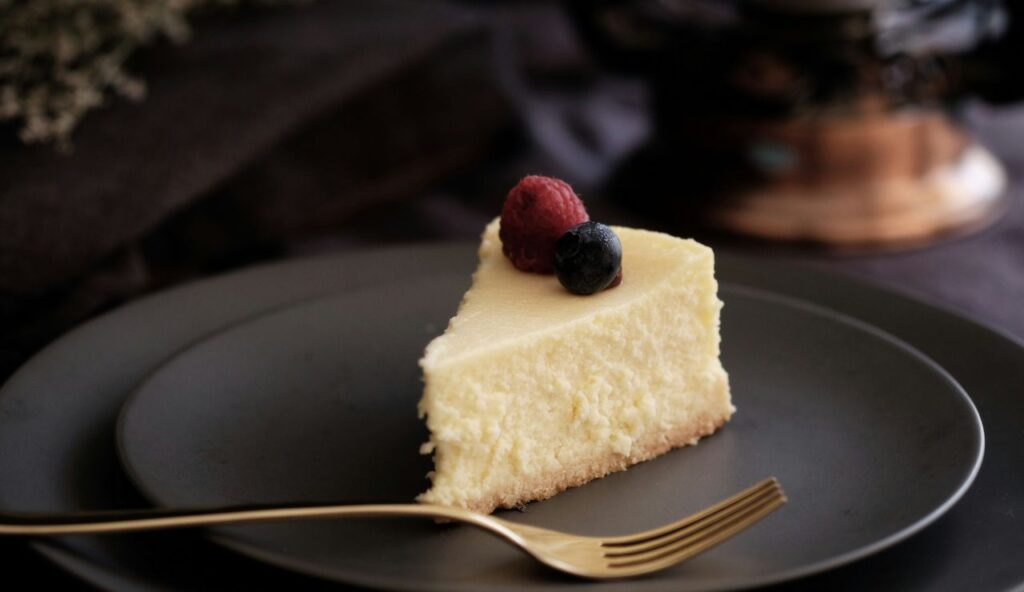
Cheesecake often gets billed as “made in-house,” but that phrase does a lot of creative work. Customers assume ovens, water baths, and cracked tops are avoided through experience earned over the years behind the line, not shortcuts or external suppliers.
More often, cheesecakes arrive frozen, fully set, and portioned for service efficiency. Staff thaw and garnish them with sauces or fruit to personalise the plate and give it a finished look. Cheesecake is labour-heavy and risky to produce daily, especially in small kitchens. One mistake wipes out profits and prep time. The outcome is efficiency. The slice is dense, smooth, and consistent. People still believe the story because the taste delivers, and few diners want to imagine supply trucks ruining the mood anyway.