8 “Boho” Rugs That Shed Fibers Into Every Crevice of Your Home
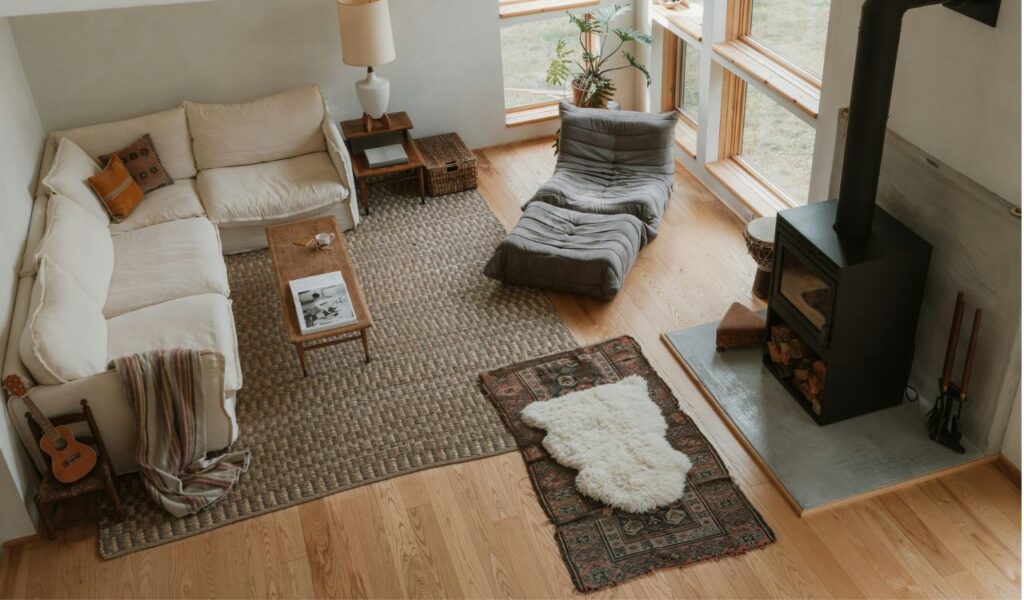
Boho rugs have dominated home décor trends for their vibrant patterns, textures, and relaxed aesthetic, but interior designers and professional cleaners often warn that what looks effortless on Pinterest can create unexpected work in real life. Homes with high-traffic areas quickly reveal loose fibers, trailing strands, and persistent lint that migrate into corners, furniture crevices, and even HVAC vents. While these rugs add character, experts say shedding is a near-inevitable side effect, especially for high-pile or tufted designs. For families, pet owners, or anyone seeking a low-maintenance space, understanding which boho styles require daily attention helps balance visual appeal with practicality. Professional insight highlights that fiber type, weave, and fringe detailing all influence how much effort a rug demands, making shedding a defining consideration in boho décor choices.
1. Handwoven Moroccan Wool Rugs
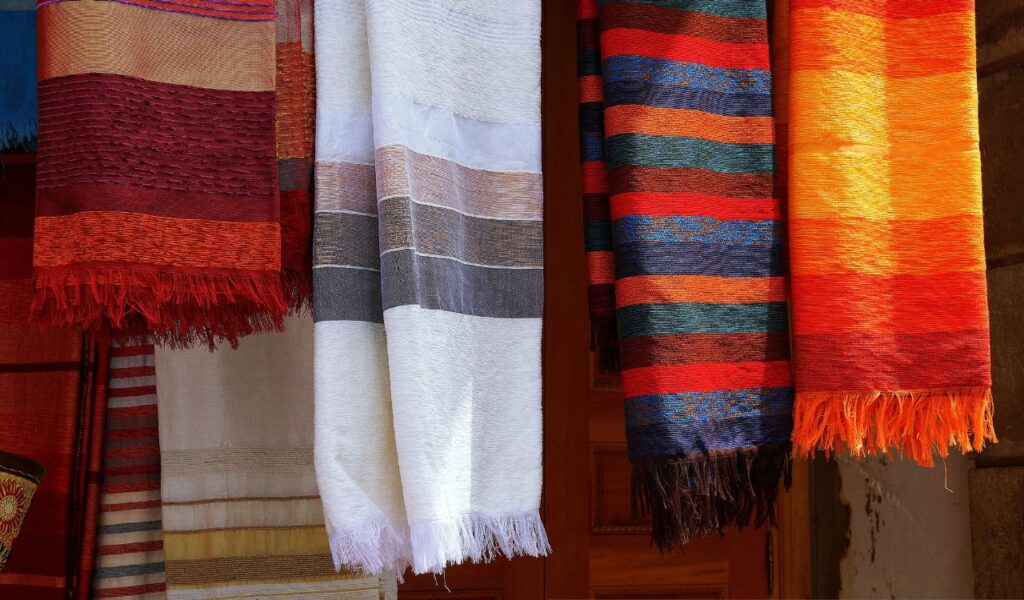
Handwoven Moroccan wool rugs are often prized for their intricate patterns, natural fibers, and artisanal charm. Designers describe them as statement pieces that anchor living rooms or bedrooms, blending texture with cultural appeal. Yet professional cleaners note that their soft wool fibers are notorious for shedding, especially during the first several months of use. Even well-finished edges release stray strands that accumulate on hardwood or tile floors, requiring routine vacuuming or lint rolling to maintain a polished look.
Experts emphasize that high foot traffic amplifies shedding. Homes with pets or children find that fibers cling to clothing and furniture, migrating throughout the space. A staged Pinterest photo may showcase a pristine rug, but in real households, these rugs demand consistent maintenance to preserve their visual impact. Interior designers suggest rotating the rug and vacuuming with a suction-only mode initially, which mitigates excessive fiber dispersal while maintaining pile integrity. Despite the extra work, Moroccan rugs remain a favorite for their artistry, as long as owners understand the daily upkeep involved.
2. Shaggy Turkish Boho Rugs
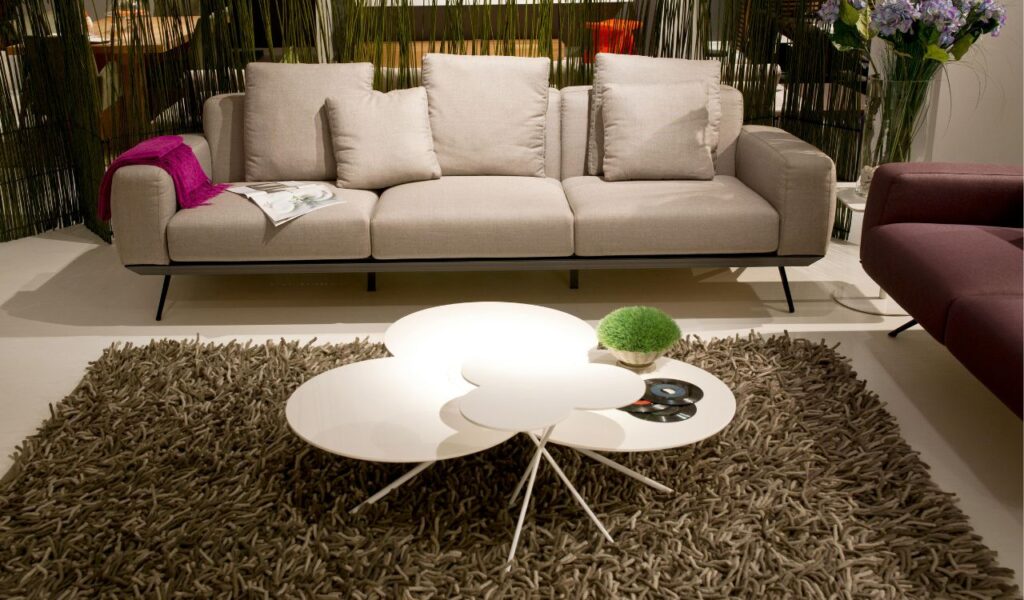
Shaggy Turkish boho rugs are considered “pile royalty” among high-texture designs. Designers and home stagers often use these rugs to create a cozy, layered look that photographs beautifully. Professional cleaners, however, report that a five-inch pile essentially requires a daily vacuum ritual, with lint rollers becoming a constant companion for maintaining clean surfaces. Daily lint roller use can cost roughly eight dollars a month in replacements alone, making upkeep a repeated household expense. Loose fibers inevitably escape even routine maintenance, settling on sofas, carpets, and nearby furniture.
The luxurious appearance of these rugs masks their practical demands. Experts note that shedding is most pronounced in the first year, tapering slightly as the wool fibers naturally compress. Families quickly realize that pets and children exacerbate the problem, as fur and small debris cling to the long pile. For interior designers, the recommendation is clear: reserve shaggy Turkish rugs for areas where visual impact outweighs maintenance burden, and invest in quality vacuums, frequent grooming, and careful placement to prevent fibers from taking over the home.
3. Jute and Sisal Blend Rugs
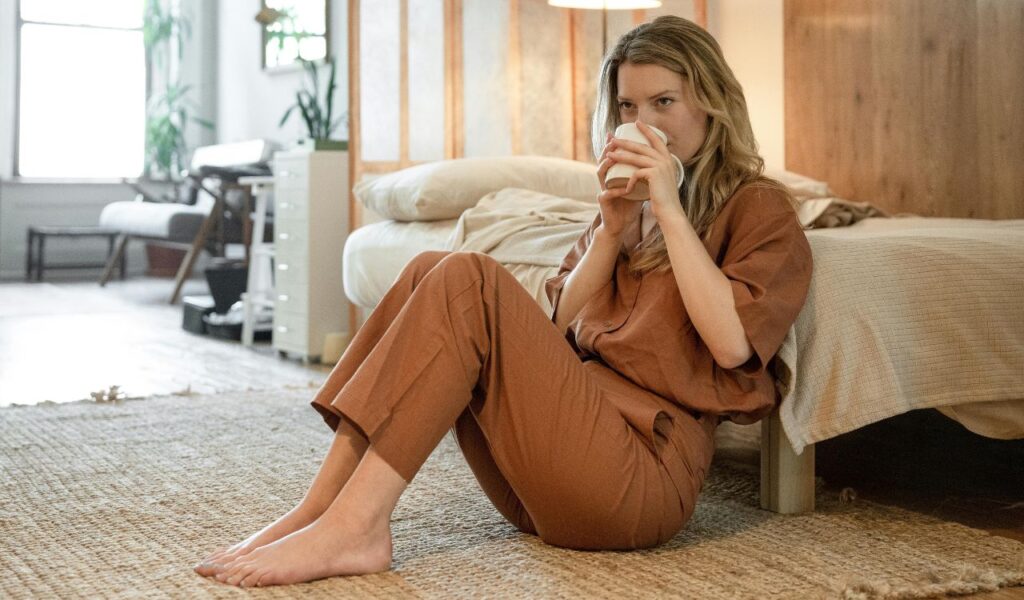
Jute and sisal blend rugs are celebrated by designers for their natural, earthy texture and eco-friendly appeal. These low-pile rugs often appear sturdy and low-maintenance in staged images, but professional cleaning observations reveal a different story. The fibers are coarse, stiff, and brittle, which makes them prone to flaking and creating small debris that accumulates along baseboards and in crevices. On light-colored floors, this shedding becomes highly visible, turning even minor fiber loss into a visual disaster that draws attention to every stray piece.
Home stagers and caterers note that high-traffic areas amplify fiber dispersal, particularly in entryways or dining rooms. The subtle shedding may not dominate a vacuum, but it is visually persistent, making rooms appear less tidy than they are. Experts advise placing these rugs on top of protective pads, vacuuming in multiple directions, and accepting that natural fibers will produce ongoing trimmings. While the low-pile construction reduces maintenance relative to shaggy styles, jute and sisal blends still demand mindfulness to prevent the fibers from spreading into every corner.
4. Hand-Tufted Bohemian Wool
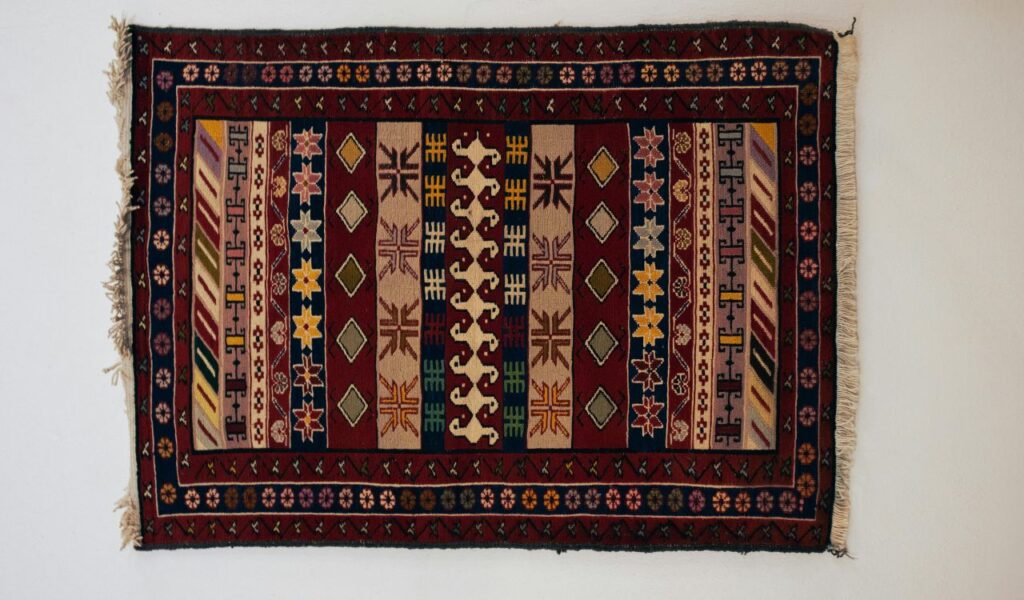
Hand-tufted bohemian wool rugs are widely regarded as the “pile shedding king” among contemporary boho designs. Interior designers love the thick, luxurious texture that adds warmth and depth to a room, but professional cleaners warn that loose strands are an unavoidable reality, particularly during the first six months. The tufting technique secures fibers to the backing, yet friction from walking, pets, and furniture rubbing releases strands daily, requiring vacuuming or lint rolling multiple times a week. Open floor plans exacerbate the problem, allowing fibers to migrate across rooms, settle into corners, and blend with dust or pet hair.
Experts emphasize that shedding is not a defect but a characteristic of this type of tufted construction. While the rug develops stability over time, initial maintenance is intensive. Homeowners with open spaces often notice fibers traveling from living areas into hallways, making multi-room cleaning necessary. Designers advise pairing these rugs with routine grooming and strong suction vacuums to preserve both the aesthetic and cleanliness. Despite the effort, hand-tufted wool rugs remain a favored statement piece for those willing to accept a little daily labor for the visual reward.
5. Faux Fur Boho Throws on Floors
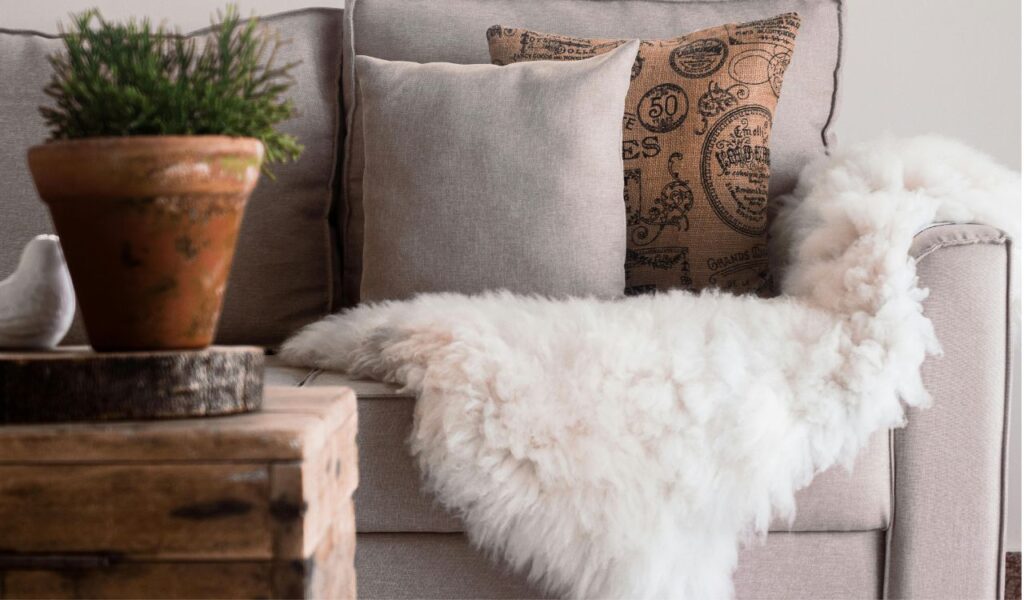
Faux fur boho throws double as rugs in many trendy spaces, offering plush softness and dramatic texture. Interior designers note that while they create cozy, Instagram-ready nooks, the long synthetic fibers are notorious for shedding. Every step releases microfibers that cling to shoes, furniture, and even pets. Professional cleaners caution that routine vacuuming is essential, and in homes with pets, shedding multiplies, embedding itself into pet fur, and spreading through the house more quickly than expected.
The maintenance requirements are higher than they appear. Faux fur must be groomed with hand brushes or specialized vacuum attachments to prevent matting and excessive fiber migration. Designers highlight that these throws are best used in low-traffic corners or as decorative layers on beds rather than as primary floor coverings. Despite the effort, homeowners who prioritize texture and tactile appeal often accept the cleanup trade-off, but experts emphasize that faux fur rugs demand daily attention if they are placed in active living spaces.
6. Tufted Rya-Style Rugs
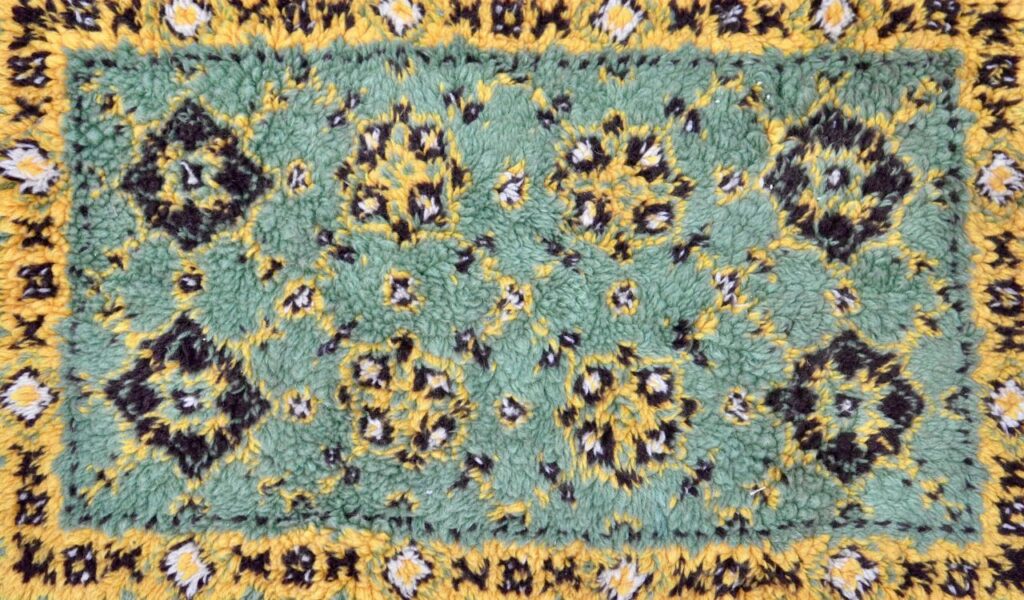
Tufted Rya-style rugs are beloved for their shaggy, artful appearance and bohemian flair. Interior designers describe them as statement pieces with sculptural pile, perfect for creating a layered look in modern or eclectic spaces. Experts point out that the long, dense fibers shed continuously, particularly when walked on or vacuumed improperly. Unlike some natural-fiber rugs, synthetic or blended Rya piles resist matting but distribute stray fibers throughout a room, requiring frequent maintenance to preserve the visual appeal.
Professional stagers emphasize that fiber migration is heightened in homes with open layouts. Hallways and adjacent rooms quickly become covered in loose strands, creating extra work for homeowners and cleaners. Experts recommend vacuuming in suction-only mode to reduce fiber disruption and shaking or rotating the rug weekly to maintain an even pile. While the dramatic texture contributes to a high-style aesthetic, designers caution that the trade-off for fiber fallout is daily upkeep, making Rya rugs better suited to decorative, low-traffic areas rather than central living spaces.
7. Tassel-Trim Boho Rugs
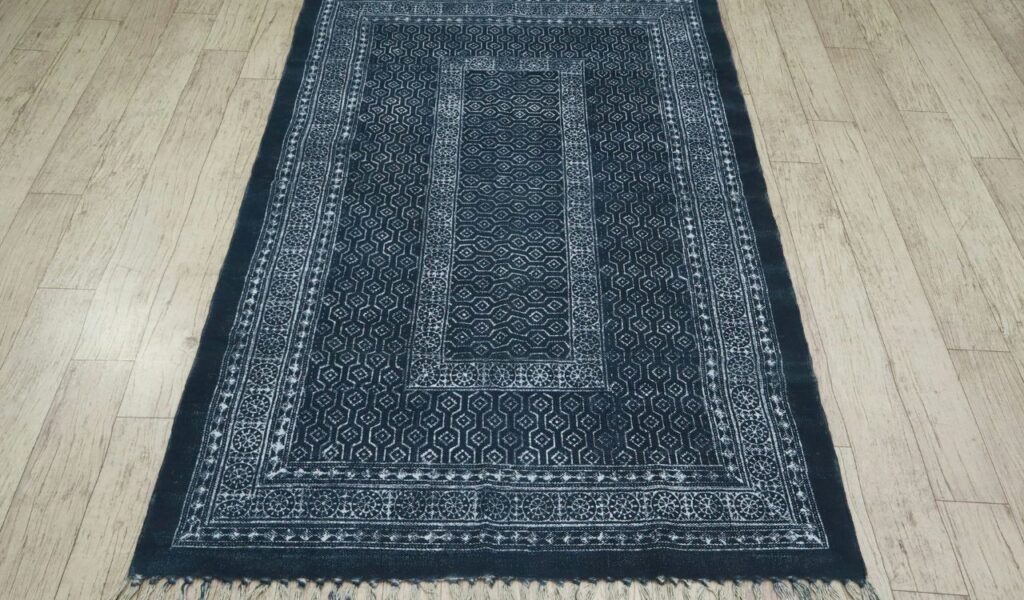
Tassel-trim boho rugs are notorious for fringe-related frustration. Interior designers often use them to add a whimsical, bohemian flourish along walls or under low furniture, but caterers and cleaners warn that the fringe is a “triple-threat” for shedding. Fibers unravel along the tassels, catch on shoes, and collect dust, requiring constant attention. Maintaining fringe integrity involves careful vacuuming around edges or using hand grooming to prevent tangling, which many homeowners underestimate until debris spreads across the floor.
Experts note that homes with pets or children face compounded challenges. Play, foot traffic, and furniture rubbing accelerate tassel shedding, sometimes turning decorative fringe into a daily cleaning nuisance. Despite their aesthetic charm, designers caution that tassel-trim rugs demand strategic placement and proactive maintenance. While they bring visual interest and texture, the fringe alone can dominate the maintenance workload, reminding homeowners that style often comes at the cost of practicality.
8. Hand-Knotted Patterned Wool Rugs
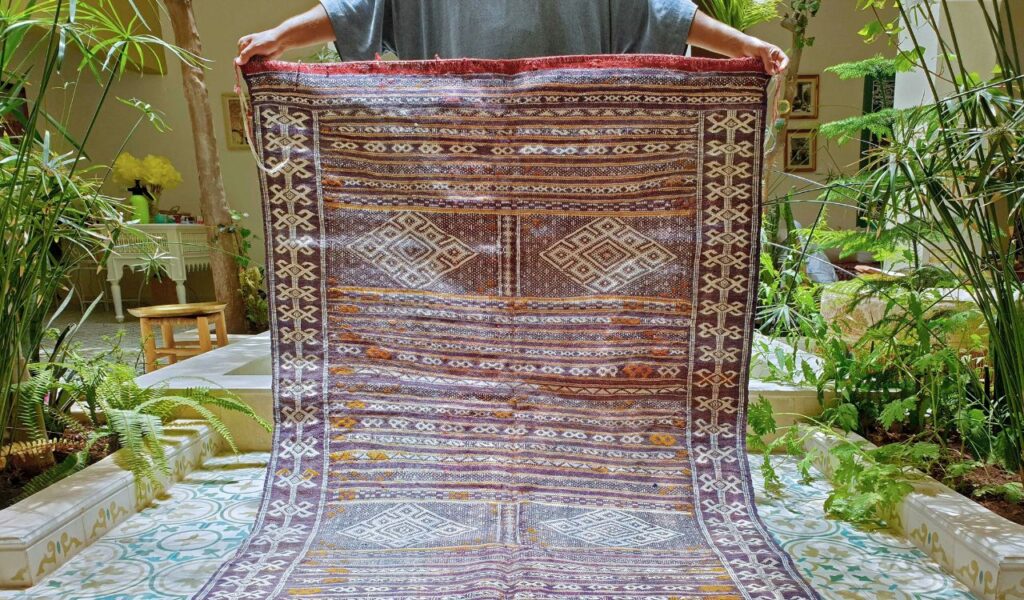
Hand-knotted, patterned wool rugs are celebrated for their durability and timeless craftsmanship. Designers often recommend them for long-term investment pieces, as tight weaves hold the pile securely, resisting matting and flattening. Experts, however, warn that even these high-quality rugs shed during the first six months of use. Loose fibers migrate subtly into surrounding spaces, especially in entryways or open floor plans, necessitating consistent vacuuming and lint management to maintain a pristine appearance.
Professional cleaners highlight that shedding is most visible when rugs are placed on light-colored floors, where stray fibers contrast sharply with the surface. Homeowners are advised to vacuum along the pile direction and perform targeted edge maintenance to prevent fiber accumulation. While hand-knotted wool rugs are some of the least maintenance-intensive boho styles in the long term, initial shedding is unavoidable. Experts assert that understanding the first six-month period allows homeowners to enjoy the rug’s beauty while minimizing the stress of fiber migration.