10 Vegas Buffet Dupes from Local Trucks
Buffets in Las Vegas are famous for their huge amounts of food, strong flavors, and the excitement of choice. But chefs agree that what really makes a buffet legendary is its technique, not its bulk. Professional chefs say that most buffet favorites are based on cooking in batches that are quick and easy, using the right amount of flavor, and making recipes that will please a lot of different tastes. When used carefully, these same ideas work quite effectively for food trucks.
Street food experts claim that mobile kitchens are generally better than buffets because they focus on freshness. Food is made in smaller batches, cooked closer to when it will be served, and changed every day based on what people say. This gets rid of a lot of the quality problems that come with long buffet lines, such drying out, losing heat, or getting tired of the taste.
Chefs who have worked in both hotel kitchens and food trucks say that many mobile operators used to work as buffet cooks. They use that experience to make the menus smaller and improve each dish instead of spreading the work out. The end product is delicious, comforting meal that gives you the same satisfaction without being too much.
1. Seafood Boil Platters That Rival Buffet Towers
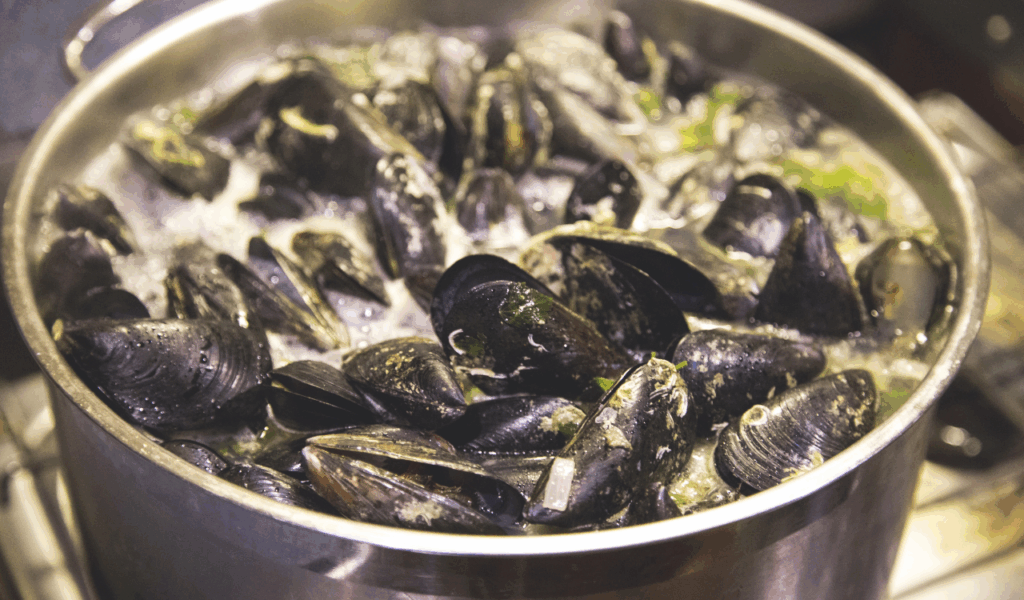
Seafood towers are a big part of fancy buffets, and chefs claim that food truck seafood boils bring that luxury back in a better way. Trucks don’t use a lot of trays. Instead, they focus on fewer ingredients that are cooked perfectly, such shrimp, shellfish, potatoes, and corn, which are seasoned in layers for depth instead of too much.
Experts in seafood say that boiling fish in stages is very important. Shrimp, shellfish, and vegetables all cook at various speeds, and trucks can manage this quite well. To save time, buffets often mix things together, which makes the texture worse. Mobile kitchens don’t do this, so they can cook seafood without overcooking it.
Experts also talk on how customizing sauces can help. Garlic butter, spice blends, and citrus finishes let guests choose their own flavors, which is like a buffet without losing quality. Food safety experts say that smaller batches also lower the risks of holding time.
The end result tastes exactly as good as a buffet crab station, but with brighter flavors, safer handling, and superior temperature control, which are all signs of expert work.
2. Carving Station Style Meats from Mobile Smokers
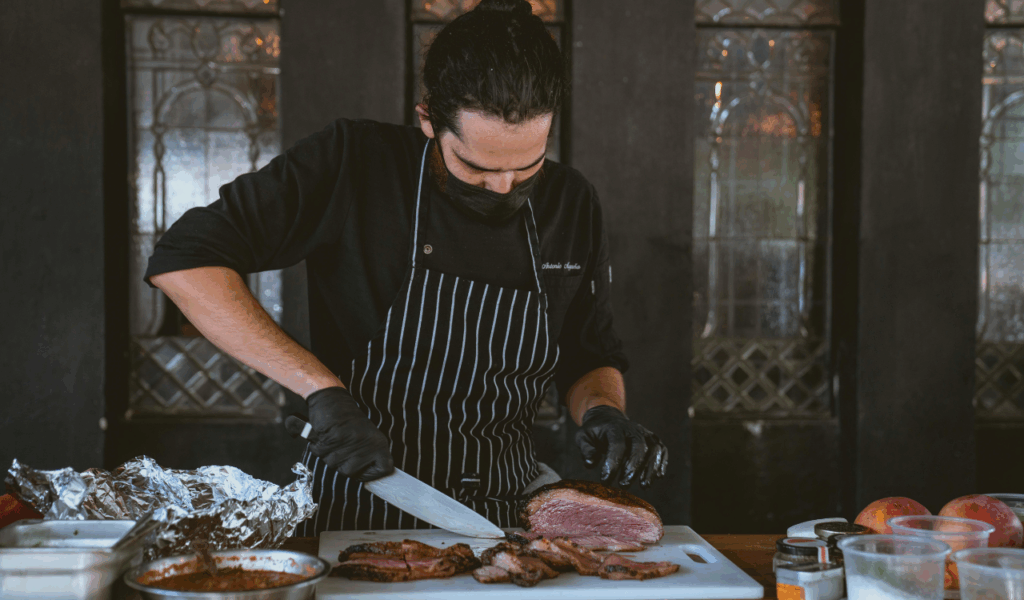
Pitmasters claim that food trucks do a great job of recreating carving stations with transportable smokers and regulated roasting methods. When it comes to slow-cooking brisket, roasting meats, and poultry, time, temperature, and slicing expertise are more important than fancy presentation. When cooked correctly, these meats are just as good as a hotel carving station.
Professional pitmasters say that food trucks have a big advantage when it comes to freshness. Buffets often keep meats under heat lights for a long time, which makes them lose moisture. Experts say that trucks slice meats to order to keep them juicy and tender, which is important for carving station quality.
Culinary teachers also say that trucks often utilize simple, traditional flavor profiles. This is like the principle behind buffets, which is that the flavors should be appealing to a wide range of people without being too strong. Smoke, rendered fat, natural fluids, and the right amount of time to rest make the meat more interesting without taking away from it.
Food experts say that paying attention to portion sizes makes the whole eating experience better. Instead of big buffet slices, trucks give balanced quantities that show off their skill and cut down on waste. This makes for a refined, warm, and always fulfilling dinner.
3. Asian Stir Fry Bowls That Replace Buffet Woks
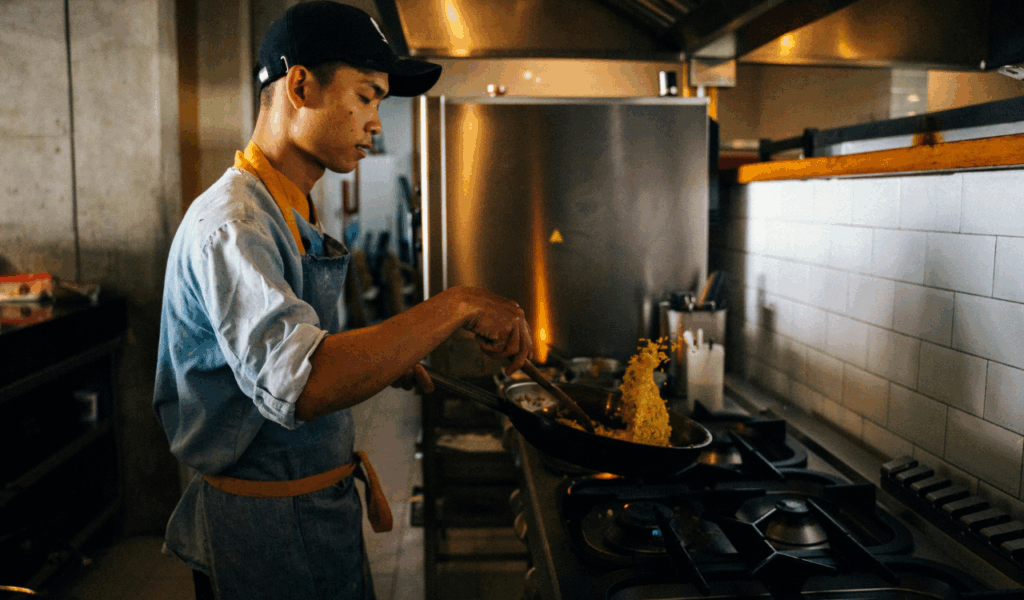
Asian buffet stir fry stations are popular because you can make your own cuisine, but chefs believe food trucks take this idea to the next level by being faster, controlling the heat, and focusing on the ingredients. Mobile kitchens can keep cooking temperatures high all the time, which is important for stir frying and developing flavors.
Culinary educators say that fresh oil, swift movement, and quick turnover are all important for good wok cooking. Because of the constant demand and high volume, buffets have a hard time keeping these conditions. Food trucks heat each bowl separately, which makes the caramelization better, the flavors sharper, and the vegetables stay crisp instead of getting mushy.
Experts also say that rotating ingredients is a big plus. Trucks change the veggies and meats they deliver every day based on what they have and how good it is, making sure they are always at their freshest. Buffet stations may use the same ingredients for a long time, which makes them less colorful, textured, and fragrant.
Chefs who focus on nutrition say that trucks often balance sauces better, cutting down on too much sugar or salt. This makes foods that seem rich but lighter, keeping the freedom and personalization of a buffet experience while making it much cleaner.
4. Comfort Food Mac and Cheese Trucks
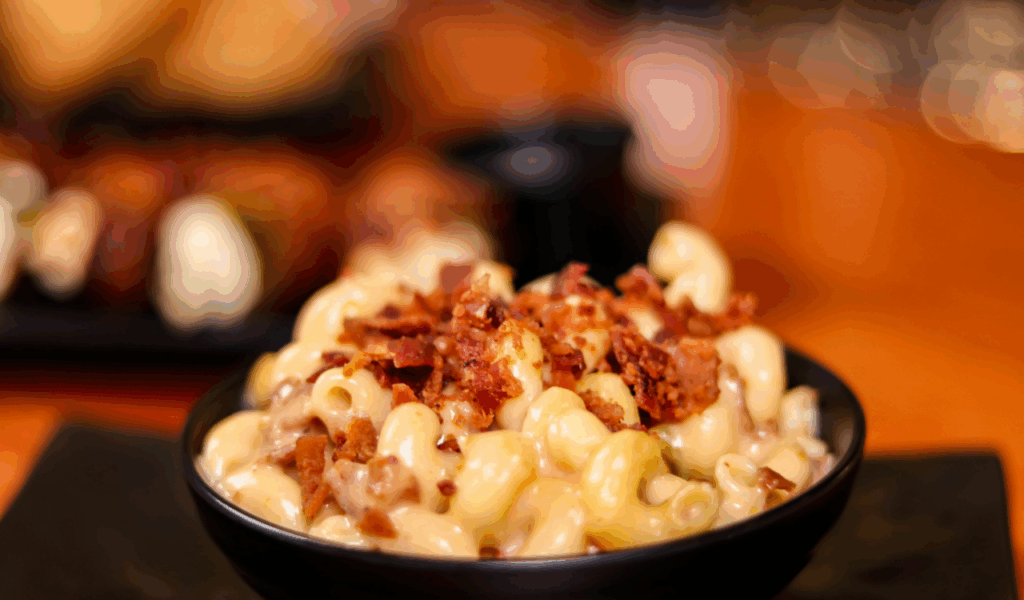
Food truck chefs make mac and cheese better while keeping its nostalgic appeal by using meticulous techniques. Experts suggest that using the right cheese sauce emulsification, controlling the heat, and using good dairy are more important than using shortcuts, thickeners, or fillers.
Professional chefs say that trucks don’t have to worry about drying out food because they make smaller, fresher amounts every day. Buffets commonly overbake big pans, which can cause them to separate, become grainy, or become stiff. Food trucks finish each order just before serving time, so the food stays creamy and smooth.
Culinary experts say that toppings add variety to a buffet-style meal without taking over the main dish. You can change the flavors by adding breadcrumbs, roasted veggies, or meats. This is like a buffet choice but keeps the quality and structure of the food.
Food safety experts also stress the need of keeping the temperature right. Smaller amounts make it safer to retain and keep the flavor, which makes comfort food that tastes rich, familiar, and well-made.
5. International Street Tacos as Global Buffet Plates
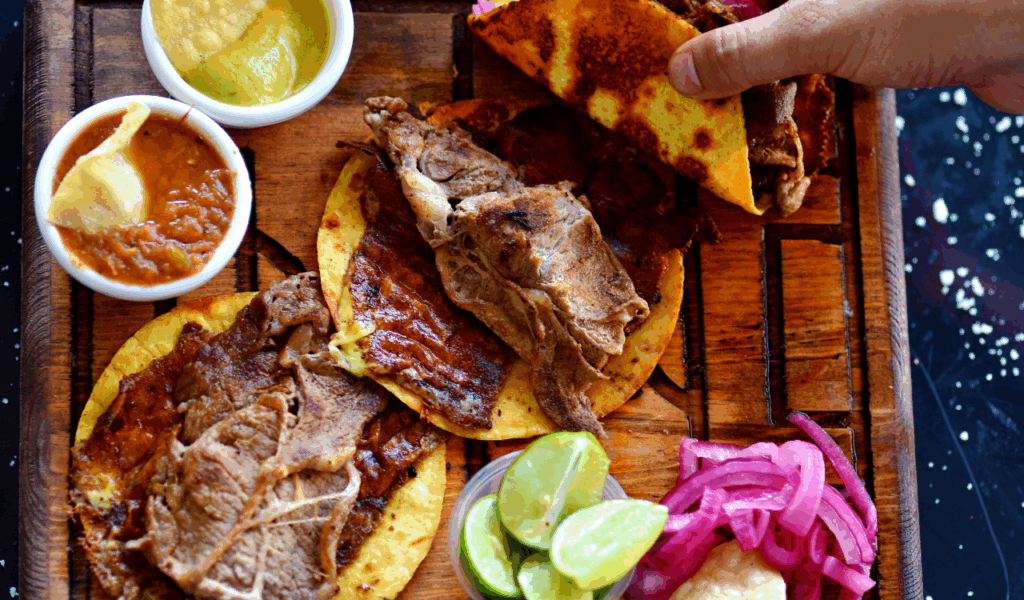
Chefs claim that taco trucks offer a more focused, efficient, and expressive way to experience a tour of international flavors than global buffets. Each taco has its own style of preparation, kind of food, or spice profile, which makes them different from each other without going overboard.
International food experts say that tacos work because they focus on one main ingredient at a time. Buffets can make flavors less strong by serving too many things at once. Trucks keep each filling separate, smelling good, and feeling well.
Professional cooks say that fresh tortillas are very important as a base. Warm, flexible bases make flavors taste better and feel better in the mouth. Buffet starches that sit too long don’t do as well. Experts say that just one thing makes the whole eating experience much better.
Cultural food experts also say that authenticity has benefits. Trucks often focus on one regional style, which means their food tastes more like the real thing than generic buffet food. A customized global tasting platter made up of many tacos is just as good as a regular buffet.
6. Dessert Trucks That Mimic Buffet Sweet Stations

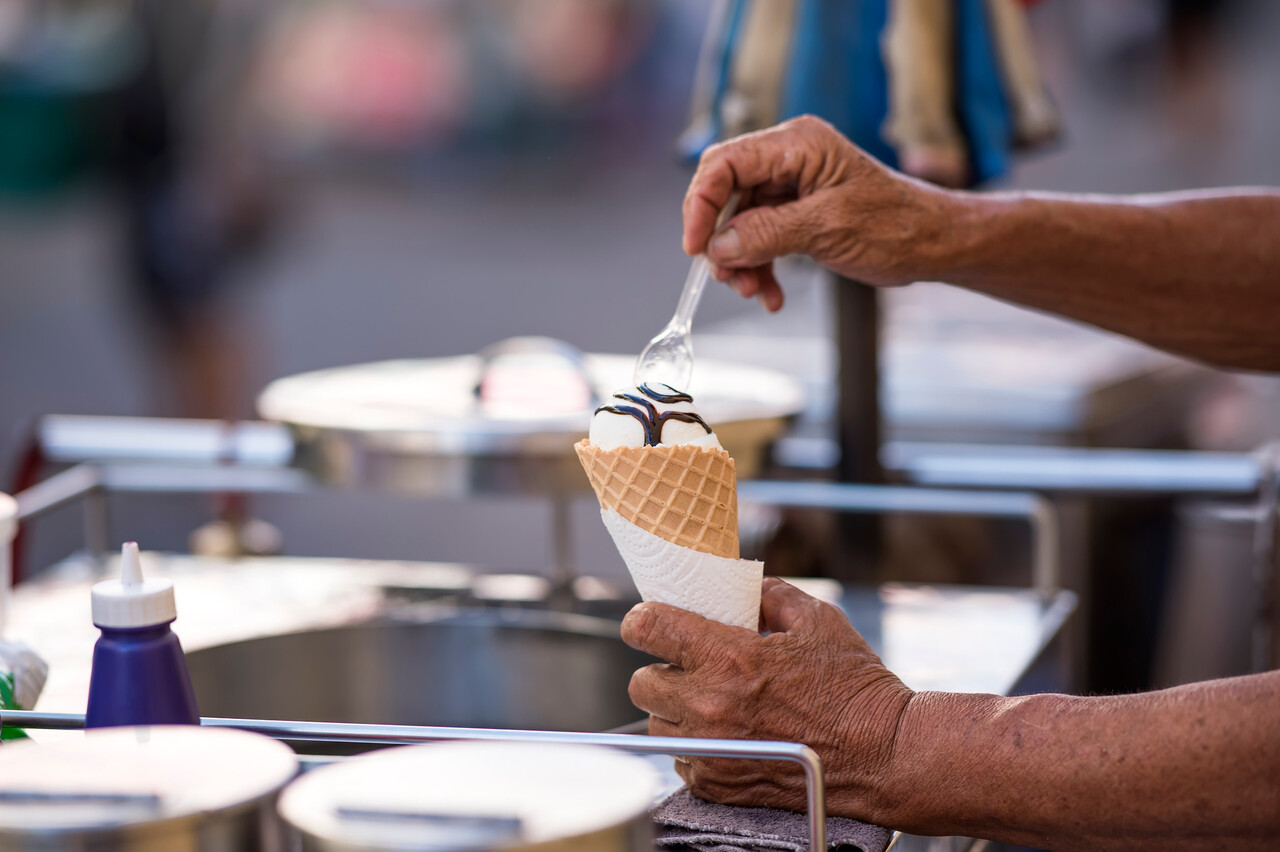
Dessert stations are the best part of a buffet, and pastry professionals believe dessert trucks are just as exciting but with more control, freshness, and consistency. Trucks make desserts fresh or finish the last steps to order instead of depending on pre-plated sweets that may sit around for a long time. Pastry experts say that this method keeps the delicate textures, smells, and looks of the desserts, which are all important parts of the buffet dessert experience.
Professional bakers say that pastries that use dairy, eggs, and leavened batters need to be fresh. When held for too long, creams can lose their shape, cakes can dry out, and toppings can lose their shine. Dessert trucks don’t have these problems because they only make a small number of each item during service, which means that each one may be presented at its best.
Experts also say that portion sizes are a strategic advantage. Smaller, well-designed servings make it easy to try a lot of different things, just like at a buffet, without wasting too much food. This method helps keep the texture and flavor of the food while also making guests feel like they have a lot of food.
Food safety experts also say that mobile kitchens can keep dairy and egg-based sweets at a more stable temperature. Consistent refrigeration and quick delivery make handling safer and flavors brighter, giving you a treat without the stale compromises that are prevalent at buffet sweet stations.
7. Noodle Bar Dupes from Ramen and Pasta Trucks
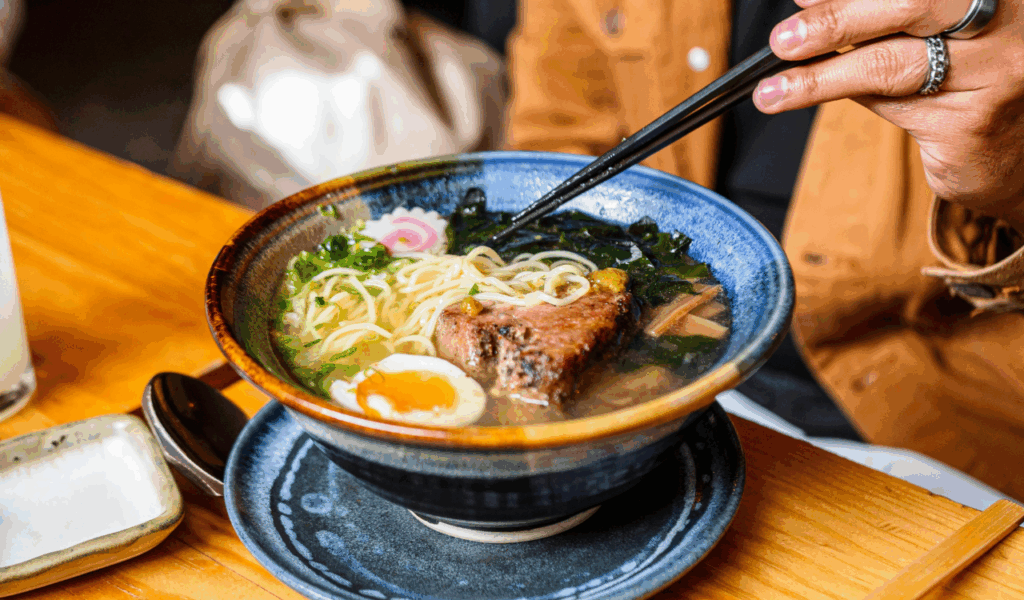
Noodle stations are a common buffet element, and chefs claim food trucks are the best at this since they focus on one thing and do it well. Instead of just making a lot of food, ramen and pasta trucks focus on developing their stocks, balancing their sauces, and cooking their food just so. This keeps the flavors strong and intentional.
Professional chefs say that holding noodles makes them go bad quickly. Buffets often have trouble with texture because noodles might get soft, clump together, or soak up too much sauce. Experts say that the structure, chew, and appropriate sauce adhesion of noodles are very important to their quality. Food trucks cook noodles to order to keep these things.
Culinary teachers also say that having a small number of menu items makes things much more consistent. Trucks don’t provide a lot of watered-down options. Instead, they develop a few key recipes by repeating them again and over, improving the spice, broth clarity, and timing.
Nutritionists also say that being careful about how much you eat might help you feel less heavy. Buffet noodle bars are comfortable because they have visibly better craftsmanship and balance, so diners leave pleased instead of overwhelmed.
8. Fried Food Platters That Beat Buffet Crunch
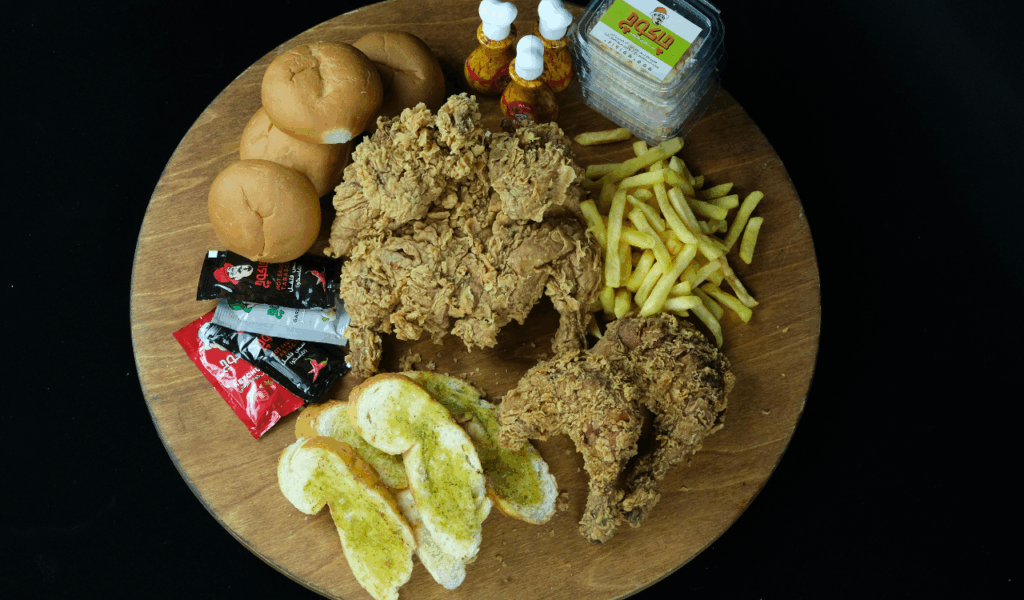
People love fried dishes at buffets, but experts claim food trucks always have better quality and texture. Professional fry cooks say that for food to be crispy without being greasy, the oil must be of good quality, be filtered, and be at a stable temperature.
Buffets often use oil for extended periods of time because of cost and scale issues. This can dull flavor, darken coatings, and add off notes. Food trucks change and filter their oil more often since they use smaller fryers. Frying experts say that method makes food taste better, smell better, and stay golden longer than buffet settings can.
Timing is also an important quality issue for chefs. When you put fried foods under heat lamps or in warming trays, they quickly lose their best texture. Food trucks serve food right after frying, which keeps the crunch, heat, and contrast between the moist inside and the crunchy outside that people expect from fried dishes.
Food safety experts say that making smaller batches lowers the danger of contamination and makes it easier to keep an eye on how the oil breaks down. The end result is fried food that tastes great, is fresher, has a better texture, is safer, and is easier to regulate.
9. Breakfast All Day Trucks as Buffet Brunch Replacements
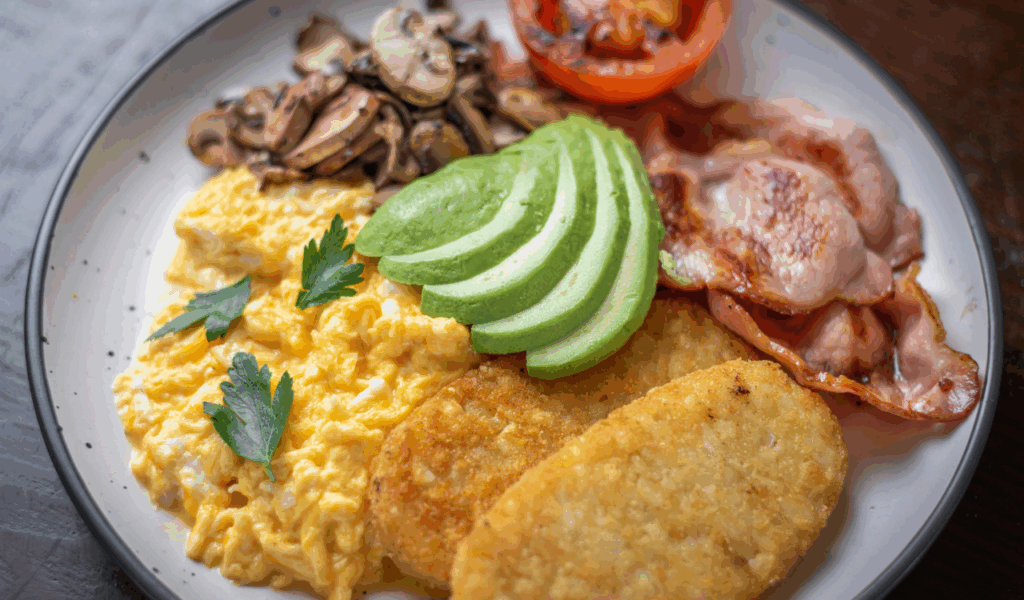
People adore breakfast buffets, and chefs claim that food trucks do a great job of recreating them with all-day breakfast menus that focus on freshness and consistency. Eggs, griddled foods, and sides are cooked fresh instead of being kept warm, which keeps the quality the same from the first order to the last.
Culinary experts say that eggs are the most affected by buffets because they can become rubbery, wet, or hazardous if they are held for too long. Food trucks cook eggs to order, which makes sure they have the right texture, are cooked all the way through, and follow good food safety measures that are easier to follow in small batches.
Professional chefs say that making breakfast menus simpler makes them much easier to follow. Instead of making a lot of pancakes, breakfast meats, and grains at once, they are made at the right time, which makes them brown better, hold moisture better, and taste better.
Nutrition-focused chefs say that trucks may easily change the amount and type of food they serve to fit varied tastes. This flexibility makes for a pleasant breakfast without too much waste. It offers the comfort and variety of a buffet with better quality control and freshness.
10. Mixed Plate Trucks That Channel Buffet Variety
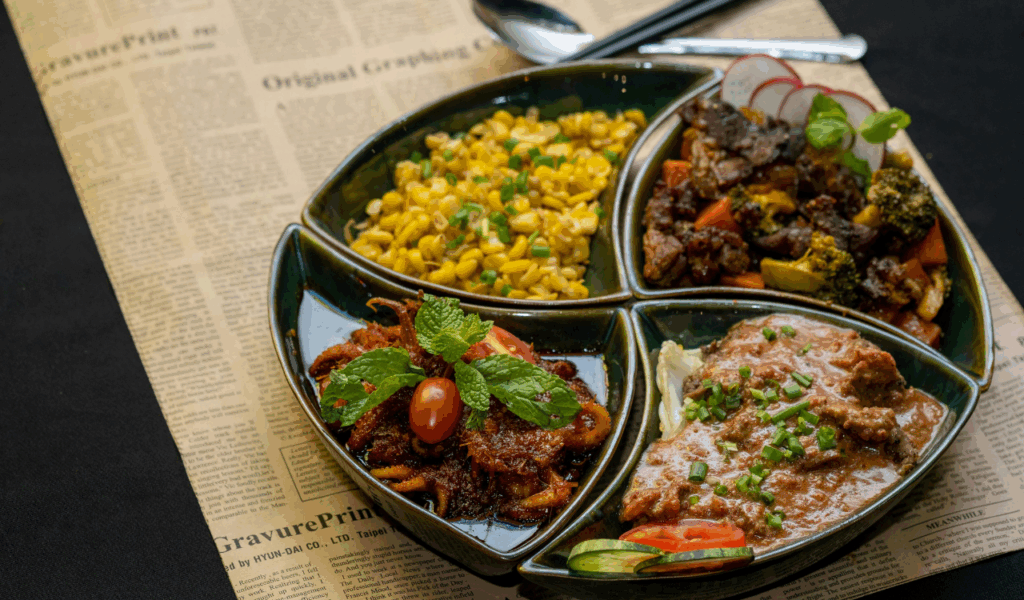
Food industry experts and catering specialists who have worked in high-volume service say that mixed plate trucks are the most similar to buffet-style service. These trucks serve several little pieces on one plate, which is quite similar to the experience of trying different foods at a buffet without overloading the diner.
Chefs say that mixed platters need to be balanced. Instead of competing for attention, each ingredient is meant to go well with the others in terms of taste, texture, and warmth. Buffets typically give guests too many choices at once, but trucks carefully choose combinations that work well together and make people happy.
Professional kitchen managers say that smaller, more concentrated menus make things much more consistent and easier to do. Each part gets special attention, which leads to improved seasoning accuracy, tighter temperature control, and more thought-out plating.
Food service specialists say that safety and efficiency are other benefits. Controlled amounts cut down on waste and make it easier to keep food at the right temperature. They also provide you a range of buffet options with chef-driven intention, reliability, and consistency.