
7 “Hexagon” Tiles That Crack and Cost a Fortune to Fix
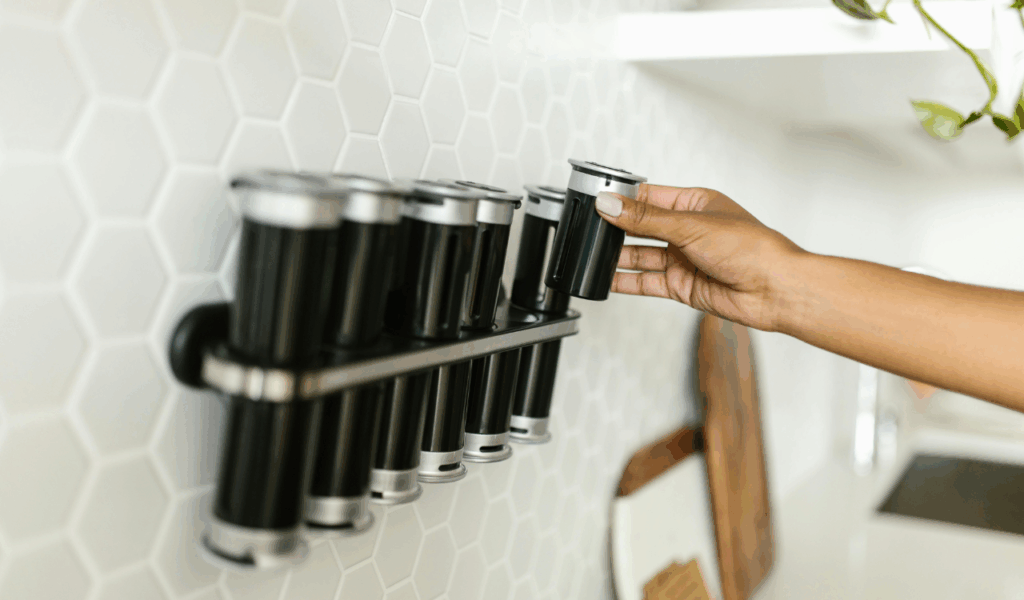
Hexagon tiles are quite popular in modern interior design because they add a geometric touch that regular subway tiles can’t equal. But experienced contractors and flooring experts typically tell clients that these six-sided beauties are much more temperamental than their rectangular cousins.
Because they have more edges and intersection points, the installation’s structural stability depends a lot on having a perfectly level subfloor and the right amount of space between the pieces. The distinctive shape of the hexagon means that even a tiny shift in the foundation can cause stress points that cause ugly hairline cracks to form across the center of the tiles.
Professional flooring installers say one fractured hexagon tile might cost more than the box of materials. Because hexagons fit together, removing a damaged piece might damage the grout lines and tiles adjacent to it. Some homeowners don’t know how much work it takes to chisel off solidified epoxy grout without destroying the nearby “honeycomb” structure, say experts. Choosing the wrong hexagon tile for a busy area or without considering how the material will expand will make your restoration a headache and expensive.
1. Large Format Thin Porcelain Hexagons
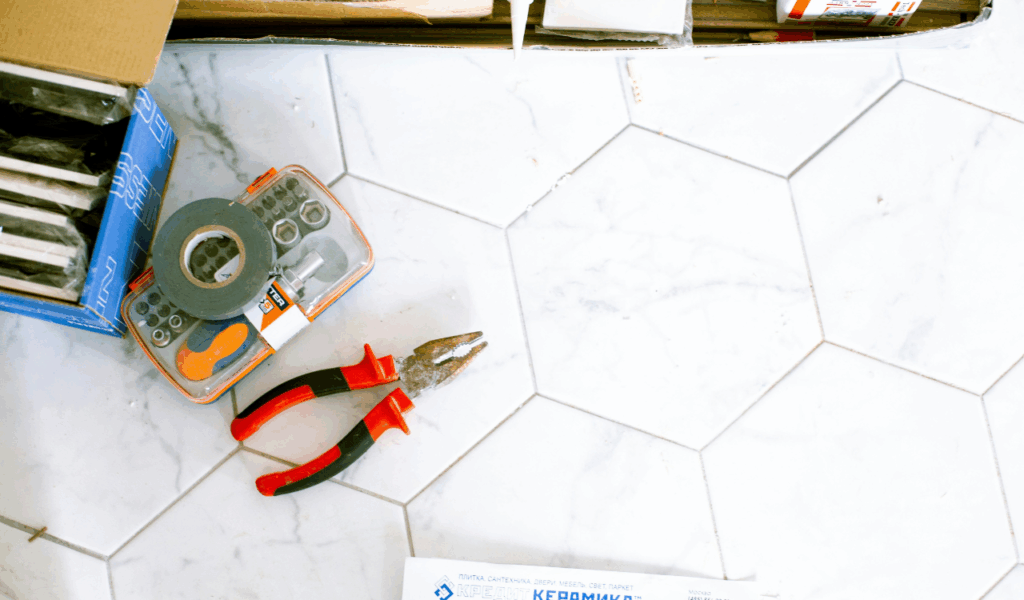
Large porcelain hexagons are very popular for giving big bathrooms a modern, seamless look. However, experienced flippers say that these are some of the most brittle alternatives on the market. When a hexagon tile is more than twelve inches across but stays thin, it is very likely to “lip” and crack. The surface area is so big that even a small air pocket in the thin-set mortar below makes a hole. When you tread on that location, the porcelain breaks right away since it doesn’t have any support. This leaves you with a sharp, hazardous crack.
Contractors recommend against using these large tiles in older homes with bending or settling floor joists. Designers recommend spending a lot on a high-quality uncoupling membrane to absorb floor movement for the vast scale look. The inflexible porcelain can’t handle a house’s natural vibrations without this expensive underlayment, causing fractures that are hard to disguise. Most DIYers lack the surgical accuracy to repair one of these large devices, so they must pay for skilled service and diamond-tipped equipment.
2. Natural Carrara Marble Hexagons
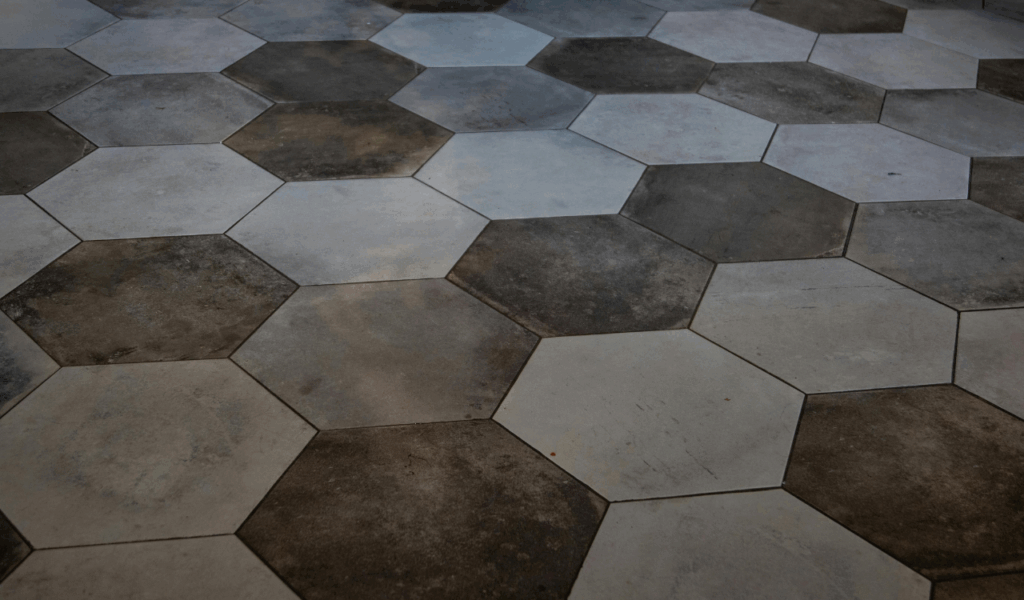
Marble hexagons are the height of luxury, but interior designers say to be careful when putting them in areas with a lot of moisture, such walk-in showers. Because it is a natural stone, marble is porous by nature and considerably softer than ceramic or porcelain produced by humans.
Professional stone restorers say that marble has cracks inside it that you can’t see until you put weight or heat on it. When a fracture appears in a marble hex, it usually follows the stone’s natural veining, which makes the damage look like a jagged, dirty streak that spoils the exquisite aspect.
Because you can’t just replace a tile and expect it to fit, experts say repairing marble is pricey. Since natural stone varies, a tile from a different batch will likely stand out. A specialist must patch the break with epoxy and polish the floor to fix a damaged marble floor, according to experts. It’s dirty, takes a long time, and costs hundreds of dollars to mend a few square feet, so busy houses shouldn’t use it.
3. Handmade Cement Encaustic Hexagons
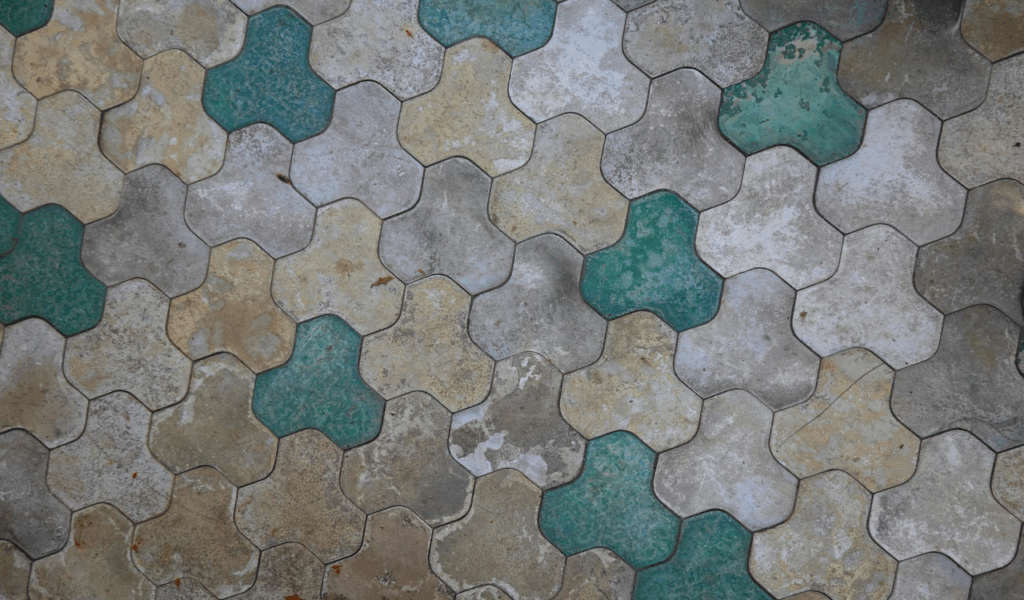
Cement tiles are becoming very popular because of their striking designs and matte texture, although experienced installers often caution that they are not very stable. Cement tiles are cured at room temperature, which makes them considerably more likely to shrink and expand than kiln-fired pottery.
If these tiles aren’t properly seasoned and sealed before and after grouting, they can get “spiderweb” cracks over the multicolored surface, according to organizers and house pros. Some people might think these tiny cracks are “patina,” but they really mean that the tile’s structure is breaking down, which lets water get into the subfloor.
Cement hexagons are heavy and hard to modify once set in a deep mortar bed, say contractors. If one breaks, it’s hard to hammer it out without damaging the tiles’ fragile, unglazed edges. Mineral pigments color cement, thus if the wrong cleaning solutions are applied, the colors may fade or bleed during restoration. Many people are surprised to learn that restoring cement tiles requires specialist work that can be expensive.
4. Glass Mosaic Hexagons

Professional designers say that glass hexagons look great on backsplashes and accent walls, but they shouldn’t be used on floors or in hot places. Glass is a fragile material that doesn’t absorb impact well. If you drop a big shampoo bottle or a pot from the kitchen, it could break.
Experts claim that the glue used for glass must be made for that type of glass, because regular thin-set can show through the clear tile or not stick properly. The tile’s support structure breaks down when the bond fails, making it easy to crack under even the smallest amount of strain.
Repairing glass mosaics is difficult because the glass fractures into tiny bits that are hard to remove from the grout. Many glass hex tiles have mesh backing. For one “cell,” cut the mesh without cutting the waterproofing membrane. Variable manufacturing runs make it difficult to match the original glass’s tint and translucency, say experts. This occasionally forces homeowners to either get a mismatched repair or spend a lot of money repairing a whole wall to maintain the look.
5. Peel and Stick Vinyl Hexagons
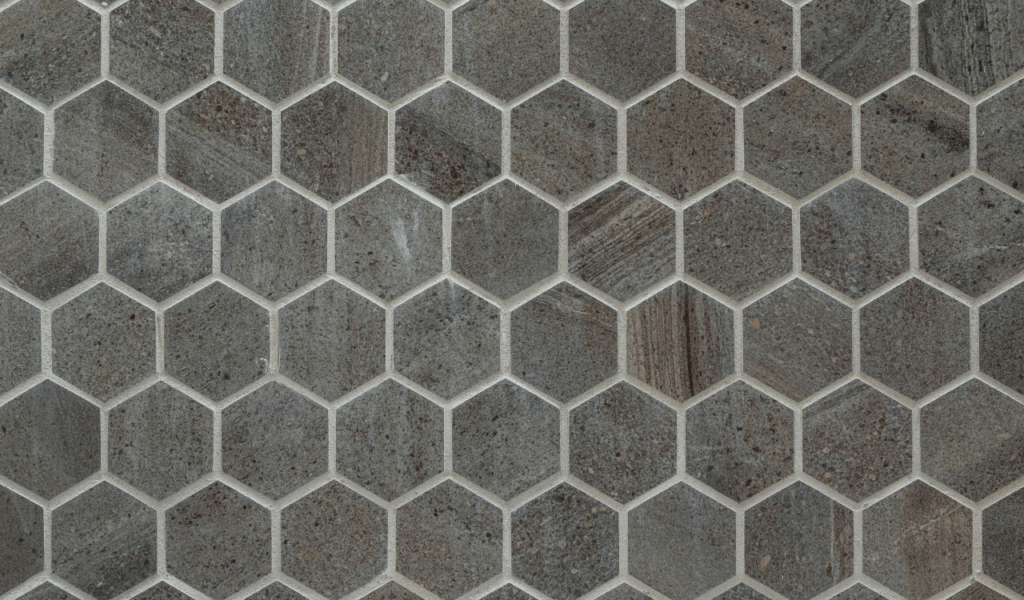
People who work as professional organizers and contractors regularly see peel and stick vinyl hexagons break within the first year, even though they are sold as a cheap DIY repair. These tiles use a pressure-sensitive glue that often loses its grip when it becomes too hot or humid, like in a bathroom or kitchen. When the edges start to peel, the vinyl gets weak and can break or shatter when you walk on it. Experts claim that the “crack” in vinyl frequently seems like a tear, which lets dirt and moisture get stuck underneath. This can cause mold problems and a bad smell.
Flooring specialists claim that “fixing” damaged tiles might cost as much as replacing them because the glue residue is difficult to remove. Professional cleaners say using harsh chemicals to remove old adhesive might damage the flooring, costing more to repair. Realtors recommend against buying these since they are transient fixes, not good flooring. To prepare the floor for a second tiling attempt costs more than hiring a professional to install good ceramic tiles from the start.
6. Unglazed Terracotta Hexagons
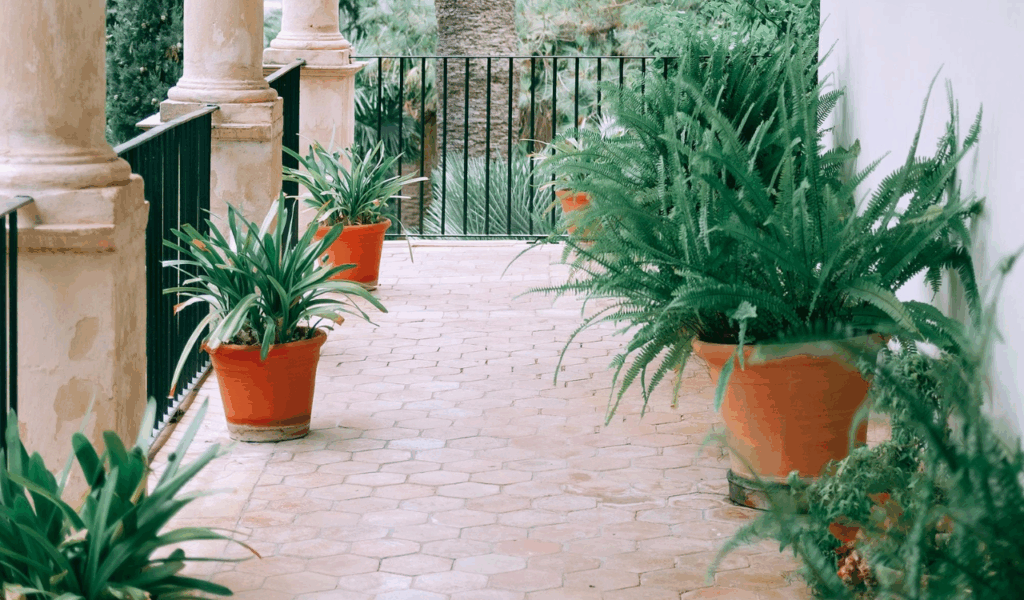
Many homes want the rustic, Mediterranean look that terracotta hexagons give, but contractors say they are one of the most vulnerable types of flooring. Terracotta is essentially baked earth, and without a protective glaze, it is incredibly soft and prone to “spalling” or surface cracking. Experts warn that if moisture gets stuck inside the tile’s porous body and then freezes or evaporates quickly, the pressure inside can make the face of the hexagon break off completely. This leaves a crater in your floor that is a magnet for dirt and grime.
Interior designers recommend terracotta for low-traffic spaces, yet many consumers install it in kitchens where items tumble. Since terracotta tiles are handmade and have variable thicknesses, professional stone masons believe they are difficult to level. A little higher tile can cause tripping and cracking. Find a matching clay body and gently mix new grout to repair them. Most general handymen charge a lot for this specialized work.
7. Metallic Finished Ceramic Hexagons
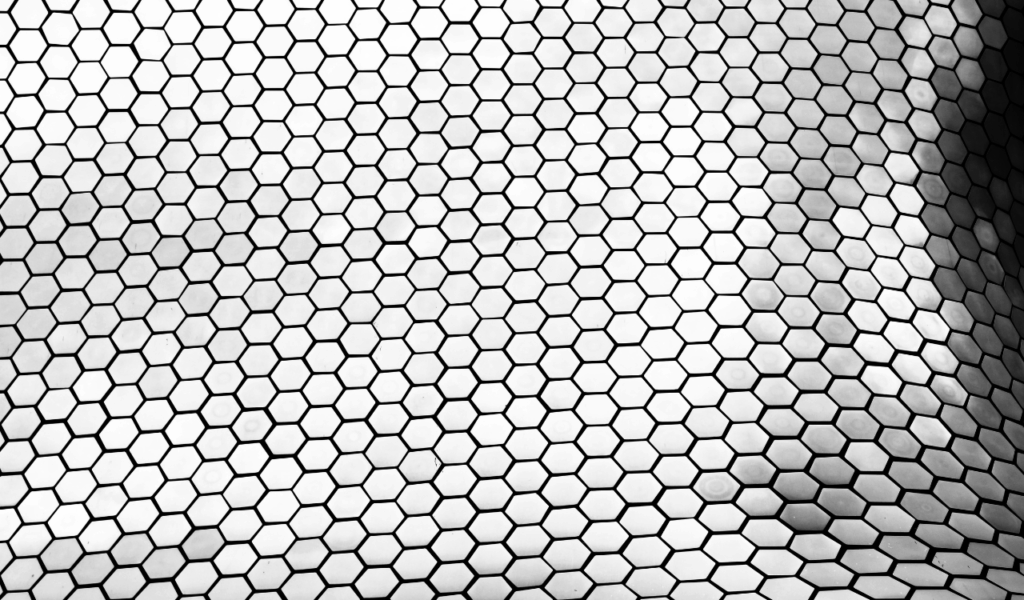
Metallic hex tiles give a high-end, industrial impression, but expert installers say that the metallic coating is usually simply a thin layer over a regular ceramic substrate. Designers say they should only be used for decorative borders because the finish can crack and flake off if the tile is put under any structural stress.
When a hairline crack breaks through the metal surface, the white or red clay underneath shows through, making the floor look cheap and broken. Experts say that these finishes are also vulnerable to acidic cleansers, which can chip away at the coating and make the tile weaker.
Contractors say replacing metallic tiles is difficult since the gleaming surface highlights any repair flaws. Light reflecting off the metallic surface will highlight the repair from across the room if the new tile isn’t at the same angle. These rare tiles are pricey, and the non-sanded grouts needed to prevent scratches increase maintenance costs, experts say. You’re paying for a tile and an expert who can handle fragile, shiny surfaces when one breaks.