
10 January Eating Trends That Turned Out to Be Just Empty Fads

January eating trends often promise fast results, clear rules, and a sense of control after weeks of holiday indulgence. The appeal is understandable, but many of these plans are built around strict structures and dramatic shifts that do not match how people actually live, work, and eat. When routines depend on perfect timing, heavy restriction, or constant monitoring, they struggle to survive busy schedules, social meals, and changing energy needs. Instead of building steady habits, these trends encourage short bursts of discipline that fade once daily life settles back in. These are the eating resets that felt exciting at first but revealed themselves as fads rather than long term solutions.
1. Intermittent Fasting With Rigid Eating Windows

Intermittent fasting attracts attention because it sounds simple and structured, but strict eating windows often clash with how real days unfold. Hunger does not follow clocks perfectly, especially when sleep, stress, and activity levels change. Skipping breakfast or delaying meals can lead to low energy, headaches, and difficulty concentrating, which makes work and family routines harder to manage. Social meals, school schedules, and shift work also disrupt fixed windows, turning everyday events into rule-breaking moments. When people feel they have failed the plan, motivation drops quickly. Sustainable eating usually works better when it responds to hunger cues and daily demands instead of forcing the body into preset time slots.
2. Very Low Carb High Fat Diets That Feel Heavy Over Time

Keto-style eating often delivers quick initial results, which fuels enthusiasm in January. The long-term challenge is that carbohydrates play an important role in fueling the brain and muscles. Without enough carbs, people may feel sluggish, irritable, and less able to exercise comfortably. Planning meals becomes complicated, especially when dining out or cooking for families with different preferences. High fat intake can also feel heavy and repetitive, making meals less enjoyable over time. As cravings return, many people drift away from strict rules. Balanced diets that include moderate portions of carbs tend to fit daily life far more easily.
3. Elimination Diets That Remove Too Many Foods at Once

Reset programs that cut out sugar, grains, dairy, and legumes all at once create dramatic change, but they also remove many convenient and nutritious foods. Grocery shopping becomes more expensive and time-consuming. Cooking requires careful label reading and special recipes. Social eating becomes stressful because most meals do not fit the rules. While short-term structure may feel empowering, the mental load adds up quickly. People often struggle to transition back to normal eating after the reset ends, which leads to frustration or rebound habits. Sustainable improvement usually comes from gradual changes rather than sweeping bans.
4. All Meat Eating That Lacks Nutritional Balance

Carnivore-style eating appeals to people who want simplicity, but relying almost entirely on animal products limits fiber, vitamins, and plant-based nutrients that support digestion and heart health. Meals become repetitive, which reduces enjoyment and satisfaction. Digestive issues and low energy can develop when fiber is absent. The social side of eating also becomes complicated, since few shared meals revolve solely around meat. Over time, the diet feels isolating and impractical. Most people need variety to meet nutritional needs and maintain interest in food, which is why extreme restriction tends to fade quickly.
5. January Only Vegan Challenges Without Transition Plans
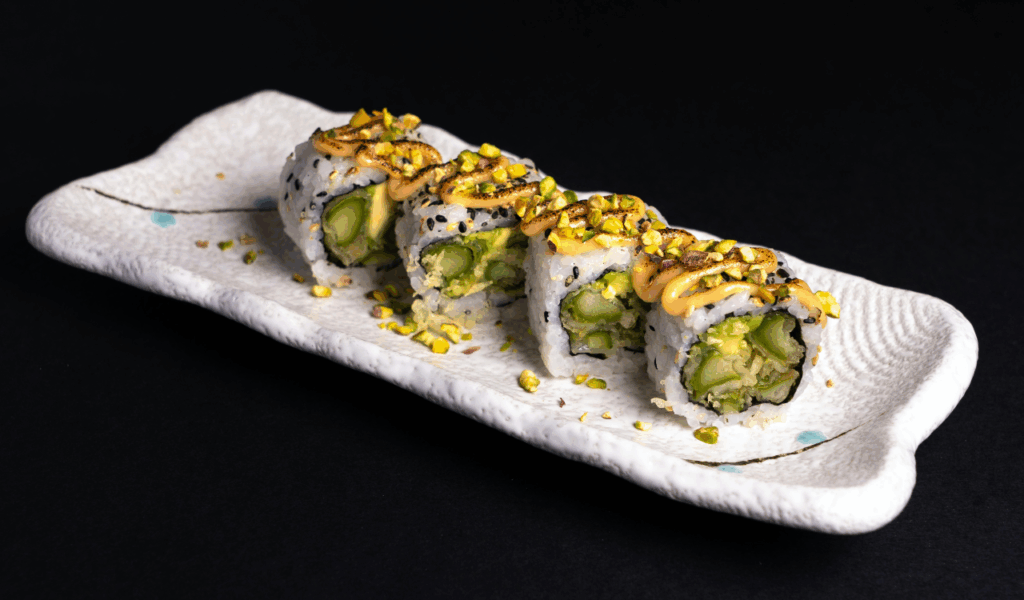
Veganuary encourages people to try plant-based eating for a month, which can raise awareness about food choices. The challenge is that sudden shifts without planning can leave people feeling unprepared and hungry. Protein intake, meal variety, and cooking skills all matter when switching to plant-based diets. Without those supports, meals may feel unsatisfying and repetitive. Once January ends, many return to old habits because they never built flexible plant-focused routines that fit their lifestyles. Long-term change usually works better when people gradually increase plant foods rather than switching everything at once.
6. Paleo Style Eating That Feels Socially Restrictive

Paleo diets focus on whole foods but remove grains, legumes, and many common staples. This makes everyday eating more complicated than it needs to be. Packing lunches, attending gatherings, and grabbing quick meals become harder when so many foods are excluded. Over time, the constant need to plan creates fatigue. While the focus on whole foods is positive, the rigid framework often discourages consistency. People may adopt the diet enthusiastically in January but slowly loosen rules until the original structure disappears. Balanced whole food approaches usually last longer because they allow more flexibility.
7. Extreme Fiber Loading That Causes Digestive Discomfort
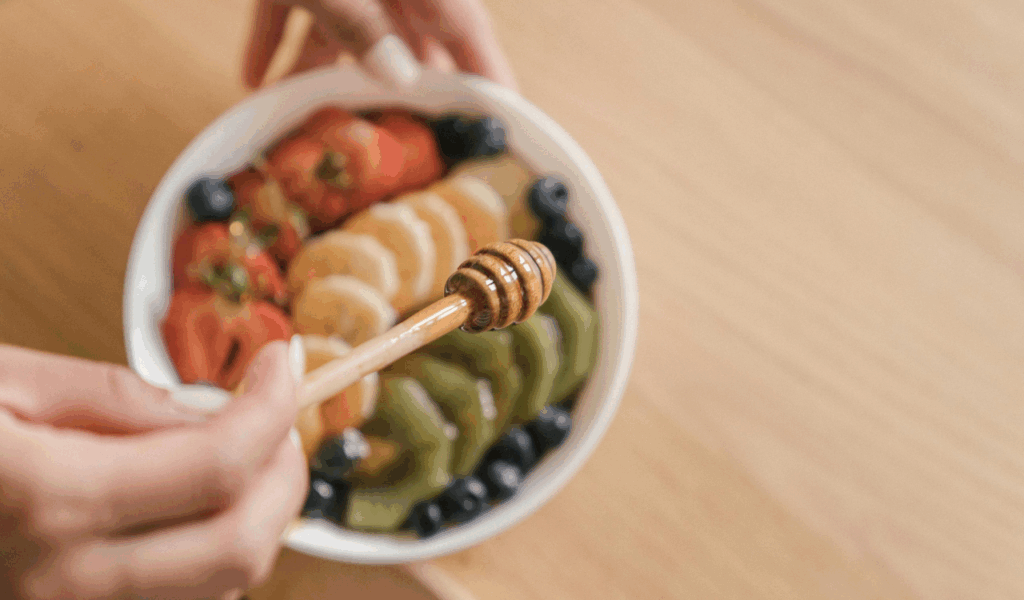
Eating high fiber foods is healthy in appropriate amounts, but sudden increases can cause bloating, gas, and stomach pain. When people dramatically raise fiber intake without gradual adjustment, discomfort makes them less likely to continue. High fiber foods also need adequate hydration to support digestion, which many people overlook. Chasing specific fiber targets can shift focus from balanced meals to single-nutrient goals. Instead of feeling energized, people may feel physically uncomfortable. Sustainable nutrition builds fiber gradually and in combination with protein and fats to support steady digestion and lasting habits.
8. Diet Only Resets That Ignore Sleep and Stress

Many January eating plans focus entirely on food while overlooking sleep quality, stress levels, and physical activity. When people try to change eating habits without addressing these factors, progress feels harder than necessary. Poor sleep increases hunger and cravings, while high stress encourages emotional eating. Diets that ignore these realities place unrealistic expectations on willpower. Once daily pressures return, strict food rules collapse because the underlying lifestyle remains unchanged. Long-term health depends on coordinated habits, not food rules alone. Sustainable change works best when nutrition is part of a bigger routine reset.
9. Viral Food Rules That Change Every Week

Social media drives quick shifts in what foods are praised or criticized. One week it is seed oils, the next week it is dairy or fruit. These swings create confusion and encourage people to chase trends instead of building steady patterns. Constantly changing rules prevent routines from forming. Grocery lists and meal plans become unstable, which adds frustration and cost. When advice feels inconsistent, people lose trust and stop following any plan at all. Evidence-based nutrition rarely changes dramatically month to month. Stability is key for habits to stick.
10. Trendy Superfoods That Do Not Fit Daily Budgets or Cooking
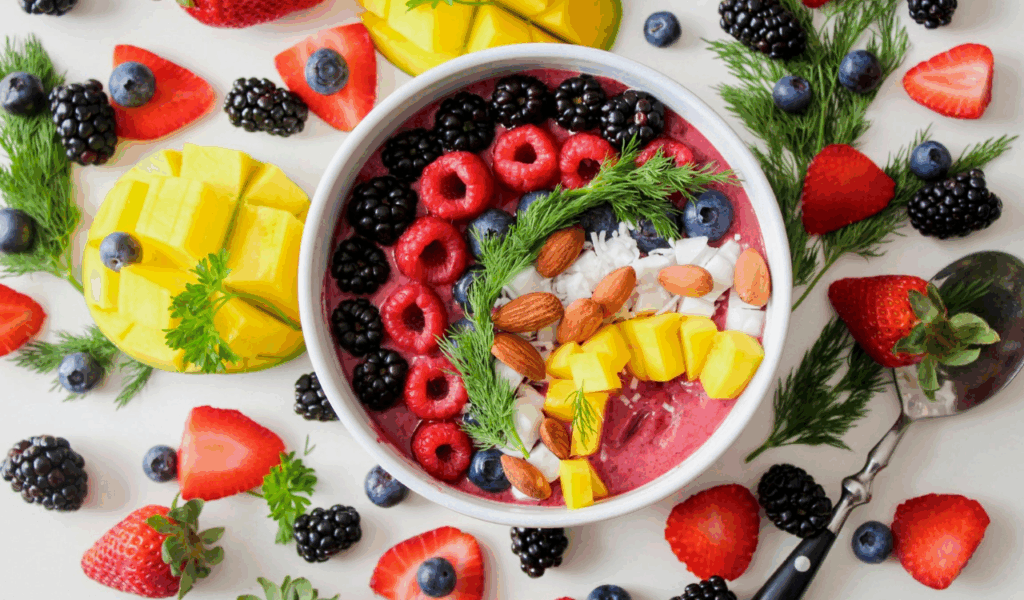
Certain foods get labeled as miracle ingredients and suddenly appear in every January recipe. While these foods may be nutritious, they often cost more and require unfamiliar preparation. If ingredients are hard to find or recipes are complicated, people stop using them quickly. Health benefits come from overall diet patterns, not from single trendy items. When superfoods do not integrate easily into normal meals, they become short-term experiments rather than long-term staples. Sustainable eating relies on affordable, accessible foods that families already know how to prepare.