10 New Year Meal Trends That Felt Restrictive

New culinary trends promise new starts, improved habits, and vigor every year. Although many have good intentions, certain trends discreetly evolved from attentive to restricted. They frequently caused tension, guilt, or needless eating regulations rather than promoting balance. Although food should nourish the body and the mind, these trends occasionally prioritized control over enjoyment. Looking back, it’s necessary to analyze whether ideas inhibited flexibility, discouraged diversity, or made ordinary meals difficult. Understand why these impulses felt restricted and make more sustainable, health-centered decisions to avoid habits that detract from eating or develop an unhealthy relationship with food.
1. Extreme Low Carb Resolutions
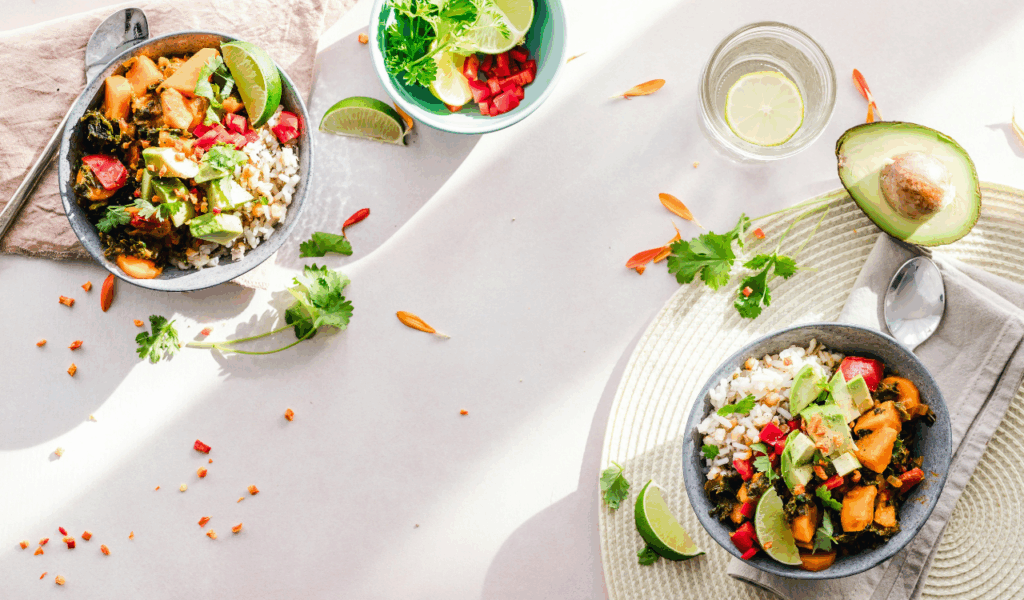
Over the New Year, low-carb eating became more fashionable, although extreme forms felt particularly restrictive. Numerous regimens advocated completely excluding grains, fruits, and even certain vegetables. Although cutting back on refined carbs can be advantageous, doing away with the majority of carbohydrate sources eliminates important elements including fiber, vitamins, and natural energy. This strategy made group dining difficult because bread, rice, and pasta are available worldwide. Many people experienced food anxiety and cycles of restriction and overeating due to the severe constraints. A balanced diet with whole grains and produce supports long-term health and is easier to maintain.
2. Liquid Only Meal Plans

Although liquid-based meal trends promised easy digestion and fast resets, they frequently substituted smoothies, broths, or juices for solid food for days at a time. A balanced diet can include liquids, but depending solely on them restricts protein intake, satiety, and chewing. A lot of diets were low in calories, which made people tired and irritable. These strategies ignored the importance of solid diets for hormonal balance and gut health. Meals were repetitive due to the lack of texture and variation. For the majority of people, adding liquids to solid meals is more sustainable and nourishing than cutting out solid food completely.
3. Strict Calorie Counting Challenges

As formalized New Year’s resolutions, calorie counting challenges gained popularity, but many people felt constrained by stringent tracking. Weighing food and recording each mouthful can raise awareness, but it may also divert attention from hunger signals and food quality. Nutrients, enjoyment, and the impact of food on energy levels are not all reflected in calories alone. Continuous tracking, particularly when the figures seem arbitrary, can lead to tension and guilt over eating. This method may eventually erode confidence in one’s body language. Many nutritionists recommend mindful eating that emphasizes nutrients, balance, and portion control over dietary restrictions.
4. No Sugar Rules Without Flexibility

A common New Year’s resolution was to completely cut out sugar, although this trend sometimes overlooked subtleties. While natural sugars found in fruits and dairy products offer nutrients and energy, too much added sugar can be detrimental. Many schemes treated all sugar equally, which caused people to shun nutritious meals needlessly. Additionally, occasional treats felt like failures rather than typical components of eating because of the inflexible thinking. This all-or-nothing strategy made adherence challenging and exacerbated desires. A balanced approach reduces processed sweets while allowing enjoyment and natural sweetness.
5. One Meal A Day Commitments

Though it seemed restricting for many lives, eating one meal a day gained popularity as a means to simplify meals and control intake. Prolonged fasting might result in extreme hunger, low energy, and trouble concentrating. Meeting nutrient requirements in a single meal might be difficult for people who have busy lives or are physically active. Additionally, this pattern might promote binge eating during that one sitting. While some people find success with intermittent fasting, extreme forms limit social comfort and flexibility. Without the strain of lengthy daily fasts, more moderate meal timing strategies frequently offer comparable advantages.
6. Elimination Diets Without Medical Need

As the New Year approaches, elimination diets have become popular, cutting out foods like dairy, gluten, and legumes without consulting a doctor. Unnecessary exclusion can lower diet diversity and nutrient intake, even though it is useful for identifying intolerances. These programs frequently classified regular meals as dangerous, which made eating frightening. Without appropriate alternatives, consumers run the danger of experiencing protein, fiber, or calcium shortages. The lack of options also made social eating more difficult. Rather than following trends, a varied diet that solely excludes foods for health reasons is more fun and balanced.
7. Hyper Clean Eating Labels
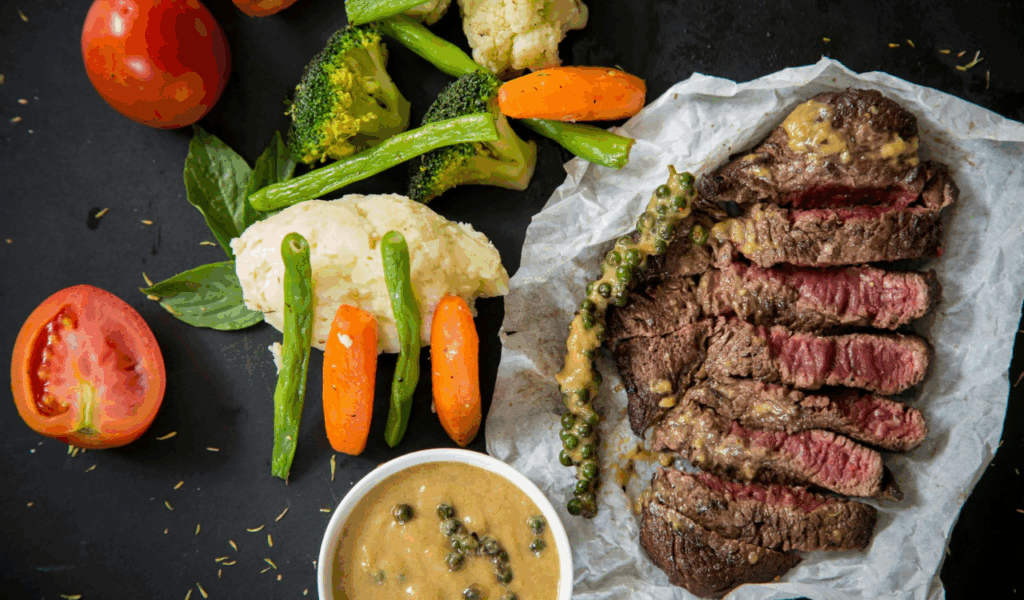
Lists of permitted and prohibited foods were promoted by clean eating challenges, which felt constrictive rather than encouraging. Due to the absence of a precise definition, false information proliferated, frequently disparaging convenient or packaged goods. This way of thinking disregarded the fact that a lot of shelf-stable foods can be both useful and nourishing. Food labels such as “clean” or “dirty” exacerbated feelings of shame and moral judgment. Over time, this rigidity decreased enjoyment and made flexibility challenging. Overall patterns, not perfection, are what nutrition is all about. Balanced meals can incorporate packaged and fresh foods without losing health.
8. Protein Only Meal Fixation

Meals that were nearly exclusively composed of protein sources were encouraged by New Year’s trends that centered on protein. Protein is necessary for satiety and muscle repair, but neglecting other macronutrients leads to imbalance. While lipids aid in the absorption of nutrients and hormones, carbohydrates supply energy and fiber. Micronutrient intake was decreased because protein-only diets frequently lacked whole grains and vegetables. This method also reduced the variety of foods from different cultures. Rather than focusing on one component, a balanced plate with protein, carbs, and fats is more satisfying and healthy.
9. Social Media Reset Diets

Short-term social media challenges that promise quick results are the source of many limiting tendencies. These resets frequently encouraged irrational expectations and lacked scientific support. rigorous guidelines, unique ingredients, or rigorous timetables were necessary to follow them. Frustration ensued when promises were not fulfilled. Stress was further increased by the pressure to share progress. One-size-fits-all diets are rarely effective due to the huge range of nutritional needs. Personalization and consistency, not fleeting viral challenges that put appearance before health, are the keys to the development of sustainable habits.
10. Food Rules Framed as Discipline

A number of New Year’s meal trends portrayed flexibility as weakness and limitation as discipline. This way of thinking promoted disregarding hunger and enduring discomfort. These regulations have the potential to harm the link between body awareness and eating over time. Nutritional discipline should promote health rather than curb appetite. Eating becomes stressful when decisions about what to eat are motivated by a fear of breaching the rules. A healthier strategy places more emphasis on enjoyment, nourishment, and consistency. Allowing for flexibility promotes mental and physical health and creates habits that last past January.