8 Bathroom Decor Ideas That Make Small Spaces Feel Closer
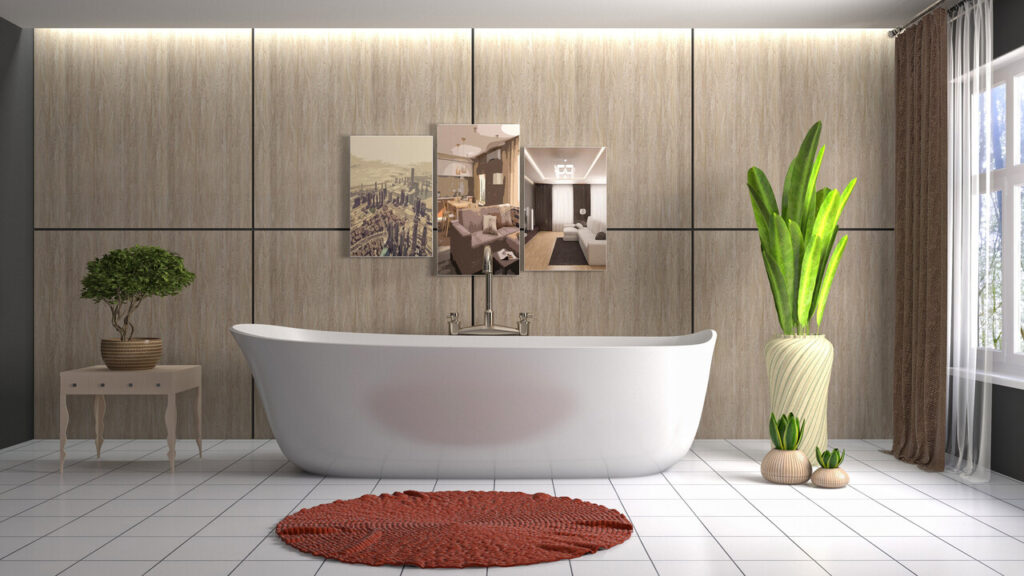
Small bathrooms can work beautifully, but only when every design choice respects the limits of the space. The trick isn’t about squeezing in more features. It’s about understanding how light, color, and layout influence how the room feels the moment you step inside. When you lean into simplicity and clarity, even the tightest layout starts to feel easier to live with. That’s the real magic behind good small bathroom design. It’s less about flashy upgrades and more about smart decisions that quietly make the room breathe.
1. Use Light, Neutral Colors To Brighten The Room
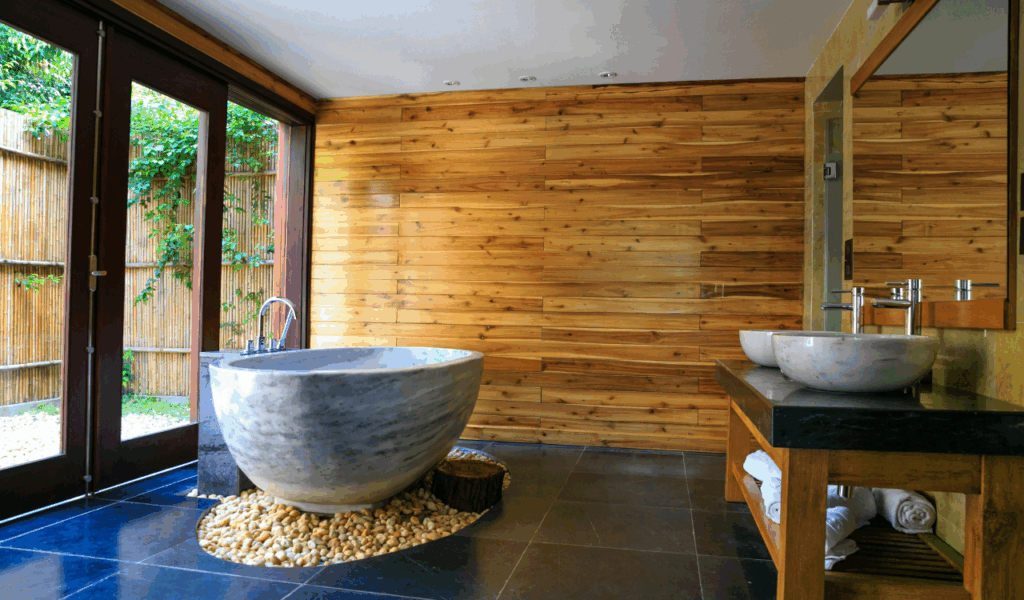
The simplest way to help a tight bathroom breathe is to calm down the color. Light neutrals act like extra light sources because they bounce whatever daylight or artificial light you already have. When walls, ceiling, and even much of the tile sit in a similar soft range, the eye stops tripping over strong contrasts and starts reading the whole shell as one continuous envelope. That smoothness is what makes a space feel larger and less choppy. Whites, soft creams, warm beiges, and very pale greys all work, as long as they match the undertones of your fixtures and flooring.
2. Install A Floating Vanity Or Compact Fixtures To Free Floor Space
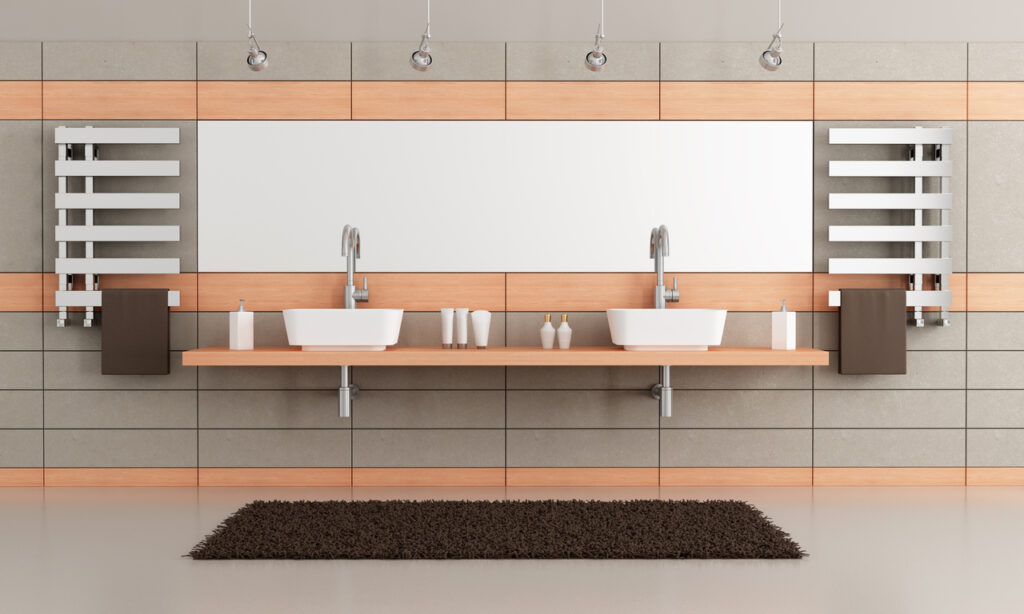
In a small bathroom, the floor is prime real estate. The more of it you can see, the more open the room feels. Wall-hung vanities and compact toilets keep cabinetry and bulk off the floor so your sightline runs under them to the edges of the room. That gap is not wasted space. It makes cleaning easier and gives an immediate sense that there is room to move. Choosing a vanity that is scaled to the width of the wall, rather than an oversized piece that crowds corners, also helps circulation. Built-in storage within the floating unit means you do not lose function. You simply trade visual heaviness for a lighter, more balanced look that lets the bathroom feel less boxed in.
3. Embrace Frameless Glass For Showers To Keep The Room Continuous
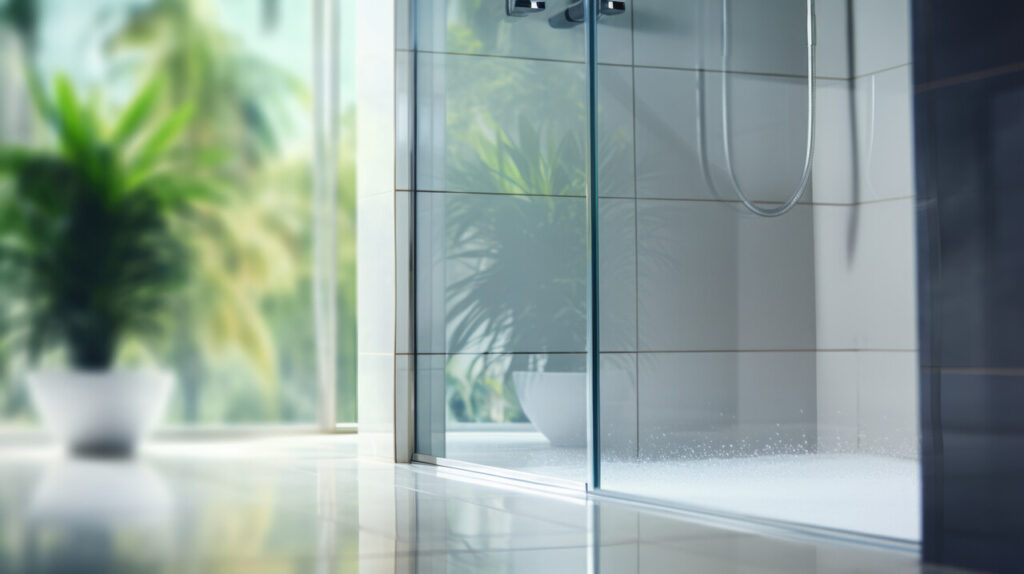
Any solid barrier in a small bathroom cuts the room into zones, and that division is what makes spaces feel tight. Clear, frameless glass for a shower allows your eye to travel all the way to the back wall and down to the floor tile without interruption. It effectively adds the shower footprint to the perceived size of the room, even though the actual measurements have not changed. Because there is no bulky frame or curtain rod, the ceiling line feels higher, and the walls read longer. Water spotting can be managed with a quick squeegee after use, which is a small trade-off for the gain in openness.
4. Use Large Format Tiles To Reduce Visual Seams
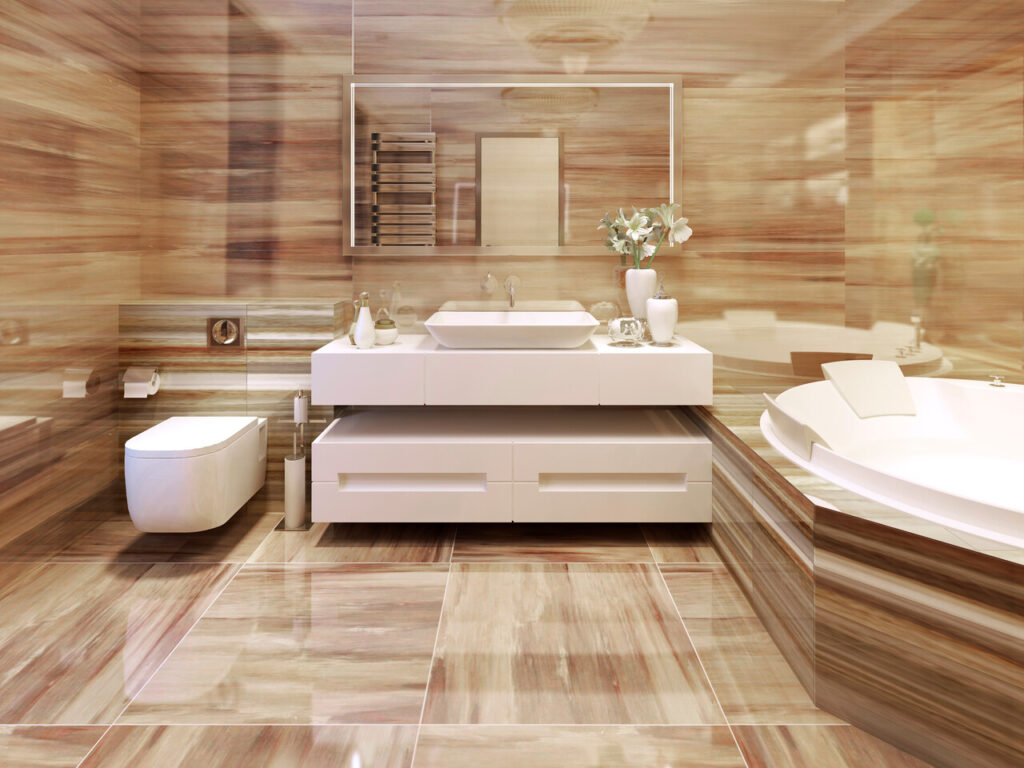
Busy surfaces make small rooms feel busier. When floors and walls are covered in small tiles with lots of grout lines, your eye reads all those joints as texture and visual noise. Larger tiles cut that noise down. Fewer grout lines means the surfaces present as larger, calmer planes, which immediately suggests more space. Rectangular tiles laid in a stacked or gentle running pattern can elongate either width or height, depending on how you orient them. Choosing grout close in color to the tile further softens the grid effect. On practical grounds, there is less grout to scrub, which keeps the room looking fresher.
5. Hang Oversized Or Tall Mirrors To Bounce Light And Depth
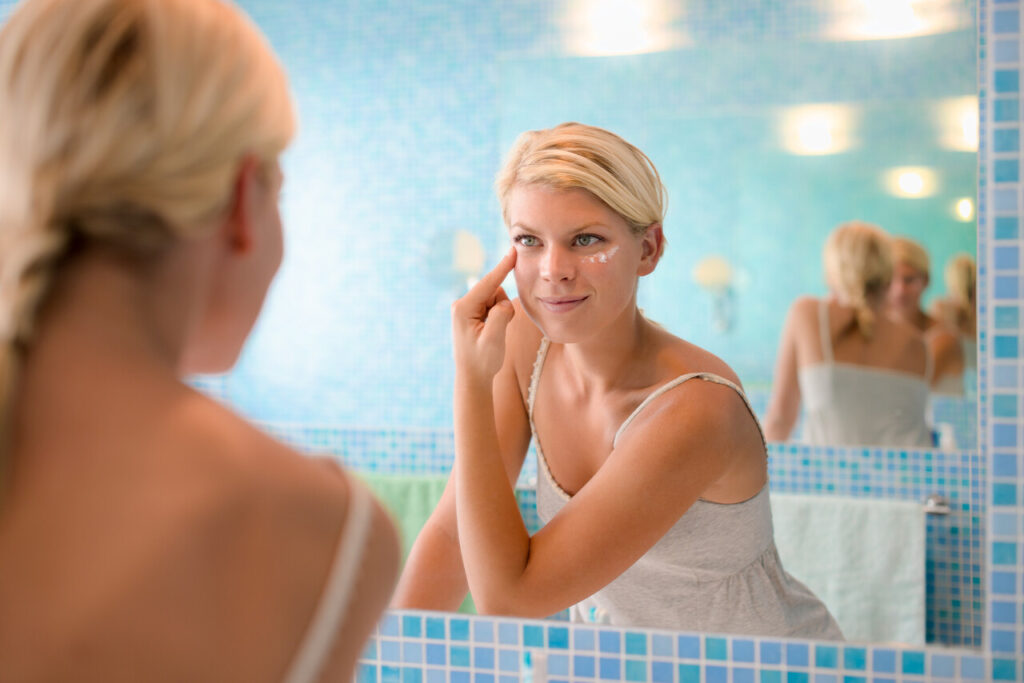
Mirrors are one of the most effective tools for enlarging a small bathroom because they create the illusion of extra volume. A mirror that stretches wide over the vanity or climbs close to the ceiling reflects both light and space. It might show a doorway, a window, or even just the opposite wall, but in each case, your brain registers that reflected area as an extension of the room. Placing wall lights beside or above the mirror compounds this by doubling the light source. Frameless or very slim frames keep the emphasis on the reflection rather than the object. If you have a narrow room, a wide mirror can make it feel broader.
6. Lean On Vertical Storage To Keep The Floor Clear
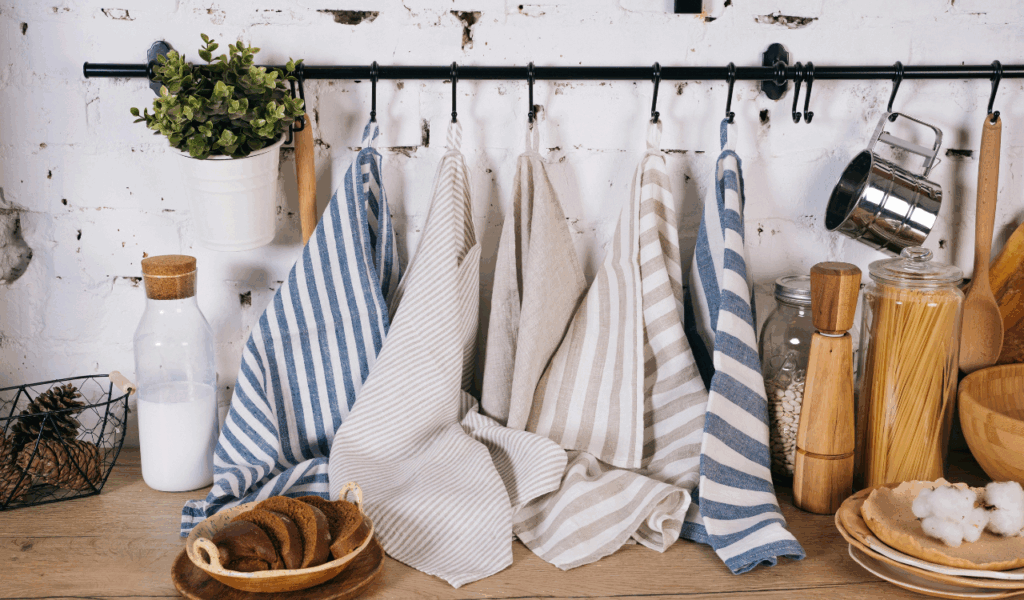
When you cannot grow a bathroom outward, you grow it up. Walls are often underused, especially above toilets, radiators, and behind doors. Tall, narrow cabinets, simple shelves, or ladder-style towel racks exploit this vertical zone without intruding on walking paths. By shifting extra rolls, toiletries, and towels off the counter and floor, you instantly calm the lower half of the room where most of your attention lands. To keep things from feeling cluttered, it helps to choose storage pieces in finishes that match or closely complement your existing fixtures so they read as part of the architecture rather than separate furniture.
7. Use Layered Lighting So Corners Do Not Disappear
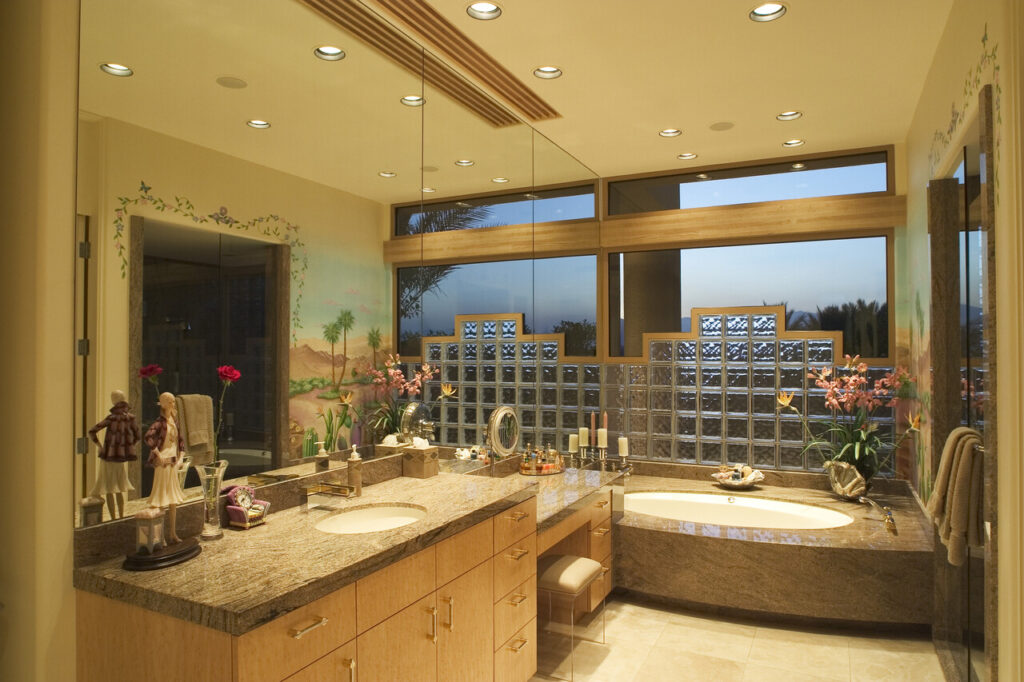
Small bathrooms often feel cramped because parts of them sit in shadow. One overhead light might technically illuminate the room, but it will throw shadows on faces at the mirror and leave corners looking dull. Combining a good ceiling light with wall sconces at mirror height and, where possible, a small recessed or strip light in the shower spreads light more evenly. When walls and corners are properly lit, they seem to sit farther away. Thoughtful lighting temperatures also matter. Warm to neutral white tones usually flatter skin and materials better than harsh cool light, which can make surfaces feel clinical and unforgiving.
8. Hide Clutter With Sensible Storage To Let Surfaces Breathe
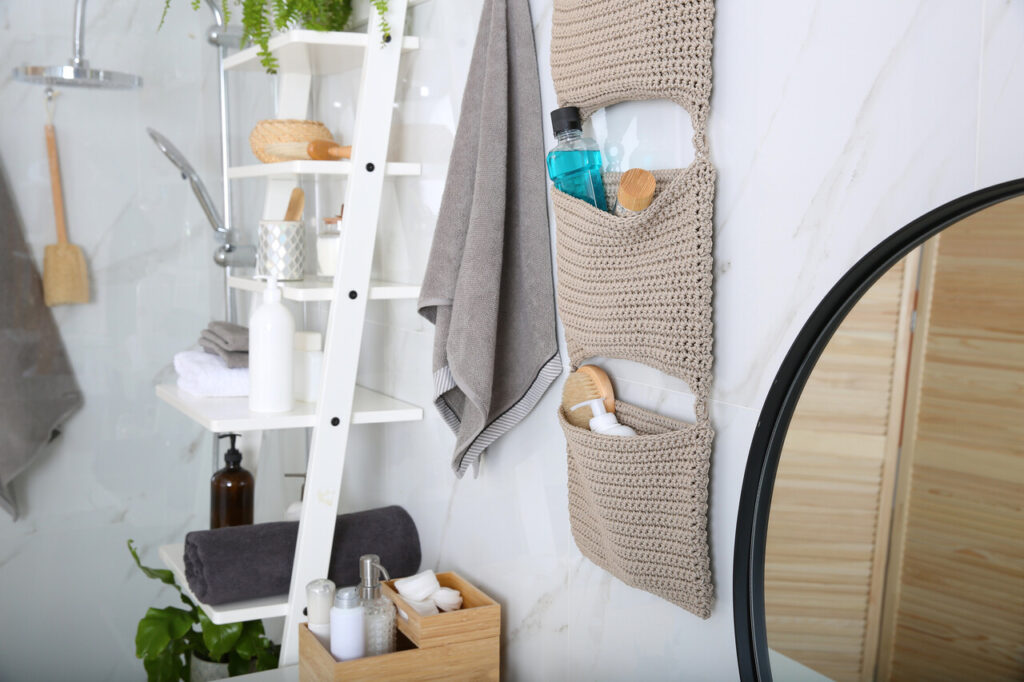
Even a well-planned small bathroom feels cramped if every ledge is crowded with bottles, brushes, and products. Visual clutter compresses space because your brain processes the room as a dense collection of objects rather than a simple volume. Recessed medicine cabinets, built-in shower niches, and under-sink drawers let you store daily-use items within easy reach but out of immediate sight. Keeping only a few attractive, frequently used pieces on the counter, such as a soap dispenser and a small tray, gives the surfaces breathing room. That negative space is what allows finishes and proportions to register.