Old-School Meals From Hard Times People Hope Never Come Back
Food has always been a reflection of the times. During periods of hardship, creativity was a requisite ingredient in kitchens worldwide. Let’s explore some of the old-school meals that, although fascinating, are flavors of yesteryear we’d prefer to leave in the past.
Depression-Era Dishes: A Lesson in Scraping By

The Great Depression set the stage for some of the most inventive, yet often unappetizing, meals of the 20th century. With limited resources, cooks had to stretch what little they had, turning scraps into sustenance.
One infamous concoction from this period was “Hoover Stew.” Named somewhat ironically after President Herbert Hoover, the dish typically included macaroni, hot dogs, and canned tomatoes. This was food designed to feed a crowd on the slimmest of budgets, lacking in both meat and imagination.
Then there was the notorious “Mock Apple Pie,” which fooled only the desperate. Its crust concealed no apples but rather Ritz crackers doused in sugar syrup and spices to mimic the flavor of the coveted fruit. For those who could not afford fresh produce, it was a feeble imitation at best.
Wartime Rations: Necessity Over Flavor
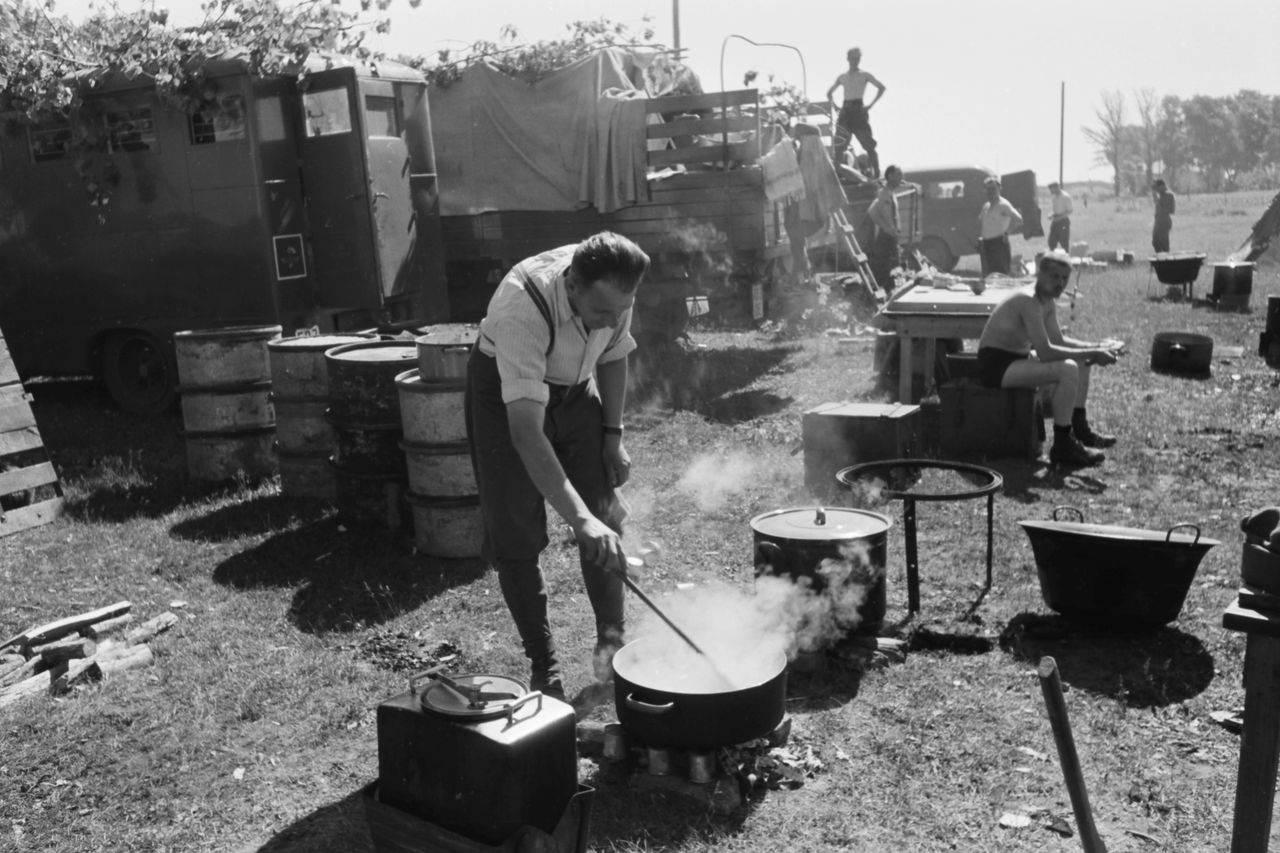
World War II brought on another period of stringent food rationing. Kitchens became arenas of ingenuity where simplicity had to meet nutrition needs. One staple dish from this era was “Shit on a Shingle” — chipped beef in a white sauce served over toast — quintessential military fare. Its unattractive moniker aptly described the sentiment toward this utilitarian meal.
Another wartime recipe was Spam, often unceremoniously fried or sliced. Loved by some for its lasting power but loathed by many for its undiscriminating taste, Spam became a symbol of the era’s resourcefulness and a reminder of culinary limits.
Post-War Adaptations: Tinned and Wary
Post-war periods continued to see certain peculiar foods that even nostalgia cannot sweeten. Aspics, or gelatin-molded salads, became oddly popular, and their vibrantly jiggly forms disguised offerings of canned meats and vegetables.
Another baffling creation was the “Jello Salad,” a dessert-like dish frequently containing whipped cream filling but also marred by the incorporation of vegetables such as grated carrots or celery, creating gelatinous paradoxes on dinner tables.
1950s Convenience Foods: The Era of Effortless Eating
As households moved toward the convenience lifestyle of the 1950s, TV dinners and processed foods became emblematic of modern living. Dishes like fish sticks, instant mashed potatoes, and canned spaghetti filled supermarket shelves, appealing more to the convenience-seeking than the taste-savvy.
“Chicken à la King,” served over biscuits or rice and doused in creamy sauce, became a go-to for families requiring quick meals. Though remembered fondly by some, the processed versions often left much to be desired in flavor and nutritional content.
The Economical 1970s Casseroles: A Melange of Leftovers
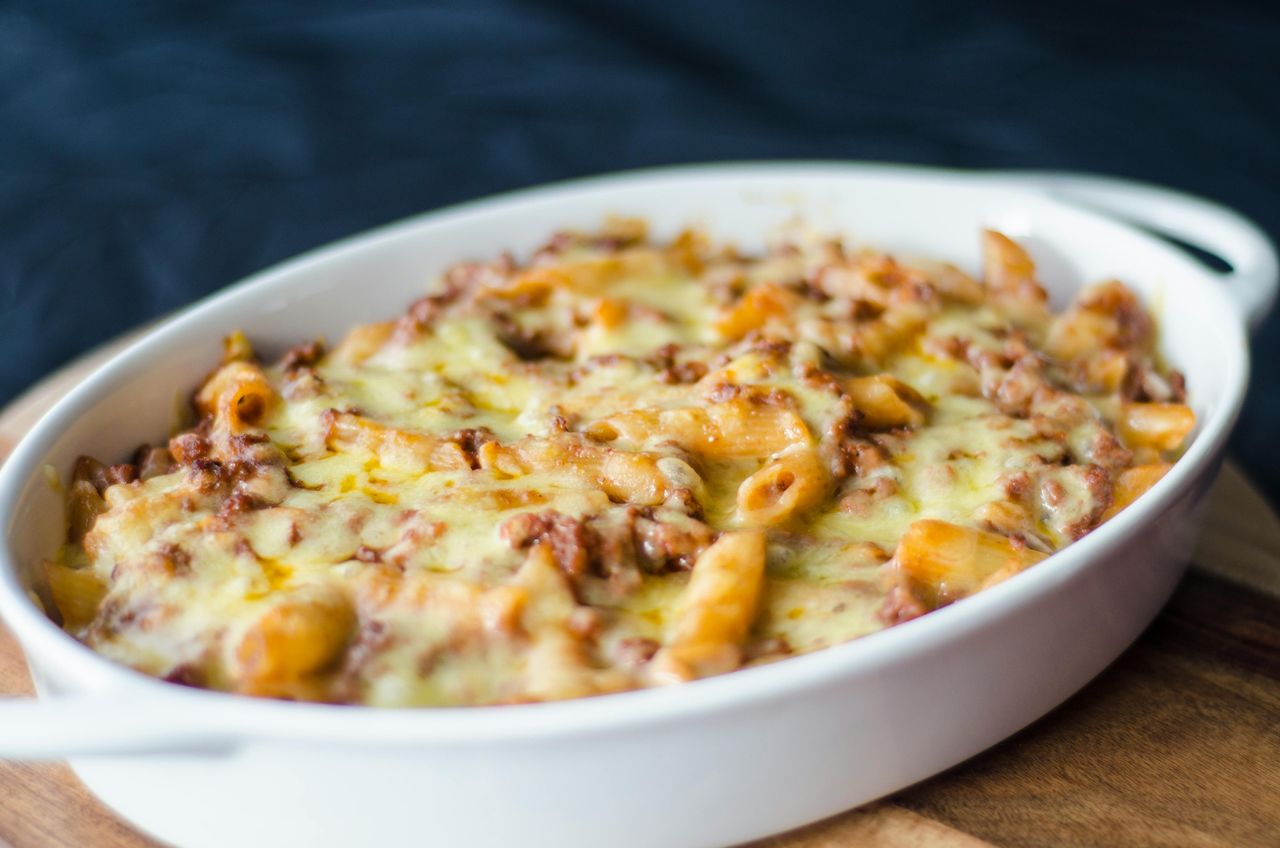
The 1970s brought casseroles into vogue — a mishmash of leftovers bound together by creamy soups or broths and blanketed in a crunch of breadcrumbs. Tuna Noodle Casserole, a frequent potluck attendee, cramped together tuna, peas, and noodles in a bath of cream soup and topped with cheese.
While some households still cherish these as comfort food classics, the sight of canned soup and shelf-stable pasta takes many back to a time marked by economic frugality.
Modern Reflections: Why Some Dishes Should Stay in the Past

While these meals were borne of necessity, today’s culinary landscape thrives on variety and fresh ingredients. The resurgence of farm-to-table philosophies and an appreciation for artisan techniques counteract the movement towards fast, processed food.
Yet, these old-school meals have their lessons. They remind us of resilience and adaptability, of making do with what’s available. In times of comparative culinary abundance, they stand as historical benchmarks, illustrating the evolution of taste from survival to enjoyment.
The Growth of Food Luxury and Opening Palates

Today’s meals often sport a diversity unimagined in previous decades. Globalization and advances in food technology have opened palates to flavors around the world, widening the repertoire beyond our culinary boundaries.
What remains intrinsic, however, is an appreciation for food’s ability to connect us to our past, even if merely as a cautionary tale of what hard times inspired people to eat.
Conclusion: A Nod to the Past, A Vision for the Future
As we look forward, these relics of dining table nostalgia highlight an era of necessity that drove creativity in the kitchen. They remind us, with some humor and certain distaste, of the innovation borne from adversity.
Though none long for the return of hard times, these meals of survival hold a unique place in our shared history — meals that, while not craved, remain steadfastly in the archives of culinary lore.