11 Homework Area Trends That Didn’t Fit Real Schedules

Photos of modern homework environments are typically ideal, but daily routines are rarely so organized. Popular homework area styles ignore how students learn, move, and manage time at home in favor of aesthetics. From shared family areas to changing schedules and energy levels, real-life learning settings need flexibility, comfort, and durability. This article discusses homework area patterns that first seemed promising but failed to enable persistent focus, proper posture, or realistic time management. Understanding why these fads failed helps parents and homeowners make smarter, more sustainable decisions that enhance learning without sacrificing function for visual appeal.
1. Ultra-Minimalist Desks With No Storage
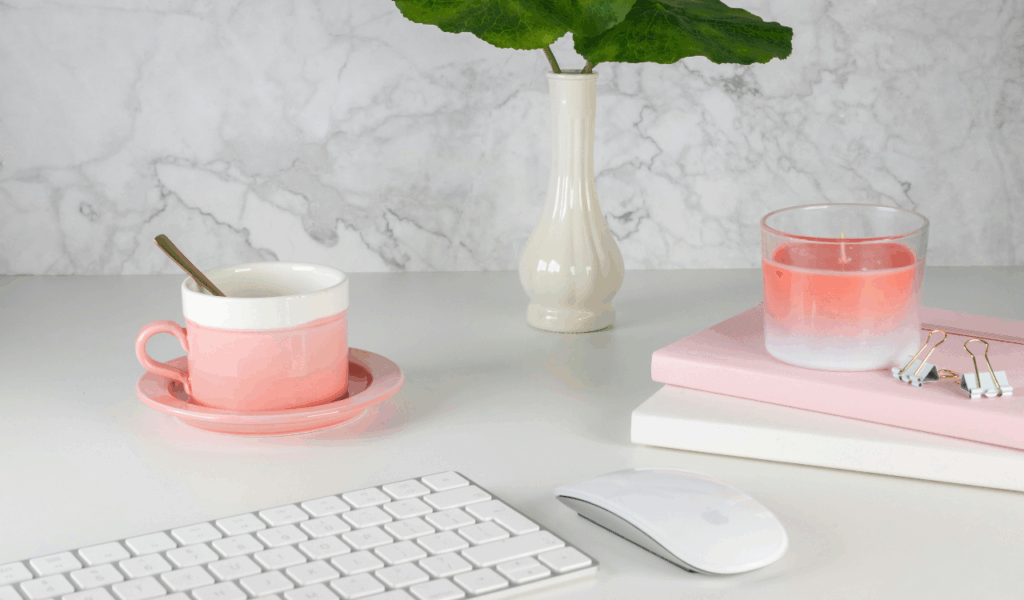
Minimalist desks with slick surfaces and little storage were popular for their clean, modern style, but they rarely worked for schoolwork. Daily access to books, notes, writing tools, and digital gadgets is essential for students. Without drawers or shelves, items spread around the desk or move, causing interruptions. As stuff collect up without a home, this approach generally causes clutter. Without storage, organization becomes tougher, causing irritation and spent time seeking for basics. Functional homework areas benefit from discreet storage that keeps things accessible while maintaining visual serenity.
2. All-White Study Corners
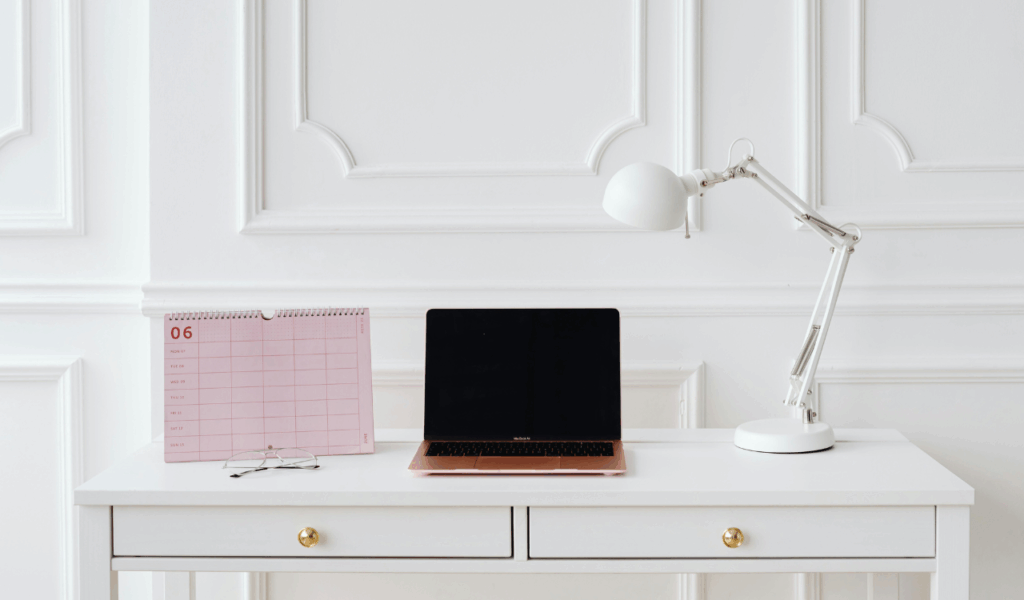
Although all-white study spaces were commended for their serene and bright appearance, they were frequently found to be unusable on a daily basis. Dust, pencil smudges, scratches, and marks appear on white surfaces fairly instantly, especially in families with younger students. It becomes impossible to maintain the area’s appearance during hectic school weeks without frequent cleaning. Furthermore, an all-white setting that provides little visual stimulation over time may come to appear sterile and uninspired. Subtle color contrast that helps delineate zones and lessen eye strain helps many children focus better. Concentration and long-term upkeep are typically far better supported by a well-balanced color scheme and long-lasting, easily cleaned finishes.
3. Wall-Mounted Floating Desks
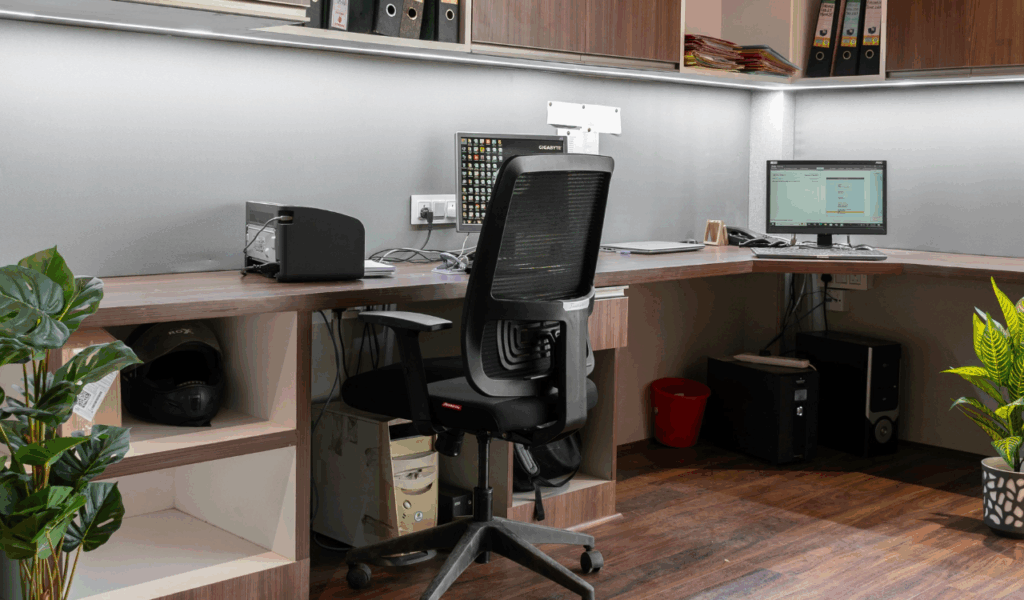
Although floating desks were popular because they saved floor space and gave an air of modernity, they frequently did not encourage effective study techniques. These desks usually have a small surface area, which makes it challenging to comfortably arrange books, gadgets, and supplies. Additionally, a lot of models have rigid weight restrictions that prevent the use of bulkier desktop computers or textbooks. Floating desks have poor ergonomics over time since they are fixed in place and cannot be modified as a child grows. For posture and comfort during extended study sessions, the right desk height and legroom are crucial, and moveable, adjustable desks manage these aspects far better.
4. Homework Spaces Inside Bedrooms Only
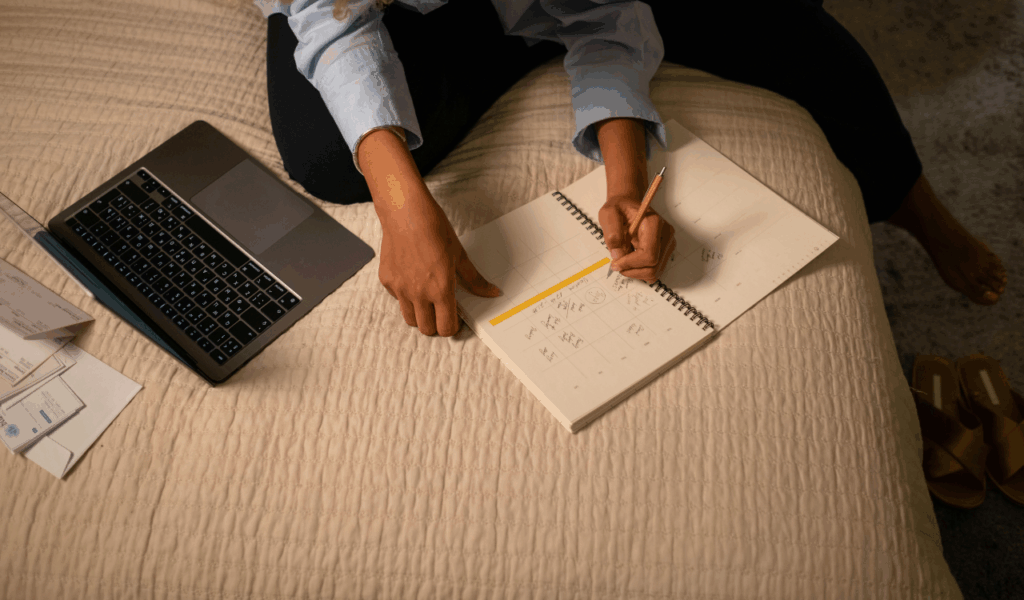
Placing homework areas entirely in beds was intended to provide peaceful zones, but it frequently blurred the distinction between rest and work. Bedrooms are intended for relaxation, and adding scholastic duties in them might impair sleep habits and concentration. Many kids struggle to concentrate in the same environment where they relax, play, or use electronic devices. This structure also makes it more difficult for parents to casually monitor their children’s study habits without feeling invasive. Separating homework and sleeping places, especially in mixed living quarters, helps to reinforce mental boundaries. Clear division promotes improved concentrate during study time and healthier rest after the workplace.
5. Open Shelving Above Desks
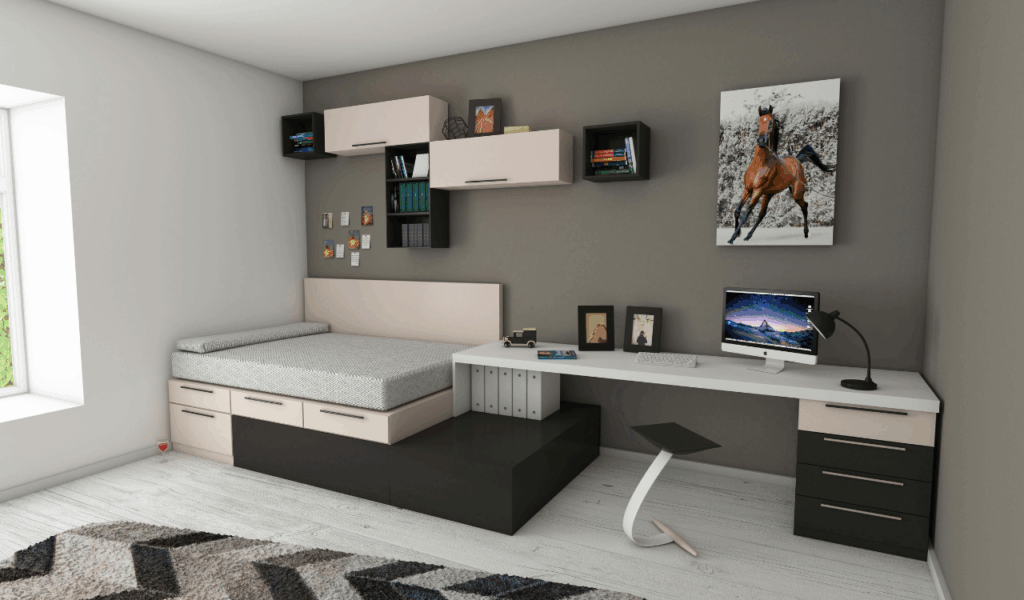
Open shelves above desks appeared aesthetically pleasing and convenient, although it often proved to be a distraction rather than an aid. Exposed shelves laden with books, decor, and supplies can inundate the visual field, impeding pupils’ ability to concentrate. Items stored above frequently accumulate dust and necessitate consistent maintenance. In many instances, shelves are installed at excessive heights for younger kids, thereby restricting their autonomy. Enclosed storage solutions, such as cabinets or drawers, diminish visual clutter while maintaining proximity to necessities. A tranquil visual environment enhances prolonged concentration and mitigates the cognitive exhaustion resulting from incessant visual stimuli.
6. Trendy, Non-Ergonomic Chairs
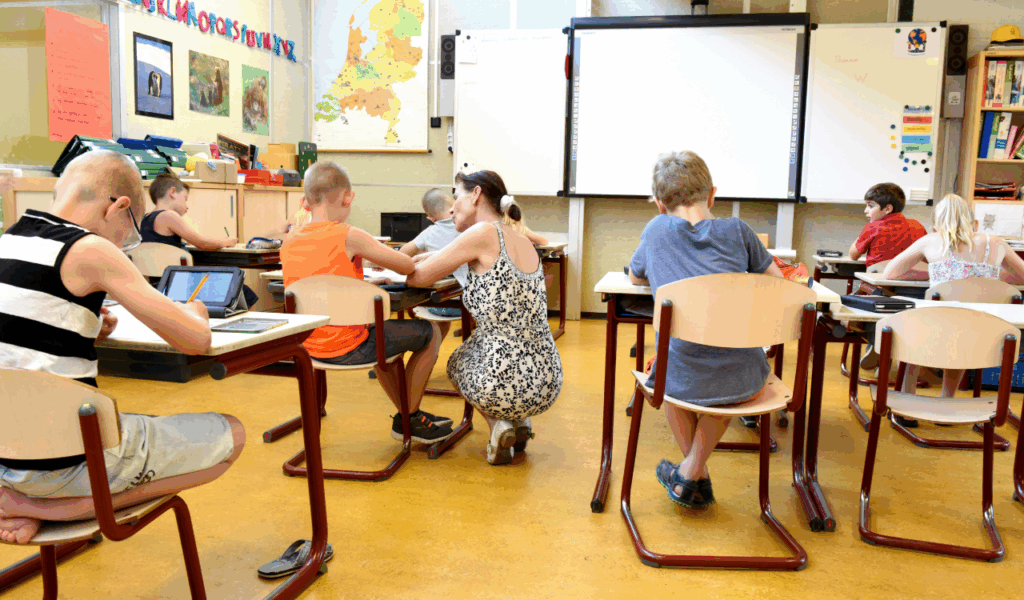
Stylish chairs frequently emphasize aesthetics at the expense of comfort, resulting in inadequate support during extended study periods. Numerous fashionable designs are deficient in adequate lumbar support, adjustable height, or appropriate cushioning for prolonged seating. Over time, this may lead to discomfort, restlessness, and suboptimal posture. Students may regularly change positions or vacate their chairs, disrupting focus and productivity. Ergonomic sitting facilitates natural spinal alignment and permits movement without discomfort. Although less physically impressive, well-designed seats are essential for sustaining concentration and physical health. Comfort and adjustability consistently surpass aesthetics in facilitating effective study routines.
7. Shared Family Table Setups
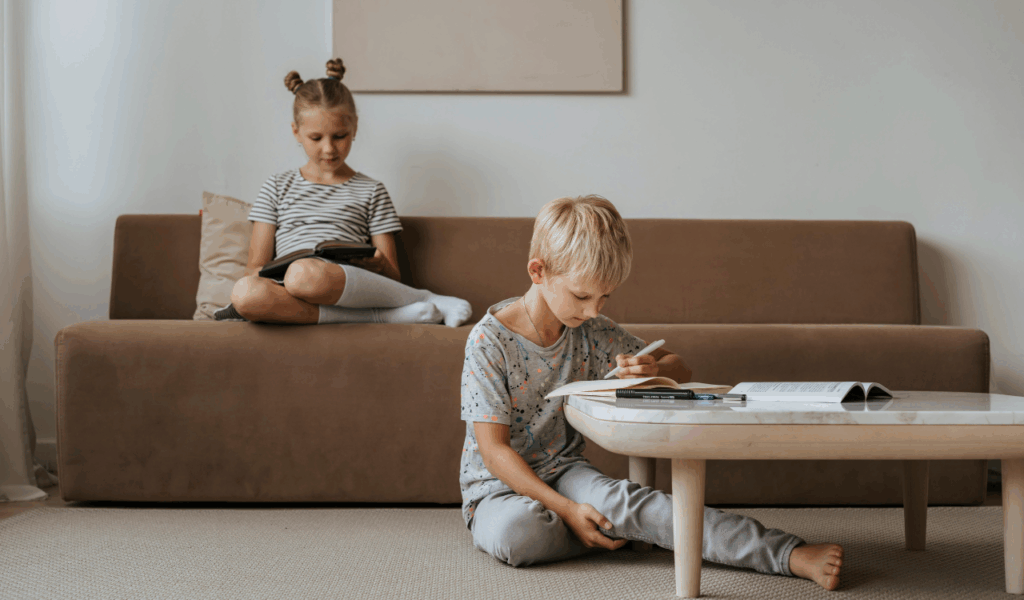
Utilizing the primary family table as a homework station appeared efficient, although it seldom coincided with actual household patterns. Mealtimes, remote business obligations, and familial engagements sometimes disrupt study sessions. Students may need to cease their activities abruptly, upsetting concentration and momentum. Shared tables also lack individualized organizing, complicating the ability to retain projects for continuous work. Noise and pedestrian activity significantly diminish focus, particularly during peak household periods. Designated homework spaces, regardless of size, offer stability and enable pupils to resume duties without the need for reinitialization. Consistent study environments enhance time management and task execution.
8. Decorative Lighting Over Task Lighting

Decorative lighting fixtures gained popularity in study spaces; yet, they frequently lacked sufficient illumination. While soft ambient lighting may be aesthetically pleasing, it lacks the concentrated illumination required for reading and writing. Inadequate illumination can lead to ocular fatigue, cephalalgia, and diminished focus over time. Numerous students mitigate this issue by inclining closer to their tasks, so impacting their posture. Adjustable task lighting with variable brightness and direction is crucial for visual comfort. Although ornamental lights might improve the ambiance, they should not substitute functional desk lamps intended to facilitate prolonged academic activities safely and pleasantly.
9. Overly Themed Study Spaces

Visually stimulating themed homework rooms, centered on characters or certain styles, initially captivated attention but frequently deteriorated over time. As pupils mature, their interests evolve, rendering these areas obsolete or distracting. Robust themes might constrain adaptability, as furnishings and décor may not readily accommodate evolving requirements or tastes. In certain instances, striking sights vie for attention, diminishing concentration during study periods. Neutral, versatile designs facilitate the space’s evolution alongside the student, promoting sustained utilization. Personalized elements can be incorporated via simply modifiable pieces, ensuring relevance without the need for continual development.
10. Compact Desks With No Expansion Space

Compact desks intended for confined areas frequently failed to accommodate growing academic requirements. As pupils advance, they necessitate accommodation for larger texts, more notebooks, and electronic devices. Compact desks rapidly become congested, compelling students to pile items or operate in confined spaces. This constrains organization and impedes multitasking. Insufficient expansion space may deter prolonged study sessions due to the accumulation of discomfort. Marginally larger desks or modular configurations offer adaptability without cluttering the space. Strategic planning for growth guarantees the homework area retains its functionality amongst evolving schedules and educational phases.
11. Picture-Perfect, Untouchable Setups
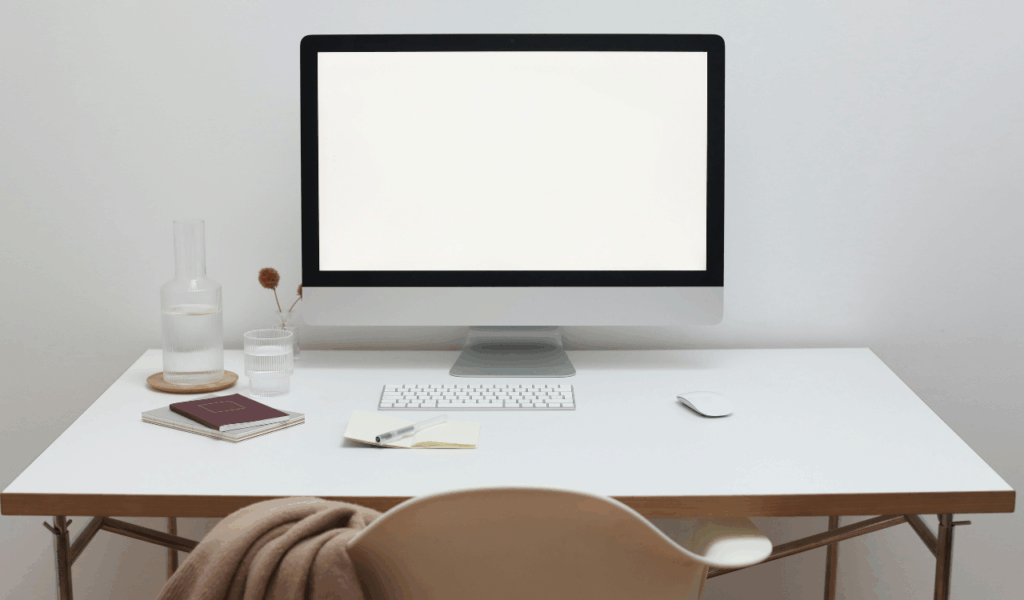
Homework areas intended for aesthetic perfection frequently hindered practical utilization. When all products have a specific decorative location, children may be reluctant to rearrange or customize the area. This may generate pressure to maintain the place in a pristine condition rather than a functional one. Learning spaces ought to encourage utilization, experimentation, and sometimes disorder. The apprehension of disturbing the arrangement may diminish comfort and a sense of ownership. Pragmatic homework environments provide the flexible arrangement of materials as required. A environment that fosters daily routines, rather than merely aesthetic appeal, eventually promotes consistent utilization and enhanced academic engagement.