9 “Artisanal” Breads Bakery Chains Bake in the Same Factory
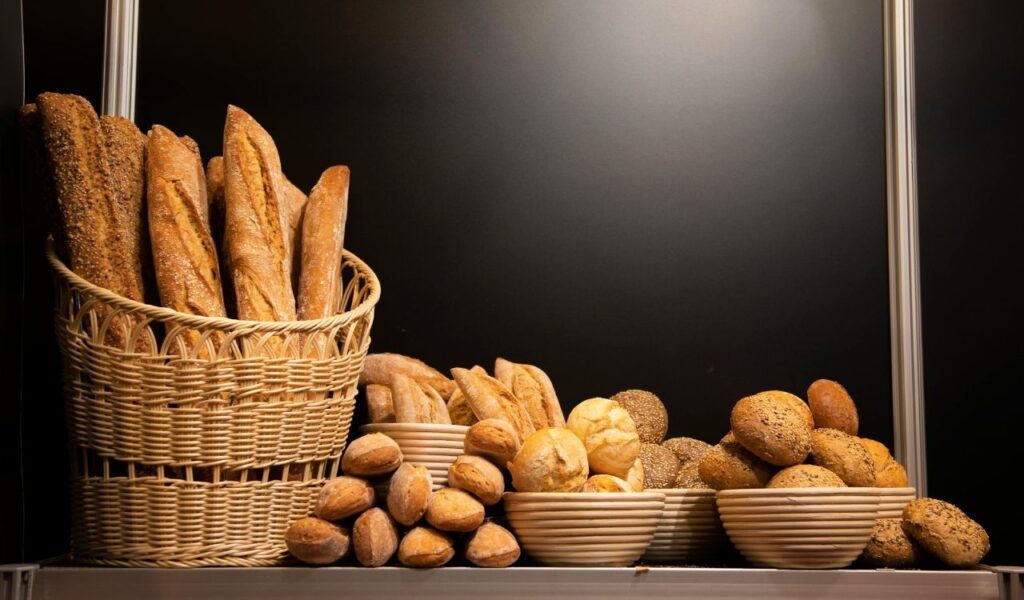
Artisanal bread has become a household favorite, from sandwich loaves to rustic sourdoughs, thanks to its rich flavors and bakery-style appearance. Consumers often assume that artisanal means hand-shaped, small-batch, and local, yet many popular chains produce their so-called artisanal breads in large-scale facilities. Industry insiders note that the demand for consistency, speed, and nationwide distribution drives these operations, creating breads that look artisanal but are industrially replicated. A recent survey found that 58% of shoppers believe artisanal labels indicate hand-crafted processes, revealing a gap between perception and reality. Understanding how large-scale bakeries produce these breads, including specific chains like Panera Bread, Au Bon Pain, and Great Harvest, can help buyers navigate taste expectations, shelf life, and freshness without being misled by marketing.
1. Sourdough Loaves
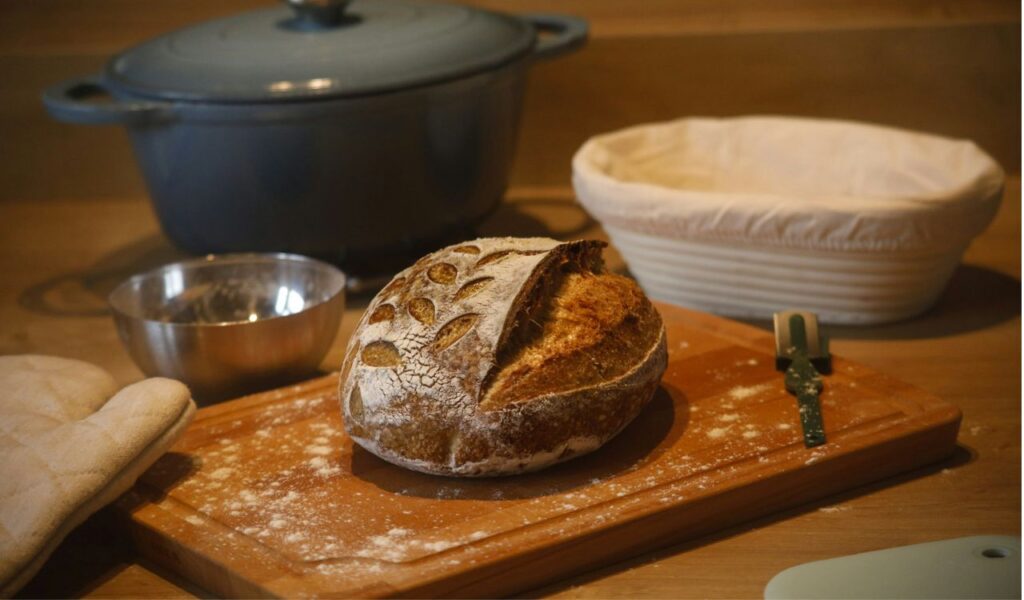
Sourdough is the flagship of artisanal bread, prized for its tangy flavor, chewy crust, and open crumb. Bakery chain insiders reveal that Panera Bread’s sourdough loaves and Au Bon Pain’s versions are produced at a central Ohio facility in par-baked form, using a single starter culture replicated across all stores. While this ensures uniformity nationwide, it lacks the subtle regional nuances that hand-fed starters develop over time. Experts emphasize that wild yeast and extended fermentation are replaced by controlled industrial processes, which limits depth of aroma and the complexity of flavor.
Customers note that these loaves have a uniform appearance and predictable taste, but the irregular crumb and slightly tangy aroma typical of small artisan bakeries are missing. Food scientists also highlight that scaling starter cultures for mass production reduces microbial diversity, further flattening flavor and texture. While convenient and visually appealing, chain sourdough serves more as a mass-market approximation than a hand-crafted experience.
2. Multigrain Breads
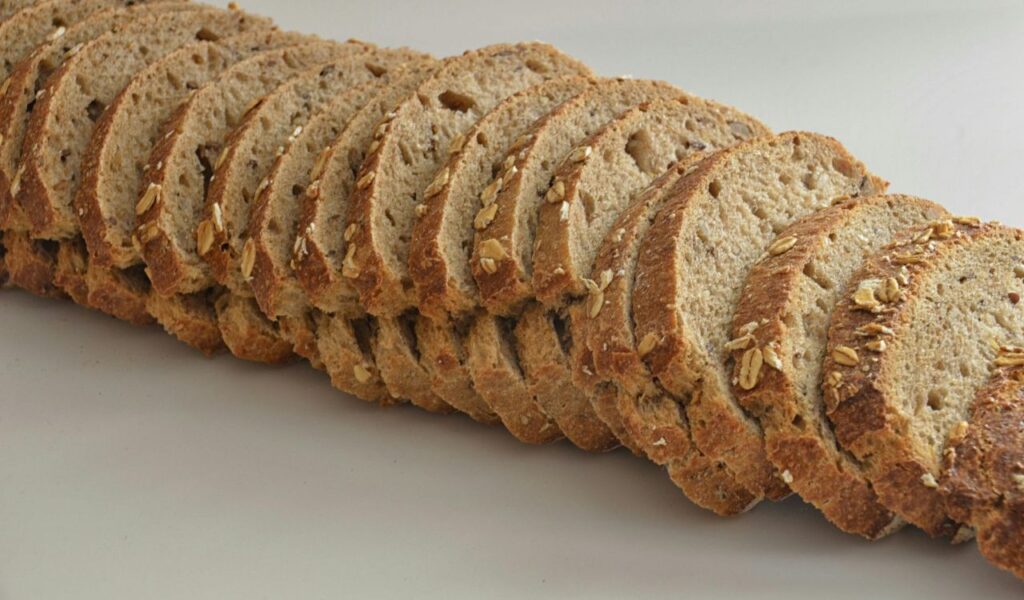
Multigrain loaves are marketed as hearty, wholesome, and packed with seeds and grains, appealing to health-conscious consumers. Experts in commercial baking reveal that Great Harvest multigrain loaves from their Kansas mega-bakery use automated seed coating and dough conditioners to maintain consistent texture and rise. These breads provide fiber and a nutty flavor but rarely undergo the slow fermentation processes that traditional artisanal multigrains develop. Industry analysts note that consumer expectations for chewiness and flavor are moderated by the operational need to produce thousands of uniform loaves weekly.
Home bakers and nutritionists observe that industrial multigrain breads balance practicality and health claims but lack the crust crunch and irregular holes found in small-batch versions. Shelf stability and visual consistency are prioritized over sensory depth. Consumers gain reliable, convenient products, yet the complex taste of hand-crafted multigrain loaves is simplified.
3. Ciabatta
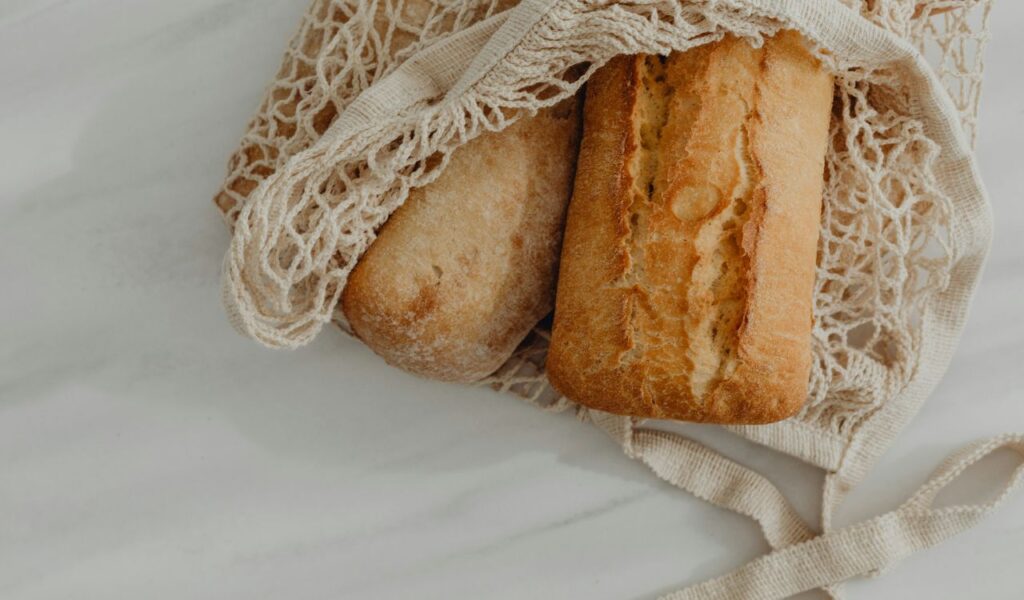
Ciabatta is celebrated for its airy interior, chewy crust, and rustic, hand-stretched appearance. Chain-produced ciabatta for Panera and Au Bon Pain is often partially par-baked at centralized facilities in Ohio before arriving at individual stores. Dough enhancers ensure elasticity and uniform rise, while high-speed rollers and automated scoring replace hand-stretching that creates distinctive irregular holes. While this guarantees a consistent product for sandwiches and nationwide distribution, it diminishes flavor variations and crust caramelization.
Food experts stress that industrial ciabatta maintains visual authenticity but sacrifices the tactile, slightly uneven crumb that defines artisan quality. Consumers experience convenience and familiar texture, yet the sensory nuances, aroma, and chew of hand-made ciabatta are largely absent. These loaves are designed for mass distribution rather than true artisanal enjoyment.
4. Focaccia
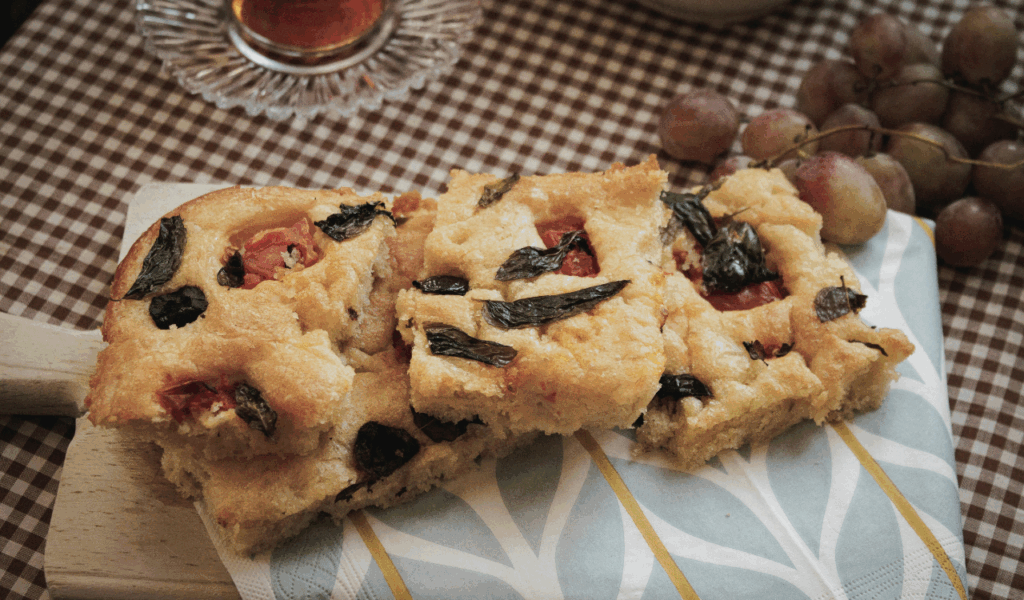
Focaccia, with its olive oil sheen and herb-infused toppings, is a signature Mediterranean bread often associated with boutique bakeries. Industry insiders report that chain-focaccia at Panera and Au Bon Pain is produced using automated topping dispensers and high-speed conveyor ovens. This maintains visual consistency and supports rapid store turnover, but the delicate air pockets and slight chewiness of hand-stretched dough are diminished. Flavor is standardized through uniform dough formulas rather than artisanal fermentation.
Bakers caution that while chain focaccia is visually appealing and convenient for sandwiches, it lacks the sensory depth, including aroma, crust, and chew, that defines small-batch products. Consumers enjoy predictable taste and consistent appearance, yet experts stress that these breads should be appreciated as mass-market versions rather than true hand-crafted focaccia. Evidence shows that identical focaccia loaves are distributed across multiple chains, confirming the industrial production process.
5. Rye Breads
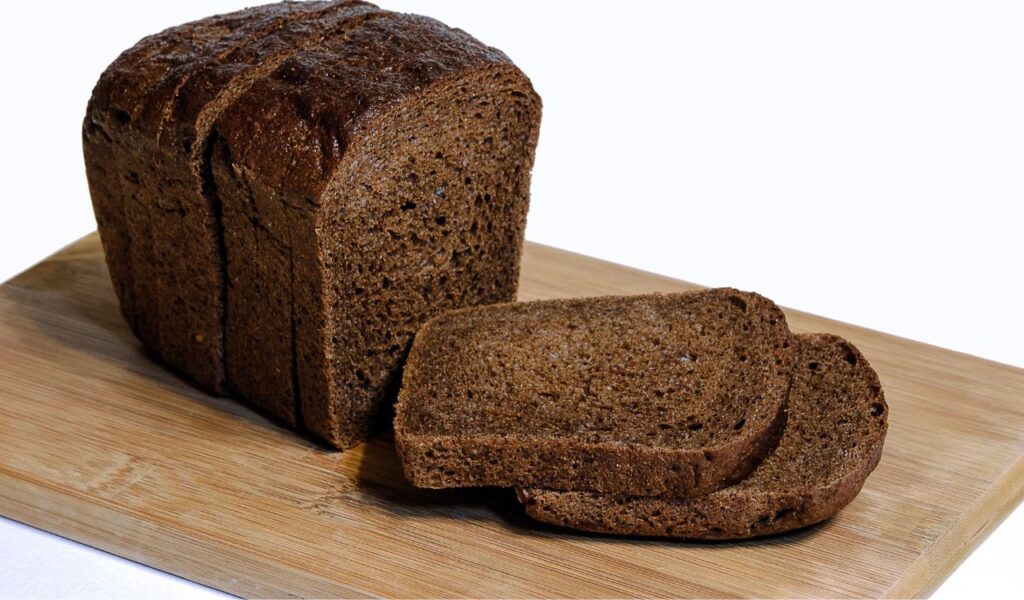
Rye bread is valued for its dense texture and earthy, tangy flavor. Experts reveal that chain rye breads, such as those from Panera and Au Bon Pain, are produced at the Ohio and Kansas mega-bakeries using standardized recipes. To improve elasticity and uniform baking, wheat flour is often blended into the dough, which alters the natural chew and rustic crumb of traditional rye. Fermentation is controlled and timed precisely, eliminating the complex tang and aroma found in small-batch, hand-crafted loaves.
Industry observers note that identical rye loaves appear across multiple stores and even different chains, demonstrating centralized production. While consumers benefit from consistency and shelf stability, the irregular holes and layered texture that define artisanal rye are missing. Nutritionists and bakers emphasize that the breads are practical and fiber-rich but designed for mass distribution rather than authentic sensory experience.
6. Brioche
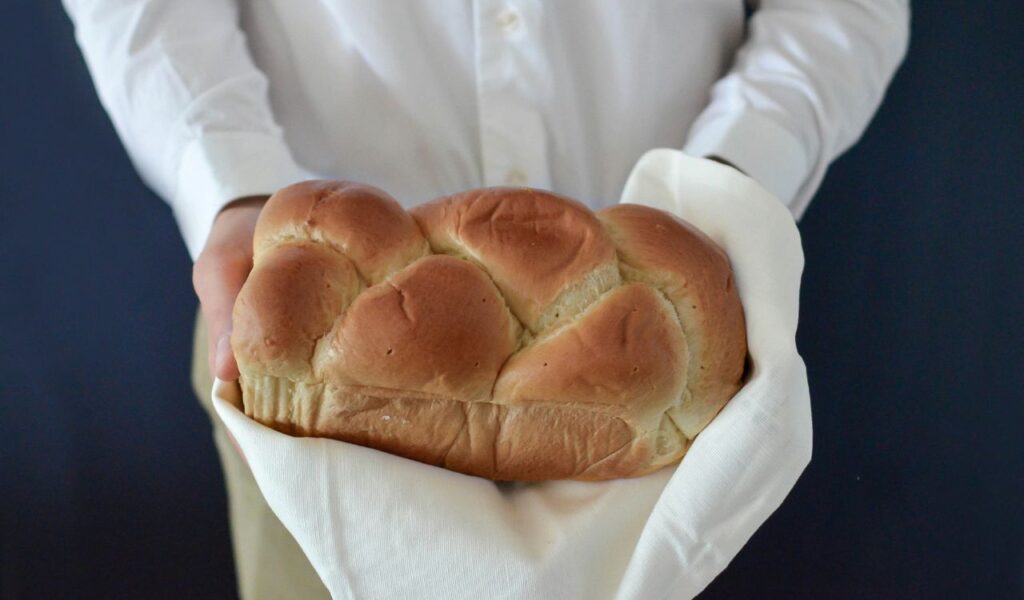
Brioche, known for its rich buttery flavor and tender, airy crumb, is a favorite for breakfast and sandwiches. Chain-produced brioche at Panera and Great Harvest originates from commercial baking facilities in Ohio and Kansas, where automated mixers incorporate eggs and butter uniformly for consistent results. The process ensures glossy loaves with smooth texture but sacrifices the delicate pull and subtle layers achieved through hand-kneading and slower fermentation.
Food technologists highlight that chain brioche offers convenience and long shelf life, yet the nuanced aroma and soft resilience of artisanal brioche are lost. Bakers confirm that identical brioche loaves are shipped to multiple stores, even across different brands, underscoring the centralized production. Consumers enjoy predictable quality, but experts note that flavor depth and structure are engineered for uniformity, not artisan complexity.
7. Baguettes
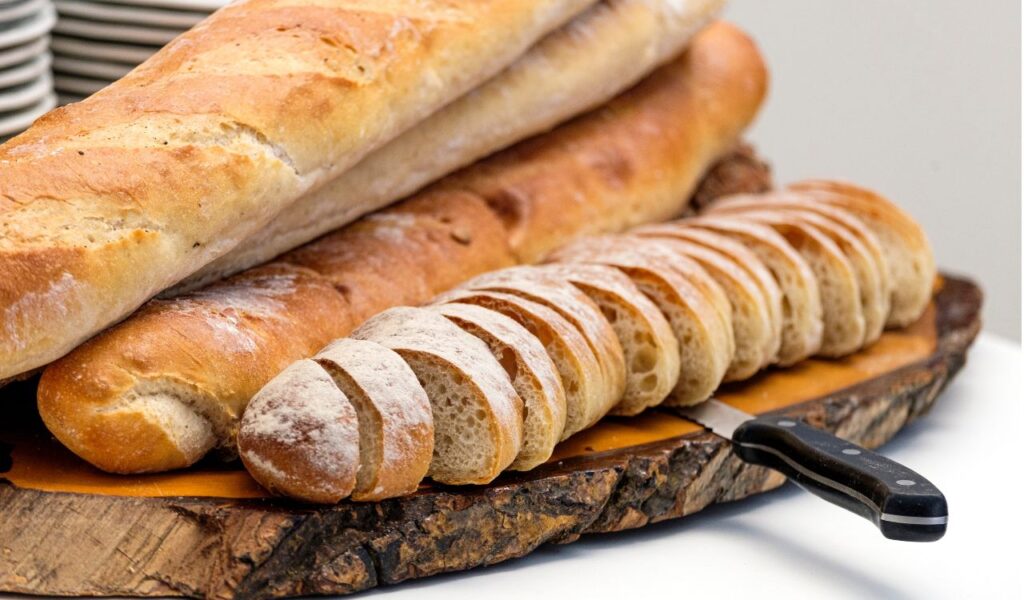
Baguettes are iconic for their crisp crust and airy crumb, yet chain baguettes often diverge from small-batch expectations. Au Bon Pain and Panera partially bake baguettes at Ohio mega-facilities before shipping to local outlets, where they are finished in-store. The pre-shaped dough, scored mechanically, ensures consistent rise and appearance. While this supports nationwide inventory and visually convincing loaves, it limits the irregularity and subtle fermentation flavors typical of hand-made baguettes.
Experts emphasize that these baguettes are uniform across multiple locations and even across competitors’ stores, highlighting mass-production methods. Consumers experience a predictable crust and texture, but the rustic chew, tang, and complex aroma are muted. Bakers suggest viewing chain baguettes as convenient and visually appealing, but not a substitute for artisanal craftsmanship.
8. Ciabatta Rolls
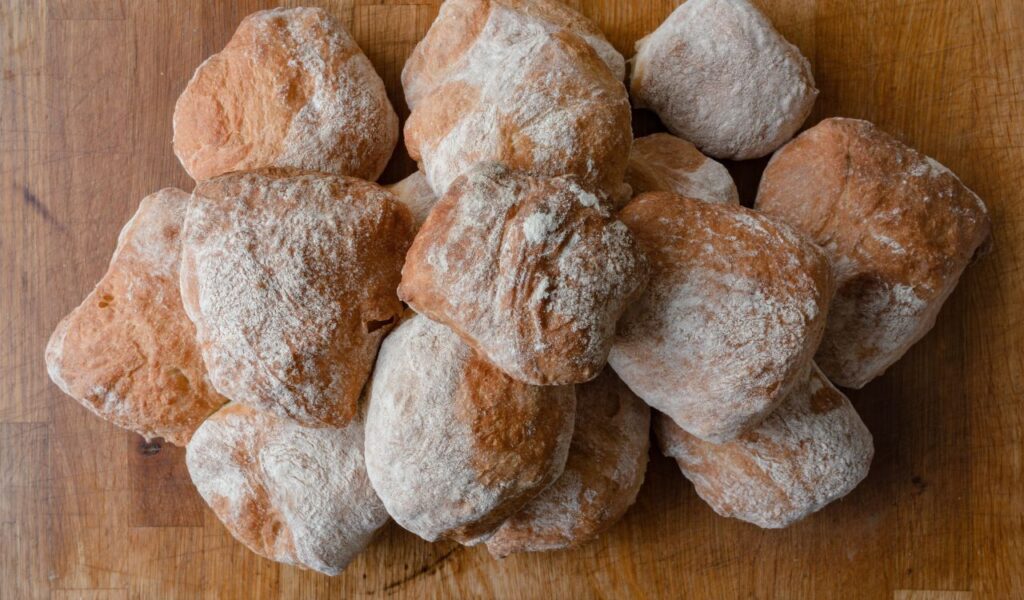
Smaller ciabatta rolls are prized for sandwich applications. Chain ciabatta rolls, including those sold by Panera and Au Bon Pain, are portioned and proofed in large trays at central Ohio and Kansas bakeries, with strict hydration and oven control. While these measures ensure uniform size and soft interiors, the rolls lose the irregular holes, chewiness, and flavor variations of hand-stretched ciabatta. Visual authenticity is preserved, but sensory complexity is simplified.
Industry insiders note that identical ciabatta rolls are distributed across multiple chains, demonstrating centralized production. While convenient for retailers and consumers, experts caution that the aroma, crumb texture, and nuanced flavor found in artisan rolls are absent. These ciabatta rolls excel in reliability but not in artisanal authenticity, offering practical convenience over culinary depth.
9. Whole Wheat Loaves
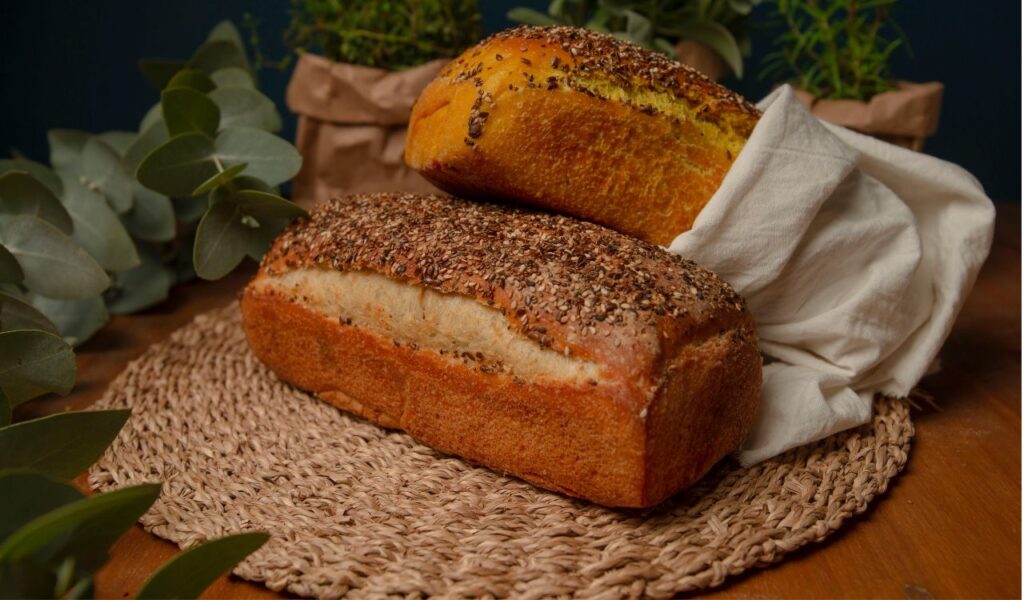
Whole wheat loaves marketed as artisanal often rely on additives like vital wheat gluten to improve rise and slicing consistency. Chain breads from Panera, Great Harvest, and Au Bon Pain are produced at centralized facilities in Ohio and Kansas, ensuring uniform texture across thousands of loaves. Standardized proofing replaces slow fermentation, which diminishes the earthy aroma, chew, and flavor complexity that small-batch bakers achieve naturally.
Nutritionists and baking experts note that identical whole wheat loaves appear across multiple chain locations and even across competing brands, confirming mass-production methods. Consumers receive a reliable, fiber-rich bread with predictable taste and visual appeal, but the sensory experience is engineered for consistency rather than artisanal nuance. Experts recommend appreciating these breads for practicality while understanding they are not true hand-crafted products.