
The 8 Hidden Fire Hazards Living In Your Attic, According To Safety Experts
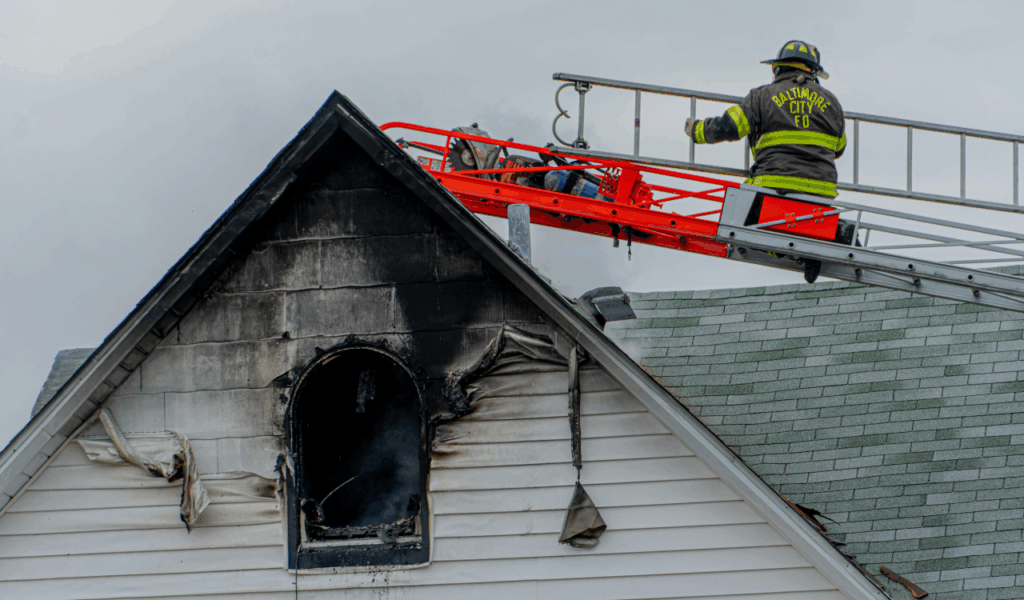
The attic may seem like a safe place to store things that you don’t need to view. But it’s one of the most dangerous spots in a house when it comes to fire safety. It’s easy to forget about the attic because it’s hidden away and not often used. This makes it simple for problems that could be deadly to go overlooked. In fact, a lot of items in your attic, like bad wiring and mice, can make a fire much more likely. To keep your house secure, it’s important to know about these risks and deal with them before they get worse. Fire safety experts stress how important it is to examine and maintain this area on a regular basis to keep fires from starting.
We’ll show you the eight most prevalent fire dangers that can be found in attics in this article. Each section will provide you expert advice on how to lower these hazards, making sure that your attic stays a secure place to store things and not a fire hazard. You can keep your property and loved ones safe by dealing with these hidden hazards early.
1. Faulty Wiring and Overloaded Circuits
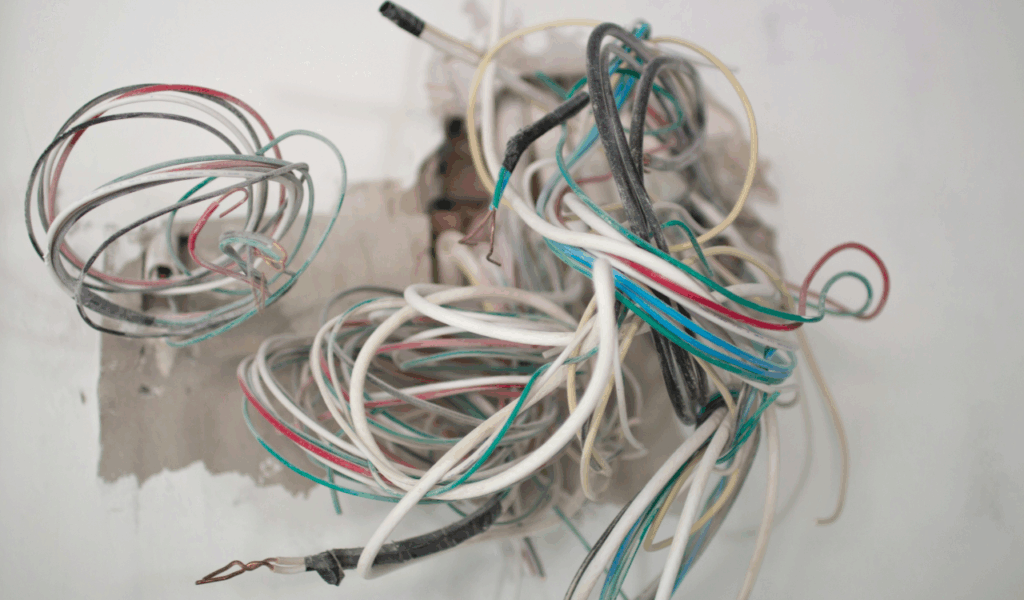
Electrical difficulties are one of the main reasons why houses catch fire, and the attic is especially at risk. Over time, the wires in attics can wear out, especially in older homes that were built before tougher electrical rules were put in place. Wires that are old and frayed or circuits that are too full are very likely to start a fire. Fans, lights, and vents are examples of electrical items that can easily overheat and spark if they are not put in the right way. James Mitchell, an electrical inspector, says, “Wiring in attics can get worse over time, and when circuits are overloaded, it only takes a small problem to start a fire.”
If you’re worried about the wiring in your attic, you should definitely get a professional electrician to check it out. Regularly checking your wiring makes sure that no circuits are overloaded and that all connections meet current code standards. This lowers the risk of electrical fires. Also, to stay safe, never plug in too many appliances to one circuit, and replace old wire when it needs to be.
2. Excessive Clutter and Combustible Materials
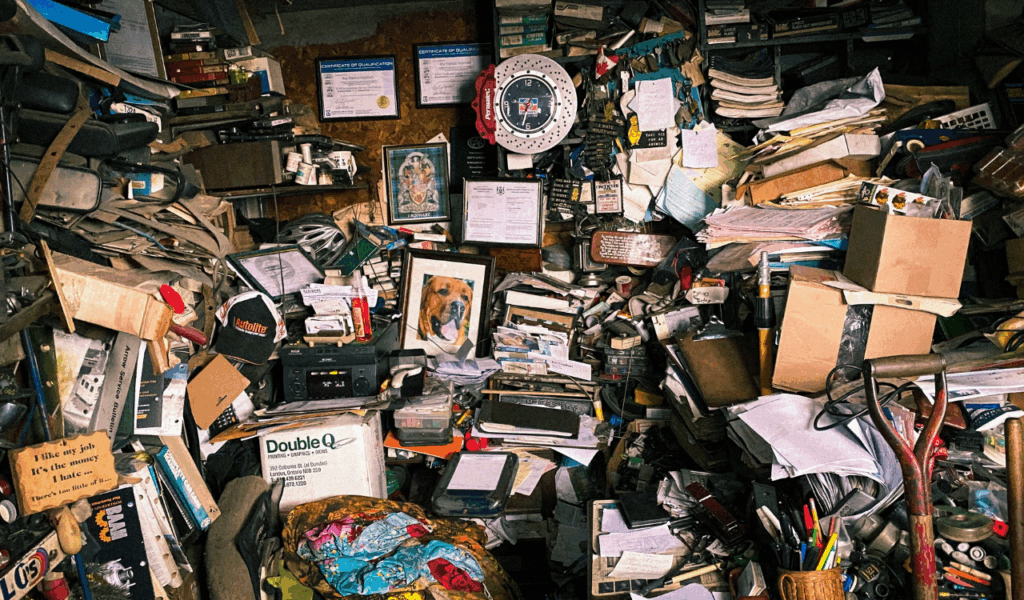
The attic functions as a storage room for a variety of objects, including old furniture, boxes, papers, and other items. The attic, on the other hand, is a potential source of fire because many of the things that are stored there are highly combustible. Rachel Green, a specialist in fire safety, underlines the dangers of storing objects such as cardboard, paper, or fabric in attics. She explains that these materials have the potential to catch fire rapidly and spread flames throughout the property. In the event that a fire breaks out, these materials become a source of fuel that can cause the fire to spread rapidly.
In order to reduce the likelihood of this happening, you should make it a routine to clean and organize your attic on a regular basis. Throw away any combustible objects that aren’t necessary, and be sure to store any belongings in containers that are fireproof. Maintaining a clutter-free attic not only lessens the likelihood of a fire occurring, but it also makes it simpler for firemen to access possible threats in the event of an emergency. Keep in mind that a well-maintained attic is going to be a safer attic.
3. Blocked Vents and Poor Air Circulation

ITo keep the temperature stable and stop moisture from building up, the attic needs to be properly ventilated. If insulation, trash, or stored things obstruct vents, ventilation is limited. “Clogged vents lead to heat and moisture buildup, which makes the perfect environment for a fire to start,” says Sarah Johnson, a home inspector. Hot air can’t escape without sufficient ventilation, which makes attic areas too hot and could eventually set nearby items on fire.
It’s very important to keep all of the attic vents clear and open to avoid this problem. Check the attic often to make sure the ventilation system is working right and get rid of anything that might have built up over time. This easy measure can stop heat from building up to harmful levels, which will keep the attic safe and in good shape.
4. Insulation Problems and Overheating
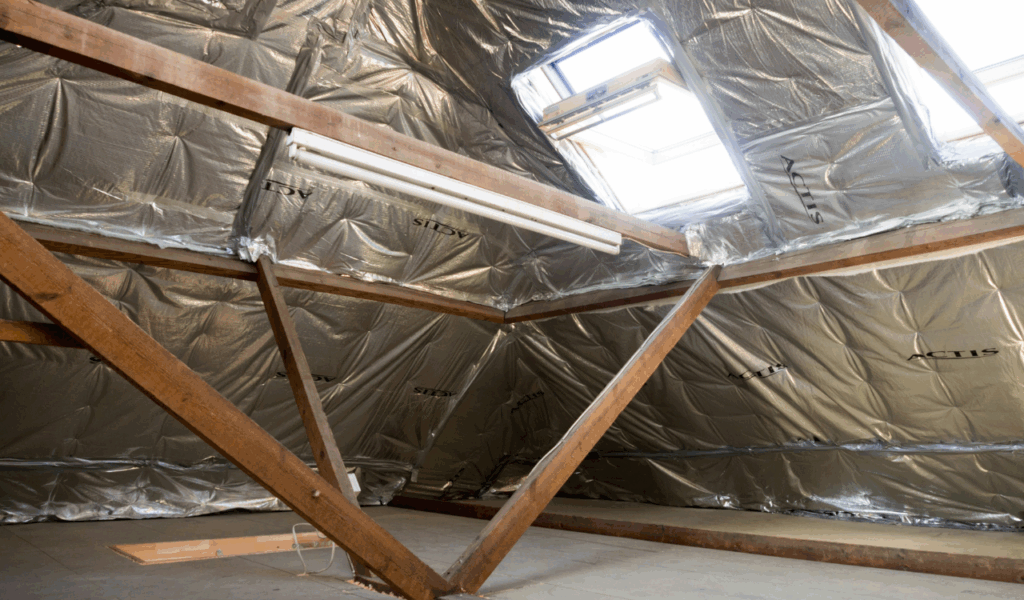
When it comes to preserving the energy efficiency of your home, attic insulation is an essential component. On the other hand, if it is not installed correctly, it can provide a significant risk of fire. When insulation is placed in close proximity to sources of heat, such as light fixtures or electrical wire, it has the potential to overheat and catch fire, as explained by Mark Turner, a roofing contractor. Additionally, if the insulation is not built to resist high temperatures, utilizing the incorrect type of insulation can also increase to the risk of fire.
To get rid of these dangers, it is quite necessary to make certain that the insulation is built appropriately and that it is not positioned too close to any electrical fixtures or other sources of heat. In order to ensure that the insulation in your attic is installed in a secure manner, you should have a professional evaluate it if you are doubtful. Attics that are well insulated not only save money on energy costs but also considerably cut down on the possibility of fires occurring.
5. Old and Damaged Roofs
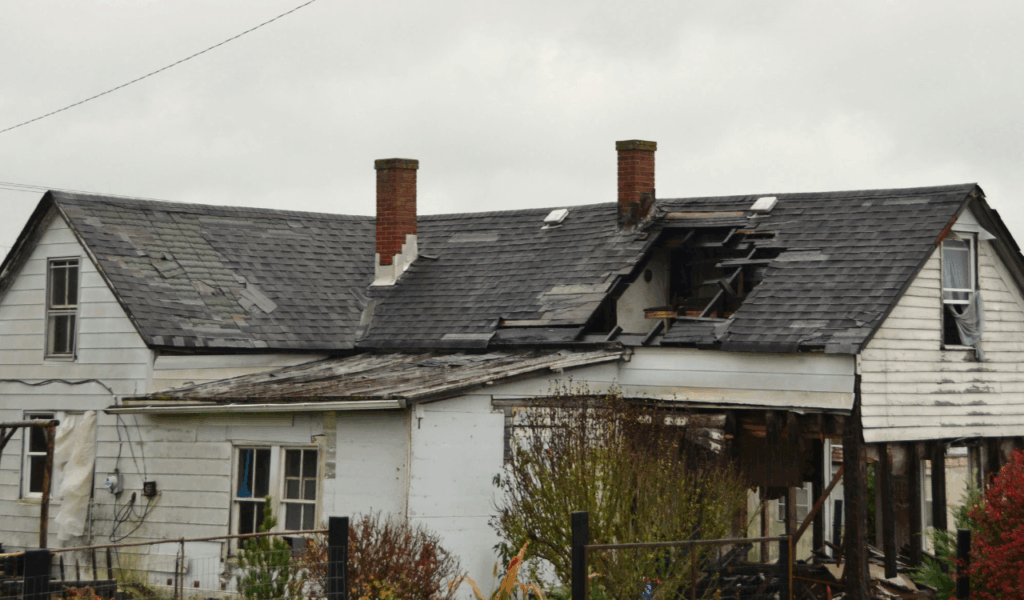
A roof that is falling apart is not only an eyesore; it can also let outside fire threats into your attic. “A damaged roof can let sparks or embers from nearby fires into the attic, where they could start a fire,” says roofing expert Amy Roberts. Also, roofs that are broken may let water into the attic, which can ruin electrical wiring, insulation, and other materials, making the risk of fire worse.
Check your roof often for signs of damage, such missing shingles or cracks. Make sure that any problems are fixed very away, because even slight roof problems can lead to big difficulties. You can keep your attic safe from outside fire dangers, including flying embers from adjacent fires, by keeping your roof in good shape.
6. Neglected Chimneys and Stoves

Neglecting to do routine maintenance on chimneys and wood stoves in residential properties might result in potentially hazardous circumstances. The accumulation of creosote inside chimneys is extremely flammable and has the potential to catch fire if it is not cleaned properly, according to James Roberts, an expert in fire safety. In addition, wood stoves that are not properly maintained can malfunction, which can result in the accumulation of heat that can go to the attic.
Having a chimney and stove cleaned on a regular basis by a qualified professional is one way to lessen the likelihood of this happening. It is possible to prevent fires from starting in the attic by ensuring that your chimney is free of creosote buildup and that your wood stove is operating as it should. In addition, check to see if your attic has adequate ventilation in order to avoid the accumulation of an excessive amount of heat.
7. Space Heaters and Extension Cords
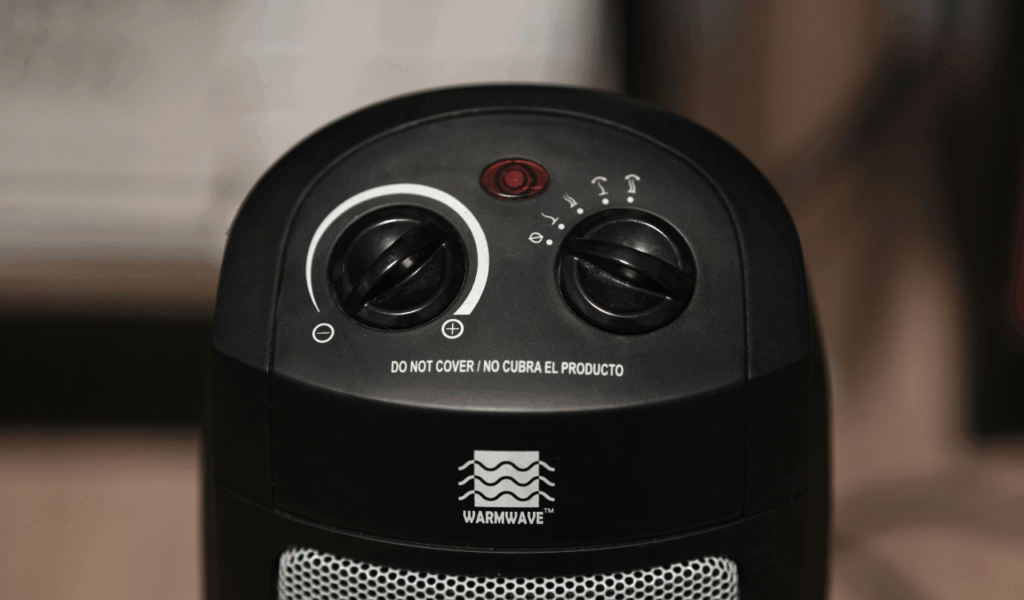
People often use space heaters and extension cords in attics to keep warm in the winter or to power gadgets. But these things are often dangerous when it comes to fires. Tim Hayes, an electrician, says that space heaters may easily get too hot if you leave them on, and extension cords can get too full if you use them for a long time.
Always switch off your space heater when you’re not using it, and never leave it running when you’re not home. Don’t use extension cables for long-term power needs, and make sure your attic has enough outlets to safely hold all of your electrical appliances. If you are careful about how you utilize these devices, you may greatly lower the risk of fires in your attic.
8. Rodents and Pest Infestations
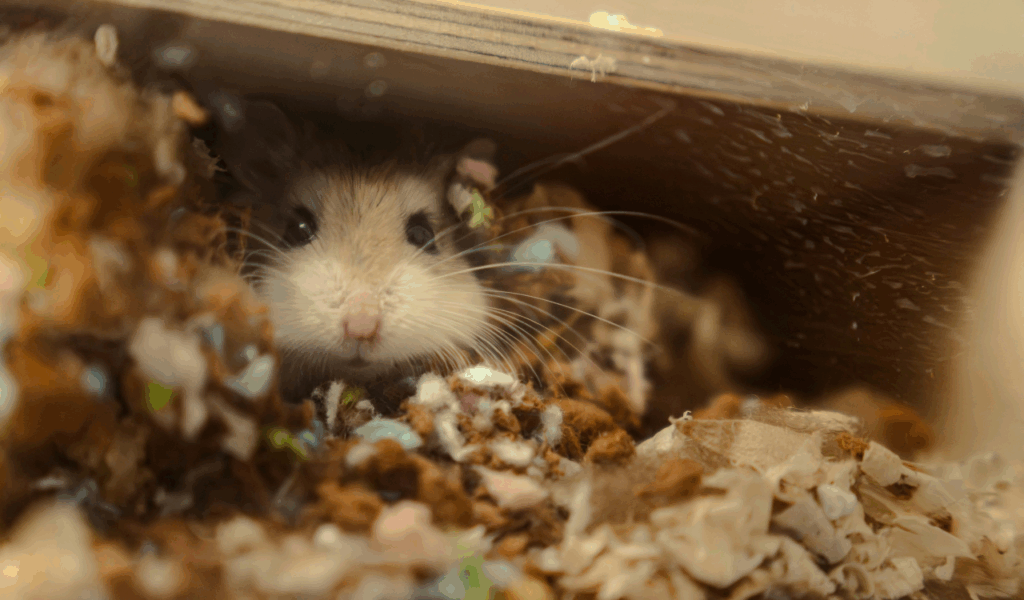
Although rodents and other pests may appear to be a relatively insignificant problem, they can really contribute to significant fire hazards. It is common knowledge that rodents enjoy chewing on electrical wires, insulation, and wooden beams in the attic, as explained by Linda Adams, an expert in the field of pest management. It is possible for them to produce short circuits, which can result in sparks, which can easily start a fire if they chew through electrical cables.
Performing routine pest inspections and sealing any holes or breaches in the attic that could allow rodents or insects to enter are two things that can be done to avoid this from happening. Maintaining a pest-free attic not only safeguards the structural integrity of your house but also lessens the likelihood of a fire breaking out as a result of electrical equipment that have been damaged.