8 “Handcrafted” Pasta Dishes Restaurants Boil From Bags
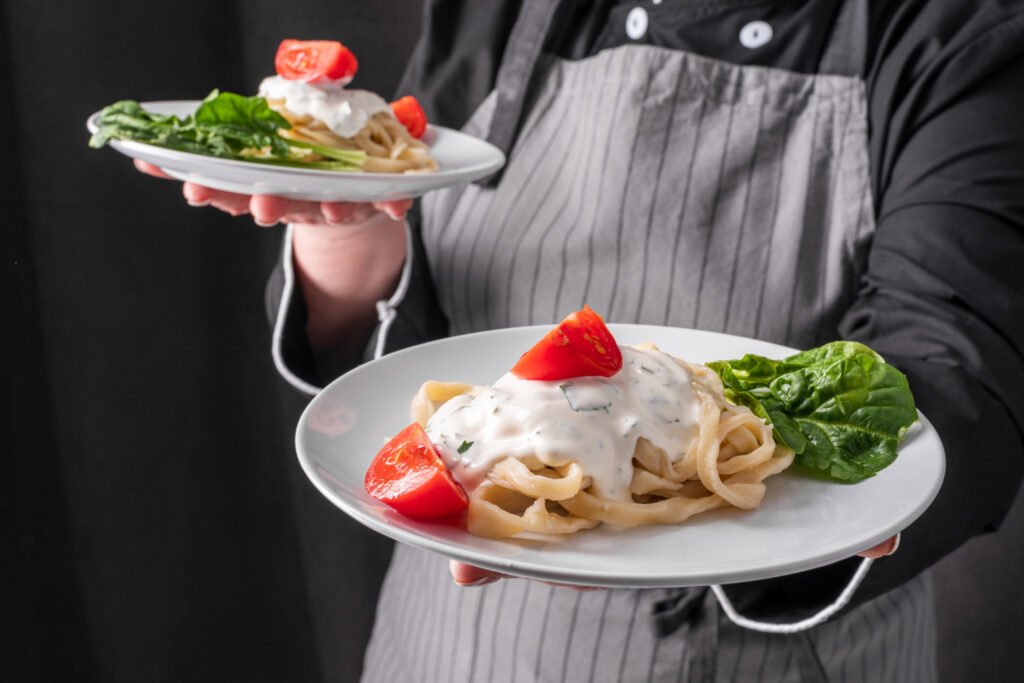
When you order pasta at a restaurant, words like handcrafted, house-made, and slow-simmered can make you picture a chef rolling dough in the back and stirring sauce all day. Food suppliers deliver pre-cooked noodles, frozen fillings, and ready-to-heat trays that save time and keep costs down.
That does not always mean the meal will taste bad, but it does mean the story on the menu can feel more romantic than the process behind it. If you have ever wondered what really happens before your plate hits the table, these pasta dishes reveal how often “fresh” actually arrives sealed in plastic and waiting for hot water.
1. “Fresh” Fettuccine Alfredo That Arrives Pre-Cooked
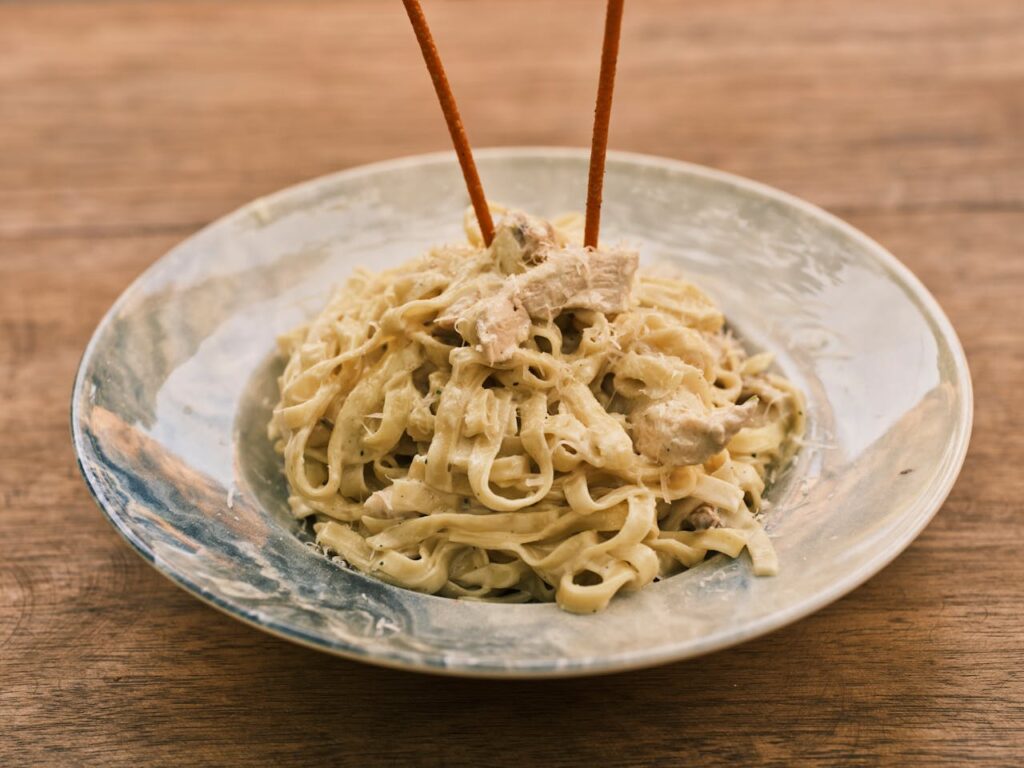
You might imagine thick ribbons of fettuccine being cut and boiled to order, but many restaurants receive this pasta fully cooked and chilled in bulk bags. Staff simply drop it into hot water for a quick reheat before adding sauce. This method keeps portion sizes consistent and reduces prep time during busy dinner rushes.
The Alfredo sauce often comes from a pouch as well, designed to melt without separating. When you taste it, the dish can still feel creamy and comforting, yet the texture sometimes lacks the tender bite of pasta made from fresh dough. The word “fresh” on the menu usually refers to how it is served, not to how it was prepared.
2. House-Made Ravioli That Comes Frozen and Filled
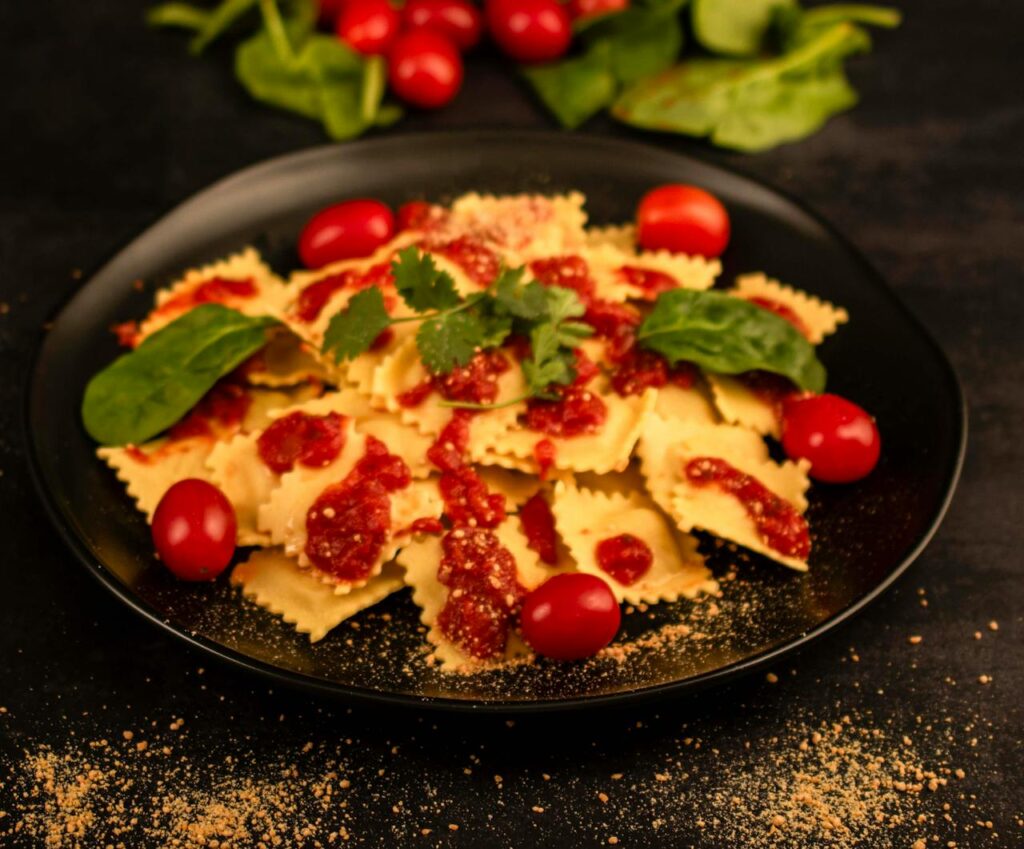
Ravioli sounds like the ultimate handmade dish, but in many kitchens it shows up already stuffed and frozen solid. Suppliers use machines to fill thousands of identical pillows with cheese or meat, then ship them nationwide. In the restaurant, cooks boil the ravioli straight from frozen and finish them with sauce and herbs.
You get a neat shape and reliable flavor every time, which is why chains and busy bistros rely on it. What you do not get is the uneven edge or soft filling that signals fresh pasta rolled that morning. The label house-made often refers to the sauce or garnish rather than the pasta itself.
3. Signature Lasagna Assembled Off-Site and Reheated
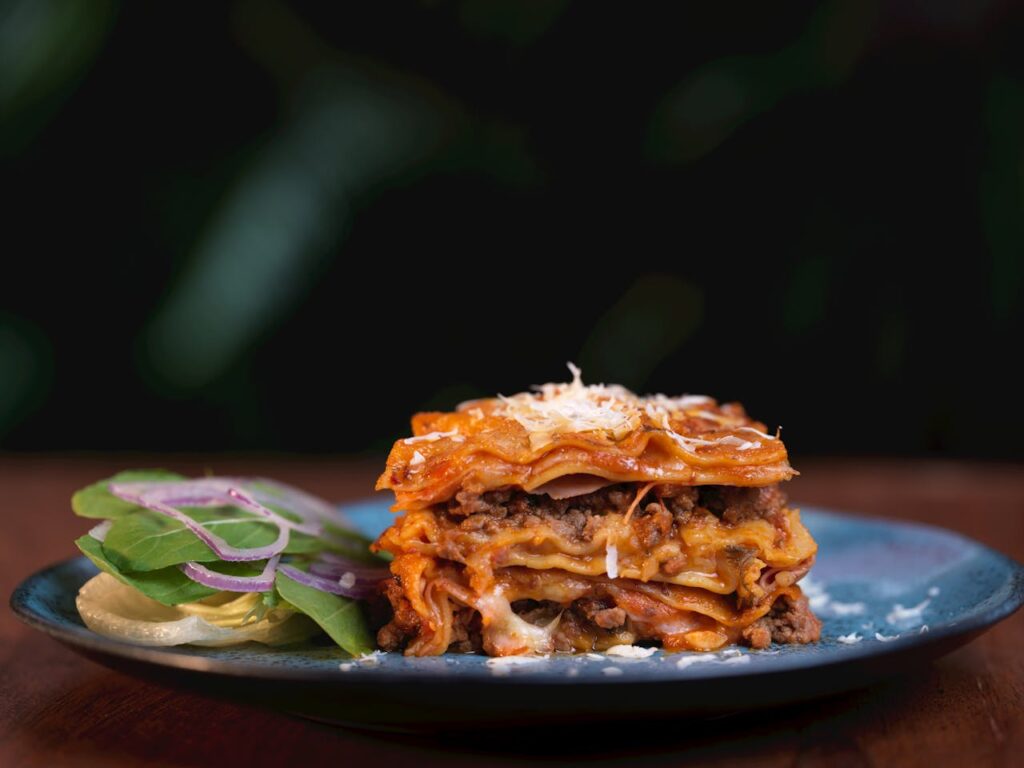
Lasagna feels like a labor of love, layered with care and baked until bubbly. In reality, many restaurants receive large trays assembled at a commissary kitchen miles away. These pans arrive chilled or frozen and are stored until service. When you order, a portion is placed in the oven or microwave to heat through.
This approach keeps the recipe consistent across locations and avoids long prep times. You may still taste rich tomato sauce and melted cheese, but the texture can be softer and more uniform than a truly fresh bake. The signature label often reflects branding more than daily kitchen work.
4. Chef’s Special Gnocchi That’s Mass-Produced
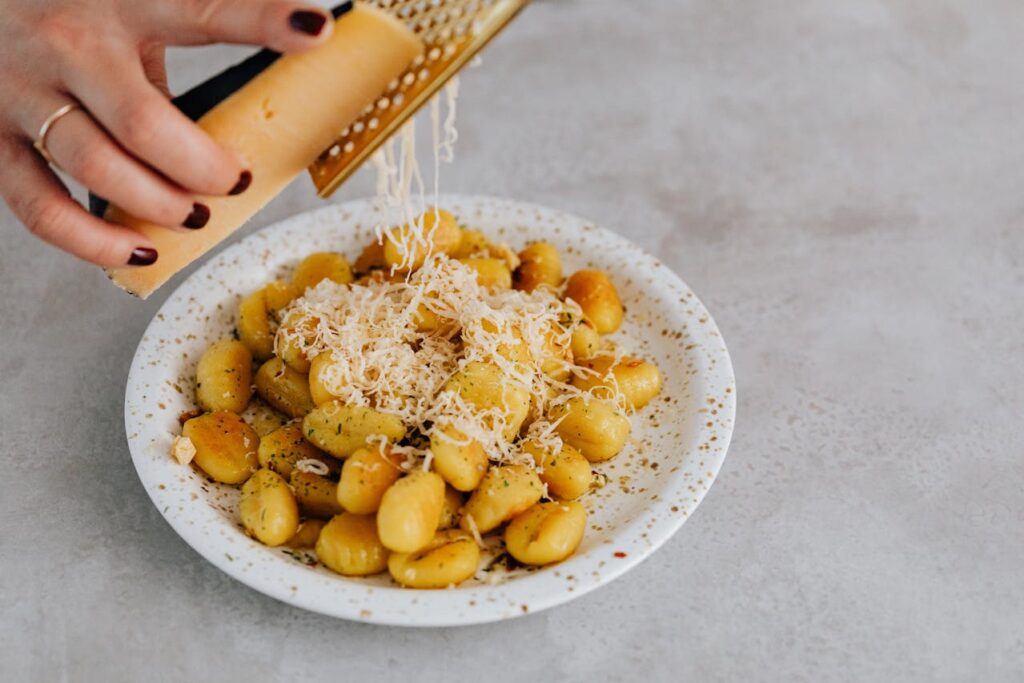
Gnocchi is marketed as delicate potato dumplings shaped by hand, yet much of what you see on menus is factory-made. Manufacturers mix potato flakes and flour into dough, form it with rollers, and partially cook it before sealing it in bags. This saves hours of peeling potatoes while keeping costs predictable and portions consistent from plate to plate.
You may enjoy a crisp outside from the pan, but the inside can feel denser and more uniform than fresh gnocchi made from real potatoes. When the menu calls it a chef’s special, it often highlights the sauce or toppings rather than the dumplings’ origin or the process used to prepare them.
5. Spinach and Ricotta Tortellini Shipped in Plastic Bags
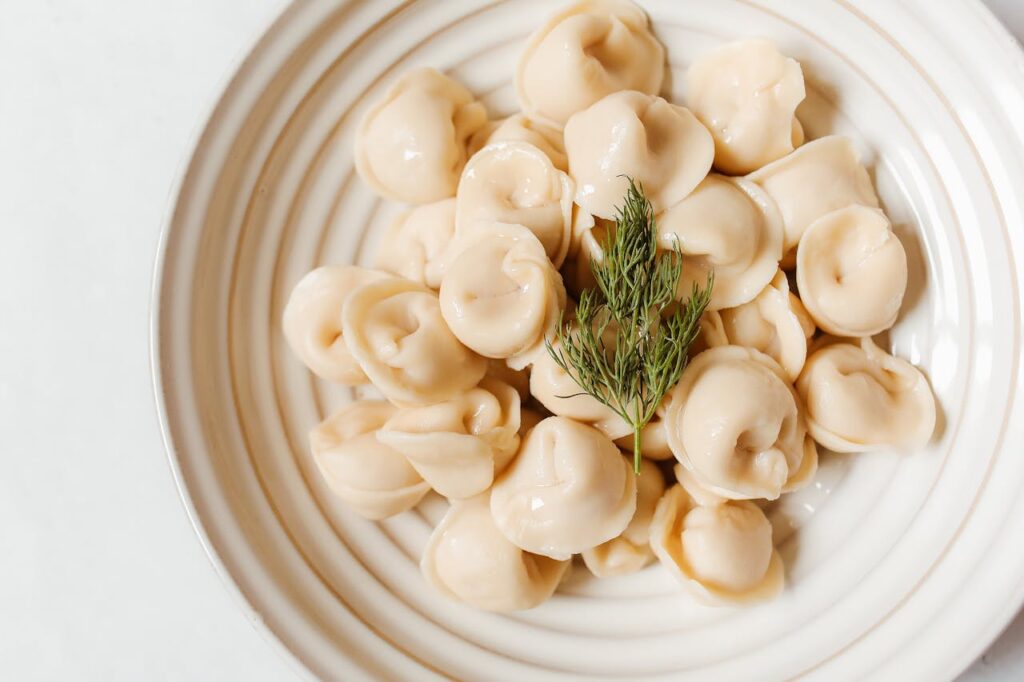
Tortellini look small and intricate, which makes it easy to assume that each piece was folded by hand. In many cases, it arrives already stuffed with spinach and ricotta and sealed in clear plastic. Kitchens store it in freezers and cook it straight from frozen during service.
The filling is portioned precisely, giving every piece the same flavor and texture from bite to bite. This keeps food costs under control and helps kitchens serve large crowds quickly without slowing down prep. You still get a comforting bowl of pasta, but the craft lies mostly in how it is plated and seasoned with sauce, herbs, or cheese.
6. “Slow-Simmered” Bolognese Served With Factory Pasta
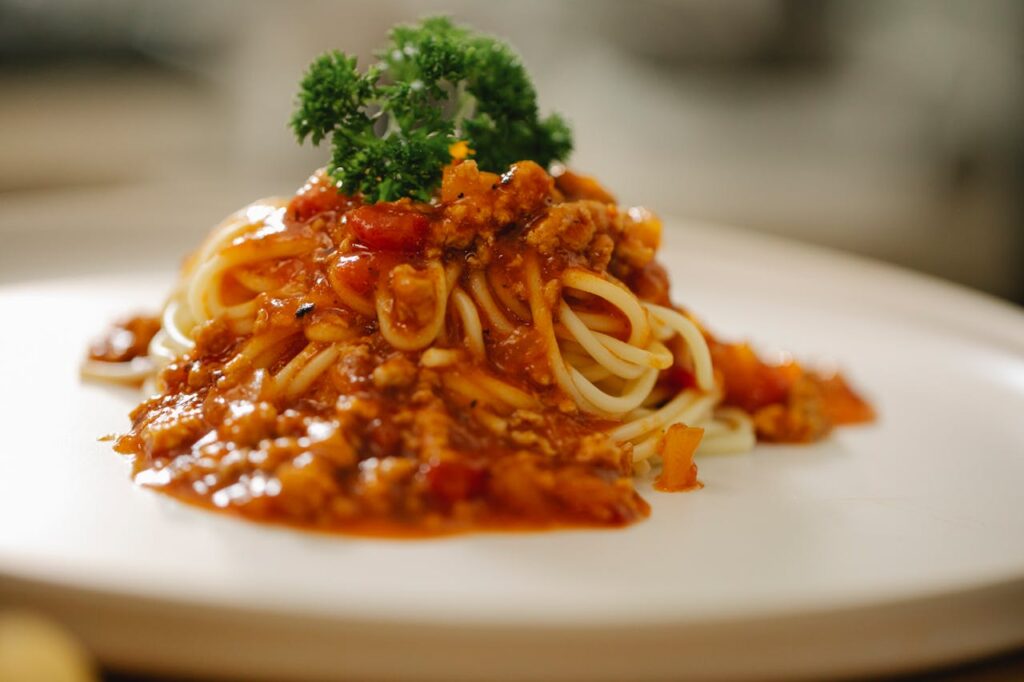
Menus often describe Bolognese as slow-simmered for hours, which can be true for the sauce but not always for the noodles. Many restaurants pair that rich meat sauce with factory-made spaghetti or tagliatelle delivered in bulk. The pasta cooks quickly, making it ideal for high-volume kitchens that need speed and consistency.
You taste the depth of the sauce, yet the pasta itself can lack the springy chew of fresh egg dough rolled in-house. The contrast shows how one part of the dish can be carefully prepared while another comes straight from a supplier’s box. Slow-simmered usually refers to the sauce alone, not the entire plate set before you.
7. Artisan Pappardelle That’s Just Rebranded Wholesale Pasta
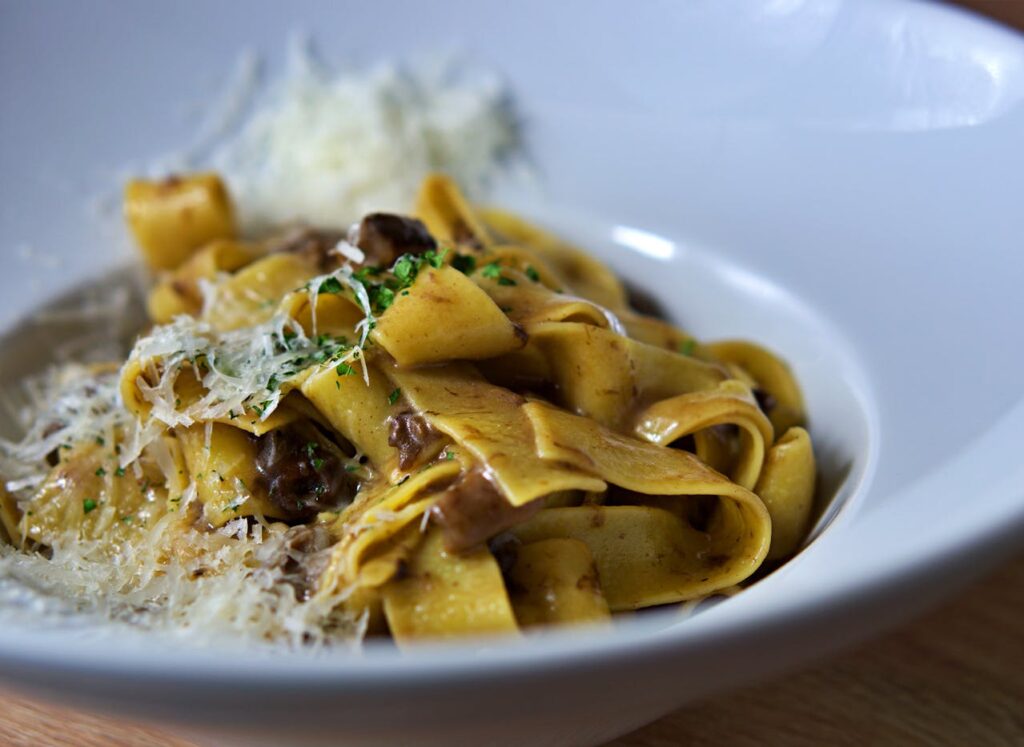
Wide ribbons of pappardelle suggest rustic Italian cooking, but they are often produced by large manufacturers and sold under different labels. Restaurants may buy the same pasta sold in grocery stores and present it as artisanal on the menu. It cooks evenly for hearty sauces, making it practical for busy kitchens.
You may notice the strands are uniform, a clue that machines, not human hands, shaped them. The artisan feel usually comes from the toppings like braised meat, rich ragù, or wild mushrooms. What you enjoy is the final combination of sauce and pasta, even if the noodles themselves began life on an industrial production line.
8. Seasonal Stuffed Pasta That’s Only Finished in the Kitchen
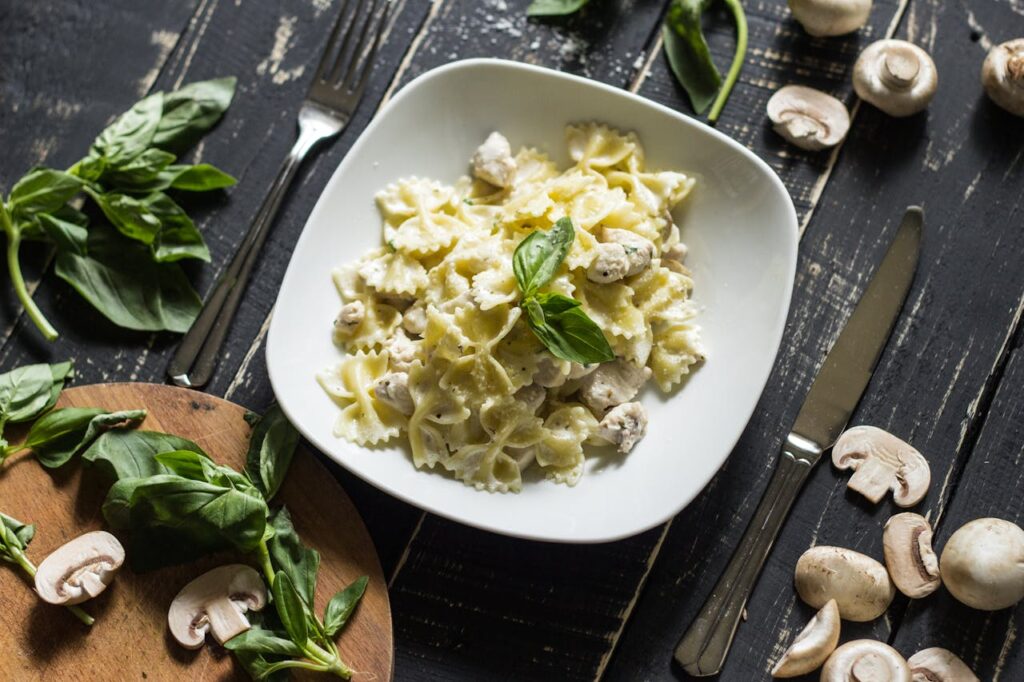
Seasonal stuffed pasta sounds exclusive, but it often means the filling or sauce changes while the pasta base stays the same. Suppliers send neutral dough shells year-round, and kitchens add different fillings depending on the season or current menu theme. Staff boil or bake the pasta and finish it with herbs, butter, or cream before sending it out to the dining room.
This creates the impression of a rotating menu without the need for daily dough mixing or shaping. You experience something that feels special, yet much of the labor happened long before delivery. The season shows up in the flavor pairing, not in how the pasta itself was formed.