10 Things People Do Around the House – Without Realizing They’re Illegal

We do a lot of things around the house every day that we don’t realize might be against the law. It’s easy to think that some things aren’t dangerous, yet some behaviors could have major effects, including getting fined, getting in trouble with the law, or even getting hurt. Even while these activities may not appear dangerous, it’s important to remember that regulations are in place to protect us, the environment, our safety, and the people around us. While doing normal things around the house, many homeowners break these rules without meaning to.
The following is a list of ten things that individuals do around their houses that they might not realize are against the law. Knowing the hazards and how to avoid them is important for keeping both your home and your legal standing. This includes things like electrical safety and making changes to the structure.
1. Using Non-UL Listed Electrical Products
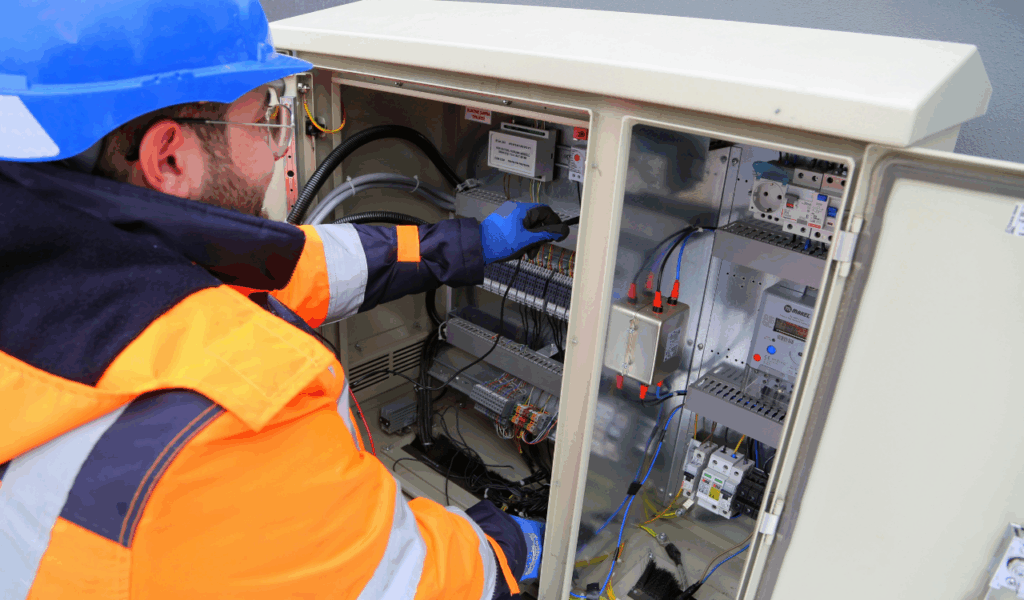
When we add new appliances or lights to our houses, we often don’t think about electrical safety. Many homeowners use electrical products that aren’t UL-listed without knowing it, which can be very dangerous. Extension cables, light fixtures, and power strips that don’t have UL (Underwriters Laboratories) certification haven’t been tested for safety and could cause electrical fires or shocks.
You can’t always see the dangers of utilizing electrical devices that aren’t certified, but they can be really bad. For example, utilizing bad wiring or an extension cord that isn’t certified could cause things to get too hot, which could lead to fires. This is why it’s so important to always get UL-listed items when you upgrade your electrical system.
When you buy new electrical equipment, always look for the UL label, especially if you’re going to use them in high-power places like the kitchen or garage. This easy action can assist make sure that your home is safe and meets electrical safety regulations. If you don’t do this, you could be held responsible if an accident happens because of these unapproved products.
2. Altering or Removing Load-Bearing Walls Without Permission
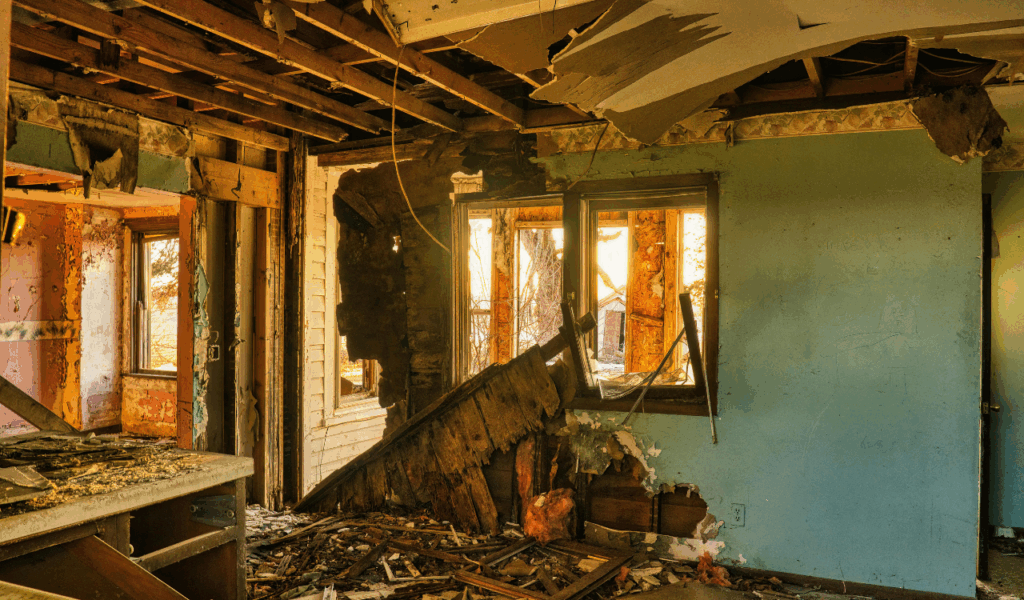
A lot of people do their own home improvements, but it’s against the law and dangerous to tear down or change load-bearing walls without the right licenses. Load-bearing walls are important for keeping your home safe since they hold up the weight of the roof, upper levels, or even the foundation.
It’s crucial to know which walls are load-bearing before you make any changes to your property. If you don’t know how to do it or don’t have the right permits, taking them down or changing them can make your home less stable. This could lead to expensive repairs or, even worse, the building falling down.
Always talk to a certified structural engineer or contractor before taking down a wall or making big alterations to the construction of your home. Make sure you get the proper permits and that the job meets local building codes. If you don’t do this, you could get fined, have trouble selling the property, or even be sued if the changes cause damage or injury.
3. Disposing of Hazardous Waste Improperly
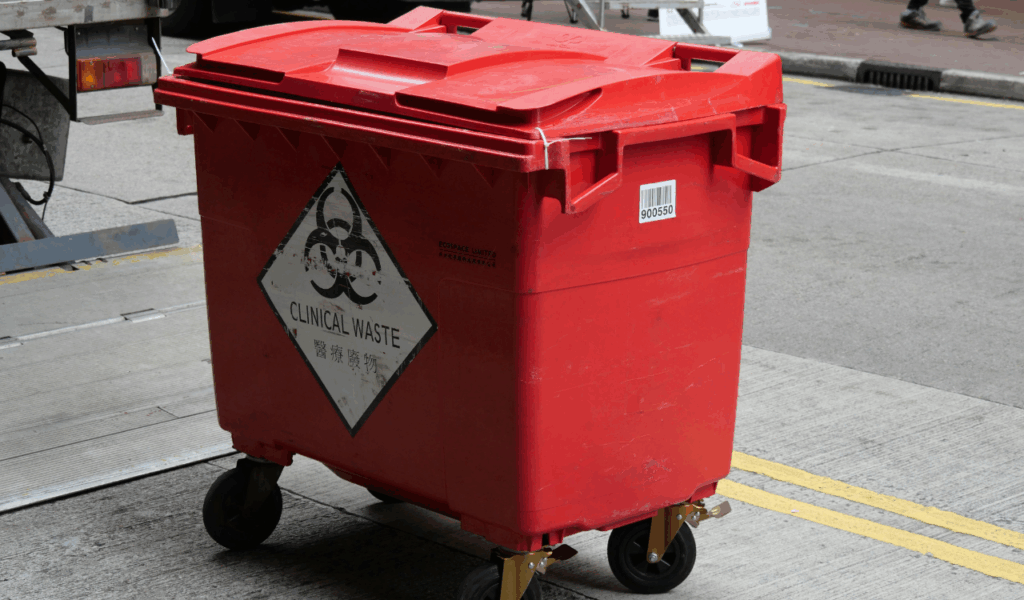
It’s not only harmful to throw away old paint, batteries, or cleaning chemicals in the trash, but it’s also against the law in many places. If you don’t throw away dangerous materials properly, they can hurt the environment, pollute water supplies, and even hurt your health.
Many household items, like paint, batteries, insecticides, and cleansers, have chemicals in them that are bad for the environment and need to be thrown away in a safe way. Sadly, a lot of people toss these things away with their ordinary trash without knowing how bad they are for the environment.
Check with your local waste management organization to find out where to properly throw away hazardous garbage or when to collect it. A lot of communities have specific drop-off events where you can safely get rid of or recycle dangerous objects. Following these rules will help you avoid fines and lessen the damage that chemicals that are thrown out wrong can do to the environment.
4. Overusing Extension Cords in High-Power Areas
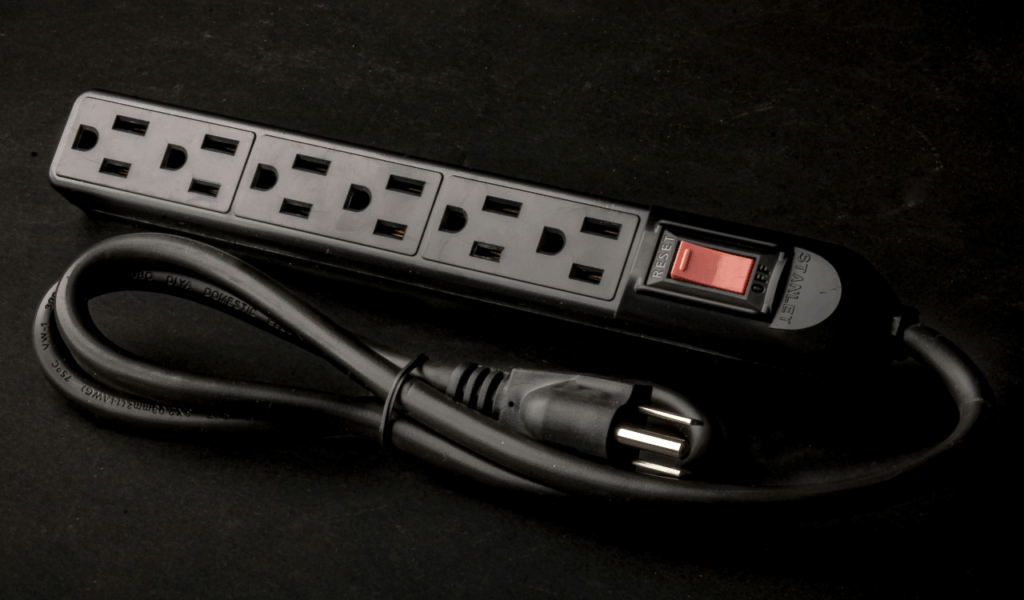
Extension cords are a great way to add extra outlets to your house, but using them too much, especially in high-power areas like the kitchen or garage, can be dangerous and even against the law in some places. Extension cords are not meant to be used as permanent solutions for powering several high-wattage appliances.
Using extension cords instead of adequate wiring or more outlets might make it more likely that things will overheat, short-circuit, or catch fire. For instance, if you use too many extension cords in places where there is a lot of electrical demand, such kitchens or workshops, it could cause your home’s electrical system to fail completely.
To keep safe and follow electrical rules, don’t use extension cords for a lengthy time. Instead, think about adding more outlets or hiring a licensed electrician to put permanent wiring to areas with a lot of power. This process makes sure that your home stays safe and up to code, which keeps electrical problems from happening that could be harmful and expensive.
5. Not Securing Your Home’s Pool Area
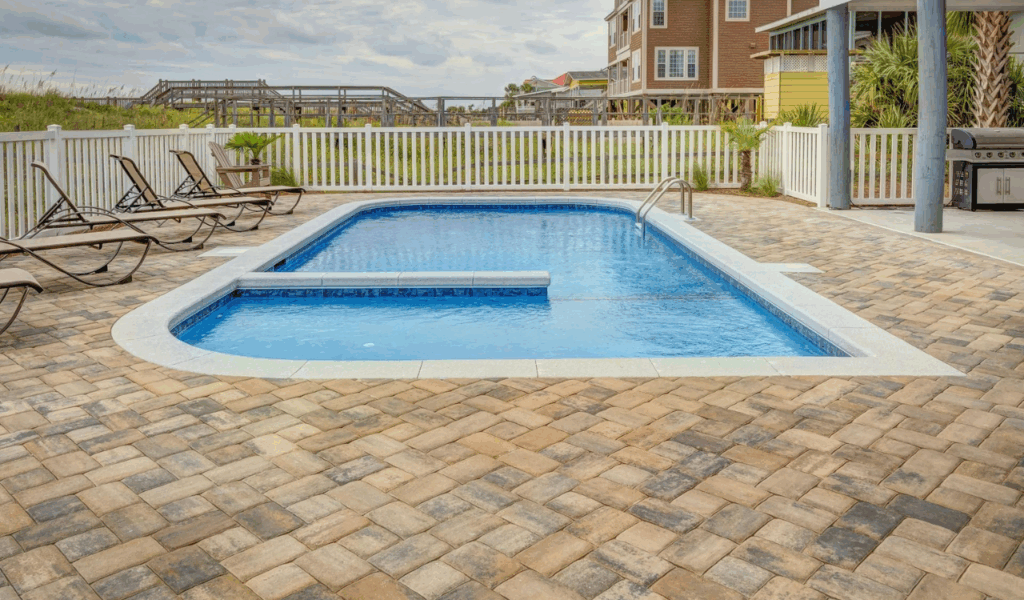
You might not know that in many jurisdictions, it’s against the law to not safeguard the area around your pool. The goal of pool safety laws is to stop people, especially kids, from accidentally drowning. Most of the time, these rules say that landowners must put up barriers like fences or pool covers to keep people who shouldn’t be there out of the pool area.
Pool safety rules are different in each state and city, however in many places, a fence or a self-locking gate around the pool is required. These barriers are not only necessary, but they are also very important for keeping kids and pets out of the pool without adult supervision. This lowers the chance of drowning incidents.
Before putting in or taking care of your pool, you should read up on the rules and ordinances in your area about pool safety. If you don’t follow these rules, you could get fines, penalties, or even worse, go to court if there is an accident. For both legal reasons and the protection of your family, it is important to make sure that your pool has the right safety features.
6. Failing to Follow HOA Rules for Exterior Home Modifications
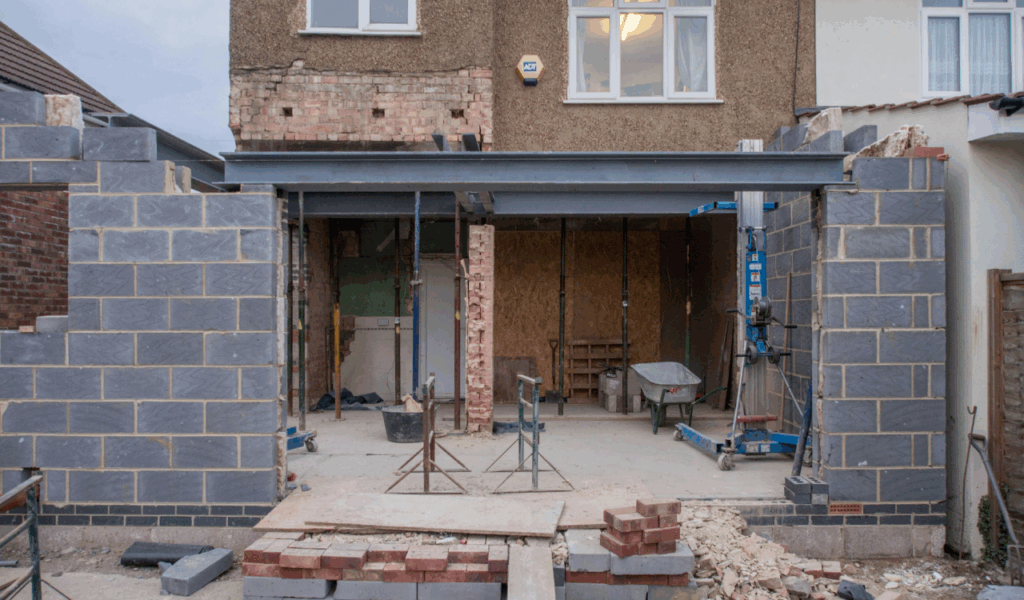
If you reside in a neighborhood with a Homeowners Association (HOA), you may need to get permission before making any changes to the outside of your property. This encompasses everything from painting your house to putting in landscaping features or building a new fence. A lot of homeowners break HOA laws without even knowing it when they change the outside of their homes without seeking permission or filling out the right forms.
To keep a consistent and harmonious design, HOAs usually have rules on how homes in the area should look. The goal of these rules is to keep property prices high and the community looking good. If you change something about your home without talking to your HOA beforehand, you could be fined or even told to undo the changes.
It’s important to check with your HOA before making any alterations to the outside of your home to be sure you’re following their guidelines. This little step can help you avoid expensive fines and keep your home in good standing with the town.
7. Renting Out Your Home Without Proper Permits
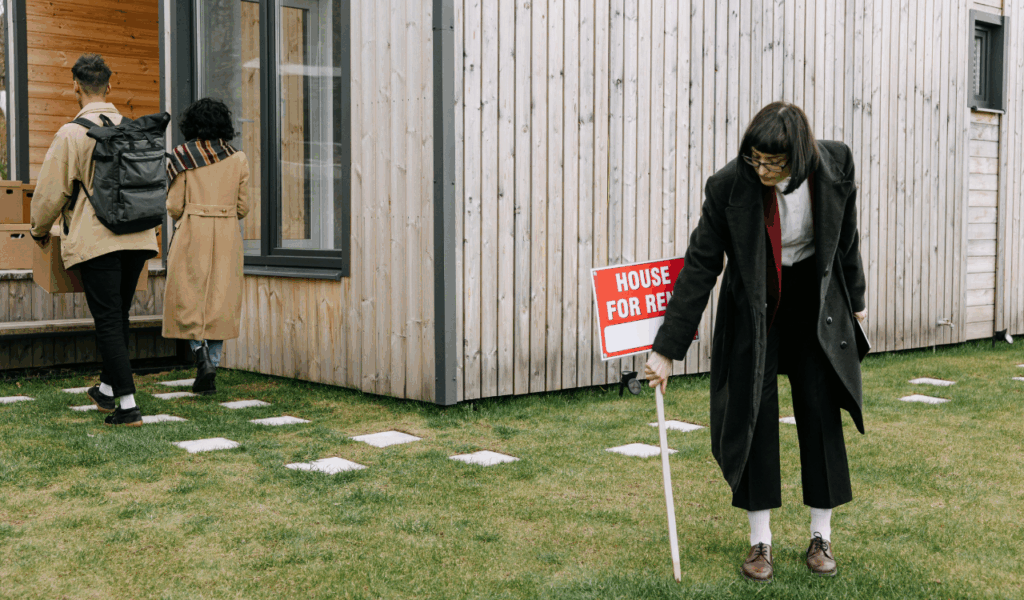
It might seem like a good idea to rent out a room or whole house for additional money, but in many places, doing so without the right authorization might be against the law. Homeowners in many cities and towns must apply for special rental permits or make sure that their property is legally zoned for short-term rentals like Airbnb.
Not getting the right permits or following zoning requirements can lead to big penalties, lawsuits, or even having to kick out renters. Also, some cities limit or even ban short-term rentals altogether, so it’s crucial to know the rules in your area before you rent out your home.
Before putting your home up for rent on a short-term rental site, make sure you have all the right permissions and that your property fulfills all zoning regulations by checking with your local government. If you follow these rules, you won’t have to worry about getting fined or having legal problems. You may rent out your property safely and easily.
8. Keeping Unlicensed Pets or Exotic Animals

A lot of people don’t know that possessing some pets, especially exotic animals or certain canine breeds, may require a special license or may be against the law in some places. Local rules usually say what kinds of animals can be kept as pets, especially if they are harmful or unusual.
Some places may require specific permits for exotic pets like snakes, wild animals, or particular canine breeds, or they may be illegal to own. Before introducing these kinds of creatures into your home, you need to look into the rules in your area and get any licenses you need. If you don’t do this, you could get a fine or perhaps have your pet taken away.
If you’re thinking about getting an unusual pet or a breed that needs specific legal care, be sure you know the rules in your area and receive any permissions you need. Following the law when you own a pet helps keep your family and the animal safe and avoids fines.
9. Ignoring Lead Paint Regulations
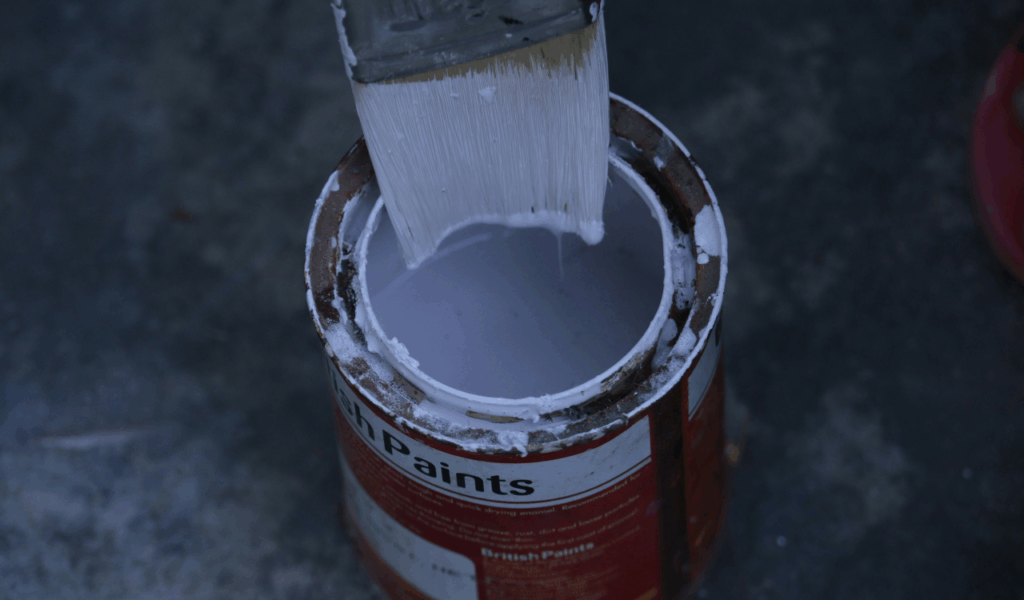
Lead-based paint is likely to occur in homes built before 1978. This paint can be harmful to health, especially when it is disturbed during renovations. If homeowners don’t follow the right steps for dealing with and getting rid of lead paint during renovations, they could face legal problems, like penalties and health dangers.
Lead paint can make you very sick, especially young kids, because it can induce lead poisoning. People who are fixing up older homes need to follow rigorous rules for dealing with lead paint. For example, they should choose qualified contractors and take the right safety precautions during the remodeling process.
If you live in a house that was built before 1978 and want to make changes, you need to engage a contractor that is certified in lead-safe methods. If you don’t do this, you could be exposed to dangerous materials and get in trouble with the law. Following these rules will keep your family safe from the dangers of lead paint and make sure that the remodeling follows all federal and local standards.
10. Using Unlicensed Contractors for Major Home Repairs

It may be cheaper to hire unlicensed contractors to do major home repairs, especially electrical or plumbing work, but this can cause big legal and safety problems. Licensed contractors have the training and certification to make sure that the work fulfills local safety and building rules.
Unlicensed contractors may not have the right skills to do complicated repairs safely, and their work may not fulfill building codes. This can cause bad repairs, fines, or even having to redo the work, which can be expensive. Also, you could be held accountable if an unlicensed contractor hurts or damages something.
Always check that a contractor is properly licensed and insured before hiring them for any major repairs, especially plumbing or electrical work. This makes sure that the work is done right, safely, and in accordance with local legislation, which protects your home and your legal rights.