
Everyday Household Items That Can Quietly Cause Big Problems Later
Some of the biggest household problems don’t arrive with a crash. They build quietly, item by item, until one small oversight turns into a costly, stressful, or dangerous mess.
Scented Products That Change the Air You Breathe

Air fresheners, plug-ins, wax melts, room sprays, and heavily fragranced cleaners are often marketed as signs of a clean, welcoming home. In reality, they can add a steady stream of chemicals to indoor air, especially in tightly sealed houses where ventilation is limited. The problem is not just the obvious cloud from a spray bottle, but the constant low-level release that happens while products sit plugged in or stored under the sink.
According to the EPA, many consumer products used in homes, including cleaning solutions, air fresheners, and personal care products, can contribute to indoor particulate matter and release volatile organic compounds, or VOCs, during use and even while stored. The agency also notes that products with pine or citrus scents can react with ozone indoors to form particulate matter and formaldehyde. That means the pleasant smell itself can be part of a more complicated chemical story than most people realize.
For people with asthma, allergies, or sensitive airways, this matters more than it may seem. The EPA says some cleaners, adhesives, paints, pesticides, cosmetics, and air fresheners contain chemical irritants that may exacerbate asthma, and at sufficient concentrations, many products can trigger symptoms. A home can smell “fresh” while actually becoming more irritating to breathe in, especially in bedrooms, bathrooms, laundry rooms, and smaller apartments where fragrance builds up over time.
The smartest shift is not panic but reduction. Use unscented or low-emission products where possible, ventilate during and after cleaning, and avoid layering multiple fragranced products in the same room. A single candle, plug-in, spray, fabric refresher, and scented trash bag may feel minor on their own, but together they can create a background exposure that quietly turns a home’s air into an ongoing source of irritation, according to the EPA’s indoor air guidance.
Cleaning Products That Become Dangerous When You Get Casual
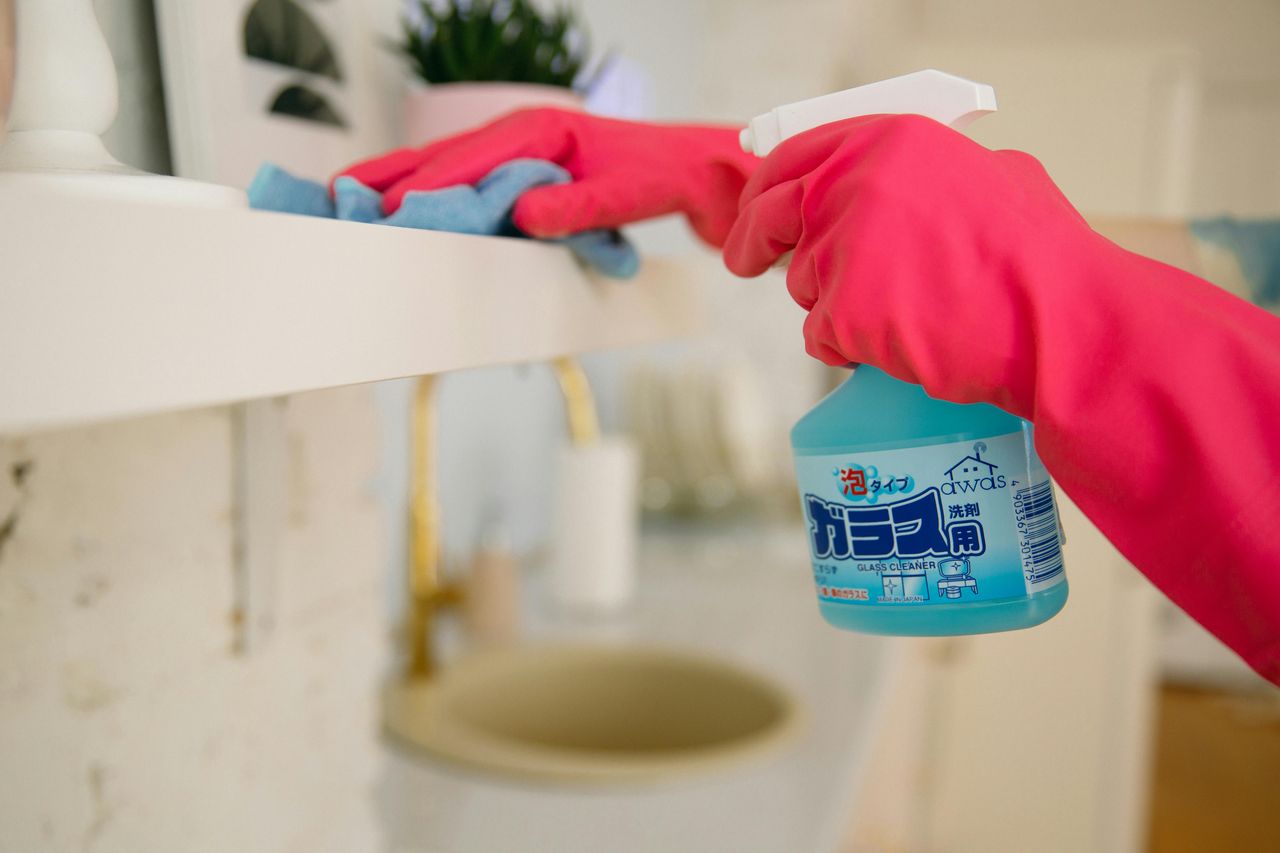
Most people know cleaning products should be handled carefully, but familiarity makes them easy to underestimate. The bottle under the sink feels ordinary precisely because it is so common. Over time, people begin eyeballing measurements, combining products for “extra strength,” or cleaning in poorly ventilated rooms without gloves, masks, or open windows.
That casual approach is where quiet risk turns into real harm. The EPA warns consumers never to mix household cleaners unless the label specifically directs it. Poison Help guidance is even more blunt: bleach should not be mixed with anything but water, and mixing bleach with other cleaners can release dangerous gases. Trade groups and poison centers have repeated the same advice for years because the mistakes are common, especially during deep cleaning, move-out cleanups, or bathroom scrubbing sessions.
The classic example is bleach mixed with ammonia, but acidic products can be a problem too. Toilet bowl cleaners, rust removers, vinegar-based products, and some disinfectants may interact in ways people do not expect. What makes these combinations especially dangerous is how normal they look at first. Someone may simply think the room smells strong, when in fact they are inhaling fumes that can irritate the eyes, nose, throat, and lungs.
Storage habits add another layer. Bottles left uncapped, transferred into unlabeled containers, or stored where children can reach them create future problems waiting for the wrong moment. A cleaner poured into a beverage bottle is a tragedy setup, not a hack. A better system is simple: keep products in original containers, use one product at a time, follow label directions exactly, and ventilate aggressively. Household cleaners are useful tools, but the moment people start improvising chemistry in a closed bathroom, a routine chore can become an emergency with surprising speed.
Extension Cords and Power Strips That Turn Temporary into Permanent
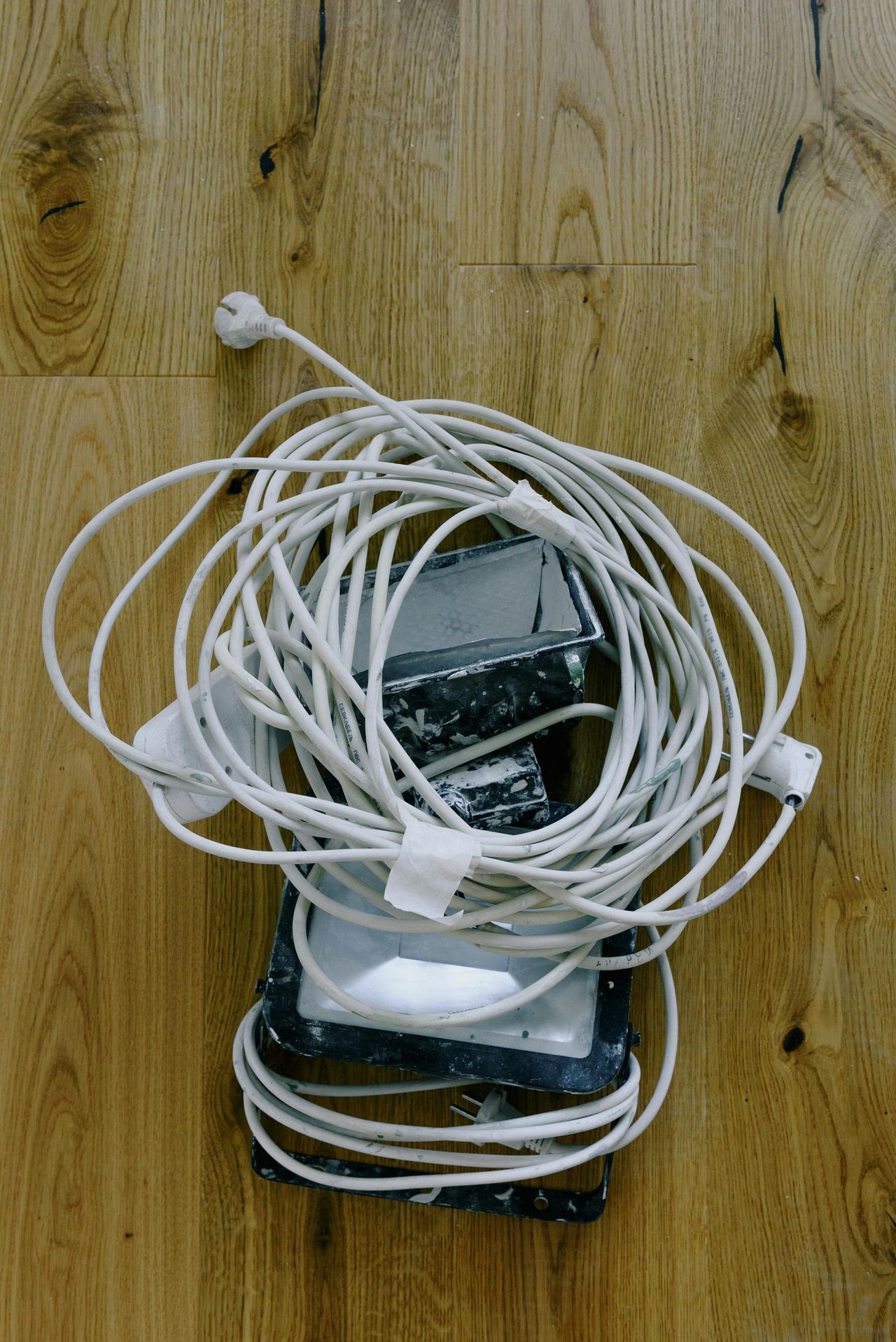
Few household items are more quietly normalized than extension cords and overloaded power strips. They solve an immediate inconvenience, so they tend to stay in place for months or years. One cord behind a couch becomes three under a rug, then a space heater, phone charger, TV, lamp, and fan all end up sharing the same tired strip that was never meant to be the backbone of a room’s electrical plan.
That is where the trouble begins. The CPSC has long warned that extension cords lacking key safety characteristics can pose a substantial risk of electrical shock or fire. Fire safety guidance based on the National Electrical Code is also clear that extension cords are for temporary use, not a substitute for permanent wiring. In other words, the very way many households use them every day is exactly the use case safety experts warn against.
The risk is not always dramatic until it suddenly is. Cords hidden under rugs can overheat without anyone noticing. Cords bent around furniture legs or pinched behind bed frames can fray internally. Cheap cords powering high-wattage devices like microwaves, air fryers, portable AC units, or heaters can build heat slowly until insulation breaks down. Many people do not realize that even when the strip itself has surge protection, it still does not make every appliance safe to run through it.
Large appliances should generally be plugged directly into a wall outlet, not an extension cord. If a home relies on extension cords daily, that is often a sign the space needs more outlets or a different room layout. The fix may feel less urgent than other repairs, which is why people postpone it. But electrical hazards are exactly the kind that stay quiet until one hot afternoon, one overloaded holiday setup, or one damaged cord behind furniture becomes the starting point for a much bigger loss.
Button Batteries Hidden in Remotes, Toys, and Gadgets

Button batteries are tiny, shiny, easy to miss, and much more dangerous than they look. They show up in remote controls, flameless candles, thermometers, bathroom scales, singing greeting cards, key fobs, toys, and small decorative gadgets. Because they are so common, adults often think of them as just another household battery, not as one of the most serious hidden hazards for young children.
The CPSC has repeatedly warned that button cell and coin batteries can cause life-altering injuries and death if swallowed. Reese’s Law led to new federal safety standards intended to reduce these hazards, especially for children 6 and younger. The danger is not simply choking. When a battery becomes lodged in the body, it can cause severe internal burns in a short period of time, which is why suspected ingestion is treated as a true emergency.
What makes this problem especially sneaky is how easily the batteries escape notice. A battery compartment may loosen after repeated use, a secondhand toy may be missing a secure screw, or a battery can roll under a couch cushion and sit there until a crawling child finds it. Adults often focus on obvious hazards like knives and detergents while forgetting that the tiny silver disc inside a car key or holiday decoration can be just as urgent.
The safest habit is to audit the house the way a toddler would explore it. Check every device that uses button batteries and make sure the compartment closes securely. Store spare and used batteries out of reach, and do not leave them loose in junk drawers, purses, or kitchen catchalls. If a child may have swallowed one, the CPSC says to seek help immediately and contact the National Battery Ingestion Hotline or Poison Help. This is one of those household dangers where size is completely misleading.
Humidifiers That Can Spread More Than Comfort
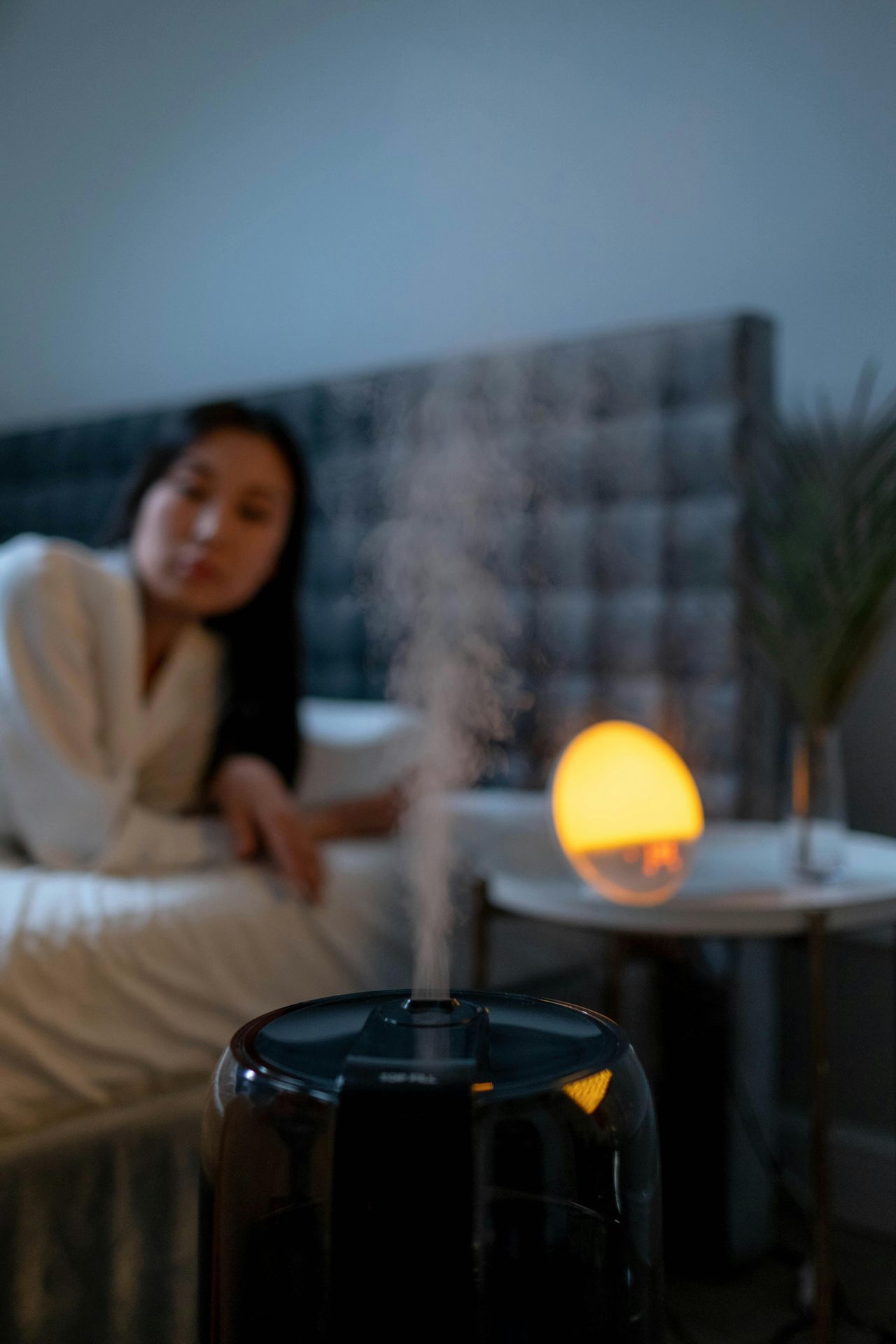
Humidifiers seem like pure relief in dry weather. They can make a bedroom feel better, soothe irritated sinuses, and take the edge off heated winter air. But when they are neglected, they can become one of the easiest ways to add unwanted minerals, microbes, and moisture problems back into the home environment.
The EPA says proper care and cleaning of ultrasonic and impeller humidifiers are important for reducing potential exposure to microorganisms such as bacteria and molds. The agency also notes that using lower-mineral water can reduce exposures to materials released into the air. CDC guidance adds another overlooked fact: tap water is not sterile, and device instructions should be checked for what kind of water is appropriate. In practice, that means the water source and cleaning routine both matter.
Many owners treat humidifiers like appliances instead of water systems. They top them off daily, forget to empty them, and assume the mist is inherently clean because it looks clean. But moisture plus standing water plus warmth is a familiar recipe for buildup. If a tank develops slime, scale, or odor, the machine may be sending more than water into the room. That can be particularly irritating for people with asthma, allergies, or other respiratory sensitivities.
There is also the bigger house issue: too much humidity can encourage dust mites and mold. Asthma organizations commonly recommend keeping indoor humidity around 30% to 50%, because higher humidity helps dust mites thrive and can create conditions mold loves. So the goal is balance, not maximum mist. Clean the unit on schedule, dry it when not in use, follow the manufacturer’s instructions on water type, and monitor room humidity. A humidifier can absolutely help, but only if it stays clean and does not turn comfort into a moisture-management problem.
Leftovers, Fridge Creep, and the False Security of Cold Air
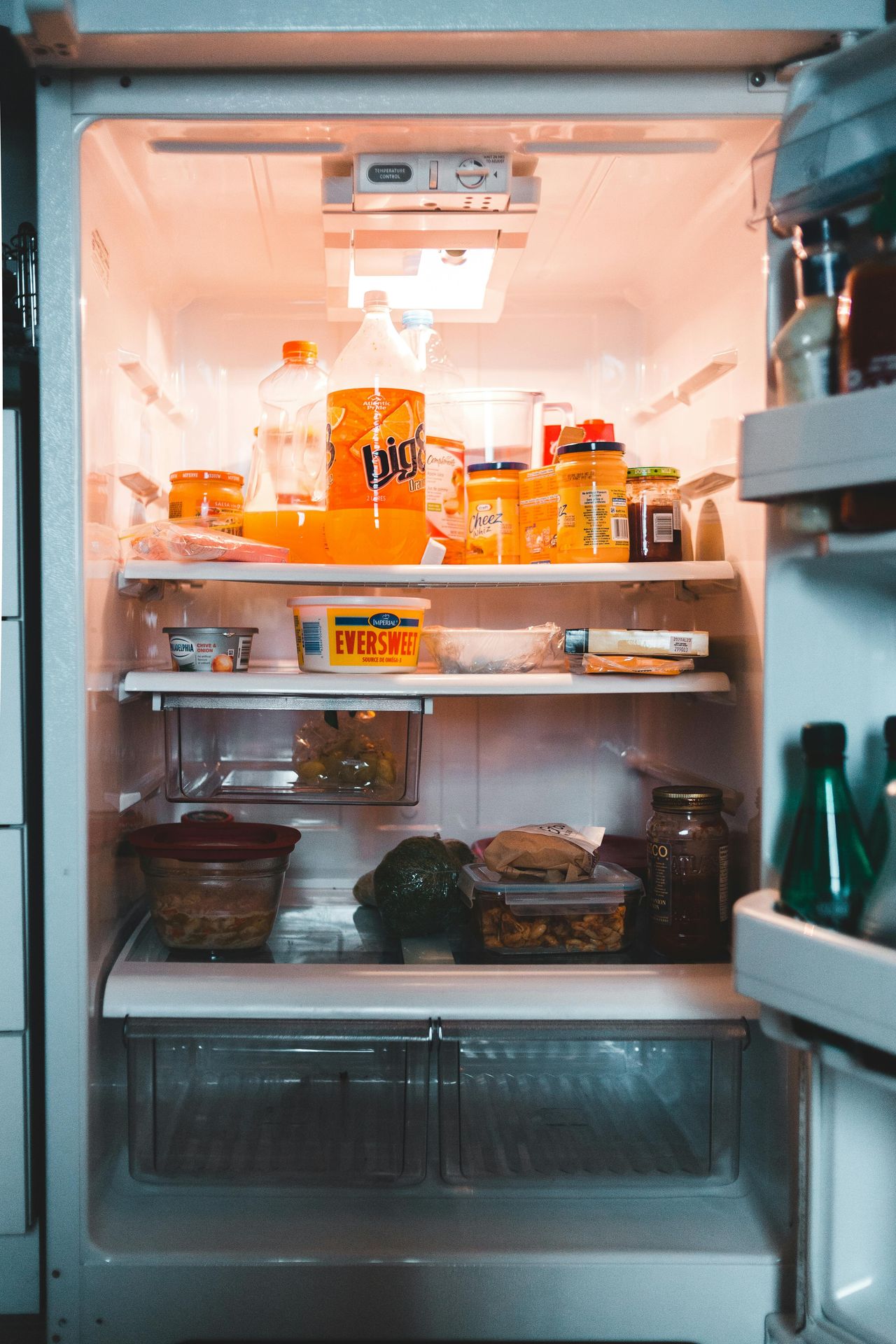
Refrigerators make food feel safe for longer than it really is. That creates one of the most common quiet household problems: leftovers that drift past their useful life because they still look fine. A container gets pushed to the back, a half-pan of pasta becomes tomorrow’s lunch and then next week’s mystery meal, and cold air starts to feel like a guarantee instead of a delay.
It is not a guarantee. The USDA’s Food Safety and Inspection Service says leftovers can generally be kept in the refrigerator for 3 to 4 days or frozen for 3 to 4 months. USDA also advises putting food away within 2 hours and keeping refrigerators at 40° F or below. That sounds simple, but plenty of homes operate with crowded shelves, inconsistent cooling, and no clear labeling system, which makes good guidance easy to ignore.
The deeper issue is fridge creep: the gradual accumulation of old sauces, cut fruit, deli meat, cooked rice, takeout boxes, and meal-prep containers that nobody tracks carefully. People tend to rely on smell and appearance, but some harmful bacteria do not announce themselves dramatically. A food item can seem normal while becoming riskier by the day, especially if it has been reheated, cooled slowly, or left out on the counter too long before returning to the fridge.
The best defense is boring and effective. Label leftovers with the date, keep the refrigerator cold enough, and do one clean-out day every week. If you will not eat something within 4 days, freeze it early. This is not just about avoiding waste, though that helps. It is about not letting convenience create a quiet food safety hazard in a place most people associate with protection. Refrigeration slows problems down, but it does not stop them.
Dryer Lint and Vents That Look Fine Until They Don’t
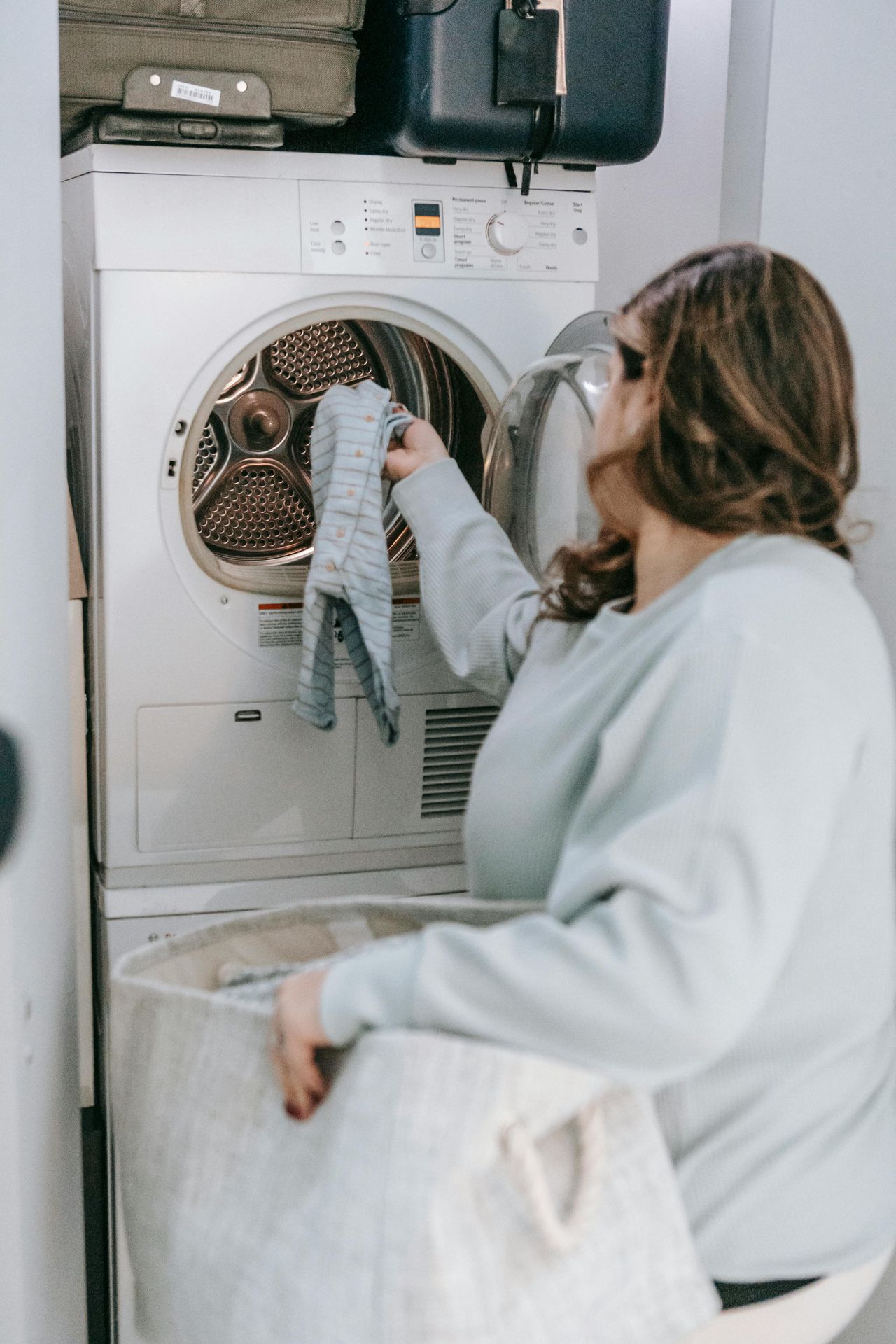
A clothes dryer is one of those appliances people trust until it gives them a reason not to. It runs in the background, tucked into a laundry area, doing ordinary work with almost no attention. That routine can hide one of the home’s most preventable fire hazards: lint buildup inside the machine and especially in the exhaust system beyond the visible lint screen.
Safety agencies have been repeating the warning for years because the pattern is so common. CPSC guidance says fires can occur when lint builds up in the dryer or in the exhaust duct, reducing airflow and causing excessive heat buildup. Fire prevention materials from government agencies also note that more than 15,000 fires a year are associated with clothes dryers. The machine does not need to look broken for the hazard to be growing.
The lint trap is only part of the story. People clean it and assume they are done, while lint continues collecting in the vent hose, wall duct, and outside termination point. If clothes start taking longer to dry, if the laundry room gets unusually hot, if the exterior vent flap barely opens, or if the dryer smells hot, those are not minor quirks. They are signs airflow may be restricted and heat is building where it should not.
Flexible plastic or foil ducts can make matters worse if they sag, crush, or trap lint more easily than rigid metal ducting. Even a recently serviced dryer is not immune if the vent path remains long, kinked, or clogged. The smart move is a full-system mindset: clean the lint screen every load, inspect the external vent regularly, and have the duct cleaned when performance changes or on a preventive schedule. Dryer fires are a classic example of a household problem that rarely starts with a dramatic warning and often grows behind the wall.
Moisture-Holding Soft Goods That Feed Dust Mites and Mold
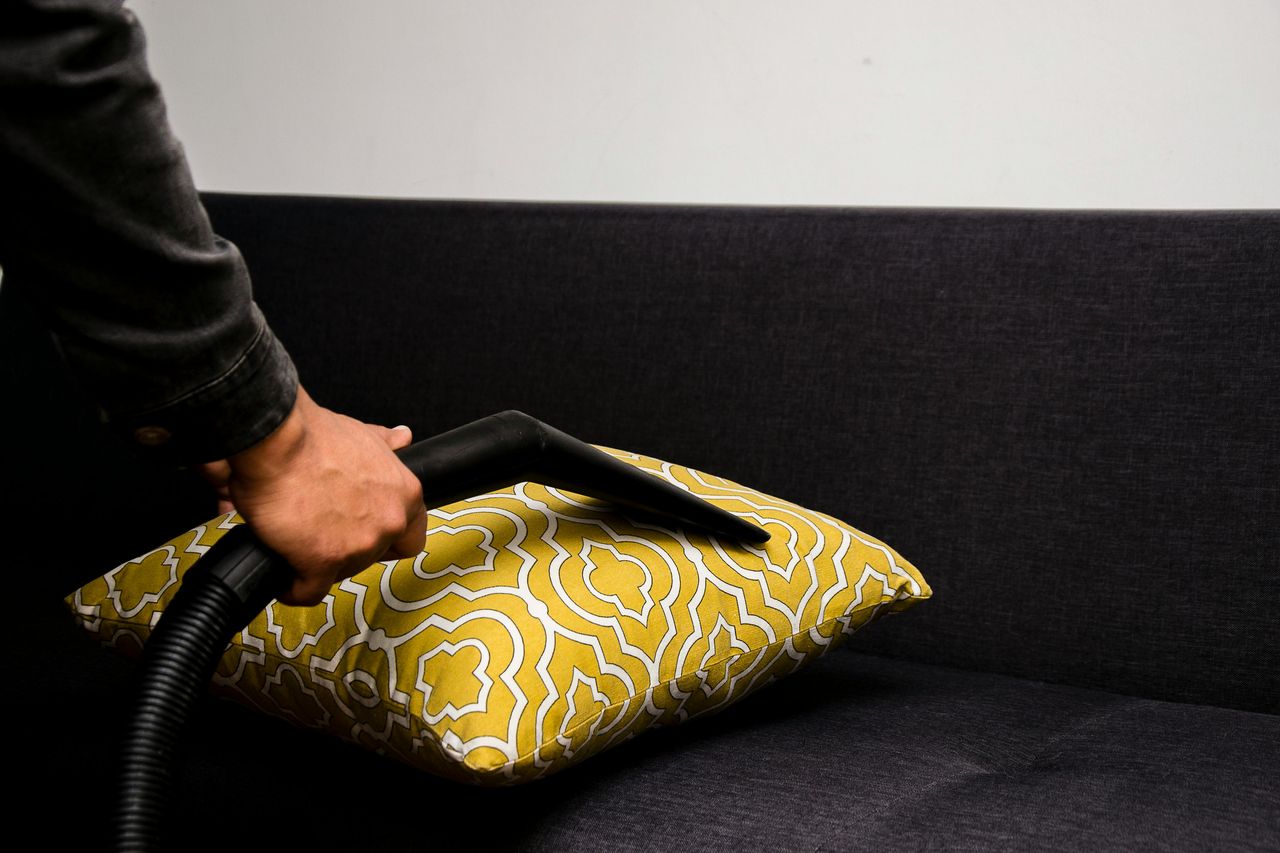
Soft household items rarely look threatening. Rugs, upholstered headboards, throw pillows, curtains, stuffed toys, heavy comforters, and aging mattresses all seem like comfort items, not risk factors. But over time, they can become some of the best reservoirs for dust, allergens, moisture, and microscopic life that affect how a home feels and how people breathe.
Asthma and allergy organizations consistently warn that dust mites thrive in warm, humid environments and that indoor humidity should generally stay between 30% and 50%. Bedding, upholstered furniture, and fabric-heavy bedrooms can become prime real estate for mite buildup, especially when windows stay shut, ventilation is weak, and washing routines are irregular. People often blame “seasonal allergies” when the bedroom itself is part of the problem.
Then there is moisture. A rug near a slightly damp basement floor, curtains that collect condensation, or a mattress exposed to years of sweat and humidity may not show dramatic visible mold at first. But fabrics can hold moisture long enough to support growth and odor, especially in houses with poor airflow. Once that stale smell settles in, many people try to cover it with fragrance instead of addressing the underlying dampness, which only compounds the indoor air issue.
This does not mean every soft surface has to go. It means fabrics need management. Wash bedding in hot water on a regular schedule, vacuum upholstery with a good filter, reduce clutter that traps dust, and pay attention to humidity levels rather than guessing. If a room feels musty, repeatedly triggers sneezing, or smells better only after spraying something scented, there is a good chance the soft materials in that space are storing more than comfort. They may be holding onto the exact conditions that let small problems become chronic ones.
Nonstick Pans, Scratched Cookware, and Kitchen Wear You Stop Noticing
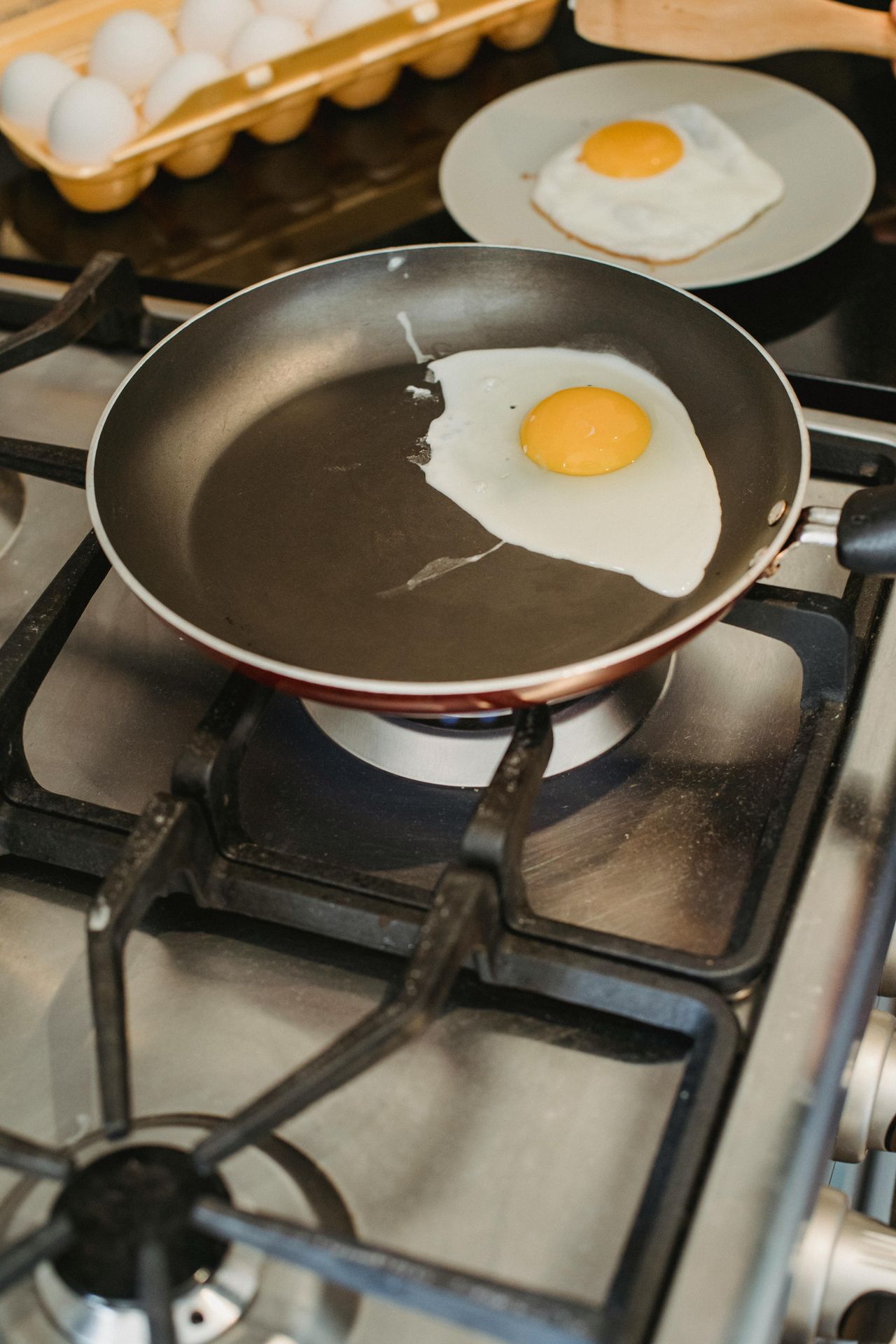
Cookware ages so gradually that most people barely register the decline. A favorite nonstick pan gets a few scratches, a spatula starts scraping the coating, the handle loosens slightly, and eventually the pan becomes one of those kitchen items people keep using out of habit. The issue is not that every worn pan is instantly hazardous, but that damaged cookware often signals a broader pattern of ignored wear that affects safety, performance, and even food quality.
With nonstick cookware especially, the quiet problem is misuse over time. High heat, metal utensils, abrasive scrubbers, and stacking pans carelessly can all degrade coatings faster than owners expect. Once the surface starts flaking or gouging, the pan usually stops doing the one job people bought it for in the first place. Food sticks more, users add more oil, and they often crank up the heat to compensate, creating a cycle of worsening performance and more wear.
There is also the issue of how normalized damage becomes in busy kitchens. People routinely keep warped baking sheets, cracked cutting boards, chipped mugs, unstable pot handles, and dull knives far beyond their sensible lifespan. Each item seems manageable on its own. Together, though, they increase the chance of cross-contamination, spills, cuts, burns, and uneven cooking. Kitchen problems often look like inconvenience long before they look like danger.
A good rule is simple: if an item’s damage changes how you use it, clean it, or trust it, it is probably time to replace it. Retire deeply scratched nonstick pans, replace cracked boards that are hard to sanitize, and stop treating loose handles like a personality trait. Household trouble often starts where people adapt too well. When you have quietly adjusted your habits around worn-out kitchen gear for months, that is usually the clearest sign the item stopped being harmless a while ago.
Alarms, Detectors, and Test Kits People Mean to Deal With Later

Some of the most consequential household items are the ones people barely think about until they fail. Smoke alarms, carbon monoxide detectors, and radon test kits are easy to postpone because they do not demand attention every day. But that silence is exactly why they matter. Their whole purpose is to catch problems before the house gives you obvious warning signs.
Carbon monoxide is one of the clearest examples. The CDC says CO is an odorless, colorless, toxic gas produced by sources that can include gas- and oil-burning furnaces, portable generators, and charcoal grills. EPA safety guidance reinforces that carbon monoxide in homes can be deadly and points consumers to alarm recommendations for every home. A malfunctioning fuel-burning appliance or poor ventilation issue can become life-threatening without the dramatic cues people expect from other hazards.
Radon is even quieter because there is no smell, no irritation, and no immediate symptom that tells homeowners it is present. The EPA says radon is a naturally occurring radioactive gas that can cause lung cancer, estimates that nearly 1 in 15 U.S. homes has a radon level that should be reduced, and notes that there is no known safe level of exposure. The agency’s action level remains 4 pCi/L, while also recommending people consider fixing homes with levels between 2 and 4 pCi/L.
These are not scary facts to dwell on; they are practical reasons to stop putting off basic checks. Install and test alarms, replace batteries or units on schedule, and test for radon rather than assuming your area or home type makes you exempt. A lot of household risk comes from visible clutter and obvious neglect. But some of the biggest threats are invisible, odorless, and entirely dependent on whether you decided that “I’ll do it next weekend” one too many times.