
10 School-Year Food Habits Families Quickly Dropped

Many families start the school year with big plans for their food in the hopes of being organized, healthy, and stress-free. Plans for meals are made, lunch habits are improved, and nutrition objectives seem possible. But as schedules get busier and energy levels drop, some behaviors soon become impossible to keep. Time limits, costs, taste preferences, and being tired every day often get in the way. Things that seem good in principle don’t always work out in practice. Families quickly lost their school-year meal habits, which helps show which patterns don’t work under real-world pressure and why being flexible is often more important than being flawless.
1. Elaborate Weeklong Meal Prep Every Sunday

Planning and making all of your meals for the week ahead of time sounds smart, but a lot of families stop doing this early on. It might be tiring to spend hours preparing and portioning on Sundays, especially before a hectic week. People’s tastes change, their schedules change, and they might not eat the meals they made ahead of time. Food quality might also go down after being stored for a few days. Although it is acceptable to plan some of your meals, families who have to juggle school, work, and activities may find that committing to preparing all of their meals for an entire week is too much to handle.
2. Strictly Packed Homemade Lunches Every Day
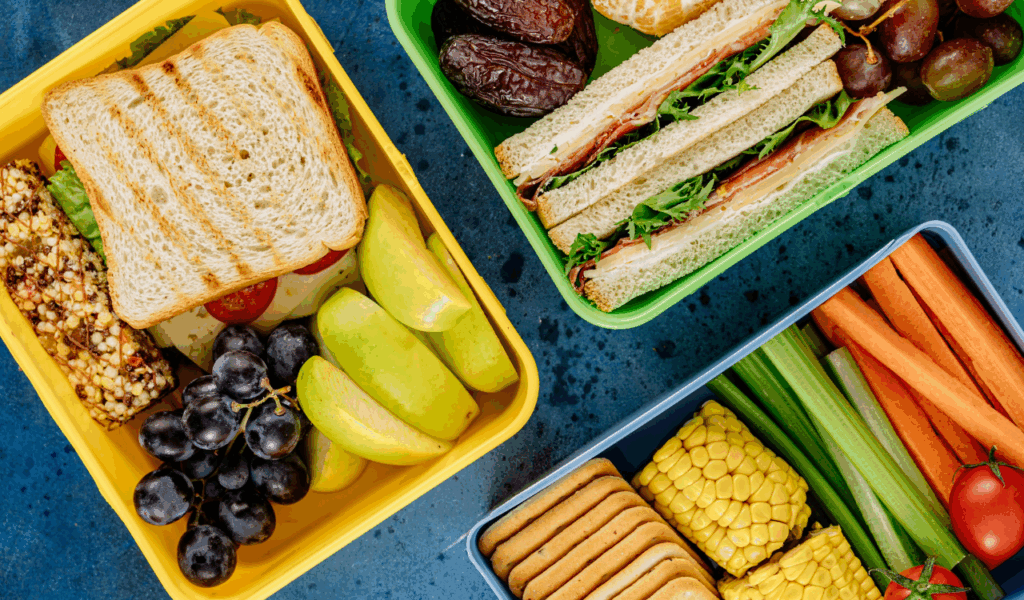
Packing homemade lunches every day is a popular aim, but many families have trouble keeping it up. It’s hard to be consistent because of time constraints in the morning, missing items, and kids’ shifting tastes. Some lunches come back home without being eaten, which is a waste and makes people angry. In the course of time, families come to realize that eating less complicated dinners or school lunches on occasion allows them to relax. Even while there are advantages to preparing your own lunches, getting into the habit of doing so on a daily basis can be challenging once habits have become ingrained.
3. No-Sugar School Week Policies
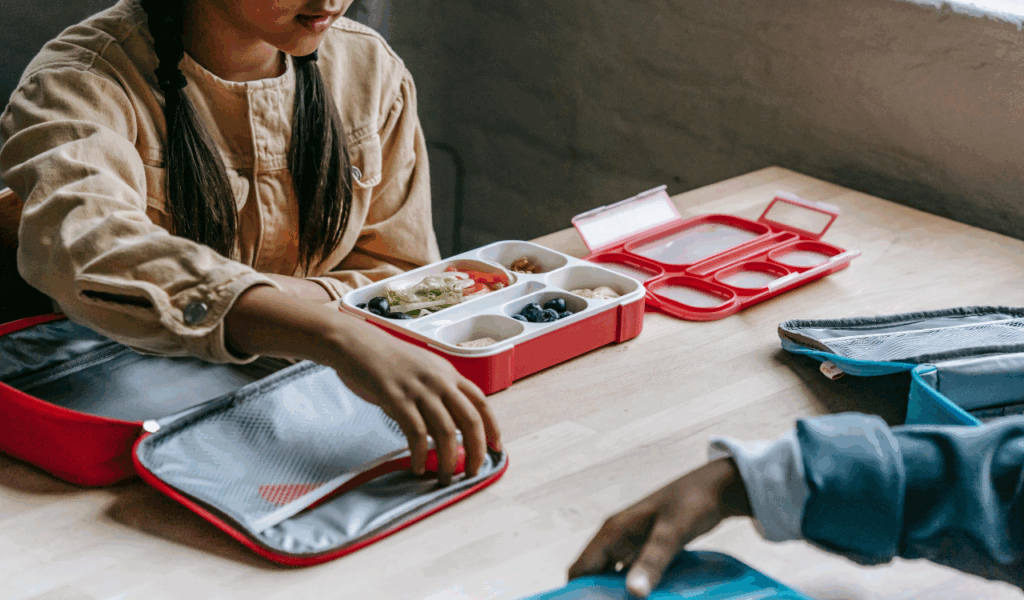
Many families try to cut out extra sugar during the school week, but stringent limits don’t always work. It can be hard to stay away from treats when they are at school functions, birthdays, or after-school activities. Kids may feel that they can’t do anything, which can make them angry or cause them to consume too much when sweets are around. When it comes to monitoring all of the food sources, parents also have a difficult time doing so. When compared to severe regulations, moderation is typically more effective. After a few weeks, for this reason, tight rules that prohibit the consumption of sugar are occasionally relaxed.
4. Cooking a Separate Dinner for Kids and Adults

It may appear to be considerate to prepare separate dinners for children and adults, but it rapidly gets exhausting to do so. Doing twice as much work in the kitchen results in more time, money, and cleanup. In addition to this, it encourages fussy eating habits rather than stimulating variety in the diet. A significant number of homes have arrived at the conclusion that it is more efficient to serve a single meal that can be altered while the individual is on the move. During the course of time, it becomes clear that keeping distinct menus during busy school nights is not only unnecessary but also impossible to do.
5. Daily Fresh Smoothies Before School

Making fresh smoothies on a daily basis might be difficult, despite the fact that they claim to provide rapid nutrition. Produce washing, mixing, and cleaning equipment are all activities that add time to mornings that are already hectic. However, noise can also be a source of disruption in the morning. It is possible that some children do not finish their beverages because they become bored with the same flavors over and over again. The anticipation that smoothies would be created every day tends to decrease as mornings become more chaotic. This is despite the fact that smoothies continue to be a decent alternative if there are occasions.
6. Sitting Down for a Full Family Breakfast Every Morning

A lot of families want to have a nice, sit-down meal together every morning when school starts. The idea helps people stay connected and stick to a pattern, but it usually goes away fast when schedules get busy. Due to the fact that people get up at different times, depart early, and have hectic mornings, it is impossible for everyone to be there at the same time. Having to prepare a complete dinner when time is limited is another source of stress. Families have a tendency to select brief, customized solutions that are more suitable for the time constraints of real life because mornings are busier than other times of the day.
7. Trying a New Dinner Recipe Every Weeknight

It sounds fun and healthful to try new dishes all the time, but during the school year, it can be tiring. When you make new recipes, you need to plan ahead, use new materials, and pay more attention. This can be too much to handle on hectic weeknights. When recipes don’t work out the way you want them to, you get more and more frustrated and feel like the food is wasted. A lot of families end up relying on meals they know and trust that are easy to make and clean up, which is why this habit is one of the first to go.
8. Strictly Scheduled Snack Times Only

Some households make an effort to restrict snacking to particular periods in order to encourage regular mealtimes. Although discipline can be helpful, excessively tight snack regimens frequently come into conflict with fluctuating energy requirements. Maintaining a tight schedule might be challenging due to factors such as hunger after school, sports activities, and growth spurts as well. Children who are hungry may become irritated or excessively focused on the food they are eating. Because of the passage of time, families frequently become more flexible, opting to concentrate on providing healthy snack selections rather than adhering to tight timing requirements.
9. Avoiding Takeout and Convenience Foods Entirely

A significant number of households want to fully abstain from consuming takeaway and packaged foods at the beginning of the school year. Despite the fact that there are advantages to cooking at home, it is difficult to completely eliminate options for convenience items. The allure of rapid fixes is heightened by factors such as exhaustion, sudden changes in schedule, and busy evenings. In order to alleviate tension and avoid skipping meals, it is beneficial to occasionally consume ready-to-eat or takeout dishes. Families typically reintroduce convenience meals in moderation as the reality of the situation becomes more apparent.
10. Keeping Perfect Food Logs or Nutrition Tracking

At first, keeping track of meals and the nutrients that are consumed seems feasible; however, it gets increasingly difficult to do so over the long term. Time and attention are required in order to record each and every ingredient and portion. It is common for logging to feel like an additional chore as the days become busier. Just a few inconsistencies in tracking can result in the complete abandonment of the system. As time goes on, many families gradually shift their attention away from comprehensive daily records and toward overall routines and balance. As a result, strict meal tracking becomes another habit that quickly fades away.