12 Home Features Likely to Be Obsolete Within the Next Five Years
Realtors say buyer priorities have shifted sharply as affordability pressure, renovation fatigue, and lifestyle changes reshape how homes are evaluated. During showings, agents report that buyers are no longer impressed by features simply because they were once labeled premium. Instead, conversations increasingly focus on flexibility, long-term usefulness, and how easily a space can adapt to changing needs. Buyers now ask practical questions about removal costs, renovation complexity, and whether a feature will still make sense five or ten years from now.
Housing professionals explain that modern buyers think beyond aesthetics and into the daily function and future resale value. Remote work, multigenerational living, and tighter household budgets have altered expectations across all price points. Realtors note that buyers mentally subtract value when a home includes features that limit layout options or increase maintenance. As a result, several once desirable home features are no longer neutral selling points and, in many cases, actively weaken perceived value during negotiations.
1. Formal Dining Rooms
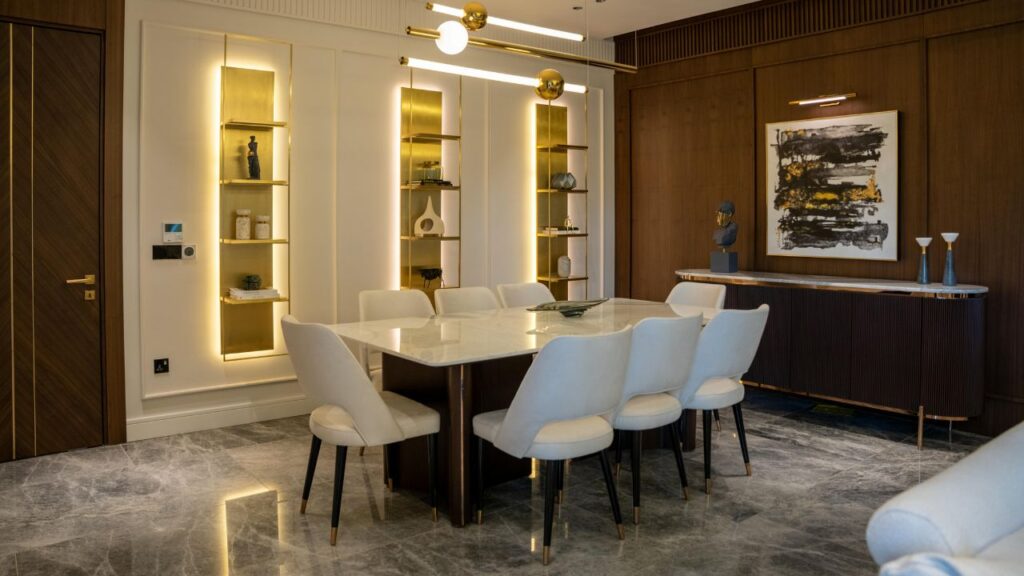
Realtors report nearly 80 percent of buyers plan to convert formal dining rooms shortly after purchase, often before submitting an offer. During walkthroughs, buyers frequently describe these rooms as wasted square footage that sits unused for most of the year. Agents say buyers now question why a dedicated room exists for occasional meals when housing costs demand that every area support daily living. The space is often seen as visually isolated, rarely furnished well, and disconnected from how families actually gather today.
Professionals explain that formal dining rooms now signal inflexibility rather than elegance. Buyers routinely calculate conversion costs into their offers, especially when walls limit natural light or block sightlines. Realtors report offers averaging up to 12 percent lower when dining rooms restrict layout adaptability. Buyers strongly favor rooms that can shift easily between office, study, or casual seating without demolition. In competitive markets, homes with rigid dining layouts are often bypassed entirely in favor of more versatile floor plans.
2. Wall-to-Wall Carpeting
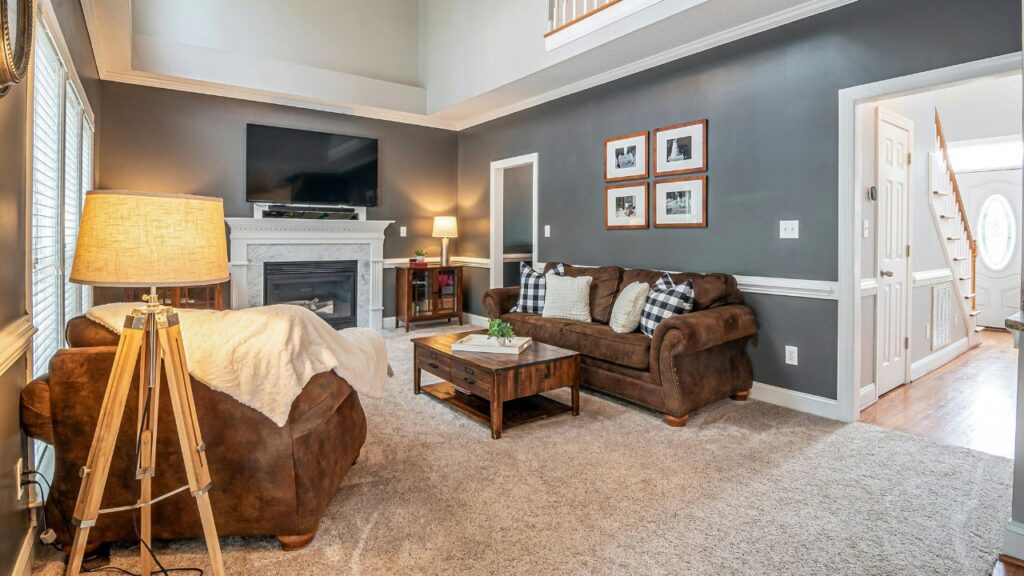
Wall-to-wall carpeting faces increasing resistance, particularly in living areas and bedrooms. Realtors say buyers immediately discuss replacement costs during showings, sometimes before commenting on paint or fixtures. Carpet is often associated with trapped odors, allergens, and visible wear that suggests higher maintenance over time. Buyers view it as a temporary surface that rarely aligns with the long-term ownership mindset dominating today’s market.
Seasonal conditions amplify this concern. Realtors explain that January weather accelerates carpet deterioration as winter boots track in moisture, salt, and grit that break down fibers quickly. Buyers recognize that carpet absorbs seasonal damage in ways hard surfaces do not, leading to faster replacement cycles. Agents note that many buyers now request flooring credits upfront, treating carpet as a liability rather than a neutral feature. Durable flooring is increasingly viewed as a sign of practical investment rather than luxury.
3. Large Whirlpool Tubs
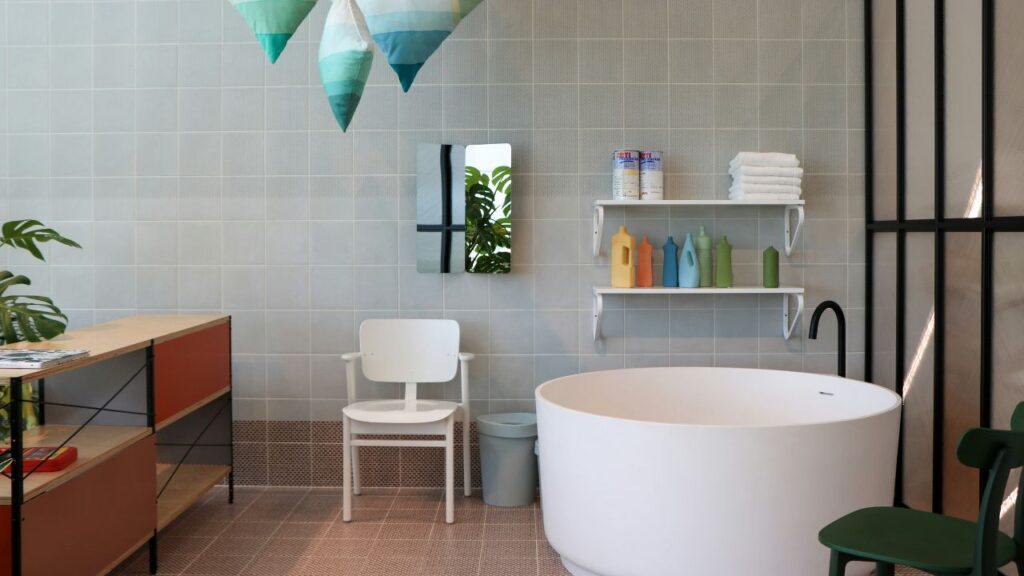
Large whirlpool tubs, once marketed as spa-level upgrades, now raise red flags during walkthroughs. Realtors report buyers are often surprised by how much floor space these tubs consume relative to how rarely they are used. Discussions quickly turn to cleaning difficulty, water usage, and whether the tub will ever justify its footprint. Many buyers openly question whether the feature adds any real value to daily routines.
Professionals explain that buyer expectations have shifted toward efficiency, accessibility, and ease of maintenance. Walk-in showers are perceived as more practical, easier to clean, and better suited for long-term living. Realtors cite remodeling data showing primary shower upgrades deliver stronger returns than oversized tubs. Whirlpool tubs are increasingly viewed as outdated features that reduce usable bathroom space and create future renovation costs rather than enhancing comfort.
4. Closed Off Kitchens
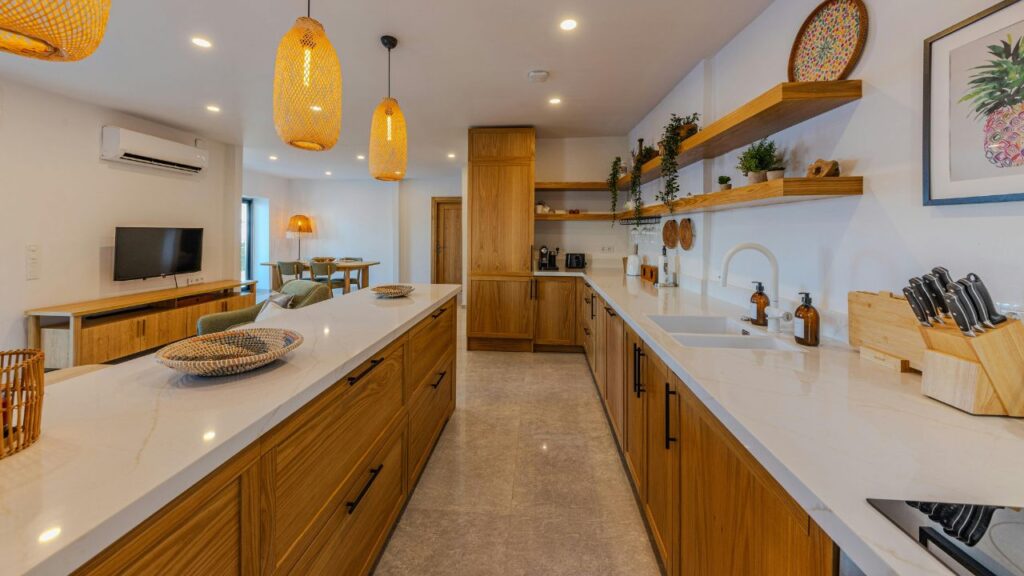
Closed-off kitchens are increasingly seen as disconnected from modern living patterns. Realtors say buyers frequently comment on limited light flow, poor visibility, and a sense of isolation during showings. Kitchens that feel boxed in are often described as dated, even in otherwise updated homes. Buyers immediately begin asking about wall removal and renovation feasibility.
Professionals explain that buyers now want kitchens that support interaction while maintaining function. Fully enclosed layouts limit flexibility for entertaining, supervising children, or working from home. Realtors note that buyers often mentally price structural changes before making offers, reducing perceived value. Kitchens that restrict openness are increasingly treated as renovation projects rather than livable spaces, placing them at a disadvantage in today’s competitive listings.
5. Popcorn Ceilings
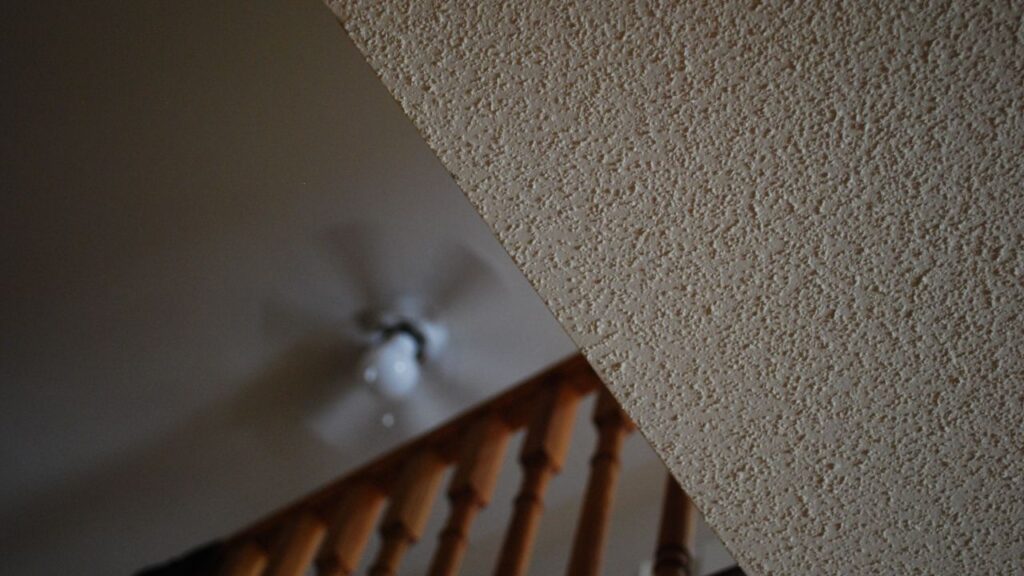
Popcorn ceilings remain one of the clearest visual cues that a home may be outdated or in need of deferred maintenance. Realtors report that during showings, buyers often ask about removal costs, labor intensity, and potential safety issues. In homes built before 1980, concerns about asbestos testing dominate conversations. Even in cases where the ceiling is confirmed safe, the texture itself signals that other updates may have been postponed, subtly affecting buyers’ perceptions of overall home quality and care.
Housing professionals explain that the mere presence of popcorn ceilings can influence buyer enthusiasm and negotiation leverage. Many buyers assume that older features indicate outdated electrical work, plumbing, or HVAC systems. Realtors note that the combination of removal expense and uncertainty about hidden problems can directly reduce offers or slow decision-making. Popcorn ceilings are increasingly treated as a renovation priority rather than a charming architectural detail.
6. Overly Open Floor Plans
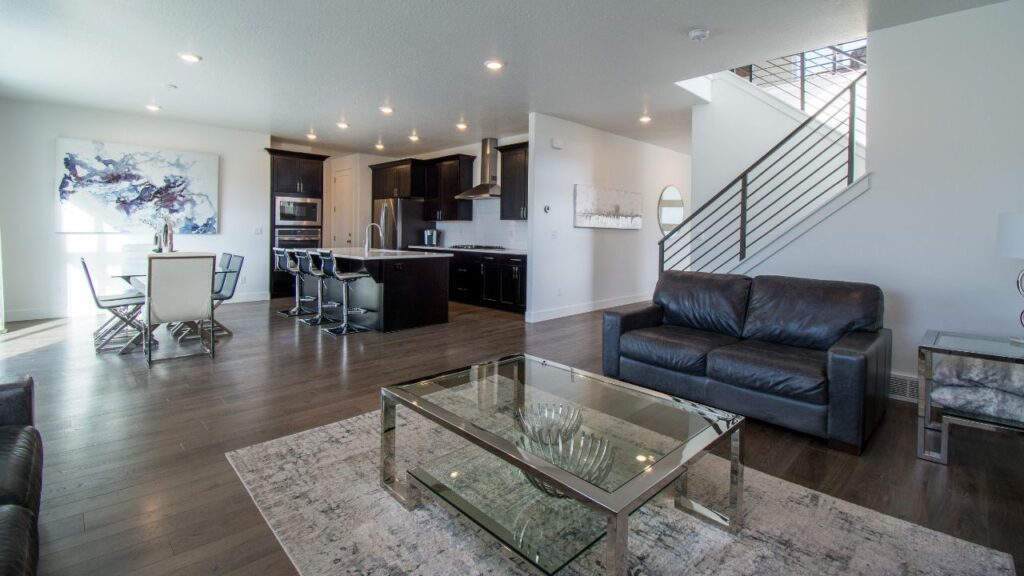
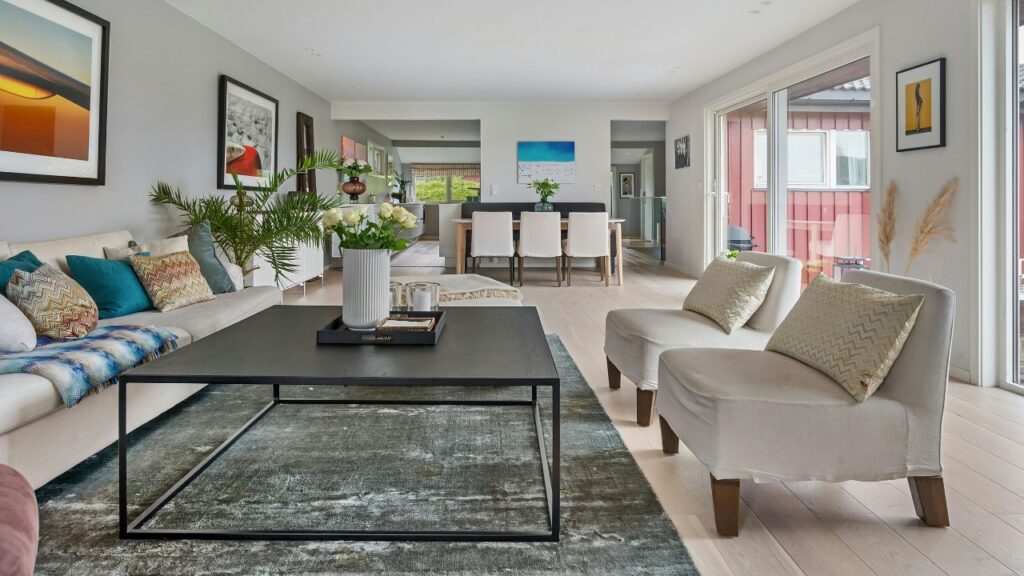
Open floor plans once symbolized modern, flexible living, but buyer sentiment has shifted. Realtors note that fully open layouts often provoke concerns about noise control, privacy, and a lack of distinct functional areas. Homes where cooking, entertaining, and living all occur in a single expansive space can feel overwhelming and chaotic. Buyers frequently express a preference for visual separation that still preserves light and flow, rather than a completely uninterrupted interior.
Housing experts explain that lifestyle changes, including remote work and multigenerational households, have reshaped floor plan priorities. Buyers now seek spaces that allow quiet, focus, and personal zones without sacrificing social interaction. Realtors report that properties with no clearly defined areas are mentally discounted, with buyers factoring in the cost and complexity of potential modifications. Overly open designs are increasingly viewed as impractical for long-term adaptability and daily comfort.
7. Excessive Smart Home Gadgets

While once considered cutting-edge, homes loaded with smart devices are now sometimes met with skepticism. Realtors report buyers commonly worry about compatibility, ongoing maintenance, and technology quickly becoming outdated. Systems that require specific apps, subscriptions, or proprietary platforms often trigger caution rather than excitement, as complexity can outweigh perceived convenience.
Design professionals explain that modern buyers prefer streamlined technology that genuinely enhances everyday living without introducing dependency on a single ecosystem. Overloaded smart home setups are increasingly viewed as future renovation or replacement projects rather than true upgrades. Realtors note that buyers mentally calculate both time and cost to standardize or remove excess devices, impacting perceived value and willingness to pay top offers.
8. All Gray Interiors
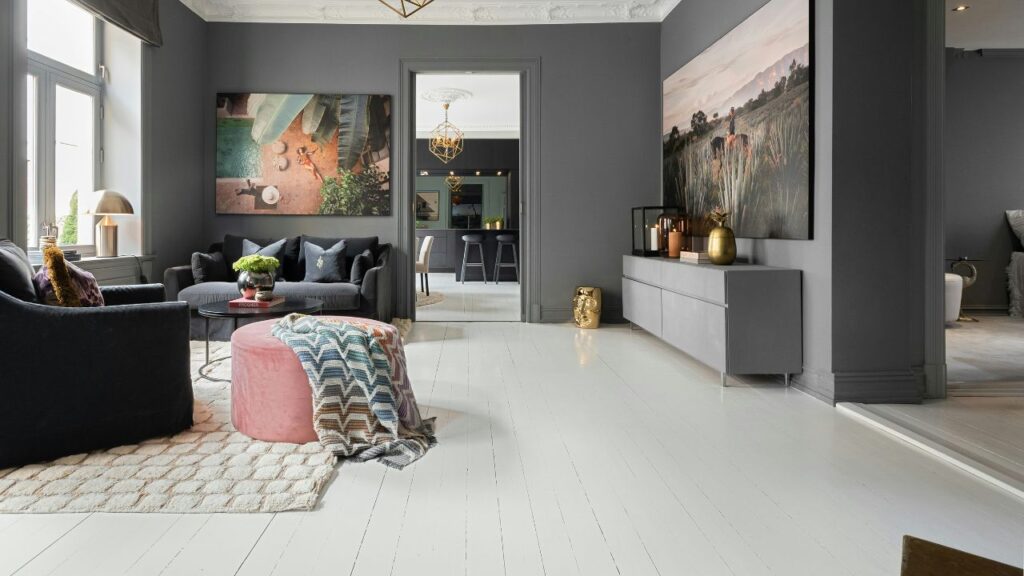
All gray interiors, once the hallmark of sophisticated neutrality, are increasingly viewed as sterile or uninspiring. Realtors report that buyers frequently describe these spaces as cold, lifeless, or lacking personality, even when finishes are high quality. The overuse of gray tones is now associated with trend fatigue rather than timeless style, prompting buyers to imagine repainting or updating prior to moving in.
Design professionals explain that buyer preferences are shifting toward warmer neutrals, layered textures, and subtle variations that create visual depth and comfort. Homes dominated by gray are often mentally subtracted in value, with buyers anticipating repainting costs and customization efforts. Realtors say this perception alone can delay offers or reduce willingness to pay premium prices, signaling that even high-end gray schemes no longer guarantee broad buyer appeal.
9. Built-In Media Centers
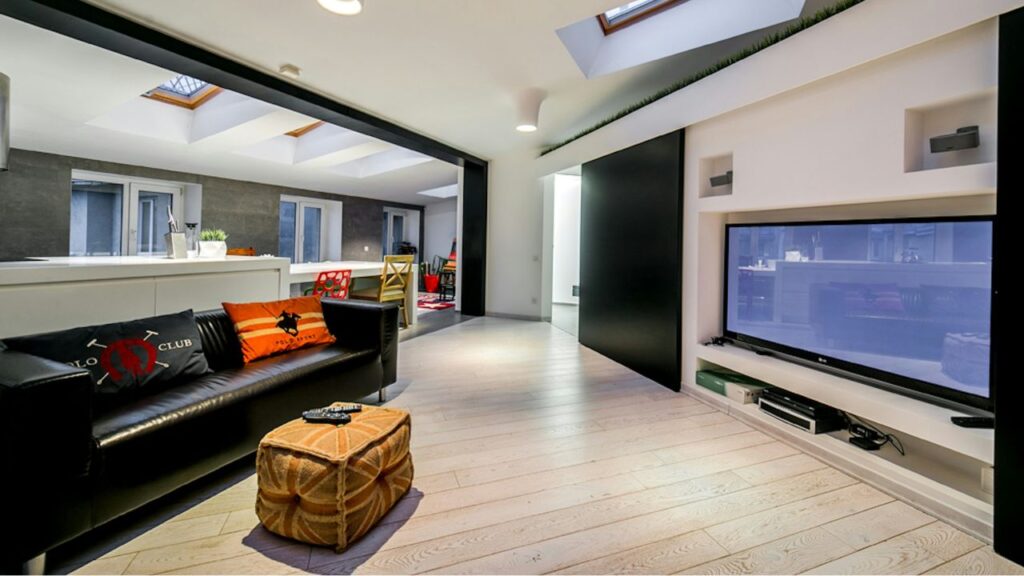
Built-in media centers, once seen as luxury features, are now a source of hesitation for many buyers. Realtors report that prospective homeowners frequently express concern over fixed layouts designed around outdated television sizes, stereo equipment, or shelving configurations. The permanence of these installations makes it difficult for buyers to adapt the space to modern technology, and some even view them as a barrier to flexible furniture arrangements or aesthetic updates.
Design professionals explain that buyers increasingly prioritize adaptability over built-in convenience. With technology evolving rapidly, wall-mounted TVs, modular shelving, and wireless setups are favored for their future-proof potential. Homes with rigid media centers often require costly removal or modification, which can factor into offer negotiations. Realtors note that buyers may mentally subtract value from properties with unchangeable media setups, perceiving them as outdated rather than appealing.
10. Oversized Primary Bedrooms
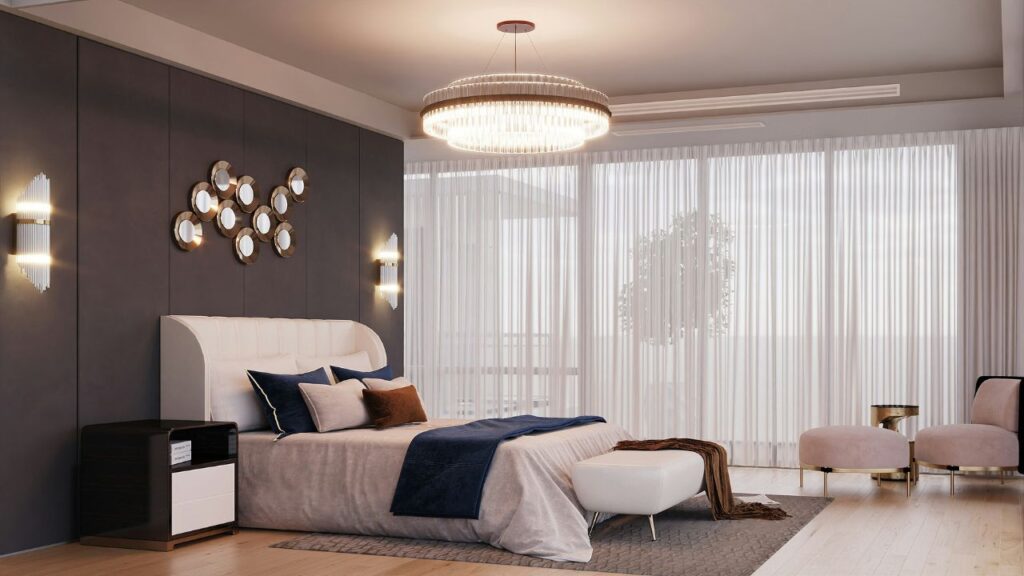
Oversized primary bedrooms were historically marketed as a symbol of luxury, but today’s buyers scrutinize them more critically. Realtors report that buyers frequently question the purpose of expansive spaces that fail to provide additional storage or functional areas. While visually impressive, excessively large bedrooms can feel empty and impractical, especially in homes where efficient use of square footage is a priority.
Housing professionals explain that buyers now value thoughtful layouts over sheer size. Functional closets, sitting areas, or adjoining flex spaces often provide more utility than unused expanses. When a primary bedroom is disproportionately large without added benefits, it can create a perception of wasted space. Realtors note that such rooms may reduce competitive offers or encourage buyers to envision costly renovations to make the area functional.
11. Upper Floor Laundry Rooms
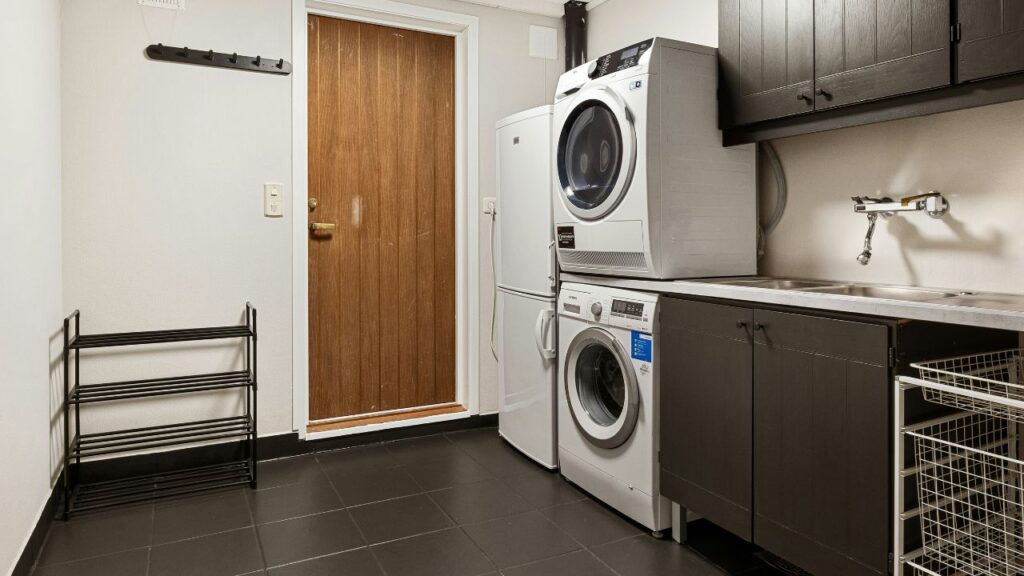
Upper-level laundry rooms are increasingly scrutinized by buyers concerned about potential risks. Realtors report that during winter months, especially January cold snaps, buyers raise questions about leaks, pipe bursts, and water damage in spaces located above finished bedrooms or living areas. While the concept of convenience appeals, the potential consequences often overshadow the benefits.
Design professionals explain that buyers now weigh convenience against structural safety. Homes with main-level or basement laundry areas are often perceived as less risky because pipes are more accessible and easier to maintain. Upper-floor setups require additional insurance considerations, inspections, and potential mitigation costs. Realtors note that water-related anxieties can directly influence perceived home value and negotiation leverage, particularly in regions prone to freezing temperatures.
12. Highly Themed Design Styles
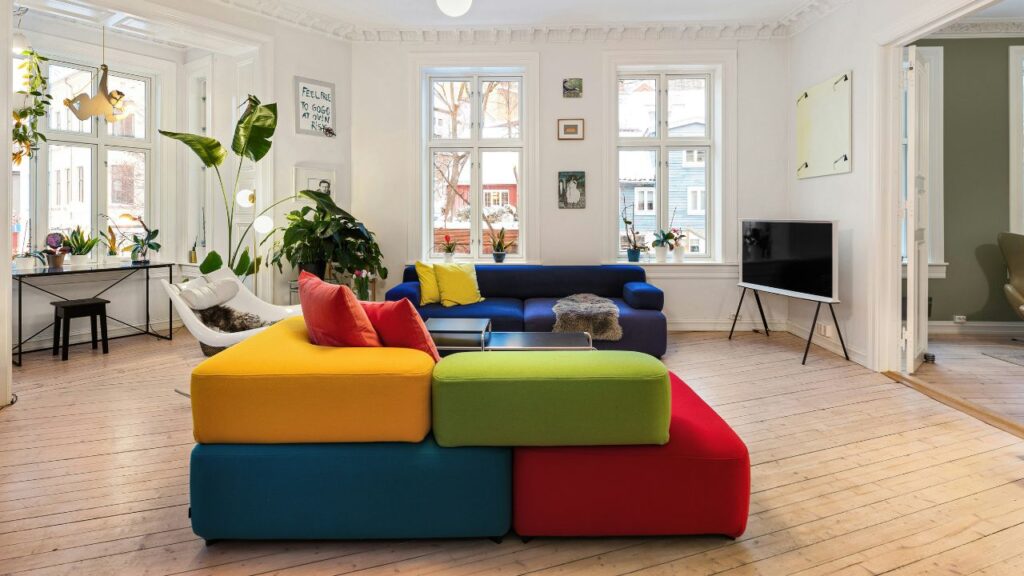
Strongly themed interiors, whether mid-century modern, farmhouse, or industrial loft, are increasingly seen as limiting by buyers. Realtors report that many clients immediately ask for repainting or redesign estimates, especially when a theme dominates multiple rooms. Highly specific décor choices can prevent buyers from envisioning their own style, creating psychological barriers to purchase.
Design professionals explain that neutral foundations facilitate faster sales by allowing prospective owners to imagine personal adaptations. Overly themed homes often extend days on market and can reduce offers because buyers anticipate extra investment to neutralize the style. Realtors note that while themed designs may be visually striking, they can backfire in terms of marketability, particularly in diverse buyer pools seeking flexibility and long-term livability.