10 Mistakes You Might Be Making When Ordering Cocktails
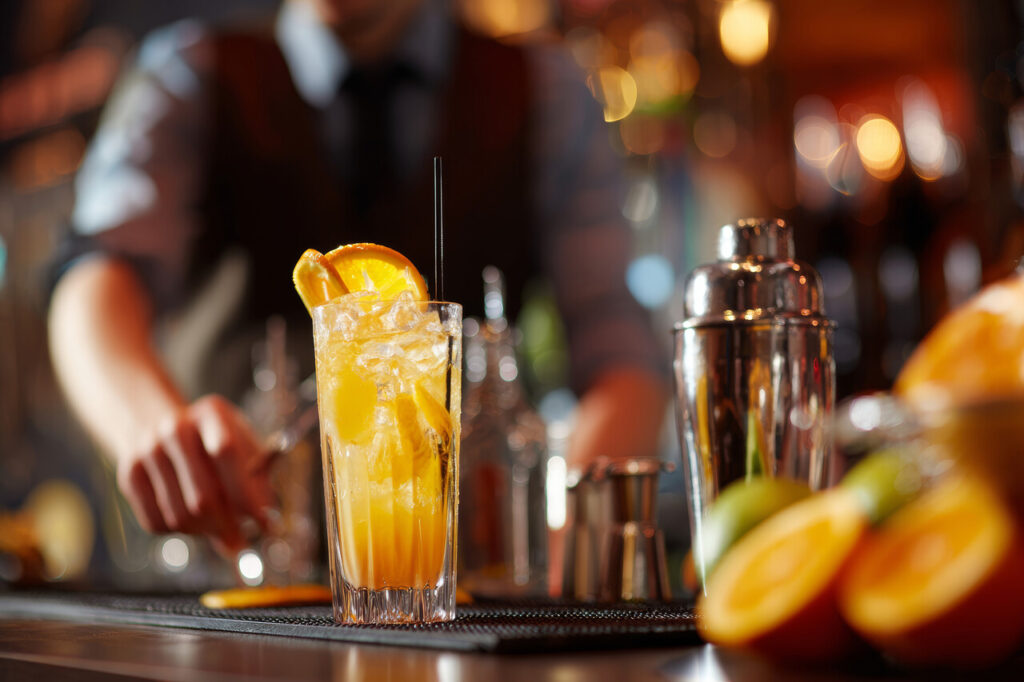
Ordering a cocktail seems simple until you realize how many small choices shape what ends up in your glass. The pace of the bar, the clarity of your order, and even the type of place you’re in can all make the difference between a drink you enjoy and one that misses the mark. Most missteps aren’t dramatic. They’re little habits that slip in without much thought. But once you understand how bartenders work and how cocktails are built, it becomes easier to order with confidence and get the experience you’re actually hoping for.
1. Asking For “Extra Strong” Drinks
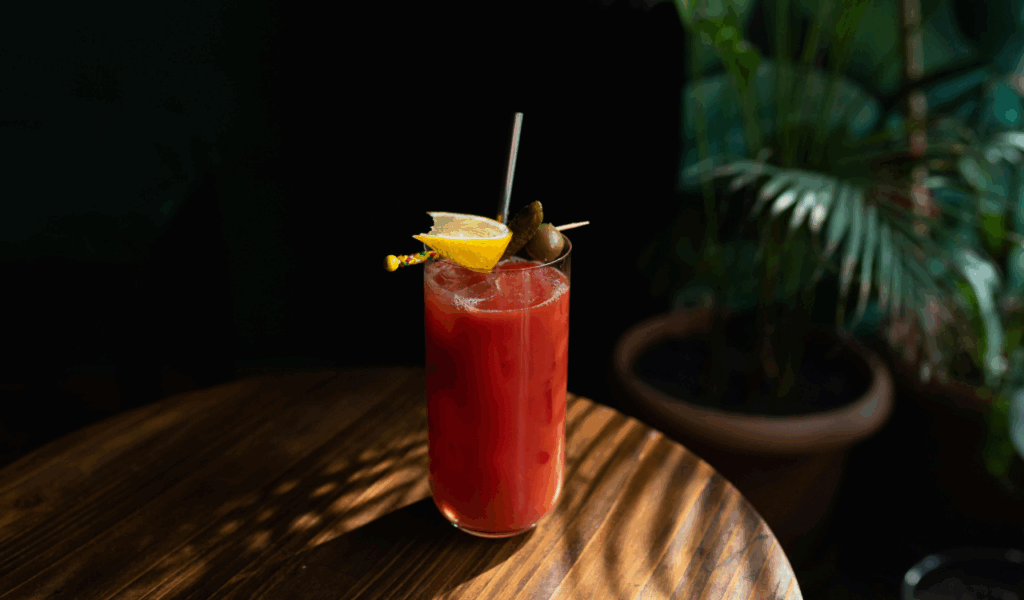
Wanting more buzz for your money is understandable, but asking a bartender to make your cocktail “extra strong” usually backfires. Most bars cost out their drinks based on a set amount of alcohol per recipe. When you request a heavier pour, the bartender has to either ignore the request and disappoint you, or add more spirit and charge accordingly, sometimes by making it a double. A better move is to choose a naturally spirit-forward cocktail, like a martini, Negroni, or old-fashioned, where a higher proportion of alcohol is part of the style, and the recipe is already built to taste right.
2. Ordering Fussy Cocktails When The Bar Is Slammed
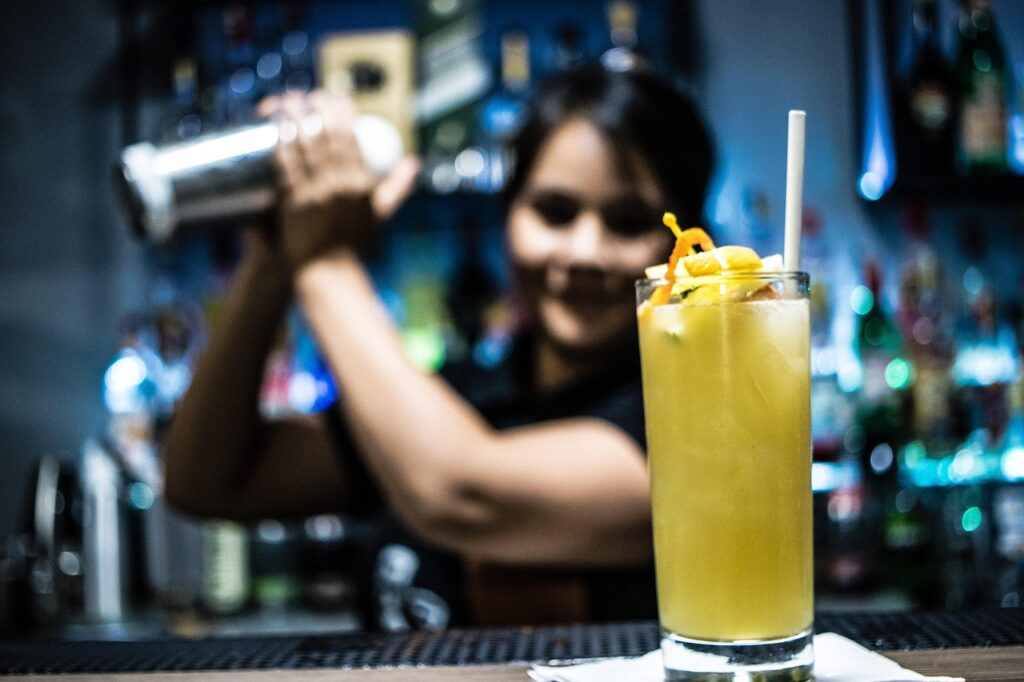
Timing matters as much as taste. A drink with lots of steps, muddling, multiple spirits, egg whites, intricate garnishes is a pleasure when the bar is calm, but it is a headache during a rush. Bartenders are trying to serve as many people as efficiently as possible while keeping quality consistent. If you ask for something off menu and complex when there are three rows of people waiting, you slow everything down, including your own round. The result is often a rushed version of what you wanted or a longer wait than you expected. When the bar is clearly busy, it makes sense to stick to simpler builds or the house menu.
3. Being Vague About What You Want
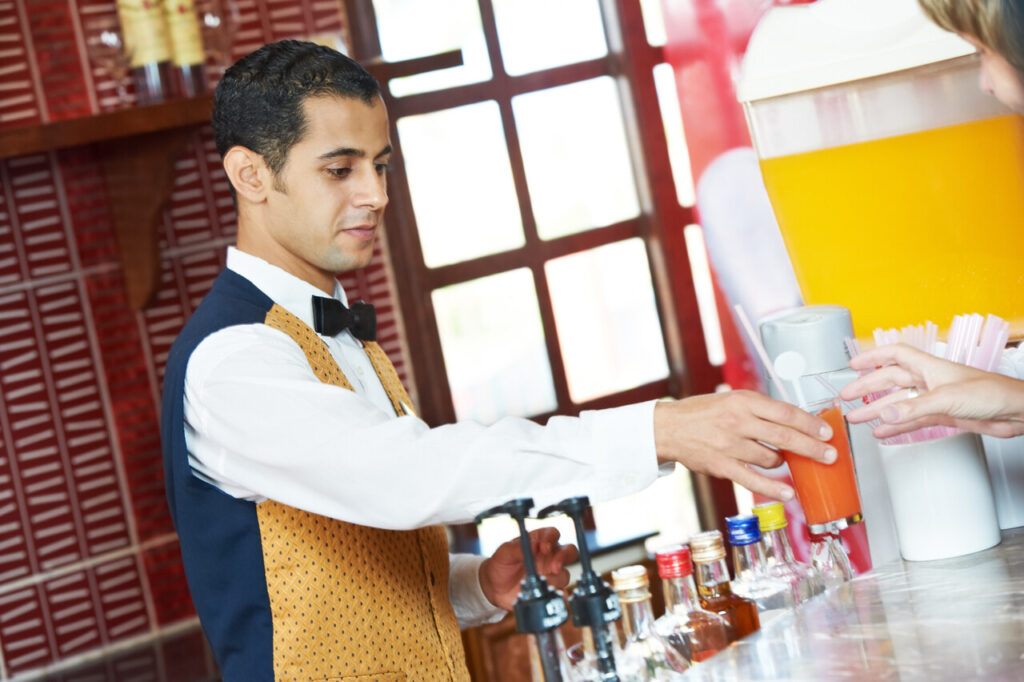
Saying “make me something good” or “something fruity but strong” sounds fun, but it puts all the pressure on the bartender to guess your preferences and risk missing the mark. People’s tastes vary wildly. Fruity could mean sweet, tart, tropical, or berry heavy. Strong might mean lots of alcohol to one person and just a more intense flavor to another. If you want guidance, give a starting point. Mention a base spirit you like, such as gin, rum, or tequila, and a rough direction like “citrusy and not too sweet” or “bitter and boozy.” That gives the bartender enough information to suggest a cocktail or improvise something close to your lane.
4. Misusing Basic Drink Terms
Cocktail terms are shorthand, and mixing them up can change what arrives in your glass. “Neat” means spirit in a glass at room temperature, no ice. “On the rocks” is poured over ice. “Up” usually means shaken or stirred with ice, then strained into a stemmed glass. If you ask for a whiskey neat when what you really wanted was a chilled, diluted drink, you will be disappointed and might think the bartender made a mistake. The same goes for martinis and other classic cocktails, where dry, dirty, or with a twist each have specific meanings. Taking a moment to learn a few of these terms pays off.
5. Ignoring The Type Of Bar You’re In
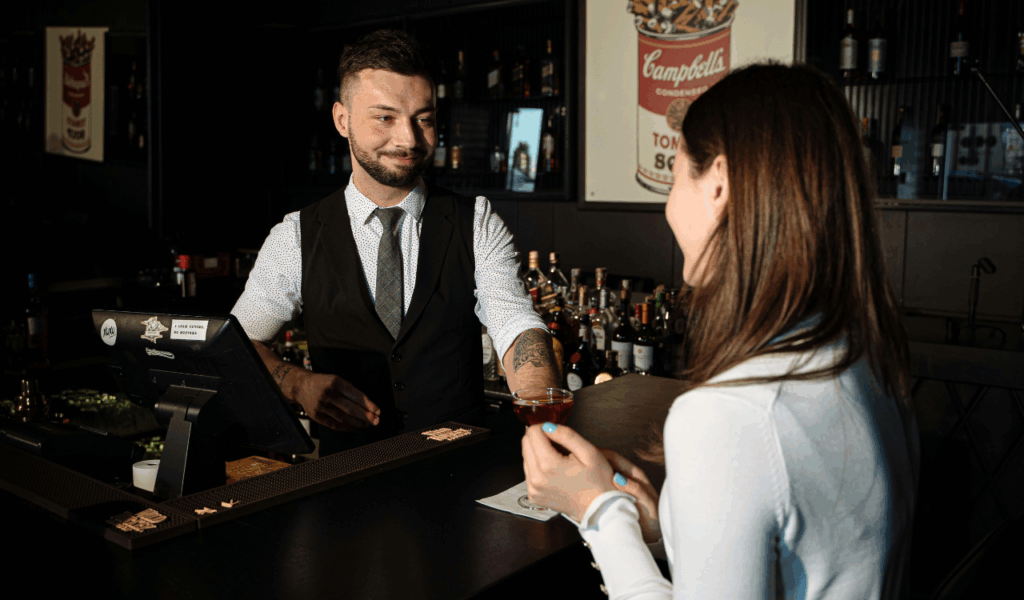
Not every bar is equipped to make every drink at a high standard. A neighborhood spot focused on beer and basic mixed drinks might not have fresh herbs, obscure liqueurs, or staff trained in niche classics. Ordering a very specialized cocktail there can yield an underwhelming result, even if the bartender is doing their best. On the other hand, walking into a serious cocktail bar and asking for a fluorescent premixed drink may not make the most of what they do well. Reading the room helps. Look at the back bar, glance at the menu, notice what others are drinking.
6. Not Checking The Menu Or Being Ready To Order

When the bar is busy and the bartender finally makes eye contact, that is the worst moment to start scanning the menu for the first time or turn around to ask your friends what they want. It slows the whole process and can mean the bartender moves on to the next person while you decide. Menus are there for a reason. They highlight what the bar can execute quickly and well, often using ingredients they handle a lot and keep fresh. Glancing at the menu while you wait, or having a backup choice if your first pick is not available, keeps the line moving. If you are overwhelmed by options, you can still ask for advice, but do it with some boundaries, like “I like gin and citrus, what would you recommend from the menu?”
7. Over-Customizing Or Telling The Bartender How To Make It
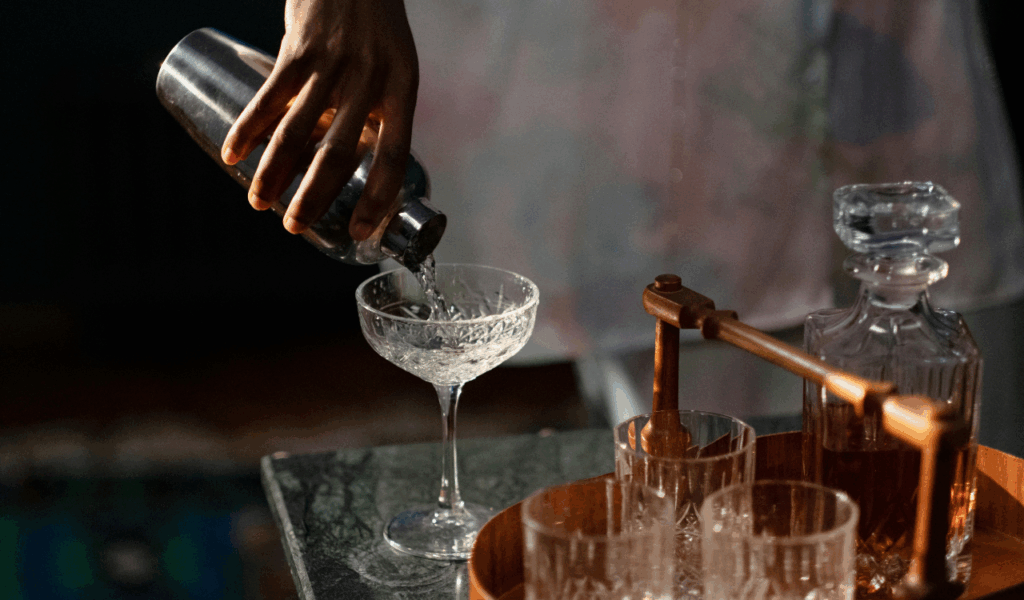
There is a difference between a small preference and rewriting the recipe. Asking for a little less sugar, or a salt rim only on half a margarita glass, is reasonable. Dictating every step or heavily modifying a cocktail, especially a house creation, can unbalance the drink and slow service for everyone. Many bars train their staff on specific specs to ensure consistency, cost control, and flavor. When you pile on detailed instructions, the bartender is juggling your custom version along with multiple standard orders. If you know you like something a certain way, keep your changes simple and clear, and be open to the idea that the bar might have a tested approach worth trying as is.
8. Ordering Group Drinks One At A Time
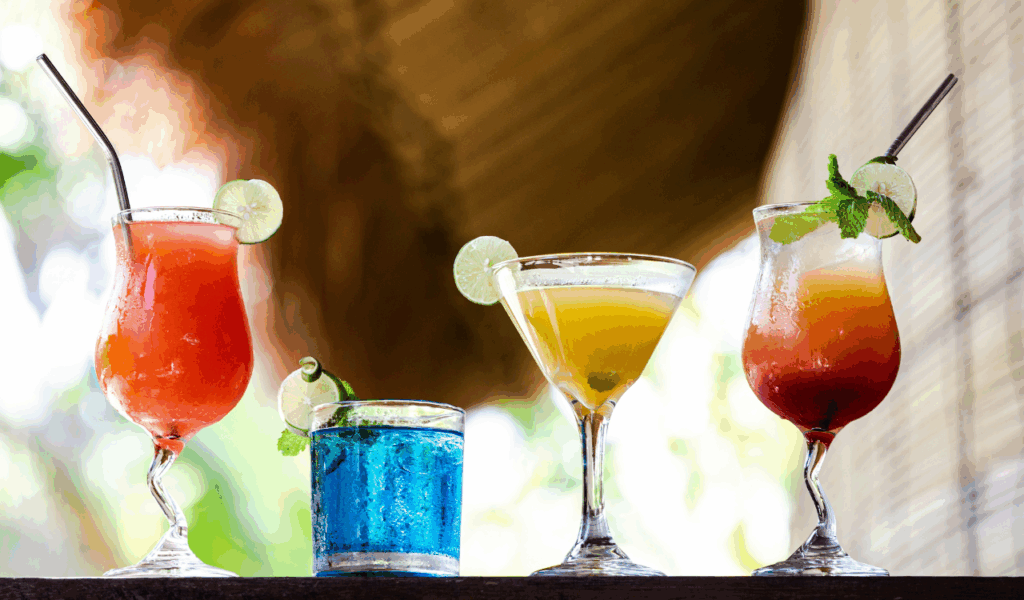
If you are with a group and step up to the bar, ordering each person’s drink separately over multiple turns is inefficient and frustrating for both sides. The bartender has to remember partial orders and process several transactions instead of one, and you and your friends wait longer than necessary. It is much smoother to collect everyone’s choices ahead of time and order in a single round. Even if some drinks take longer to make, they can be batched mentally by the bartender, shaken or stirred together, and served as a set. This approach is also kinder in busy environments, since it reduces repeated jostling at the bar and makes it easier for staff to track who has been served.
9. Forgetting To Tip Or Tipping Poorly

In many places, bartenders rely on tips as a significant part of their income, and tipping also functions as a basic feedback loop on service. If you consistently tip very little or not at all on cocktails, especially labor-intensive ones, it can influence how quickly your future drinks are made and how willing staff are to go the extra mile when you have a special request. Good tipping does not have to be extravagant, but it should reflect the effort and the local norm, whether that is a percentage per tab or a set amount per drink. Being polite, patient, and fair with tips helps build a friendly rapport, which often pays you back in better experiences over time.
10. Over-Ordering Or Mixing Too Many Strong Cocktails
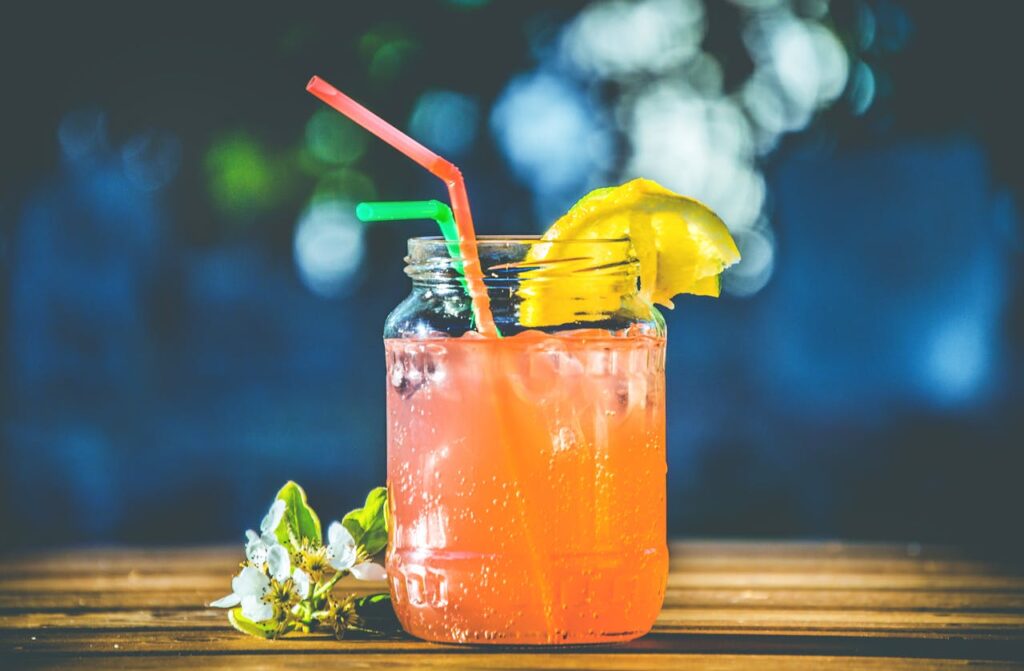
Finally, one of the biggest mistakes has nothing to do with etiquette and everything to do with pacing. Cocktails, especially ones built mostly from spirits, can be much stronger than they taste. Ordering multiple rounds quickly or jumping between many different styles increases the risk of feeling unwell and making poor decisions by the end of the night. It also makes it harder for staff to keep an eye on your intake, which is part of their responsibility. Alternating alcoholic drinks with water or low alcohol options, paying attention to how quickly you are finishing each glass, and knowing your limits lead to a better overall experience.