
9 Smart Ways to Use Yogurt in Cooking Beyond Breakfast Bowls
Yogurt is one of those quiet overachievers in the kitchen: creamy, tangy, and surprisingly adaptable once you move past breakfast. Its thickness, acidity, and mild flavor make it useful in everything from marinades to baked goods, often while replacing heavier ingredients. If you have a tub in the fridge and no idea what to do with it, these ideas will put it to work.
Creamy Sauces Without Heavy Cream
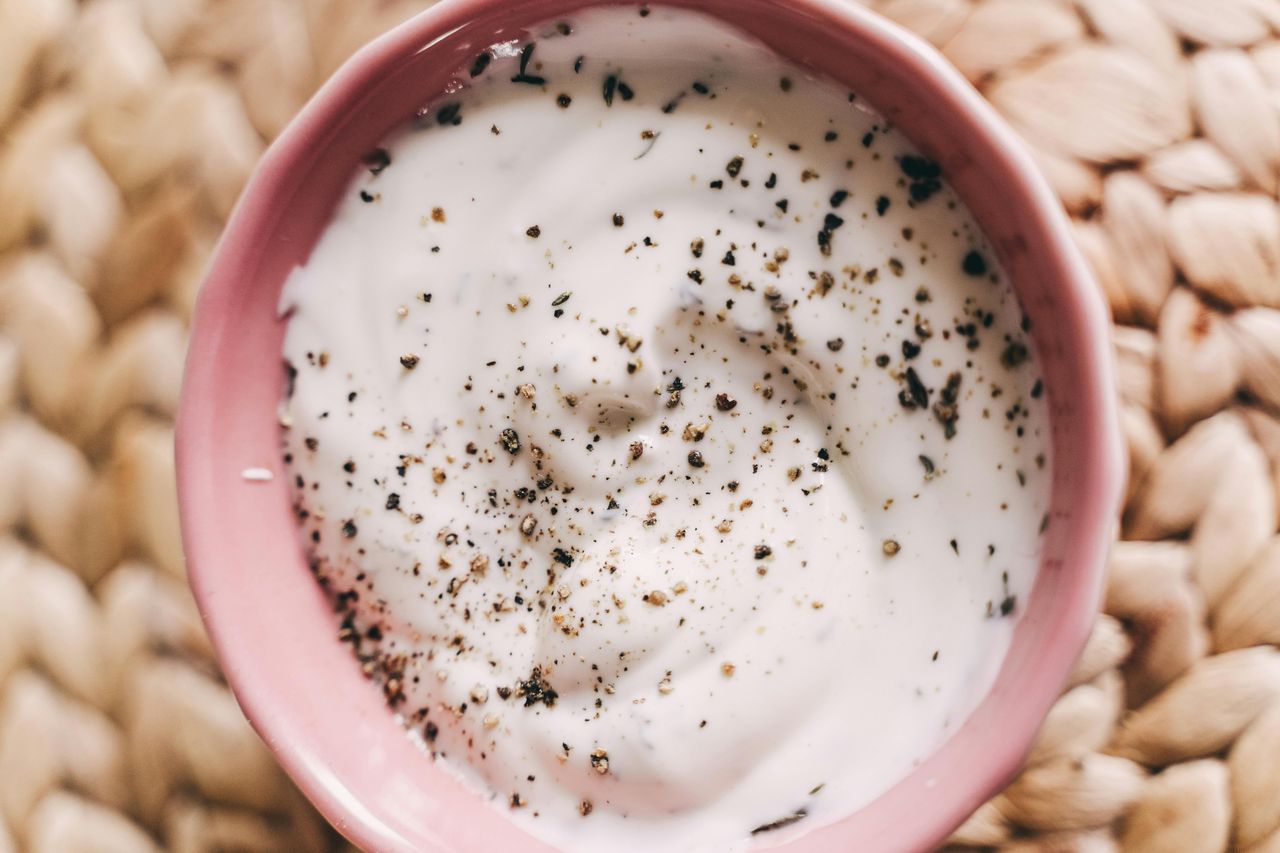
A spoonful of yogurt can give sauces a rich, velvety finish without relying entirely on heavy cream. Its thick texture, especially in Greek yogurt, makes it a natural fit for pan sauces, herb sauces, and chilled sauces for grilled meats or roasted vegetables. That tang also brings a brightness that keeps rich dishes from tasting flat.
The trick is temperature. According to chefs who cook with yogurt often, it works best when stirred in after the pan comes off the heat or once the sauce cools slightly. If it gets too hot, it can split. Think of yogurt as the finishing touch that makes a sauce feel lighter, fresher, and more layered.
Marinades That Tenderize Fast
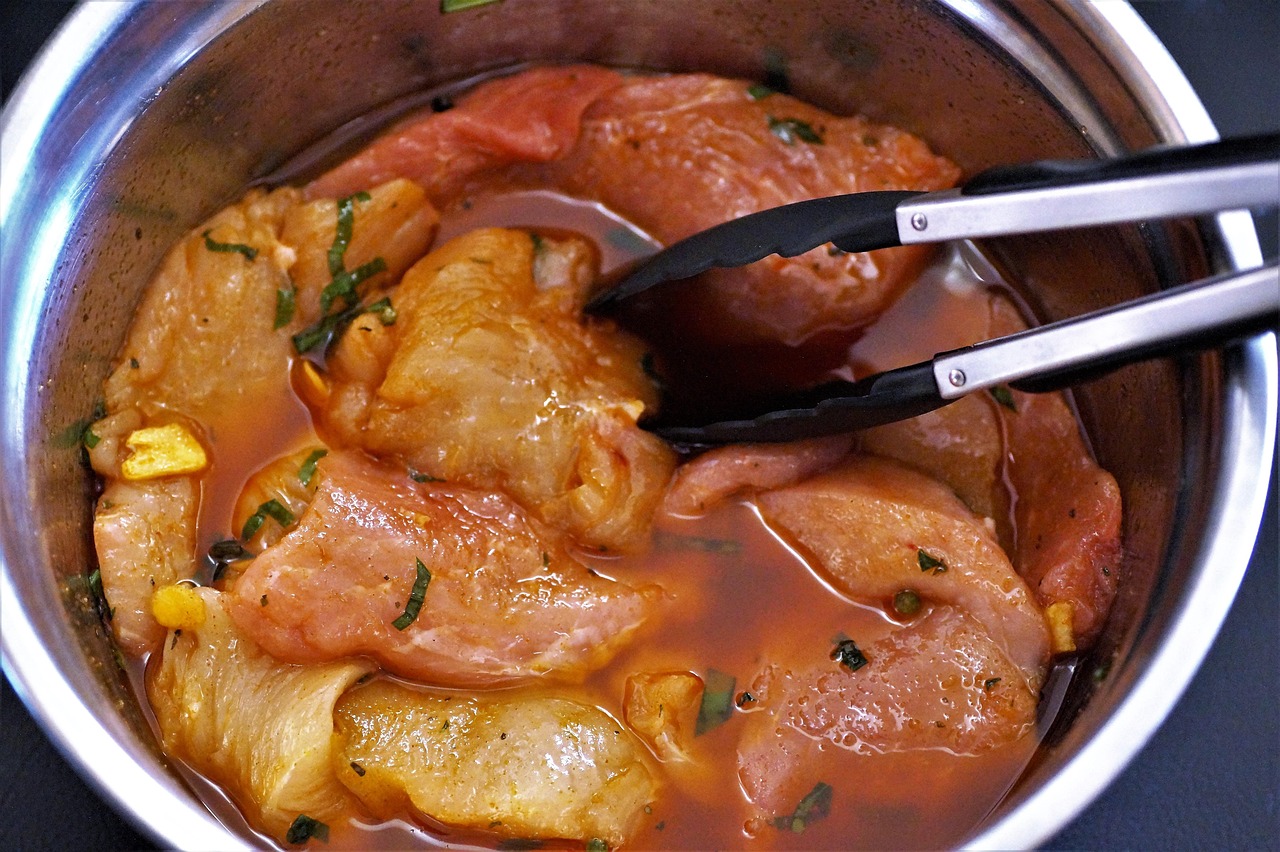
Yogurt is a powerhouse marinade because its lactic acid helps gently tenderize proteins while its thickness clings beautifully to the surface. Chicken, shrimp, fish, and even sturdy vegetables benefit from that creamy coating, which carries spices and aromatics into every bite. The result is food that tastes seasoned all the way through, not just on the outside.
This is where yogurt really earns its place in weeknight cooking. Mix it with garlic, lemon, ginger, or warm spices and you have a marinade that works quickly and efficiently. As chefs note, it is especially good for Mediterranean, Middle Eastern, and South Asian flavor profiles, where yogurt’s cooling tang balances heat and spice.
Salad Dressings With Body and Tang
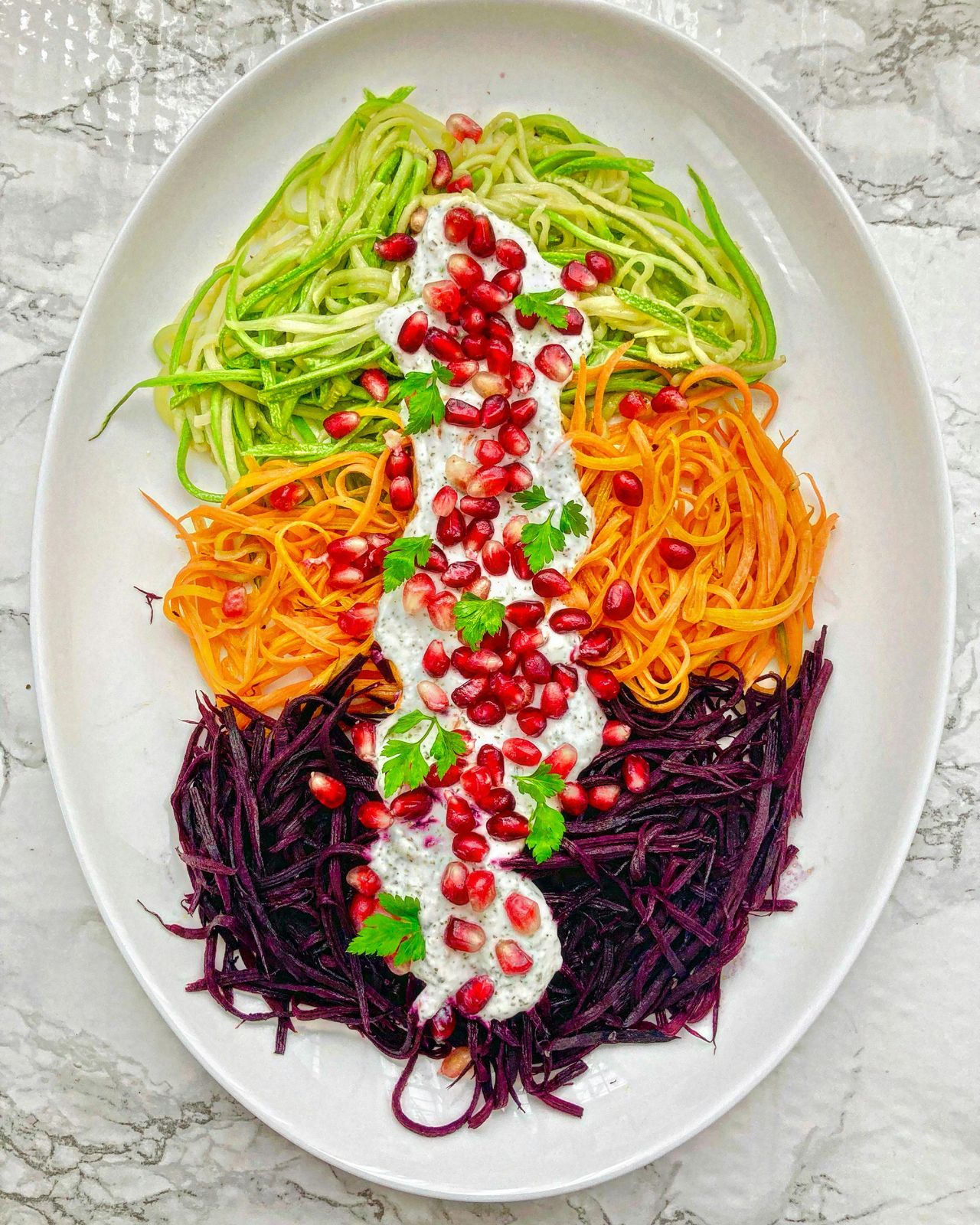
If your homemade vinaigrettes feel thin or your creamy dressings feel too heavy, yogurt lands right in the sweet spot. It adds body, a clean tang, and a smooth texture that works beautifully in ranch-style dressings, herb dressings, and lemony potato or pasta salads. It is especially useful when you want that creamy look and feel without leaning too hard on mayonnaise.
Because yogurt is naturally bright, it pairs well with fresh herbs, citrus, mustard, and garlic. A little olive oil helps round it out, while salt and pepper bring everything into focus. The final dressing tastes lively rather than weighed down, which is exactly what you want on crisp greens or roasted vegetables.
Dips and Spreads for Everyday Snacking
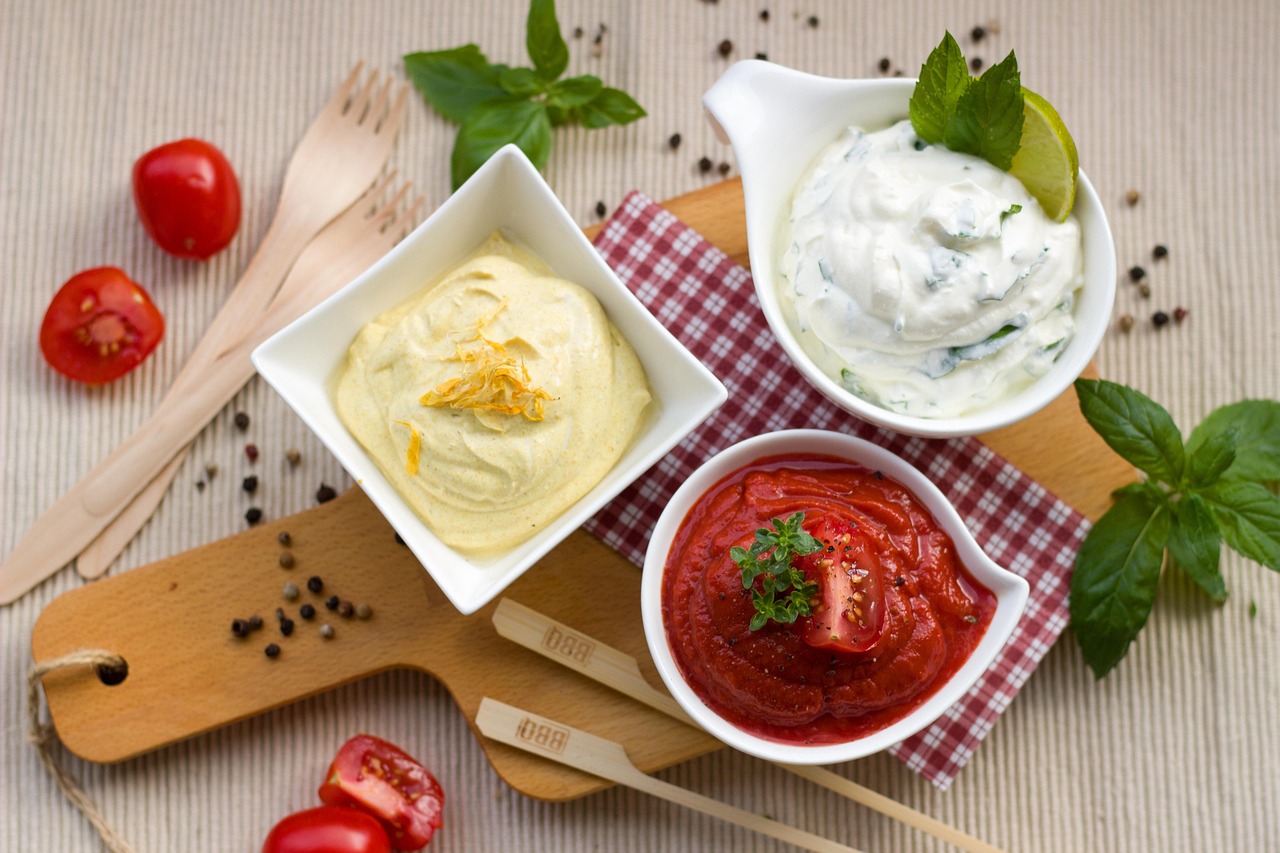
Yogurt makes an excellent base for dips because it is already thick, cool, and pleasantly tangy. Stir it with cucumber and dill for something refreshing, or blend it with roasted red peppers, lemon, or smoked paprika for a dip that feels a little more dramatic. It spreads easily on sandwiches and wraps too, adding moisture without the richness of mayo.
This is one of the easiest ways to start cooking with yogurt because the swap is simple and forgiving. In spreads and dips, a 1:1 exchange often works well. The flavor stays clean and adaptable, which means one container can become a herby vegetable dip one day and a garlicky sandwich spread the next.
A Cooling Finish for Spicy Dishes

Some ingredients do not just add flavor, they bring balance, and yogurt does that beautifully. A dollop over chili, tacos, grain bowls, or roasted cauliflower can soften heat while adding a subtle tang that wakes up the whole plate. It is the kind of finishing touch that makes spicy food feel rounded rather than one-note.
This works because yogurt carries both acidity and creaminess at once. It cools the palate without muting the seasonings you worked hard to build. Try it with harissa, chipotle, curry, or chili crisp and you will see how quickly it becomes a regular move. Even a simple swirl on soup can make a bold dish feel more polished.
Baked Goods With Better Moisture

Yogurt has a quiet talent in baking: it adds moisture, tenderness, and a slight tang that can make cakes, muffins, and quick breads taste more balanced. It is especially helpful in recipes that can turn dry, since it contributes richness without making the crumb greasy. The result is often soft, springy, and pleasantly light.
Baking with yogurt does require a little attention to proportions. Chefs often suggest starting conservatively, since replacing fattier ingredients can affect volume and texture. In some recipes, using yogurt for about 50% of the usual sour cream or other dairy works well. Once you get a feel for it, yogurt becomes a smart tool for better texture and flavor.
Mashed Potatoes and Grain Bowls With Extra Creaminess
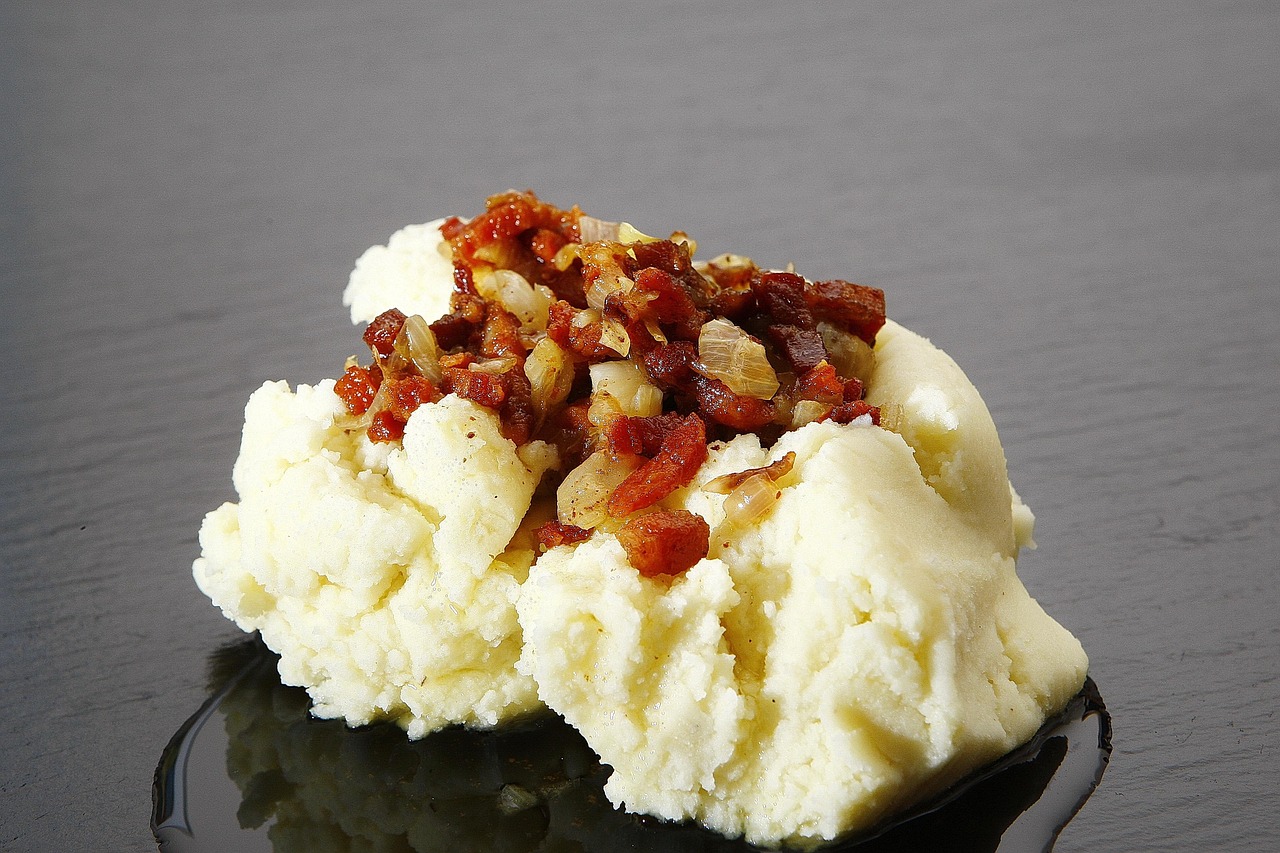
Yogurt can step into warm comfort foods in a surprisingly natural way. Stirred into mashed potatoes, rice pilaf, or cooked grains like farro and quinoa, it adds a creamy finish with a little tang that keeps starchy dishes from feeling too heavy. It is the kind of ingredient that quietly sharpens flavor while improving texture.
The key is to fold it in gently and late, once the food has cooled slightly. That protects the yogurt’s texture and keeps the dish smooth. Pair it with chives, parsley, lemon zest, or roasted garlic and suddenly familiar sides taste more vivid. It is a simple refrigerator staple doing the work of a much fancier ingredient.
Soups Finished Off the Heat

A spoonful of yogurt can transform soup from good to memorable, especially when you want creaminess without making the pot feel too rich. Swirled into tomato soup, lentil soup, or vegetable purees, it adds a silky body and a bright tang that lifts the entire bowl. It is a classic finishing move that tastes thoughtful but takes almost no effort.
The most important rule is simple: avoid boiling it in the soup. Cooks who work with yogurt regularly recommend taking the pot off the heat, letting it cool briefly, and then stirring it in. If you need more stability, ingredients like flour, cornstarch, or egg can help. Handle it gently and the finish stays smooth and elegant.
Savory Toppings for Roasted Vegetables
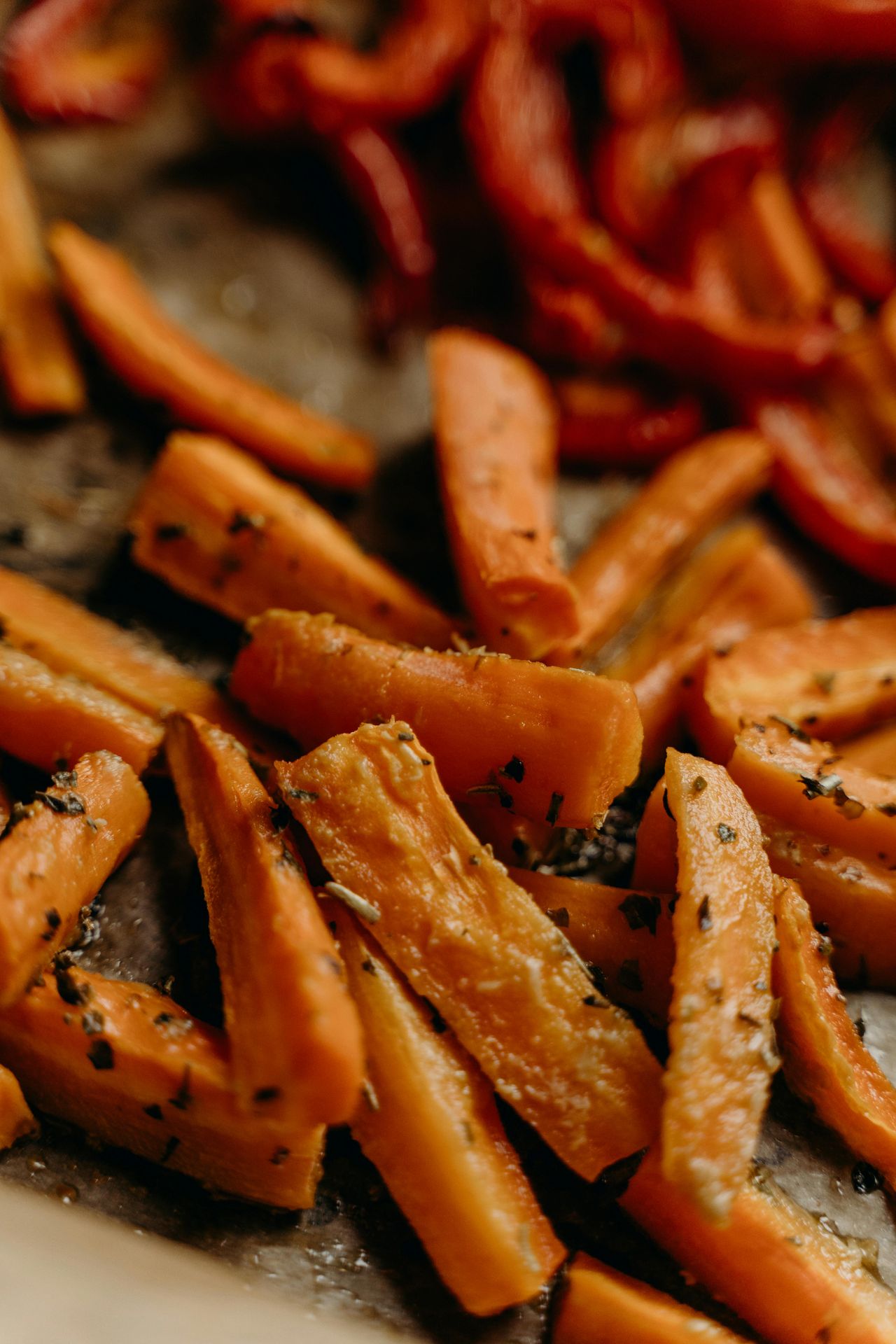
Roasted vegetables love contrast, and yogurt brings exactly that. Spread a spoonful on a platter before adding carrots, cauliflower, sweet potatoes, or eggplant, and suddenly a simple tray bake looks restaurant-ready. The cool creaminess against hot, caramelized vegetables creates a balance of temperature, texture, and flavor that feels instantly more exciting.
This is also a great place to lean into Mediterranean-inspired combinations. Yogurt works beautifully with lemon, garlic, olive oil, fresh herbs, and spices like cumin or coriander. Add a few crunchy toppings, maybe nuts or seeds, and the dish feels complete. What started as a side turns into something you would gladly build dinner around.