6 Grocery Store Displays Designed to Trigger Impulse Buying
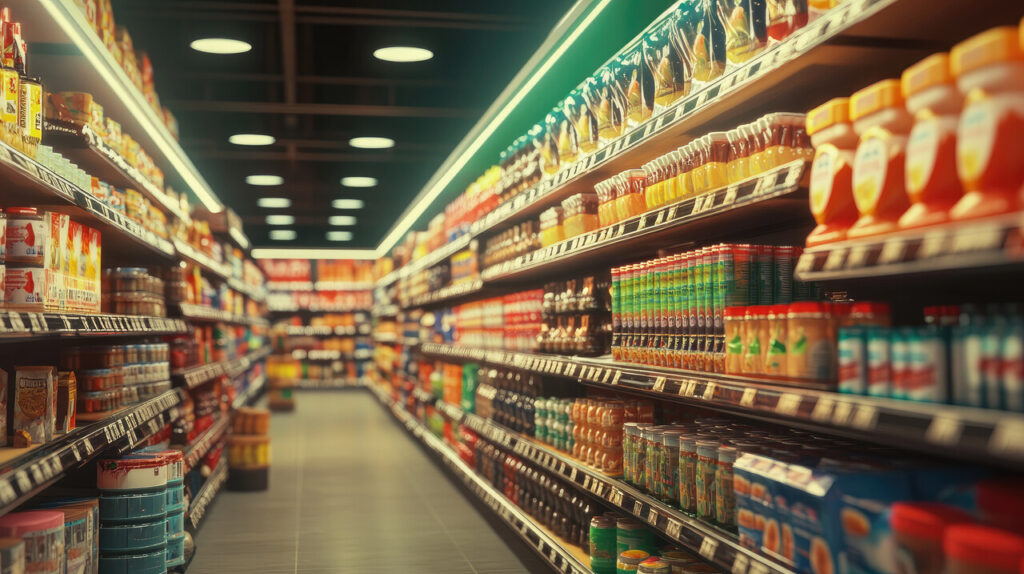
Grocery stores rarely rely on chance when it comes to what ends up in your cart. Every display, shelf height, and aisle placement is designed with shopper psychology in mind. While many people assume impulse buys come down to weak willpower, the reality is more calculated than that. Retailers use proven behavioral triggers like convenience, scarcity, and visual cues to influence decisions in subtle ways. These tactics don’t feel aggressive, which is exactly why they work. Understanding how these layouts function makes it easier to spot when a store is nudging you toward spending rather than serving your actual needs.
1. Checkout Aisle Endcaps With Snacks and Candy
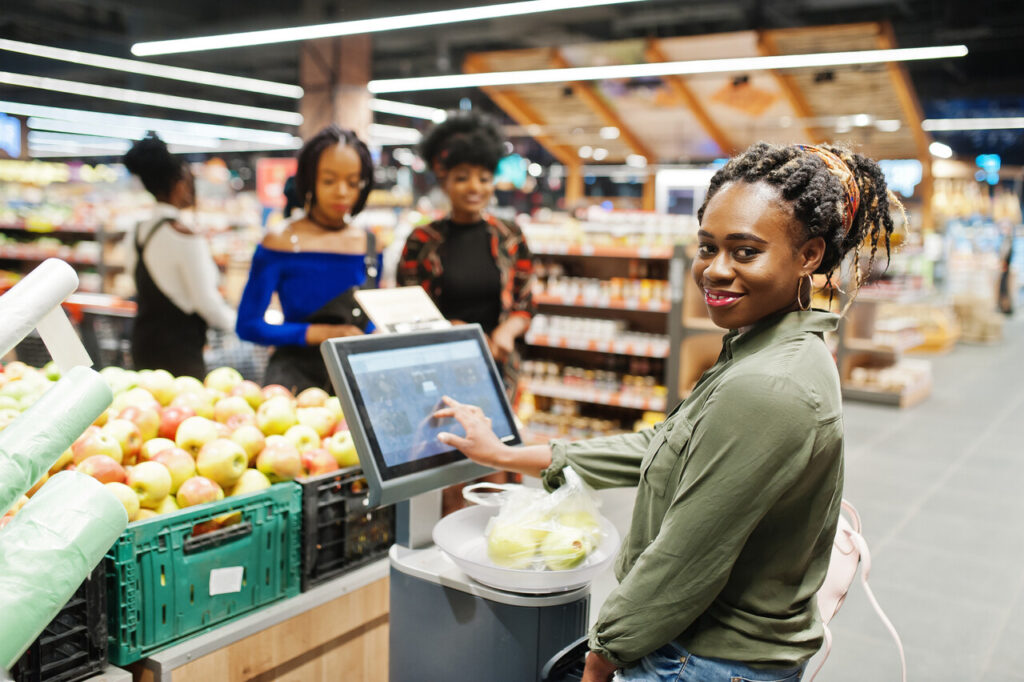
Checkout displays work because they catch shoppers at their most vulnerable moment. By the time someone reaches the register, mental energy is low and decision fatigue has set in. Small, inexpensive items like candy bars, gum, and single-serve snacks feel harmless compared to the full cart already loaded with necessities. These products are deliberately sized and priced to seem like easy add-ons rather than real purchases. Placement matters too. Items are positioned within arm’s reach, often at eye level for both adults and children, making them difficult to ignore. Even shoppers who planned carefully can be nudged into grabbing something simply to relieve boredom while waiting in line.
2. Eye-Level Shelving With Premium or Branded Items
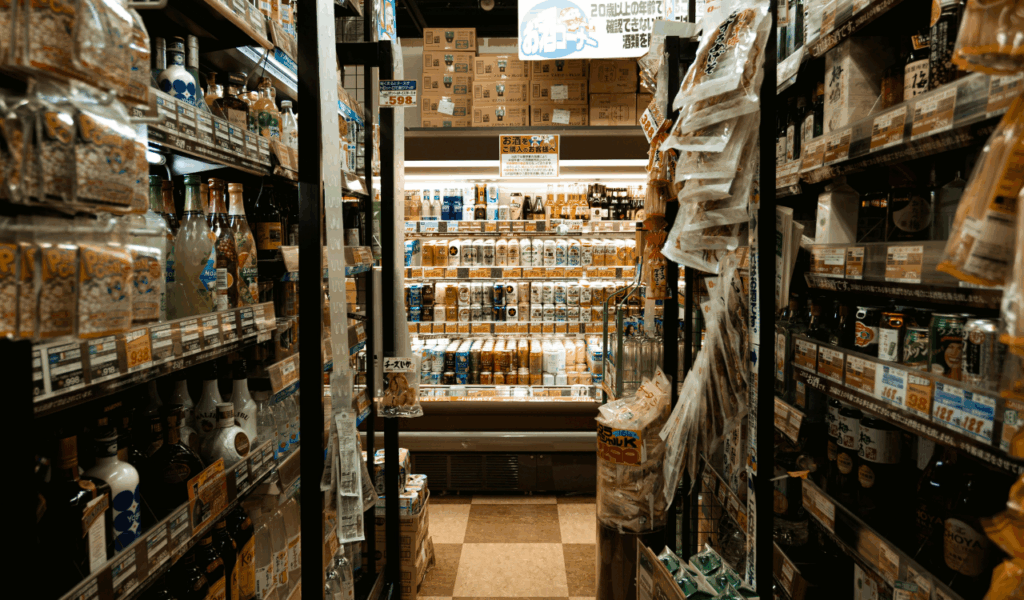
Eye-level placement is one of the most reliable tools in grocery retail because it quietly guides choice without appearing pushy. Shoppers naturally scan shelves straight ahead rather than up or down, and stores use this habit to their advantage. Higher-margin or heavily branded items are placed where they are seen first, while cheaper or generic alternatives are pushed lower or higher. This layout creates the impression that the eye-level product is the default or best option. Many shoppers never realize they skipped over less expensive choices simply because they weren’t immediately visible.
3. Seasonal or Preview Displays Near Entrances
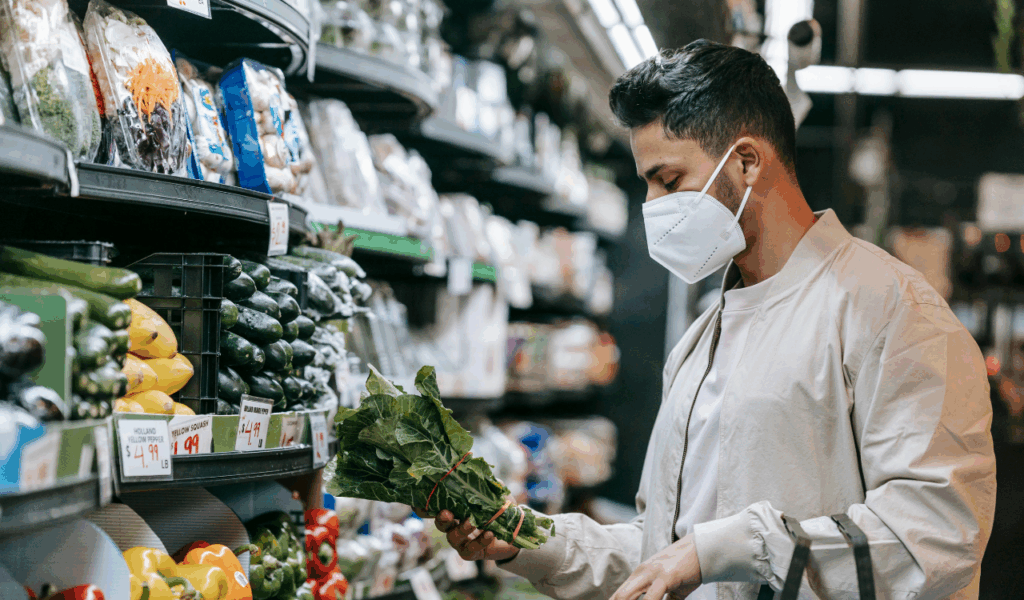
Entrance displays set the emotional tone of a shopping trip before a list even comes into play. Seasonal items, limited editions, or themed displays greet shoppers as soon as they walk in, when attention is highest and budgets are still flexible. These displays rely on urgency and novelty rather than need. Products are framed as timely opportunities rather than optional extras, which makes passing them feel like missing out. Even shoppers who don’t buy immediately often carry the idea with them through the store, increasing the chance of circling back. Placement near entrances also ensures exposure to every customer, regardless of their shopping mission.
4. Cross-Merchandising Displays That Suggest Add-Ons
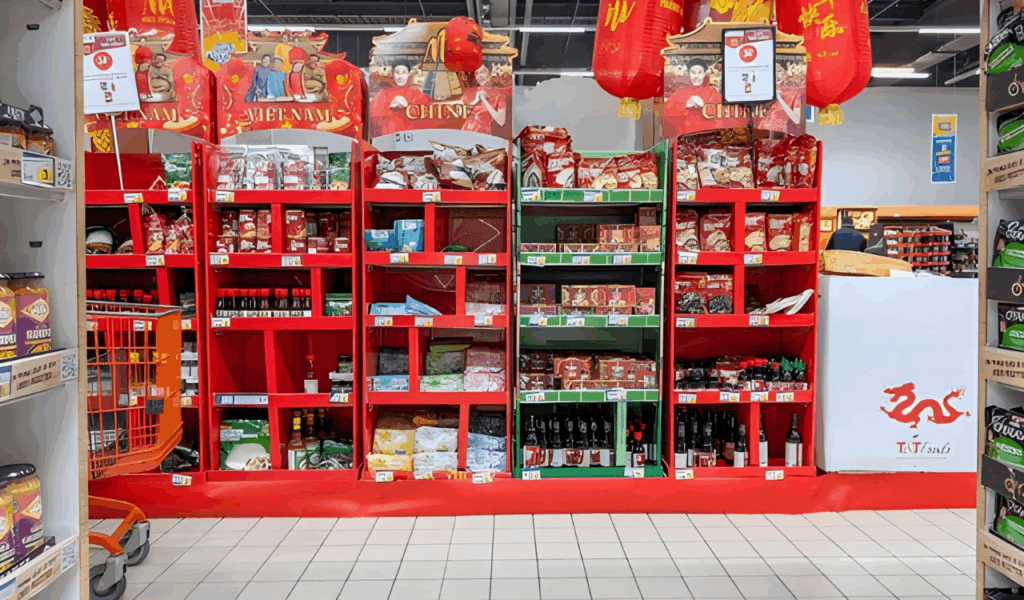
Cross-merchandising works because it removes friction from decision-making. When complementary items are placed together, shoppers don’t have to plan or search. Seeing chips next to salsa or pasta beside sauce subtly suggests a complete solution rather than a single product. This taps into convenience and the desire to feel prepared. Shoppers often add the second item without consciously weighing whether they need it. These displays also normalize buying more by framing it as logical rather than indulgent. Over time, repeated exposure trains shoppers to associate certain products as inseparable pairs.
5. Limited-Time Offer and New Product Displays
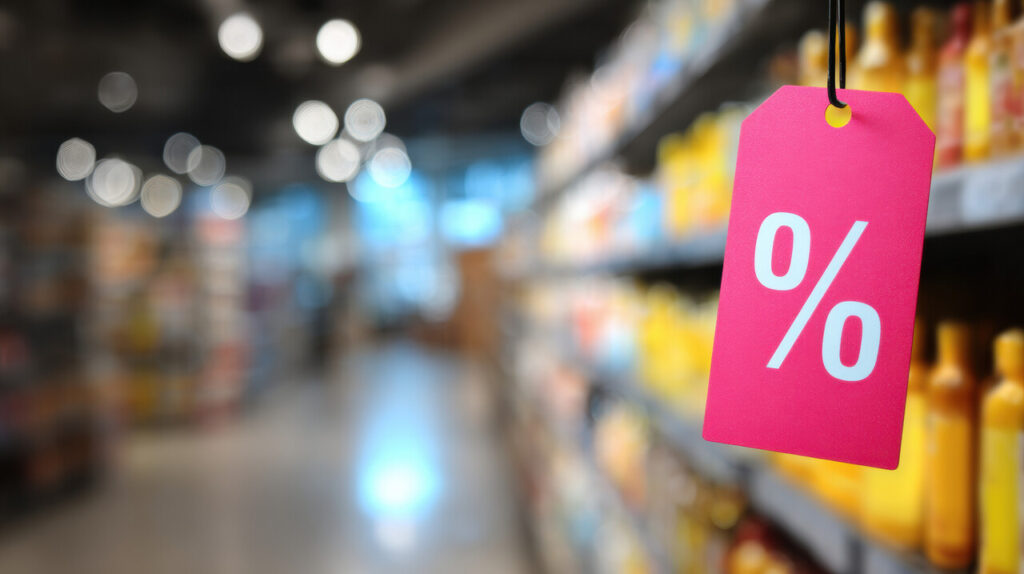
Displays labeled as limited-time or new trigger impulse buying by creating pressure. Shoppers are more likely to act quickly when they believe an opportunity won’t last. These displays rely on scarcity cues rather than proven demand. Even cautious shoppers may justify a purchase by telling themselves it’s a one-time experiment. New product displays also benefit from curiosity. The promise of novelty interrupts routine shopping patterns and encourages unplanned decisions. Placement in high-traffic areas ensures repeated exposure, reinforcing the sense that everyone else is noticing it too.
6. Bulk Bins in High-Traffic Aisles
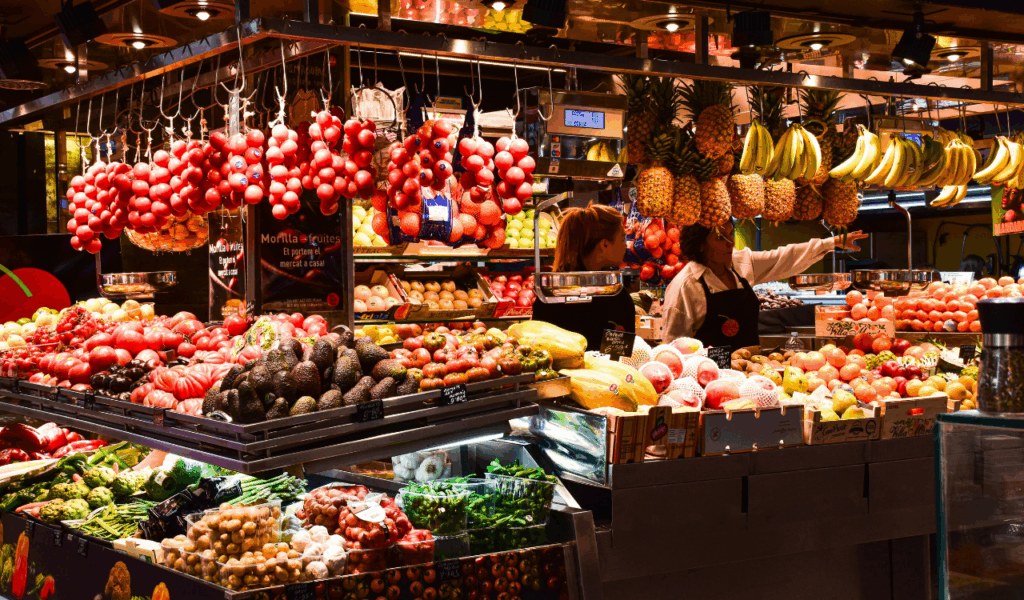
Bulk bins feel empowering because they give shoppers control over quantity, but they are carefully positioned to encourage spontaneous scooping. Placed in busy aisles, they slow foot traffic and invite interaction. The open format reduces psychological barriers to purchase since there’s no fixed price tag staring back. Shoppers often underestimate how much they’re taking, especially when bins are wide or scoops are large. The perception of value also plays a role. Bulk items feel economical, even when priced higher per unit than packaged alternatives. Because these bins invite tactile engagement, they turn browsing into buying. What starts as curiosity often ends with an unplanned addition to the cart.