14 Homes That Look Calm but Quietly Drain the People Living There
Even if a home looks quiet, well-organized, and even like it belongs in a magazine, the individuals living there can nevertheless feel exhausted, restless, or emotionally off balance. This gap sometimes originates from design choices that look harmless but put stress on the senses over time. Soft lighting may make you less awake, and simple layouts may discreetly limit your comfort and movement. Stress builds up for no clear reason when a home doesn’t provide basic human requirements like comfort, clarity, and emotional warmth. Knowing that calm-looking settings can be taxing helps homeowners make healthier choices.
1. Overly Minimal Spaces With No Visual Warmth
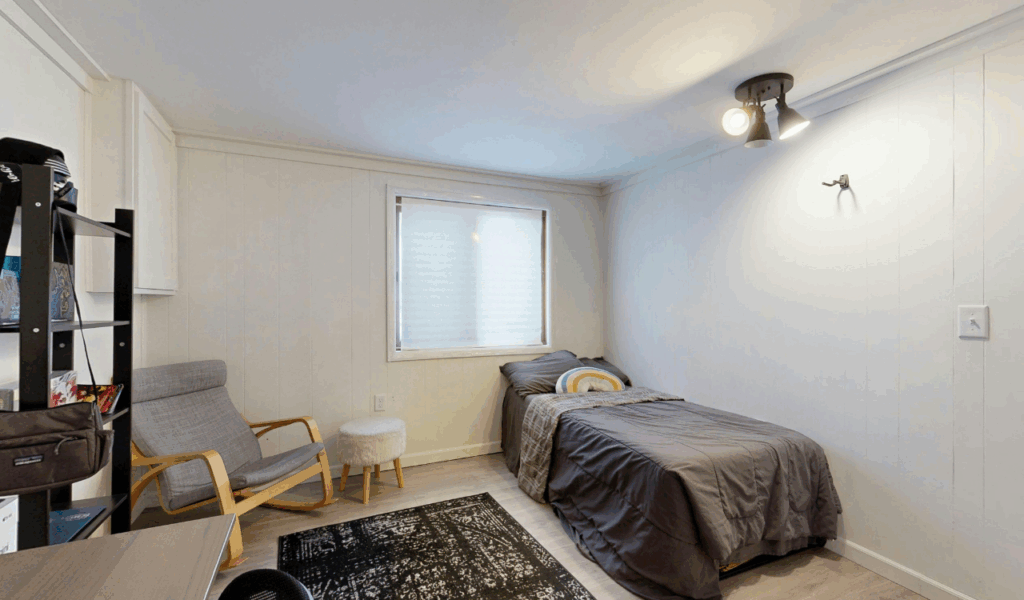
Minimalist interiors can look clean and quiet, but if you go too far, they can make you feel emotionally empty. When there are empty walls, few textures, and not many personal belongings, the eyes have nothing to rest on that makes them feel good. Without any warmth in the room, it can feel like an exhibition instead of a place to live. People naturally respond to layers, patterns, and things they know, which help them feel safe and at home. The brain stays a little awake and looks for comfort without them. This persistent low level of anxiety can make people feel tired over time, even if the space looks calm.
2. Soft Lighting That Is Too Dim All Day
Soft lighting is typically thought of as relaxing, but if a home stays dim all day, it can mess with the body’s natural energy levels. Low light makes things less clear and can hurt your eyes, especially when you’re reading, cooking, or working. It also changes your mood by telling your body to slow down, even when you need to be focused. This can, over time, cause you to become exhausted, less motivated, and make it difficult for you to sleep. You are able to remain awake and comfortable when the lighting is adjusted according to the time of day, however having lighting that is always dull can gradually deplete your vitality.
3. Furniture That Looks Stylish but Is Uncomfortable
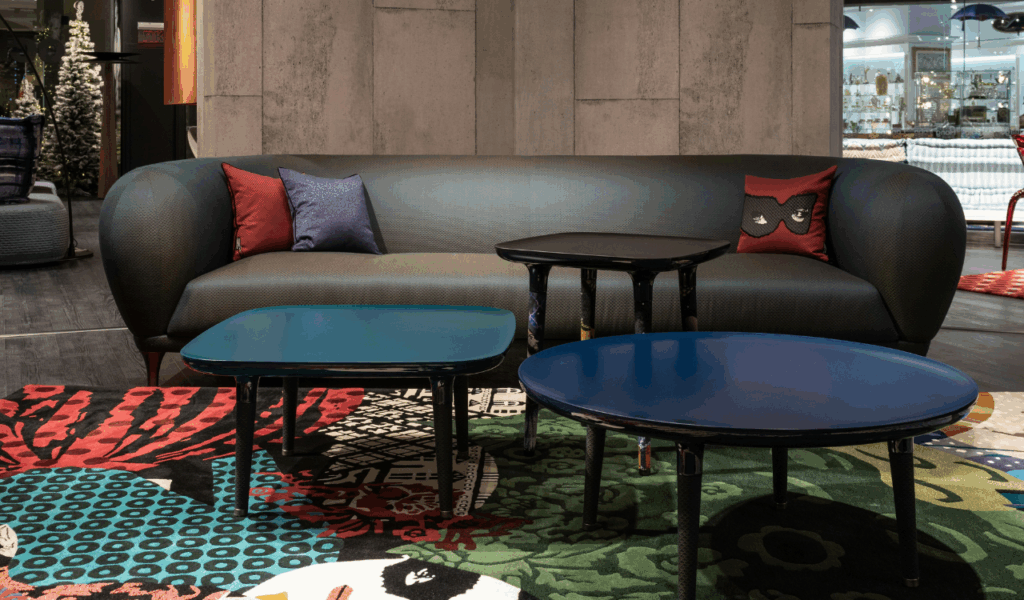
When you pick out furniture mostly based on how it looks, you often give up fundamental comfort and support. Even though chairs with narrow seats, stiff backs, or strange heights may look nice, they can put the body in uncomfortable positions. Sofas that are hard and smooth can make it hard to relax, while beds that don’t support you well can make it hard to sleep well. The body is always making small changes to avoid pain, which uses up more energy without the person knowing it. This tightens muscles, damages posture, and tires the mind. A home should soothe the body, not make it fight its environment by moving around.
4. Open Layouts With No Sense of Privacy
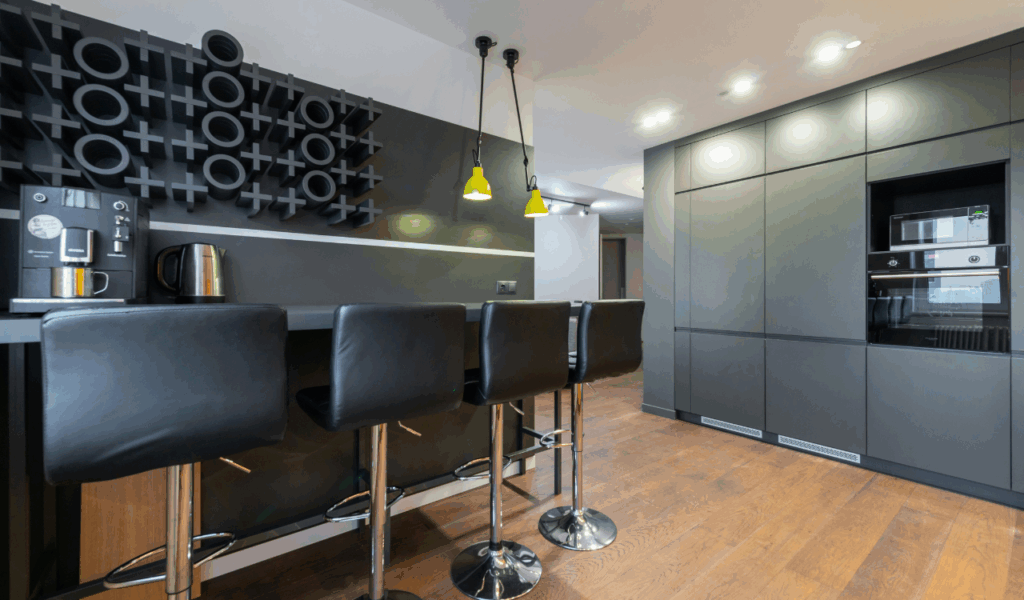
Open plan homes look trendy and open, but not having clear boundaries can make you feel more stressed. The brain has a hard time switching between different modes when there is no obvious line between work, relaxation, and social areas. Sound travels rapidly, visual clutter spreads swiftly, and it’s hard to get away from it all. There is a demand for areas where people can be alone as well as with other people. If everything is contained within a single open space, the nervous system will remain slightly awake. This, in turn, will cause you to become exhausted and less able to deal with stress gradually.
5. Neutral Color Palettes With No Contrast
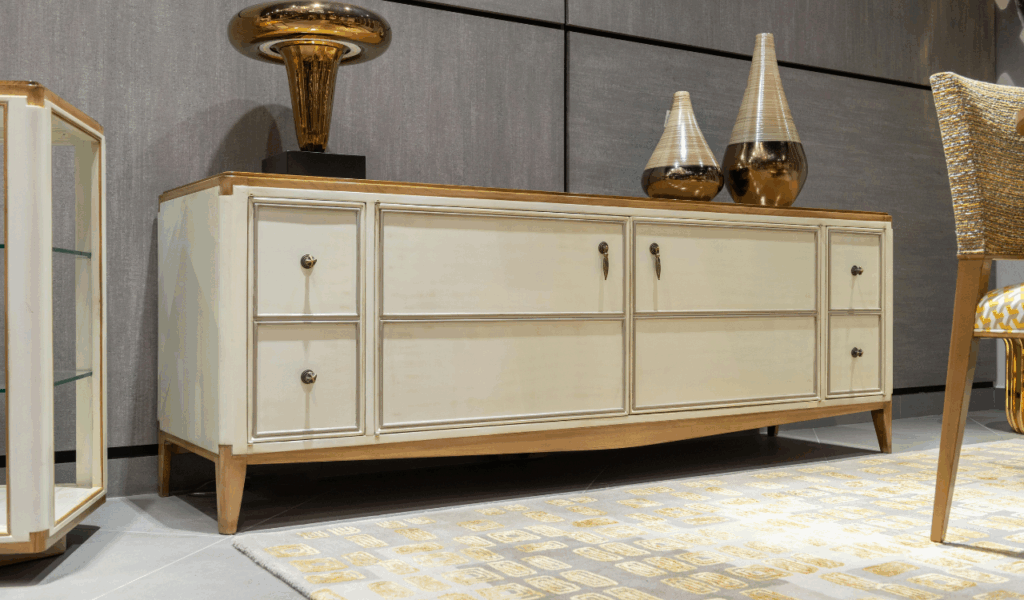
People typically choose neutral colors because they are known to be peaceful, but a room with a lot of identical tones might feel bland and tiring. When walls, flooring, and furniture all look the same, it’s tougher for the eyes to see forms and depth. This small graphic effort builds up throughout the course of the day. Color contrast makes it easier for the brain to understand space and adds visual appeal that is exciting rather than overwhelming. If it is not there, the rooms may have a dull and uninspiring atmosphere, which can subtly lower one’s mood and motivation while still giving the impression of being calm and well-designed on the surface.
6. Homes That Are Always Too Quiet
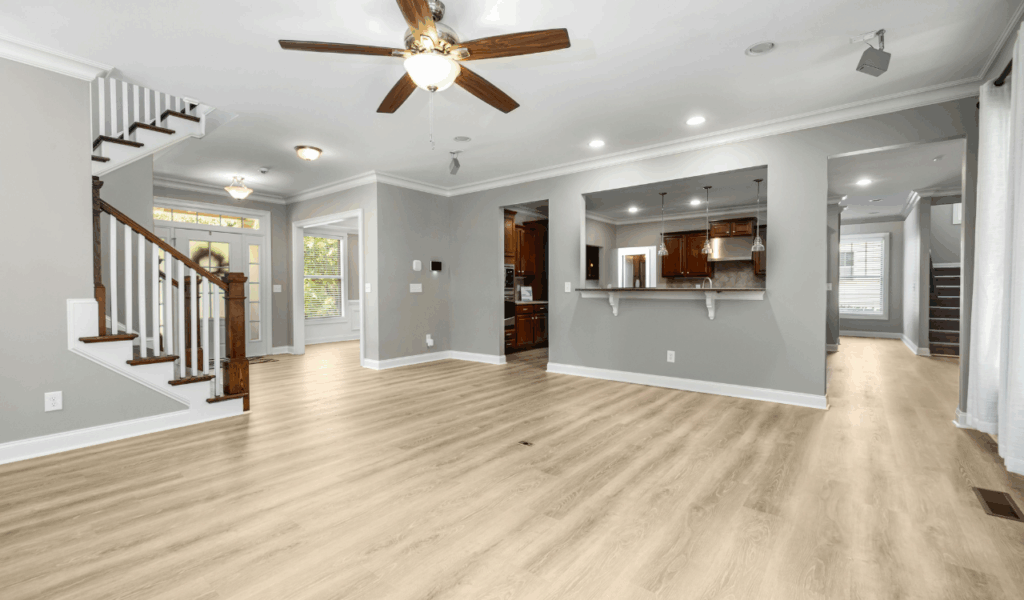
Silence may seem like a good thing, but homes that are too quiet can be scary. When there aren’t any soft background sounds, little noises stand out more and can be disturbing. This keeps the brain awake and ready for the next sound. People are used to gentle background noise, such movement or activity that is far away, which makes them feel safe. A location that is absolutely quiet can make you feel uptight instead of relaxed. This increased awareness can make you mentally tired over time. Balanced sound, whether it’s natural or mild background noise, makes you feel more at ease and comfortable than complete quiet can.
7. Excessive White Surfaces Everywhere
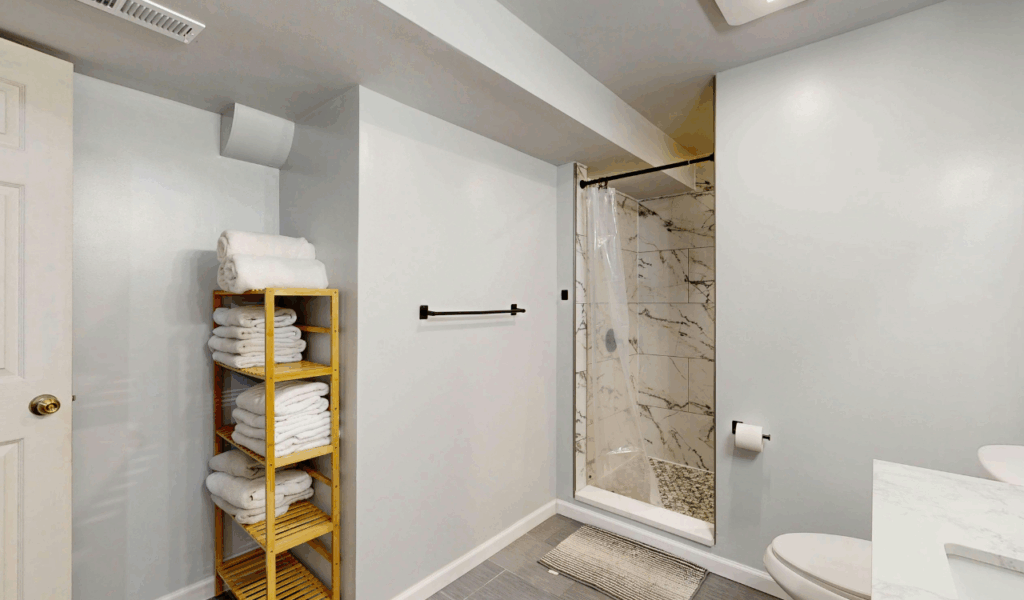
White surfaces reflect light and look clean, but too much white can be hard on the eyes. Bright reflections can hurt your eyes, especially when it’s sunny, and make rooms appear cold or sterile. White spaces without any color can be unsettling over time because they don’t have any visual foundation. People want a variety of tones that ground the space and cut down on glare. When everything is white, the house could feel sterile instead than calming. In spite of the fact that the location appears to be clean and serene, this minor annoyance has the potential to gradually sap your vitality and make it more difficult to fully relax.
8. Decorative Clutter Disguised as Minimalism
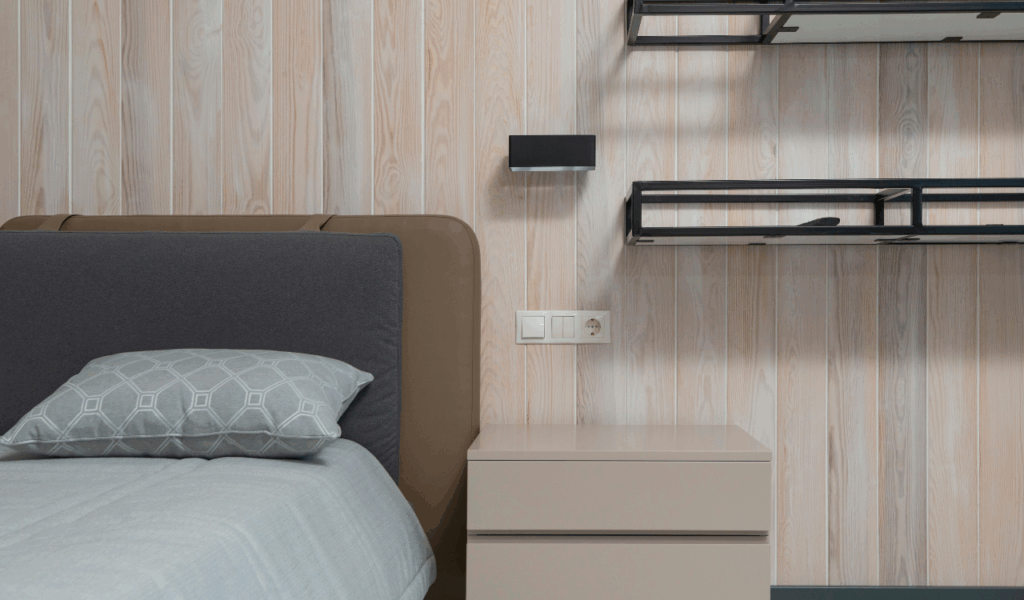
Some homes look empty, but they are full with cleverly placed artifacts that don’t really do anything. The brain still processes each item as visual information, even though they all appear like they were meant to be there. This keeps the space constantly stimulated, even when it looks clean. Decorative clutter requires attention but does not provide utility or comfort in exchange. This visual disturbance can make you more tired and less restful over time. Real tranquility comes from intelligent balance, where things either have a purpose or contribute real emotional value, not just occupying space for looks.
9. Poor Airflow Hidden Behind Clean Design

Even if your home looks clean, it may not have good air flow. Air that isn’t moving holds onto moisture, smells, and particles that can make you uncomfortable and sick. Rooms might seem heavy and stuffy, even if they look nice, if there isn’t enough airflow. This might cause headaches, tiredness, and trouble focusing. A clean design doesn’t always guarantee a healthy place to live. Fresh air helps clear your mind and body. You can clear your mind and body by breathing in fresh air. In the event that ventilation is disregarded in favor of smooth, sealed spaces, the home will gradually lose energy without any obvious signs of this happening.
10. Bedrooms Designed More for Looks Than Sleep
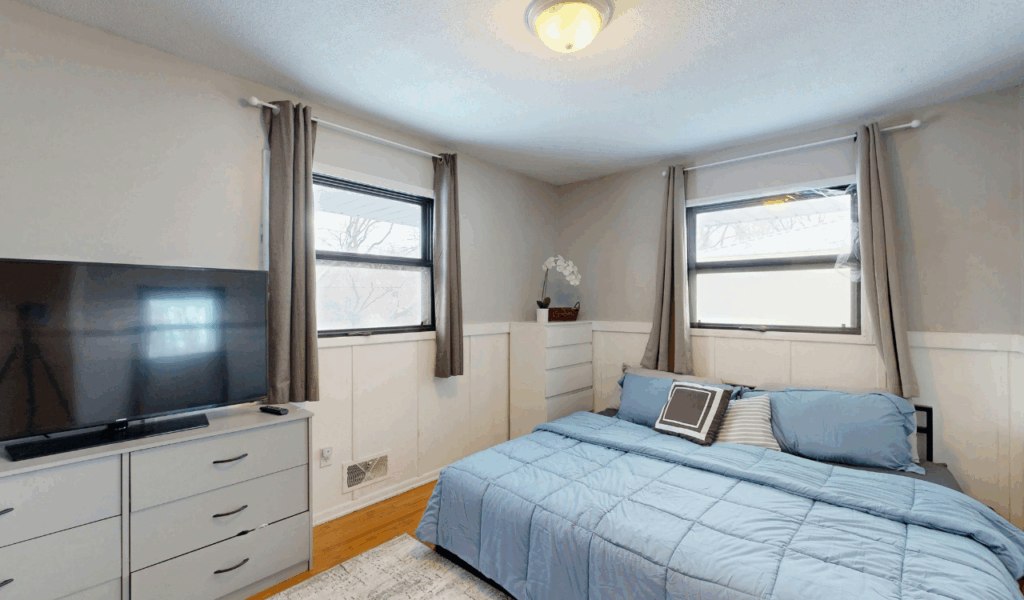
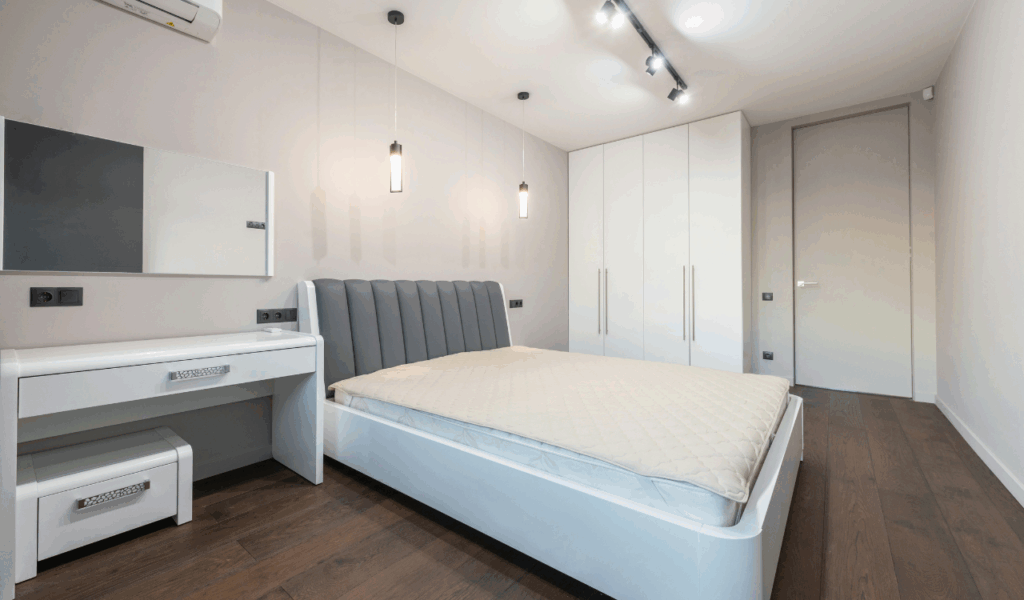
People typically care more about how their bedrooms seem than how comfortable and useful they are. Bad color choices, shiny surfaces, and decorative lighting can all make it hard to relax. Even if they look fancy, beds that don’t have the right support make it hard to sleep. The brain thinks of the bedroom as a place to get excited instead of a place to rest. Poor sleep can have long-term effects on mood, focus, and health. A bedroom that really helps you get better puts comfort, darkness, and supportive bedding first. When looks are the most important thing, the price is paid in the form of constant exhaustion and less emotional equilibrium.
11. Homes With No Personal Identity
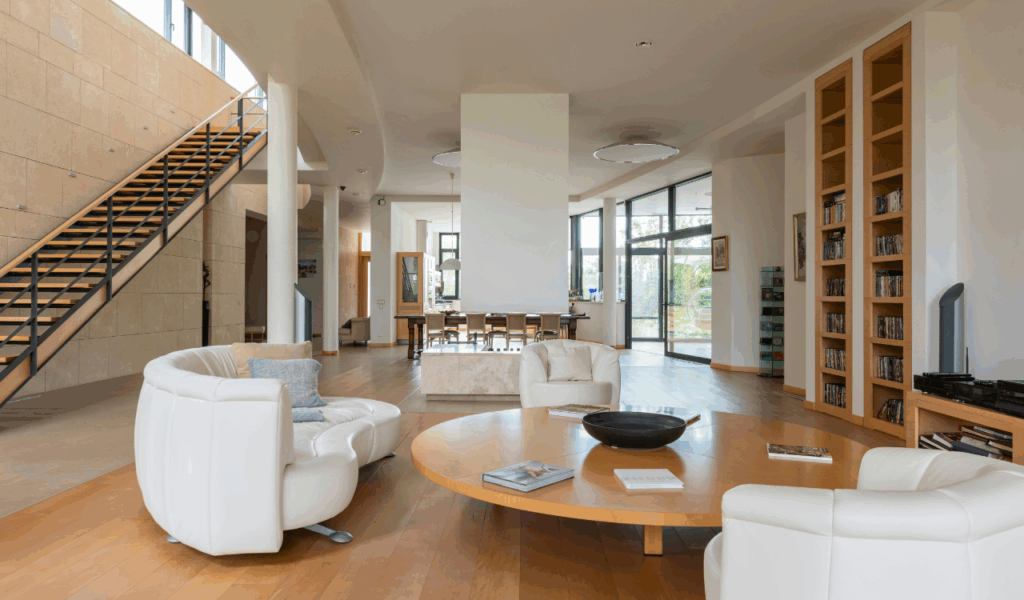
Homes that are decorated to fit in with trends frequently don’t have personal touches that show who lives there. The room can feel cold and impersonal if it doesn’t have meaningful things, pictures, or textures. People find solace in things that are familiar and in their own past. A home that feels like a showroom doesn’t give you a sense of emotional stability. Even when everything seems beautiful, this can make you feel a little out of place. Over time, if you do not have an identity, you may have feelings of alienation within your own space. Not only should a house adhere to design guidelines, but it should also reflect the owner’s personality.
12. Constantly Cool or Cold Indoor Temperatures
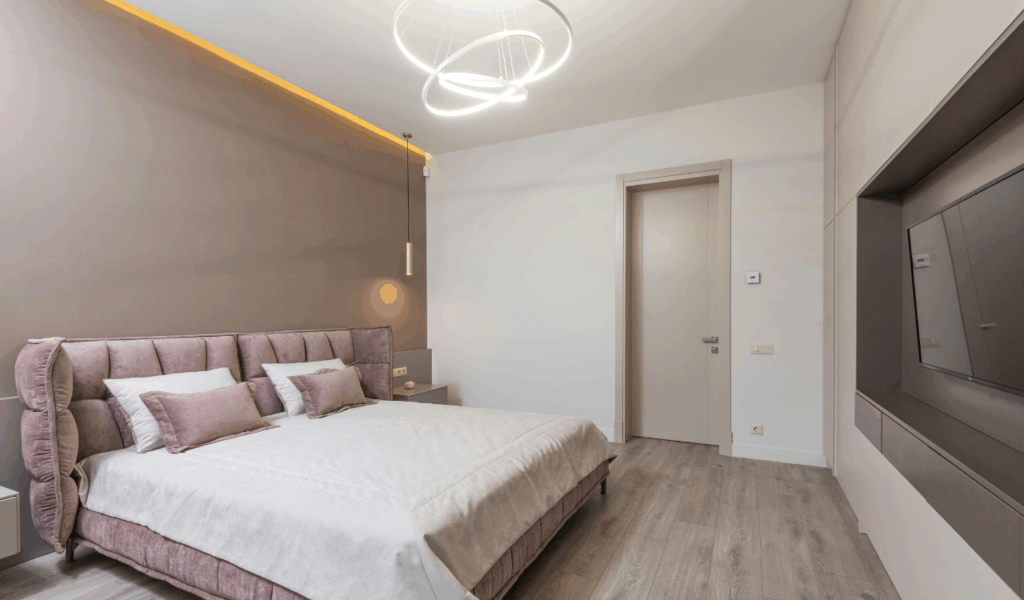
People often think that cool interiors are fresh, yet living in a place that is always cold makes the body work harder to stay warm. This uses up energy that could be used to help you relax and focus. Cold weather can also make muscles tense and hurt, especially when you’re resting. People have different preferences for temperature, but a home that is never comfortably warm can wear out its residents without them even realizing it. A balanced level of thermal comfort helps both your body and mind feel good. When temperature regulation puts style ahead of comfort, energy levels drop slowly for no clear reason.
13. Lack of Natural Movement Paths
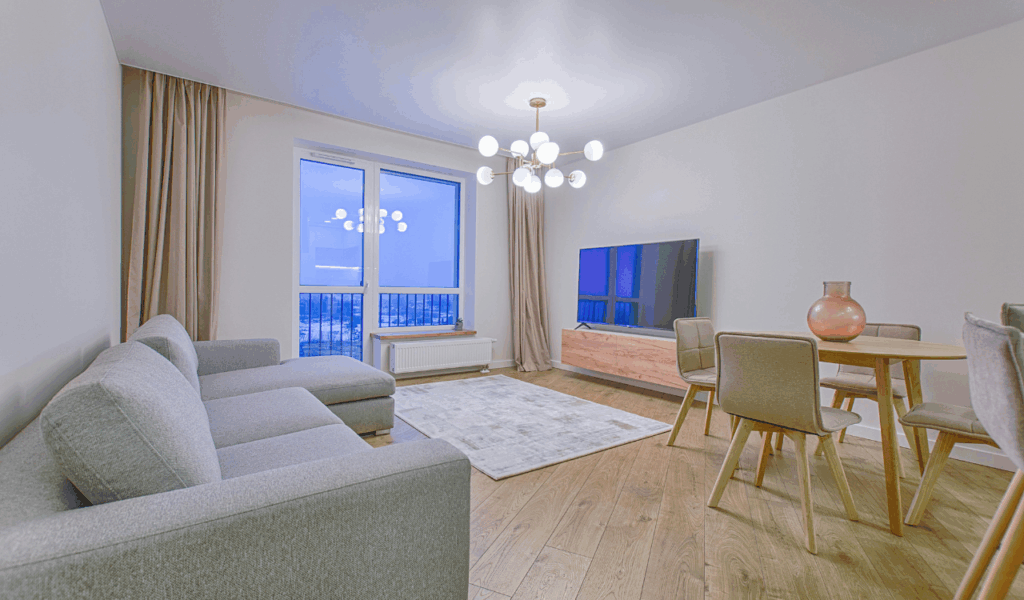
It can be irritating when homes make it hard to move about. Furniture that is arranged for visual symmetry instead of flow may get in the way of natural walking patterns or need to be moved around all the time. The body likes to move through space in a way that makes sense. When moving about a room feels strange, the brain stays busy with small problems. This continual effort builds up and makes you mentally tired. A well-designed home lets you move around easily and naturally without thinking about it. If you are unable to move around, even the most beautiful areas might become monotonous to live in on a daily basis.
14. Homes That Never Change or Evolve
A home that doesn’t change visually might progressively deplete your emotional energy. People like change, even simple changes like moving things around or changing the seasons. It can feel like nothing is happening in an area if it never changes, even if everything looks quiet. This lack of stimulation makes people less interested in and emotionally connected to their surroundings. You don’t have to redecorate your whole house all the time to keep it new. Small modifications can assist keep the feeling of vitality and progress. Without them, a home can feel like it’s draining you, with no new things to make you feel better or inspire you.