11 Living Styles That Promise Grounded Living but Create More Pressure
Modern ways of living sometimes seem like peaceful avenues to finding balance, clarity, and purpose. They promise a more stable life, less chaos, and a stronger sense of control over daily life. Many of these inclinations subtly increase stress, guilt, and comparison. They can complicate life with difficult and emotionally draining rules. The need to be peaceful, sustainable, productive, or flawless may outweigh the initial incentives. This essay examines eleven trendy lifestyles that claim to reduce stress but often create mental load. Understanding these paradoxes helps readers make healthier choices without feeling like failures.
1. Minimalist Living
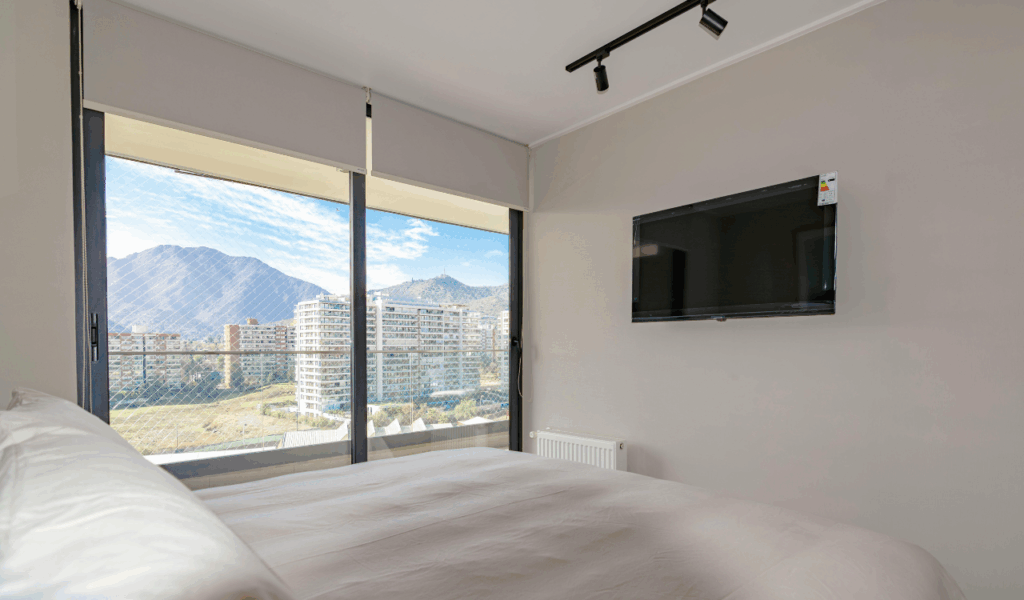
Minimalist living eliminates unnecessary items, distractions, and clutter to improve focus. Although decluttering feels nice, extreme minimalism can lead to an ongoing hunt for less. Every purchase may make people ponder if it’s “worthy” for their home. This can make you feel awful about hobbies and sentimental possessions. The need to keep your home vacant can make you compare yourself to others, especially when you look at professionally chosen web photographs that don’t portray real life. When personal necessities are put second to an aesthetic or philosophy that requires discipline, minimalism can become a constant review process.
2. Sustainable Living
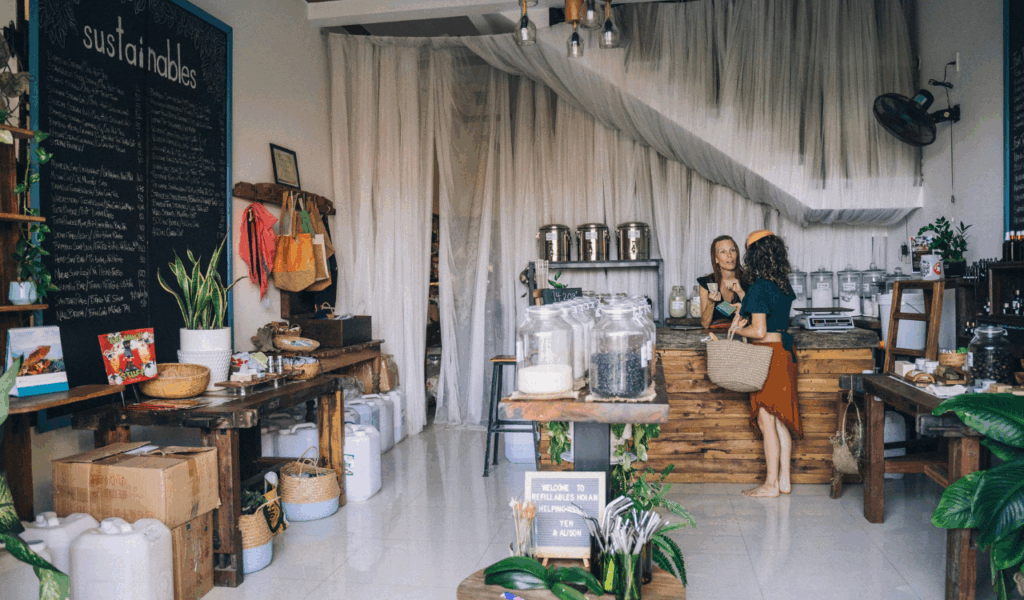
Living sustainably means being aware of what you buy, throwing away less, and taking care of the environment. These values are important, yet pursuing perfection may be too much. People may tire of making judgments because they feel like they have to track everything from what they buy to how much energy they use. Even with money, distance, or time constraints, little compromises can make you feel terrible. Instead of empowerment, being personally accountable for global environmental issues may upset you. Sustainability that shifts from development to purity may make individuals feel inadequate instead of pushing them to pursue achievable things.
3. Hustle-Free Living
Living without a lot of work promises to keep you from being burned out by not always being productive. It’s funny how it may make you feel like you have to look calm and balanced all the time. People can think they are being assessed for working hard, having goals, or liking structure. People sometimes want you to slowly or not at all turn your passions into money, which may not be feasible. Always choosing relaxation may conflict with tasks, causing tension. When relaxing becomes a performance, living without stress becomes a fixed identity that doesn’t allow for changing priorities or personal circumstances.
4. Mindful Living
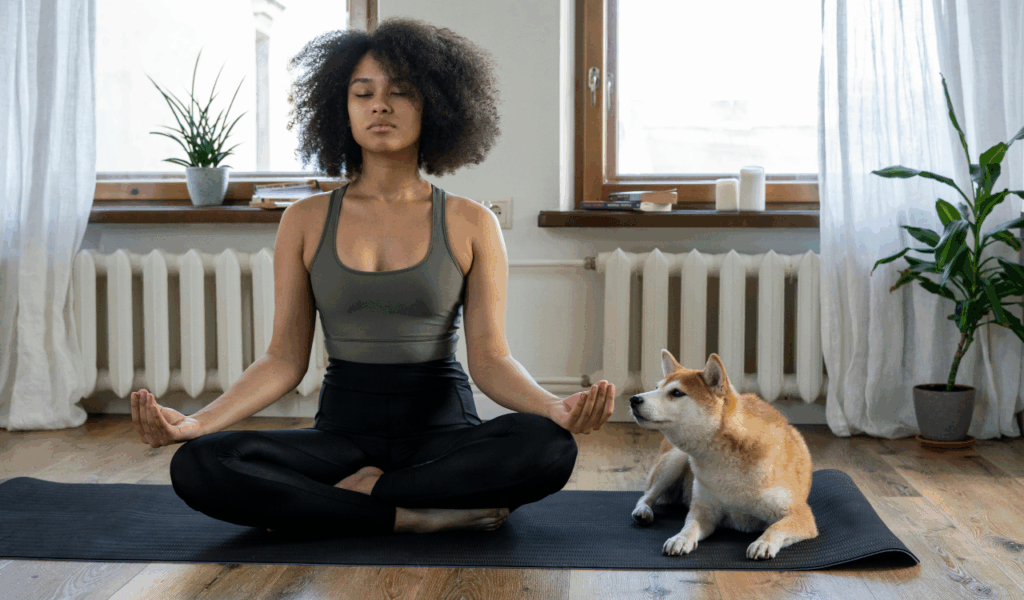
Mindful living is all about being present, aware, and making choices with purpose. Mindfulness techniques can help you deal with stress, but living mindfully can make it hard to control your emotions all the time. People may think they are failing if they are stressed, distracted, or too busy. Awareness can make everyday encounters feel like they need to be fully optimized, which can be tiring. The idea that peace is always possible may hinder real problems that demand pragmatic answers rather than acceptance. While mindfulness might help, using it as a standard can make emotional highs and lows seem like defects.
5. Slow Living
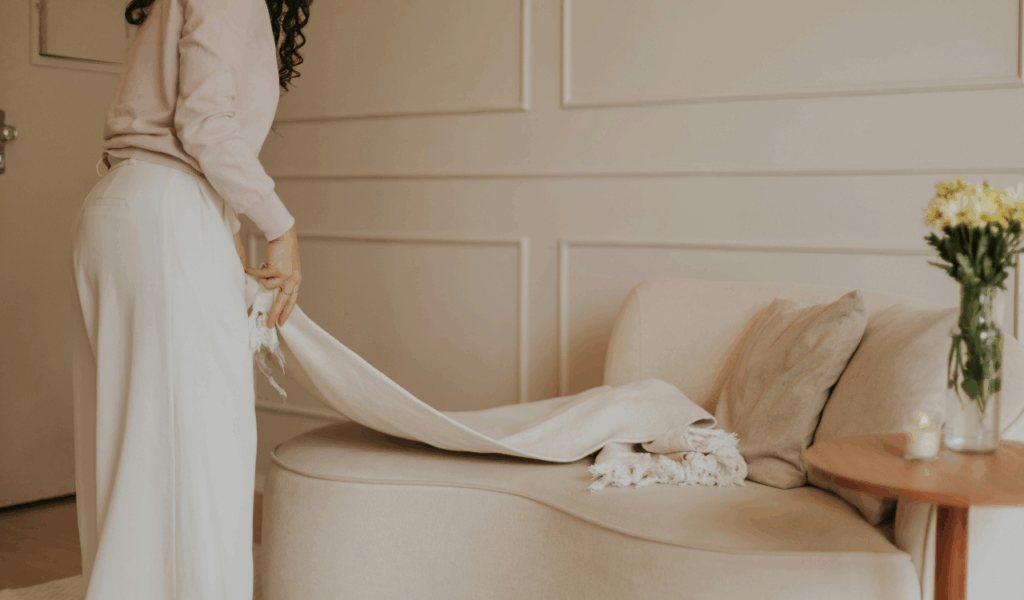
Living slowly means taking things gradually, enjoying them more, and not feeling rushed. But to properly adopt it, you usually need things like a flexible schedule or financial security. People may feel stressed when they try to slow down in places where they can’t. Normal tasks can come to feel like failures of the lifestyle instead of just things that happen. The need to make everyday things like meals and routines seem romantic can turn ordinary acts into performances. When life does not proceed at the ideal pace that is being sought, slow living can be a frustrating experience. It is possible that slow living will not be simple.
6. Wellness-Centered Living
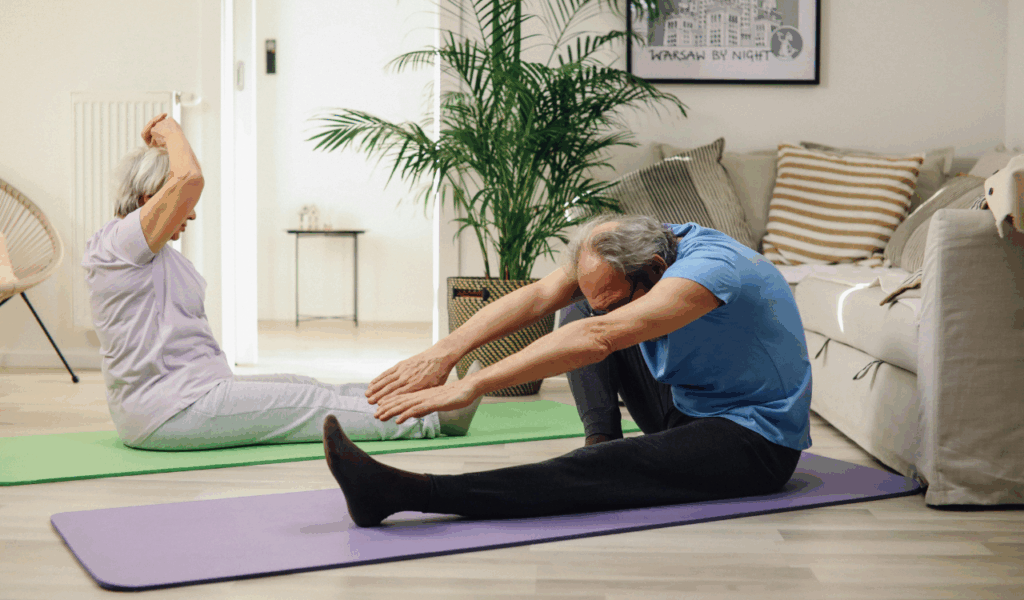
Living a wellness-centered life means putting your physical and emotional health first by making routines, habits, and self-care a priority. Even while it’s meant to be helpful, it might make people anxious about always trying to improve themselves. People could feel like they have to eat right, work out every day, and handle stress correctly. Not following a routine can make you feel guilty or afraid of slipping behind. Instead of a framework, health becomes a checklist. This way of thinking can also make it hard to distinguish care from control, especially when health advice changes frequently. If well-being is a full-time job, it may drain energy.
7. Digital Detox Living
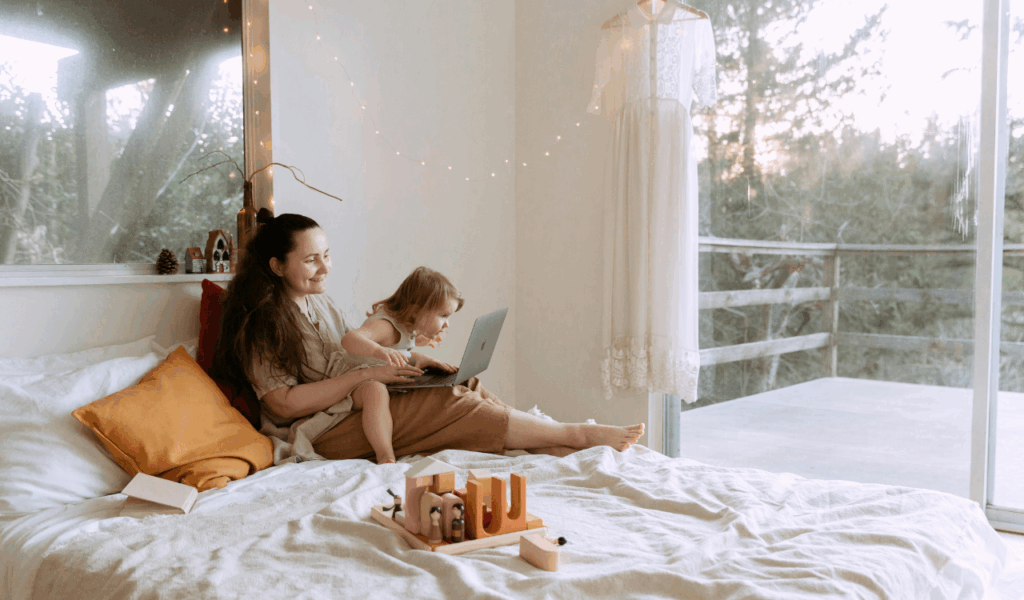
Living a digital detox life means spending less time on screens and making stronger connections with people in real life. While limiting technology can be helpful, stringent rules can make life stressful in a society where everyone is always connected. People can worry about missing vital news, business messages, or plans with friends. Tracking screen time might make technology appear more powerful. Without digital technology, there is pressure to establish presence and authenticity. Because modern life relies so much on digital communication, living without digital gadgets can make it hard to reconcile staying informed and disconnected.
8. Aesthetic-Centered Living
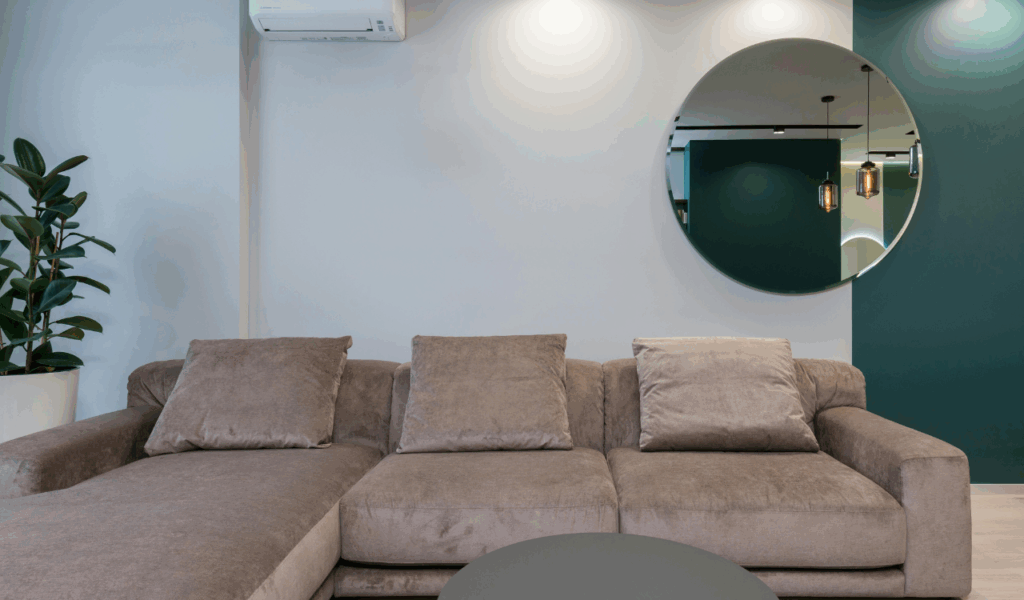
Living with an aesthetic focus means having rooms that are visually pleasing, having a consistent personal style, and having areas that are well-organized. Beauty can make you feel good, but keeping up an aesthetic can be hard on your emotions. People may feel like they have to make their home, clothes, and habits fit a certain visual identity. To keep up appearances, practical necessities may be overlooked. Comparing oneself to perfect images can make you unhappy, even when things are good. Aesthetics can overshadow comfort, genuineness, and adaptability, turning daily life into a search for an invisible visual ideal.
9. Intentional Living
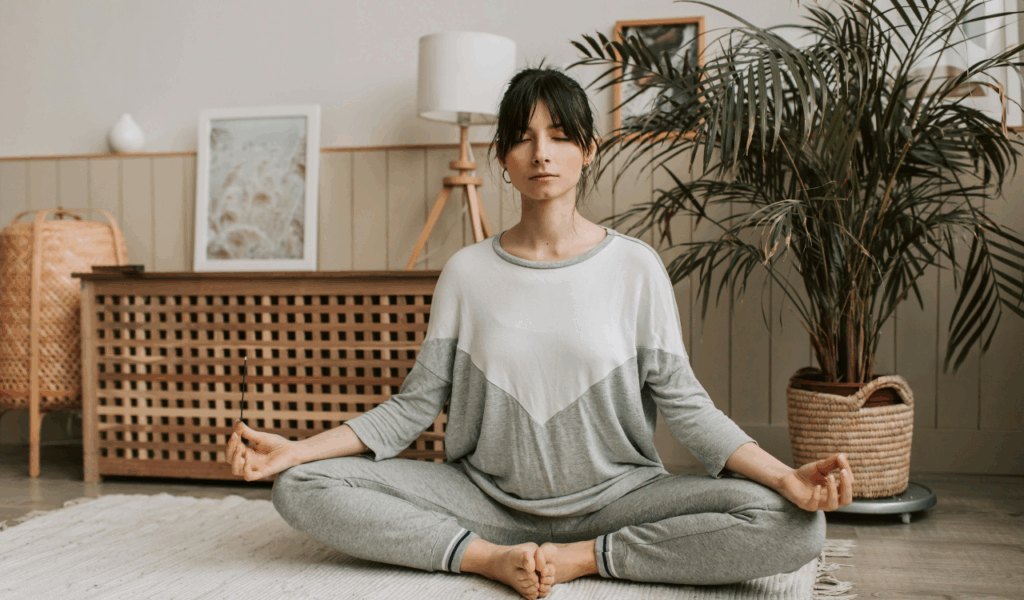
Living with purpose means making decisions that are in line with your ideals. It can make everyday decisions feel heavy and high-stakes, even though it gives you control. People could think too much about easy choices because they are afraid they aren’t being intentional enough. Being spontaneous can start to feel like you aren’t taking care of yourself. This way of thinking may also make you feel that you must continually redefine ideas that alter on their own. Making mistakes or changing your mind can feel like failures when you measure your worth by your intentions. Thoughtful living should grow you, not make you question your morals.
10. Self-Sufficiency Living
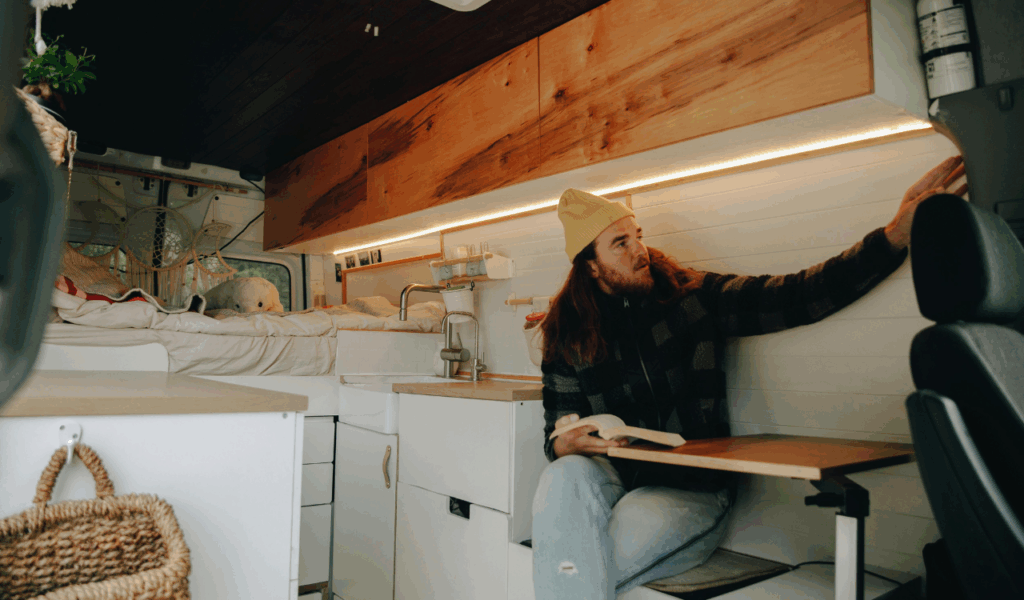
Living on your own encourages independence by teaching you skills like growing your own food, fixing things, or relying less on systems. It can be empowering, but it can also be hard on the body and mind. People may feel that they have to do everything by themselves, even when it would be easier to have help. The need to always learn, keep up with things, and manage can be stressful. There might also be remorse about how easy it is or how much you pay someone else to do it. Self-sufficiency can make people feel alone and that they don’t deserve to relax when it becomes an identity instead of a tool, which goes against its freedom-promoting message.
11. Balanced Living
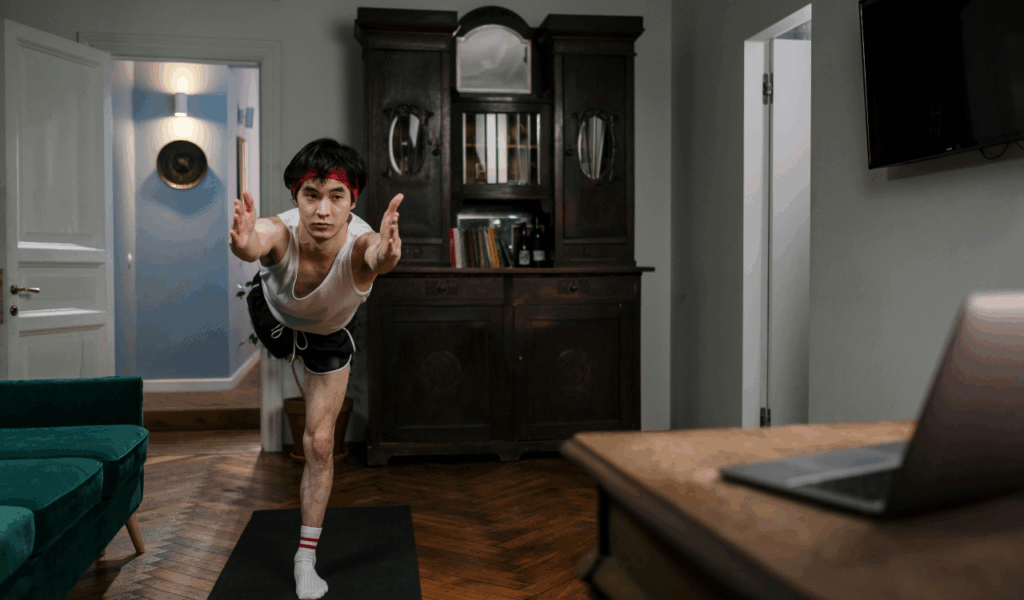
Living in balance means that work, rest, relationships, and personal goals will all be in harmony. It’s funny how trying to find the ideal balance can be stressful. Life naturally goes through times when we pay attention to things and times when we don’t. Trying to give everyone the same amount of attention can make you constantly check on yourself. People could think they’re failing if one thing is more important than another. Instead of being a fluid idea, balance becomes a moving aim. Balance can produce stress and frustration instead of peace when individuals think of it as a permanent condition instead of a constant adjustment.