9 “House Smoked” Meats Pitmasters Know Came Precooked
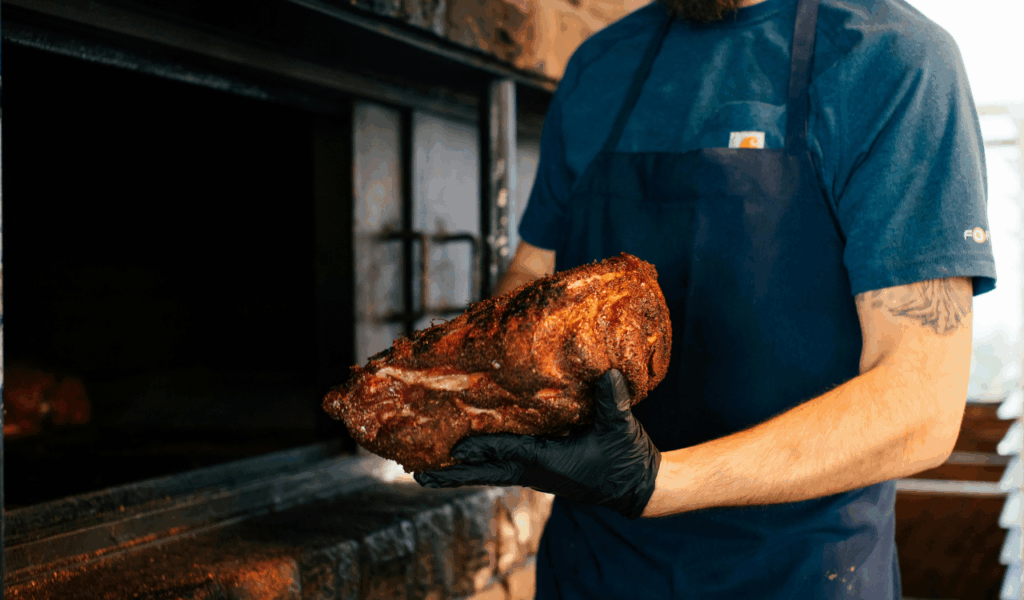
When you hear the phrase “house smoked,” you might picture a committed pitmaster tending to a hickory fire for twelve hours. But in the fast-paced world of modern barbecue, that’s not always the case. Professional pitmasters and restaurant consultants say that a lot of “signature” meats come to the restaurant already cooked and packaged in plastic bags.
Experts argue that the “smoking” procedure at these places is really just a fast warming cycle in a convection oven with some wood chips to add smell. Kitchen managers say that the practicalities of a true smokehouse, such storing wood, hiring fire marshals, and working nocturnal shifts, are so hard that many mid-sized businesses chose to outsource the work to corporate factories while preserving the artisanal identity.
Barbecue historians and professional food flippers say that the “house smoked” claim is often based on a technicality. The meat might spend thirty minutes in a smoker to “finish,” but the fat and collagen were really rendered days earlier in a mass-production machine. Designers of commercial kitchen standards say that these precooked meats are popular with owners because they make sure everything is always the same and there is no chance of “selling out” before the dinner rush.
However, for the picky eater, these meats that were prepared in a factory don’t have the deep smoke ring and intricate bark that only emerge from a real low-and-slow fire. If you know what to look for in a “reheated” brisket or rib, you can tell the difference between a real pit-to-table meal and a corporate product that has been “finished” just for the menu.
1. Perfectly Uniform “Cookie-Cutter” Brisket
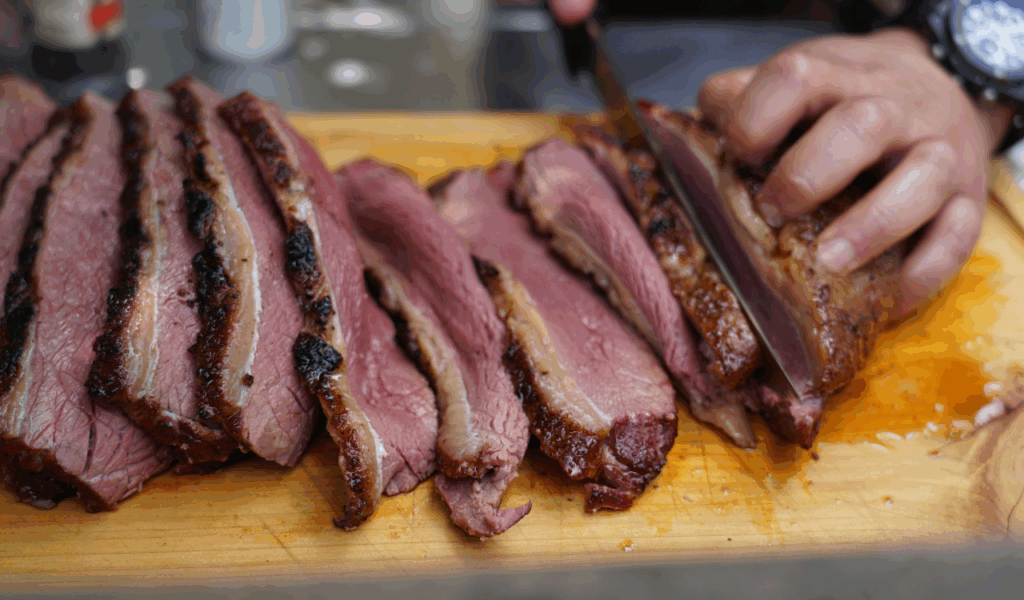
Brisket is the hardest thing for a pitmaster to cook, but experts say that if every piece in your tray looks the same in form and size, it was probably precooked and shaped in a factory. Real brisket is an uneven, natural muscle that shrinks and twists while it smokes for twelve hours, according to skilled pitmasters.
Experts believe that “form-pressed” briskets are cooked in a sous-vide water bath before being cooled and sent out. When they get to a restaurant, they are only cut and heated, which gives them a “perfect” look but takes away the natural character of a hand-trimmed, pit-smoked cut.
Restaurant advisors say that the texture of these homogeneous briskets is typically “rubbery” or “ham-like” instead of soft and flaky. Industrial food system designers say that the brine used in factory cooking keeps the meat from losing weight, which increases profits but ruins the typical barbecue taste.
Experts warn that if the brisket doesn’t have a real, crispy “bark” and instead looks mushy and painted on, it’s a clear sign that it was precooked. For a real pit experience, look for differences in the fat cap and a bark that is rough and uneven from being around real wood smoke for a long time.
2. “Fall-Off-The-Bone” Baby Back Ribs
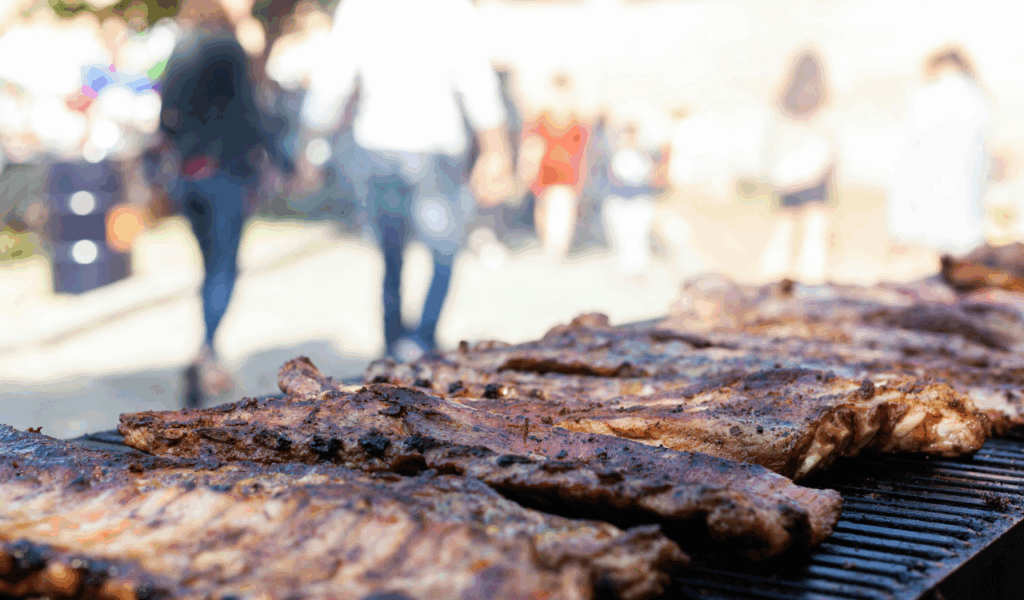
People sometimes say that “fall-off-the-bone” ribs are a sign of quality, however they are typically a sign that the ribs have been precooked and steamed. Barbecue experts say that a properly smoked rib should have a “clean bite,” which means that the flesh pulls away from the bone with little effort.
Experts believe that a lot of restaurants buy ribs that have already been boiled or steamed in a facility to make sure they are soft. When they go to the kitchen, they are covered in sauce and put under a broiler for a few minutes. Pitmasters call this “reheating” “meat mush,” which is the reverse of a real smoked rib.
Kitchen managers say that heating ribs is the quickest way to deal with a lot of business without having to have a smoker on standby. Designers of fast-casual menus say that these ribs are sometimes kept in warming drawers for hours, which makes the fibers break down even more and turn into a soft, mushy mass.
If the bone comes out easily and the meat doesn’t “pull,” experts say it was probably cooked in a steam cabinet far away from the restaurant. Experts say that to find a real rib, you should look for a pink smoke ring under the surface and a firm, tasty outside that hasn’t been converted into a wet mush by factory steam.
3. Pre-Shredded “Tubs” of Pulled Pork
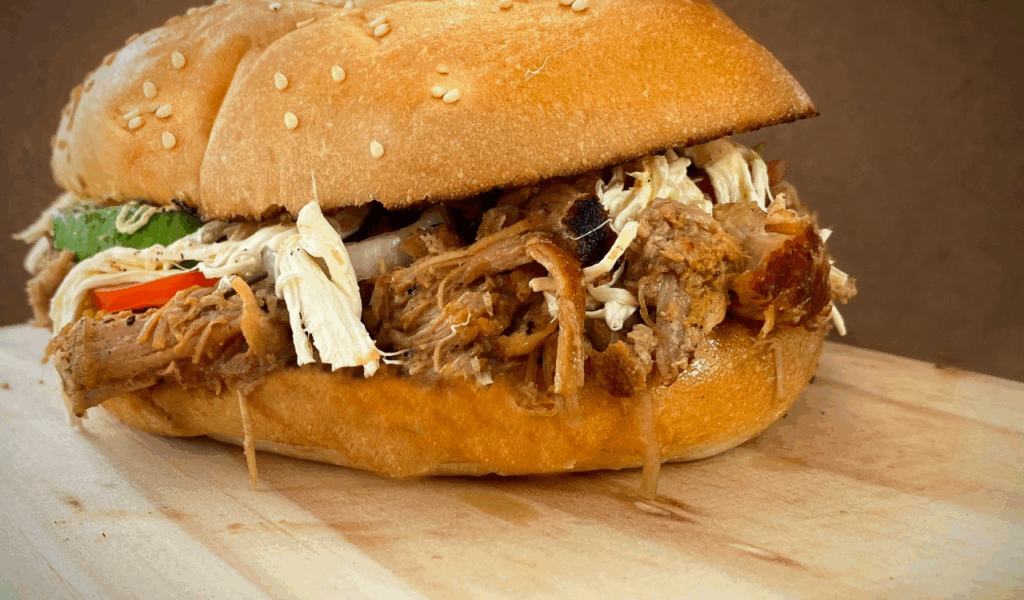
Pulled pork is one of the easiest proteins to “fake,” and those who work in the restaurant business say that many places buy it in pre-shredded plastic containers by the gallon. Professional pitmasters say that a good pork shoulder should be plucked by hand right before serving to keep its moisture and fat inside.
Experts believe that factory-shredded pig is sometimes “over-processed,” which makes it stringy and mushy. To mask the absence of smoke taste, it is then covered in a thick, sweet sauce. Food distributors say that these tubs are one of the best-selling items for mid-range diners who want to add a “barbecue” flavor to their menu without having to do any work.
Restaurant experts say that the “smoke” in these foods is usually an artificial liquid smoke that is added during the canning process. Corporate menu designers say that pre-shredded pork cuts down on the requirement for a professional prep cook, which saves a lot of money on labor.
Experts argue that if your sandwich doesn’t have “chunks” of bark or different textures of fat and lean meat, it’s a branding from a factory. A real house-smoked pig will have “money muscle” bits and a smell of wood fire that is clean and different from a plastic tub of pre-sauced meat.
4. Painted-On “Liquid Smoke” Turkey Breast
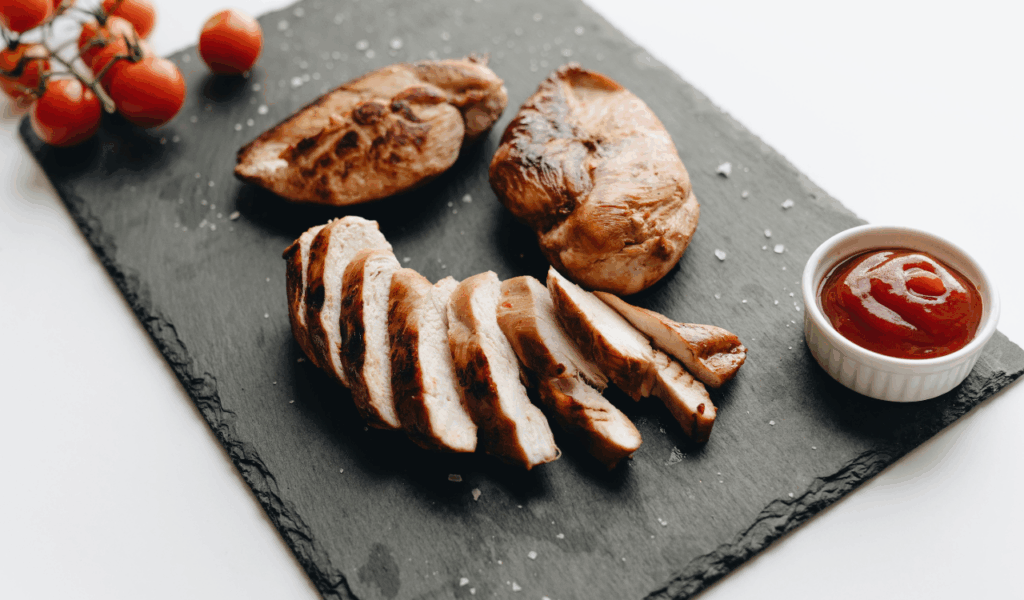
Experts say that “house smoked” turkey is typically just a regular deli-style breast that has been rubbed with liquid smoke and blackened in a convection oven. It should be juicy and mild. Professional pitmasters say that turkey is very lean and dries out quickly, which makes it a high-risk item for real pits.
Experts suggest that a lot of cooks play it safe by ordering “pre-smoked” turkey rolls that are made to stay moist for weeks. When these are cut and served, the “smoke” flavor is flat and chemical, not like the sweet, soft flavor of real fruitwood smoke like cherry or apple.
Food chemists say that the “bark” on these turkey breasts is usually a caramel-colored additive that is added at the manufacturer. Designers of industrial meat labels say that in many places, meat can be branded “house smoked” as long as it spends a few minutes in a room with a lot of smoke. Experts say that if the turkey is precisely round and has a smooth, rubbery texture, it is a deli rebrand. If you want a real experience, search for turkey that is cut from a full, uneven breast and has a light, natural mahogany color instead of a deep, fake black crust.
5. Pre-Sliced “Bagged” Smoked Sausage
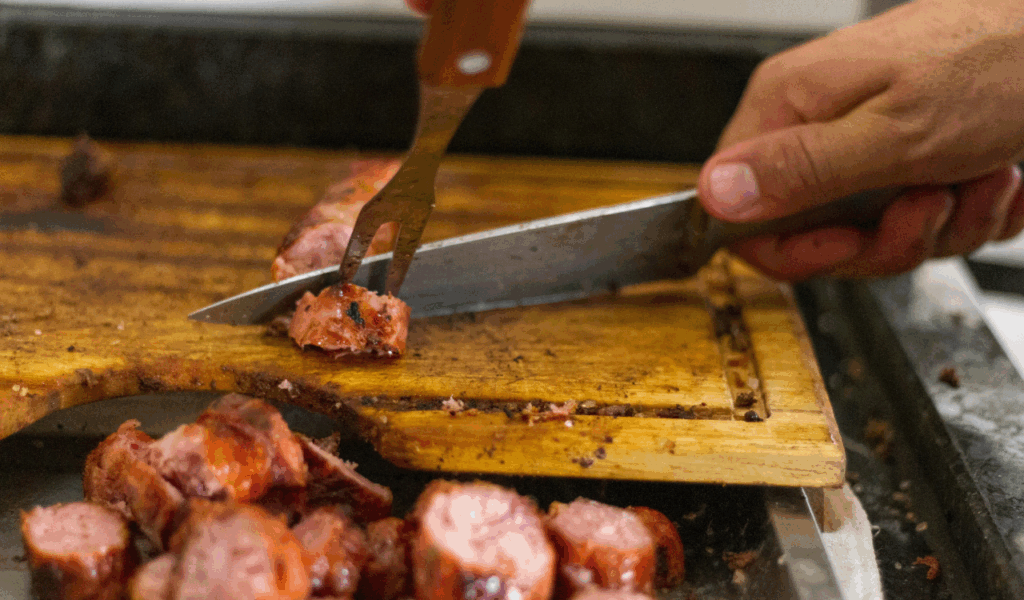
Sausage is a must-have at barbecues, but insiders say that the “house” version is often just a mass-produced “Kielbasa” or “Andouille” that comes pre-sliced and in a bag. Professional pitmasters say that a real barbecue sausage should be made in-house and smoked until the casing snaps.
They also say that precooked industrial sausages are often “greasy” and have a soft, processed inside that doesn’t have the coarse-ground texture of an artisanal link. When you reheat these on a flat-top grill, they lose the tiny bit of smoky flavor they had, so you’re left with a plain, salty hot dog.
Experts in the restaurant industry say that buying pre-sliced sausage is a “no-brainer” for kitchens that want to cut down on waste and speed up plating. Industrial food packaging designers say that these bags are often filled with a salty brine that has a lot of preservatives in it to keep the slices from drying up.
Experts believe that if the sausage slices are exactly the same and the casing is soft and chewy instead of crisp, it didn’t come from a pit. A authentic house-smoked link will seem irregular and hand-stuffed, and it will taste like the exact spice rub that the barbecue business uses.
6. Concentrated “Paste” Smoked Chicken
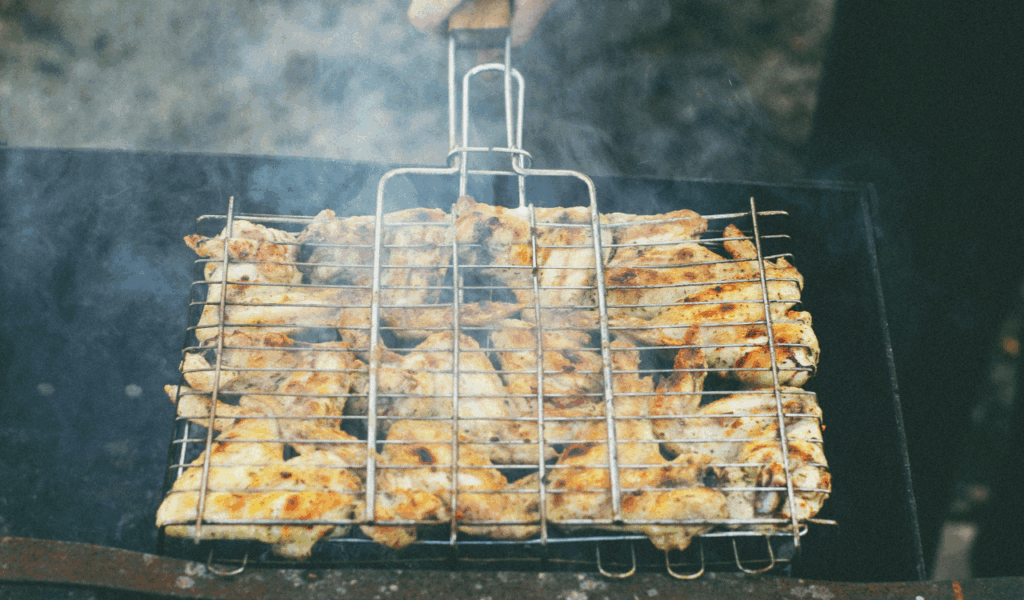
Smoked chicken is typically a “recycled” special on menus, and experts say that the foundation meat often originates from a supply that was bought in bulk and cooked ahead of time. Kitchen managers say that roasting whole chickens in a smoker takes up a lot of room and makes a lot of “skin waste” if they don’t sell quickly. Experts suggest that a lot of restaurants utilize “pre-smoked” chicken pieces that are wrapped in a vacuum with a paste or marinade that tastes like smoke. Simply said, these are put in a hot oven to crisp the skin before they are served. This dries out the meat and leaves the “smoke” flavor on the surface.
Professional chefs say that the skin on a real smoked chicken should be a little “leathery” yet full of taste. On the other hand, the skin on a reheated precooked chicken is usually either very thin or quite tough. Corporate recipe designers say that the “smoke” flavor is sometimes a concentrated powder that is sprinkled onto the bird before it is steamed in a factory.
Experts say that if the meat near the bone is very white and has little taste, the “house smoked” claim is only a way to get people to buy it. If you want a real chicken, look for a pinkish color near the joints and skin that tastes like it has been sitting in a slow, wood-fired oven for hours.
7. Bulk-Bought “Smoked” Chicken Wings
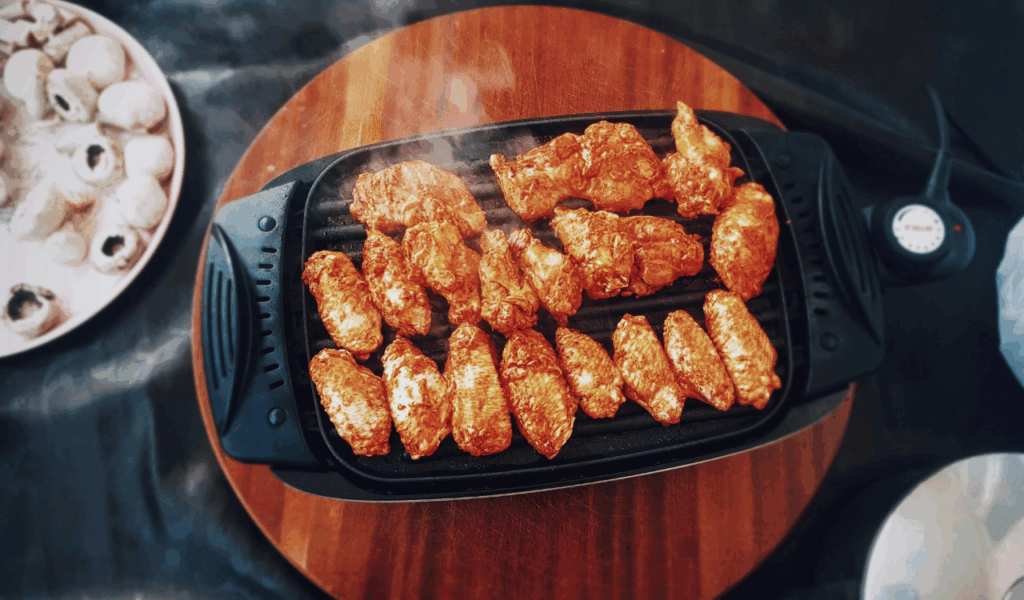
A lot of sports bars are claiming that their wings are “house-smoked” because of the “Smoked Wing” trend, however many who work there say that they typically come in frozen packets already cooked. Food wholesalers say that these wings are “flash-smoked” at a huge factory, then frozen and sent to restaurants.
Experts believe that when the restaurant puts these wings in a deep fryer to “finish” them, the heated oil takes away any actual smoky flavor. Then, to explain the extra price, they put the “house smoked” label on what is really simply a regular frozen wing that has already been cooked.
Restaurant experts say that true smoked wings take up hours of room in a smoker that could be utilized for brisket, which is more profitable. Fast food menu designers say that the “smoky” taste in these wings usually comes from a “smoke-flavored” breading or marinade.
If the wings get to your table in less than 10 minutes and are all the same brilliant orange or red color, experts say they were never in a pit. The skin on a real house-smoked wing will be darker and more mottled, and the taste will go deep into the meat instead of just sitting on the fried skin.
8. Rehydrated “Smoked” Beef Jerky Strips
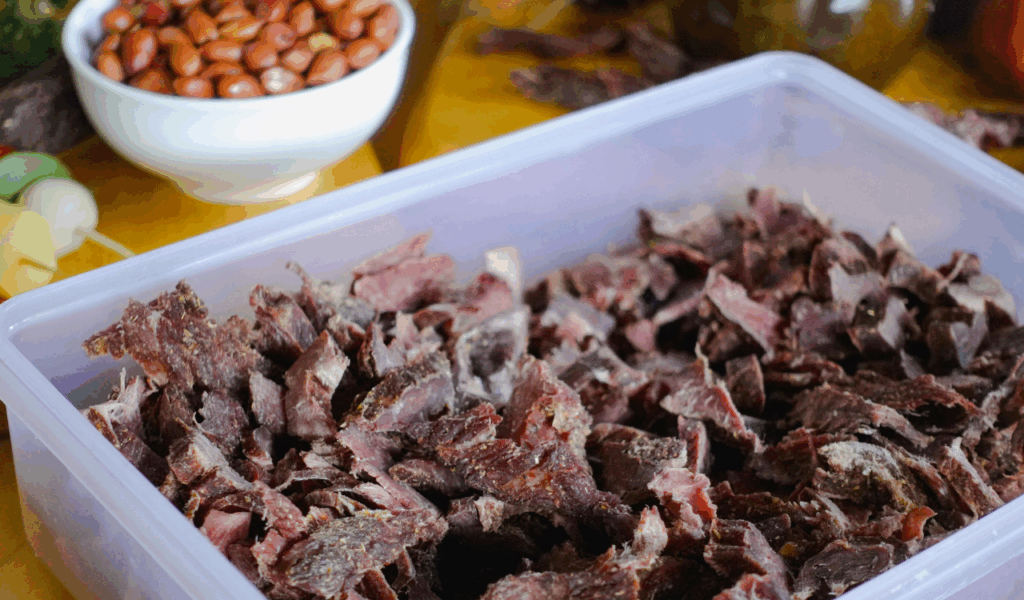
Some barbecue places sell “house smoked” jerky or “burnt end” jerky as a snack, but experts say these are usually merely commercial items that have been rehydrated. Experts who flip culinary trends say that preparing jerky in a genuine smoker is a long, moisture-wicking procedure that is challenging to perform in a commercial kitchen without a special dehydrator. Experts claim that restaurants often buy a lot of manufactured jerky and put it in a warm smoker for a few minutes to get a surface aroma. This makes the product too salty and “chemically” sweet, and it doesn’t have the dry, meaty snap of a real pit-cured strip.
Food scientists say that commercial jerky is full of sugar and nitrates to keep it from going bad, which is the opposite of fresh-smoked jerky. People that make snack menus say that the “house” branding lets them charge three times as much for a bag of jerky as a regular one. Experts say that if the jerky is soft, flexible, and very sticky, it probably came from a factory that used high-fructose corn syrup. A real house-smoked jerky will be tough, dry, and have a strong beef flavor that isn’t covered up by a heavy layer of artificial glaze.
9. “Liquid Smoke” Infused Pastrami
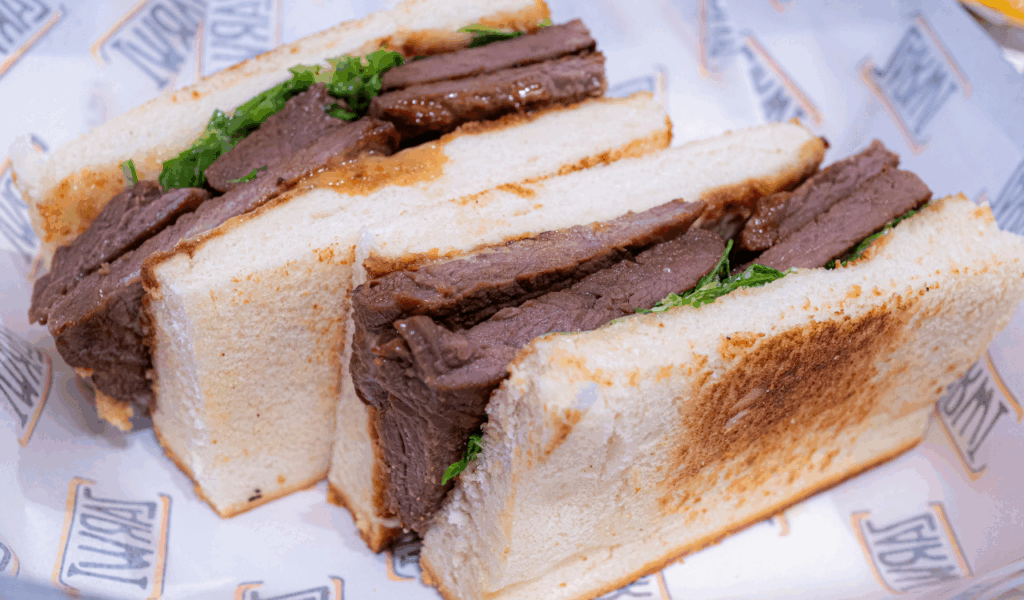
Brining and smoking pastrami takes a lot of time and effort, yet many delis utilize a “shortcut” that pitmasters can spot right away. Real pastrami, according to skilled pitmasters, should have a thick, peppery “crust” with a light smoke flavor. Experts say that a lot of kitchens buy “pre-brined” corned beef and then just cover it in black pepper before putting it in a regular oven to cook.
Then, to give the meat a little smokey smell, they add “liquid smoke” to the steaming water. This “fake” pastrami is really just corned beef with a lot of pepper on it, although it is often advertised as a high-end “house smoked” item.
Restaurant experts say that the “cost” of creating authentic pastrami from scratch, which includes weeks of brining, is too costly for most modern kitchens. Deli menu designers say that by employing a precooked base, they can make sure that the product is “safe” and always the same quality.
Experts believe that if the meat is brilliant neon pink all over and doesn’t have a clear “grey-pink” gradient from the smoke, it hasn’t been cooked over a real fire. A authentic pastrami features a thick, hand-applied pepper crust that has been fused to the flesh by hours of actual wood smoke and steam.