10 Tufted Headboards That Flatten and Pill Within Months

When you look at glossy interior design feeds, it’s hard to resist the appeal of a velvety, button-tufted headboard. These pieces will add a sense of elegance and architectural intrigue to any bedroom, but skilled interior designers say that not all tufting is the same. A lot of cheap solutions that you can find at big-box stores are made to look good instead of last long, which makes them look “deflated” before the first year is even up.
Furniture restorers say that the quality of the inside cushioning is often the main problem. High-end items employ high-density foam or real horsehair, but cheaper ones use low-quality poly-fill or thin layers of sponge. These materials don’t have the strength to hold up to the pressure of someone lying back to read or watch TV every night. When the fibers break down, the fabric loses its tension, which makes it seem sagging and almost impossible to restore without completely reupholstering it.
1. The Ultra-Lightweight Polyester Velvet Model

Polyester velvet is a common material in the “fast furniture” sector since it looks like silk but costs a lot less. Textile specialists, on the other hand, say that thin synthetic velvets have a very low Martindale rating, which shows how long a fabric will last. after less expensive tufted headboards, this fabric is stretched too thin over the buttons, which makes the pile “bald” or pill up after just a few months of use.
Before you buy, designers say you should verify the fabric’s weight. If the material seems thin or like plastic when you touch it, it probably won’t last through the rubbing of your pillows. One experienced upholsterer states, “When the velvet is low quality, the friction from your hair and head breaks and tangles the fibers.” This makes small balls of fluff called pilling, which damage the tufting’s elegant elegance and make the whole bed look old and worn.
2. The Budget Faux-Linen Panel Bed
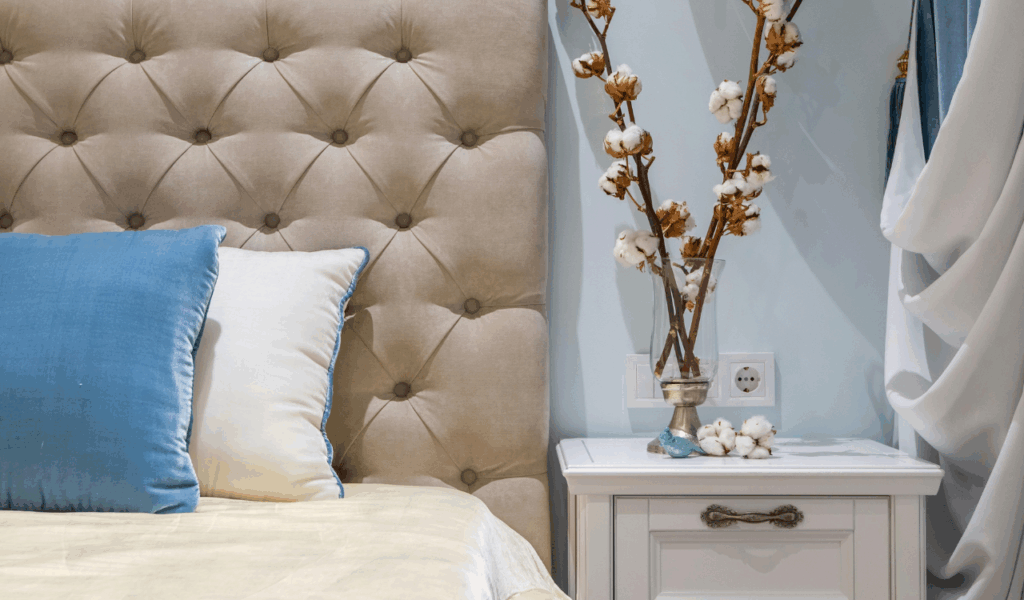
Faux-linen is usually a mix of inexpensive cotton and polyester. It doesn’t have the long-staple fibers that real flax linen does. Professional home stagers say that these headboards typically seem great in pictures but don’t look good when you sit on them. The weave is loose, so the tension needed to keep the tufted buttons in place gradually rips the cloth apart, leaving little holes or tears around the buttonholes.
Also, the “linen” fibers in these cheap models tend to fall out. The short fibers rub against each other as you move against the headboard during night, making the surface fuzzy. Experts claim that this is a sign that the cloth is starting to break down. The tufting’s sharp, clean lines start to fade after a few months, and the internal batting starts to move through the fabric’s looser weave.
3. Thinly Padded “Stitch-Tufted” Designs
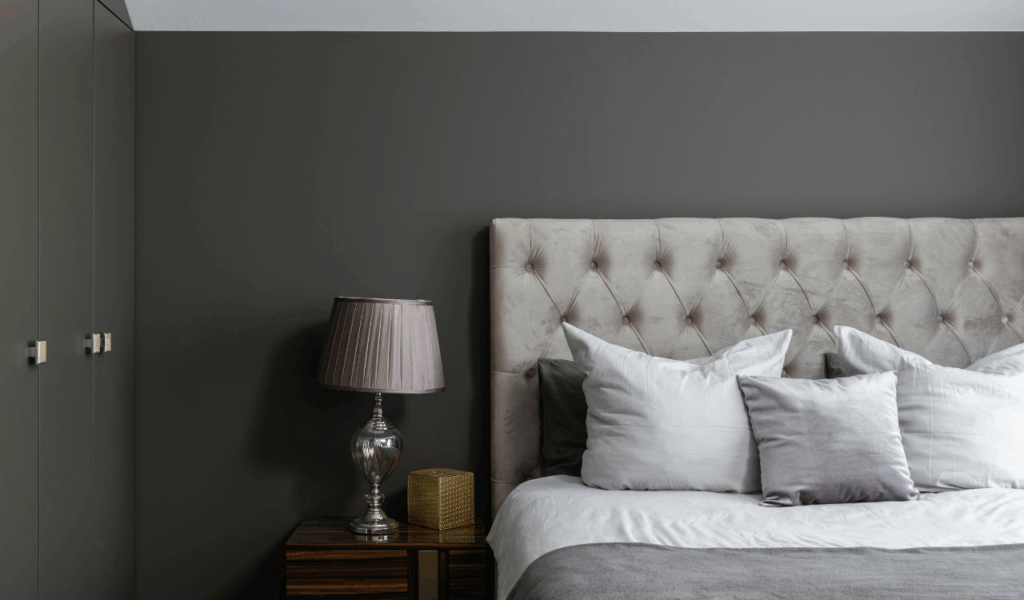
Not all tufting uses real buttons and deep folds. Some cheaper models employ “stitch-tufting,” which means that a machine just sews a design onto the fabric. Interior designers say that these are the ones that are most likely to flatten. Without a button pulled through to the wooden frame, the thin layer of batting can move and compress with even the smallest amount of pressure.
Furniture makers say that these designs often use the thinnest foam they can find to keep prices down. The foam loses its “memory” and capacity to bounce back practically right away because it is only an inch or two thick. You end up with a flat, rigid board that doesn’t feel good and doesn’t look like the fluffy, three-dimensional piece you saw online. It’s a typical case of style over substance, where the look is only skin deep and won’t last long.
4. The Microfiber Deep-Button Headboard

People used to think microfiber was a wonder fabric since it didn’t get stains, but expert cleaners say it tends to collect oils and flatten over time. The thousands of microscopic hooks in the microfiber grab on each other when they are used in a tufted way. When you lean on it, the pressure “mats” the fibers down, making dark, flat spots that look like stains but are really simply crushed fabric.
Designers say that microfiber tufting is more likely to pill because the synthetic loops are so little. When the oils from your skin or hair products touch the material, the fibers break and become brittle, which makes the surface feel rough and pebbly. Experts claim that microfiber is commonly used to cover up cheap, soft foam, which is why it loses its shape so quickly. The deep “valleys” of the tufting go away in a few months as the foam breaks down and the fabric becomes a bland, flat surface.
5. Bonded Leather Tufted Varieties

Bonded leather is like “particle board” for fabrics. It is formed from shreds of leather that have been crushed up and glued together with polyurethane. It looks great in a showroom, but it’s known to be bad for tufted furniture. When tufting, the material has to be folded and tucked under a lot of pressure. Bonded leather is too fragile to endure this for a long time. The surface starts to fracture and peel at the regions of tension within a few months.
Experts in upholstery say that the “leather” skin loses strength and starts to wrinkle and flake as the foam underneath flattens. Real top-grain leather has a patina and expands over time, whereas bonded leather just falls apart. The headboard looks bad when the backing material starts to pill and the surface starts to flake off. That’s why professional flippers normally stay away from bonded leather: it makes a home’s interior look much less valuable in a very short amount of time.
6. The Loose-Fill “Cloud” Tufted Style
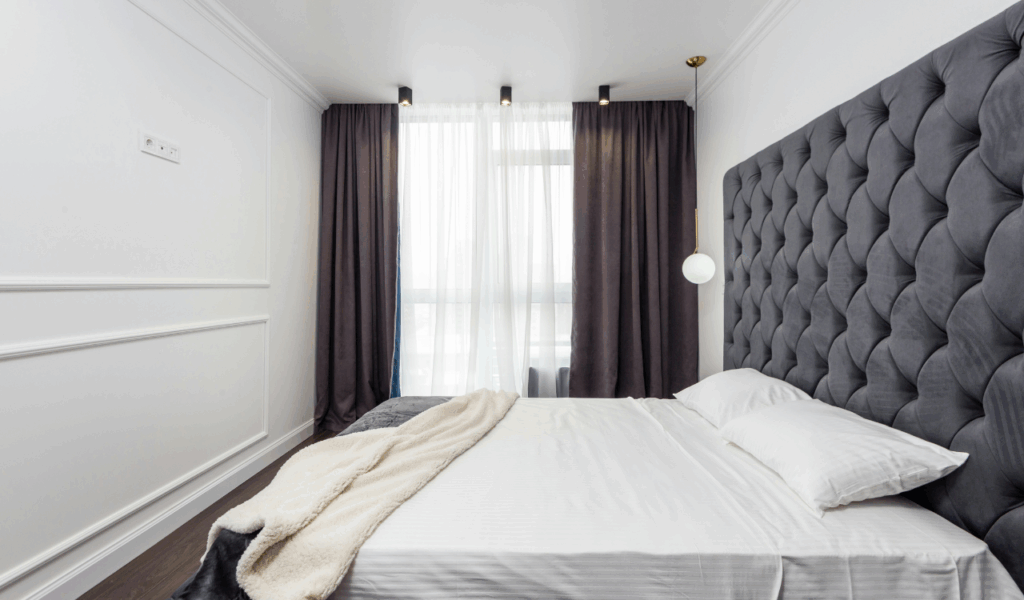
The “cloud” style is popular right now. It has big, soft tufting that looks like a bunch of pillows. But organizers and furniture experts say that these are commonly packed with loose poly-fill instead of rigid foam blocks. Because the fill is loose, it sinks to the bottom of each tufted portion, which makes the top look empty and wrinkled.
Furniture testers say that these headboards pill quickly since the cloth isn’t kept tightly against a hard surface. The extra “slack” in the fabric lets it brush against itself, which causes friction that makes it pill right away. Without a strong core, the tufting doesn’t support your back, and the item turns into a lumpy, uneven jumble that doesn’t look good anymore. This is an expensive lesson on why bedroom furniture should be strong and not just look good.
7. Direct-to-Consumer “Box” Headboards
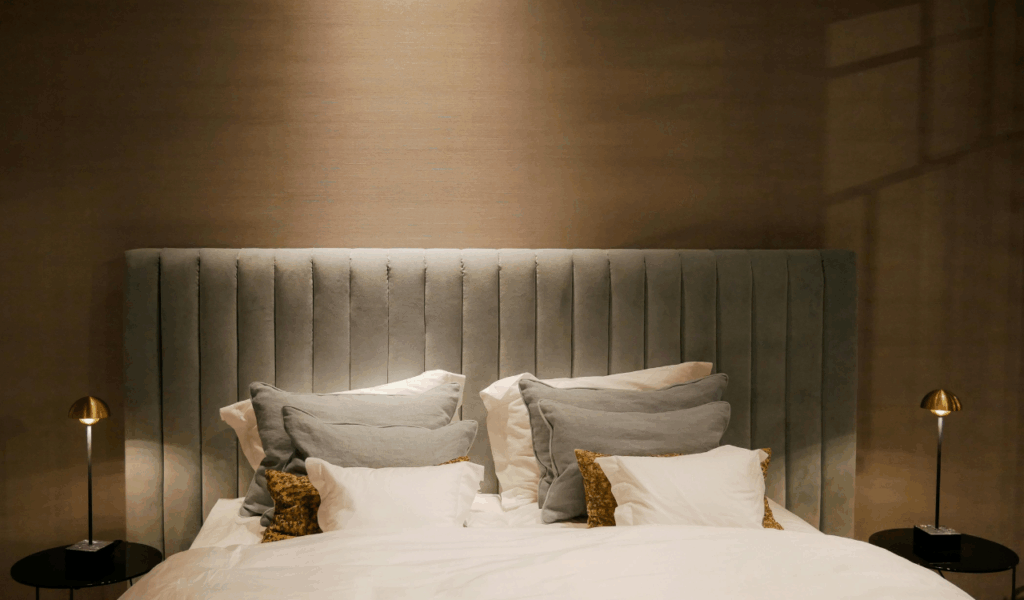
Because of the development of “bed-in-a-box” firms, there are now a lot of tufted headboards that are supplied flat. Designers say that foam that can be vacuum-sealed and rolled into a tight cylinder is low-density by definition, even though it is convenient. This foam often doesn’t get as thick as it should be after being shipped, and its cellular structure is already damaged before you even put it up in your room.
Experts in furniture claim that this foam doesn’t have the “push-back” that keeps the cloth surface tight because it is so airy. Because of this, the fabric starts to ripple and pill almost right away as it moves over the flimsy foam basis. “Designers say to stay away from headboards that come rolled,” because the compression procedure can leave permanent wrinkles in the cloth and make the tufting look less crisp. After just a few weeks of putting it together, your headboard will seem old and “used.”
8. Chenille Fabric Tufted Boards
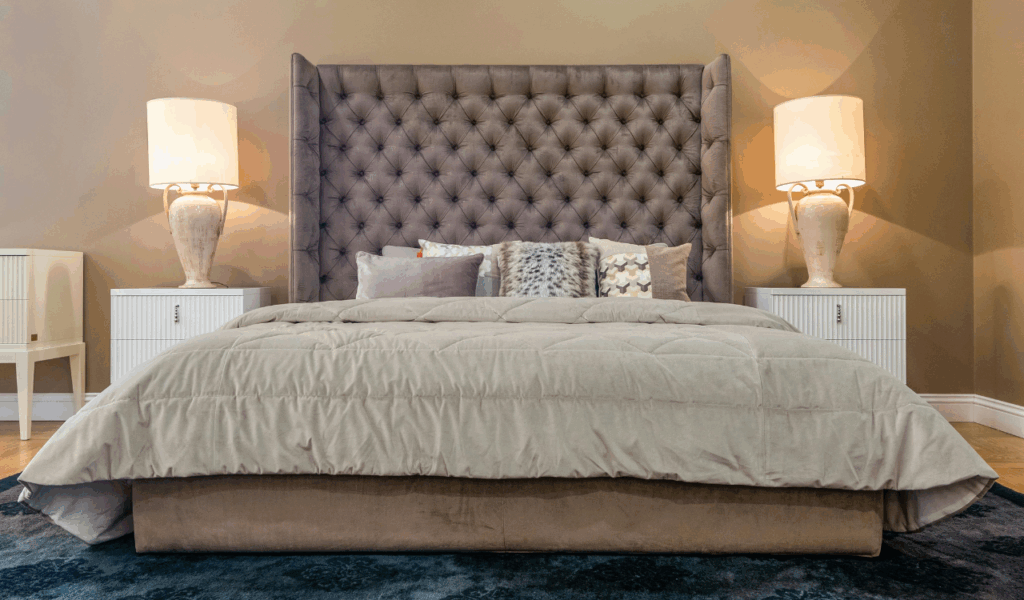
People love chenille because it feels like a caterpillar, yet it is one of the weakest fabrics for tufting. “Tufts” of yarn are held together by a central thread in the way chenille is woven. When you put pressure on the threads in a tufted headboard, they come loose from the weave. This causes a process called “shredding,” in which the cloth starts to come apart at the seams and button points.
Professional cleaners often find chenille headboards that have “gone bald” in the middle, where the person’s head lays. When you heat and rub the soft yarns together, they flatten and turn into hard knots. Textile experts say that chenille doesn’t have the dimensional stability needed for the tight folds of deep tufting. In a few months, the once-soft surface turns into a succession of flat patches and fuzzy pills, losing the beautiful, textured aspect that made it look good in the store.
9. Low-Density Foam “Deep Diamond” Models
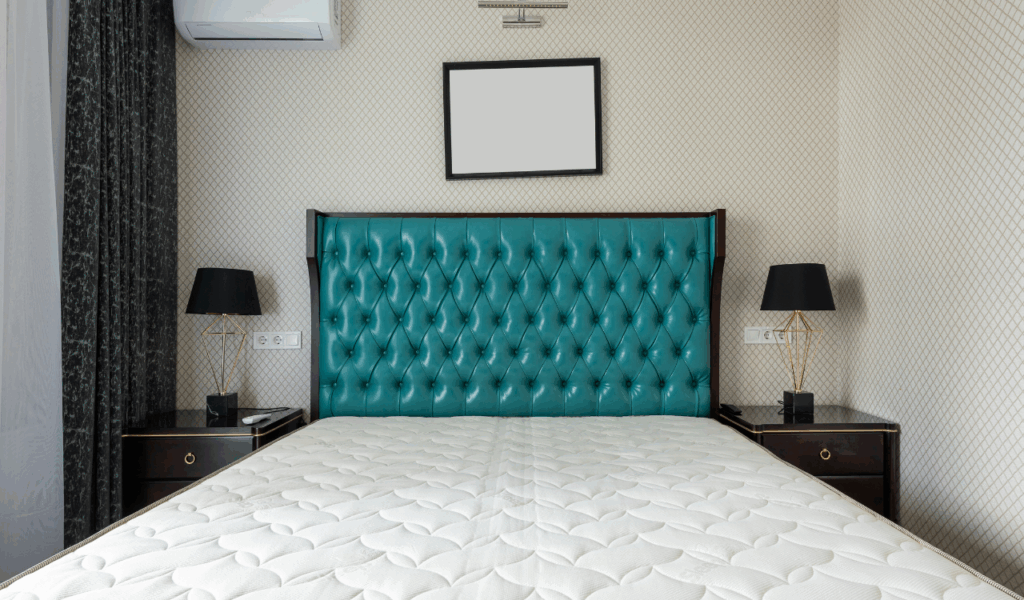
To get the “Deep Diamond” appearance right, you need a lot of talent and high-quality materials. But mass-market versions often use low-density foam that is only a little bit denser than a kitchen sponge to save money. When you lie back, the foam compresses all the way to the wood frame, and after a while, it can’t “spring” back up.
Experts suggest that the “diamonds” get shallower and more deformed as the foam flattens. The cloth, which was originally tightly stretched into the folds, starts to sag and bunch up. This extra fabric scrapes against your pillows and bedding, which causes pilling. “Interior designers say that a good tufted headboard should feel firm, not soft.” If the diamonds feel too soft when you push them, you can be sure that the headboard will be flat and fuzzy by the end of the year.
10. The Velvet-Effect “Printed” Fabric Headboard
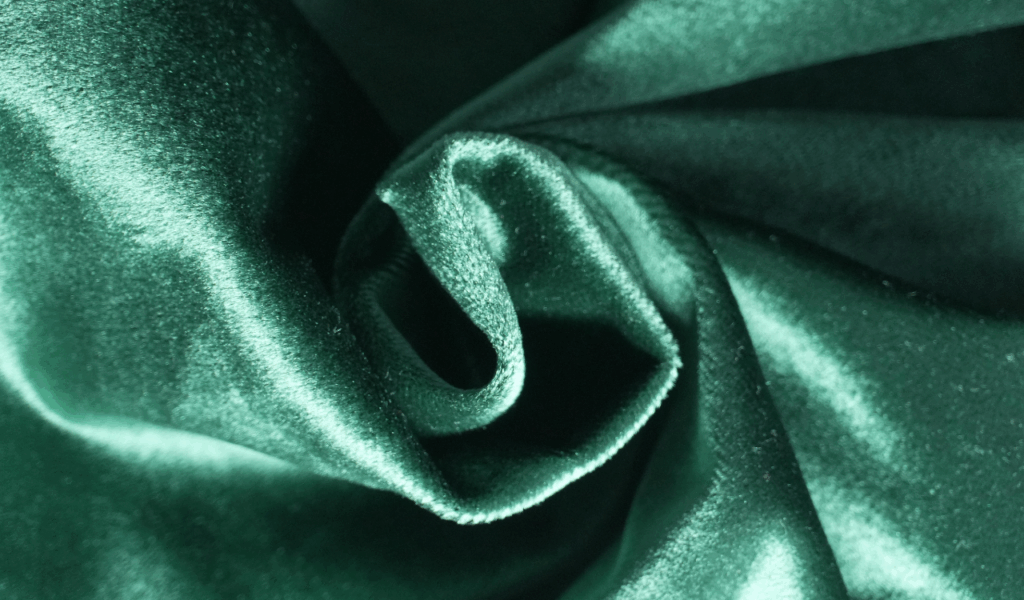
Some of the most misleading budget headboards don’t even have velvet on them. Instead, they have a flat polyester fabric with a printed “velvet” appearance. They are generally sold for very low prices and break down the fastest. The “pile” is only an optical illusion, and the fabric is really a flat weave, so it has no strength. The printed surface wears away from everyday use, producing dazzling, flat bald areas.
Professional organizers say that people often throw these things away within a few months because they can’t be cleaned or fixed. When they touch cotton sheets or hair, the thin synthetic fibers pill practically right away. Experts say that these “printed” materials typically have a stiffening substance on the back that breaks when the headboard is used, making a crunching sound and a lumpy feel. This is the best example of a “throwaway” piece of furniture that doesn’t live up to its promise of making your bedroom seem great for a long time.