10 Grocery Deli “Fresh Roasted” Chickens That Sat Overnight
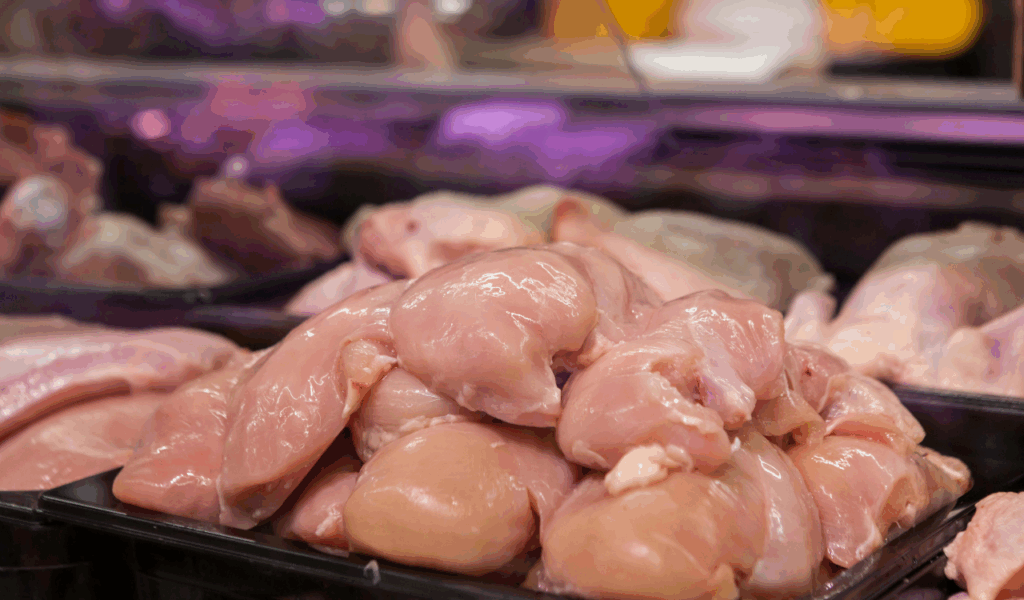
Due to its low price and hot, “freshly roasted” meal, the rotisserie chicken is the best grocery store purchase. But reality can be less appealing beyond the heated oven glass. Chefs and grocery store consultants say “freshly roasted” is occasionally used for birds that have been under heat lamps for hours or were cooked the day before and reheated.
Professionals say rotisserie chickens are “loss leaders” that draw customers in. Busy shifts can lower quality control. Managers say the window for a flawless rotisserie chicken is quite narrow. Gravy cannot save meat that becomes dry and stringy after four hours under a heat lamp.
According to food safety experts and retail analysts, “freshly roasted” usually refers to the batch date rather than the chicken’s quality at a busy deli. Professional grocery store secretaries believe leftovers are rarely wasted. Instead, they become chicken salads or go on the warming rack till last minute.
Insiders say the roasting station at the back of the supermarket is often scented artificially to mask the birds’ morning shift seating. The rotisserie station’s fragrance drives shoppers past every other aisle, according to grocery layout designers. To avoid a rubbery chicken dinner that spent more time under a light bulb than in the oven, know the signs of a “held” chicken.
1. The “Sunken Breast” Telltale Sign
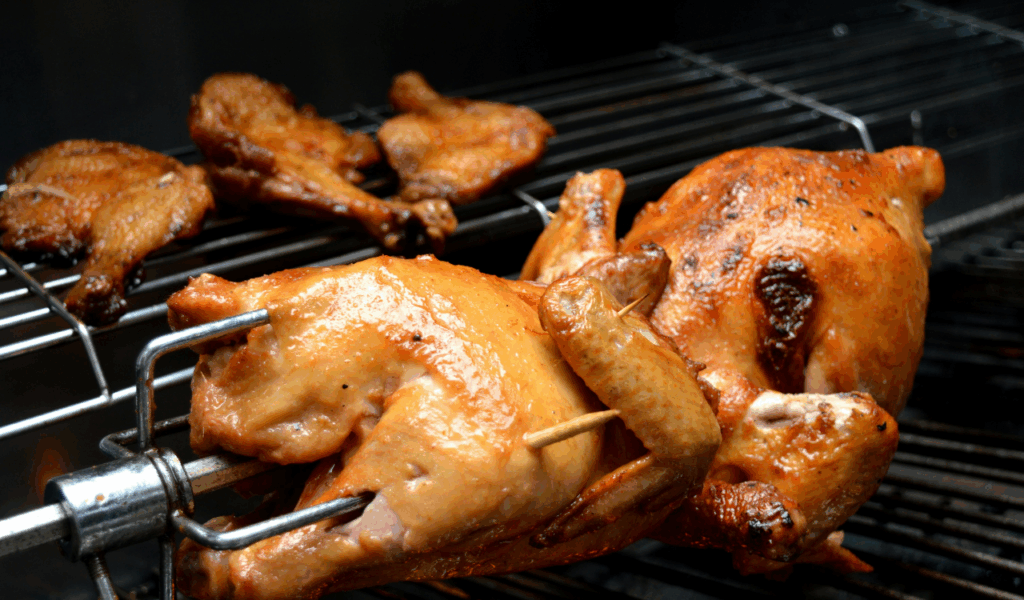
A rotisserie chicken that has been under the heat lamp for too long will have a breast area that is obviously sunken or deflated. Professional chefs say that the muscle fibers in a chicken lose moisture and start to contract when it sits. Experts believe that a bird that is really fresh will have a chest that is round and full and feels firm to the touch. When the skin sags into the cavity and the meat pulls away from the bone, it’s a clear sign that the chicken has reached its “holding limit.” When you carve it at home, it will probably be dry and flavorless.
Kitchen supervisors claim heat bulbs in deli cases keep food safe but slowly dry it out. Food display case designers say the strong light “cooks” the bird’s moisture over hours. The chicken should still look “lifted.” If it looks like it’s going to come apart, it’s either been sitting out since early morning or was a leftover from a previous batch sent to the front of the line, according to experts.
2. Rubbery, “Sweated” Skin Texture
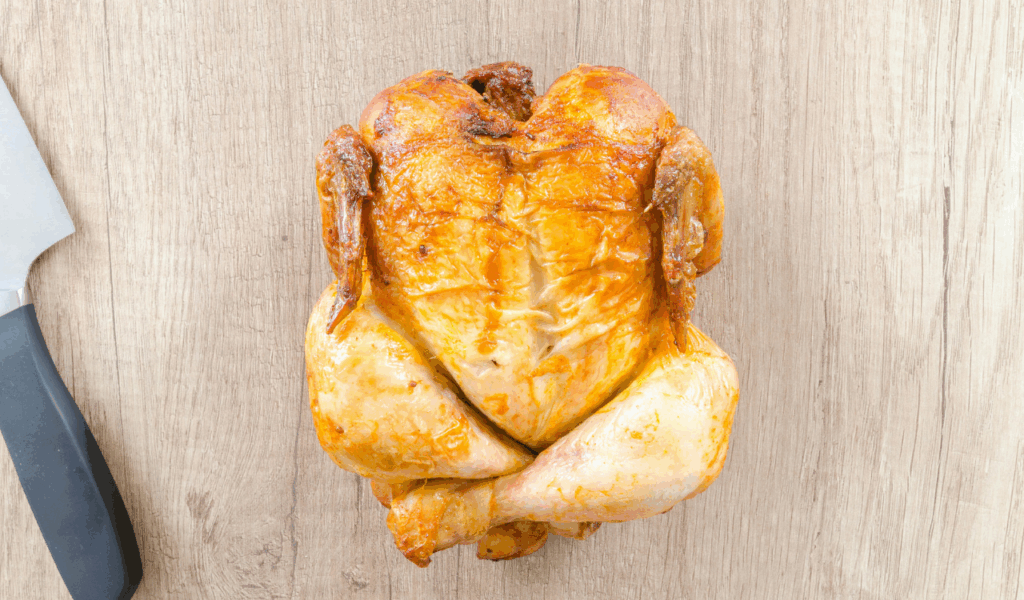
Experts say that birds that lie overnight or for a few hours become “rubbery.” Freshly roasted chicken should have skin that is either crispy or somewhat taut. Experts say that this happens because the steam trapped inside the plastic dome container starts to “sweat,” which means it starts to re-moisturize the skin from the inside out.
Once the skin loses its crispness and becomes translucent or gummy, the bird has lost the textural contrast that makes rotisserie chicken so appealing. A bird that has been in a warm, humid place for too long will have skin that feels rubbery.
Some supermarkets will lightly spray older chickens with oil to make them look “fresh,” but the texture is still a dead giveaway. Food scientists say that the skin protects the meat. When it becomes wet, it doesn’t keep the juices in anymore. Food package designers say that the plastic domes are great for transporting food, but they are terrible for keeping it for a long time. If you detect condensation at the bottom of the container, the chicken has been “steaming” in its own juices for too long, making it taste bland and mushy.
3. Dark, Dry Wing Tips and Drumstick Ends
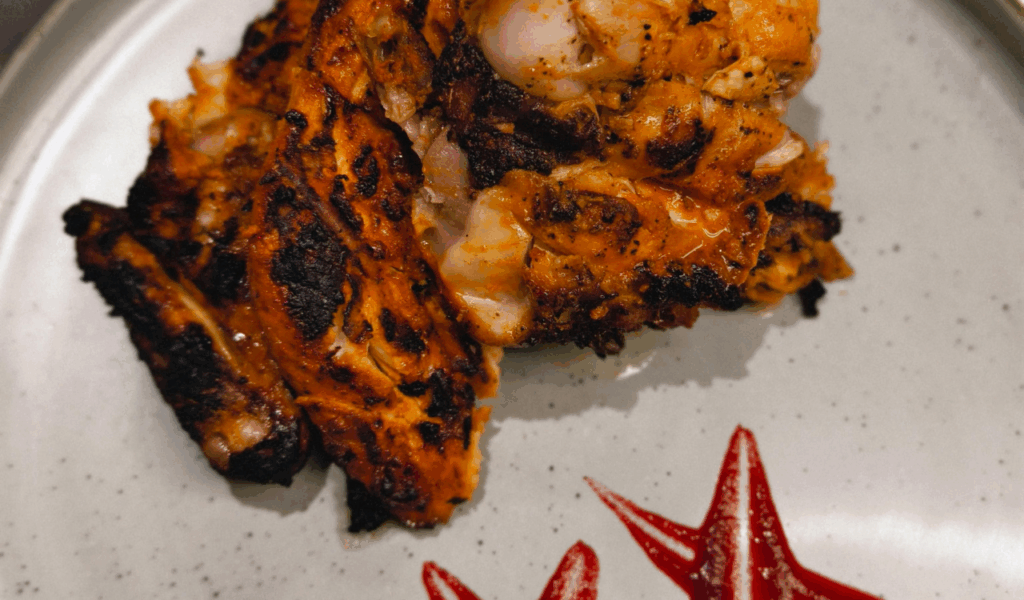
The wing tips and ends of the drumsticks are the first parts of the chicken to exhibit signs of being too hot from heat lamps. Professional cooks say that these parts have the least quantity of oil and meat, which makes them burn and dry up quickly. Experts say that if the tips of the wings appear like brittle charcoal or the bone at the end of the leg is very white and splintered, the bird has been in the heat for too long. These “burnt” marks are a clear warning that the bird’s internal temperature has probably gone up a lot higher than it should have.
People who work in grocery store delis say that these dried-out bits are generally the first things staff look at when they decide which birds to “pull” for chicken salad. Designers of rotisserie ovens say that the constant rotation is supposed to make sure that the food cooks evenly. However, when the chicken stops moving and sits in a warming tray, the heat is no longer spread out.
Experts say that the ends of a fresh chicken should be golden brown and look juicy. If the ends of the bones seem “bleached” and the tips of the wings are sharp and hard, the chicken has been sitting long enough for the collagen in the joints to dry up entirely.
4. The “Gray Meat” Bone Connection
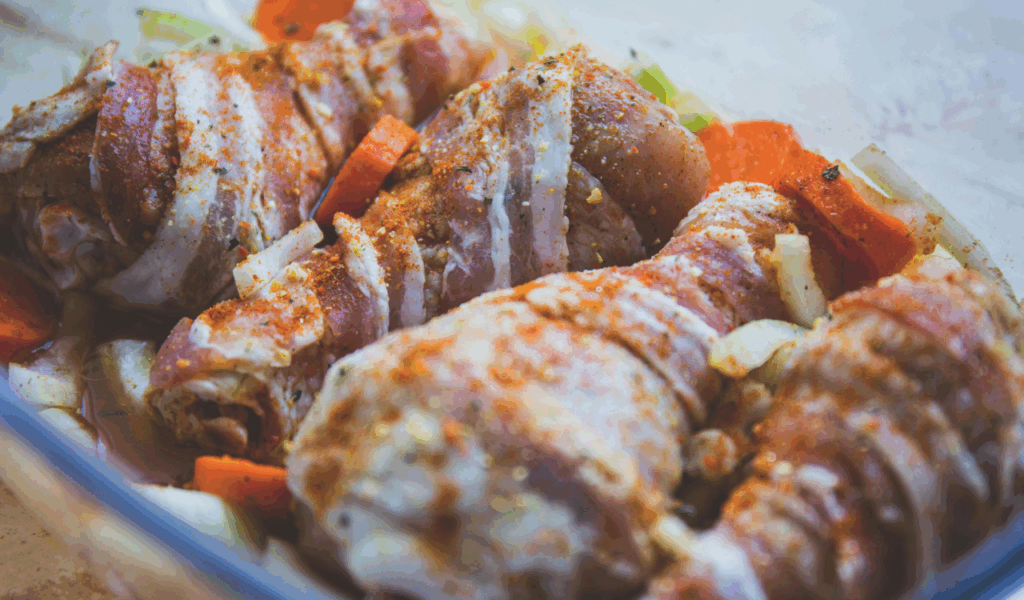
If you cut into a rotisserie chicken and see that the meat near the bone is gray or dark brownish-gray, it usually means that the bird was “held” and then reheated. Food safety experts say that this color change happens when the marrow in the bones leaks into the meat around them when it is slowly cooling and reheating.
Experts suggest that the meat around the bone of a freshly cooked bird should be white or light pink. Grayish meat is a sign that the chicken has gone through “thermal cycling,” which makes the taste and safety of the meat much worse.
Professional chefs say that this “bone staining” happens more often in birds that were cooked, put in the fridge overnight, and then put back under the heat lamps the next morning. Kitchen managers said that this is a standard way for smaller delis to “save money.”
People who make rules for food safety in stores say that even though the inside temperature may be okay, the quality is not. If you taste metal or feel mushy near the joints, the bird is not fresh. Experts say that buyers should always verify the “packed on” time stamp, but they should be careful because deli staff can readily change or switch them.
5. Salty, “Cured” Flavor Profile
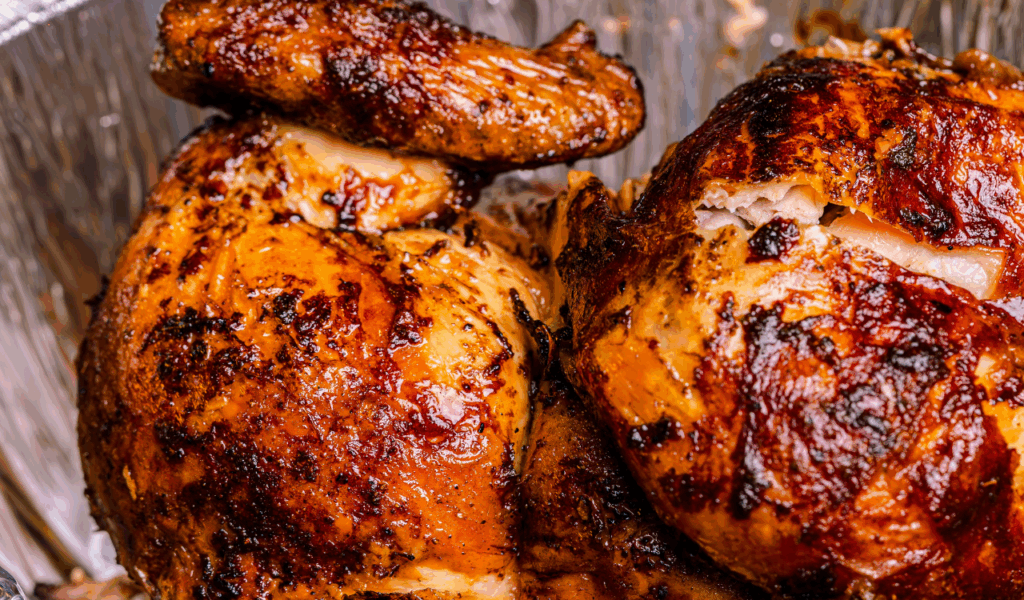
To keep rotisserie chickens wet, they are thoroughly brined. However, experts say that when the chicken lies under heat lamps, the water evaporates, which makes the salt content stronger. Nutritionists say that a chicken that has been sitting for a few hours can taste very salty, like ham or cured meat.
Experts claim this “salt creep” happens because the brine doesn’t go away; it merely gets stronger as the meat fibers get smaller. If your “fresh” chicken tastes like a salt block, it’s a sure sign that the bird has been losing moisture for hours on the warming rack.
Professional chefs say that this strong salinity is often employed to cover up the “stale” taste of meat that isn’t fresh anymore. According to the people who make commercial marinades, the high sodium concentration provides a “safety net” for the retailer. However, if the bird isn’t sold inside its prime window, the marinade becomes a culinary failure.
Experts say that a fresh chicken should taste flavorful and balanced, with the taste of the meat still being strong. If the salinity is “brain-searing” and the meat has a bouncy, processed texture, you are probably eating a bird that has been sitting long enough to go through a second curing phase.
6. Disintegrated “Mushy” Texture in the Thighs
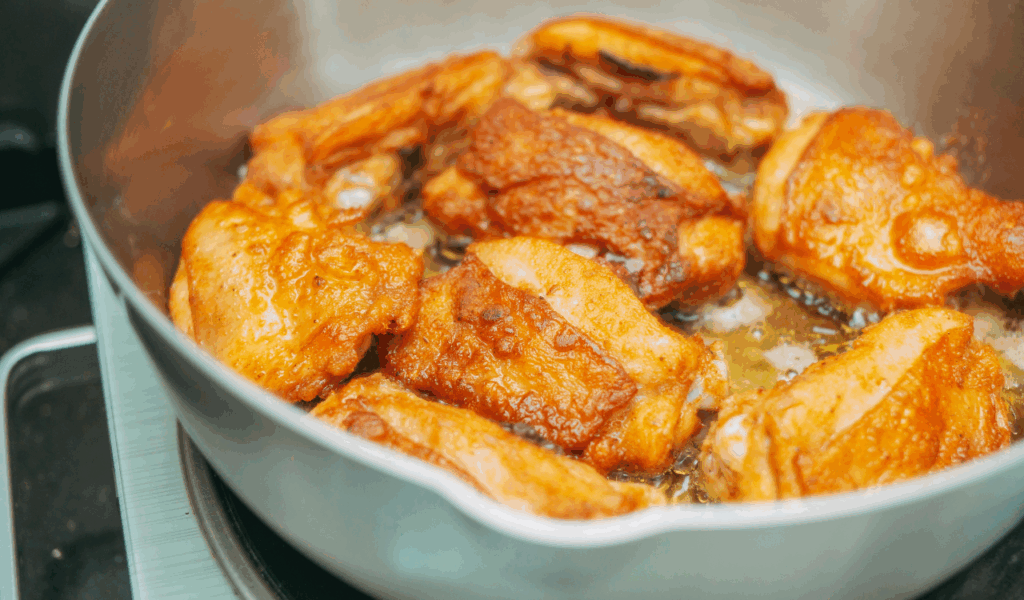
The breast meat dries out, but the darker meat in the thighs and legs can get “mushy” if the bird sits for too long. Culinary experts say that the fat and connective tissue in the thighs start to break down totally when they are under the continual heat of a deli lamp. Experts claim that the meat doesn’t stay juicy and tender; instead, it gets “over-braised,” which means it loses all its structure and acquires a paste-like consistency. People often comment that their bird has this “disintegrated” feel since they bought it by mistake and it had been cooked the night before and kept warm.
Kitchen supervisors said that the chicken is mushy because it “cooked” in its own fat for a long time. Designers of rotisserie equipment say that the best holding time is less than two hours, however many establishments make this last four or six hours. If you can pull the thigh bone out without any trouble and the meat doesn’t have any “bite” to it, experts say the bird is over-held. According to professional grocery secret flippers, these “mushy” birds are frequently the ones that were put at the back of the warming oven, where the heat is strongest and doesn’t move very much.
7. Accumulated “Gelatinous” Fat at the Bottom
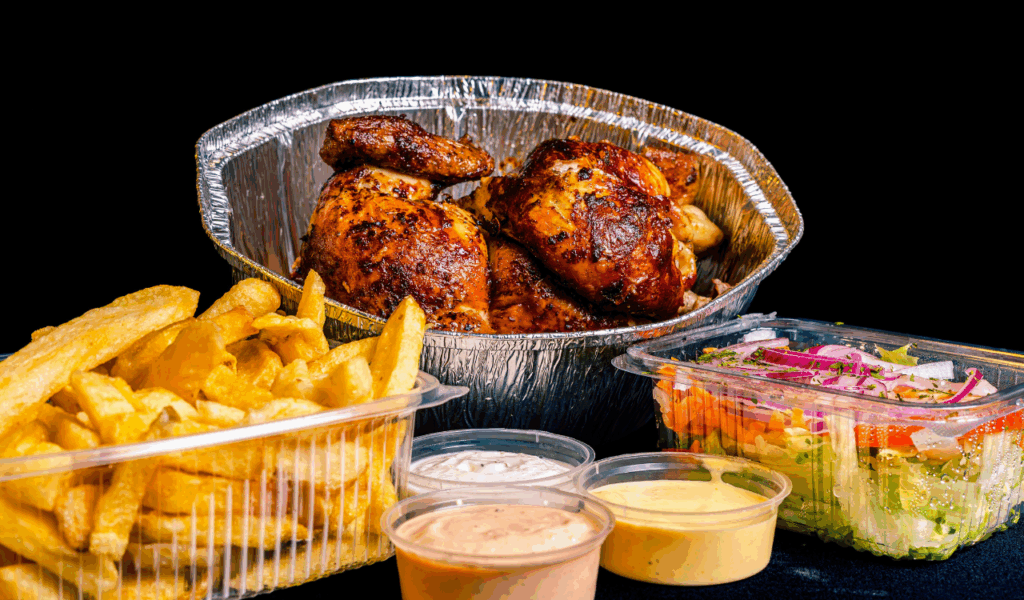
If you see a thick, jelly-like coating of congealed fat at the bottom of the container, that’s a big sign that the rotisserie chicken is old. When a chicken is fresh, the liquids and fats are thin and liquid, say experienced chefs. Experts claim that when chicken cools down and settles, or when it is reheated, the natural collagen and fat start to turn into a jelly-like material. If you detect a “cake” of white or yellow fat at the bottom of the plastic pan, the chicken has either been resting for too long or has already gone through at least one cooling cycle.
People who work in grocery delis say that fresh birds will have obvious, runny drippings. The “deep well” at the bottom of deli containers is meant to keep the bird out of the grease, but it also keeps track of how long the bird has been there. Experts say that if the juices look “cloudy” or thick, the bird is not fresh. Professional organizers say that this congealed fat is a sign of age and that it makes the bottom of the chicken oily and soggy, which ruins the flavor of the black meat and the underside of the bird.
8. Stringy, “Woody” Breast Fibers
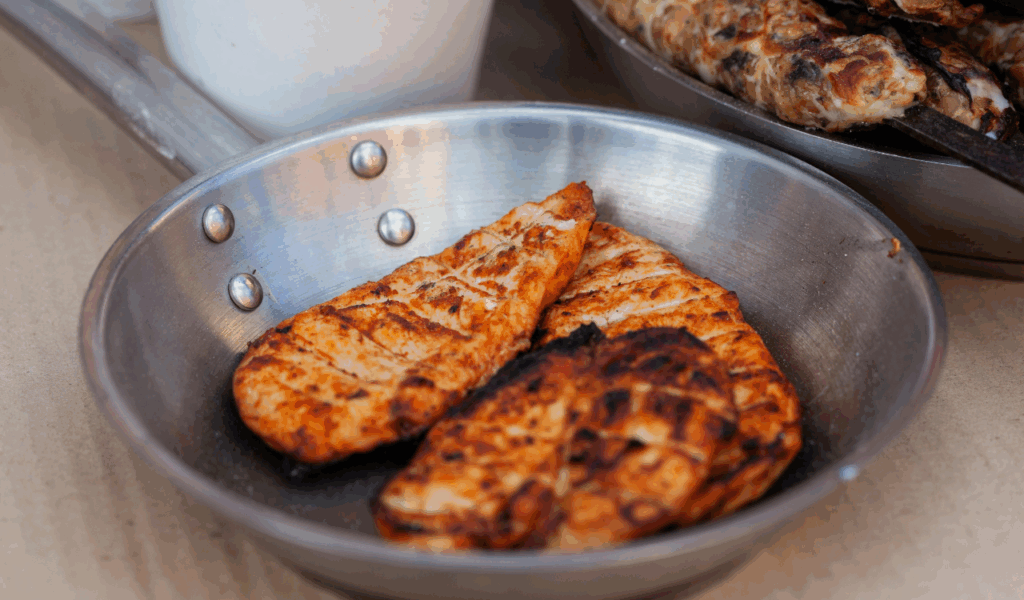
If the protein in rotisserie chicken breast gets too hot for too long, it will become “stringy.” Food scientists say that using dry heat for a long time makes the protein strands in the breast meat tighten and break apart. This makes the meat feel “woody,” which makes it hard to chew. Experts claim that a new chicken breast should be smooth and easy to cut. If the meat breaks into long, dry strings as soon as you touch it with a fork, the bird has been “dead on the rack” for a long time.
Professional chefs say that this stringiness can’t be fixed and is a sign of severe dehydration. Designers of industrial rotisserie programs say that the “injection” of brine is supposed to stop this from happening, but even the best brine can’t stand six hours under a heat lamp. Experts say that those who are buying chicken should feel the weight of the container.
A “fresh” bird is heavy with moisture, while a “old” bird feels strangely light for its size. It is a recycled special that should be avoided if the breast meat feels “hollow” or looks like it has been shredded while still on the bone.
9. The “Off-Aroma” of Reheated Fat
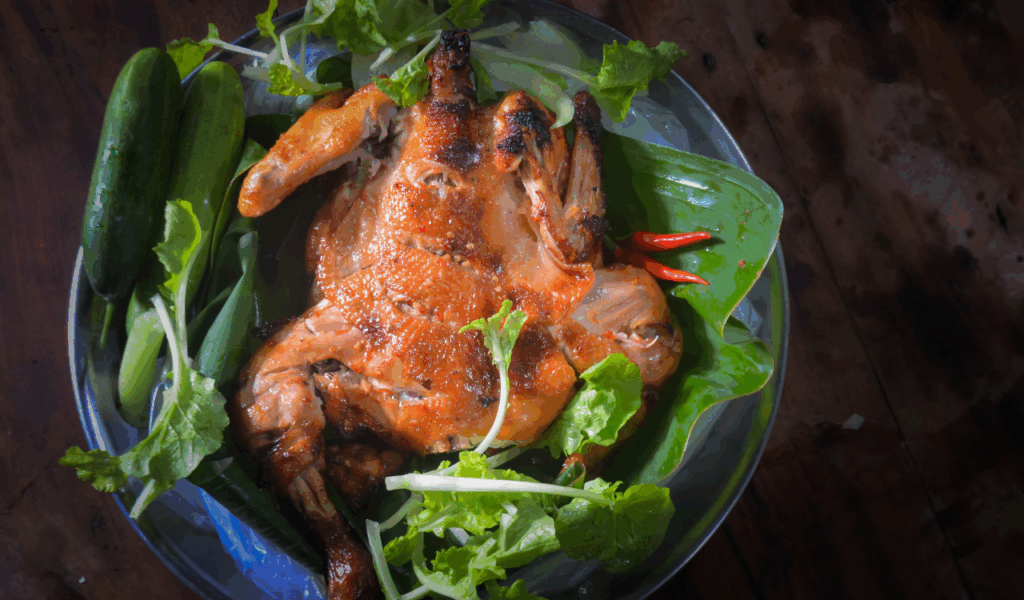
Fresh rotisserie chicken smells clean and flavorful, like roasted meat and herbs. But experts say that “held” chickens smell “off” because their fats have oxidized. Food chemists say that when poultry fat rests under heat lamps, it starts to oxidize lipids, which gives it a smell that is a little like “cardboard” or “stale.” Experts warn that if the chicken smells more like a deep fryer than a roast that was made at home, the fat has probably started to break down. A turkey that isn’t fresh from the oven will have this “warmed-over flavor.”
Kitchen supervisors say that the deli section often smells like a lot of other things, which helps cover up the stench of an old chicken. Designers of grocery store ventilation systems say that the smell is a big part of the sale, but it can be misleading. If the chicken has a greasy flavor that sticks to the roof of your tongue, experts say that the fat has oxidized. If the chicken doesn’t smell like fresh herbs and roasting flesh, put it back on the rack. Professional grocery secret flippers say to smell the chicken through the vents in the plastic dome before buying.
10. Mismatched “Sold On” and “Cooked On” Times
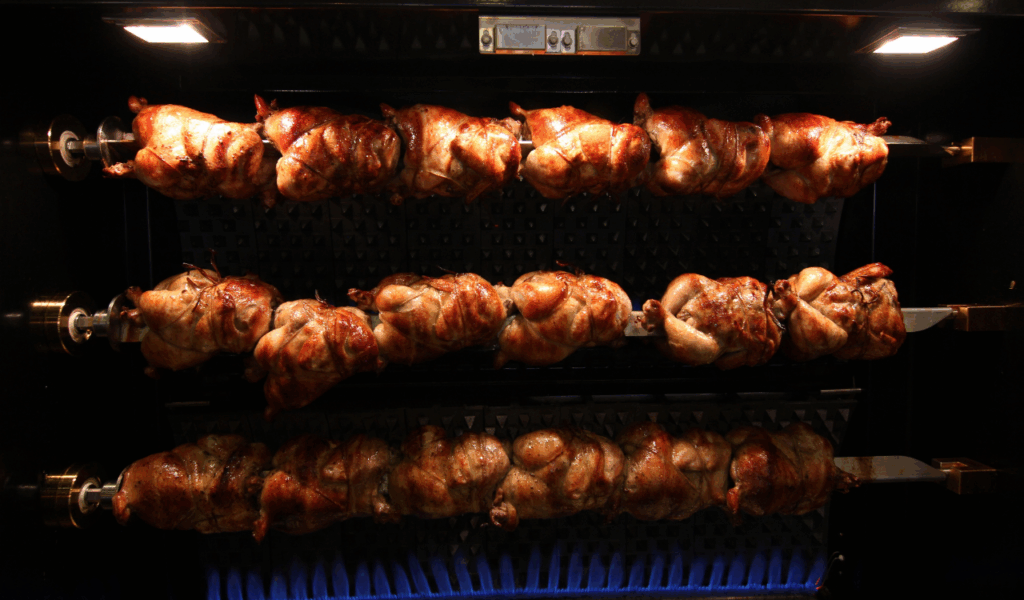
The last and most objective failure is that the chicken’s labels don’t match. Some grocery stores will use a “Sold On” date that is different from the “Cooked On” time, say retail experts. Experts note that if the label merely has a “sell by” date, the chicken could have been cooked as long as 24 hours before.
Professional flippers say that deli workers sometimes “re-sticker” chickens that didn’t sell the night before to make them look like they came from the morning batch. If the time stamp is hard to see or there are a lot of stickers on the container, the chicken is a “zombie” chicken.
According to the people who make supermarket labeling software, these systems are supposed to keep track of how fresh things are, but they are only as honest as the person using the printer. Experts say that smart customers should search for the “log” that is normally kept near the rotisserie oven. This log shows the pull times for each batch.
If the crew looks unsure about when the bird came out of the oven, that’s a big red sign. For a meal that is really fresh, smart buying habit designers say to wait for the “alarm” that tells you a new batch is being pulled. This way, you can be sure you get a chicken that is hot and freshly roasted.