9 Living Spaces That Look Thoughtful but Don’t Actually Function Well
When it comes to home design, appearances can be deceiving. A living space may seem stylish, curated, or Pinterest-ready, but if it doesn’t serve everyday needs, it quickly becomes frustrating for the people who use it. Functionality, flow, and comfort often get sacrificed for symmetry, color palettes, or statement pieces. From cramped entryways to oversized furniture layouts, many “thoughtful” spaces hide hidden inefficiencies that only reveal themselves in daily life.
Design experts warn that aesthetic appeal alone does not guarantee usability. Elements like circulation paths, storage, lighting, and surface accessibility are often overlooked in favor of cohesive color schemes or dramatic décor. The result is a home that looks impressive in photos but leaves occupants tripping over clutter, struggling with furniture placement, or adjusting daily routines to accommodate impractical layouts. Recognizing common missteps can help homeowners balance visual appeal with genuine function, ensuring spaces that support comfort, productivity, and mental ease.
1. The Over-Styled Entryway
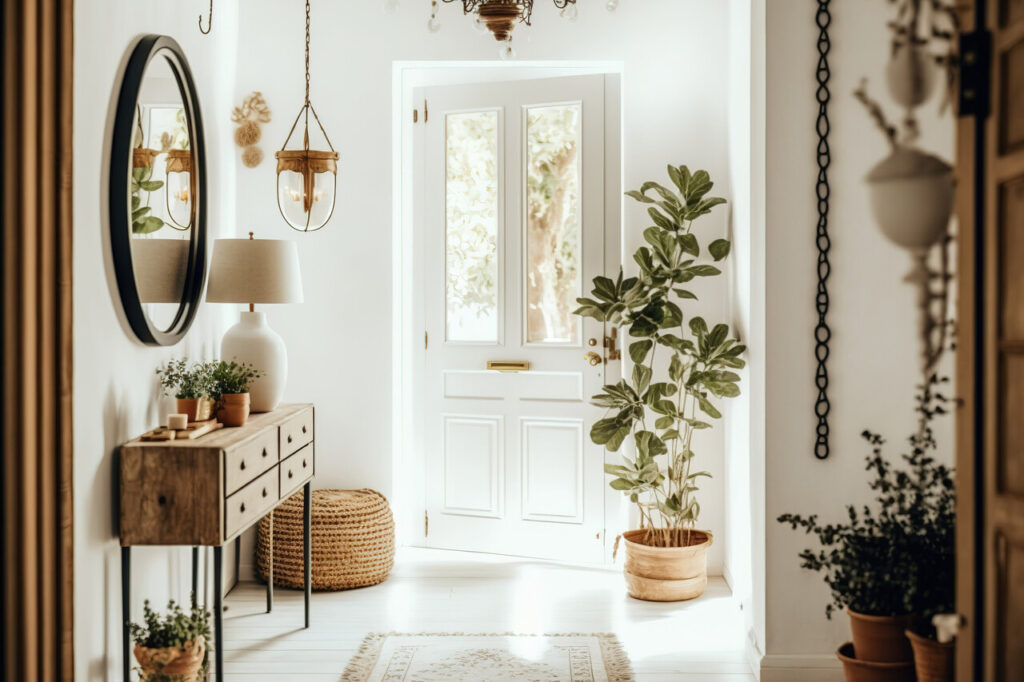
Entryways often set the tone for a home, but spaces overloaded with decorative items, oversized mirrors, or fragile furniture can quickly frustrate everyday use. Guests and residents alike need space for coats, shoes, bags, and keys. In over-styled entryways, functional storage is replaced by aesthetic choices that don’t hold up to frequent comings and goings. Clutter accumulates as surfaces fill with essentials with nowhere to go, making the area feel chaotic instead of welcoming.
Practicality in an entryway extends beyond storage. Traffic flow is essential—tight layouts can force awkward maneuvers when multiple people enter simultaneously. Proper lighting is often neglected in favor of statement fixtures, leaving the space dim during early mornings or evenings. A visually stunning entryway may look perfect in photos, but without durable surfaces, functional hooks, and clear walking paths, it complicates daily routines and stress management rather than supporting them.
2. The Sofa-Centric Living Room
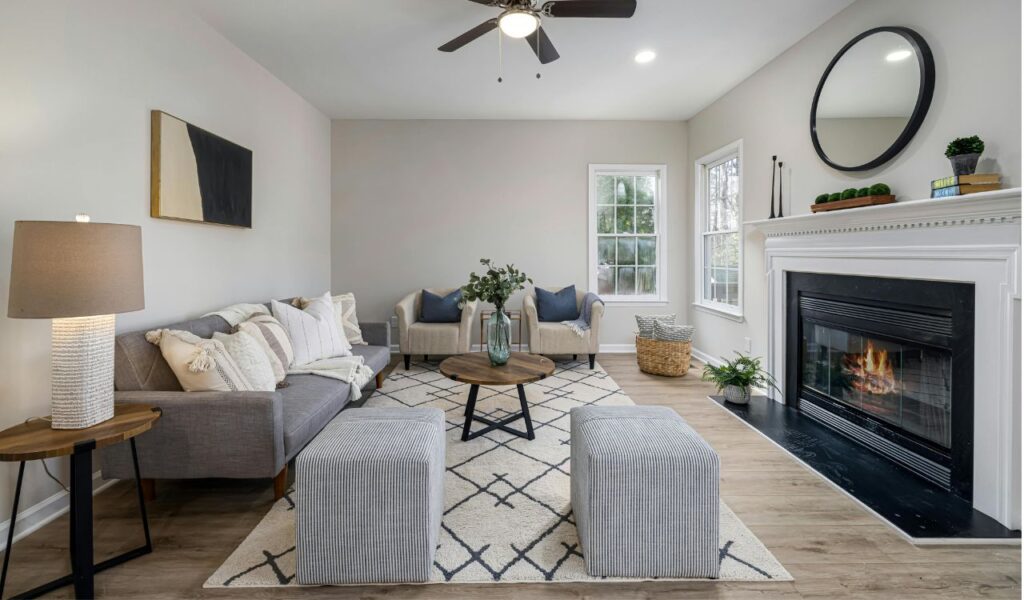
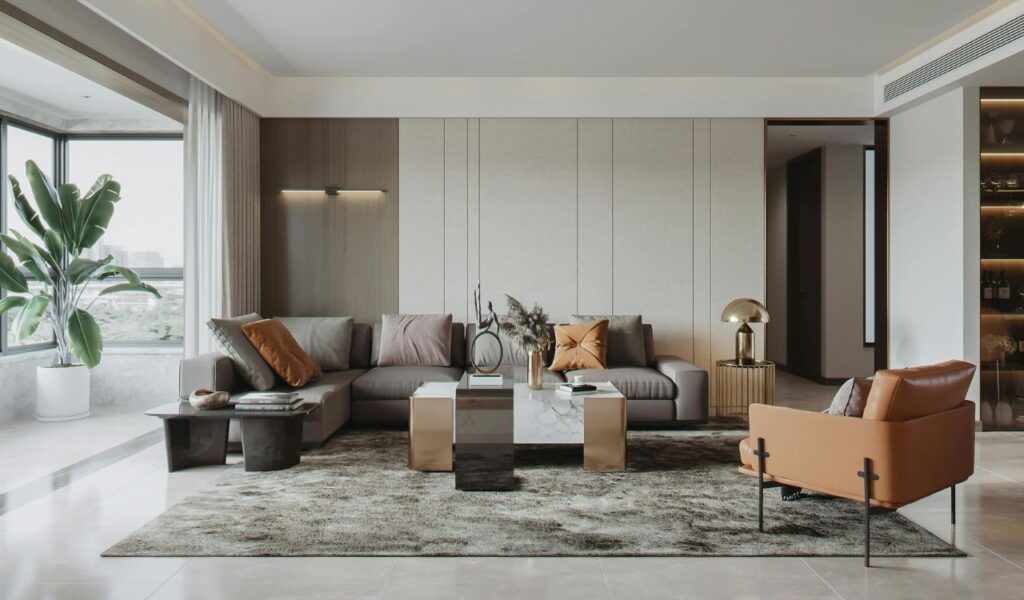
Many living rooms prioritize aesthetics by centering on a sofa or matching seating arrangement, but this often sacrifices usability. Oversized or low-profile couches can dominate the room, blocking pathways or natural light sources, and restricting traffic flow. Coffee tables and accent pieces may impede circulation, creating a visually balanced setup that’s impractical for daily family life. Sitting zones may look symmetrical, but can make conversation or multitasking cumbersome.
Functionality also suffers when storage is overlooked. Throw blankets, remote controls, and everyday items clutter surfaces without hidden compartments or side tables. Without a thoughtful layout, a living room that looks inviting in staged photos can feel cramped, uncomfortable, and difficult to clean or maintain. The lesson is clear: living spaces must accommodate movement, social interaction, and accessibility, or beauty alone will never translate into comfort.
3. The “Gallery” Dining Area
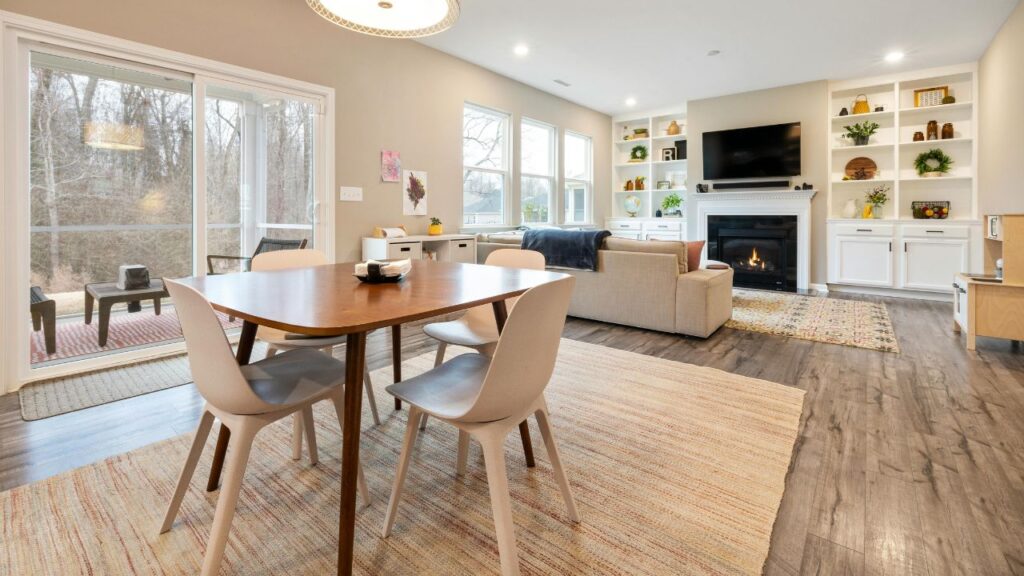
A dining space filled with stylish chairs, designer lighting, and decorative centerpieces may look thoughtful, but it often ignores the demands of real life. Large tables may leave insufficient room for seating flexibility, and delicate décor can be impractical for family meals or casual gatherings. Many gallery-style dining areas prioritize symmetry over circulation, making it awkward for servers, kids, or multiple diners to reach utensils and plates comfortably.
Storage for everyday essentials is frequently overlooked. Napkins, placemats, or kitchenware may need to be retrieved from another room, interrupting meal flow. Lighting choices may emphasize drama rather than visibility, leaving diners straining to see food or perform tasks. A space that is visually striking can quickly frustrate routine dinners, homework sessions, or social gatherings when functionality is sacrificed for aesthetics.
4. The Oversized Kitchen Island
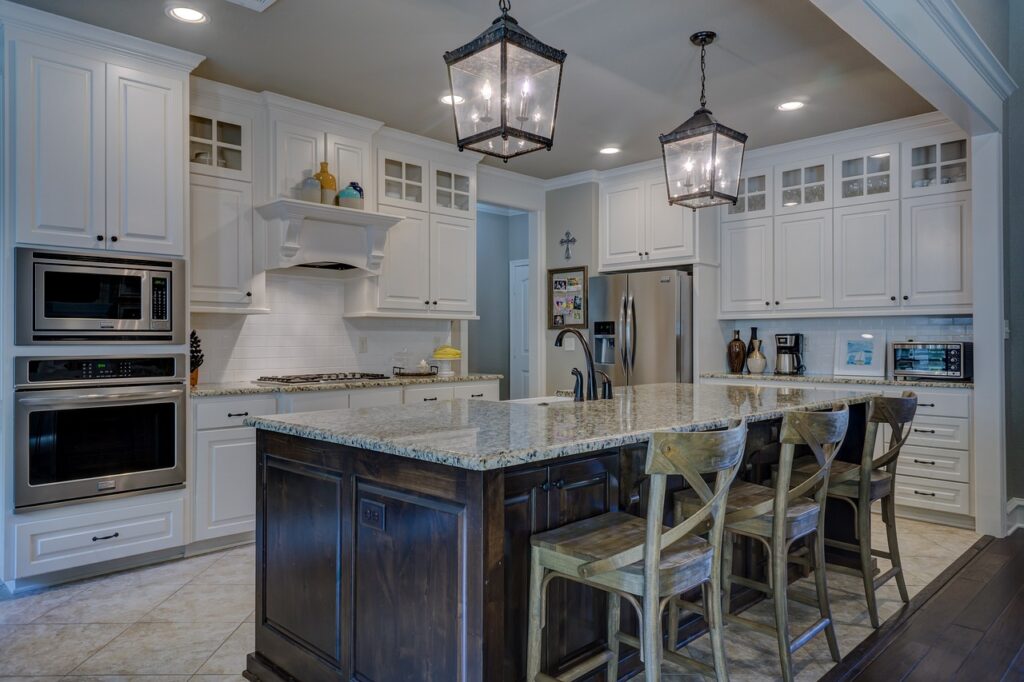
Kitchen islands are frequently treated as status features rather than functional tools. When islands become too large, they disrupt workflow and reduce efficiency. Industry design surveys suggest that nearly 68 percent of homeowners dislike oversized islands because they limit movement and crowd key work zones. What looks expansive often becomes restrictive in daily use.
Oversized islands also encourage clutter. Decorative bowls, appliances, and seating accumulate, reducing usable prep space. In multi-cook households, poor spacing makes collaboration difficult. A functional island supports cooking flow, seating comfort, and storage access rather than overwhelming the kitchen visually.
5. The Windowless Home Office
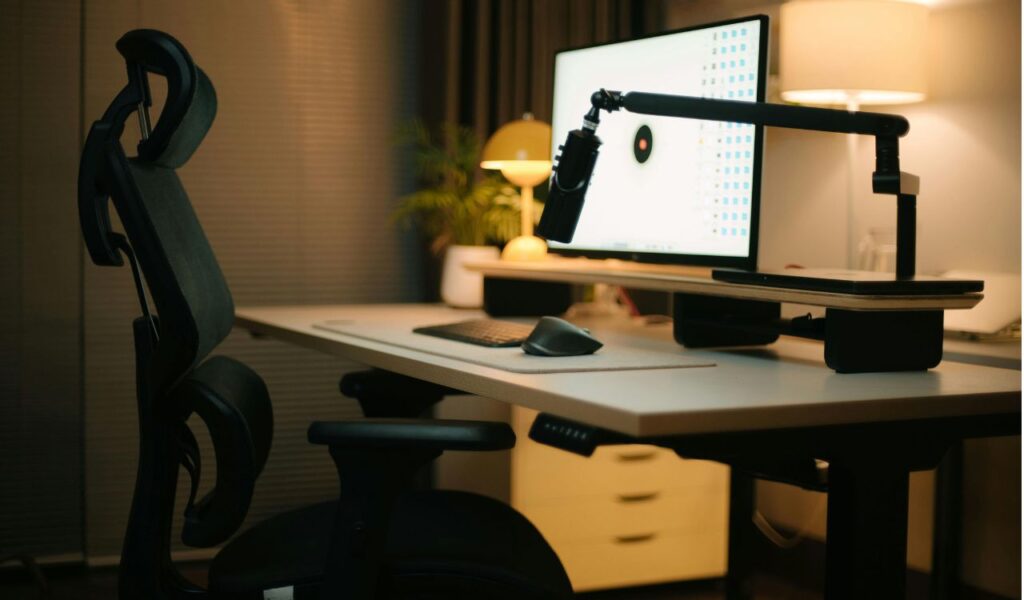
A visually curated home office without natural light may appear focused and minimal, but it quietly undermines productivity. Studies consistently link daylight exposure to energy and concentration, and a windowless office can reduce productivity by up to 42 percent due to fatigue and reduced alertness. Artificial lighting alone rarely compensates for this loss.
Ergonomics also suffer when layout prioritizes appearance. Sleek desks without storage force frequent interruptions, while poor chair placement strains posture over long work sessions. A functional office supports sustained focus, visual comfort, and organization. Without these elements, even the most stylish setup becomes mentally draining.
6. The “Statement” Bedroom
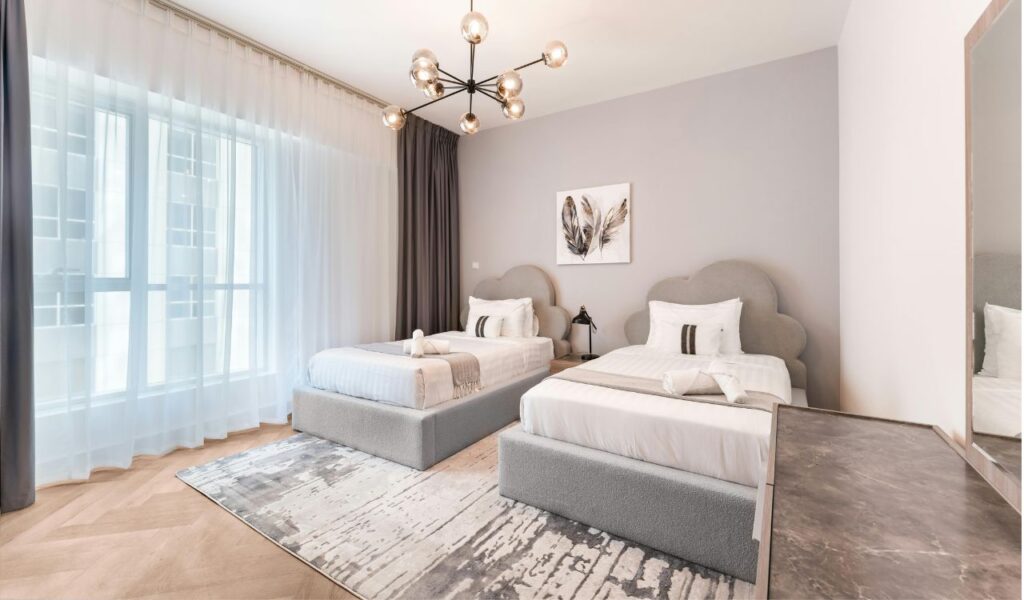
Bedrooms that prioritize visual symmetry, oversized beds, or extensive décor may compromise movement, storage, and daily comfort. While perfectly styled bedding and coordinated furniture look thoughtful, reaching dressers, nightstands, or closets can feel awkward. Overly low lighting or decorative lamps often reduce usability for reading, dressing, or morning routines.
Clutter can accumulate when storage is sacrificed for style. Seasonal clothes, shoes, and essentials may require frequent relocation, adding friction to morning and evening routines. A bedroom should support sleep, relaxation, and organization; without these considerations, a room that appears cohesive and Instagram-ready may undermine the very comfort it’s meant to provide.
7. The “Showcase” Bathroom
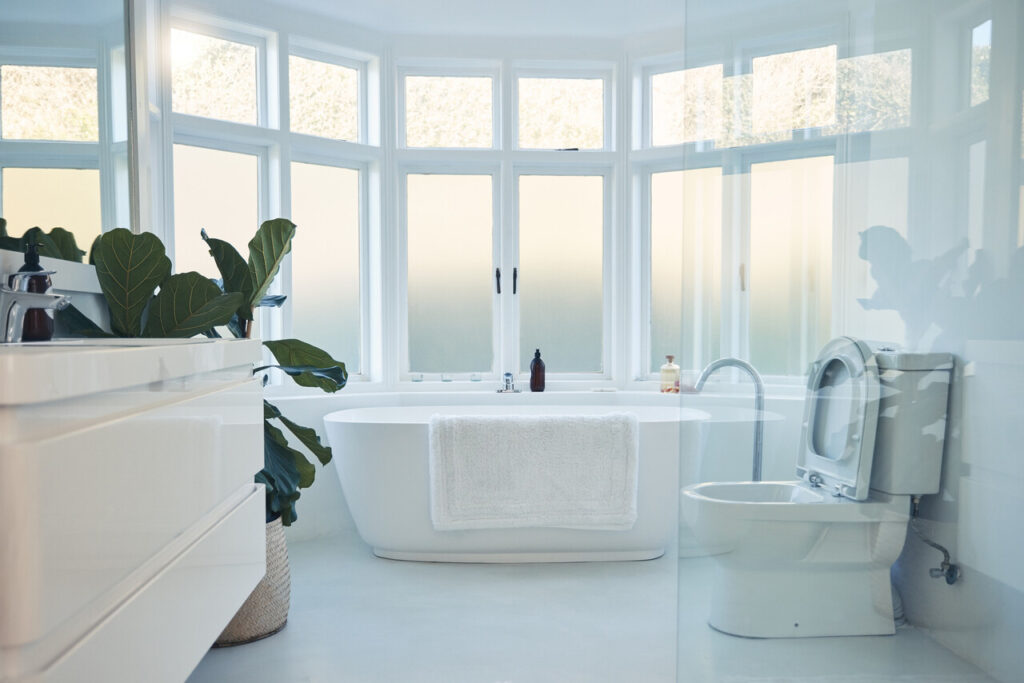
Designer bathrooms with freestanding tubs, open shelving, and statement tiles often prioritize style over functionality. Lack of counter space, storage, or proper towel racks can turn daily routines like showering or grooming into inconvenient processes. Fragile décor or exposed surfaces may require constant cleaning or careful handling, undermining the calming effect intended by a beautiful layout.
Even lighting is critical. Trendy mood lighting may enhance aesthetics but fail to illuminate mirrors, counters, or shower areas sufficiently. Practicality extends to water flow, shower accessibility, and ventilation—elements often sacrificed in the pursuit of visual impact. Without balancing form and function, even the most luxurious bathroom can frustrate daily use and reduce overall home comfort.
8. The Multipurpose “Open Concept” Space
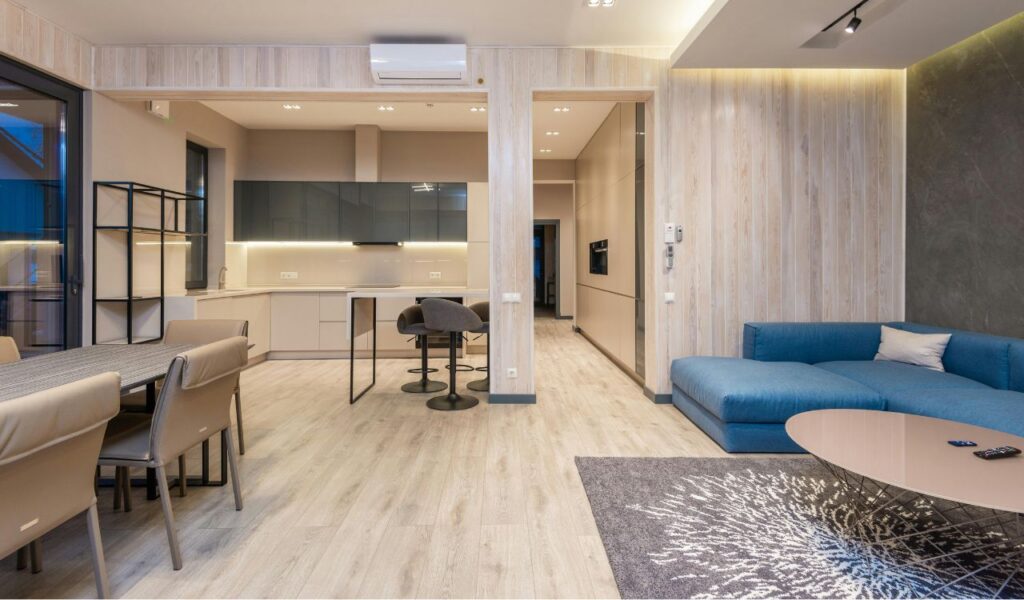
Open floor plans look spacious and sophisticated, but they often compromise privacy, acoustics, and defined usage areas. Kitchens, living rooms, and dining areas may blend visually, yet lack boundaries for focused work, restful activities, or entertaining. Noise travels freely, lighting is generalized rather than task-oriented, and storage can become scattered without clear zones.
Residents may find themselves constantly rearranging furniture or décor to create temporary separations, adding effort to otherwise simple tasks. The space may feel chaotic during busy periods, especially with children or multiple adults sharing the area. Open layouts require thoughtful planning, partitions, or flexible furniture to retain function while maintaining aesthetic appeal.
9. The “Indoor Garden” Feature
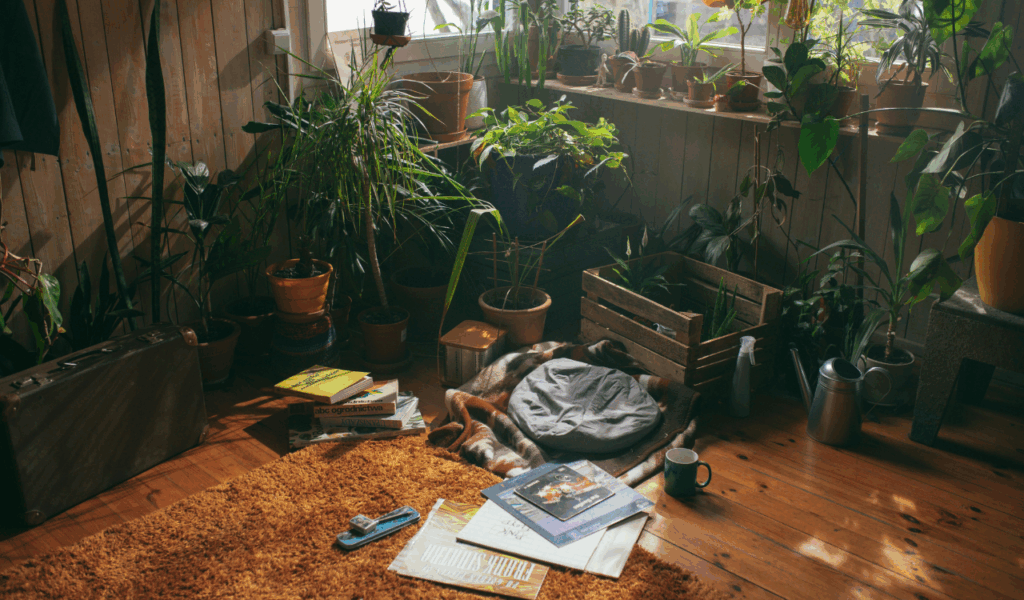
Indoor gardens, vertical plant walls, or decorative planters bring life and visual interest, but they often demand high maintenance and interfere with space usability. Plants can obstruct pathways, gather dust, or leak water, creating cleaning challenges and safety risks. Lighting for plants may conflict with general room lighting, impacting ambiance and practicality.
Without routine care, these features quickly become sources of frustration rather than relaxation. Daily comfort suffers if plant upkeep distracts from routines, creates clutter, or limits usable space. Beautiful greenery should enhance rather than impede living, proving that even seemingly thoughtful elements require planning, accessibility, and practicality to function effectively.