10 Fast-Food “Secret Menu” Hacks Employees Roll Their Eyes At
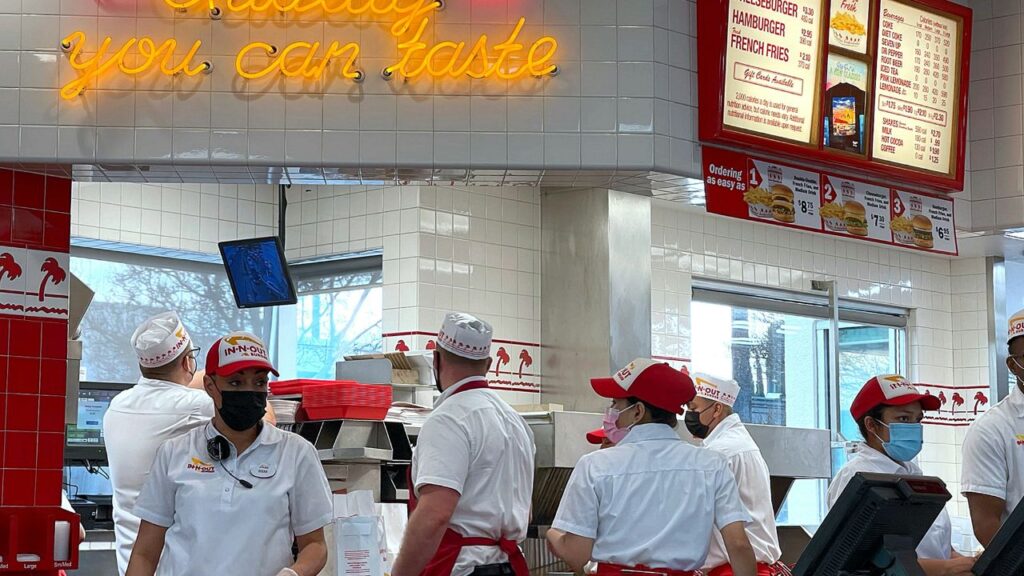
The idea of a “secret menu” has become a fast-food myth that refuses to die. Social media videos and blogs often promise off-menu creations that supposedly unlock better flavor, bigger portions, or insider treatment. In reality, most fast-food employees are trained to follow strict build charts, time targets, and inventory controls. When customers order complicated hacks that disrupt workflow, staff are forced to improvise within systems never designed for customization. Workers say the issue isn’t creativity, it’s practicality. These so-called hacks rarely benefit the customer, slow service for everyone else, and often result in food that tastes worse than the standard menu item. Here are the secret menu requests employees admit they dread most.
1. Ordering Items by Viral Nicknames

Fast-food employees consistently say that ordering by unofficial, viral nicknames causes immediate breakdowns at the register. These names often originate from TikTok, YouTube, or regional blogs, meaning the same phrase can describe completely different items depending on who is asking. Crew members are trained on precise build charts, ingredient codes, and POS buttons, not influencer terminology or slang that changes weekly.
Problems escalate when customers insist the employee “should know it” or imply incompetence for asking follow-up questions. This forces workers to guess ingredients, increasing the risk of mistakes, refunds, or remakes. Employees note they are usually happy to customize an order when ingredients are clearly listed. The frustration comes from being expected to decode internet lore instead of receiving a straightforward request.
2. The “Everything on It” Hack
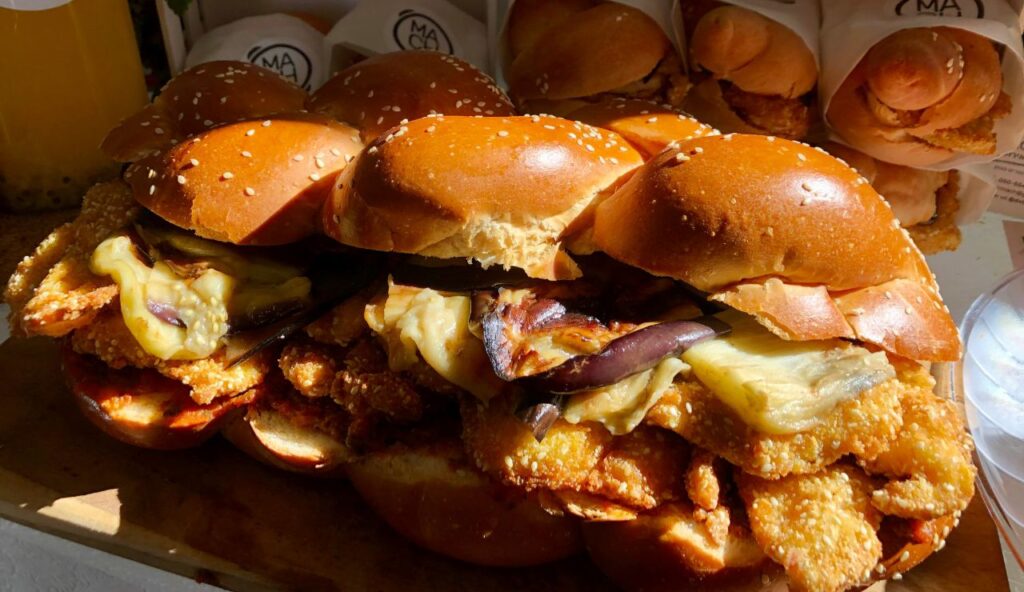
Requesting every topping, sauce, or add-on sounds efficient in theory, but employees say it almost always backfires in practice. Fast-food items are engineered for balance and structural integrity. When everything is added at once, food becomes overly heavy, soggy, and difficult to wrap or serve without falling apart.
From a kitchen standpoint, these orders slow down prep significantly and increase waste. Items often collapse mid-assembly or leak through packaging, forcing a remake. Workers also point out the irony that customers frequently complain about taste afterward, claiming the item feels greasy or confusing. In most cases, the overload itself causes the problem, not the base menu item.
3. Replacing Every Ingredient Individually
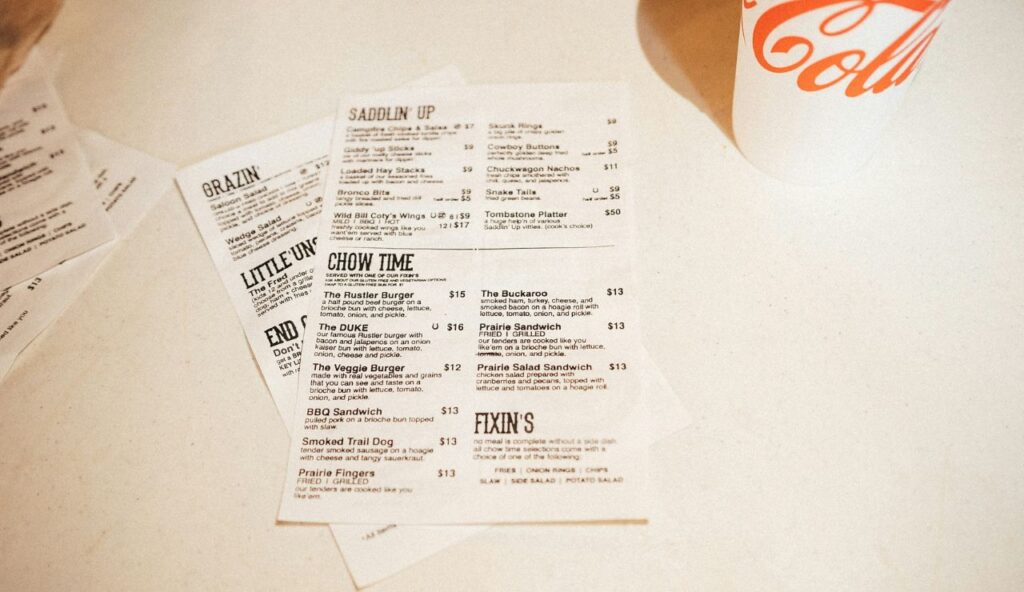
Some customers attempt to redesign menu items completely by swapping nearly every component. While basic substitutions are common and supported, excessive modifications turn a standardized product into a one-off recipe. Employees say this dramatically increases the chance of errors, especially during peak hours when dozens of tickets are moving simultaneously.
Long modification lists also slow down both the register and the kitchen, impacting wait times for everyone. Workers note that these orders often create disappointment because the final product rarely matches expectations. What was meant as an “upgrade” frequently results in longer waits, inconsistent builds, and frustration on both sides of the counter.
4. Ordering Breakfast Items After Cutoff
Asking for breakfast items after the cutoff remains one of the most frequent eye-roll moments for fast-food staff. Once breakfast service ends, the kitchen physically transitions. Equipment is cleaned or repurposed, ingredients are stored, and prep stations are reset for lunch or dinner production.
Employees explain that this is not a rule they can bend. In many cases, the tools or ingredients needed are no longer accessible. Customers who cite online hacks or argue policy misunderstand the reality: the limitation is operational. Workers say repeated pressure to “just make it” creates unnecessary conflict when the item simply cannot be produced.
5. The “Animal-Style Everything” Request
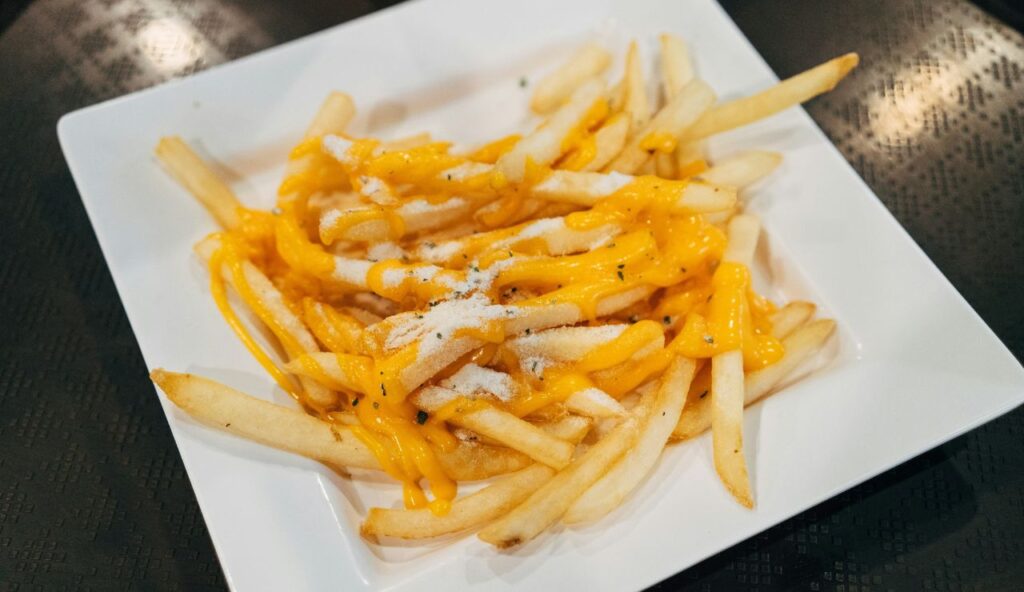
Applying a popular preparation style to unrelated menu items creates immediate complications. Extra sauces, grilled components, and layered toppings stack quickly, often overwhelming the original item’s structure and flavor profile. Employees say what works for one specific item was never designed to translate universally.
Assembly becomes slower and more error-prone, especially when staff must improvise without guidance. Workers also note that customers frequently regret these orders, describing them as overly salty, heavy, or messy. From experience, employees know that successful customization respects the limits of the original item instead of forcing a one-size-fits-all hack.
6. Asking for “Fresh” Everything
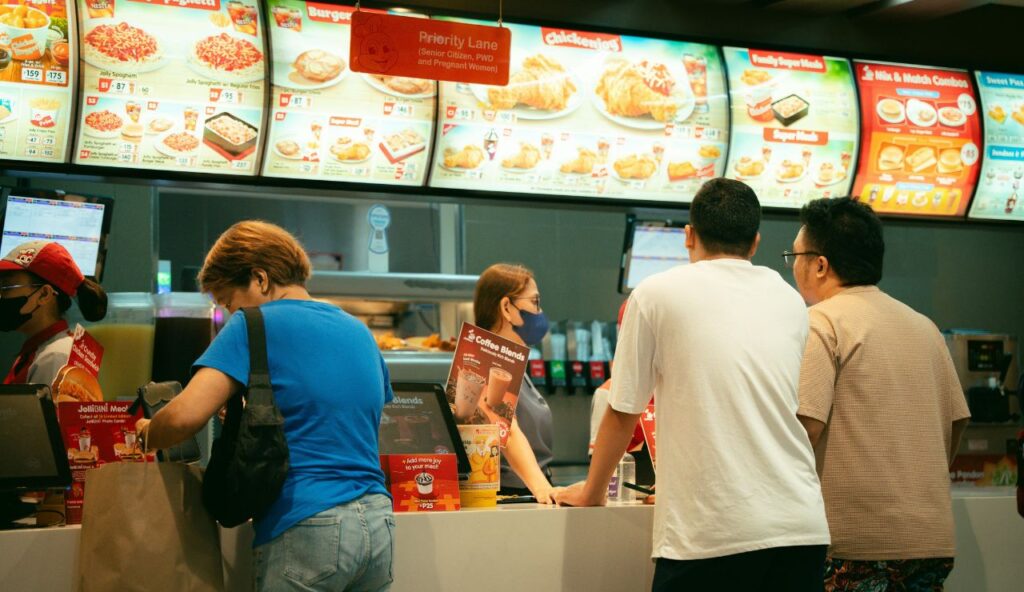
Requesting food made fresh sounds reasonable on the surface, but employees say it becomes an issue when it’s demanded rather than requested, especially during busy periods. Most fast-food kitchens already operate on rapid cook-and-hold cycles, meaning items are prepared frequently and replaced well within safety and quality windows. Workers point out that the assumption food is “old” is usually incorrect.
Problems arise when customers insist on freshness as a test of service. Meeting the request often means discarding perfectly good food or stopping the line to restart a cook cycle, which slows service for everyone. Employees say the frustration comes from the implication that standard food is unacceptable, even though it meets the same quality used for thousands of satisfied customers every day.
7. Mixing Multiple Menu Items Into One
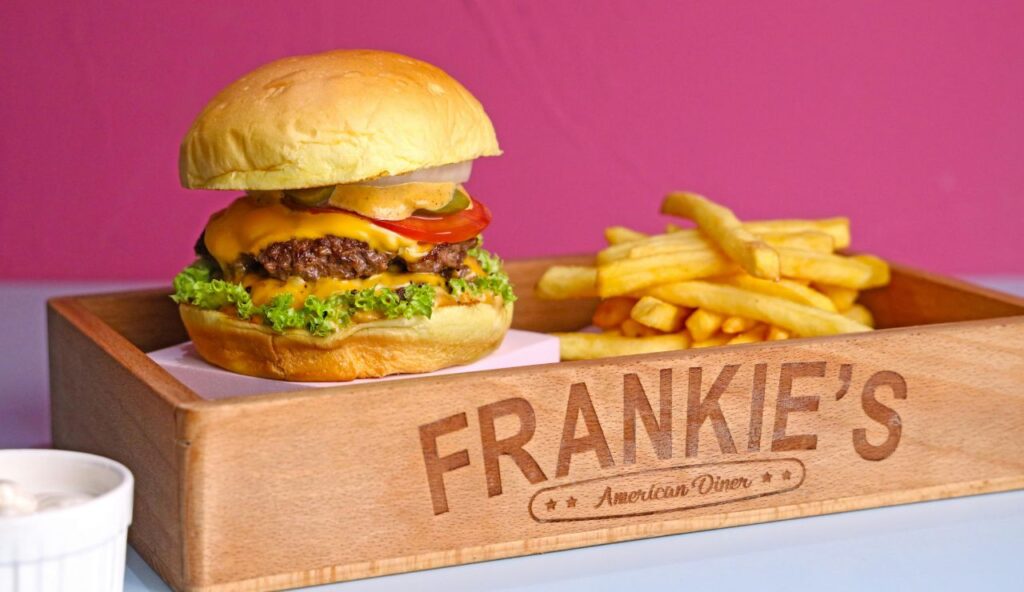
Combining two or more menu items into a single wrap, sandwich, or bowl is a common hack that employees quietly dread. Fast-food portions are carefully calibrated for packaging, cooking time, and assembly speed. When customers merge items, those systems break down quickly.
Workers report that these hybrids often exceed container limits, making them impossible to wrap or close without spills. The food tends to fall apart, leak, or cool unevenly. Employees know from experience that if something is difficult to assemble behind the counter, it will likely be frustrating to eat on the other side, leading to complaints the kitchen anticipated from the start.
8. Custom Drink Layering Hacks
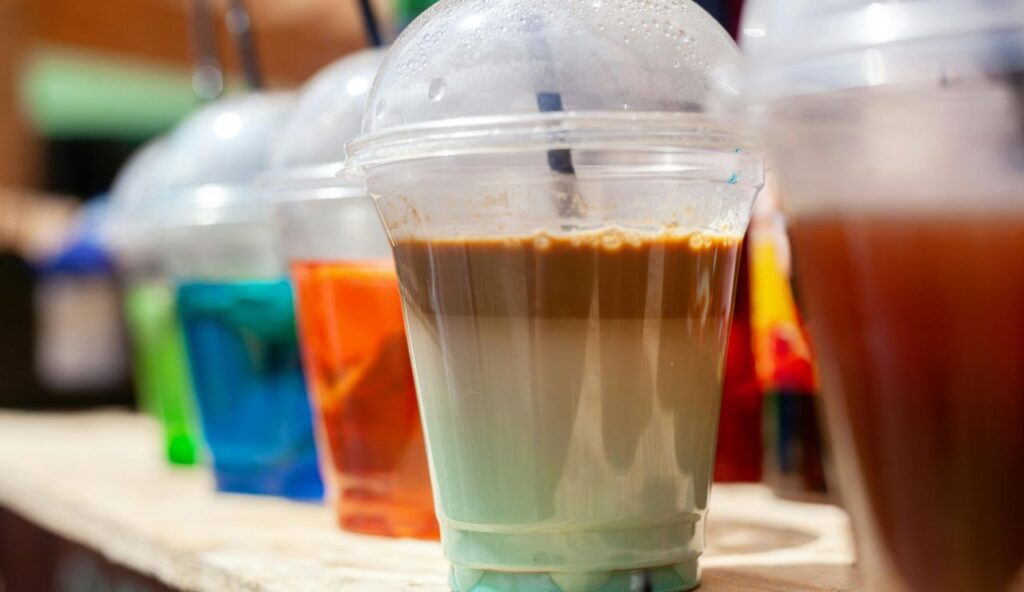
Drink hacks that involve layered syrups, temperature contrasts, or complex ratios create major slowdowns at beverage stations. Employees are trained for speed, consistency, and repeatable builds, not experimental mixing that varies with ice level, cup size, or syrup density.
When these drinks separate, look different than expected, or taste unbalanced, customers often blame staff execution rather than the hack itself. Workers say these requests are especially disruptive during rushes, when one complicated drink can delay dozens of standard orders. Most employees agree that these hacks rarely deliver the payoff promised online.
9. Ordering Menu Items That Were Discontinued Years Ago
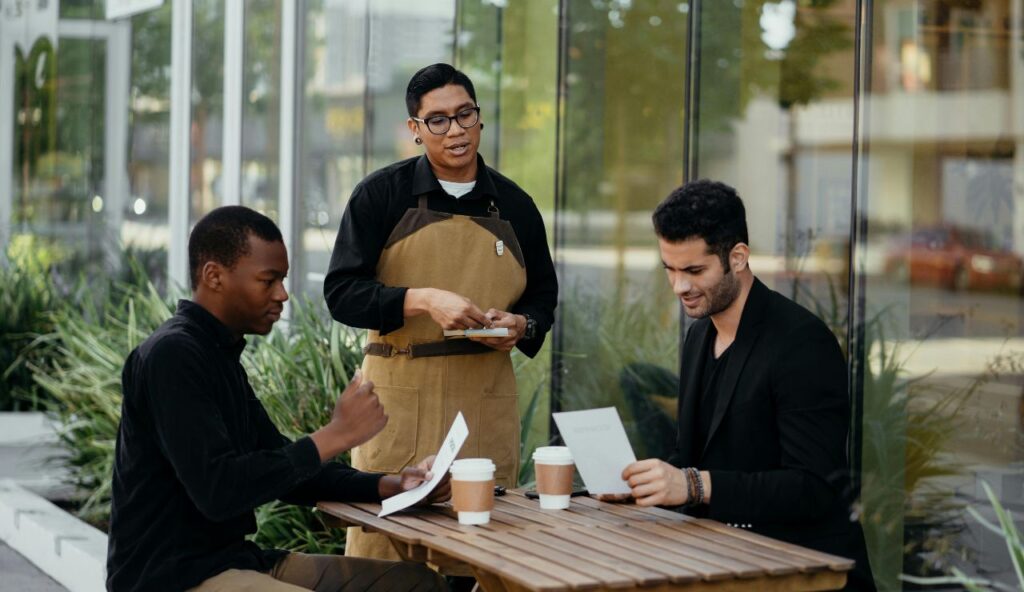
Social media has a habit of keeping discontinued menu items alive long after kitchens have fully moved on. Viral posts, old blog lists, and nostalgic videos convince customers that certain burgers, wraps, or sauces are still available if they “just ask.” Employees say this creates immediate friction, especially when customers insist the item still exists at another location or claim someone ordered it recently. What feels playful online often becomes exhausting at the counter.
The reality is logistical, not personal. When an item is discontinued, the ingredients, packaging, prep instructions, and register codes are removed entirely. Staff are not trained on obsolete builds, and kitchens are not stocked to recreate them accurately. Workers note that arguing over discontinued items slows service and frustrates everyone involved, while choosing a current menu option almost always leads to a faster, smoother, and more satisfying experience for both sides.
10. Filming the Order to “Test” the Hack
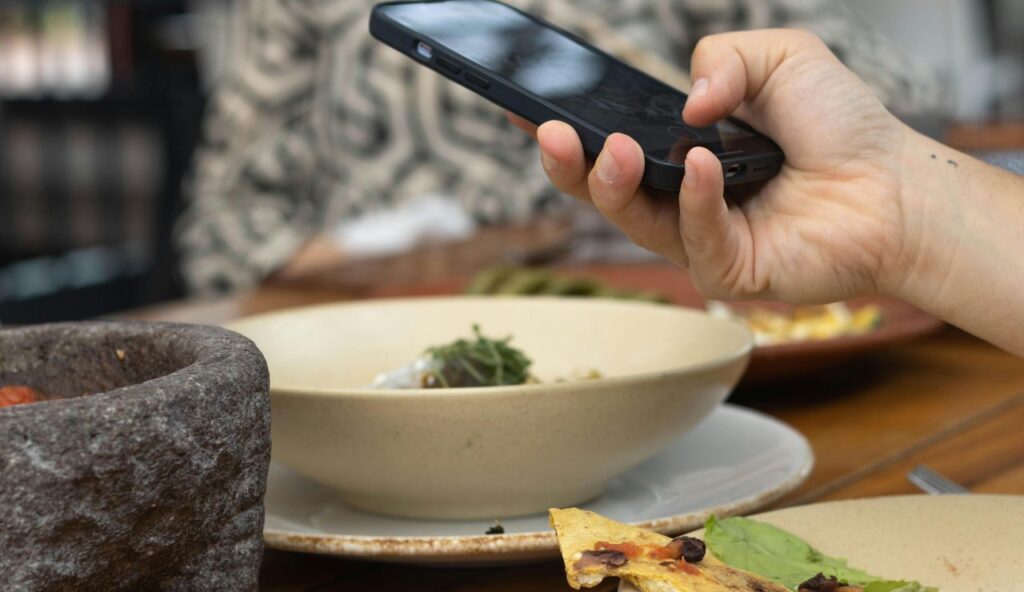
Few things make employees more uncomfortable than being filmed while taking or preparing an order. Workers say pointing a camera at the register instantly raises stress levels, especially when paired with complicated hacks or unclear instructions. Mistakes become more likely when people feel scrutinized rather than supported.
Fast-food employees are not performers, and kitchens are not content studios. Workers emphasize that respectful communication leads to better outcomes than viral experiments. Clear, calm orders get executed faster and more accurately than any filmed “test,” which is why staff consistently roll their eyes when phones come out before the order is even finished.