14 January Food Trends That Didn’t Feel Enjoyable
After holiday eating, January food trends offer freshness, balance, or a fresh start. Many of these concepts sound better in theory than practice. Some fads look beautiful on social media but are boring, restricting, or strangely joyless in ordinary eating. Some people are so focused on discipline or novelty that they forget meals should be comforting and enjoyable, especially in winter. January’s culinary trends garnered notice but didn’t always please. These trends weren’t horrible or worthless, but they often didn’t take into consideration the emotional and practical aspects of eating. Many counted the days till they could return to their peaceful routines.
1. Ultra-Strict Clean Eating Challenges
In January, ultra-strict clean eating challenges became popular as a way to get back on track after all the Christmas treats. A lot of the time, these programs cut out sugar, carbohydrates, dairy, and processed foods all at once, which can be too much to handle. Whole foods are healthy, but the rules make meals stressful. dining with others gets awkward, desires grow, and following the rules too strictly makes dining boring. Many people become tired of eating the same things and are frustrated that they can’t vary it up. These issues often cause burnout rather than long-term habits. This makes balanced eating a chore rather than a lifestyle.
2. All-Liquid Meal Days
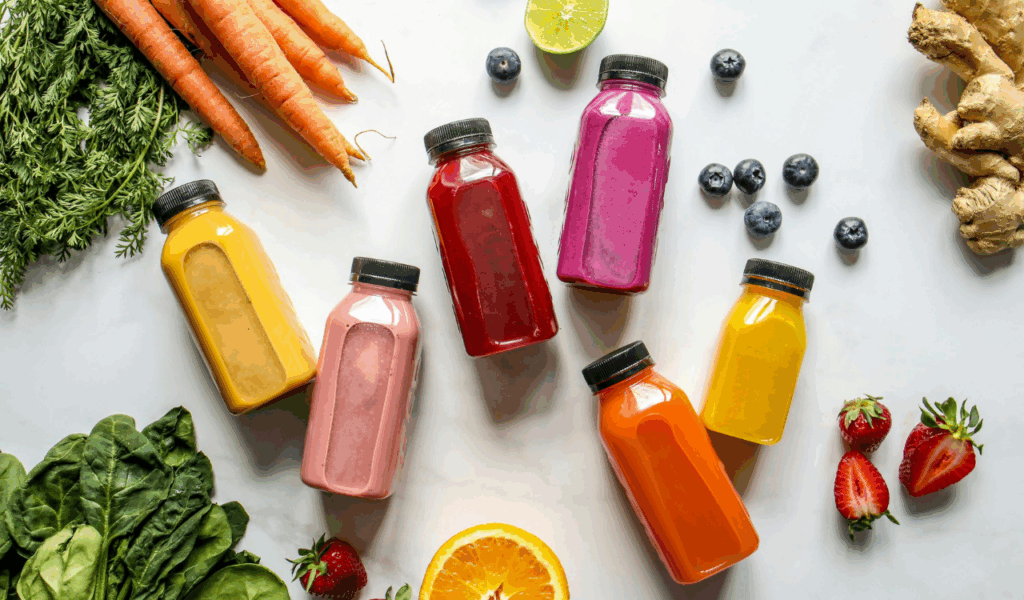
People were told that all-liquid meal days would help them start good habits and give their digestive systems a vacation. In real life, merely eating soups, juices, or smoothies might leave people feeling hungry and unsatisfied. Chewing food is a big part of feeling full, and if you don’t get to do that, you may feel like you need to snack all the time. A lot of beverages don’t have enough protein or fiber to keep your energy levels stable all day. When you eat the same thing over and over again, it might feel clinical and boring, especially in the winter. For a lot of people, these days felt more like tests of endurance than thoughtful eating.
3. Overly Minimalist Breakfasts
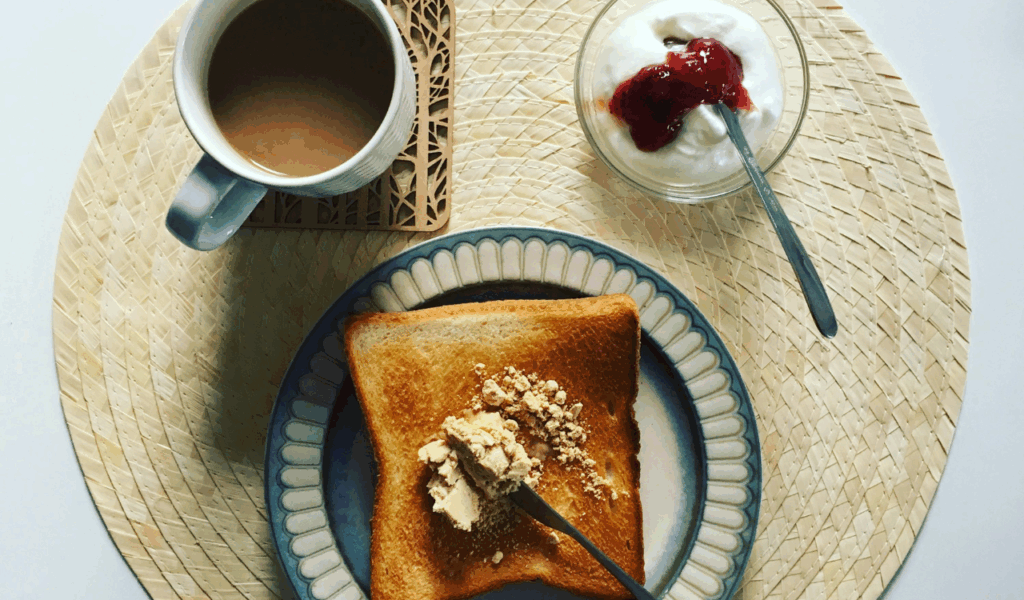
Minimalist breakfasts, which usually only include plain yogurt, fruit, or toast, became popular as a means to make mornings easier. Simple meals can be great, but if you go too far with minimalism, your meals may not last long. If you don’t eat enough protein, good fats, or different foods, you’ll get hungry again quickly. These meals may look nice and clean, but they make people want to nibble right away. When meals feel more like fuel than comfort, they also taste worse. When it’s cold outside, a light breakfast can seem especially uninviting, making mornings feel less anchored and more rushed.
4. Flavorless Low-Sodium Everything
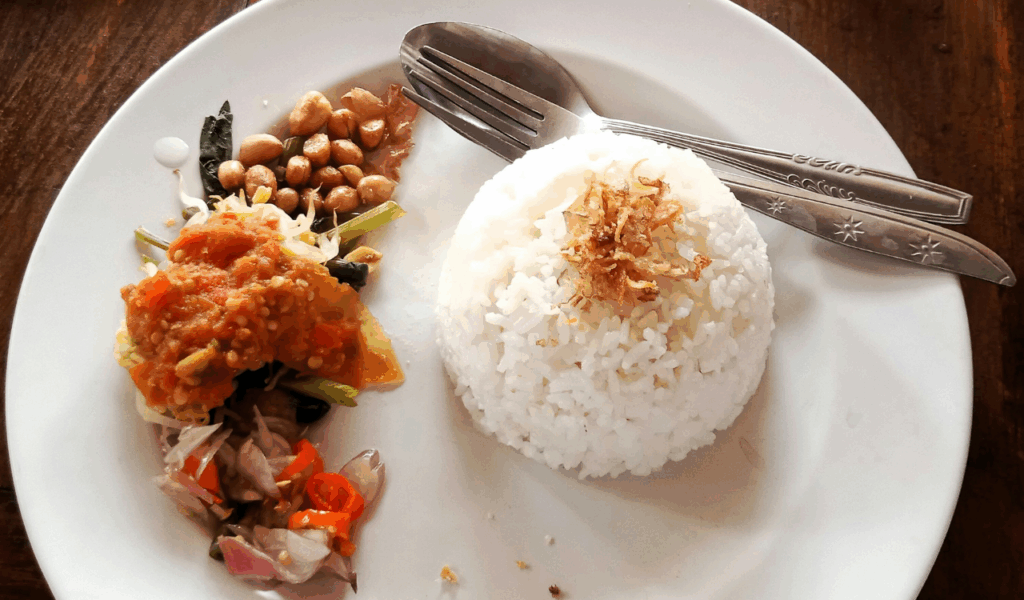
In January, people often try to cut back on sodium, but several trends took flavorless cooking to an extreme. Sometimes people didn’t utilize herbs and spices because they were too busy making bland dishes that just cut down on salt. It’s vital to be moderate, but taking all the seasoning out of meals might make them feel boring and repetitious. When flavors are subdued, people don’t enjoy their food as much, which makes them eat more later in the day. A lot of people didn’t like these meals, which made cooking seem like a chore. Food that tastes good is all about balance, not taking away all the things that make it taste good and enjoyable.
5. Extreme Portion Control Plates

People started using portion control plates with rigid divisions to help them keep track of what they ate. These plates typically make amounts look smaller, which makes meals feel smaller before you even start eating. Being mindful can help, but being too strict about how much you eat can make you feel like you don’t have enough. Meals may appear good, but they may not fill you up, especially if you’re active. Focusing on limits instead of hunger cues disconnects people from their bodies. Eating from these plates may become more like a duty than a way to receive nutrients, which might reduce the emotional warmth of meals.
6. Sugar-Free Dessert Replacements
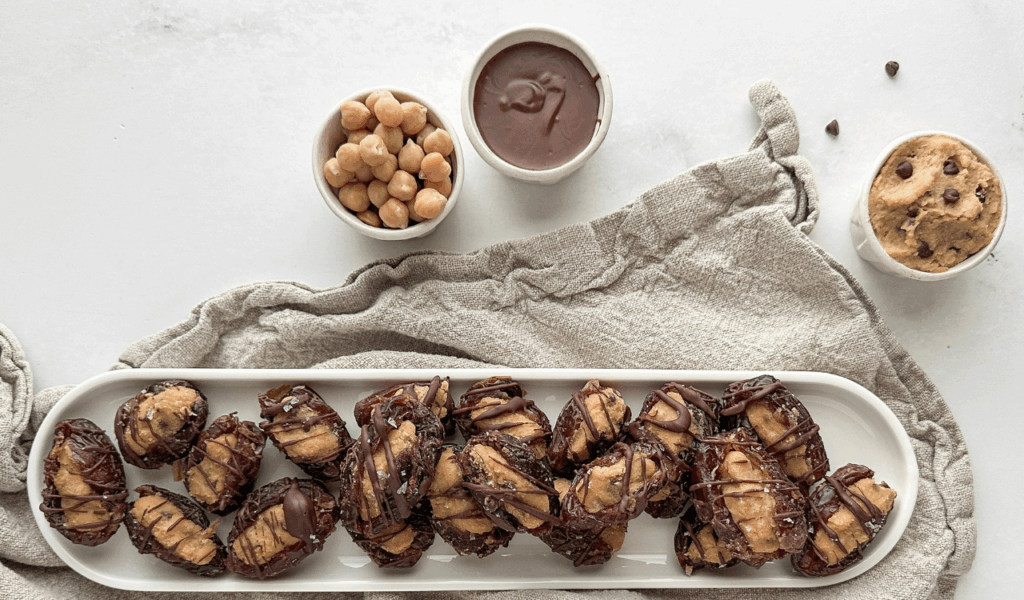
Sugar-free dessert substitutes promised guilt-free pleasure, but many of them didn’t live up to the promise. Many times, artificial sweeteners leave an aftertaste and don’t taste as good as regular sweeteners. Desserts often feel dry or too dense because of texture problems. It may be beneficial to reduce the amount of sugar you consume, but it may be upsetting to completely replace desserts with imitation versions. What a lot of people desired more than anything else was the real thing. Because of these substitutes, dessert took on the appearance of a compromise rather than a reward, and as a result, I did not enjoy it as much.
7. One-Flavor Meal Plans
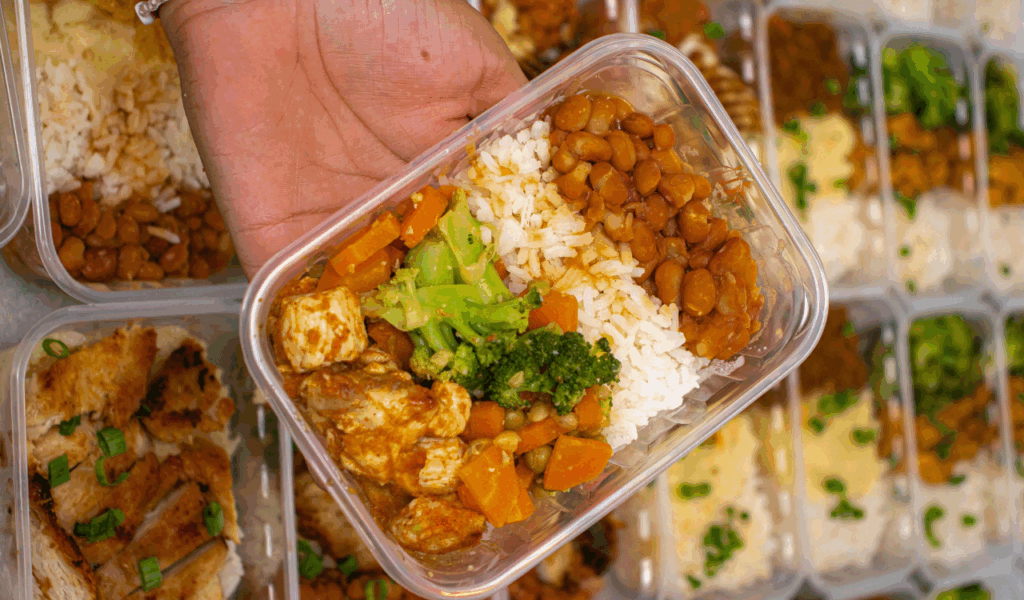
One-flavor meal plans, like eating the same seasoning profile all week, were meant to make preparing and making decisions easier. But doing the same thing over and over again rapidly gets boring. Even tastes that people love can get old if you use them all the time. It becomes hard to tell meals apart, which takes away the excitement and fun. Variety is a crucial aspect of a healthy diet, both for your body and your mind. Without it, eating feels like something you do without thinking. A lot of people gave up on these plans early since they wanted something different and new that a single flavor approach couldn’t give them.
8. Cold Food-Only Days
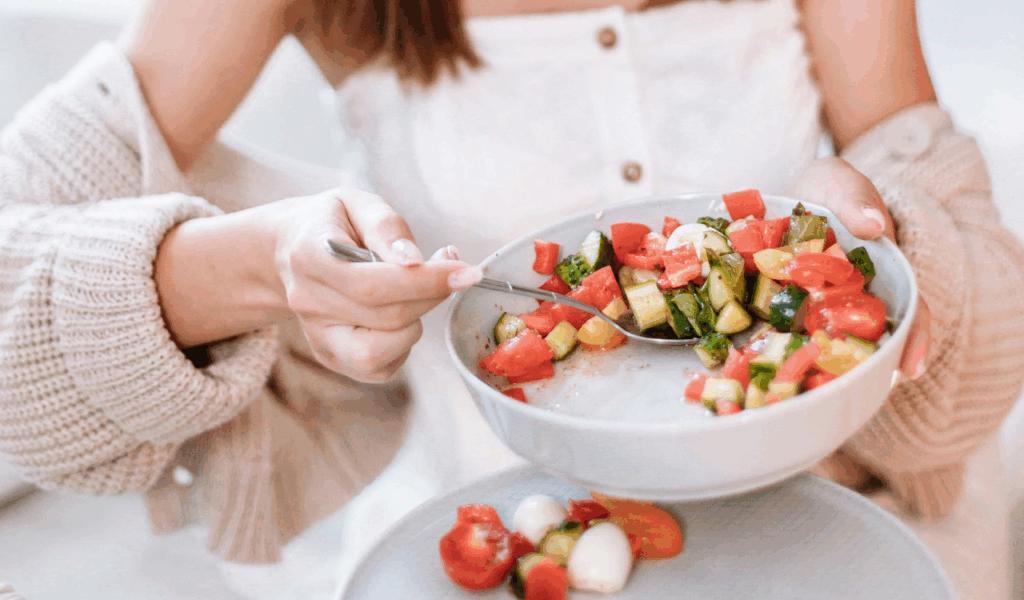
On cold food-only days, you could only consume raw vegetables, salads, and other cold foods. Avoiding warm meals in the winter might be uncomfortable, even though raw foods have their benefits. Warmth is important for feeling full and comfortable, especially in the winter. Cold meals often don’t fill you up as much, which makes you hungry a lot. Warm foods make you feel cared for and grounded, something cold foods don’t do. A great number of people believed that the current era was not only physically unappealing but also psychologically taxing, which made it difficult to keep up with current events or to enjoy them.
9. Overemphasis on Superfood Add-Ins
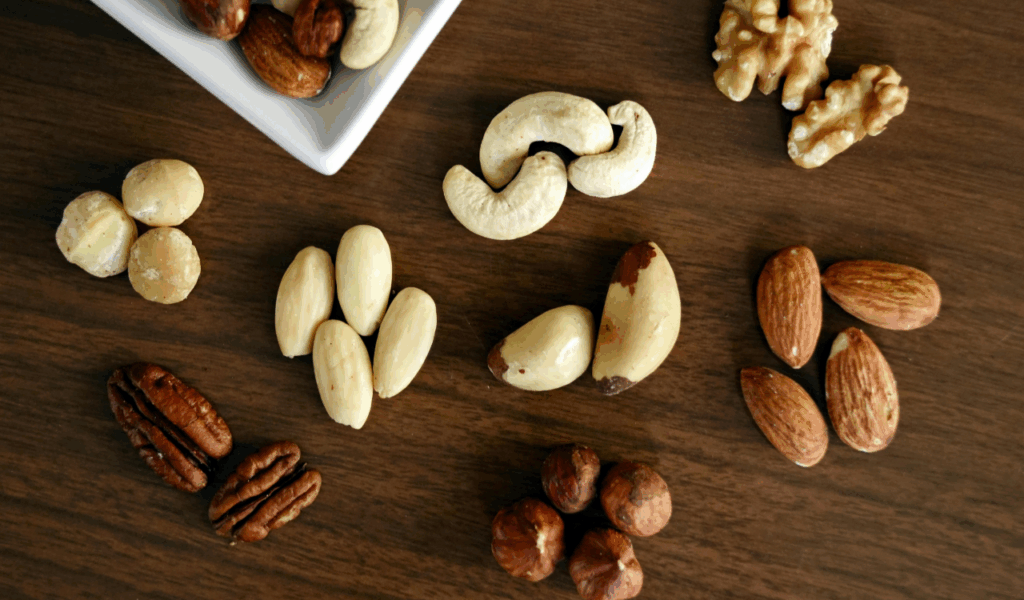
Adding a lot of superfoods to every meal is a common January trend. People say that chia seeds, powders, and extracts are necessary, but using too much of them can make meals harder to make. It can be hard to cook when you have to always measure and blend add-ins. When too many things fight for attention, the flavor balance can be off. These are nutritious ingredients, but you don’t have to include them in every recipe you make. When you give the impression that you are required to include them, meals may come across as forced and less enjoyable, which diverts attention away from the flavor and equilibrium of the dish.
10. Social Media Detox Cooking Rules
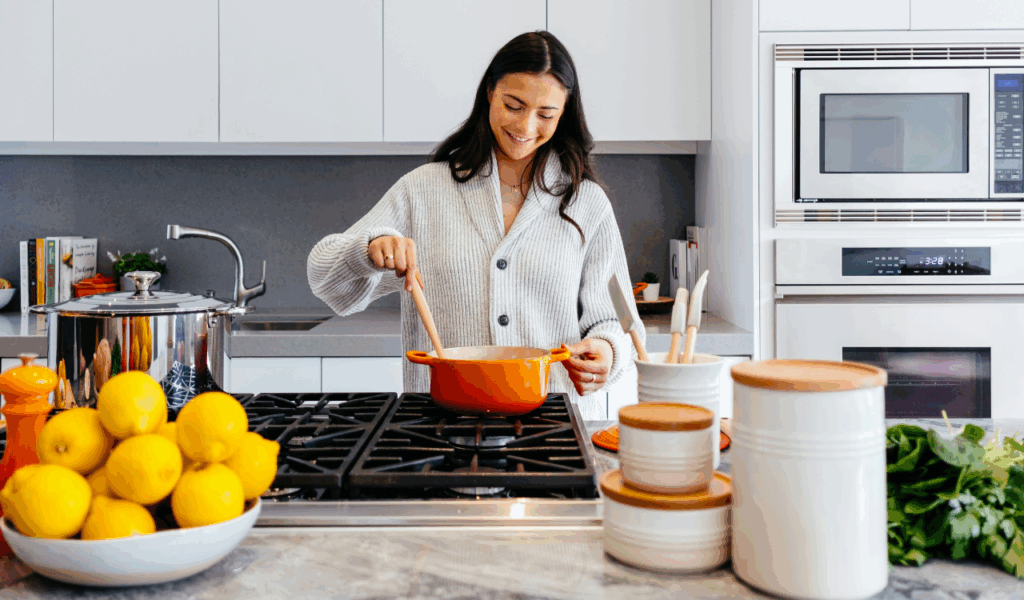
Some January trends combined cuisine with stringent constraints for cooking while on a social media cleanse, including only eating recipes from specified challenges. These rules frequently make it hard to be creative and flexible. Instead of using your gut, cooking becomes about following rules. This takes away the fun of changing meals based on how you feel or what’s available. It is human choice, not rigid boundaries, that creates the conditions for food fulfillment. When trends, rather than taste, determine what you eat, meals might feel disjointed and appear to be a show rather than something that is warm and satisfying.
11. Protein-Only Snack Phases
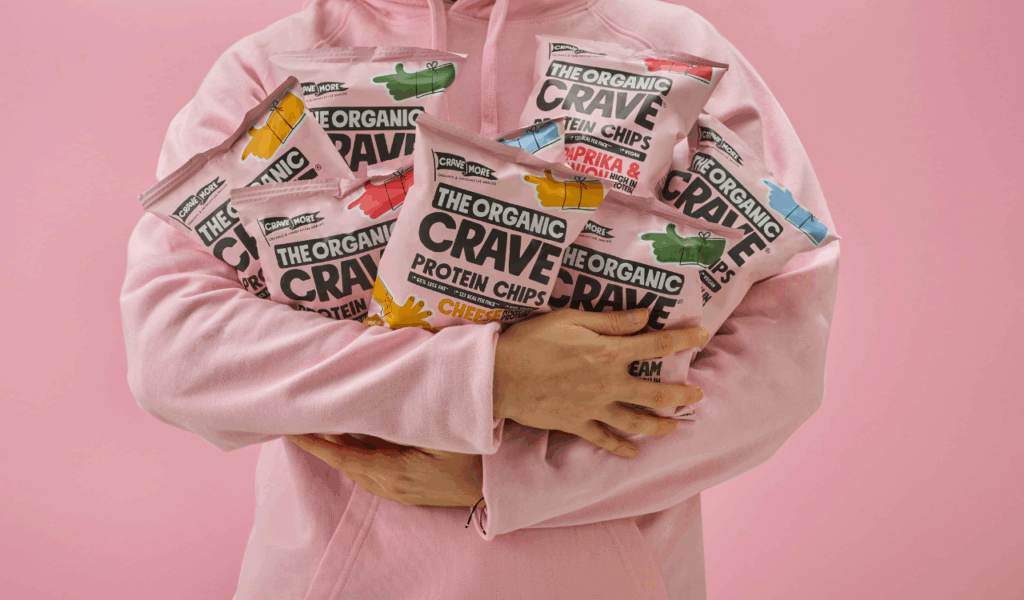
During protein-only snack times, you were told to stay away from carbs and fats between meals. Snacks that don’t have a good mix of protein can feel weighty and unattractive. A lot of folks missed the different textures and flavors that fruits and grains add. When I ate these snacks, I frequently had the impression that I was eating a small meal rather than taking a nice break. Lacking equilibrium made my desires more intense, which in turn made me angry. Your snacks should not feel like another nutritional checkpoint that adds stress to your day; rather, they should provide you with energy and make you joyful throughout the day.
12. Meal Timing Obsession
January is a time when rigid meal scheduling trends are common, telling people when to eat. Structure might benefit some people, but being too focused on scheduling can make them anxious. Instead of hunger, meals become about the clock. When you can’t follow the rules about timing, social interactions might be stressful. The enjoyment and spontaneity that come with eating are taken away by this strictness. People have a greater appreciation for food when they pay attention to their bodies rather than trying to plan each meal. A significant number of individuals experienced these traits as being more controlling than helpful.
13. Plain Broth Cleanses
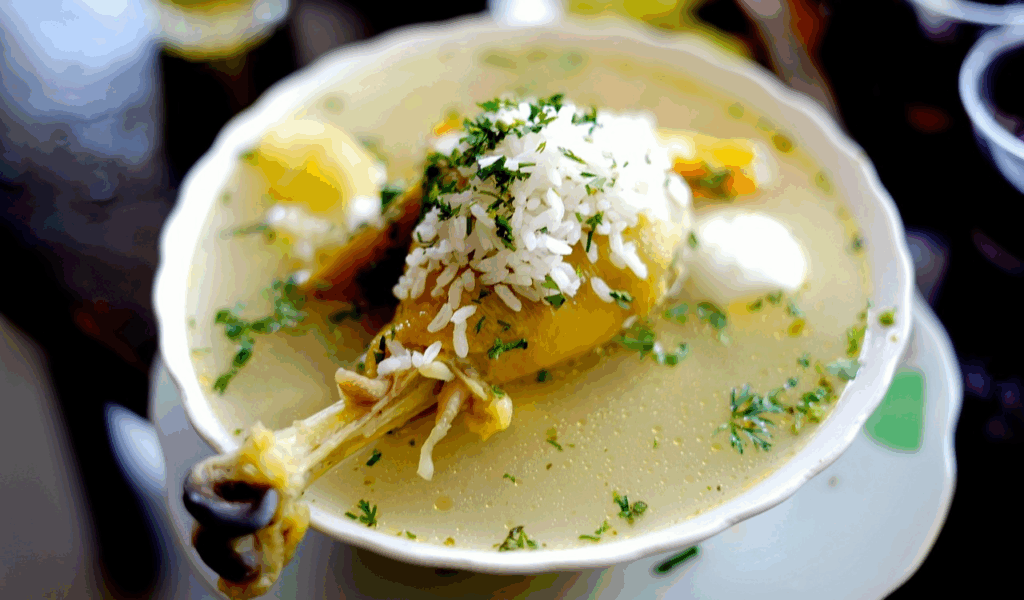
People said that plain broth cleanses were gentle resets, but they typically felt boring. Broth lacks variation and texture when you drink it for a long time. It’s common to feel hungry and tired, especially if you don’t eat solid meals. Although broth has the ability to calm you down, if you exclusively consume it, your meals won’t be as satisfying. When there is not enough chewing or variety in flavors, the days feel like they are going on forever and are uninteresting. After completing these cleanses, several people reported feeling more exhausted than energized, which made it difficult for them to complete the cleanses.
14. Overly Aesthetic Meal Prep
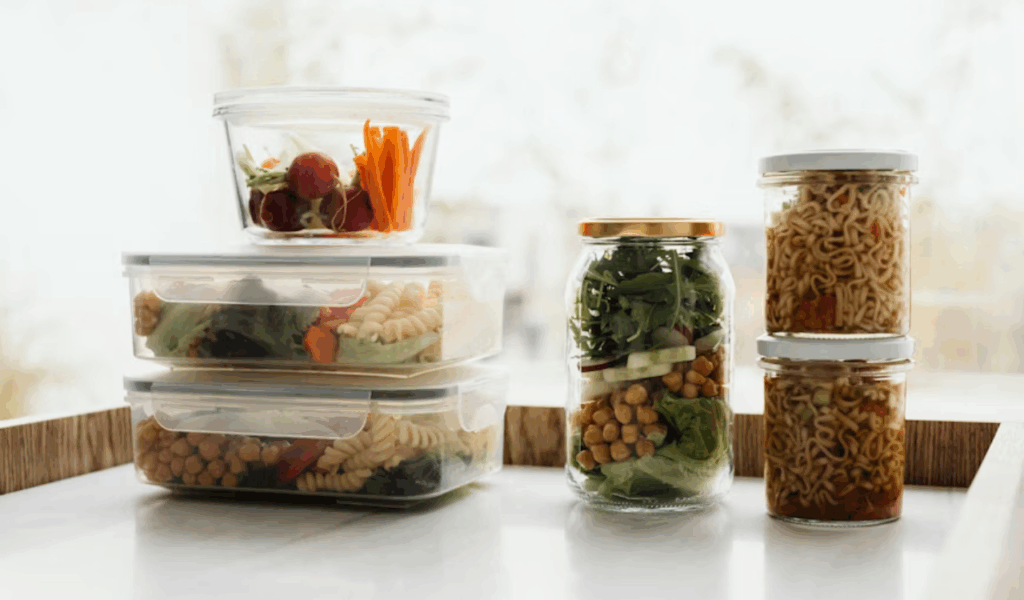
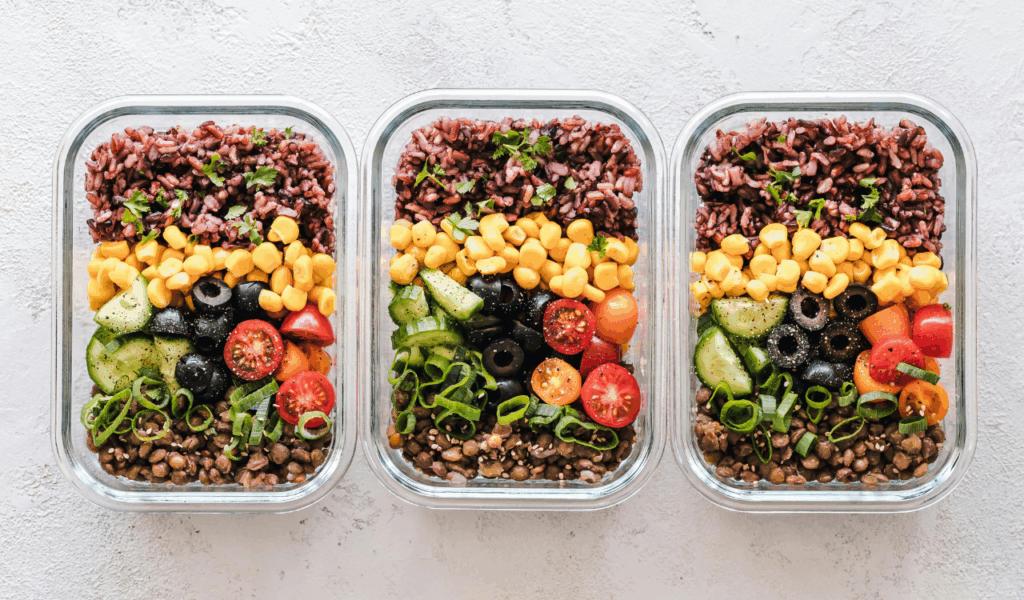
Overly aesthetic meal prep put a lot of emphasis on how things looked. Containers that were perfectly organized looked great, but they didn’t always have a lot of different flavors. Sometimes, meals that were made to look good lost flavor or freshness. It might be stressful to cook when you have to make the meal look great. Eating should be good for you, not only for show. Meals that are prepared primarily for the purpose of taking photographs can be less enjoyable. Many individuals considered this trend to be exhausting, and they would prefer to have meals that were not only tasty but also practical rather than meals that appeared to be immaculate.