7 “Floating” Shelves That Can’t Hold Your Actual Books
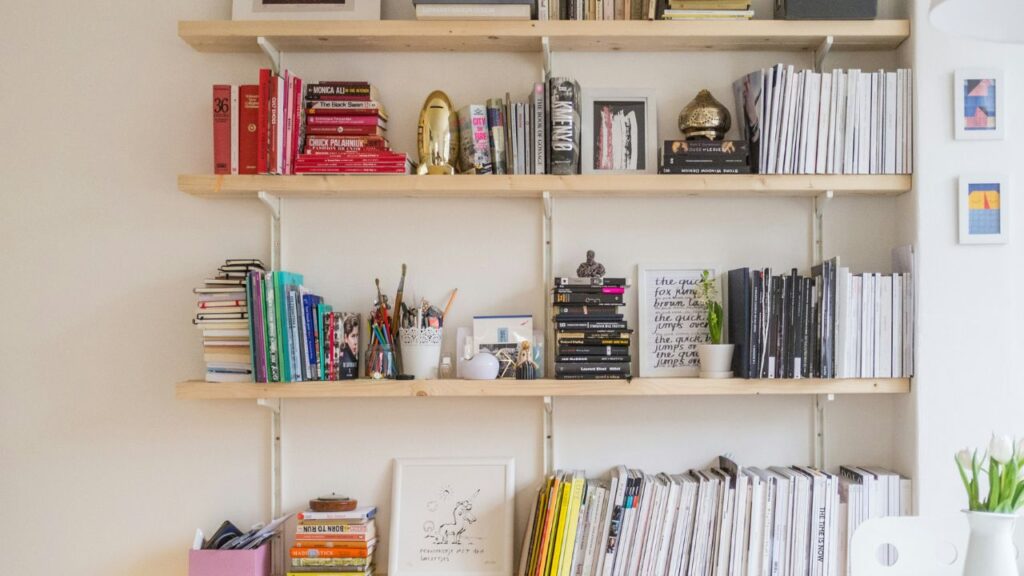
Floating shelves photograph beautifully. Clean lines, hidden brackets, and minimalist styling make them a favorite in design spreads and renovation reels. The problem shows up later, when real books enter the picture. Designers and contractors note that many floating shelves are engineered for décor weight, not dense loads like hardcovers, textbooks, or collections that grow over time. Paperbacks add up fast, and poorly designed shelves begin to sag, loosen, or pull away from the wall. The shelves below look sleek on installation day, but struggle once they are asked to do the actual job people buy shelves for: holding books reliably, safely, and long term.
1. Ultra-Thin MDF Floating Shelves
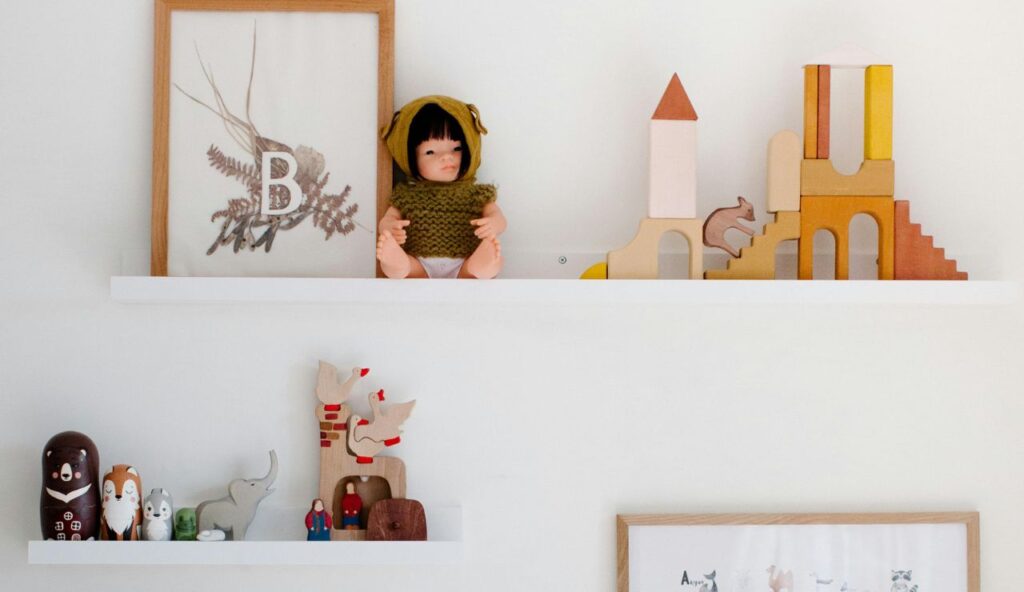
Ultra-thin MDF floating shelves are popular because they look light and modern, almost disappearing against the wall. Designers use them frequently in staging because they photograph cleanly and install quickly. The issue is density. MDF lacks the structural strength to handle concentrated weight, especially across longer spans where books cluster naturally.
Once loaded, these shelves often bow in the middle or stress the hidden brackets. Contractors note that even when anchored properly, the shelf material itself becomes the failure point. What starts as a subtle dip can progress into visible sagging, making these shelves better suited for framed photos than real book storage.
2. Hollow-Core Floating Shelves With Hidden Brackets
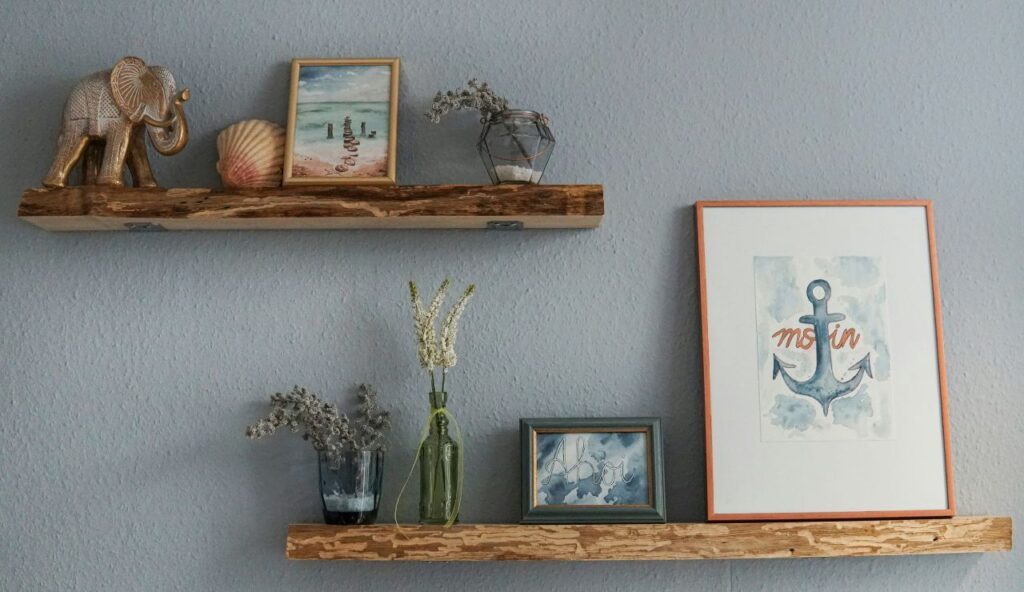
Hollow-core floating shelves are designed to look substantial without the weight or cost of solid construction. From the outside, they appear thick and sturdy, but inside they are often an empty shell wrapped around a metal mounting bar. This design works well for décor displays, but it significantly limits how much downward pressure the shelf can handle over time.
Books introduce uneven, concentrated weight, especially when grouped tightly or shifted toward one end. Contractors note that the outer shell can slowly loosen from the internal bracket, creating wobble or visible sag. Even when installed correctly, the structure itself becomes the weak point. These shelves perform best when weight stays light and evenly distributed, conditions real book collections rarely meet.
3. Adhesive-Mounted Floating Shelves
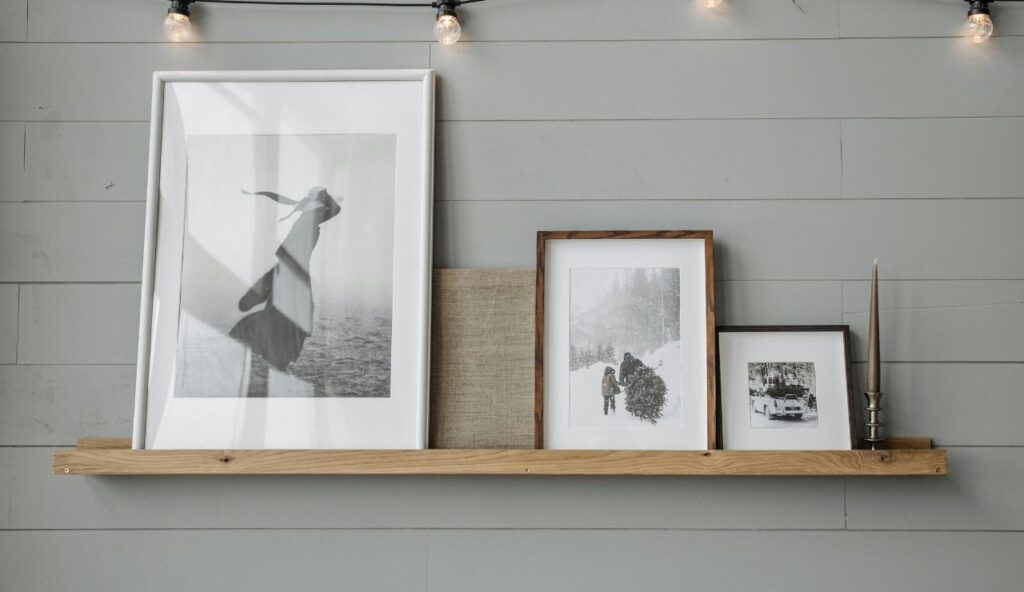
Adhesive-mounted floating shelves are marketed as renter-friendly and surprisingly strong, which makes them appealing for quick upgrades. Designers, however, rarely trust them for anything beyond lightweight décor. Adhesives are tested under ideal conditions, but real homes introduce variables that reduce holding power almost immediately.
Books create constant downward force rather than occasional static weight. Changes in temperature, humidity, and wall texture weaken adhesive bonds over time. Contractors report that failures often happen without warning. A shelf may appear secure for weeks or months before detaching suddenly. For dense items like books, adhesive mounting shifts from convenient to risky very quickly.
4. Particleboard Shelves With Decorative Veneer
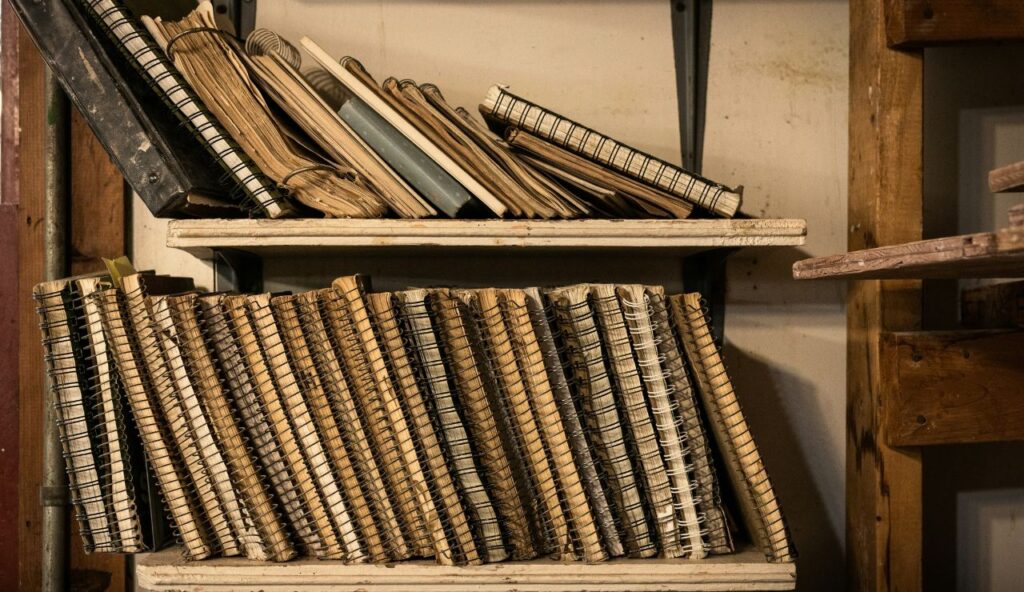
Particleboard floating shelves often look convincing thanks to realistic wood veneers or laminate finishes. Underneath, the material is made from compressed particles that lack the strength of solid wood or plywood. When weight is added, especially in the form of books, the material compresses around screws and anchors.
As pressure increases, screws begin to loosen and the shelf can tilt forward or pull away from the wall. Designers note that particleboard shelves degrade gradually, which makes the problem easy to ignore until damage is visible. These shelves are best suited for light styling. Growing book collections expose their structural limits faster than most homeowners expect.
5. Long-Span Floating Shelves Without Center Support

Long floating shelves create clean, dramatic lines across walls, but length introduces structural challenges. Without center support, even strong materials flex under load. Books naturally cluster toward the middle, concentrating weight where shelves are least supported.
Over time, this causes bowing that stresses brackets and fasteners. Contractors frequently see shelves that were level at installation slowly develop a noticeable dip. The issue is not an installation error, but physics. For shelves meant to hold books, shorter spans or additional supports are essential. Without them, sagging becomes inevitable regardless of material quality.
6. Decorative Ledge-Style Floating Shelves

Ledge-style floating shelves are intentionally shallow, designed to display art, records, or small objects that lean rather than sit flat. Their minimal depth and low back support keep the profile sleek, but also limit load capacity.
Books exceed both the intended weight and depth of these shelves. The forward weight shifts torque onto the mounting hardware, increasing strain at the wall. Designers caution that while ledge shelves photograph beautifully, they are structurally mismatched for book storage. Hardcovers in particular push these shelves past safe limits, leading to loosening or forward tilt over time.
7. Floating Shelves Mounted Only Into Drywall
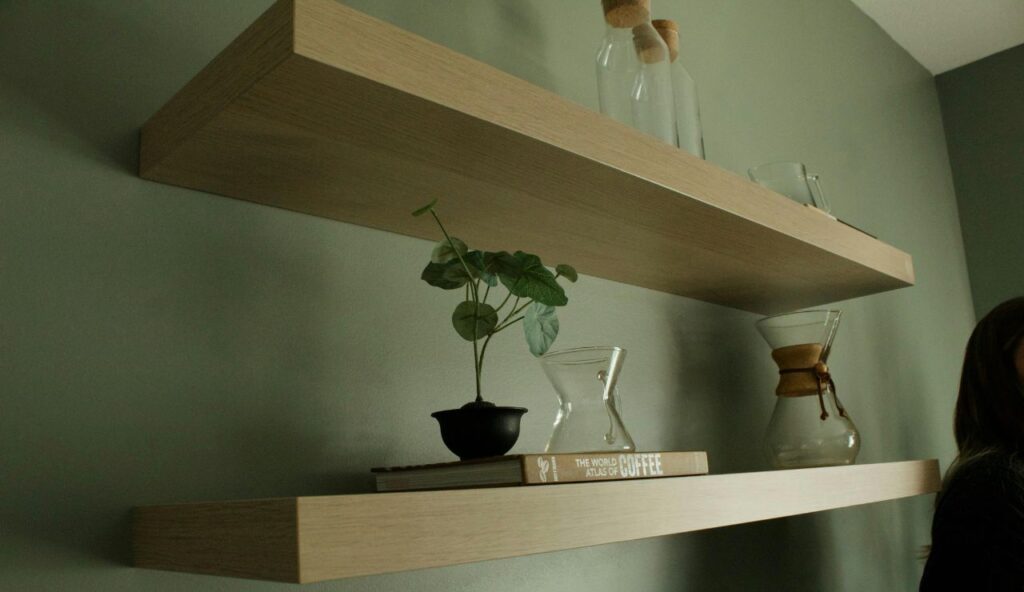
Some floating shelves are installed using drywall anchors instead of being secured directly into wall studs, often to simplify installation or avoid opening the wall. While anchors can support light, evenly distributed décor for short periods, books create sustained, concentrated weight that drywall is not designed to carry. Each additional book increases downward force, gradually widening anchor holes and reducing their holding strength.
Over time, shelves mounted only into drywall begin to tilt, loosen, or pull away entirely, sometimes without warning. Contractors consistently stress that drywall is not a structural material. For shelves expected to hold books long term, proper anchoring into studs or reinforced blocking is essential. Without it, failure is not a possibility, but an eventual certainty.