8 Ice Cream Parlors That Are Totally Overhyped but Still Packed All Summer
Every summer, long lines outside certain ice cream parlors feel almost unavoidable. Travel guides, social media, and ranking lists promise unforgettable scoops, turning a simple dessert into a must-do experience. Yet popularity does not always equal perfection. Many of these shops remain packed despite flavors that are merely good rather than exceptional, service strained by volume, or prices inflated by reputation. Tourists and locals alike keep lining up, driven by tradition, nostalgia, or the promise of a photo-worthy moment. These ice cream parlors thrive on buzz and familiarity, even as quieter competitors often deliver better balance, creativity, or value without the wait.
1. Gelateria Dondoli
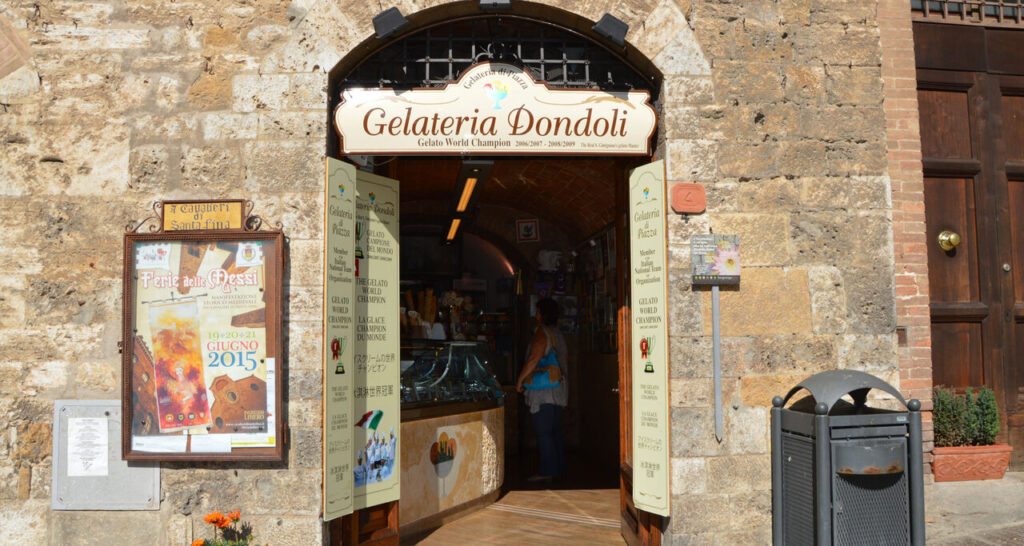
Gelateria Dondoli sits in a postcard-perfect medieval town, and that setting does a lot of the work. Lines form quickly, often stretching through San Gimignano’s narrow streets, driven by guidebook praise and award signage displayed prominently inside. The gelato itself is solid and well-made, with clean flavors and careful technique. The issue for many visitors is expectation. After waiting in long queues, people anticipate something life-changing, only to find gelato that feels comparable to other high-quality Italian shops without the hype. The shop’s fame has also encouraged fast-moving service designed to push volume rather than create a relaxed experience.
2. Berthillon
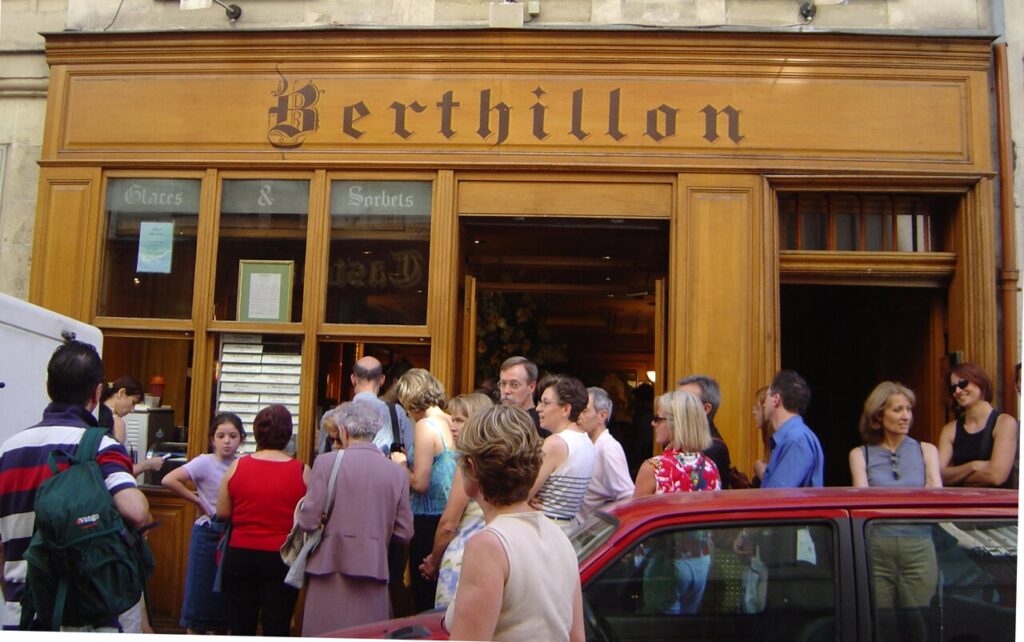
Berthillon’s reputation is deeply tied to nostalgia and tradition. Located on Île Saint-Louis, it has long been considered a symbol of classic Parisian ice cream culture. The flavors are restrained, favoring balance over boldness, which appeals to purists but can feel underwhelming to visitors expecting innovation. Long lines build largely because Berthillon closes frequently and limits access, creating a sense of exclusivity. When it is open, crowds arrive quickly, driven by decades of praise rather than current trends. The ice cream is good, but many find it less exciting than newer Parisian parlors experimenting with texture and flavor.
3. Salt & Straw
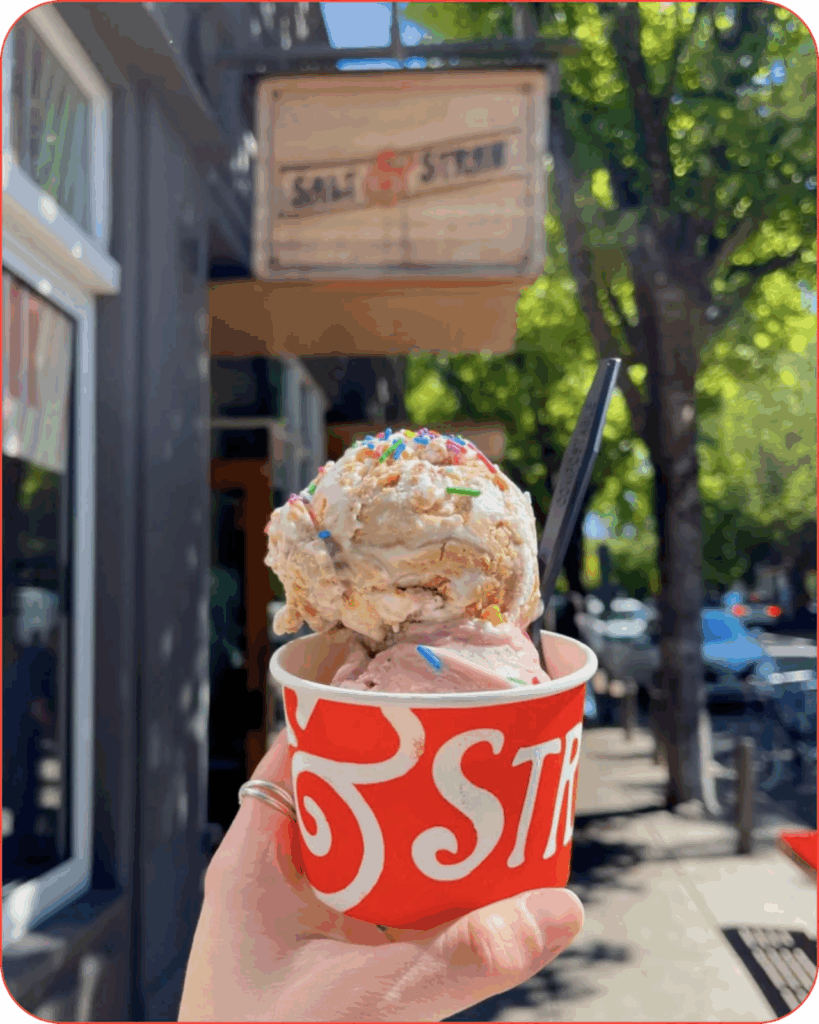
Salt & Straw built its brand on creative flavors and storytelling, turning ice cream into an event. Seasonal menus, unexpected ingredients, and friendly staff all contribute to its appeal. Over time, however, some customers feel the novelty outweighs the execution. Flavors can lean heavily toward gimmicks, with mix-ins dominating rather than enhancing the base. As the chain expanded nationally, consistency became more important than experimentation, leading to recipes that feel safer than they once did. Despite this, lines remain long all summer. Salt & Straw succeeds because it delivers a fun experience and strong branding, even if longtime fans argue the ice cream itself no longer feels special enough to justify the wait.
4. Amorino Gelato
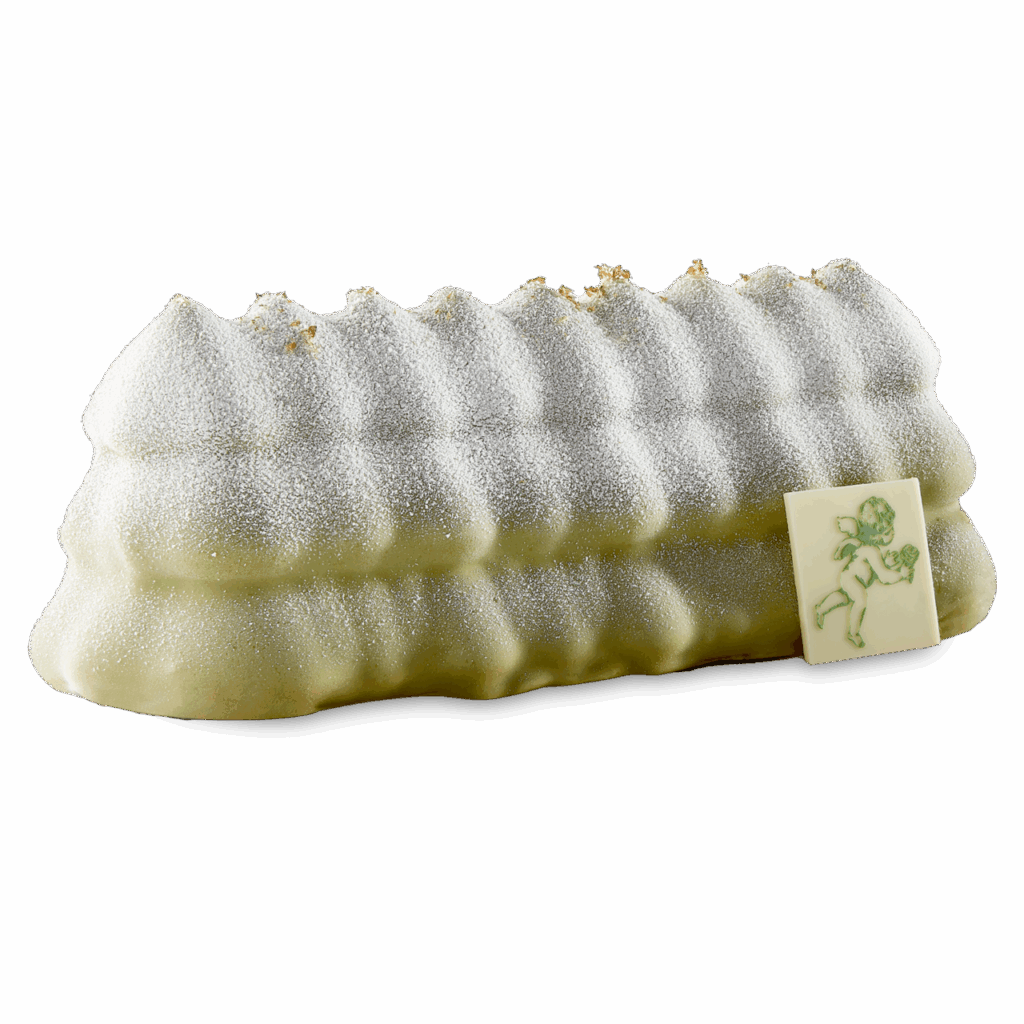
Amorino is instantly recognizable thanks to its flower-shaped gelato presentation, which photographs beautifully and performs exceptionally well on social media. That visual appeal draws steady crowds, especially in tourist-heavy neighborhoods. The gelato is smooth and pleasant, but critics often note that it lacks the intensity and freshness found in smaller artisan shops. Because Amorino operates globally, flavors are designed for broad appeal rather than regional character. Still, the lines persist, fueled by travelers seeking a memorable photo and a familiar brand rather than the best gelato in town.
5. Bi-Rite Creamery
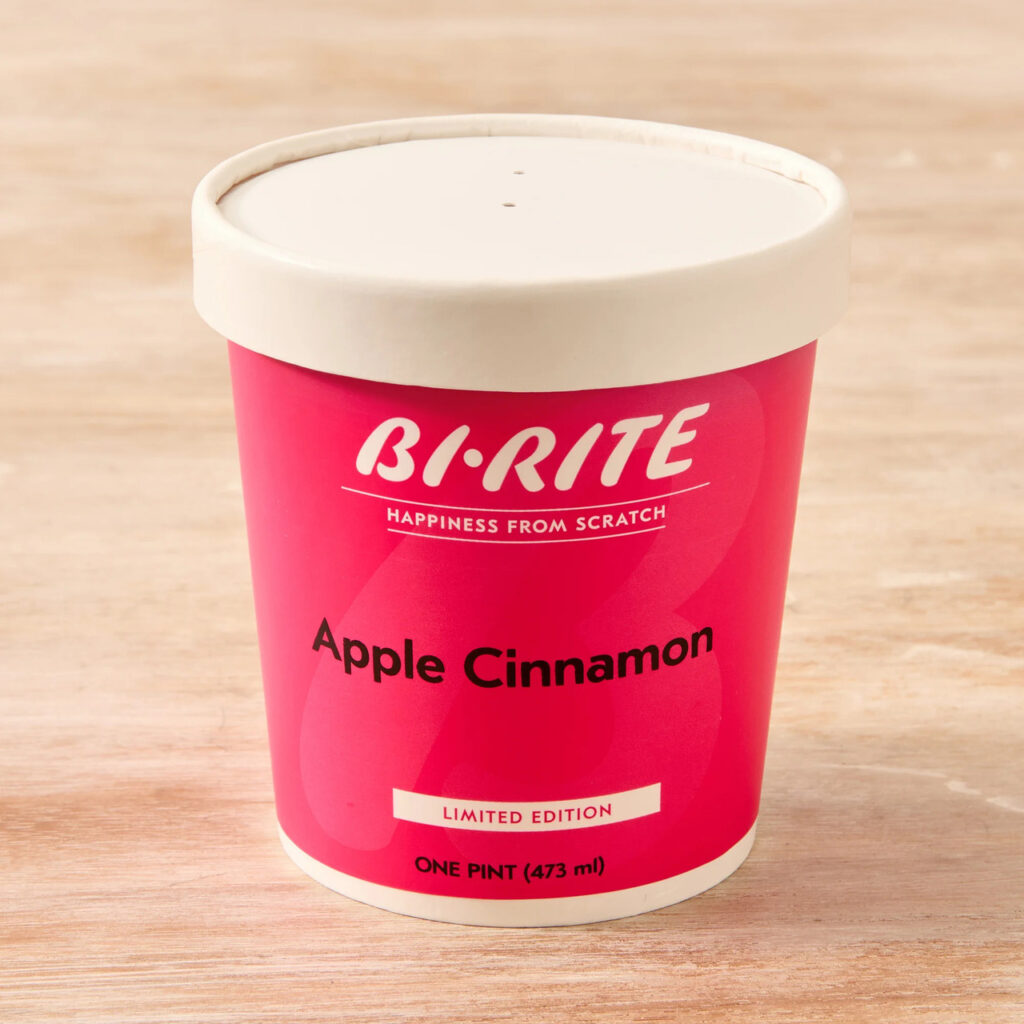
Bi-Rite Creamery helped define San Francisco’s modern ice cream scene, emphasizing local ingredients and seasonal flavors. Early on, its commitment to quality set it apart. As popularity grew, so did expectations. Today, lines often feel disproportionate to the experience, especially for flavors that rotate frequently and vary in impact. Some visitors find the ice cream excellent, while others feel it doesn’t always justify the wait. The small storefront and limited seating amplify congestion during warmer months. Bi-Rite remains packed because it represents a certain San Francisco identity, even as newer creameries quietly match or exceed its quality without the crowds.
6. Grom
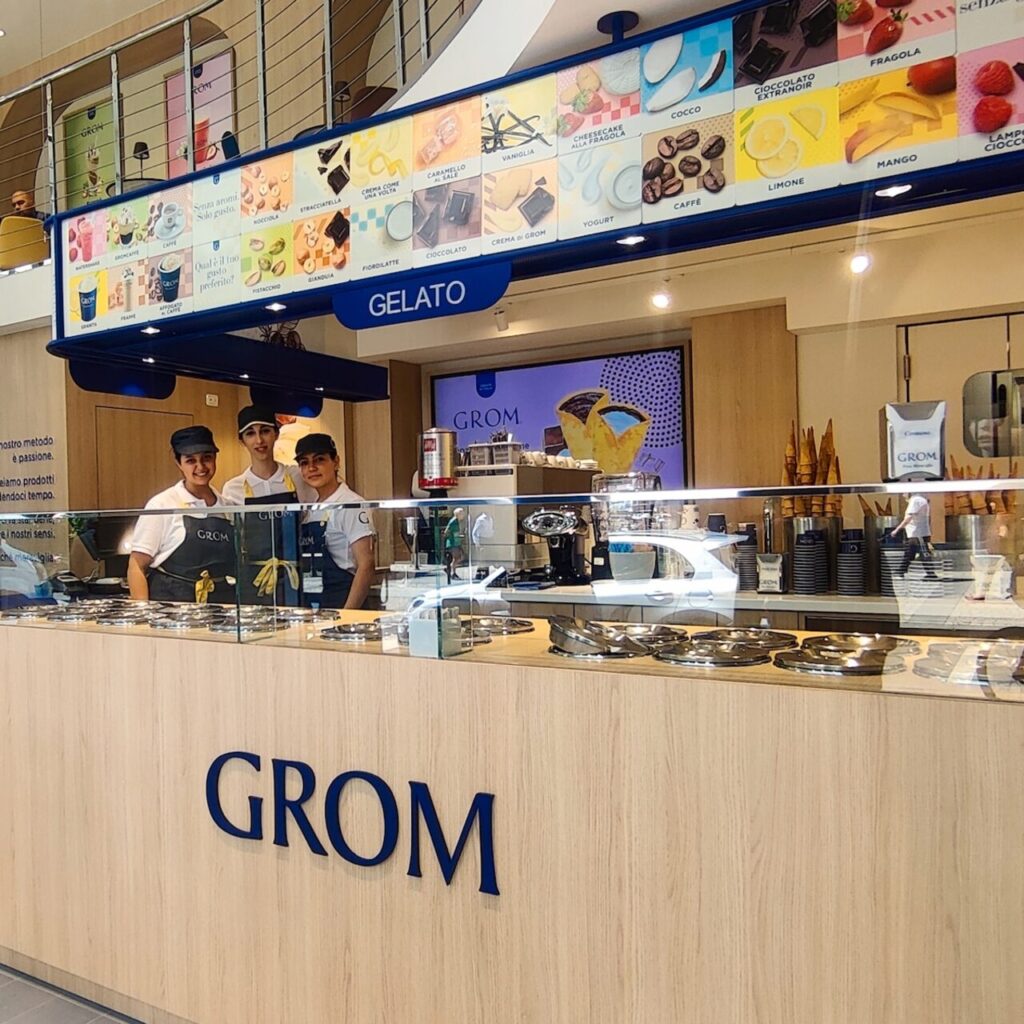
Grom built its reputation on natural ingredients and a promise of purity, appealing to customers seeking a cleaner alternative to traditional gelato. As it expanded across Italy and internationally, that message became more corporate. Critics argue that standardization dulled the character that once made Grom special. Flavors are consistent and well-executed, but they rarely surprise. In cities crowded with excellent gelato shops, Grom stands out more for its branding than its taste. Tourists still flock to it, reassured by name recognition and clear messaging, keeping locations busy even when local alternatives offer more personality.
7. Serendipity 3
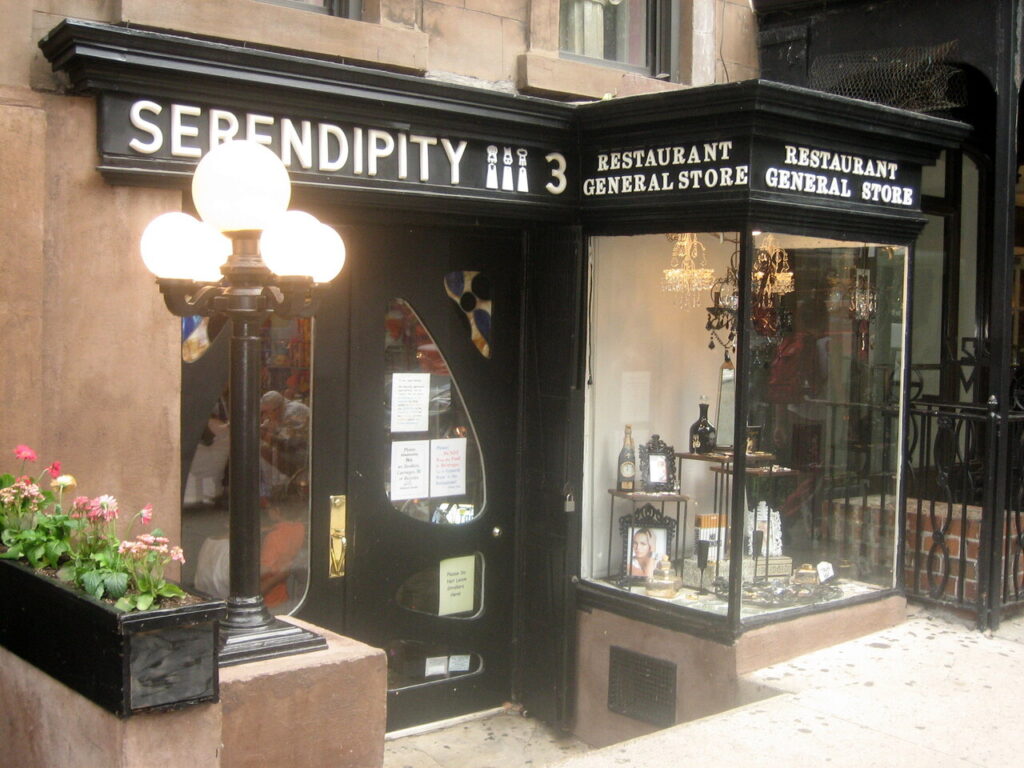
Serendipity 3 is famous less for ice cream quality and more for spectacle. Its oversized sundaes and extravagant pricing have made it a tourist destination for decades. The desserts are indulgent and visually impressive, but many diners find them overly sweet and lacking balance. Waiting times can be long, and the experience often feels chaotic rather than charming. Despite this, Serendipity remains packed every summer because it promises something outrageous and shareable. People come for the story and the photos, not necessarily for nuanced flavor or craftsmanship.
8. Taiyaki NYC
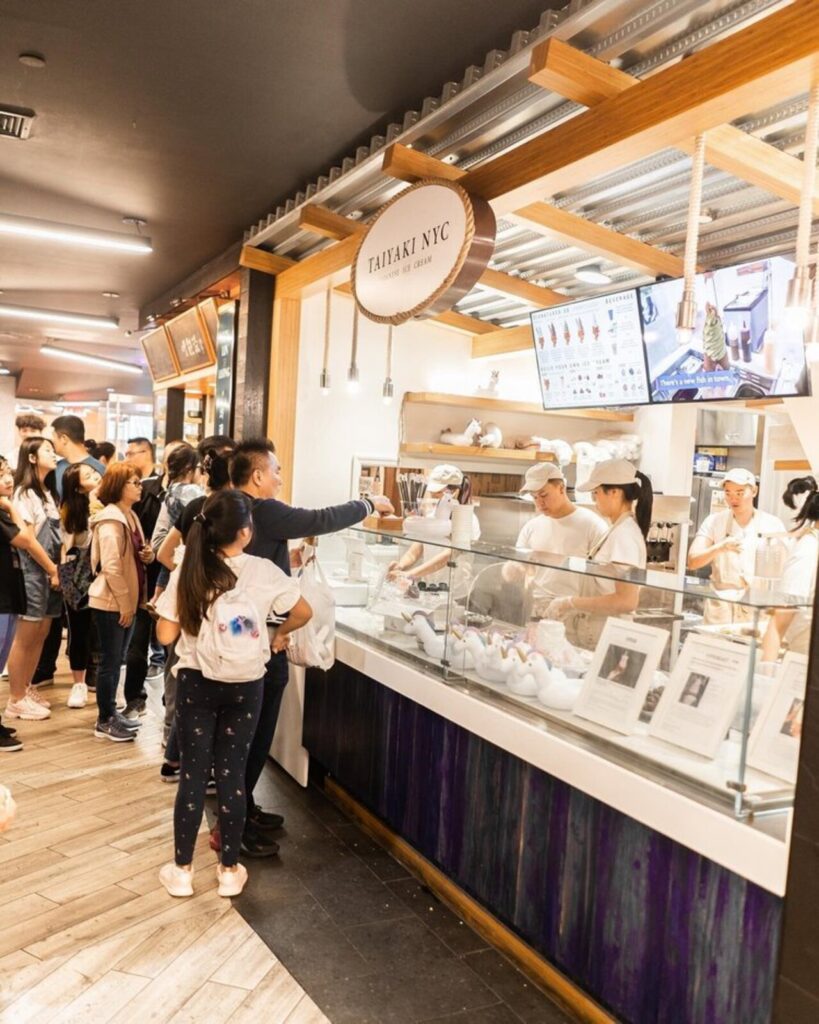
Taiyaki NYC gained rapid popularity by combining soft-serve ice cream with fish-shaped waffle cones. The novelty alone drew massive crowds, especially among younger customers. While the combination is fun, the ice cream itself is often described as average, and the cones can become soggy quickly. Limited menu options and slow service contribute to long waits. The shop thrives because it offers something visually distinct and easy to share online. Even as the novelty wears thin for repeat visitors, summer crowds continue to arrive, driven by curiosity and social media momentum rather than consistent excellence.