10 Home Reset Trends That Made Houses Feel Bare
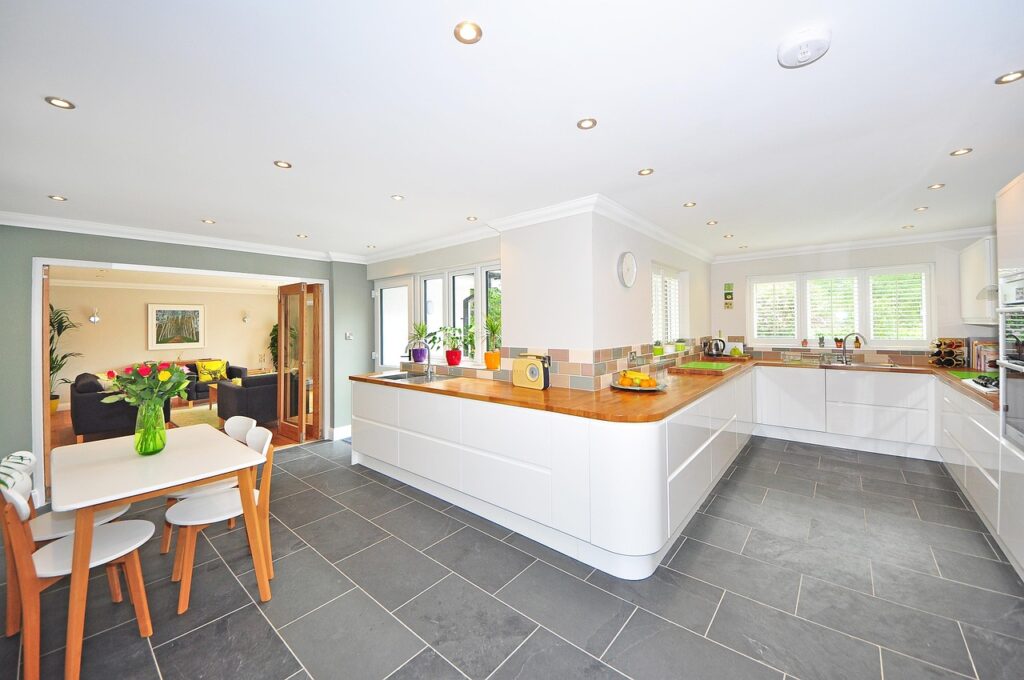
Home reset trends promised calm, clarity, and a fresh start, but many went so far they stripped houses of warmth and personality. In the rush to declutter and simplify, comfort was often the first thing to go. Rooms lost texture, contrast, and the subtle details that make a space feel lived in. What looked serene online started to feel empty in real life. As homeowners spent more time in these spaces, it became clear that balance matters more than minimalism. A home can be tidy and intentional without feeling unfinished or emotionally flat.
1. All-White Interiors That Felt Sterile
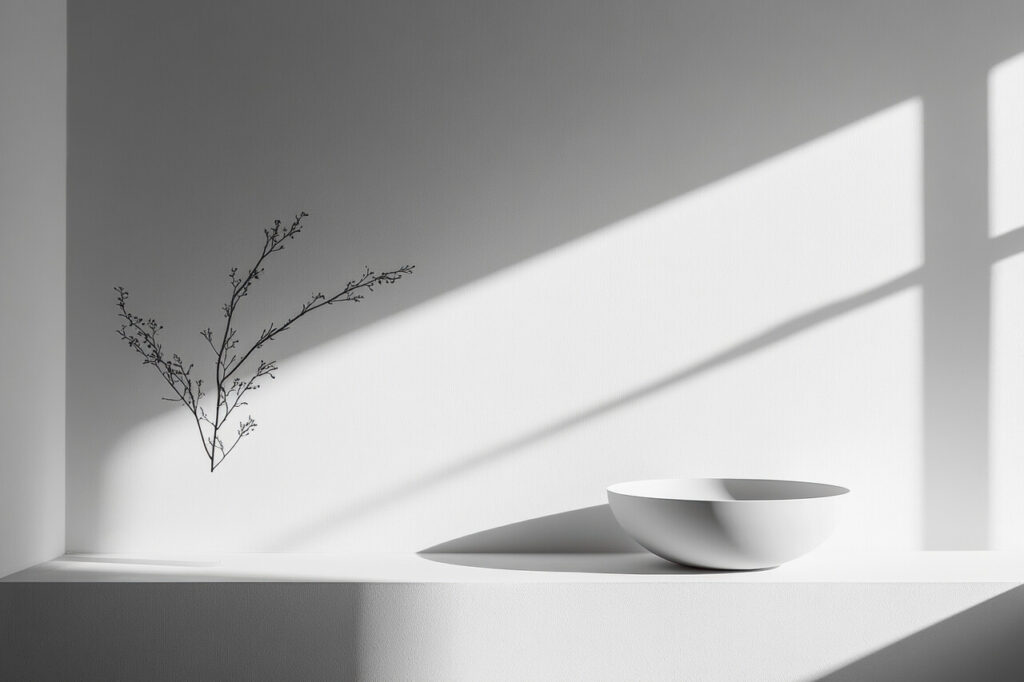
White rooms promise calm and clarity, but when every surface is stripped to the same shade, homes lose their sense of life. Walls, ceilings, furniture, and trim blending together remove visual cues that make spaces feel layered and intentional. Natural light can turn harsh, bouncing off flat white surfaces and exaggerating shadows instead of softening them. Without wood tones, textiles, or contrast, rooms start to feel more like showrooms than places to live. Homeowners often discover that all-white interiors demand constant cleaning while offering little emotional warmth. What was meant to feel fresh ends up reading as unfinished and impersonal.
2. Monochrome Neutral Palettes Without Depth
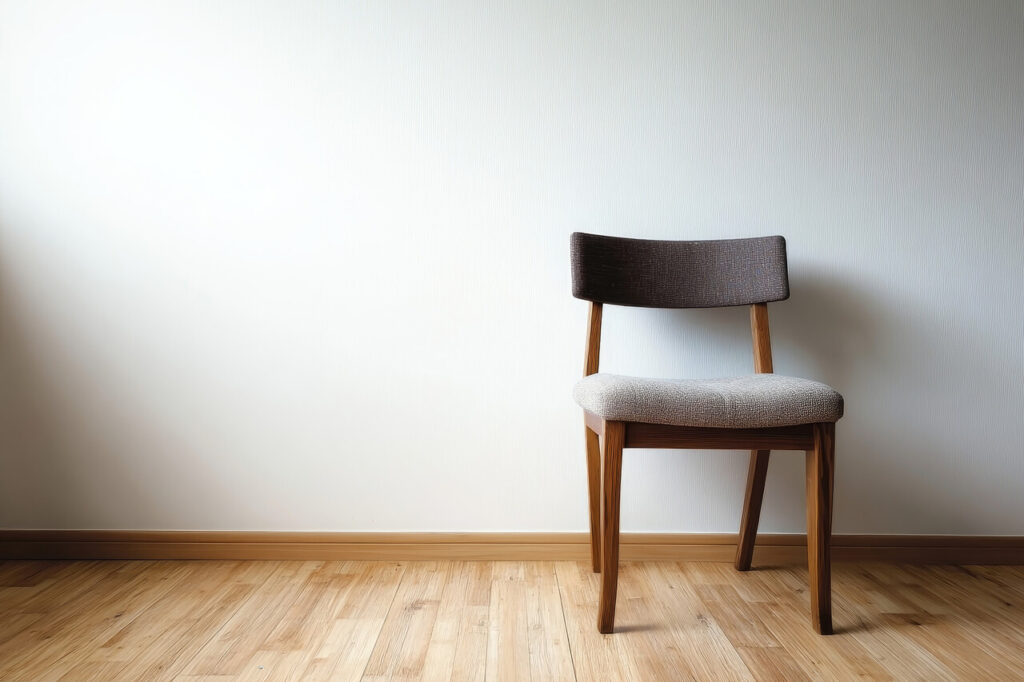
Neutral palettes work best when they include variation, but many reset trends leaned too hard on a single beige, gray, or taupe. When walls, sofas, rugs, and curtains all sit in the same tonal family, rooms flatten visually. There’s nothing for the eye to rest on, which makes spaces feel dull rather than calm. These palettes also struggle to adapt over time since adding color later feels disruptive instead of natural. Homeowners frequently report feeling bored or disconnected in these spaces. Neutrals need contrast through texture, finish, or tone to feel complete rather than drained of character.
3. Overly Minimalist Rooms Lacking Texture
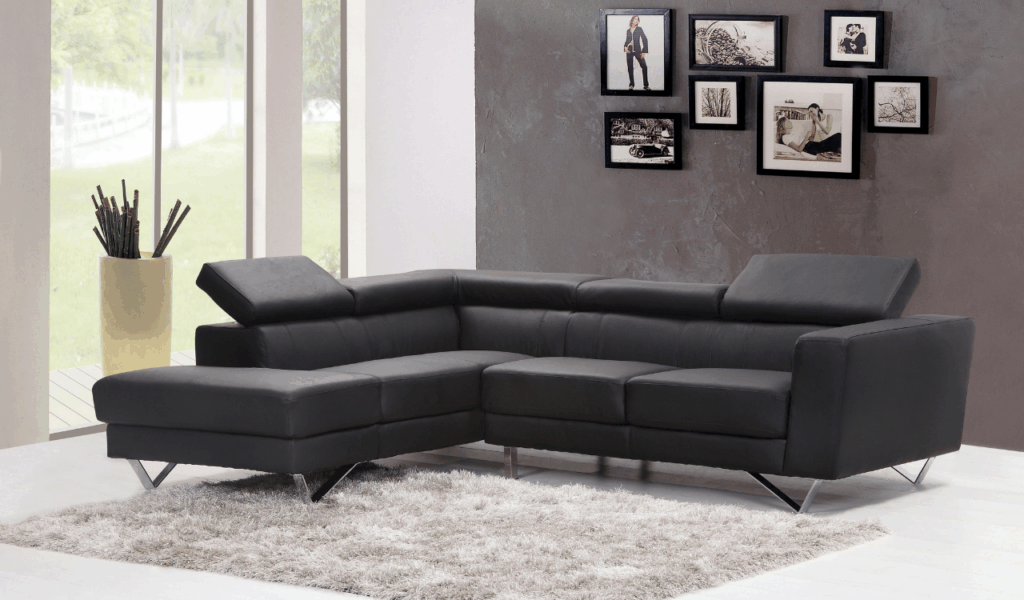
Minimalism isn’t the problem. Texture deprivation is. Many reset interiors removed rugs, layered fabrics, artwork, and soft finishes all at once. The result was echoing rooms with hard surfaces that felt cold and acoustically unpleasant. Smooth walls, sleek furniture, and bare floors might photograph well, but real life requires softness. Texture adds comfort without clutter. When it’s missing, even large rooms can feel empty and unwelcoming. Homeowners often find themselves adding items back slowly, realizing that comfort comes from thoughtful layers, not from visual emptiness.
4. Matchy-Matchy Coordinated Furniture Sets
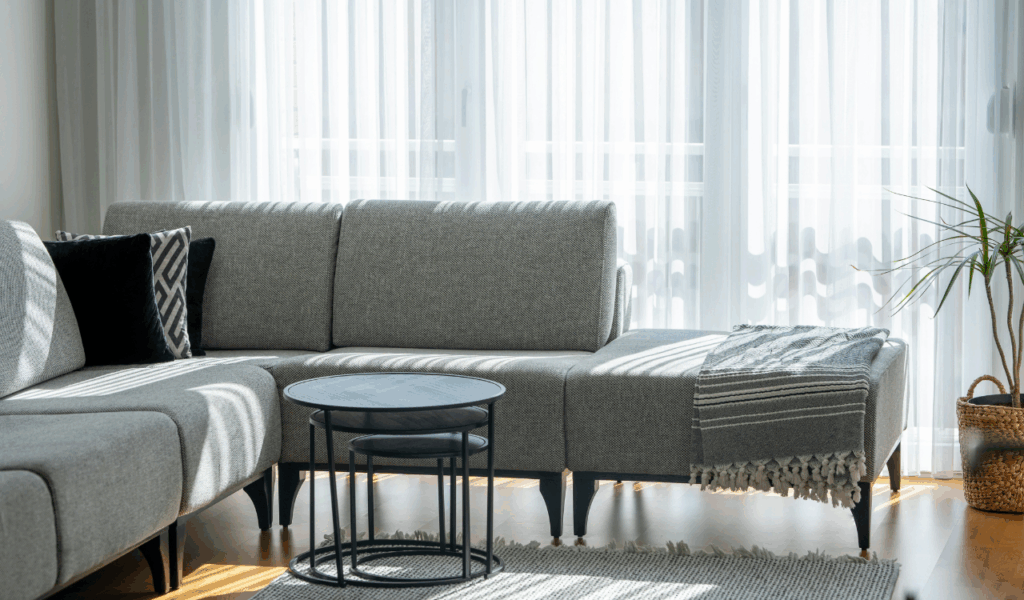
Buying entire furniture sets feels efficient, but it often strips rooms of personality. When sofas, chairs, tables, and storage all match perfectly, spaces feel staged rather than lived in. These setups remove the visual rhythm created by mixing materials, eras, or finishes. Over time, homeowners notice that rooms lack focal points because nothing stands out. Coordinated sets also limit flexibility since replacing one piece disrupts the entire look. What was meant to simplify decorating ends up making rooms feel generic and oddly bare, as though they belong to no one in particular.
5. Accent Walls That Chopped Up Rooms
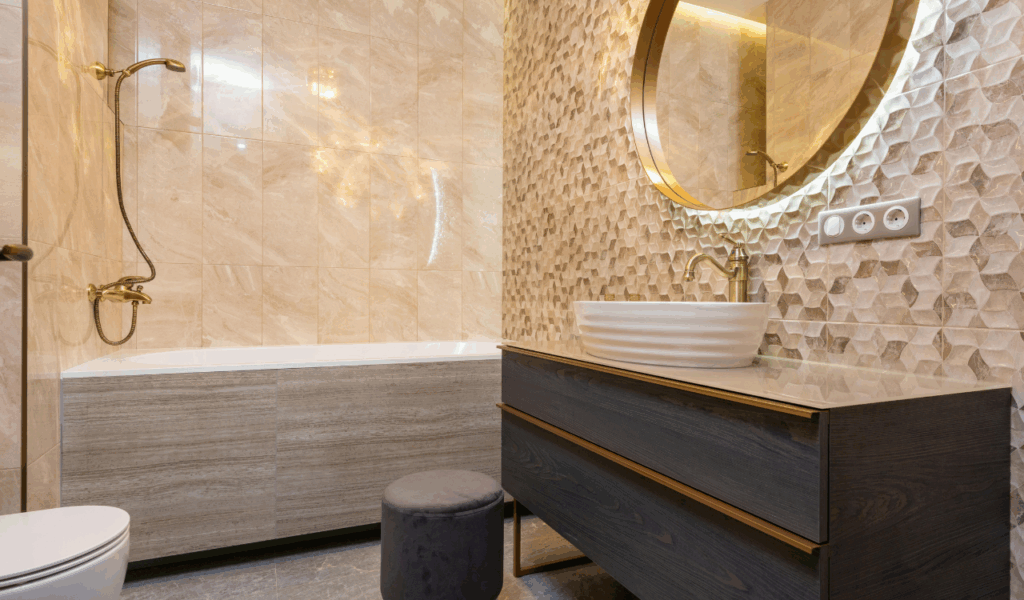
Accent walls were meant to add interest, but many reset trends used them as shortcuts instead of design tools. A single dark or bold wall surrounded by neutral surfaces can visually shrink rooms and disrupt flow. Instead of grounding the space, these walls often feel disconnected from furniture placement or lighting. In open layouts, accent walls can break continuity and make rooms feel segmented. Homeowners frequently regret them because they draw attention to emptiness elsewhere. Without supporting elements like art or layered lighting, accent walls highlight what’s missing rather than adding depth.
6. Flat, Neutral-Only Bedding and Textiles
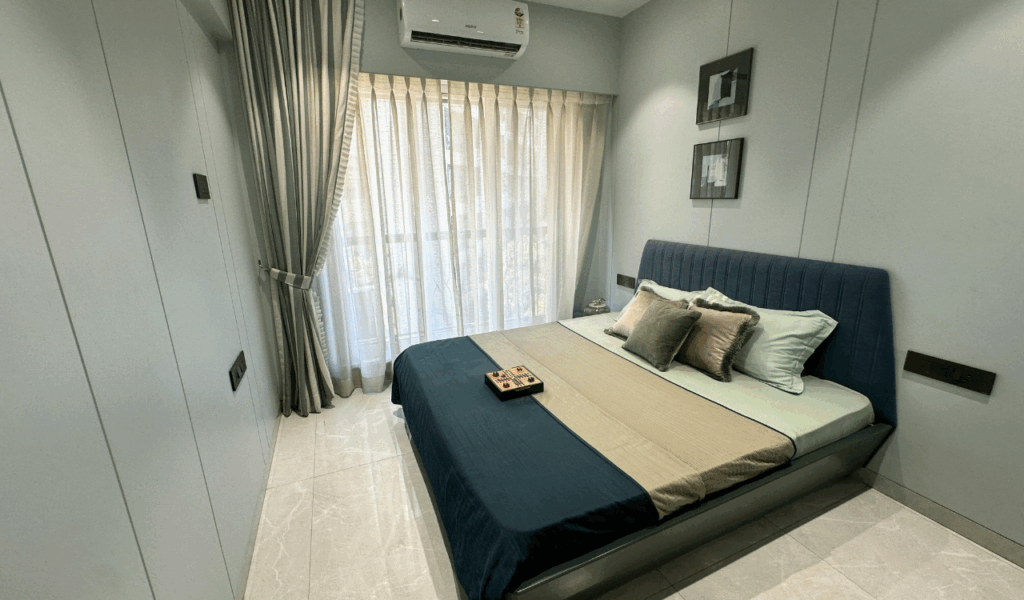
Bedrooms suffered quietly under reset trends that favored perfectly matched, neutral bedding. When sheets, duvets, pillows, and throws all share the same tone and fabric weight, beds lose softness and visual comfort. Texture and contrast are what make sleep spaces feel restorative. Flat textiles create a hotel-like appearance without the luxury. Many homeowners report that these rooms feel cold or overly controlled. Adding variety through different weaves, subtle shade shifts, or layered blankets often becomes necessary just to make the space feel inviting again.
7. Uniform Wall Colors Without Art or Contrast

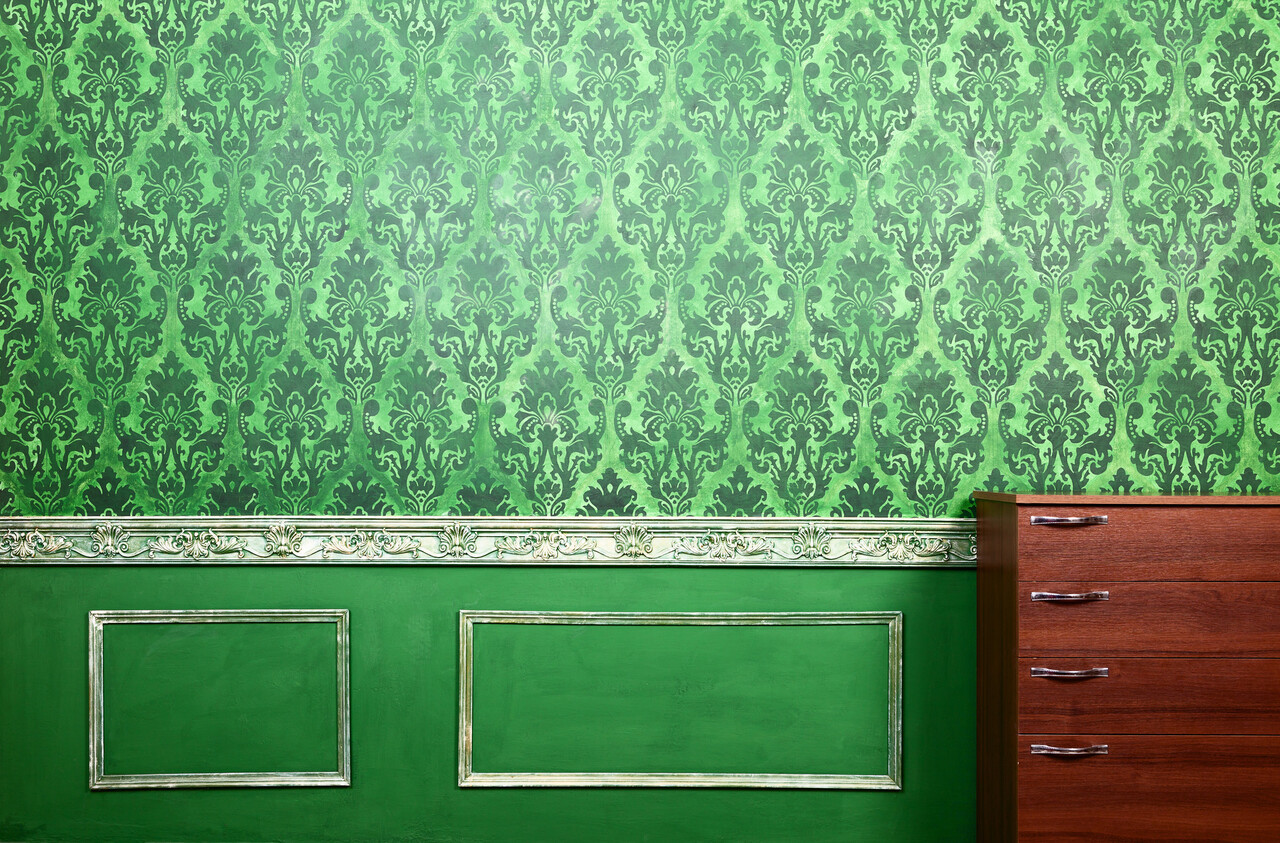
Painting every wall the same color can create flow, but removing art, molding contrast, and visual breaks takes it too far. Walls become empty backdrops rather than contributors to the room. Without artwork, shelves, or variation in finish, rooms feel temporary, as though decorating never finished. Homeowners often hesitate to personalize these spaces, fearing disruption of the clean look. Over time, the absence of visual anchors makes rooms feel hollow. Walls are meant to support living, not disappear entirely.
8. Bare Open Shelving Styled Too Sparingly
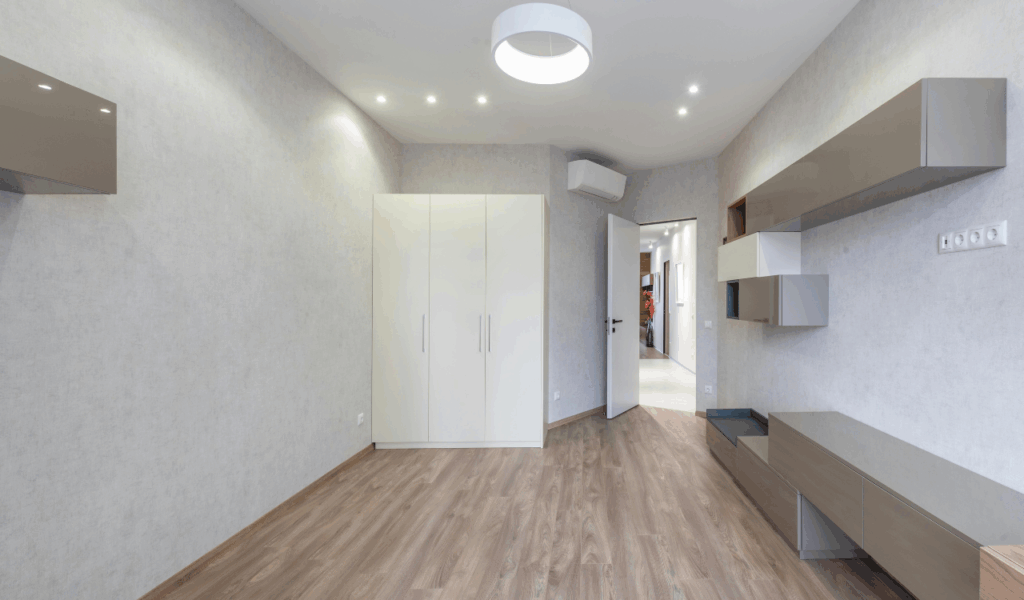
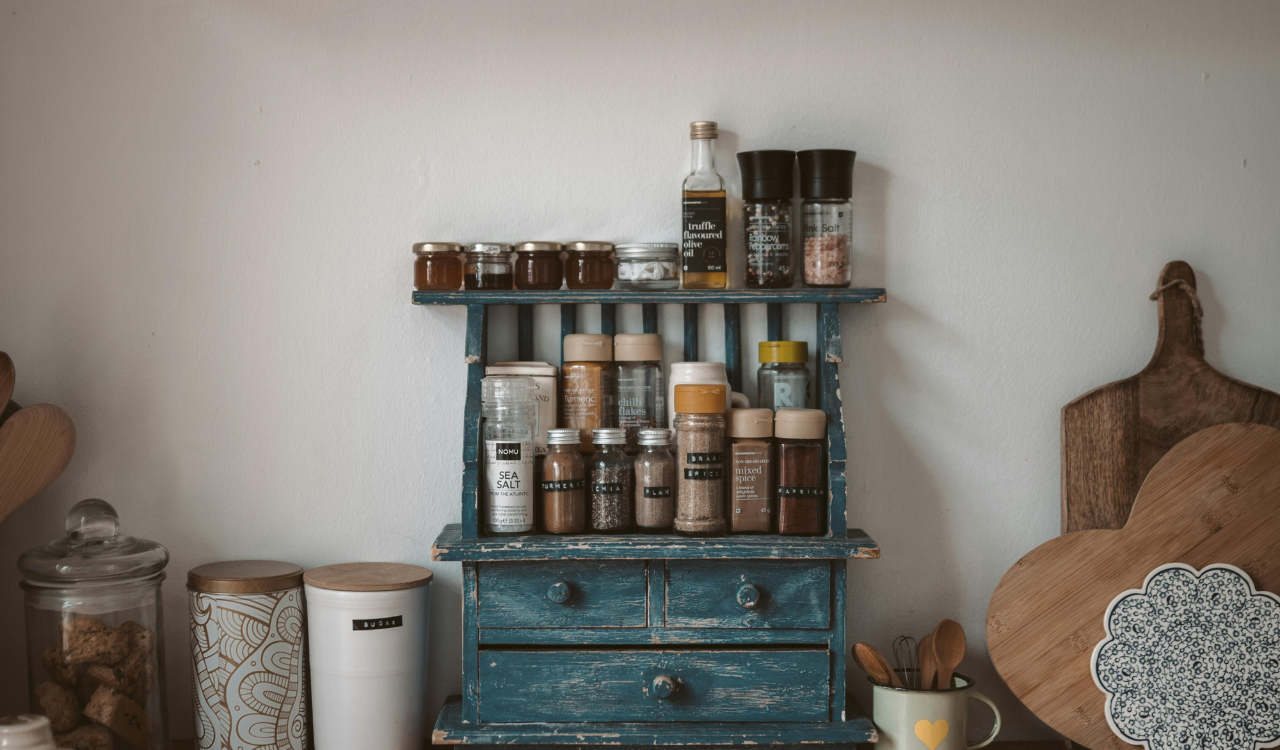
Open shelving works when it balances function and display, but many reset trends reduced shelves to a few scattered objects. Large empty gaps draw attention to what isn’t there, making kitchens and living areas feel underused. These shelves often become dust collectors while still failing to provide real storage. Homeowners find themselves constantly rearranging items to avoid awkward emptiness. Without thoughtful grouping, books, dishes, or decor feel lost. Shelving should support daily life, not showcase restraint to the point of discomfort.
9. Cold Flooring Without Soft Counterpoints
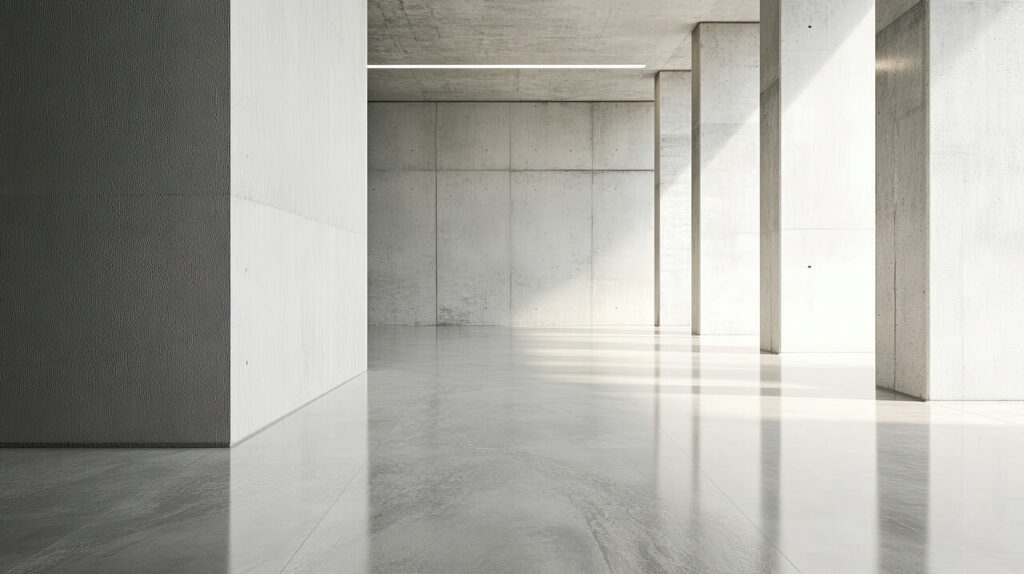
Hard flooring choices like polished concrete, tile, or gray laminate dominated reset interiors. Without rugs, runners, or warm finishes, these floors amplify sound and visual emptiness. Rooms feel colder both physically and emotionally. Furniture seems to float instead of grounding the space. Homeowners frequently notice increased echo and discomfort, especially in living areas. Floors cover the largest surface in a room. When they lack warmth, the entire space feels less welcoming, regardless of how minimal or expensive the furnishings are.
10. Under-Styled Living Spaces With Too Much Negative Space
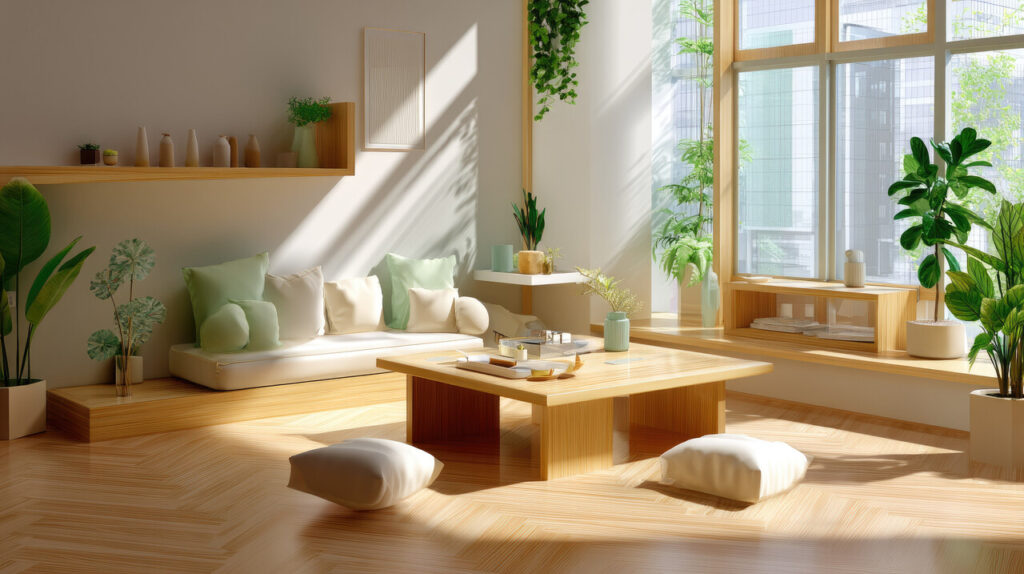
Negative space matters, but excess emptiness drains energy from a home. Living rooms with minimal seating, no side tables, and sparse lighting often feel awkward rather than intentional. Guests don’t know where to sit, place drinks, or relax. Homeowners report feeling like they’re tiptoeing around their own spaces. These rooms may look calm online, but daily life exposes their impracticality. A home should support comfort and interaction. When reset trends remove too much, what’s left feels bare instead of balanced.